
Reptile Rhythms: Understanding Natural Behaviors for Better Care

Welcome to PetCareWorld, your ultimate guide to a happier, healthier life for your beloved companions! Are you ready to unlock the secrets to thriving reptile ownership? Our comprehensive Reptile natural behavior care guide delves into the fascinating world of reptile instincts, revealing how understanding their natural rhythms can transform your care routine. Discover how to create an enriching environment that mirrors their wild counterparts, leading to a more fulfilling life for both you and your scaly friend. Dive in and explore the captivating world of reptile care – your journey to expert pet ownership starts now!
- Understanding Your Reptile's Natural Behaviors: A Care Guide
- Creating a Natural Habitat for Optimal Reptile Well-being
- Common Behavioral Problems and Their Solutions
- Species-Specific Behavioral Considerations: Leopard Geckos
- Resources for Further Learning on Reptile Natural Behaviors
-
Frequently Asked Questions
- What is the most important aspect of reptile care based on natural behavior?
- How can I replicate a reptile's natural environment?
- What are some common signs of stress in reptiles?
- How important is proper lighting and heating for reptile well-being?
- Where can I find more information on specific reptile care?
- Final Reflection: Harmonizing with Reptile Rhythms
- Unleash Your Inner Herpetologist: Boost Your Reptile's Well-being!
Understanding Your Reptile's Natural Behaviors: A Care Guide
Reptiles, with their fascinating diversity and unique adaptations, make captivating companions. However, providing optimal care requires a deep understanding of their natural behaviors. This comprehensive guide delves into the crucial aspects of reptile behavior, offering practical insights to enhance your reptile's well-being and enrich your relationship with your scaly friend.
Understanding your reptile's natural rhythms—from their sleep-wake cycles to their feeding habits—is key to providing a thriving and stimulating environment. This guide will equip you with the knowledge to create a habitat that closely mimics their natural environment, ensuring your reptile lives a long, healthy, and happy life. We'll explore the critical role of light cycles, thermal regulation, and natural feeding behaviors in maintaining the health and happiness of your reptile, ultimately helping you become a more informed and responsible reptile owner.
This guide will help you effectively meet the specific needs of your reptile, using a holistic approach that considers the intricate details of their natural world. This is your ultimate resource for understanding and implementing proper reptile care based on natural behaviors, covering everything from diurnal cycles to hunting techniques. Let's dive in and unlock the secrets to successful reptile keeping!
Diurnal vs. Nocturnal Reptiles: Light Cycles and Activity Patterns
Understanding whether your reptile is diurnal (active during the day) or nocturnal (active at night) is fundamental to proper care. This dictates the appropriate lighting schedule and overall habitat design. Diurnal reptiles, such as many lizards and some turtles, require a strong UVB light source mimicking the sun to aid in vitamin D3 synthesis and overall health. Their enclosures should mimic natural daylight hours, usually around 12-14 hours of light followed by 10-12 hours of darkness.
Failing to provide this can lead to metabolic bone disease (MBD) and other health issues. Nocturnal reptiles, such as many snakes and geckos, have different needs. They require less intense lighting, often focusing on heat lamps rather than UVB, and benefit from a reversed light cycle. Providing the correct lighting is crucial for their well-being and natural behavior.
The following table summarizes the key differences and considerations:
| Reptile Type | Activity Cycle | Lighting Needs | Temperature Gradient | Additional Considerations |
|---|---|---|---|---|
| Diurnal Lizards | Daytime | Strong UVB and heat lamps | Significant gradient | Plenty of basking spots and hiding places |
| Nocturnal Snakes | Nighttime | Heat lamps, low UVB or none | Moderate gradient | Focus on maintaining consistent nighttime temperatures |
| Diurnal Turtles | Daytime | Strong UVB and heat lamps | Significant gradient | Access to water for soaking and hydration |
| Nocturnal Geckos | Nighttime | Low intensity heat lamps | Moderate gradient | Secure, humid hiding places are essential |
Maintaining the correct light cycle is not just about turning a light on and off; it's about mimicking the natural progression of light intensity throughout the day. A timer is essential for consistency. Incorrect lighting can severely impact their health, behavior, and overall well-being. Remember to always research the specific needs of your reptile species.
Basking Behavior: Importance of Thermal Regulation and UV Exposure
Basking is a crucial behavioral aspect for most reptiles. It allows them to regulate their body temperature (thermoregulation), which is essential for digestion, immune function, and overall health. Reptiles are ectothermic, meaning they rely on external sources of heat to maintain their body temperature. A proper basking spot, with a temperature gradient across the enclosure, provides the opportunity for your reptile to choose its optimal temperature. This gradient is achieved through strategically placed heat lamps and basking rocks.
The importance of UVB exposure cannot be overstated. UVB radiation is essential for the synthesis of vitamin D3, which is vital for calcium absorption and preventing metabolic bone disease. Without adequate UVB, your reptile will likely develop MBD, a debilitating and often fatal condition. The intensity and duration of UVB exposure depend on the species and should always be researched beforehand. Regular replacement of UVB bulbs is crucial, as their effectiveness diminishes over time.
Failure to provide adequate basking opportunities and UVB can lead to a variety of health problems, including lethargy, poor appetite, skeletal deformities, and ultimately, death. Always ensure your reptile has access to a warm basking spot and a cooler area to retreat to, allowing it to thermoregulate effectively. Remember to monitor the temperature regularly using accurate thermometers.
Feeding Habits and Prey Acquisition: Natural Diets and Hunting Instincts
Understanding your reptile's natural diet and hunting instincts is crucial for providing appropriate nutrition and stimulating enrichment. Many reptiles are ambush predators, relying on stealth and quick strikes to catch their prey. Mimicking this natural hunting behavior in captivity can provide mental stimulation and prevent boredom. For example, feeding live prey (if appropriate for your species and risk assessment is done appropriately) can encourage natural hunting behaviors. Providing varied feeding methods and locations can also stimulate your reptile.
The natural diet of your reptile should be replicated as closely as possible. This often involves a variety of insects, rodents (for larger species), or other appropriate food items. Avoid solely relying on commercially available food; supplementation with natural food items can be beneficial for both nutrition and enrichment. The frequency of feeding depends on the species and age of your reptile; younger animals generally require more frequent feedings.
Always research the specific dietary needs of your reptile species. Incorrect feeding can lead to nutritional deficiencies, obesity, and other health problems. Observe your reptile's feeding habits closely, noting any changes in appetite or behavior that may indicate a health issue. Providing a balanced and varied diet that mimics their natural feeding patterns is essential for their overall health and well-being.
Reptilian Communication: Understanding Body Language and Signals
Reptiles, unlike mammals, don't communicate through vocalizations in the same way. Their communication relies heavily on subtle body language and visual cues. Understanding these signals is crucial for responsible reptile ownership and ensures you can identify stress, illness, or readiness to interact. Misinterpreting these signals can lead to accidental injuries for both you and your reptile.
For example, a puffed-up body posture in many lizard species, such as bearded dragons, signifies aggression or a defensive stance. They might also darken their skin coloration as a further warning. Conversely, a flattened body posture often indicates fear or submission. Observing these changes is vital in understanding your reptile's emotional state.
Different species exhibit unique communication styles. Snakes, for instance, utilize tongue flicking to gather scent information from the environment, a crucial part of their hunting and navigation. This isn't necessarily a direct form of communication to you, but understanding its function helps you interpret their behavior in their enclosure. A snake constantly flicking its tongue might be searching for food or detecting a potential threat, influencing how you interact with it.
Furthermore, tail movements can be highly informative. A rapidly vibrating tail in some lizards may indicate excitement or anticipation (often before feeding), while a thrashing tail could be a sign of distress or pain. Certain reptile species also use head bobbing as a form of communication, with specific patterns signifying different intentions, such as territorial displays or courtship rituals. Detailed species-specific research is highly recommended to fully grasp the nuances of your pet's communication style.
Careful observation is key. Spend time watching your reptile's behavior in its natural environment (if possible, through videos or documentaries) and within its enclosure. Note the subtle changes in posture, coloration, and movement patterns. This attentive observation will help you build a better understanding of your pet's needs and preferences, leading to a more harmonious and enriching relationship. Remember, understanding their silent communication is the cornerstone of responsible and fulfilling reptile care. Ignoring these signals could significantly impact your reptile's well-being.
Creating a Natural Habitat for Optimal Reptile Well-being
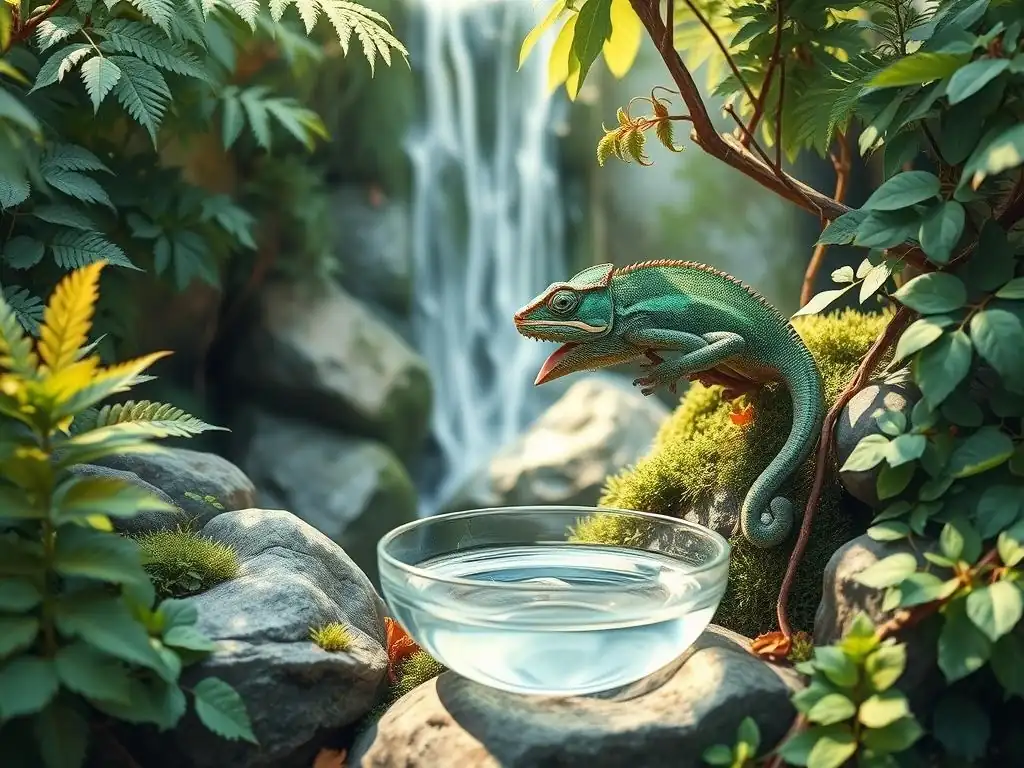
This section delves into the crucial aspects of creating a naturalistic environment for your reptile companion, significantly impacting their health, behavior, and overall quality of life. A well-designed habitat goes beyond simply providing shelter; it's about mimicking the reptile's natural environment to promote natural behaviors and reduce stress. Understanding and replicating these natural aspects is key to responsible reptile ownership and contributes directly to improved reptile natural behavior care.
Substrate Selection: Mimicking Natural Environments
Substrate selection is a fundamental element of creating a realistic and functional reptile habitat. The choice of substrate directly impacts your reptile's health, hygiene, and natural behaviors. Avoid substrates that can be ingested and cause impaction, a potentially fatal condition. The ideal substrate should closely resemble the reptile's natural environment.
For example, desert-dwelling reptiles like Leopard Geckos thrive on a mixture of play sand and calcium sand. This provides a suitable digging medium, mimicking their natural burrowing behaviors. Conversely, arboreal species, such as tree boas, benefit from substrates that allow for climbing and gripping, such as cypress mulch or orchid bark. These substrates also offer better humidity retention, essential for many arboreal species.
Choosing the right substrate isn't just about aesthetics; it's about providing a safe and stimulating environment that supports natural behaviors and minimizes health risks. Incorrect substrate choices can lead to various health problems, including:
- Impaction: Ingestion of loose substrates can cause digestive blockages.
- Respiratory problems: Dusty substrates can irritate sensitive respiratory systems.
- Burns: Some substrates, when heated, can reach dangerously high temperatures.
Always research the specific needs of your reptile species before selecting a substrate. A well-chosen substrate is a cornerstone of successful reptile natural behavior care.
Temperature and Humidity Control: Species-Specific Requirements
Maintaining the correct temperature and humidity levels is paramount for reptile health and well-being. Reptiles are ectothermic, meaning they rely on external sources of heat to regulate their body temperature. Fluctuations outside their optimal range can lead to stress, illness, and even death. The specific temperature and humidity requirements vary greatly depending on the species.
Consider the following when setting up your reptile's enclosure:
| Reptile Species | Ideal Temperature Range (°C) | Ideal Humidity Range (%) |
|---|---|---|
| Leopard Gecko | 24-30 | 30-40 |
| Bearded Dragon | 29-35 | 30-40 |
| Corn Snake | 24-29 | 40-60 |
| Green Tree Frog | 22-28 | 60-80 |
Precise temperature control often requires the use of heat lamps, heat mats, and thermostats. Humidity can be regulated through misting, the use of humidifiers, or specific substrate choices. Regular monitoring with accurate thermometers and hygrometers is crucial to ensure the environmental parameters remain within the species-specific range. Failing to maintain appropriate temperature and humidity is a common factor in reptile health issues, hindering natural behaviors and overall well-being. This careful control is an essential part of a comprehensive reptile natural behavior care guide.
Enrichment and Stimulation: Providing Mental and Physical Exercise
Reptiles, despite their often perceived stillness, require mental and physical stimulation to thrive. A barren enclosure can lead to boredom, stress, and behavioral problems. Enrichment aims to mimic the challenges and opportunities found in a reptile's natural habitat, promoting natural behaviors and enhancing their overall well-being.
Enrichment strategies include:
- Providing climbing structures: Branches, rocks, and artificial vines for arboreal species.
- Creating hiding places: Caves, logs, and plants offer security and reduce stress.
- Offering foraging opportunities: Scatter feeding insects for insectivores.
- Introducing interactive toys: (Note: The suitability of toys varies greatly by species and requires careful consideration).
- Providing visual stimulation: Varying the enclosure’s appearance with appropriate decorations.
The type and level of enrichment will depend on the species and individual reptile's personality. Observe your reptile's behavior for clues about what it enjoys and adjust the enrichment accordingly. A stimulating environment is crucial for preventing behavioral problems and promoting a healthy, active lifestyle. This aspect of enrichment is an often-overlooked, yet crucial component of a complete reptile natural behavior care guide. Remember, providing a stimulating environment directly contributes to the overall health and happiness of your reptile.
Hiding Places and Security: Creating a Safe and Comfortable Space
Reptiles, by nature, are often prey animals. Providing ample hiding places within their enclosure is crucial for their well-being and stress reduction. A reptile that feels secure is a healthier reptile. This isn't just about a single hide; it's about offering a variety of options, catering to different moods and needs. Think of it like offering a choice of comfortable rooms in a house – some dark and secluded, others slightly more open but still sheltered.
Consider the size and species of your reptile when determining the number and type of hides. A large bearded dragon will require significantly more space and larger hides than a small gecko. Multiple hides are essential, especially for multiple reptile enclosures, to minimize territorial disputes and allow for retreat when feeling threatened or simply needing some alone time. This is especially important during shedding, when reptiles are particularly vulnerable and seek secluded spaces. Providing enough hides also helps prevent bullying within a multi-reptile enclosure.
The types of hides can vary greatly. Commercial options abound, including caves made of resin, ceramic hides, and cork bark pieces. However, you can also create natural hides using appropriately cleaned and sanitized materials like half-logs, large rocks (ensure they are stable and won't topple), and even carefully arranged plants. Remember to always prioritize safety; ensure hides are securely placed and won’t collapse or injure your reptile. Sharp edges should be smoothed or avoided completely.
The placement of hides is just as critical as their number and type. Ideally, you should offer a range of locations: some in warmer areas (basking spots), others in cooler zones, and some in more humid microclimates. This allows your reptile to thermoregulate effectively, a crucial aspect of their health and natural behavior. Observe your reptile's behavior to see which hides they prefer and adjust the arrangement accordingly.
If one hide is consistently favored, it might indicate a need for more options or adjustments to the environment's temperature and humidity gradients. Providing a safe and secure environment is paramount for mimicking natural reptile behavior and ensuring their overall well-being. 🦎
Common Behavioral Problems and Their Solutions
This section delves into common behavioral issues observed in pet reptiles, providing insights into their underlying causes and practical solutions for improved reptile care. Understanding your reptile's natural behaviors is crucial for recognizing deviations and addressing potential problems promptly. A proactive approach to reptile care, informed by a solid understanding of their natural rhythms, can significantly improve their quality of life and longevity. This guide focuses on addressing some of the most frequently encountered behavioral challenges.
Aggression and Stress in Reptiles: Identifying Causes and Remedies
Aggression in reptiles, while sometimes a natural part of their behavior (especially during mating season), often signals underlying stress or discomfort. Identifying the root cause is key to finding an effective remedy. Stress in reptiles can manifest in various ways, including biting, hissing, tail whipping, and increased hiding behavior. Several factors can contribute to aggressive behavior and stress:
- Improper Housing: Insufficient space, lack of hiding places, inappropriate substrate, or inadequate temperature and humidity gradients can all lead to stress. For example, a bearded dragon kept in a small enclosure without sufficient basking spots will likely exhibit more aggressive behaviors than one housed appropriately.
- Territoriality: Reptiles are often territorial creatures. Introducing a new reptile into an established habitat can trigger aggressive interactions. Similarly, overcrowding can exacerbate territorial disputes.
- Handling Stress: Rough or infrequent handling can traumatize reptiles, making them more prone to aggression. Gentle, controlled handling is crucial, especially with species known for their defensive behaviors.
- Poor Nutrition: Nutritional deficiencies can weaken reptiles, making them more irritable and prone to aggression. A balanced diet tailored to the specific species' needs is essential.
- Illness: Underlying health issues can contribute to irritability and aggression. A lethargic reptile exhibiting unusual aggression should be examined by a veterinarian.
Remedies: Addressing aggression requires a multi-pronged approach focusing on environmental enrichment, proper handling techniques, and veterinary care when necessary. This includes:
- Enhancing the Habitat: Providing ample space, appropriate hiding spots, and maintaining optimal temperature and humidity gradients can significantly reduce stress levels.
- Controlled Handling: Handle your reptile gently and only when necessary. Always support their body to avoid injury.
- Nutritional Optimization: Ensure your reptile receives a balanced diet, consulting with a reptile veterinarian or experienced reptile keeper for species-specific dietary recommendations.
- Veterinary Examination: If aggression is persistent or accompanied by other symptoms (lethargy, anorexia, abnormal shedding), consult a veterinarian to rule out underlying health issues.
Lethargy and Anorexia: Signs of Illness and Nutritional Deficiencies
Lethargy and anorexia (loss of appetite) in reptiles are often indicative of underlying health problems or nutritional deficiencies. These symptoms should never be ignored, as they can rapidly deteriorate a reptile's health. Several factors can contribute to lethargy and anorexia:
- Temperature Issues: Improper temperature gradients can lead to metabolic slowing, resulting in lethargy and reduced appetite. Reptiles are ectothermic and rely on external heat sources to regulate their body temperature.
- Infections: Bacterial, viral, or parasitic infections can significantly weaken reptiles, causing lethargy and loss of appetite.
- Dehydration: Dehydration can lead to lethargy, reduced activity, and loss of appetite. Ensuring access to clean drinking water is crucial.
- Metabolic Bone Disease (MBD): This condition, often caused by inadequate calcium and vitamin D3 intake, weakens bones and can lead to lethargy and anorexia.
- Parasites: Internal and external parasites can sap a reptile's energy, resulting in lethargy and decreased appetite.
Signs to watch for: Besides lethargy and anorexia, look for other symptoms such as:
- Weight loss: Significant weight loss is a serious sign requiring immediate veterinary attention.
- Changes in behavior: Changes in normal behaviors, such as reduced basking or increased hiding, are also important indicators.
- Discharge from eyes, nose, or mouth: This could signal infection.
- Skin lesions: Skin problems may suggest illness or parasitic infestation.
Remedies: Addressing lethargy and anorexia requires prompt veterinary intervention. The veterinarian will perform a thorough examination, possibly including blood tests and fecal analysis, to determine the underlying cause. Treatment will vary depending on the diagnosis, but may involve medication, dietary adjustments, and environmental modifications.
Abnormal Shedding: Environmental Factors and Underlying Health Issues
Abnormal shedding in reptiles, such as retained scutes or difficulty shedding, often points to environmental problems or underlying health issues. Proper shedding is crucial for a reptile’s health and well-being. Problems with shedding can range from minor inconveniences to serious health threats. Consider these factors:
- Humidity Levels: Inadequate humidity is a common cause of difficulty shedding. Reptiles require specific humidity levels to keep their skin moist and facilitate proper shedding. Low humidity can result in retained scutes, which can lead to infections.
- Temperature Gradients: Incorrect temperature gradients can also affect shedding. Consistent temperature fluctuation can stress the reptile, interfering with the natural shedding process.
- Nutritional Deficiencies: Deficiencies in vitamins and minerals, particularly vitamin A, can impair skin health and lead to abnormal shedding.
- Parasites: Parasitic infestations can irritate the skin and interfere with shedding.
- Underlying Health Issues: Various health problems, including kidney disease and metabolic bone disease, can manifest as abnormal shedding.
Remedies: Addressing abnormal shedding involves optimizing the reptile's environment and addressing any underlying health issues. This involves:
- Humidity Control: Ensure appropriate humidity levels are maintained using humidifiers or other methods. Regularly monitor humidity using a hygrometer.
- Temperature Regulation: Maintain consistent temperature gradients within the reptile's enclosure. Use appropriate heating devices and monitor temperature regularly with a thermometer.
- Dietary Adjustments: Ensure a balanced diet rich in vitamins and minerals. Consult a veterinarian or reptile specialist for appropriate dietary recommendations.
- Parasite Treatment: If parasites are suspected, a veterinarian can diagnose and treat the infestation.
- Veterinary Care: If abnormal shedding persists despite environmental adjustments and dietary changes, consult a veterinarian to rule out underlying health problems. Early detection and treatment are crucial for preventing complications.
Species-Specific Behavioral Considerations: Leopard Geckos
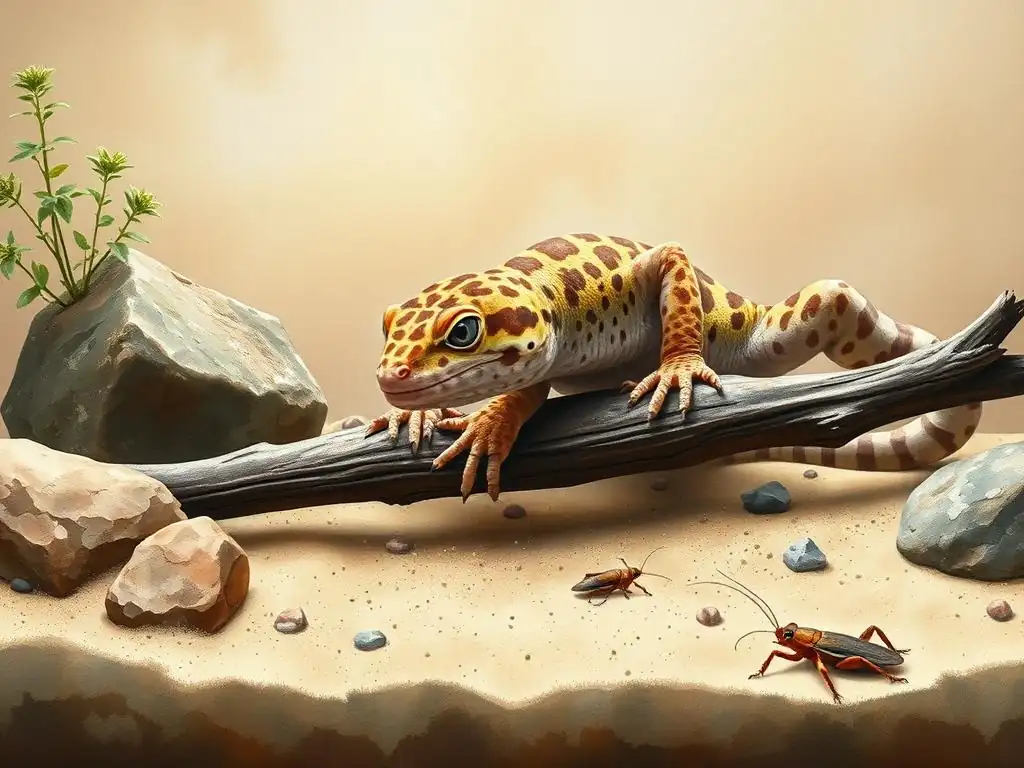
Leopard geckos, Eublepharis macularius, are a popular choice for beginner reptile keepers due to their relatively docile nature and ease of care. However, understanding their natural behaviors is crucial for providing optimal care and ensuring their well-being. This section delves into specific behaviors and habitat requirements vital for successful leopard gecko husbandry, offering a comprehensive guide to their natural behavior and how it informs their care.
This detailed approach is key to providing the best possible care for your reptile companion and helps you become a more responsible and informed reptile owner. This information will contribute to your understanding of reptile natural behavior care.
Leopard Gecko Specific Behaviors: Basking, Brushing, etc.
Leopard geckos are crepuscular, meaning they are most active during dawn and dusk. This influences their feeding schedule and overall activity levels. While they don't require basking spots as intensely as some other diurnal lizards, providing a gentle heat gradient within their enclosure is essential. They will naturally seek out warmer areas when they need to regulate their body temperature, a critical aspect of their thermoregulation. Observe their behavior; if they consistently cluster in one corner, it may indicate the need for adjustments to the heating system.
Their natural behaviors also include tail autotomy – the ability to shed their tail as a defense mechanism against predators. While the tail will regenerate, it will never be as robust or aesthetically pleasing as the original. Therefore, minimizing stressful situations is crucial to prevent this from occurring. Gentle handling and a stable environment are key to reducing stress.
Another intriguing behavior is their “brushing” behavior. Leopard geckos often rub their bodies against surfaces, possibly to shed loose skin or to mark their territory. This is a normal behavior and doesn't necessarily indicate a problem.
Leopard Gecko Habitat Requirements: Temperature, Humidity, etc.
Creating a suitable habitat mimics their natural environment and is essential for their health and happiness. Temperature gradients are paramount. One side of the enclosure should provide a warmer temperature (around 88-92°F / 31-33°C), while the other remains cooler (around 75-80°F / 24-27°C). This allows them to thermoregulate effectively. The use of under-tank heaters (UTHs) is generally recommended over heat lamps, as they provide consistent, bottom heat. The use of a thermometer and hygrometer is crucial for monitoring temperature and humidity levels.
Humidity should be maintained at a moderate level (around 30-40%). Excessive humidity can lead to respiratory infections, while overly dry conditions can cause shedding problems. Providing a shallow water dish allows them to drink and increase humidity locally. Substrate choice also impacts humidity; paper towels or reptile carpet are commonly recommended for ease of cleaning and monitoring.
Avoid substrates that can cause impaction, such as sand or loose gravel. Providing hides, such as cork bark or artificial caves, is also essential for providing security and reducing stress. This creates a naturalistic environment that caters to their natural behaviors, ultimately contributing to their overall health and well-being. Remember, consistent monitoring and adjustments based on your gecko's behavior are key to providing optimal care, ensuring the success of your reptile natural behavior care guide.
Resources for Further Learning on Reptile Natural Behaviors
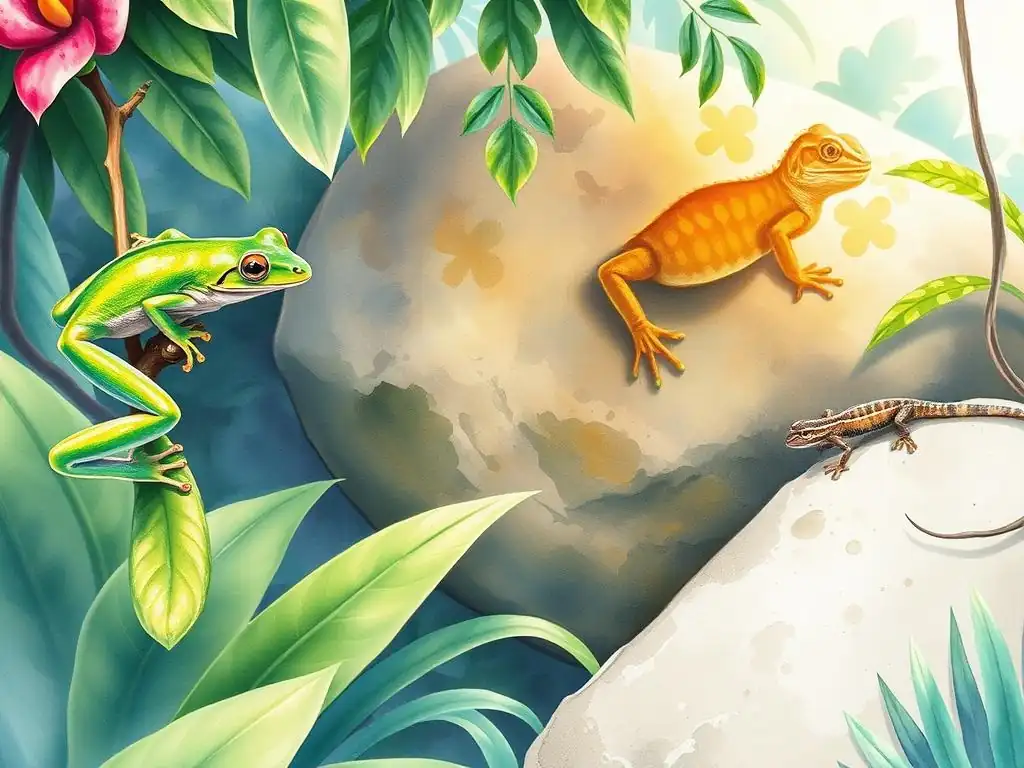
This section provides you with valuable resources to deepen your understanding of reptile natural behaviors and enhance your reptile care capabilities. A comprehensive understanding of natural behaviors is crucial for providing optimal care and ensuring the well-being of your scaly companions. Remember, responsible reptile ownership goes hand-in-hand with continuous learning and adapting your approach based on the specific needs of your pet.
Recommended Books and Online Resources on Reptile Care
Choosing the right resources is essential for successful reptile keeping. Many books and online platforms offer conflicting advice, so careful selection is key. Look for authors and websites with a strong reputation and a clear emphasis on evidence-based practices. Avoid sources that promote practices that may harm your reptile, such as improper handling or inadequate husbandry.
Here’s a suggested approach to finding reputable information:
- Prioritize books and websites authored by herpetologists or experienced reptile keepers with verifiable credentials. Look for affiliations with reputable organizations like the Association of Reptilian and Amphibian Veterinarians (ARAV).
- Cross-reference information: Don't rely on a single source. Compare information from multiple reputable sources to ensure accuracy and consistency.
- Be wary of anecdotal evidence: While personal experiences can be valuable, they shouldn't replace scientific research. Focus on resources that cite scientific studies and peer-reviewed articles.
- Look for up-to-date information: Reptile care practices are constantly evolving as new research emerges. Choose resources that are regularly updated to reflect the latest findings.
Examples of topics to research further include: species-specific behaviors (e.g., basking behavior in lizards, nocturnal activity in snakes), environmental enrichment techniques to stimulate natural behaviors, and recognizing signs of stress or illness based on behavioral changes. Remember to always prioritize the well-being and natural instincts of your reptile. This holistic approach will contribute significantly to their long-term health and happiness.
Finding Reputable Veterinarians Specialized in Reptile Health
Finding a veterinarian experienced in reptile care is paramount. Unlike dogs and cats, reptiles have unique physiological needs and diseases, requiring specialized knowledge and treatment. A general practitioner may not have the expertise to diagnose and treat reptile illnesses effectively.
Here's how to find a qualified reptile veterinarian:
- Contact your local animal shelters or reptile rescue organizations. They often have a list of recommended veterinarians in your area with experience in reptile care.
- Search online directories: Several online directories specialize in listing veterinarians by their area of expertise. Look for veterinarians who specifically list reptiles among their specialties.
- Check with reptile breeders and associations: Reptile breeders often have strong relationships with experienced reptile veterinarians and can provide referrals.
- Ask for referrals: If you know other reptile owners, ask for recommendations on veterinarians they have used and had positive experiences with.
- Consider the veterinarian's experience and qualifications: Inquire about their experience with reptiles, the types of reptiles they treat, and any certifications or special training they have in herpetology.
Remember to schedule a wellness check-up for your reptile even if it appears healthy. Early detection of health problems is crucial for successful treatment. A knowledgeable veterinarian can also provide valuable guidance on husbandry, nutrition, and overall reptile care, significantly improving your ability to provide for your reptile's needs and ensure they thrive under your care. This proactive approach is vital for responsible reptile ownership and contributes to the overall well-being of your pet.
Frequently Asked Questions
What is the most important aspect of reptile care based on natural behavior?
Understanding your reptile's natural habitat and behaviors is key. This informs appropriate housing, temperature, humidity, lighting, and diet choices. Ignoring these can lead to serious health issues.
How can I replicate a reptile's natural environment?
Research your specific reptile species thoroughly. Focus on creating a realistic terrarium mimicking its native environment, including appropriate substrate, hiding places, and temperature gradients.
What are some common signs of stress in reptiles?
Look for changes in appetite, activity levels, and shedding. Lethargy, unusual posture, and refusal to eat are all potential indicators of stress or illness. Consult a vet if you observe these.
How important is proper lighting and heating for reptile well-being?
Lighting and heating are crucial for reptile health. They regulate digestion, metabolism, and immune function. Use appropriate UVB and heat lamps based on your reptile's species-specific needs.
Where can I find more information on specific reptile care?
PetCareWorld offers in-depth guides and expert advice on various reptile species. We also recommend consulting reputable herpetological societies and veterinary professionals for species-specific information.
Final Reflection: Harmonizing with Reptile Rhythms
Understanding reptile natural behaviors is not merely an academic pursuit; it's the cornerstone of ethical and effective reptile care. Ignoring these inherent rhythms leads to stressed animals, shortened lifespans, and ultimately, a failure to appreciate the fascinating complexity of these creatures. The health and well-being of our reptilian companions depend directly on our understanding and respect for their innate needs.
The impact of mimicking natural environments extends far beyond the physical; it touches upon the very essence of responsible pet ownership. By providing enriching habitats that stimulate natural behaviors, we foster a deeper connection with our scaly friends, enriching both their lives and our own. As Herpetologist Robert Sprackland once wisely stated, The closer we can replicate a reptile's natural environment, the healthier and happier it will be.
This simple truth underscores the profound responsibility we bear as keepers of these often misunderstood animals. It's a responsibility that extends beyond simply providing food and water; it's about creating a life worthy of their inherent dignity.
Consider the implications of this knowledge. What changes can you make in your own reptile's environment to better reflect its natural habitat? Are you providing adequate opportunities for basking, hiding, and exploration? Take a moment to observe your reptile's behavior; what clues does it offer about its needs? By actively engaging with this information and making conscious choices to improve your reptile’s quality of life, you become a true partner in their well-being, contributing to a future where responsible reptile keeping is the norm, not the exception.
Unleash Your Inner Herpetologist: Boost Your Reptile's Well-being!
Thanks for exploring the fascinating world of reptile care! You've gained valuable insights into understanding their natural behaviors. Ready to put this knowledge into practice? Let's help your scaly friend thrive.
- Prioritize Enrichment: Carefully evaluate your reptile's environment. Does it provide a suitable balance of basking areas, hiding places, and environmental stimulation appropriate for its species? Make any necessary adjustments.
- Share Your Successes (or Questions!): Connect with fellow reptile enthusiasts in our community forums and share your experiences—both the triumphs and the challenges. Collaborative learning is invaluable.
- Deepen Your Knowledge: This week, consider researching species-specific enrichment ideas for your reptile. You might uncover surprisingly beneficial techniques.
Ready to transform your reptile's life? What simple enrichment will you add first?