
Handling Reptiles for Health Checks: A StepbyStep Guide

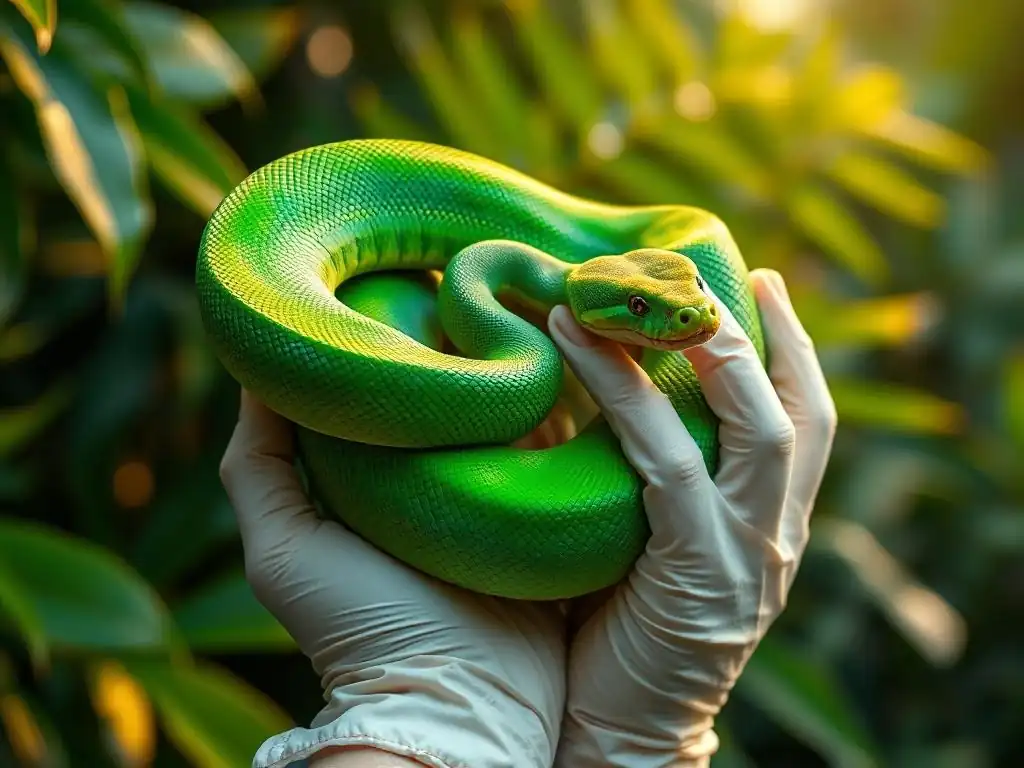
Welcome to PetCareWorld, your ultimate guide to a happier, healthier life for your beloved pets! Are you ready to confidently assess your reptile's well-being? Our Safe reptile health checks guide provides a step-by-step approach to handling and examining your scaly companion, ensuring both their safety and yours. Discover the secrets to a thorough health check and learn how to spot potential problems early. Dive in and unlock the knowledge to keep your reptile thriving!
- Preparing for a Safe Reptile Health Check
- Safe Reptile Handling Techniques
- Performing a Thorough Health Check
- Identifying Potential Health Issues
- Post-Examination Care
- Safe Reptile Health Checks: Frequently Asked Questions (FAQ)
- Frequently Asked Questions
- Final Reflection: The Enduring Bond Between Keeper and Reptile
- Unlock Your Reptile's Health Secrets!
Preparing for a Safe Reptile Health Check
Handling reptiles requires a delicate balance of care and expertise. A safe and effective health check is crucial for maintaining the well-being of your scaly companion, allowing for early detection of potential health issues and ensuring prompt veterinary intervention when needed. This comprehensive guide provides a step-by-step approach to conducting safe reptile health checks, minimizing stress for both you and your reptile.
We'll cover assessing your reptile's temperament, gathering the necessary supplies, and creating a safe environment for a thorough examination. This guide focuses on creating a safe and effective process, crucial for responsible reptile ownership and the long-term health of your pet. Remember, a calm and prepared approach is key to a successful health check, minimizing stress and ensuring accurate observations.
This guide will help you become proficient in performing safe reptile health checks, ultimately contributing to the overall health and happiness of your reptile. Following these steps will help you confidently and safely monitor your reptile's health, contributing to their longevity and well-being. This is an essential skill for any responsible reptile owner, allowing for early detection and intervention for any potential health concerns.
Assessing Your Reptile's Temperament and Handling Needs
Before you even think about touching your reptile, understanding its individual personality is paramount. Some reptiles are docile and relatively easy to handle, while others can be quite defensive or aggressive. Knowing your reptile’s temperament is the first step towards a safe health check.
Consider these factors:
- Species: Certain species are inherently more docile than others. For example, some species of geckos are known for their calm demeanor, while certain snakes might be more prone to striking.
- Age and Size: Younger reptiles are often more easily stressed than older, more established ones. Larger reptiles also present different handling challenges.
- Past Experiences: Has your reptile had positive or negative interactions with humans in the past? A history of rough handling can lead to increased defensiveness.
- Individual Personality: Even within a species, individual reptiles have unique personalities. Some are naturally curious, while others are more shy and reclusive.
Observe your reptile's behavior carefully. Does it readily approach you, or does it retreat to the furthest corner of its enclosure? Does it hiss, strike, or puff up when approached? These are all important indicators of its temperament and how best to approach a health check. Remember to prioritize safety—if your reptile displays aggressive behavior, seek assistance from an experienced reptile handler or veterinarian. Understanding and respecting your reptile's individual needs is vital for a successful and stress-free health check.
Gathering Necessary Supplies: Tools and Equipment for Safe Handling
Having the right tools ready before you begin is crucial for a smooth and safe reptile health check. Improper tools can lead to injury to both you and your reptile.
Here's a checklist of essential supplies:
| Item | Purpose | Notes |
|---|---|---|
| Appropriate sized container | A secure container to temporarily house your reptile during the exam. | Should be escape-proof and appropriately sized for your reptile. |
| Gloves (thick, puncture-resistant) | Protect your hands from bites and scratches. | Leather or heavy-duty nitrile gloves are recommended. |
| Paper towels | For cleaning and absorbing any waste. | Essential for maintaining hygiene and a clean examination area. |
| Scale | To accurately weigh your reptile, monitoring weight changes. | A gram scale is ideal for most reptiles. |
| Thermometer/Hygrometer | To check the temperature and humidity of your reptile's enclosure. | Essential for maintaining a healthy environment. |
| Magnifying glass | To closely examine your reptile's skin for parasites or other issues. | Helps in identifying subtle health problems. |
| Small container for fecal samples | To collect a fecal sample for parasite testing. | Necessary for accurate diagnosis of potential parasitic infections. |
Remember to thoroughly clean and disinfect all equipment before and after each use to prevent the spread of bacteria or parasites.
Creating a Safe and Controlled Environment for the Examination
The environment in which you perform the health check is just as important as the tools you use. A safe and controlled environment minimizes stress for your reptile and allows for a more accurate examination.
Choose a quiet, well-lit area away from distractions. The examination surface should be sturdy and non-slip, providing a secure base for both you and your reptile. Avoid conducting the health check near loud noises or sudden movements that could startle your reptile. Having everything you need within easy reach minimizes the need to move around during the examination, reducing the risk of accidental drops or escapes.
Remember to maintain a calm and gentle demeanor throughout the entire process. A relaxed atmosphere will help keep your reptile calm and cooperative, making the examination more efficient and less stressful for both of you. Prioritize a safe and stress-free environment for a successful health check.
Safe Reptile Handling Techniques
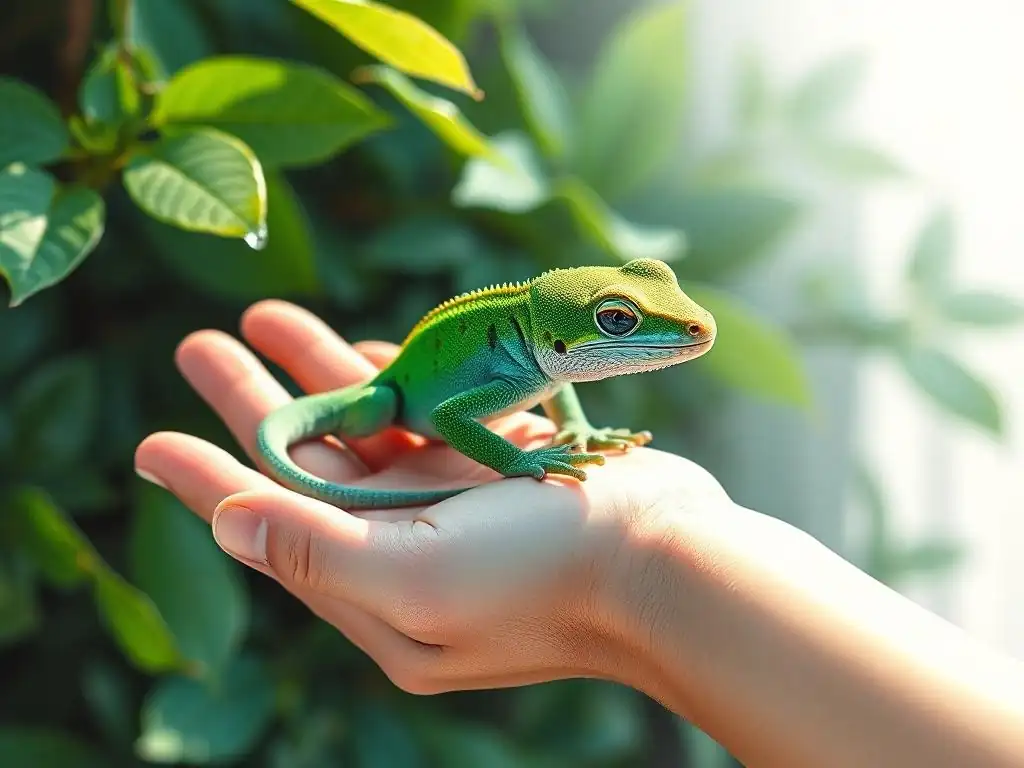
This section delves into the crucial techniques for safely handling reptiles during health checks, minimizing stress for both you and your pet. Remember, a calm and confident approach is paramount to a successful and safe examination. Improper handling can lead to injury for both the reptile and the handler, so careful consideration of these techniques is vital for ensuring the well-being of your scaled companion. This guide focuses on providing a safe reptile health checks guide, prioritizing the safety and comfort of your reptile.
Approaching Your Reptile Calmly and Confidently
Approaching your reptile requires a slow, deliberate, and non-threatening demeanor. Sudden movements or loud noises can frighten your reptile, causing it to become defensive and potentially bite or injure itself trying to escape. Before attempting to handle your reptile, observe its behavior for a few minutes. Note its body language: is it alert and active, or lethargic and hiding? A stressed reptile is more likely to react defensively.
Several factors contribute to a successful approach. First, ensure your hands are clean and free of strong-smelling lotions or perfumes, as these can be irritating to a reptile's sensitive skin. Second, approach your reptile from the side, rather than directly from the front, as this can feel threatening. Third, use slow, deliberate movements. Avoid sudden jerks or quick movements that may startle your reptile. Finally, speak to your reptile in a calm, soothing voice. This may seem counterintuitive, but a consistent, quiet voice can help to calm your reptile and build trust.
Consider the reptile's environment. A comfortable temperature and humidity are crucial. If the enclosure is too cold or too dry, your reptile may be less responsive and more prone to stress, making handling more difficult. Always handle your reptile in a secure location, away from any potential hazards.
Remember, patience is key. If your reptile seems unwilling to be handled, do not force it. Instead, try again later when it is more relaxed and receptive. Forcing interaction can lead to injury and damage trust. This approach ensures a safe reptile health checks guide, minimizing the risk of injury and stress to your reptile.
Supporting Your Reptile's Body Weight and Posture
Proper support is essential to prevent injury to your reptile during handling. Reptiles have delicate skeletons and can be easily injured if not handled correctly. The method of support will vary depending on the species and size of your reptile. Smaller reptiles, like geckos or small snakes, can be gently cupped in your hands, ensuring their entire body is supported. Larger reptiles, like iguanas or large snakes, require more support.
For larger lizards, one hand should support the body just behind the front legs, while the other supports the hind legs and tail. This prevents the reptile from twisting or struggling. For snakes, support their entire body weight, avoiding any pinching or squeezing that could restrict their breathing. Never lift a snake by its tail; this can cause injury to its spine.
The key is to provide consistent support along the entire length of your reptile's body. Avoid any sudden movements or drops, as this can lead to injuries. Always be mindful of the reptile's posture. If it appears uncomfortable or stressed, gently readjust your support to provide better comfort. This careful attention to detail is a cornerstone of a safe reptile health checks guide. Remember, a comfortable reptile is a calmer reptile, facilitating a smoother examination.
Using Appropriate Restraint Methods for Different Reptile Species
Restraint methods vary significantly depending on the species of reptile. What works for a docile gecko will not work for an aggressive iguana. Understanding the specific behavioral characteristics of your reptile is crucial for safe handling. Some species are more prone to biting or scratching than others. Always wear appropriate protective gear, such as thick gloves, long sleeves, and eye protection, when handling potentially aggressive species.
Here's a table summarizing appropriate restraint techniques for different reptile types:
| Reptile Type | Restraint Method | Precautions |
|---|---|---|
| Small Lizards (Geckos) | Gentle cupping in hands | Avoid squeezing; support entire body. |
| Larger Lizards (Iguanas) | One hand behind front legs, other supporting hind legs and tail | Support entire body weight; avoid sudden movements. |
| Snakes (small to medium) | Support entire body; avoid pinching or squeezing | Never lift by tail; be mindful of constricting tendencies. |
| Snakes (large) | Requires two people; use specialized snake hooks if necessary | Exercise extreme caution; prioritize safety and proper support at all times. |
Remember, the goal is not to subdue your reptile, but to provide sufficient control to perform the necessary health checks safely. If you are unsure about the best way to restrain your reptile, consult with a veterinarian or experienced reptile handler. A well-informed approach is essential for creating a safe reptile health checks guide tailored to your specific reptile. Prioritizing your reptile's safety and well-being is always paramount.
Handling Specific Reptile Types: Snakes, Lizards, Turtles, and Tortoises
Handling reptiles requires a nuanced approach, varying significantly depending on the species. A safe reptile health checks guide must account for these differences to prevent injury to both the animal and the handler. General guidelines exist, but individual species often demand specialized techniques. Let's explore safe handling practices for some common reptile types.
Snakes present unique challenges due to their long, slender bodies and potential for rapid movement. Never grab a snake by its tail; this can cause injury and induce defensive behavior. Instead, support the snake's body along its length, gently scooping it up from underneath. For larger snakes, two people might be necessary for safe handling, one supporting the body and the other the head. Always approach slowly and calmly, minimizing sudden movements which might startle the snake.
Remember to wear appropriate protective gloves, especially when handling venomous species. Even non-venomous snakes can inflict painful bites if they feel threatened. The specific handling technique should also consider the temperament of the individual snake; some are docile, while others are more defensive. A calm, confident approach is key, regardless of the species. Prior experience and/or professional guidance are essential before handling any snake.
Lizards, a diverse group, vary greatly in size, temperament, and handling requirements. Smaller lizards can often be gently scooped up using both hands, supporting their entire body. Larger lizards, like iguanas or monitors, require more careful handling. Support their body weight, avoiding pressure on their delicate limbs and tail. Some lizards possess sharp claws or teeth, demanding the use of thick gloves.
Many lizards have a strong bite, so a confident and controlled approach is crucial. Understanding the individual lizard's behavior is paramount. Some are docile and easy to handle, while others are easily stressed or prone to biting. Always be mindful of the lizard's body language – signs of stress include hissing, puffing up, or attempting to bite. If a lizard displays signs of stress, immediately cease handling and return it to its enclosure.
Turtles and tortoises require a different handling approach than snakes or lizards. Their shells offer some protection, but improper handling can still cause stress or injury. Never lift a turtle or tortoise by its shell; this can damage its spine and lead to serious injury. Instead, support the animal's weight by gently scooping it up from underneath, supporting its entire body. Larger species may require two handlers to prevent accidental drops or injury.
Always be gentle, avoiding sudden movements or harsh handling. Tortoises, in particular, can be quite sensitive to stress, so a calm and patient approach is essential. Observe the animal's behavior carefully; any signs of distress should signal the immediate termination of handling. Appropriate handling techniques are vital for maintaining the health and well-being of these long-lived reptiles.
Remember, this is a general guide. Always research the specific needs of your reptile before attempting to handle it for a health check. If you are unsure about any aspect of reptile handling, consult with a veterinarian or experienced reptile handler. A safe reptile health checks guide emphasizes prevention of accidents and prioritizes the well-being of the animal. Prioritizing safety ensures both the reptile and handler remain unharmed during the process.
Performing a Thorough Health Check
This section details the crucial steps involved in conducting a comprehensive health check for your reptile. Remember, safety is paramount. Always wash your hands thoroughly before and after handling your reptile, and ensure you have a clean, safe surface to work on. A safe and stress-free environment is key to obtaining accurate observations during your reptile health check. This guide focuses on providing a safe reptile health checks guide for responsible pet ownership.
Observing Your Reptile's Appearance: Skin, Eyes, and Overall Condition
Regular visual inspection is the cornerstone of preventative reptile healthcare. A healthy reptile will exhibit vibrant coloration, clear eyes, and smooth, unblemished skin. Deviations from this baseline can indicate underlying health issues.
Let's delve into specific observations:
- Skin: Look for any signs of discoloration, lesions, swelling, or unusual dryness. Scaling irregularities, such as missing scales or excessively shed skin, warrant attention. For example, a bearded dragon with dull coloration and flaky skin might be dehydrated or suffering from metabolic bone disease (MBD). A snake with localized swelling could indicate an abscess or infection. Pay close attention to the details. The texture and color of the skin can be crucial indicators.
- Eyes: Clear, bright eyes are a sign of a healthy reptile. Cloudiness, discharge, swelling, or a closed eye could indicate an infection, injury, or underlying systemic problem. Note any changes in eye color or pupil responsiveness. For instance, a consistently cloudy eye in a leopard gecko might be a symptom of an infection requiring veterinary attention.
- Overall Condition: Assess your reptile's posture, activity level, and alertness. Lethargy, lack of appetite, unusual posture (e.g., abnormally curved spine), and difficulty moving are all warning signs that require immediate veterinary attention. A snake that is unusually sluggish and reluctant to eat might be suffering from internal parasites or a respiratory infection. A lizard that is constantly hiding and refuses to bask might be experiencing pain or discomfort.
Checking for Parasites and External Injuries
Parasites and external injuries are common problems in reptiles. Careful examination is crucial for early detection and treatment.
Here's how to check for parasites and injuries:
- Parasites: Examine your reptile's skin carefully for any signs of mites, ticks, or lice. These parasites can cause significant skin irritation and even secondary infections. Mites, for example, are often visible to the naked eye as tiny moving specks on the skin. Ticks are larger and more easily identifiable. Lice might be harder to spot, but their presence can often be inferred from excessive scratching or skin irritation.
- External Injuries: Look for any cuts, abrasions, puncture wounds, or other injuries. Even small wounds can become infected if left untreated. Assess the severity of any injuries and seek veterinary care if necessary. A deep wound, for instance, might require stitching and antibiotic treatment. A superficial wound, on the other hand, might simply require cleaning and monitoring.
Remember to approach the examination gently and carefully to avoid stressing your reptile. Use a magnifying glass if needed to get a better view of the skin and scales. It is vital to note the location, size, and appearance of any observed parasites or injuries.
Assessing Your Reptile's Weight and Body Condition
Regular weight monitoring is essential for assessing your reptile's overall health and detecting any sudden weight loss or gain. Body condition scoring (BCS) provides a standardized method for evaluating the proportion of muscle and fat.
Here's how to do it:
- Weight: Use a gram scale designed for small animals to weigh your reptile regularly (at least monthly). Record the weight and track changes over time. A significant weight loss or gain, without a clear reason (like shedding), should prompt a veterinary check-up.
- Body Condition Scoring: While the specific scoring system varies by species, the general principle involves assessing the amount of muscle and fat on the body. A healthy reptile will have a good muscle mass and a moderate amount of fat reserves. A reptile that is too thin might be suffering from malnutrition or illness, while an obese reptile is at risk of various health problems. Consult reliable resources for species-specific BCS guidelines. Accurate weight and body condition monitoring contribute to early detection of health issues, promoting a longer and healthier life for your reptile.
This detailed approach to reptile health checks is vital for maintaining their well-being. Remember, early detection of problems significantly improves the chances of successful treatment. A safe reptile health checks guide like this one empowers you to be a responsible and caring reptile owner.
Examining Your Reptile's Mouth and Cloaca
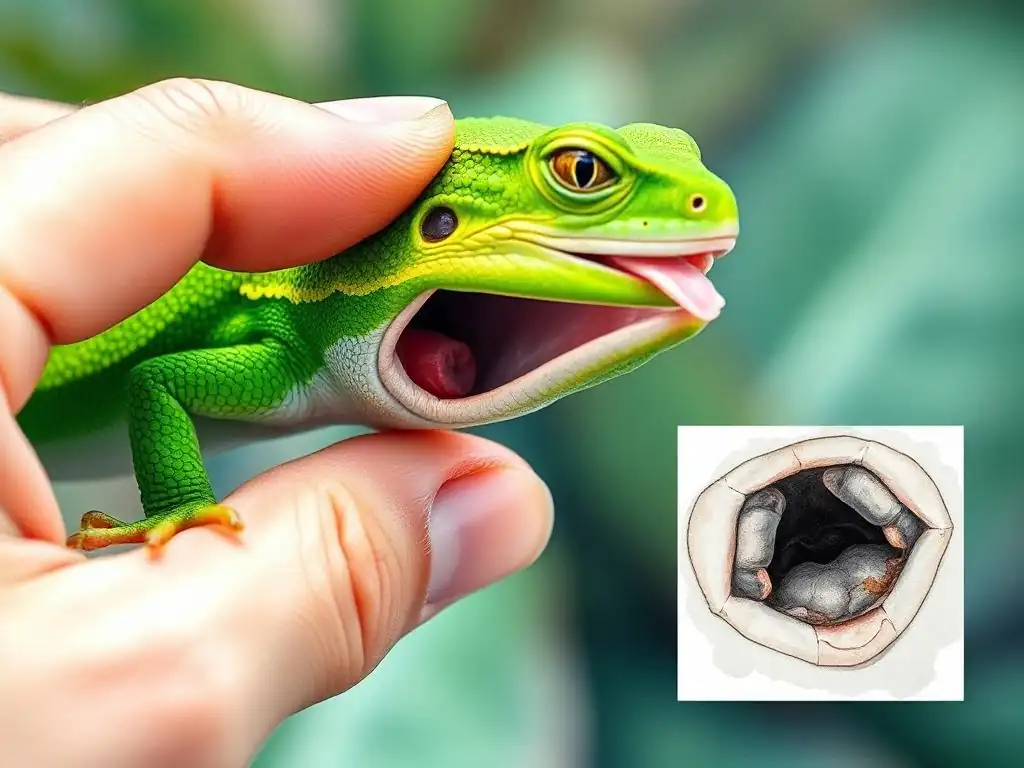
Carefully examining your reptile's mouth and cloaca is crucial for a comprehensive health check. These areas often reveal early signs of illness or infection that might otherwise go unnoticed. Remember, safety is paramount. Always wash your hands thoroughly before and after handling your reptile, and use appropriate protective gear like gloves if necessary.
When inspecting the mouth, gently open it using your fingers, being mindful not to force it open. Look for any signs of inflammation, swelling, lesions, or unusual discharge. A healthy reptile's mouth should be pink and moist, free from any discoloration or abnormal growths. Pay close attention to the gums and teeth; look for signs of damage, decay, or missing teeth.
Unusual breath odor, such as a foul or musty smell, could indicate a respiratory infection or other underlying health problem. If you notice anything abnormal, consult a veterinarian immediately. Document your observations, including any photos or videos if possible, to help your veterinarian make an accurate diagnosis. Regularly inspecting your reptile's mouth can help you detect problems early, enabling timely intervention and improving the chances of a successful outcome.
The cloaca, the common opening for the digestive, urinary, and reproductive tracts, also requires careful examination. Gently but firmly grasp the reptile's tail near the base and gently lift it. This will expose the cloaca area for observation. Inspect for any signs of swelling, redness, discharge, or parasites. A healthy cloaca should be clean and free from any fecal matter or unusual secretions.
The presence of parasites or impacted fecal matter can indicate a serious problem requiring veterinary attention. Remember to handle your reptile gently and avoid causing any unnecessary stress or injury during this examination. Take clear and detailed notes of your findings, including any unusual color, consistency, or odor of any discharge. This information will be invaluable to your veterinarian in determining the appropriate course of treatment. Early detection of cloacal issues is key to minimizing complications and ensuring your reptile's well-being.
Evaluating Your Reptile's Behavior and Activity Levels
Assessing your reptile's behavior and activity levels is a critical aspect of a thorough health check. Changes in behavior can often be subtle, but they can be early warning signs of illness or discomfort. Regularly observing your reptile's normal behavior patterns will help you identify any deviations that might indicate a problem.
A healthy reptile will typically exhibit normal activity levels appropriate for its species and age. This can vary widely depending on the reptile; some are more active than others. However, a significant decrease in activity or lethargy is a common sign of illness. Observe your reptile's movements, noting any stiffness, difficulty moving, or unusual postures. For instance, a reptile that normally basks actively under its heat lamp might spend more time hiding or lethargic. Note any changes in their appetite, too. A sudden loss of appetite or refusal to eat can be a significant indicator of illness.
Beyond physical activity, monitor your reptile's overall demeanor. Are they more irritable or withdrawn than usual? Are they exhibiting unusual defensive behaviors or showing signs of aggression? Changes in behavior, such as lethargy, hiding, or unusual aggression, can often indicate underlying health issues.
Pay attention to subtle changes, such as a decrease in responsiveness to stimuli or a change in their typical basking behavior. Remember to consider environmental factors; changes in temperature or humidity can also affect a reptile's activity level and behavior. Document any changes in behavior, along with the date and time of observation.
This comprehensive record will help your veterinarian assess your reptile's overall health and determine the appropriate course of action. Early detection through diligent observation of behavior and activity levels can significantly impact the outcome of any health issues. A proactive approach to monitoring your reptile's well-being is essential for ensuring their long-term health and happiness.
Identifying Potential Health Issues
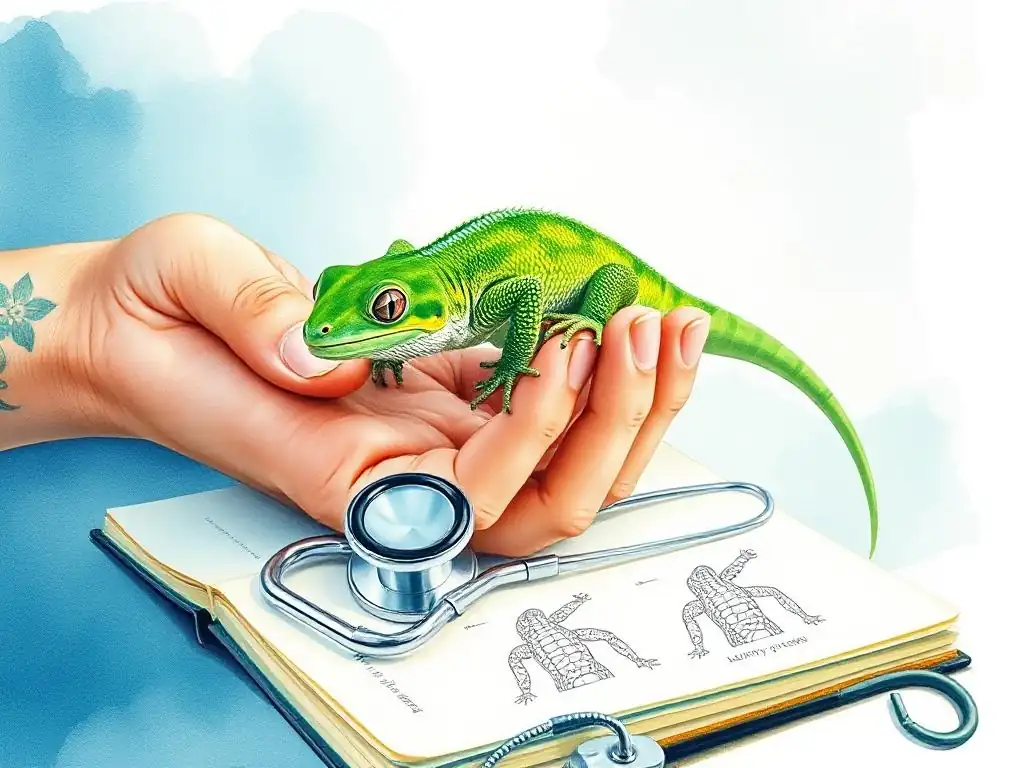
This section focuses on proactively identifying potential health problems in your reptile, enabling early intervention and improving their overall well-being. A proactive approach to reptile health is crucial, as many reptiles are masters of masking illness until it's advanced. Early detection significantly improves treatment outcomes and can even be lifesaving. This guide will equip you with the knowledge to perform safe and effective health checks, contributing to a longer, healthier life for your scaly companion. Remember, this guide provides information for responsible pet ownership; it does not replace professional veterinary advice.
Recognizing Signs of Illness or Injury in Reptiles
Recognizing subtle changes in your reptile's behavior and physical appearance is paramount to early disease detection. Many signs can be easily missed if you're not paying close attention. Changes can be gradual, making regular health checks even more important. Here are some key indicators to watch for:
- Lethargy and Lack of Appetite: A significant decrease in activity levels and refusal to eat are often early warning signs. Note any changes from their usual behavior. For example, a usually active gecko becoming sluggish or a normally voracious snake refusing its food deserves attention.
- Respiratory Issues: Observe your reptile's breathing. Open-mouth breathing, wheezing, or excessive mucus production can indicate respiratory infections. Listen carefully for abnormal sounds.
- Shedding Problems: Difficulty shedding skin can signal underlying health issues, such as dehydration, metabolic bone disease (MBD), or parasitic infections. Incomplete or retained shed can lead to secondary infections.
- Changes in Waste: Examine your reptile's droppings regularly. Changes in frequency, color, consistency, or the presence of blood or mucus can indicate digestive problems or parasitic infestations. Keep a log of your reptile's bowel movements for easier tracking.
- Skin Lesions: Look for any sores, wounds, discoloration, or swelling on the skin. These can be indicative of injury, infection, or parasitic infestations. Pay close attention to the scales, looking for any abnormalities.
- Eye Issues: Cloudy eyes, swollen eyelids, or discharge can suggest infections or other eye problems. Inspect the eyes carefully during handling.
- Dehydration: Dehydrated reptiles may have sunken eyes, loose skin, or lethargy. Gently feeling the skin's turgor can help assess hydration levels.
- Weight Loss/Gain: Unexpected weight changes, either significant loss or gain, warrant veterinary attention. Regular weighing using a gram scale is highly recommended.
Understanding Common Reptile Diseases and Conditions
Reptiles are susceptible to various diseases and conditions, many of which share similar symptoms. Accurate diagnosis requires careful observation and, often, veterinary examination. Here are some common ailments:
| Disease/Condition | Common Symptoms | Notes |
|---|---|---|
| Metabolic Bone Disease (MBD) | Lethargy, skeletal deformities, soft bones | Often linked to improper calcium and vitamin D3 supplementation. |
| Respiratory Infections | Open-mouth breathing, wheezing, nasal discharge | Bacterial or viral infections can be life-threatening. |
| Parasite Infestations | Weight loss, lethargy, poor appetite, skin lesions | Regular fecal exams are crucial for early detection and treatment. |
| Dysecdysis | Difficulty shedding, retained shed | Can lead to secondary infections if not addressed promptly. |
| Bacterial Infections | Abscesses, swelling, lethargy, loss of appetite | Prompt veterinary intervention is essential. |
| Vitamin & Mineral Deficiencies | Weakness, skeletal deformities, poor appetite | Proper supplementation is vital for reptile health. |
Remember that this table provides a general overview. Accurate diagnosis requires a veterinary examination. Never attempt self-diagnosis or treatment.
When to Seek Veterinary Care for Your Reptile
Early intervention is key to successful reptile healthcare. Don't hesitate to seek veterinary care if you observe any of the following:
- Significant changes in behavior or appetite.
- Respiratory distress.
- Difficulty shedding.
- Obvious injuries or wounds.
- Abnormal droppings.
- Any unexplained swelling or lesions.
- Significant weight loss or gain.
- Any concerns about your reptile's health, no matter how minor they may seem.
A proactive approach to your reptile's health, combined with regular veterinary checkups, will contribute significantly to their well-being and longevity. Remember, prevention is always better than cure when it comes to reptile health. A healthy reptile is a happy reptile! 🦎
Post-Examination Care
Returning Your Reptile to its Enclosure Safely
Returning your reptile to its enclosure after a health check requires careful consideration to minimize stress and ensure its safe return to its environment. Rushing the process can lead to injury for both you and your reptile. Remember, a calm and controlled approach is key to a successful and safe reptile health check.
First, gently place your reptile back into its enclosure, avoiding any sudden movements that might startle it. Observe its behavior for any signs of distress, such as unusual lethargy or hiding. These could indicate underlying issues that warrant further attention. It's crucial to ensure the temperature and humidity levels within the enclosure are optimal for your specific reptile species. Significant deviations from the ideal parameters can exacerbate any existing health problems or cause new ones.
Consider the surface on which you're placing your reptile. A smooth, non-abrasive surface is preferable to prevent accidental injury. Rough surfaces, especially those with sharp edges or corners, should be avoided. After placing your reptile back in its enclosure, allow it some time to settle. Avoid disturbing it immediately.
Observe from a distance to ensure it's re-acclimating comfortably. This quiet observation period is a crucial part of the post-examination care process, allowing you to monitor its response to the handling and identify any potential complications early on. Remember to document any observations, including any changes in behavior or appetite, in your reptile's health record. This documentation will be invaluable for future veterinary consultations.
A safe reptile health check guide should always emphasize the importance of a calm and considered return to the enclosure. This seemingly simple step is a critical part of ensuring the overall well-being of your reptile.
Cleaning and Disinfecting Handling Equipment
Thorough cleaning and disinfection of all handling equipment is paramount after each interaction with your reptile. This step is not merely about hygiene; it's a crucial component of preventing the spread of disease and maintaining a healthy environment for your pet. A safe reptile health checks guide always includes proper sanitation practices.
After handling your reptile, immediately wash all equipment, including hooks, tongs, and any containers used during the examination, with warm soapy water. This initial wash removes visible debris and organic matter. Then, disinfect the equipment using a reptile-safe disinfectant. Never use household disinfectants, as many contain chemicals that are toxic to reptiles. Always carefully read and follow the instructions on the disinfectant label. Ensure proper ventilation during this process, as some disinfectants release fumes.
Pay particular attention to any crevices or hard-to-reach areas where bacteria or parasites could linger. Thoroughly rinse the equipment with clean water after disinfection to remove any residual disinfectant. Allow the equipment to air dry completely before storing it. Regularly inspect your equipment for any signs of wear and tear. Replace any damaged or worn-out items promptly to maintain hygiene and safety. Proper cleaning and disinfection are integral parts of responsible reptile ownership and contribute to the overall success of safe reptile health checks.
Monitoring Your Reptile's Behavior After Handling
Post-handling observation is a crucial aspect of responsible reptile care. Even with the most careful handling techniques, some reptiles may exhibit subtle signs of stress or discomfort following an examination. Monitoring your reptile's behavior after a health check allows for early detection of any potential issues, enabling timely intervention and preventing more serious complications.
Immediately after returning your reptile to its enclosure, observe its behavior for at least 24 hours. Note any changes in its activity level, appetite, or posture. Does it seem lethargic, unusually aggressive, or is it hiding more than usual? These subtle behavioral shifts can signal underlying problems. Pay close attention to its basking behavior and its interactions with its environment. Any significant deviations from its typical patterns warrant further observation or a veterinary consultation.
Keep a detailed record of your observations, including the date, time, and specific behaviors noted. This detailed record will be invaluable if you need to consult a veterinarian or if you notice a pattern of post-handling stress. Remember, proactive monitoring is a key element of a safe reptile health checks guide. Early detection of post-handling complications can significantly improve your reptile's outcome and contribute to its overall well-being. A healthy and stress-free reptile is a happy reptile! 🦎
Safe Reptile Health Checks: Frequently Asked Questions (FAQ)
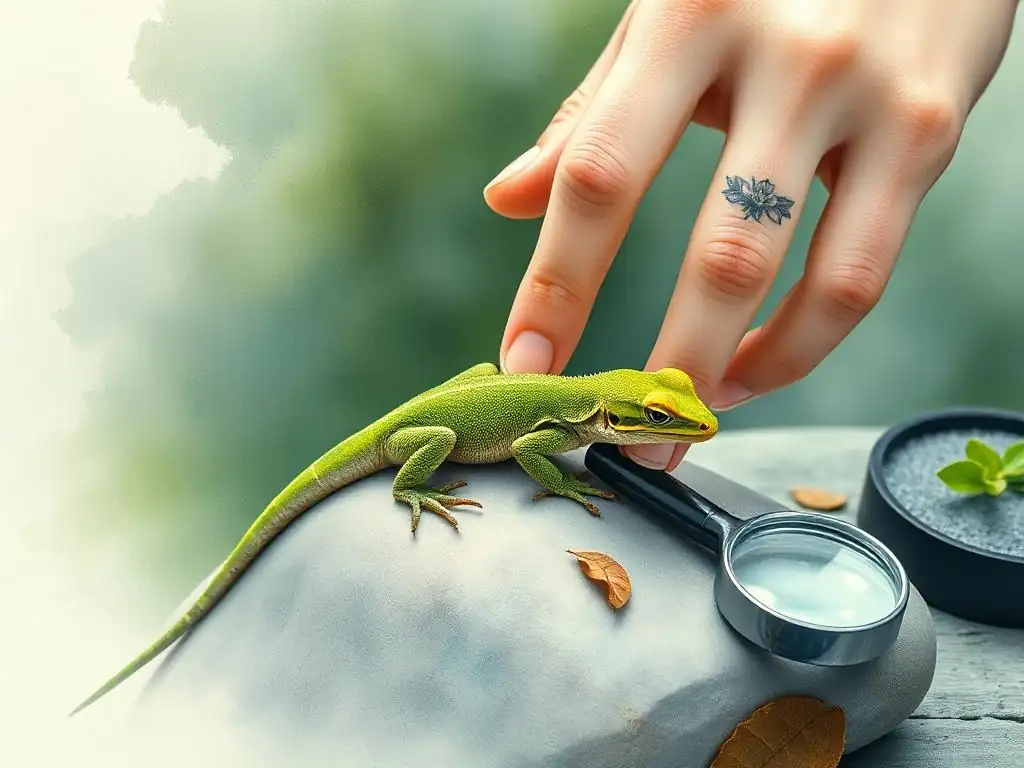
This section addresses common concerns regarding the frequency and methods of conducting safe reptile health checks. Remember, the safety and well-being of your reptile should always be the top priority. A proactive approach to reptile health care can prevent serious issues and ensure a longer, healthier life for your scaly companion. This guide focuses on providing a safe and effective method for conducting these essential checkups, addressing common challenges faced by reptile owners.
How often should I perform a health check on my reptile?
The frequency of reptile health checks depends largely on the species and age of your reptile. Younger reptiles, particularly juveniles, require more frequent monitoring due to their vulnerability to illness and parasites. Adult reptiles generally need less frequent checks, but regular observation is still crucial.
Here's a general guideline:
- Juveniles (under 1 year): Weekly visual inspections are recommended. These checks should include observation of behavior, appetite, and any visible signs of illness or injury. Weighing your juvenile reptile weekly can also help monitor growth and detect potential weight loss.
- Adults (over 1 year): Monthly visual inspections are usually sufficient for healthy adult reptiles. However, more frequent checks might be necessary if you notice any changes in your reptile's behavior, appetite, or appearance.
- Sick or Injured Reptiles: If your reptile shows any signs of illness or injury, such as lethargy, loss of appetite, unusual shedding, or visible wounds, immediate veterinary attention is crucial. Increase the frequency of health checks until the reptile is fully recovered under veterinary supervision.
It's important to remember that these are guidelines, and individual needs may vary. Consult with a veterinarian specializing in reptiles to establish a suitable health check schedule tailored to your specific reptile species and its individual needs. Early detection of problems is key to successful treatment, making regular health checks an invaluable part of responsible reptile ownership. Don't underestimate the importance of proactive care! 🧐
What should I do if I find something wrong during a health check?
Discovering an issue during a health check can be alarming, but acting quickly and calmly is essential. The severity of the situation will dictate your next steps.
Minor Issues: Minor issues, such as slight skin abrasions or minor shedding problems, can often be managed at home with appropriate care. This might involve adjusting the humidity or temperature in the enclosure, providing a suitable soaking area, or applying a reptile-safe antiseptic to minor wounds. Always carefully monitor the situation, and if the problem persists or worsens, seek veterinary advice immediately.
Serious Issues: Serious issues, such as respiratory infections, parasites, or significant injuries, require immediate veterinary attention. Symptoms can include labored breathing, excessive shedding, lethargy, loss of appetite, or visible injuries. Delaying treatment can lead to serious complications and potentially endanger your reptile's life. Contact a veterinarian specializing in reptiles as soon as possible to schedule an appointment. Accurate descriptions of the symptoms and any recent changes in the reptile's environment will be crucial in facilitating a prompt and accurate diagnosis. Remember, early intervention is key to successful treatment. 🏥
Documentation: Maintaining detailed records of your reptile's health checks, including observations, treatments, and veterinary visits, is highly beneficial. This information is invaluable in tracking your reptile's health over time and can be crucial in diagnosing and treating future health problems. Consider using a dedicated notebook or a digital spreadsheet to record your observations. This organized approach can significantly contribute to your reptile's long-term well-being. 📝
My reptile is aggressive; how can I safely perform a health check?
Handling an aggressive reptile requires extra caution and specific techniques to ensure both your safety and the reptile's well-being. Never attempt to handle a stressed or aggressive reptile without taking appropriate precautions.
- Proper Equipment: Use appropriate handling tools, such as thick gloves, tongs, or a secure container, depending on the reptile's size and temperament. Never attempt to handle a large or powerful reptile without assistance from an experienced handler.
- Calm and Controlled Movements: Avoid sudden movements that could startle or frighten the reptile. Approach the enclosure slowly and calmly, speaking in a soothing voice. Gentle movements are less likely to trigger defensive behavior.
- Minimize Stress: Before handling, ensure that the environment is calm and quiet. Limit any unnecessary noise or disturbances. A stressed reptile is more likely to be aggressive.
- Professional Assistance: If you are unable to safely handle your aggressive reptile for a health check, seek professional assistance from a veterinarian or experienced reptile handler. They possess the expertise and equipment to handle aggressive reptiles safely and efficiently. Your safety and the reptile's well-being should always be the top priority. Never compromise your safety! 🧤
Remember that understanding your reptile's behavior and body language is crucial. Learning to recognize signs of stress or aggression is vital for safe handling. If you are unsure, it's always better to seek professional help. Prioritizing safety will ensure that both you and your reptile remain unharmed during these necessary health checks.
What are the signs of dehydration in reptiles?
Dehydration in reptiles can be a serious issue, often leading to more significant health problems if left untreated. Recognizing the signs early is crucial for prompt veterinary intervention. Several factors can contribute to dehydration, including insufficient water intake, environmental conditions (too dry a terrarium), and underlying illnesses. Therefore, regular monitoring of your reptile's hydration status is vital.
Several visual cues can indicate dehydration. One of the most noticeable signs is sunken eyes. In a well-hydrated reptile, the eyes will appear full and bright. Dehydration causes the eyes to recede into their sockets, giving them a sunken appearance.
Another key indicator is loss of skin elasticity. Gently pinch a fold of skin on your reptile's body; in a hydrated animal, the skin will quickly snap back into place. However, in a dehydrated reptile, the skin will remain tented or slow to return to its normal position. This "skin tenting" is a strong indicator of dehydration and requires immediate attention.
Beyond visual cues, behavioral changes can also suggest dehydration. Dehydrated reptiles may become lethargic, less active than usual, and exhibit a decreased appetite. They may also show slowed or labored breathing and become more susceptible to stress. In severe cases, dehydration can lead to muscle tremors or even seizures. Remember that the specific signs of dehydration can vary depending on the species of reptile. For instance, a bearded dragon showing dehydration might also exhibit a loss of color vibrancy, while a snake might become unusually sluggish. Always consult a reptile veterinarian for a definitive diagnosis and treatment plan.
How can I prevent injuries during reptile handling?
Handling reptiles requires careful preparation and a gentle approach to avoid injuring both yourself and your reptile. Accidents can happen, but many injuries can be prevented with proper planning and technique. Safety should always be the top priority. Here's how to minimize the risk of injuries during reptile handling:
Firstly, choose the right time and place. Handle your reptile in a calm, quiet environment, minimizing stress for both you and the animal. Avoid handling after feeding, as they may be more defensive. A well-lit area allows for better visibility and control. Secondly, wash your hands thoroughly before and after handling. This prevents the transfer of bacteria or other pathogens between you and your reptile.
Thirdly, support your reptile's body. Never grab or hold your reptile by its tail or limbs. This can cause injuries, stress, and even spinal damage. Instead, gently support their entire body weight, using both hands. The specific handling technique will vary depending on the species; some reptiles prefer gentle support under their belly, while others prefer a more secure grip around their torso.
Furthermore, use appropriate handling equipment. Depending on the size and species of your reptile, you might consider using gloves, towels, or other tools to assist in handling. Gloves offer a layer of protection, especially for larger or potentially aggressive reptiles. Towels can help to gently restrain the reptile while providing a secure grip. Finally, be aware of your reptile's behavior.
Observe your reptile carefully for any signs of stress or aggression. If your reptile displays signs of discomfort or agitation, stop handling immediately. Regular, gentle handling from a young age can help your reptile become more accustomed to human interaction, reducing the risk of stress and injuries during future health checks. If you are unsure about any aspect of reptile handling, consulting a veterinarian or experienced reptile handler is always recommended.
Frequently Asked Questions
How often should I perform a reptile health check?
The frequency depends on your reptile's age, species, and health status. Generally, weekly visual checks are recommended, with more thorough examinations every few months. Consult your veterinarian for species-specific advice.
What should I look for during a visual health check?
Observe your reptile's appearance, behavior, and posture. Check for signs of injury, parasites, or unusual droppings. Note any changes in appetite, shedding, or activity levels.
What are the essential supplies needed for a reptile health check?
You'll need clean towels or paper towels, a suitable container for handling (if necessary), and appropriate safety equipment like gloves. A scale can be helpful for monitoring weight.
How can I safely handle my reptile during a health check?
Approach your reptile calmly and slowly, avoiding sudden movements. Support its body firmly but gently. If it seems stressed, postpone the check and try again later. Prioritize your safety and your reptile's safety.
When should I consult a veterinarian for my reptile?
Seek veterinary attention if you notice any concerning symptoms, such as lethargy, loss of appetite, respiratory issues, or abnormal droppings. Don't hesitate to contact a veterinarian if you're unsure about your reptile's health.
Final Reflection: The Enduring Bond Between Keeper and Reptile
The responsible handling of reptiles for health checks is not merely a technical skill; it's a cornerstone of ethical reptile keeping and conservation. A seemingly small act—a gentle palpation, a careful examination—can mean the difference between a thriving reptile and one suffering needlessly. This knowledge empowers us to be better stewards of these often misunderstood creatures.
The impact of safe handling practices extends far beyond the individual reptile. It fosters a deeper understanding and appreciation for these animals, challenging preconceived notions and promoting empathy. This connection, built on respect and careful observation, is crucial for their well-being. The greatness of a nation and its moral progress can be judged by the way its animals are treated.
– Mahatma Gandhi. This quote, while broad in scope, speaks directly to the responsibility we bear towards the creatures under our care, highlighting the ethical implications of our actions.
Consider the implications of your actions. Are you providing the best possible care for your reptile companion? Are you equipped with the knowledge and skills to perform safe and effective health checks? Take the time to review the steps outlined in this guide, practice your technique, and continue to learn. By embracing responsible handling, you not only ensure the health of your reptile but also contribute to a future where all reptiles are treated with the respect and care they deserve.
Unlock Your Reptile's Health Secrets!
Thank you for taking the time to learn about reptile health checks! We hope this guide has given you the confidence to care for your scaly friend. Now, let's put that knowledge into practice!
- Prioritize your reptile's next check-up: Schedule a dedicated time this week to thoroughly examine your reptile, noting any changes in behavior, appetite, or physical appearance. Consistent monitoring is crucial for maintaining their health.
- Share your experiences and learn from others: Join the PetCareWorld forums to connect with other reptile enthusiasts and share your successes and challenges.
- Maintain a detailed health journal: Keeping a record of your reptile's observations and any treatments administered will be invaluable for future veterinary visits.
What's the most important thing you've learned about performing reptile health checks, and how will you apply this knowledge?