
Best Plants for Freshwater Aquariums: A Beginner's Guide

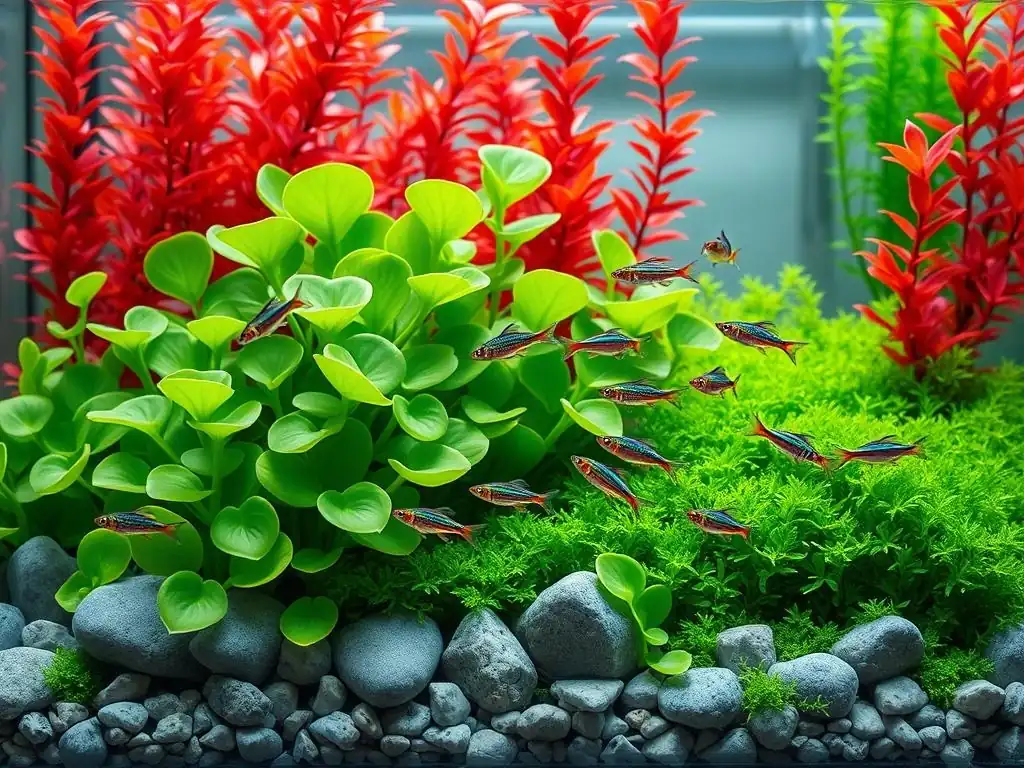
Welcome to PetCareWorld, your ultimate guide to a happier, healthier life for your beloved companions! Are you ready to transform your freshwater aquarium into a thriving underwater paradise? Discover the secrets to success with our expert guide on the best freshwater aquarium plants for beginners. Dive in and unlock the knowledge you need to create a vibrant and flourishing environment for your aquatic pets – it's easier than you think!
- Choosing the Right Plants for Your Beginner Freshwater Aquarium
- Setting Up Your Planted Freshwater Aquarium
- Maintaining Your Planted Aquarium: Essential Tips for Beginners
- Troubleshooting Common Problems with Freshwater Aquarium Plants
- Beyond the Basics: Expanding Your Planted Aquarium
-
Frequently Asked Questions
- What are the best freshwater aquarium plants for beginners?
- How much light do beginner freshwater aquarium plants need?
- Do I need to add CO2 to my tank for beginner plants?
- How often should I fertilize my beginner freshwater aquarium plants?
- What should I do if my beginner freshwater aquarium plants are dying?
- Final Reflection: Cultivating Underwater Gardens: A Journey of Growth
- Dive Deeper into Your Aquarium's Potential!
Choosing the Right Plants for Your Beginner Freshwater Aquarium
Embarking on the journey of setting up a freshwater aquarium can be incredibly rewarding, but choosing the right plants is crucial for both the aesthetic appeal and the health of your aquatic ecosystem. This beginner's guide focuses on selecting and caring for the best freshwater aquarium plants, specifically tailored for those new to the hobby. We'll explore the fundamental needs of aquatic plants and highlight several species known for their resilience and ease of care, ensuring your aquarium thrives from the start.
Successfully cultivating these plants will not only enhance the beauty of your tank but also contribute to a healthier environment for your fish, providing oxygen, hiding places, and natural filtration. Let's dive in and discover the perfect plant companions for your beginner freshwater aquarium! 🐠
Understanding Plant Needs: Light, Nutrients, and Substrate
Before selecting specific plants, it's essential to grasp their basic requirements. The success of your aquatic garden hinges on providing the right conditions. Think of it like gardening, but underwater! Let's break down the key factors:
- Light: Different plants require varying light intensities. Low-light plants thrive even under less intense lighting conditions, making them ideal for beginners. High-light plants, however, need significantly more light to flourish. Incorrect lighting can lead to stunted growth or algae blooms. Always research the specific light requirements of your chosen species.
- Nutrients: Just like terrestrial plants, aquatic plants need nutrients to grow. These nutrients are typically supplied through the substrate (the bottom layer of your aquarium) and water column. Substrate choices like nutrient-rich soil or specialized aquarium substrates can provide essential nutrients. Additionally, liquid fertilizers can supplement the substrate's nutritional value.
- Substrate: The substrate serves as the foundation for your aquatic plants, providing anchorage and, in some cases, nutrients. Gravel, sand, and specialized aquarium substrates are common choices. The type of substrate you choose will influence the types of plants that will thrive in your tank. For beginners, a simple, well-washed gravel substrate is often sufficient.
Easy-to-Care-For Freshwater Aquarium Plants for Beginners
Now that we understand the fundamental needs of aquatic plants, let's explore some excellent options for beginner aquarists. These plants are known for their hardiness and tolerance to a range of conditions, making them perfect for those starting their aquatic gardening journey. Remember to research the specific needs of each plant before adding it to your tank. Proper research is key to a thriving aquatic ecosystem!
Java Moss: A Low-Maintenance Staple
Java moss ( Taxiphyllum barbieri) is a classic choice for beginners. Its unassuming beauty and incredibly low maintenance requirements make it a fantastic starting point. It thrives in a wide range of conditions, tolerating low to moderate light and a variety of water parameters. Java moss doesn't need to be planted in the substrate; it can be attached to rocks, driftwood, or even allowed to float freely.
This adaptability makes it incredibly versatile for beginners. Its dense growth provides excellent hiding places for smaller fish and helps to filter the water. With minimal effort, you can enjoy the lush green texture that Java moss brings to your aquarium.
Anubias Nana: A Hardy and Versatile Choice
Anubias nana is another excellent choice for beginner aquascapers. Known for its resilience and slow growth, this plant requires minimal attention. It thrives in low to moderate light conditions and can tolerate a wide range of water parameters. Unlike many other aquatic plants, Anubias nana should not be planted directly in the substrate; its rhizome (root-like structure) should be left exposed to avoid rot. Attach it to rocks, driftwood, or other hardscape elements within your aquarium. Its dark green, broad leaves add a touch of elegance and provide shelter for your fish.
Hornwort: Fast-Growing Oxygenator
Hornwort ( Ceratophyllum demersum) is a fast-growing oxygenating plant that's perfect for beginners. Its rapid growth rate helps to consume excess nutrients in the water, preventing algae blooms. It doesn't require planting; simply place it in the water column, and it will quickly establish itself. Hornwort's feathery leaves provide hiding places for smaller fish and contribute significantly to the oxygen levels in the aquarium. However, its rapid growth might require regular trimming to prevent it from overwhelming the tank. This easy-to-manage plant is a valuable asset to any beginner's freshwater aquarium.
Setting Up Your Planted Freshwater Aquarium
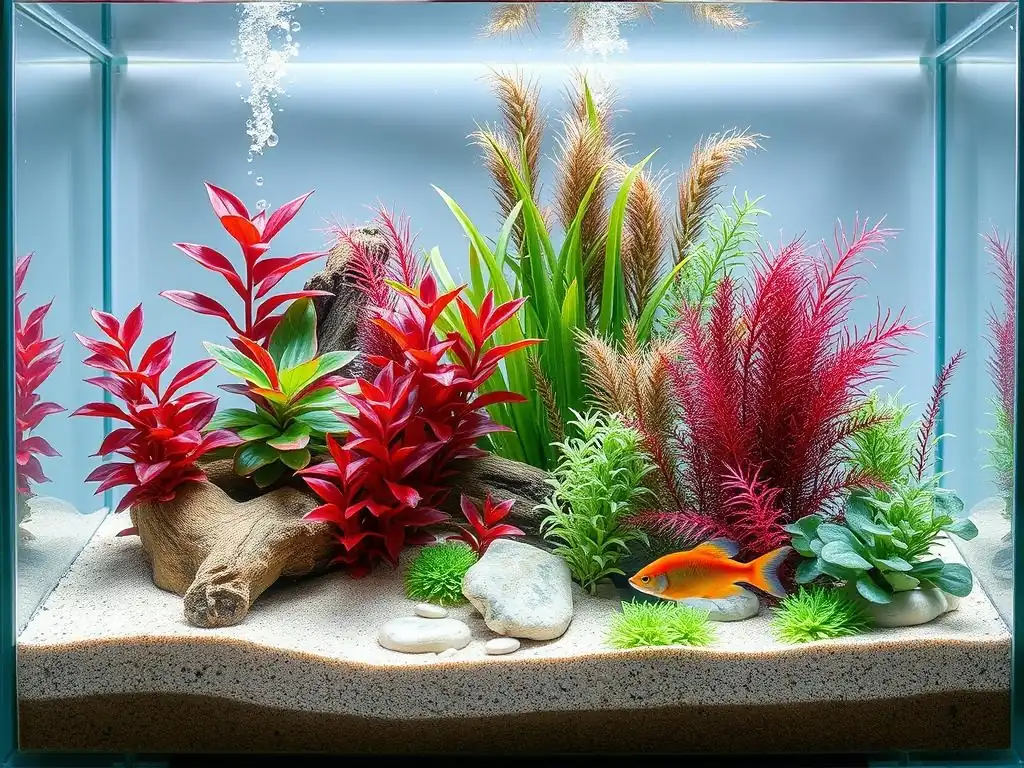
This section focuses on the crucial initial steps of establishing a thriving planted freshwater aquarium, perfect for beginners eager to cultivate a beautiful and healthy underwater ecosystem. Successfully setting up your aquarium involves more than just filling it with water and adding fish. A well-planned approach ensures the long-term health of your plants and fish.
Preparing Your Aquarium for Planting
Before even thinking about adding plants, your aquarium needs proper preparation. This involves selecting the right substrate, ensuring adequate lighting, and establishing a stable water environment. Begin by thoroughly cleaning your aquarium tank and any accompanying equipment. Then, choose a suitable substrate.
While gravel is a common choice, many experienced aquarists prefer a nutrient-rich substrate specifically designed for planted tanks. These substrates often contain beneficial bacteria and nutrients that promote healthy plant growth. Consider the size and type of plants you plan to add when selecting your substrate depth; taller plants will require a deeper substrate bed. Finally, install your aquarium lighting system.
The amount and type of light are critical factors influencing plant growth, with different plants having varying light requirements. Research the specific light needs of your chosen plants to ensure optimal growth. A light timer is recommended to simulate natural day-night cycles. Remember, proper lighting prevents algae blooms, a common problem in newly established aquariums.
Planting Your Chosen Freshwater Aquarium Plants
Planting your chosen plants correctly is key to their long-term health and the overall aesthetic appeal of your aquarium. Begin by carefully washing the roots of your aquatic plants to remove any debris or soil. Then, gently plant them into the substrate, ensuring the roots are firmly embedded. Avoid planting them too deeply; the crown of the plant (where the leaves emerge) should remain slightly above the substrate.
For plants with runners, like certain types of Anubias, you should attach them to hardscape like rocks or driftwood using fishing line or plant glue. Avoid burying their rhizomes (underground stems), as this can lead to rot. Carefully space your plants, considering their mature size and growth habits. Overcrowding can lead to competition for resources and hinder growth.
Observe the plants closely during the first few weeks; you might need to adjust their positioning depending on the light penetration and water flow in your aquarium. The placement and density of your plants will significantly impact the overall appearance of your tank, so take your time and plan carefully. Remember, a diverse range of plant heights and colors adds visual interest to your planted freshwater aquarium.
Maintaining Your Planted Aquarium: Essential Tips for Beginners
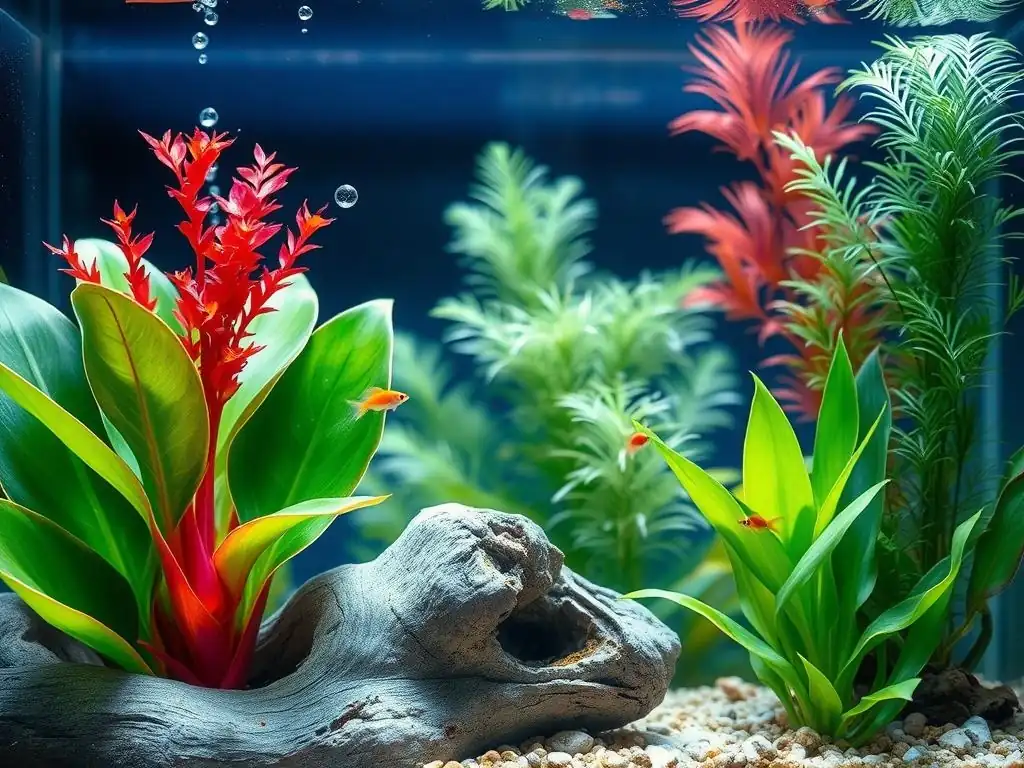
Maintaining a healthy planted freshwater aquarium requires consistent effort. This section details the crucial aspects of long-term aquarium care, directly impacting the health and longevity of your plants and fish. Regular maintenance prevents issues such as algae blooms and nutrient deficiencies, ensuring a vibrant and balanced ecosystem.
Regular Water Changes: Key to Plant Health
Regular water changes are essential for maintaining a healthy planted aquarium. They remove accumulated waste products, excess nutrients, and harmful chemicals that can negatively impact plant health. Aim for a 25-50% water change weekly, using dechlorinated water matched to your aquarium's current water parameters. This helps prevent the buildup of nitrates, a common problem in planted tanks. Using a gravel vacuum during water changes helps remove debris from the substrate, further enhancing water quality.
Consistent water changes are crucial, especially in the early stages of your aquarium's development, as the biological filter establishes itself. Neglecting water changes can lead to algae outbreaks, nutrient imbalances, and ultimately, the demise of your plants and fish. Monitor your water parameters regularly to ensure they remain within the optimal range for your chosen plant species. The health of your plants is directly linked to the quality of your water.
Fertilizing Your Freshwater Aquarium Plants
Just like terrestrial plants, aquatic plants require nutrients to thrive. While some nutrients may be provided by the substrate, supplemental fertilization is often necessary, particularly in larger tanks or those with fast-growing plants. There are several types of fertilizers available, including liquid fertilizers and root tabs. Liquid fertilizers provide readily available nutrients, while root tabs deliver nutrients directly to the plant roots. Follow the manufacturer's instructions carefully when applying fertilizers, as over-fertilizing can lead to algae blooms and other problems.
Observe your plants for signs of nutrient deficiency, such as stunted growth or discoloration. Adjust your fertilization schedule as needed based on your plants' growth rate and water test results. Remember that the type and amount of fertilizer will depend greatly on the specific plants you are growing. Always research the individual needs of your plants.
Trimming and Pruning Your Aquarium Plants
Regular trimming and pruning are crucial for maintaining the aesthetic appeal and health of your planted aquarium. Overgrown plants can shade other plants, hindering their growth and creating areas of poor water circulation. Trimming also helps to control algae growth by preventing excessive shading and promoting better water flow. Use sharp, clean scissors or pruning shears designed for aquarium use. Remove any dead or decaying leaves and trim back excessively long stems or leaves.
This promotes bushier growth and prevents the plants from becoming overgrown and unsightly. Regular pruning also allows you to propagate your plants, creating more plants for your aquarium or sharing them with others. Remember to dispose of plant trimmings properly to avoid introducing excess organic matter into the water column. This simple maintenance step is essential for maintaining a visually appealing and healthy planted freshwater aquarium.
Troubleshooting Common Problems with Freshwater Aquarium Plants
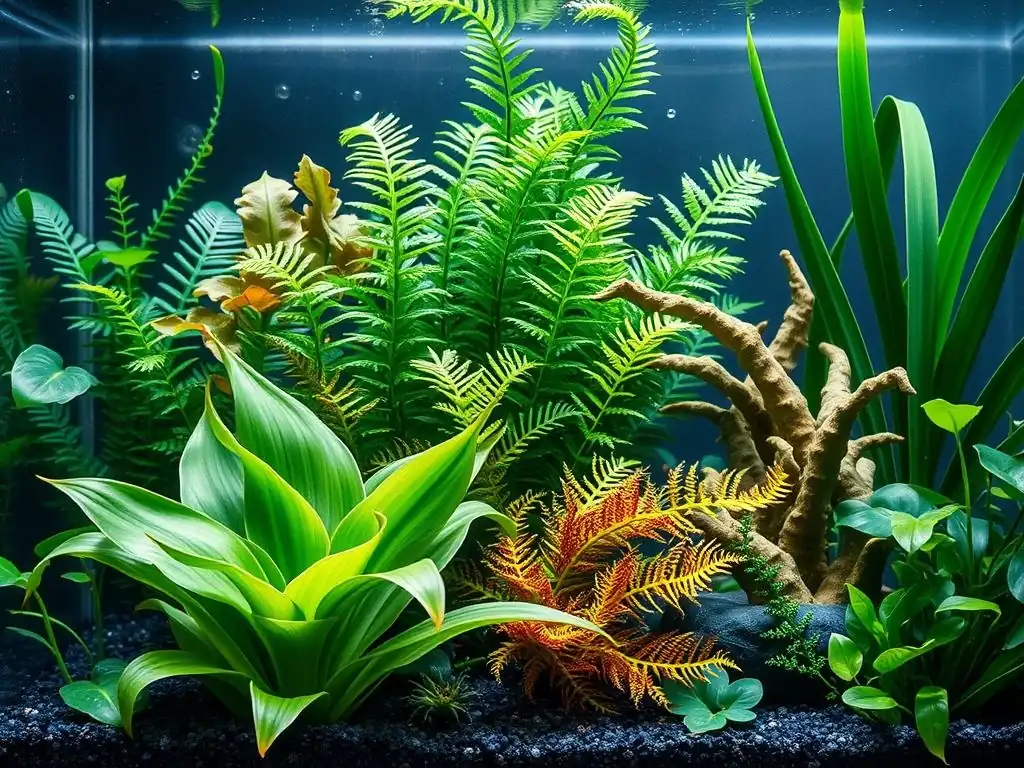
This section addresses common issues encountered by beginners when maintaining freshwater aquarium plants, offering practical solutions to ensure your aquatic garden thrives. Successfully cultivating a planted tank requires understanding the nuances of plant health and proactively addressing potential problems. Remember, a healthy plant community contributes significantly to a thriving aquarium ecosystem for your fish. Let's dive into some of the most frequent challenges and how to overcome them.
Dealing with Algae Growth in Your Planted Tank
Algae is a common nuisance in freshwater aquariums, particularly for beginners. Excessive algae growth can quickly overwhelm your plants, competing for nutrients and light, and ultimately detracting from the aesthetic appeal of your tank. Several factors contribute to algae blooms, including:
- Excessive light: Too much light, or light of the wrong spectrum, can fuel algae growth. Ensure your lighting schedule is appropriate for your chosen plants and doesn't exceed 8-10 hours per day. Consider using a timer to maintain consistency.
- Nutrient imbalances: An overabundance of nutrients, particularly nitrates and phosphates, can lead to rapid algae proliferation. Regular water changes (25-50% weekly) are crucial for managing nutrient levels. Testing your water parameters regularly using a reliable test kit is highly recommended.
- Insufficient plant growth: If your plants aren't growing vigorously, they won't effectively compete with algae for resources. Ensure your plants receive adequate light, CO2 (if necessary), and fertilization.
- Poor filtration: Inadequate filtration allows waste products to accumulate, providing a rich food source for algae. Choose a filter appropriate for your tank size and regularly clean or replace filter media.
Addressing algae requires a multi-pronged approach. Manually removing visible algae with a brush or algae scraper is a good first step. However, this is only a temporary solution. To prevent future outbreaks, focus on addressing the underlying causes. Consider introducing algae-eating animals, such as snails or shrimp, to help control algae populations naturally. Regular maintenance, careful monitoring of water parameters, and balanced fertilization are key to preventing future algae problems. Remember, prevention is far easier than cure when dealing with algae in your freshwater aquarium.
Identifying and Treating Plant Diseases
Plant diseases can significantly impact the health and appearance of your aquatic plants, potentially leading to their decline or death. Early detection and appropriate treatment are crucial for minimizing damage. Several common plant diseases in freshwater aquariums include:
- Bacterial leaf spot: This disease manifests as small, brown or black spots on leaves, often spreading rapidly. Treatment involves removing affected leaves and improving water quality through regular water changes.
- Fungal infections: Fungal infections can appear as fuzzy growths on leaves or stems. These can be treated with antifungal medications specifically designed for aquatic plants. Always follow the manufacturer's instructions carefully.
- Nutrient deficiencies: While not strictly a disease, nutrient deficiencies can weaken plants, making them more susceptible to diseases and pests. Regular fertilization and water testing are essential for preventing deficiencies. Symptoms of nutrient deficiencies vary depending on the specific nutrient lacking; for instance, yellowing leaves might indicate a lack of iron or nitrogen.
Accurate diagnosis is key to effective treatment. Observe the symptoms carefully and consult reliable sources, such as experienced aquarists or online forums, for guidance. In many cases, improving overall water quality and providing adequate nutrients can resolve minor issues. However, severe infections may require targeted treatments. Always quarantine affected plants to prevent the spread of disease to other plants in your aquarium. Remember, a healthy aquarium ecosystem is less prone to plant diseases.
Addressing Nutrient Deficiencies in Your Aquarium Plants
Nutrient deficiencies are a common problem in planted tanks, particularly if you're new to the hobby. Plants require a balanced supply of macro and micronutrients to thrive. Deficiencies can manifest in various ways, impacting growth, leaf color, and overall plant health. Here's a breakdown of common deficiencies and their symptoms:
| Nutrient | Deficiency Symptoms | Solutions |
|---|---|---|
| Nitrogen (N) | Stunted growth, yellowing of older leaves | Add nitrogen-rich fertilizers |
| Phosphorus (P) | Dark green leaves, stunted growth, poor root development | Add phosphate-rich fertilizers |
| Potassium (K) | Yellowing and browning of leaf margins, weak stems | Add potassium-rich fertilizers |
| Iron (Fe) | Yellowing of younger leaves (interveinal chlorosis) | Use iron-containing fertilizers, chelated iron is best |
| Magnesium (Mg) | Yellowing between leaf veins, leaf curling | Add magnesium sulfate (Epsom salts) |
Regular water testing is crucial for detecting nutrient deficiencies. Use a comprehensive test kit to monitor levels of essential nutrients. Targeted fertilization, tailored to your specific needs, is essential. Always follow the manufacturer's instructions carefully, avoiding over-fertilization, which can lead to algae growth. Observe your plants closely; changes in leaf color or growth rate can be early indicators of a problem. A well-balanced nutrient regime is key to maintaining a lush and healthy planted aquarium. Remember, prevention through regular monitoring and balanced fertilization is always better than trying to cure a deficiency.
Beyond the Basics: Expanding Your Planted Aquarium
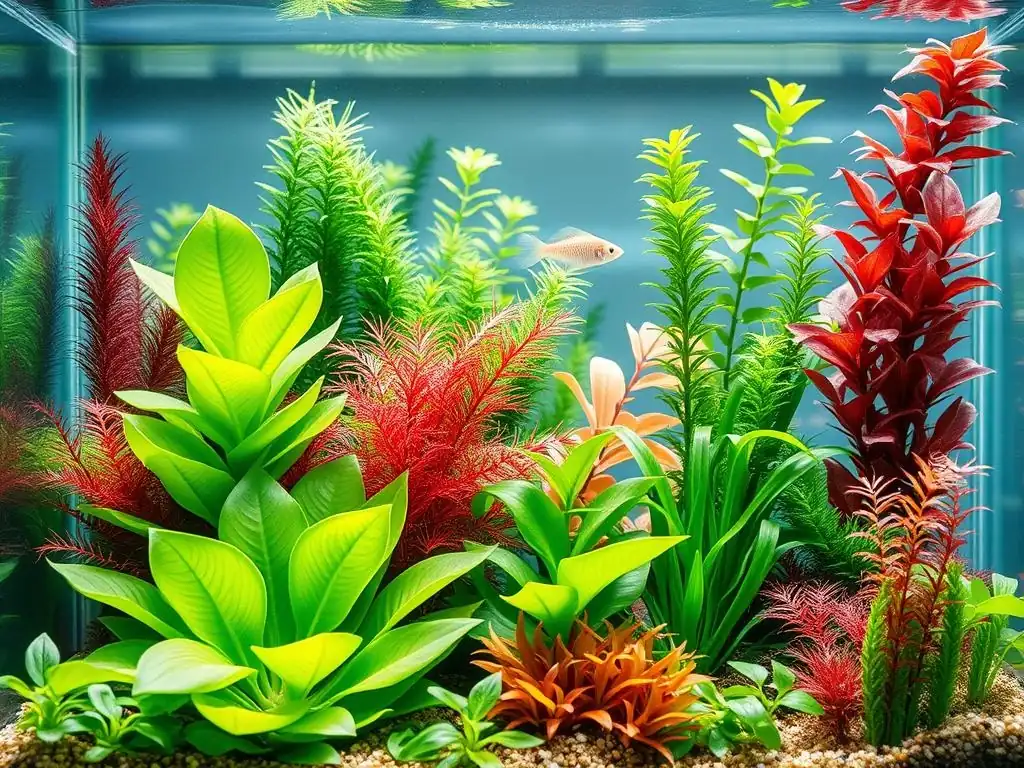
This section delves into selecting freshwater aquarium plants suitable for beginners who've mastered the fundamentals and are ready to enhance their aquascapes. We'll move beyond the hardy starter plants and explore options that offer more visual interest and complexity. Remember, even "easy" plants require proper care and attention to thrive. Success in aquatic gardening depends on understanding light requirements, nutrient levels, and the overall balance of your aquarium ecosystem.
Advanced Plant Choices for Experienced Beginners
Once you've successfully grown easy-to-care-for plants like Anubias and Java Moss, you can consider more visually striking options. These plants offer a greater challenge, requiring a bit more attention to detail but rewarding you with a more vibrant and diverse aquarium.
Here are a few examples of plants suitable for beginners ready to level up:
- Rotala rotundifolia: This stem plant is relatively easy to grow, adding a beautiful reddish hue to your tank. It requires moderate to high light and regular trimming to prevent legginess. Maintaining consistent water parameters is key to its success. Expect to prune it frequently to maintain its bushy appearance. It thrives in nutrient-rich substrates.
- Ludwigia repens: Another stem plant, Ludwigia repens offers a bright green to reddish-brown color depending on light intensity and nutrient levels. It’s a fast grower, requiring regular trimming. This plant is particularly effective at absorbing nitrates, contributing to a healthier aquarium environment. It’s relatively tolerant of fluctuating water conditions but benefits from consistent care.
- Hygrophila corymbosa 'Siamensis': This plant boasts a striking appearance with its bright green leaves and upright growth habit. It's fairly adaptable, making it a good choice for beginners who want to add some architectural interest to their tank. However, it can become quite tall, necessitating regular pruning. Providing adequate CO2 injection will enhance its growth and color.
Choosing the right plants depends on your tank size, lighting, and filtration system. Remember to research the specific needs of each plant before adding it to your aquarium. Careful planning and observation are crucial for success. Don't be afraid to experiment! The joy of planted tanks lies in the continuous learning and refinement of your aquatic garden.
Creating a Thriving Underwater Ecosystem
A thriving planted aquarium isn't just about beautiful plants; it's about creating a balanced ecosystem where plants, fish, and beneficial bacteria coexist harmoniously. This involves understanding the interconnectedness of various factors:
- Substrate: A nutrient-rich substrate is essential for providing plants with the necessary nutrients. Consider specialized aquarium substrates designed to support plant growth. These substrates often contain beneficial bacteria and essential minerals.
- Lighting: Providing the correct amount and spectrum of light is crucial. Different plants have varying light requirements. Insufficient light leads to weak growth, while excessive light can promote algae growth. Invest in a reliable aquarium light that's appropriate for the size and plant selection of your tank.
- Fertilization: While a nutrient-rich substrate provides a foundation, you may need to supplement with liquid fertilizers to ensure optimal plant growth. Follow the instructions carefully to avoid over-fertilizing, which can lead to algae blooms.
- Water Parameters: Maintaining stable water parameters, such as pH, temperature, and ammonia/nitrite levels, is crucial for both plant and fish health. Regular water changes are essential to remove waste and maintain a healthy environment.
Creating a thriving underwater ecosystem requires patience, observation, and a willingness to adjust your approach based on your aquarium's unique needs. Regular monitoring and adjustments are key to long-term success. Remember, a healthy ecosystem is a visually appealing and sustainable one. Observe your plants closely; their appearance often reflects the overall health of your aquarium.
Resources for Further Learning about Freshwater Aquarium Plants
For those eager to expand their knowledge, several excellent resources exist beyond this guide. Many online communities and forums dedicated to planted aquariums offer invaluable advice and support from experienced aquarists. Books and specialized magazines provide detailed information on plant care, aquarium setup, and troubleshooting common issues. Remember to always cross-reference information and choose reliable sources to ensure accuracy.
The world of planted aquariums is vast and constantly evolving; continuous learning is a vital aspect of success in this rewarding hobby. Consider exploring local aquarium societies or clubs – these provide opportunities for networking with other enthusiasts and gaining practical experience. Don't hesitate to seek advice from experienced hobbyists; their insights can save you time, frustration, and potentially, the lives of your plants and fish!
Frequently Asked Questions
What are the best freshwater aquarium plants for beginners?
Some of the easiest plants for beginners include Anubias, Java Fern, and Water Sprite. These plants are hardy, low-maintenance, and tolerant of a range of water conditions.
How much light do beginner freshwater aquarium plants need?
Most beginner plants thrive under moderate lighting. Avoid intense lighting initially, as this can lead to algae problems. Adjust lighting based on your specific plants' needs.
Do I need to add CO2 to my tank for beginner plants?
No, CO2 injection is not necessary for many beginner-friendly plants. These plants can thrive with the naturally occurring CO2 in your tank. However, it might help with faster growth.
How often should I fertilize my beginner freshwater aquarium plants?
Use a liquid fertilizer designed for aquarium plants. Start with a low concentration and increase gradually as needed, observing your plants for signs of nutrient deficiency. Over-fertilizing can be harmful.
What should I do if my beginner freshwater aquarium plants are dying?
First, check your water parameters (ammonia, nitrite, nitrate). Poor water quality is a common cause of plant death. Then, assess lighting and fertilization levels. Finally, consider the possibility of plant diseases or pests.
Final Reflection: Cultivating Underwater Gardens: A Journey of Growth
The vibrant world of freshwater aquariums offers more than just aesthetic beauty; it's a miniature ecosystem teeming with life, demanding careful consideration and nurturing. Successfully establishing a thriving underwater garden, even for beginners, provides a profound sense of accomplishment and a connection to the natural world. This journey, as detailed in this guide, is not just about selecting the "best" plants, but about understanding the delicate balance required to foster a healthy environment.
Choosing the right plants is only the first step in this rewarding hobby. The ongoing process of observation, adjustment, and learning mirrors the cyclical nature of life itself. Watching these plants flourish, responding to your care, is deeply satisfying. The glory of gardening: hands in the dirt, head in the sun, heart with nature. To nurture a garden is to feed not just the body, but the soul.
This quote perfectly encapsulates the emotional connection one can forge with their aquarium, transforming a simple hobby into a meditative practice.
Now, it's your turn. Consider the lessons learned here – the importance of research, the need for patience, and the joy of witnessing growth. Don't be afraid to experiment, to learn from your mistakes, and to embrace the challenges that come with creating your own underwater paradise. Start small, choose a few plants from our recommended list, and embark on this enriching journey. Your underwater garden awaits, ready to blossom under your care.
Dive Deeper into Your Aquarium's Potential!
Thank you for exploring the wonderful world of freshwater aquarium plants with us! We hope you gained valuable insights into creating a thriving underwater ecosystem. Ready to transform your aquarium?
- Choose the perfect plant: Visit your local fish store and select an easy-to-care-for plant like Anubias nana or Java moss, choosing varieties that suit your aquarium's size and lighting conditions. This is the first step towards a stunning underwater garden!
- Share your aquatic journey: Post a picture of your newly planted aquarium on social media using #PetCareWorldAquarium and inspire other beginners! Let's build a thriving aquatic community together.
- Explore advanced techniques: For a more ambitious project, research advanced planting techniques and consider adding more challenging plant species such as Rotala rotundifolia or Hygrophila polysperma to create a truly captivating underwater landscape.
What unique underwater landscape will you create, and which plant will be the star of your show?