
Recognizing Signs of Illness in Your Freshwater Fish

Welcome to PetCareWorld, your ultimate guide to a happier, healthier life for your beloved pets! Are you concerned about your freshwater fish? We understand that noticing unusual behavior can be alarming. Learn to identify the critical sick freshwater fish symptoms that indicate illness and discover how early detection can save your aquatic friend's life. Dive in and explore our expert advice – your journey to becoming a confident and informed pet owner starts here!
- Understanding Common Sick Freshwater Fish Symptoms
- Diagnosing Specific Illnesses in Freshwater Fish
- Treating Sick Freshwater Fish: A Step-by-Step Approach
- Preventing Illness in Your Freshwater Fish
- When to Seek Professional Veterinary Help for Your Sick Fish
- Frequently Asked Questions
- Final Reflection: The Silent Suffering of Our Finned Friends
- Unveil Your Fish's Secrets: Take Action Now!
Understanding Common Sick Freshwater Fish Symptoms
Keeping a thriving freshwater aquarium is a rewarding hobby, but recognizing when your finned friends are unwell is crucial for their well-being. This comprehensive guide will help you identify common symptoms of illness in freshwater fish, enabling you to take prompt action and provide the necessary care. Early detection significantly improves the chances of successful treatment, preventing further suffering and potential losses within your aquarium ecosystem.
We'll cover a range of observable signs, from subtle behavioral changes to readily visible physical ailments, equipping you with the knowledge to become a more attentive and proactive fish keeper. Learning to recognize these signs is a key component of responsible freshwater fish ownership, allowing you to maintain a healthy and happy aquatic environment. This guide focuses on the most prevalent symptoms associated with sick freshwater fish, providing practical advice for diagnosis and subsequent treatment.
Identifying Lethargy and Loss of Appetite in Sick Fish
Lethargy and loss of appetite are often among the first signs of illness in freshwater fish. A healthy fish is typically active, exploring its tank and readily accepting food. However, a sick fish will often exhibit a marked decrease in activity. They may spend extended periods resting on the bottom of the tank, showing little interest in their surroundings. This list details some key indicators:
- Reduced activity: Instead of swimming actively, your fish may remain motionless or sluggish.
- Loss of appetite: A noticeable decrease or complete refusal of food is a significant red flag. This can be particularly concerning if the fish was previously a voracious eater.
- Hiding behavior: Sick fish often seek refuge in dark corners or behind decorations, avoiding the open areas of the tank.
- Slow response to stimuli: They may react slowly or not at all to external stimuli, such as your approach or the introduction of food.
- Unusual positioning: Observe if the fish is resting on its side or upside down – this is an especially serious symptom.
These behavioral changes, often subtle at first, can be indicative of various underlying conditions, ranging from bacterial infections to internal parasites. Careful observation and comparison to the fish's usual behavior are crucial for early detection. Remember to always consider the overall context; a single instance of lethargy might not be cause for alarm, but a persistent pattern warrants attention.
Beyond lethargy and appetite loss, changes in swimming patterns and social interactions can also signal illness in your freshwater fish. Healthy fish exhibit predictable swimming patterns and interact appropriately with their tank mates. Deviations from this norm can indicate a problem. Consider these points:
- Erratic swimming: Uncoordinated movements, rapid darting, or constant bumping into objects can suggest neurological issues or physical distress.
- Clamped fins: Fins held tightly against the body, rather than extended naturally, are a common sign of stress or illness.
- Difficulty staying upright: Fish struggling to maintain their position in the water column may be suffering from swim bladder issues.
- Isolation from other fish: A previously sociable fish suddenly withdrawing from its tank mates can indicate disease or injury.
- Increased aggression or unusual aggression: Changes in social dynamics, such as increased aggression or unusual aggression towards tankmates, can also be a sign of illness.
These altered behavioral patterns often accompany other symptoms, providing a more complete picture of the fish's health. Observing these changes in conjunction with physical symptoms can assist in accurate diagnosis and appropriate treatment. Remember to always document your observations, noting the date and time of any unusual behavior.
Examining Physical Signs: Fin Rot, White Spots, and Other Visible Symptoms
Visible physical symptoms are often easier to detect than behavioral changes, and their presence typically indicates a more advanced stage of illness. Regular visual inspections of your fish are vital for early diagnosis. Look for these common signs:
- Fin rot: This is characterized by frayed, disintegrating, or missing portions of the fins. It can be caused by bacterial or fungal infections.
- White spots (Ich): Small, white spots on the body and fins are a hallmark of Ichthyophthirius multifiliis, a common parasitic infection.
- Red sores or lesions: These open wounds can be caused by various factors, including bacterial infections, parasitic infestations, or physical injuries.
- Cloudy eyes: This indicates inflammation or infection of the eyes.
- Swollen belly: This symptom can be indicative of internal parasites or organ damage.
- Excessive slime coat: An unusually thick or slimy coating on the fish's body can indicate a stress response or infection.
Further Considerations:
Remember to consider the overall health of your aquarium environment. Poor water quality, inadequate filtration, and overcrowding can significantly increase the risk of illness. Regular water testing and proper maintenance are crucial for preventing disease.
Careful observation and prompt action are key to successful treatment. If you suspect your freshwater fish is ill, isolate it immediately to prevent the spread of disease and begin appropriate treatment as soon as possible. Consult a veterinarian specializing in aquatic animals for professional advice and guidance. 🐠
Detecting Internal Problems: Swollen Abdomen and Other Internal Indicators
A swollen abdomen in your freshwater fish is a significant red flag indicating potential internal problems. This distension isn't always immediately obvious, but a careful observation of your fish's profile can reveal subtle changes. Compare your fish to pictures you may have taken previously – even a slight increase in the roundness of their belly can be a warning sign.
Several internal issues can cause this, including parasitic infections, organ damage, or internal bacterial infections. For example, a parasitic infection like Ichthyophthirius multifiliis (Ich) can, in severe cases, lead to secondary bacterial infections that manifest as a bloated belly. Similarly, internal organ damage from poor water quality or a physical injury can also result in abdominal swelling.
The fish may also exhibit lethargy and loss of appetite alongside the swollen belly. Don't confuse a slightly round belly due to overfeeding with a truly swollen abdomen; a swollen abdomen will be noticeably firmer and more pronounced.
Beyond abdominal swelling, other subtle internal indicators can point towards illness. Changes in bowel movements are crucial to note. Observe the frequency and consistency of your fish's waste. White, stringy, or excessively frequent bowel movements can signal intestinal parasites or bacterial infections.
Conversely, a complete absence of waste could indicate a severe blockage or serious illness. Additionally, pay close attention to the fish's behavior. Is it hiding more than usual? Is it less active than its tank mates?
These behavioral changes, when coupled with physical symptoms, can strongly suggest an underlying internal issue requiring immediate attention. Remember that early detection is crucial for successful treatment; the sooner you notice these subtle signs, the better the chances of a positive outcome for your fish. Regular water testing and maintaining a clean aquarium environment are crucial preventative measures to minimize the risk of internal problems. A proactive approach to fishkeeping significantly reduces the likelihood of encountering these concerning symptoms.
Diagnosing Specific Illnesses in Freshwater Fish
This section delves into the specific symptoms of common illnesses affecting freshwater fish, providing crucial information for timely diagnosis and treatment. Early detection is vital for improving the chances of a successful recovery and preventing the spread of disease within your aquarium. Remember, observing your fish regularly is key to catching problems early. The subtle changes in behavior and appearance can be early warning signs of a developing health issue. This detailed guide will help you understand the nuances of these illnesses and how to differentiate between them. Early intervention is crucial when dealing with sick freshwater fish symptoms.
Identifying Bacterial Infections in Freshwater Fish
Bacterial infections are prevalent in freshwater aquariums, often stemming from poor water quality, overcrowding, or injuries. Several bacterial species can affect fish, leading to a range of symptoms. Recognizing these symptoms early is critical for effective treatment.
Several key indicators point towards a bacterial infection:
- Lethargy and Loss of Appetite: Infected fish often become less active, resting on the bottom of the tank or hiding amongst plants. A significant reduction or complete loss of appetite is a common symptom. They may ignore food completely, even their favorite treats.
- Frayed Fins and Scales: Bacterial infections can cause the fins to become ragged, torn, or clamped against the body. Scales might also appear raised or loose, a condition known as pineconing.
- Redness, Ulcers, or White Spots: These visual indicators can vary depending on the specific bacteria. Redness or inflammation on the skin, body, or fins is a common sign. Open sores or ulcers can also develop, and in some cases, you might observe small, white spots which aren't necessarily Ich (Ichthyophthirius multifiliis), but rather a symptom of a bacterial infection.
- Changes in Body Color: Fish might exhibit fading or discoloration of their usual vibrant colors, appearing dull or pale. This is often an indicator of a weakening immune system struggling to combat the infection.
- Difficulty Breathing: Bacterial infections can affect the gills, leading to labored breathing, gasping at the surface, or rapid operculum (gill cover) movement.
It's important to note that these symptoms can overlap with other illnesses, so a holistic assessment of your fish's condition is necessary. A comprehensive water parameter test is crucial to rule out water quality issues as the primary cause. Remember to always quarantine any suspected infected fish to prevent the spread of the disease to other tank inhabitants.
Recognizing Fungal Infections in Aquarium Fish
Fungal infections, often secondary to injuries or weakened immune systems, manifest in several distinct ways. These infections are usually opportunistic, meaning they take hold when the fish is already compromised. Recognizing these fungal infections early on is crucial for a successful treatment plan. Early identification of sick freshwater fish symptoms is key to mitigating the spread and severity of the infection.
Common signs of fungal infections include:
- Cotton-like Growth: A characteristic symptom is the presence of a white, fluffy, or cotton-like growth on the skin, fins, or gills of the fish. This growth can spread rapidly, covering large portions of the fish's body.
- Lesions and Ulcers: Similar to bacterial infections, fungal infections can cause lesions and ulcers on the fish's skin. However, these lesions often have a fuzzy or cottony appearance due to the fungal growth.
- Loss of Appetite and Lethargy: As with bacterial infections, infected fish will exhibit a lack of energy and decreased appetite. They may become less active, hiding, and generally appearing unwell.
- Frayed Fins: Fungal infections can cause the fins to become ragged and frayed, similar to bacterial infections. However, the presence of the characteristic cotton-like growth helps differentiate between the two.
Treatment for fungal infections usually involves improving water quality and using antifungal medications. It's essential to maintain clean water conditions throughout the treatment process to promote healing and prevent recurrence. Remember, accurate diagnosis is paramount for successful treatment. Do not hesitate to consult with an aquatic veterinarian if you are unsure about the diagnosis or treatment plan.
Diagnosing Parasitic Infections in Your Freshwater Aquarium
Parasitic infections are a common problem in freshwater aquariums, with various parasites affecting fish in different ways. These parasites can range from microscopic organisms to larger visible creatures. Early detection and appropriate treatment are vital to prevent widespread infection and potential loss of your fish. Understanding the different types of parasites and their associated symptoms is critical in managing these infections.
Several common parasites cause distinct symptoms:
| Parasite Type | Common Symptoms |
|---|---|
| Ich (Ichthyophthirius multifiliis) | Tiny white spots covering the body, flashing behavior, lethargy |
| Velvet (Oodinium) | Gold or brown dust-like coating on the body, rapid breathing, lethargy |
| Flukes (Dactylogyrus) | Excessive scratching against objects, frayed fins, gill damage |
| Worms (various types) | Visible worms protruding from the body, weight loss, lethargy |
Further Details on Specific Parasite Symptoms
Ich is easily identified by the small, white spots. Velvet presents as a gold or brown dust. Flukes cause excessive scratching and gill damage. Worms are often visible to the naked eye.
Proper diagnosis requires careful observation and potentially microscopic examination of skin scrapings or gill samples. Treatment varies depending on the specific parasite, but generally involves medication and improved water quality. Maintaining a healthy aquarium environment is the best preventative measure against parasitic infections. Remember, addressing the underlying cause of the infection, such as poor water quality or overcrowding, is just as important as treating the parasite itself. Ignoring sick freshwater fish symptoms can lead to severe consequences, so prompt action is crucial.
Detecting Common Freshwater Fish Diseases: Ich, Velvet, and More
Ichthyophthiriasis, commonly known as Ich, is a prevalent parasitic infection in freshwater fish. Early detection is crucial for successful treatment. You'll notice small, white spots resembling grains of salt scattered across your fish's body, fins, and gills. These spots are actually the parasite's reproductive cysts. Affected fish often exhibit flashing behavior (rubbing against objects) due to irritation.
Advanced stages can lead to lethargy, loss of appetite, and labored breathing. Early intervention with medication, such as malachite green or copper-based treatments, is vital to prevent high mortality rates. Remember to carefully follow dosage instructions and monitor water parameters closely during treatment. Maintaining pristine water quality is a key preventative measure; regular partial water changes and a well-maintained filter are essential.
Velvet disease, caused by the parasite Oodinium, presents similarly to Ich, but with a slightly different appearance. Instead of distinct white spots, velvet manifests as a fine, golden or velvety coating on the fish's body. This coating can obscure the fish's natural coloration. Like Ich, affected fish often display flashing behavior and lethargy. Treatment involves medications containing copper or other antiparasitic agents. Again, maintaining excellent water quality is paramount both during treatment and as a preventative measure. Regular tank cleaning and careful quarantine of new fish are crucial steps in preventing outbreaks of velvet.
Beyond Ich and velvet, numerous other diseases can affect freshwater fish. Fin rot, characterized by frayed, eroded, or discolored fins, can be caused by bacterial or fungal infections, often stemming from poor water quality or injury. Bacterial infections can manifest as cloudy eyes, lesions, or excessive slime production. Fungal infections might appear as cotton-like growths on the fish's body.
These infections often require antibiotic or antifungal treatments. Accurate diagnosis is crucial, and consulting with an experienced aquarist or veterinarian is recommended if you're unsure about the cause of your fish's illness. Careful observation of your fish's behavior and appearance, combined with regular water testing, can help you detect problems early and provide timely intervention. Remember that prompt treatment is often the key to successful recovery in freshwater fish.
A proactive approach, including maintaining optimal water conditions and carefully quarantining new fish, is the best defense against disease. Regular water changes, a well-maintained filter, and a balanced diet contribute significantly to the overall health and resilience of your aquatic companions. Don't forget the importance of a properly cycled aquarium; this is fundamental to preventing many common freshwater fish ailments. 🐠
Treating Sick Freshwater Fish: A Step-by-Step Approach
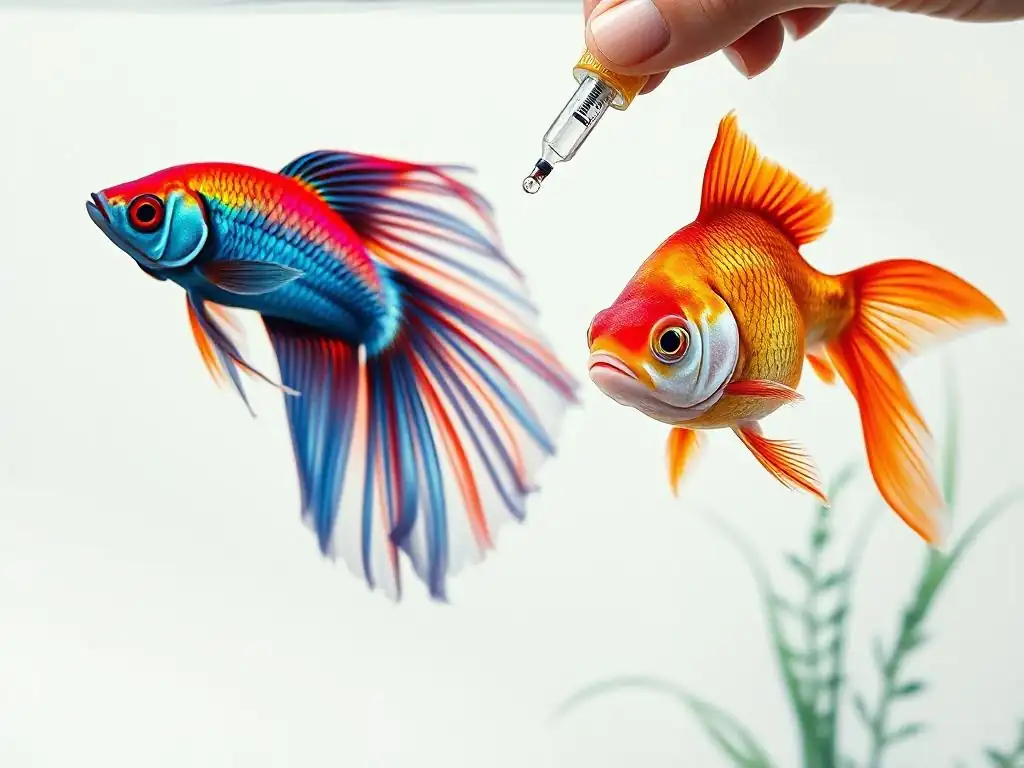
This section details the practical steps involved in treating sick freshwater fish, focusing on observation, treatment implementation, and nutritional support for recovery. Remember, early intervention is crucial for successful treatment of sick freshwater fish symptoms. Delaying treatment can significantly reduce your chances of saving your aquatic companion.
Observing Your Fish Carefully: Initial Assessment and Quarantine
Before initiating any treatment for your sick freshwater fish, a thorough observation and quarantine process is essential. This helps prevent the spread of disease within your aquarium and allows for a more accurate diagnosis.
Begin by carefully observing your fish's behavior and appearance. Look for any deviations from their normal activity levels. Are they lethargic, hiding excessively, or exhibiting unusual swimming patterns? Note any changes in their appetite; a sudden loss of appetite is a common symptom of illness in freshwater fish.
Examine their physical appearance closely. Look for:
- Visible lesions or sores: These might appear as white spots, red patches, or open wounds on the body or fins.
- Changes in coloration: Fading, darkening, or unusual discoloration can indicate illness.
- Fin rot or clamping: Damaged or clamped fins (held close to the body) are often a sign of stress or infection.
- Swollen or protruding eyes (exophthalmia): This can be a symptom of various bacterial or parasitic infections.
- Excessive mucus production: A thick, cloudy coating on the body can indicate an infection.
Once you've noted these symptoms, immediately quarantine the affected fish. Isolate it in a separate tank with clean, dechlorinated water. This prevents the disease from spreading to other fish in your main aquarium. Maintain similar water parameters (temperature, pH) as the main tank to minimize additional stress on the already sick freshwater fish. Regular water testing is crucial during this quarantine period.
Implementing Effective Treatments: Medications and Water Changes
After isolating the affected fish, implementing an appropriate treatment plan becomes crucial. The choice of medication depends heavily on the observed symptoms and a potential diagnosis (professional advice is highly recommended). However, some general approaches include:
- Antibiotics: For bacterial infections, your local pet store can provide appropriate antibiotics. Always follow the instructions carefully, adhering to the correct dosage and treatment duration. Overdosing can be harmful to your fish.
- Antiparasitics: If you suspect a parasitic infection (like Ich or white spot disease), specific antiparasitic medications are available. Again, precise dosage and treatment duration are paramount.
- Water Changes: Regular partial water changes (25-50% daily or every other day) are vital in managing water quality. Poor water quality can exacerbate existing illnesses and hinder recovery. Use dechlorinated water and ensure the temperature matches that of the quarantine tank.
| Treatment Type | Symptoms | Medication Example | Precautions |
|---|---|---|---|
| Bacterial Infection | Lethargy, fin rot, cloudy eyes | [Specific antibiotic name pending] | Follow dosage instructions precisely; monitor closely |
| Parasitic Infection | White spots, flashing, rapid gill movement | [Specific antiparasitic name pending] | Ensure proper quarantine; maintain water quality |
Remember, some medications can be harmful to beneficial bacteria in your filter. Consider using a separate filter in the quarantine tank or adjusting your filter media accordingly.
Providing Proper Nutrition for Recovery: Diet and Feeding Schedule
Proper nutrition plays a crucial role in the recovery process of sick freshwater fish. A weakened immune system needs adequate nutrients to fight off illness effectively.
During treatment, adjust the feeding schedule and diet to promote healing. Offer smaller, more frequent meals of high-quality food. Consider offering live or frozen foods, which are often more palatable and nutritious than dry flakes during illness. Foods rich in protein and vitamins are particularly beneficial.
- Reduced Feeding: Initially, you might need to reduce the feeding amount to avoid uneaten food contributing to poor water quality.
- High-Quality Food: Opt for high-quality fish food specifically formulated for the species of your fish. Look for foods enriched with vitamins and immune-boosting ingredients.
- Observe Appetite: Monitor your fish's appetite closely. If it shows no interest in food, don't force it. Continue to offer food in small amounts at regular intervals.
Consistent monitoring, appropriate treatment, and a nutritious diet are key components in successfully treating sick freshwater fish. Remember, seeking professional advice from an experienced aquarist or veterinarian specializing in aquatic animals is always recommended for accurate diagnosis and treatment planning. Early intervention and careful observation significantly increase the chances of a full recovery.
Maintaining a Healthy Aquarium Environment: Water Quality and Filtration
Maintaining pristine water quality is paramount in preventing and treating illness in your freshwater fish. A healthy aquarium environment significantly reduces the risk of your fish contracting diseases. Neglecting water quality is arguably the most common cause of sick freshwater fish symptoms. Think of it like this: would you want to live in a constantly dirty house? Your fish feel the same way!
Regular water changes are crucial. Aim for a 25-50% water change weekly, depending on the size of your tank and the bioload (the number of fish and other organisms in the tank). This removes accumulated waste products like ammonia, nitrite, and nitrate, which are highly toxic to fish.
Using a gravel vacuum during water changes helps remove debris and uneaten food from the substrate, further improving water quality. Always use a dechlorinator to neutralize chlorine and chloramine present in tap water before adding it to the aquarium. Failure to do so can lead to various health issues and contribute to sick freshwater fish symptoms.
Filtration is equally important. A properly sized and maintained filter is essential for removing waste and keeping the water clear. Different types of filters exist, including hang-on-back filters, canister filters, and internal filters. Choose a filter appropriate for your tank size and bioload. Regular filter maintenance is vital.
Rinse filter media (sponges, cartridges) in old aquarium water (never tap water!) to remove accumulated debris. Replacing filter cartridges as recommended by the manufacturer is also essential. A clogged or malfunctioning filter can lead to a rapid decline in water quality, quickly manifesting as sick freshwater fish symptoms.
Failing to maintain your filter is a surefire way to invite illness into your aquarium. Regular cleaning and replacing filter components avoids the build-up of harmful bacteria and ensures efficient waste removal. Remember, a clean filter is a healthy filter, and a healthy filter contributes to healthy fish. Ignoring filter maintenance is a common cause of many freshwater fish health problems.
Preventing Illness in Your Freshwater Fish
Proactive measures are crucial in preventing illness in your freshwater fish. A healthy aquarium environment significantly reduces the risk of disease outbreaks and promotes the overall well-being of your aquatic companions. Understanding and implementing preventative strategies is key to keeping your fish vibrant and thriving. This section delves into the essential steps you can take to minimize the chances of your freshwater fish contracting diseases, saving you potential heartache and expense down the line. Remember, prevention is always better than cure when it comes to the health of your beloved pets. Let's explore some vital preventative measures.
Maintaining Optimal Water Parameters: Temperature, pH, and Ammonia Levels
Maintaining stable and appropriate water parameters is paramount to preventing illness in your freshwater fish. Fluctuations in temperature, pH, and ammonia levels can significantly stress your fish, weakening their immune systems and making them more susceptible to disease.
Several factors influence water parameters. The type of fish you keep dictates the ideal temperature range. For example, tropical fish generally require warmer temperatures (78-82°F or 25-28°C), while some coldwater species prefer cooler temperatures (60-70°F or 15-21°C). Using a reliable thermometer is essential for consistent monitoring. A sudden drop or spike in temperature can be detrimental.
pH levels impact the availability of essential nutrients and the toxicity of certain substances in the water. Most freshwater fish thrive in a slightly acidic to neutral pH range (6.5-7.5). Regular testing with a reliable pH kit is necessary to ensure the pH remains within the optimal range for your specific fish species. Significant deviations from this range can cause stress and increase susceptibility to disease.
Ammonia is a highly toxic byproduct of fish waste and uneaten food. Even trace amounts can be lethal to fish. Regular water changes are crucial to dilute ammonia levels, preventing ammonia poisoning, a common cause of illness and death in freshwater aquariums. Regular testing with an ammonia test kit is vital. Aim for ammonia levels consistently at 0 ppm. Using a biological filter is also crucial, as beneficial bacteria convert toxic ammonia into less harmful nitrites and then nitrates.
Pro Tip: Invest in a reliable test kit to monitor temperature, pH, and ammonia levels regularly. Consistency is key to maintaining a healthy aquarium environment.
Implementing Proper Aquarium Maintenance: Regular Cleaning and Water Changes
Regular aquarium maintenance is not just about aesthetics; it's a cornerstone of preventing disease in your freshwater fish. Neglecting maintenance allows harmful bacteria and parasites to thrive, increasing the risk of illness. Regular cleaning and water changes are fundamental to a healthy aquarium ecosystem.
Regular Cleaning: This involves removing uneaten food, decaying plant matter, and fish waste. Siphoning the gravel substrate removes accumulated debris and helps maintain water quality. Avoid over-cleaning, which can disrupt the beneficial bacteria colonies essential for biological filtration.
Water Changes: Partial water changes (25-50% of the aquarium water) should be performed weekly or bi-weekly, depending on the size of your aquarium and the number of fish. This helps dilute accumulated waste products, maintain optimal water parameters, and prevent the buildup of harmful substances. Always use dechlorinated water to replace the removed water.
| Task | Frequency | Importance |
|---|---|---|
| Siphon Gravel Substrate | Weekly or Bi-Weekly | Removes waste and debris from the substrate. |
| Remove Uneaten Food | Daily | Prevents ammonia buildup and bacterial growth. |
| Clean Filter Media | Monthly (or as needed) | Maintains filter efficiency and prevents clogging. |
| Partial Water Change | Weekly or Bi-Weekly | Dilutes waste products and maintains optimal water parameters. |
| Check Water Parameters | Weekly | Monitors temperature, pH, ammonia, nitrite, and nitrate levels. |
Choosing Healthy Fish: Avoiding Stress and Disease Transmission
Selecting healthy fish from reputable sources is a crucial preventative measure. Introducing diseased fish into your aquarium can quickly lead to an outbreak affecting the entire population.
When purchasing fish, carefully examine each individual. Look for fish that are active, alert, and exhibit natural behavior. Avoid fish that appear lethargic, have clamped fins, unusual markings, or display any signs of physical damage. 🐠 Quarantine any new fish for at least two weeks in a separate tank before introducing them to your main aquarium. This allows you to monitor for any signs of illness without risking the health of your established fish population.
Careful acclimation is also essential to minimize stress during the transition to a new environment. Gradually adjust the temperature and water parameters of the new fish to match those of your main aquarium to avoid shock.
Remember: A stressed fish is a vulnerable fish. Minimize stress during transport and introduction to the aquarium.
By diligently following these preventative measures, you can significantly reduce the likelihood of your freshwater fish becoming ill, ensuring they live long, healthy, and happy lives. A proactive approach to aquarium care is the best defense against disease. Remember, a healthy environment is the foundation of healthy fish!
Providing a Suitable Aquarium Environment: Space, Decorations, and Hiding Places
A crucial aspect of preventing illness in your freshwater fish is ensuring they have a suitable aquarium environment. This goes beyond simply filling a tank with water; it involves carefully considering several key factors. Insufficient space, a lack of appropriate decorations, and the absence of hiding places can all contribute to stress, weakening the fish's immune system and making them more susceptible to disease.
Firstly, space is paramount. Overstocking an aquarium is a common mistake that leads to a rapid deterioration in water quality and increased stress levels among the fish. Each fish needs adequate room to swim, explore, and establish its territory. A good rule of thumb is to provide at least one gallon of water per inch of adult fish length, although this can vary depending on the species and their activity levels.
For example, highly active fish like barbs will require more space than less active fish like angelfish. Careful consideration of the adult size of your fish is essential, as overcrowding can quickly become a problem as they grow. Failing to account for growth can lead to a cascade of problems, including increased aggression, poor water quality, and ultimately, disease.
Secondly, aquarium decorations play a vital role in creating a stimulating and enriching environment. Live plants, rocks, driftwood, and caves provide visual interest and structural complexity, mimicking a natural habitat. This complexity reduces stress by offering hiding places and territories, helping to reduce aggression and competition among tank mates. Moreover, live plants help filter the water, improving its overall quality and reducing the likelihood of harmful bacteria buildup.
Avoid sharp decorations that could injure your fish, opting for smooth, rounded options. The specific type of decorations should also consider the needs of the fish; for example, a species that prefers to live in caves will need plenty of rock formations and caves to feel secure. The aesthetic appeal should not overshadow the functional benefits for the fish's well-being. A visually appealing tank is fantastic, but only if it caters to the fish's needs.
Finally, hiding places are essential for reducing stress. Fish, like many animals, need areas where they can retreat from perceived threats or simply relax. These can be provided by caves, plants, driftwood, or even strategically placed rocks. The availability of hiding spaces is particularly important when introducing new fish to the tank or when dealing with more timid species.
Without these safe havens, fish may become overly stressed, leading to suppressed immune function and increased vulnerability to disease. Observing your fish's behavior can help you determine if they have enough hiding places; if you consistently see them huddled in a corner or exhibiting other signs of stress, consider adding more cover. A well-decorated and spacious aquarium offers a secure and stimulating environment, contributing significantly to the overall health and well-being of your freshwater fish and acting as a crucial preventative measure against illness.
When to Seek Professional Veterinary Help for Your Sick Fish
Recognizing the signs of illness in your freshwater fish is crucial for their well-being. While many minor ailments can be treated at home, some conditions require the expertise of a qualified fish veterinarian. Knowing when to seek professional help can significantly improve your fish's chances of recovery and prevent the spread of disease to other tank inhabitants.
This section will help you determine when home care is no longer sufficient and professional intervention is necessary. Ignoring serious symptoms can lead to unnecessary suffering for your fish and potentially irreversible damage. The timely identification of serious "sick freshwater fish symptoms" is paramount.
Recognizing When Home Treatment is Insufficient
Many common ailments in freshwater fish, such as fin rot or ich, can often be managed with home treatments like adjusting water parameters or using readily available medications. However, there are instances where home care falls short. Consider seeking professional veterinary help if:
- The condition worsens despite home treatment: If symptoms persist or intensify even after several days of diligent home care, it's time to consult a professional. This indicates the illness may be more complex than initially assessed. For example, if fin rot continues to spread despite water changes and medication, a bacterial infection could be present requiring stronger antibiotics.
- The fish shows severe lethargy or loss of appetite: A complete loss of appetite and significant lethargy (extreme inactivity and listlessness) are serious indicators. These symptoms often signal a systemic infection or a more serious underlying issue, possibly requiring advanced diagnostics and treatment beyond home remedies.
- There are multiple fish exhibiting similar symptoms: If several fish in your tank show signs of the same illness, it suggests a contagious disease outbreak. A veterinarian can diagnose the specific pathogen and recommend appropriate treatment to prevent further spread and mortality. This is particularly important for preventing the entire tank from being affected by the "sick freshwater fish symptoms".
- You suspect a parasitic infection: Certain parasitic infestations are difficult to treat effectively at home and may require specialized medications or treatments only available through a veterinarian. This could be especially challenging for less common parasites.
- The fish displays unusual behavior: Abnormal swimming patterns, erratic movements, or hiding behavior that persists despite seemingly ideal conditions warrant professional attention. These behavioral changes often signal underlying health problems that may be difficult to diagnose without specialized expertise.
Finding a Qualified Fish Veterinarian: Resources and Recommendations
Finding a veterinarian experienced in treating fish can be challenging, as not all veterinary practices specialize in aquatic animals. However, several resources can assist you in your search:
- Online Directories: Several online directories specialize in listing veterinarians with expertise in exotic animals, including fish. These directories often allow you to search by location and specialization.
- Local Fish Clubs or Societies: Local aquarium clubs or societies are excellent resources, often possessing extensive networks and recommendations for experienced fish veterinarians within their community. They may also be able to provide support and advice on managing the "sick freshwater fish symptoms" until you see a vet.
- University Veterinary Hospitals: Many university veterinary hospitals have departments or specialists who deal with aquatic animals. These facilities frequently have access to advanced diagnostic tools and treatments.
Preparing for a Veterinary Visit: Collecting Samples and Information
Before your visit, gather as much information as possible to assist the veterinarian in making an accurate diagnosis. This will help streamline the process and provide the best possible care for your sick fish. Prepare the following:
- Water sample: Collect a water sample from your aquarium in a clean, sealed container. This allows the veterinarian to analyze water parameters (pH, ammonia, nitrite, nitrate) and identify any potential environmental factors contributing to your fish's illness.
- Detailed history: Note down the fish's species, age, and any recent changes to its environment (new plants, fish, water treatments, etc.). Also, meticulously document the onset and progression of symptoms. A timeline of the "sick freshwater fish symptoms" will be invaluable.
- Photos or videos: Visual documentation of the affected fish is incredibly helpful. Take clear photos or videos showcasing the symptoms, which can be shared with the veterinarian for analysis.
- Tank information: Note down the tank's size, filtration system, and the number and species of other tank inhabitants. This information provides context for the veterinarian's assessment.
Careful preparation will ensure a smooth and efficient visit, ultimately benefiting your fish's health and recovery. Remember, acting swiftly and seeking professional help when necessary are key to successful treatment of your sick freshwater fish.
Frequently Asked Questions
What are some common symptoms of illness in freshwater fish?
Several signs indicate illness. Look for lethargy, loss of appetite, unusual swimming patterns (like erratic movements or staying at the bottom), fin clamping, and changes in coloration or body shape. Cloudy eyes or visible sores are also major red flags.
My fish is gasping at the surface. What could be wrong?
Gasping at the surface often indicates low oxygen levels in the tank water. This could stem from overstocking, inadequate filtration, or poor water quality. Check your water parameters immediately.
How can I tell if my fish has a parasitic infection?
Parasitic infections often present with external lesions, excessive scratching against objects, and rapid weight loss. You might also notice white spots (ich), flukes, or other visible parasites on the fish's body. Consult a veterinarian for diagnosis and treatment.
What should I do if I suspect my fish is sick?
First, quarantine the affected fish to prevent the spread of disease. Then, carefully observe its symptoms and test your water parameters. Based on your findings, adjust tank conditions or seek professional veterinary advice. Accurate diagnosis is crucial for effective treatment.
My fish died suddenly. What could have caused this?
Sudden death in fish can have many causes, including ammonia or nitrite poisoning, bacterial infections, or internal parasites. Regular water changes and proper tank maintenance are essential to prevent such tragedies. A post-mortem exam by a vet might determine the cause.
Final Reflection: The Silent Suffering of Our Finned Friends
The health of our freshwater fish is a direct reflection of the care we provide, and recognizing the subtle signs of illness is crucial for their well-being. Ignoring these symptoms can lead to unnecessary suffering and, ultimately, the loss of a beloved aquatic companion. The silent struggle of a sick fish often goes unnoticed until it's too late, highlighting the importance of proactive observation and understanding.
The impact of responsible fishkeeping extends beyond the individual tank; it speaks to our broader responsibility towards the creatures we share our lives with. Understanding the nuances of fish behavior and recognizing the early warning signs of illness fosters a deeper connection and respect for these often-underestimated animals. The greatness of a nation and its moral progress can be judged by the way its animals are treated.
- Mahatma Gandhi. This quote, while broad in scope, perfectly encapsulates the ethical considerations inherent in responsible pet ownership, including the care of our aquatic friends.
Now, consider your own aquarium. Take a moment to observe your fish – their activity levels, appetite, and overall appearance. Are there any subtle changes you might have previously overlooked? This article serves as a starting point; further research and consultation with experienced aquarists or veterinarians are encouraged if you suspect illness. Empowering yourself with knowledge is the first step towards ensuring the health and happiness of your finned companions, transforming your aquarium from a passive display into a thriving, vibrant ecosystem where every inhabitant thrives.
Unveil Your Fish's Secrets: Take Action Now!
Thank you for learning about recognizing illness in your freshwater fish. We hope this guide has given you the tools to keep your finned friends healthy and happy. Now, let's put that knowledge to work!
- Prioritize a thorough check-up: Carefully observe your fish today. Note any changes in behavior, appetite, or appearance—even subtle changes can be significant indicators of a problem.
- Share your observations: Discuss your findings with other PetCareWorld community members in the comments below – a fresh perspective can often reveal something you may have overlooked.
- Deepen your fish health knowledge: Explore our extensive library of articles on fish care to gain a more comprehensive understanding of preventing future illnesses.
Ready to become a champion fish keeper? What will you do today to ensure the wellbeing of your aquatic companions?