
The Best Fish for a Planted Freshwater Aquarium

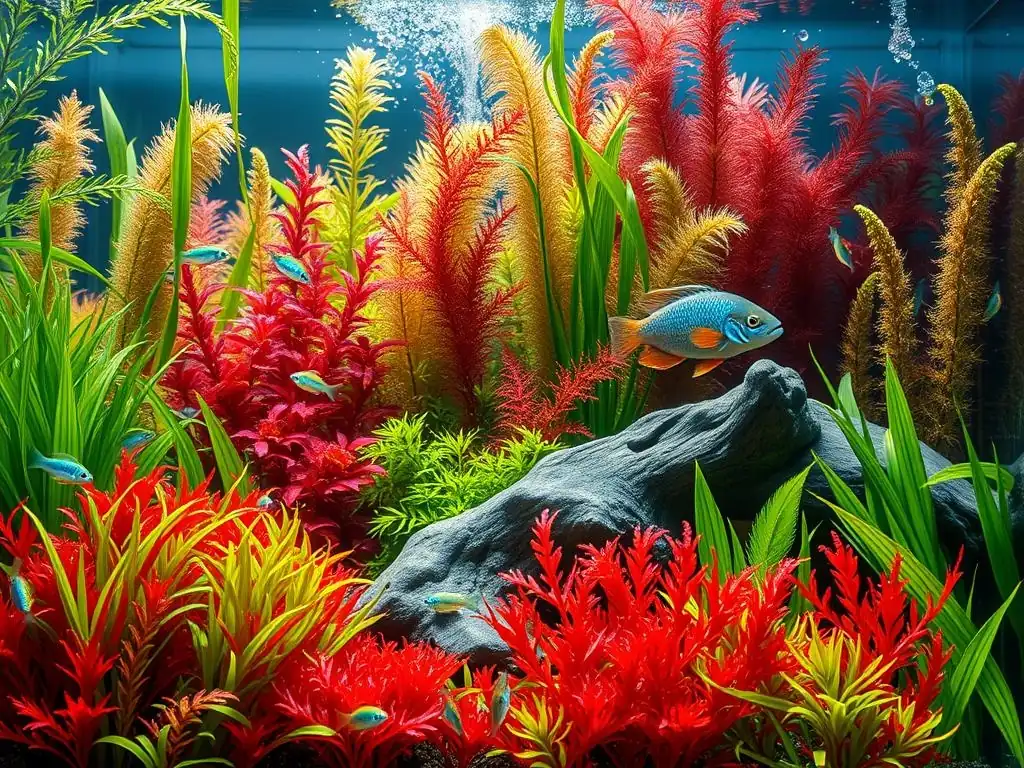
Welcome to PetCareWorld, your ultimate guide to a happier, healthier life for your beloved companions! Are you dreaming of a vibrant, thriving underwater world? Then dive into our expert guide on the Best fish planted freshwater aquarium – discover the perfect aquatic companions to transform your tank into a stunning, natural paradise. Uncover the secrets to creating a flourishing ecosystem and learn which species will thrive in your planted freshwater aquarium. Let's explore the possibilities together!
- Choosing the Right Fish for Your Planted Tank
- Fish That Thrive in Planted Environments: Specific Species Recommendations
- Avoiding Incompatible Fish: Species to Avoid in Planted Tanks
- Maintaining a Thriving Planted Aquarium Ecosystem
-
Frequently Asked Questions
- What makes a fish suitable for a planted freshwater aquarium?
- Which fish are generally considered the best for beginners in a planted tank?
- How many fish can I put in my planted freshwater aquarium?
- What are some good plant choices for a planted freshwater aquarium?
- How do I maintain water quality in a planted freshwater aquarium?
- Final Reflection: Harmonizing Life in the Planted Aquarium
- Unleash Your Aquarium's Potential: Dive Deeper into Aquatic Life!
Choosing the Right Fish for Your Planted Tank
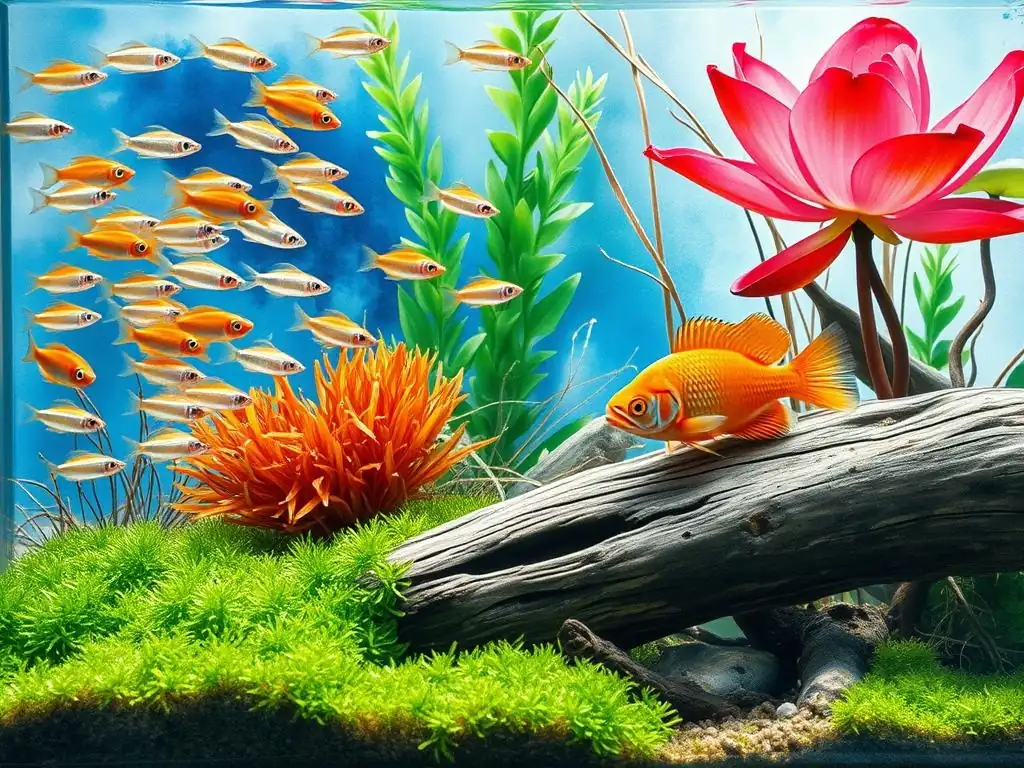
Creating a thriving planted freshwater aquarium is a rewarding experience, but selecting the right fish is crucial for its success. A poorly chosen species can decimate your carefully cultivated aquatic plants, turning your vibrant ecosystem into a barren wasteland. This guide will help you navigate the complexities of fish selection for planted tanks, focusing on species known for their peaceful nature and plant-friendly habits.
We'll explore various sizes and temperaments, ensuring you find the perfect aquatic companions to complement your lush underwater garden. Choosing the right fish not only enhances the aesthetic appeal of your aquarium but also contributes to the overall health and longevity of your planted ecosystem.
Remember, a balanced and harmonious environment is key to a successful planted tank, and responsible fish selection is the first step towards achieving that goal. Let's dive in and explore the best fish for your planted freshwater aquarium, ensuring a beautiful and thriving underwater world.
Understanding Plant Compatibility: Fish that Won't Destroy Your Aquarium Plants
Many fish, especially those with a penchant for digging or grazing, can wreak havoc on delicate aquatic plants. Understanding a fish's natural behaviors is paramount. For example, certain species might uproot plants while foraging for food, while others might nibble on leaves, causing significant damage.
Some fish are notorious for their destructive tendencies, including certain types of cichlids known for their aggressive digging and territorial behavior. Conversely, many peaceful species happily coexist with plants, even benefiting from the shelter and enrichment they provide. Before introducing any fish to your planted tank, research their specific needs and behaviors meticulously.
Consider factors like their diet, size, and natural habitat to ensure compatibility with your chosen plant species. A well-researched approach will prevent costly mistakes and ensure the long-term health and beauty of your planted aquarium. Remember to consider the size of your tank and the density of your planting when making your selection; a smaller, densely planted tank will require smaller, less active fish.
Peaceful Community Fish for Planted Aquariums: Species Overview
Selecting peaceful community fish is essential for a harmonious planted aquarium. These species generally coexist well with each other and avoid damaging plants. The key is to choose fish with compatible temperaments and sizes to prevent bullying or competition for resources.
We'll explore various peaceful species, categorized by size, to help you create a balanced and aesthetically pleasing community. Remember to research the specific needs of each species, including water parameters, diet, and social behavior, before adding them to your tank. Overstocking should also be avoided, as it can lead to stress, aggression, and ultimately, the demise of your carefully cultivated aquatic ecosystem.
Small, Peaceful Species: Ideal for Densely Planted Tanks
Small, peaceful species are ideal for densely planted tanks, offering a vibrant and bustling community without overwhelming the space. These fish often thrive in the shelter provided by plants, adding a dynamic element to your aquarium's ecosystem. Examples include [Specific small, peaceful species pending] which are known for their peaceful nature and relatively small size, making them suitable for smaller tanks with dense planting.
Their activity level is moderate, ensuring they interact with the plants without causing significant damage. [Specific data on growth rate and adult size pending]. Careful consideration of the number of fish introduced is important to prevent overstocking, which can stress the fish and negatively impact plant health.
Medium-Sized Peaceful Fish: Adding Visual Interest to Larger Tanks
Medium-sized peaceful fish add visual interest and a sense of scale to larger planted aquariums. They provide a nice balance between the smaller inhabitants and any larger centerpieces you might incorporate. These fish typically require more swimming space than their smaller counterparts but still maintain a peaceful demeanor, coexisting well with plants and other community fish.
Examples of medium-sized peaceful species include [Specific medium-sized, peaceful species pending], known for their graceful movements and vibrant colors. [Specific data on adult size and territoriality pending]. These species offer a beautiful addition to a larger planted aquarium, contributing to a visually appealing and balanced ecosystem.
Larger Peaceful Fish: Centerpieces for Established Planted Aquariums
Larger peaceful fish can serve as striking centerpieces in established planted aquariums. They often require more space and careful consideration of tank mates, but their size and presence contribute significantly to the overall visual appeal. However, it’s crucial to ensure the tank is sufficiently large and well-established before introducing these larger species.
Examples include [Specific larger, peaceful species pending], which, while peaceful, require ample space to thrive and should be introduced only to well-established planted tanks. [Specific data on adult size, space requirements, and compatibility pending]. Careful planning and research are essential before adding larger fish to your planted aquarium to ensure a harmonious and thriving environment for all inhabitants.
Fish That Thrive in Planted Environments: Specific Species Recommendations
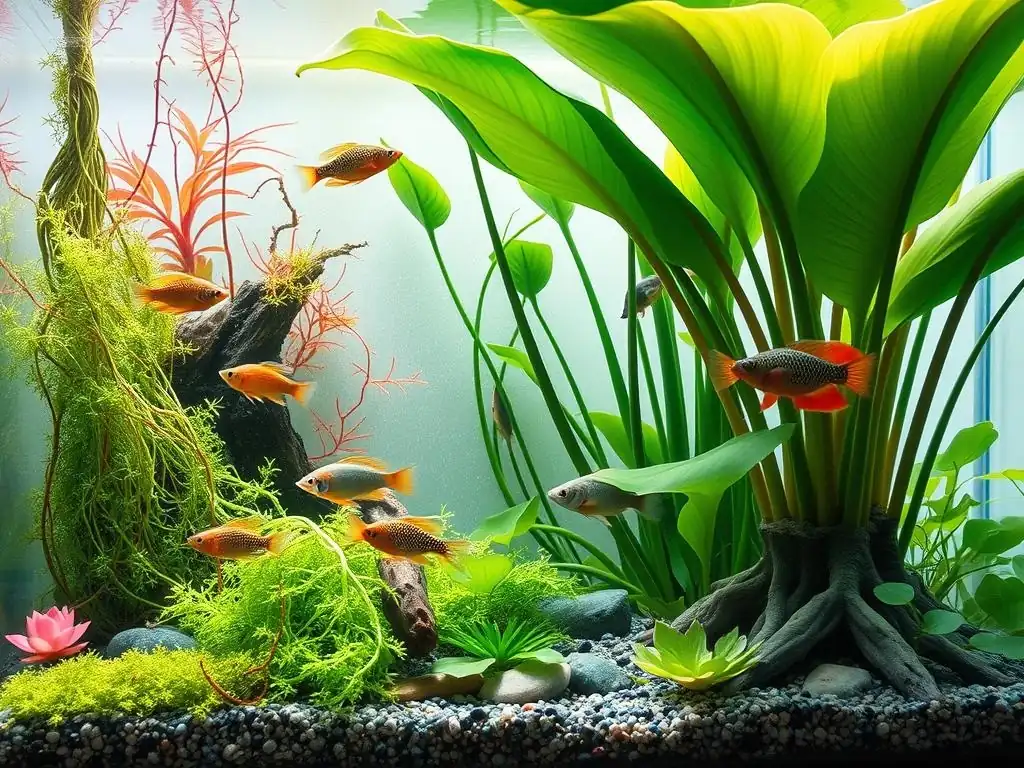
Choosing the right fish for your planted freshwater aquarium is crucial for the success of both your aquatic plants and your finned friends. The best fish for a planted freshwater aquarium are those that won't uproot plants, overgraze delicate foliage, or introduce harmful substances into the water. This section provides detailed recommendations, categorized by experience level and plant compatibility, to help you create a thriving underwater ecosystem.
Top Choices for Beginners: Easy-to-Care-For Fish for New Planted Tank Owners
For novice aquarists setting up a planted tank, selecting hardy and peaceful fish is paramount. These species are relatively tolerant of minor fluctuations in water parameters and require less specialized care. Some excellent beginner choices include:
- Harlequin Rasboras ( Trigonostigma heteromorpha): These small, schooling fish are incredibly peaceful and add a vibrant splash of color to any planted tank. They are relatively undemanding, thriving in a variety of water conditions and readily accepting commercially available flake food. Their gentle nature makes them ideal tank mates for a wide range of other peaceful species. A school of at least six is recommended for optimal behavior.
- Neon Tetras ( Paracheirodon innesi): Another popular choice for beginners, Neon Tetras are known for their striking blue and red coloration. Like Harlequin Rasboras, they are schooling fish that prefer to live in groups of six or more. They are relatively small and unlikely to disturb even delicate plants. They are also quite adaptable and easy to care for.
- Corydoras Catfish (various species): These bottom-dwelling scavengers play a vital role in maintaining a clean tank. They peacefully sift through the substrate, consuming leftover food and detritus. Their peaceful nature makes them excellent additions to community tanks, and they won't disturb your plants. Several Corydoras species are available, offering a range of sizes and colors to suit different preferences.
Advanced Options: More Demanding Fish for Experienced Aquarists
Once you've gained experience maintaining a planted tank, you can consider more demanding fish species. These fish may require more precise water parameters, specialized diets, or larger tanks. However, they can add stunning visual interest and complexity to your aquarium. Examples include:
- Discus ( Symphysodon spp.): Known for their breathtaking coloration and demanding care requirements, Discus fish are a challenge even for experienced aquarists. They require pristine water quality, a stable temperature, and a specialized diet. However, the reward of keeping these magnificent fish is well worth the effort for those with the expertise and commitment.
- Apistogramma Dwarf Cichlids (various species): These small, colorful cichlids are relatively peaceful, but they can be territorial, especially during breeding. They prefer densely planted environments with plenty of hiding places. Careful consideration of tank mates is crucial to avoid aggression.
- Rainbowfish (various species): Rainbowfish are known for their iridescent scales and graceful movements. Many species are available, each with its own unique requirements. Some are more demanding than others, requiring specific water parameters and diets. Researching the specific needs of your chosen species is essential before introducing them to your tank.
Fish for Specific Plant Types: Matching Fish to Your Aquarium's Flora
The compatibility of fish with different plant types is crucial for maintaining a balanced and healthy ecosystem. Some fish are more adept at coexisting with delicate plants, while others are better suited to robust, fast-growing species.
Fish Compatible with Low-Light Plants
Low-light plants are generally tougher and more resistant to damage. However, even these plants can be disturbed by overly active or aggressive fish. Peaceful, smaller species are ideal for low-light planted tanks. Good choices include:
- Otocinclus Catfish: These small catfish are excellent algae eaters and gentle on plants.
- Small Rasboras (e.g., Chili Rasboras): These peaceful schooling fish remain small and generally don't disturb plants.
Fish Compatible with High-Light, Fast-Growing Plants
High-light, fast-growing plants are more resilient to damage, allowing for a wider range of fish choices. However, some larger or more active species might still uproot or damage these plants if the tank isn't properly structured with plenty of hiding places and sturdy plant placement. Consider:
- Larger Tetras (e.g., Black Skirt Tetras): These are more active than smaller tetras, but their activity is usually not damaging to robust plants. However, monitor their behavior for any signs of plant disruption.
- Certain peaceful Cichlids (e.g., some Apistogramma species): As mentioned previously, careful species selection and tank arrangement are key to prevent aggression and plant damage. These fish can add a lot of character to a high-light planted tank.
Remember, careful observation and responsible tank management are key to ensuring the harmonious coexistence of your fish and plants. Regular water changes, proper filtration, and appropriate feeding are crucial for maintaining a healthy and thriving planted aquarium. Enjoy the beauty and serenity of your underwater world!
Avoiding Incompatible Fish: Species to Avoid in Planted Tanks
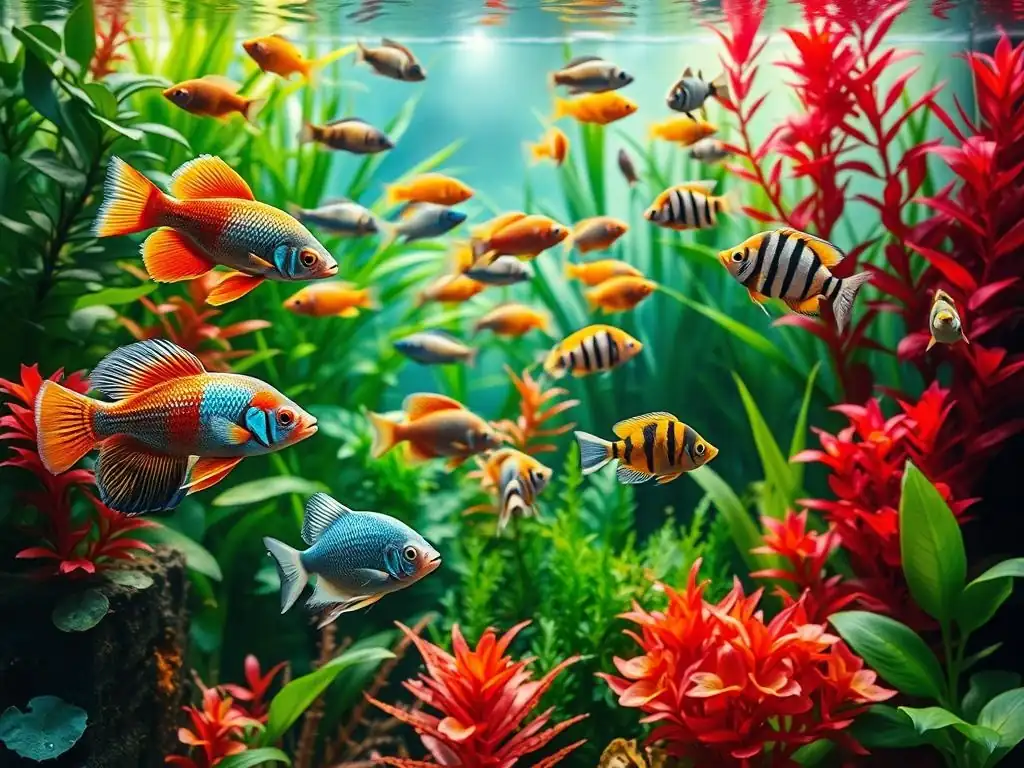
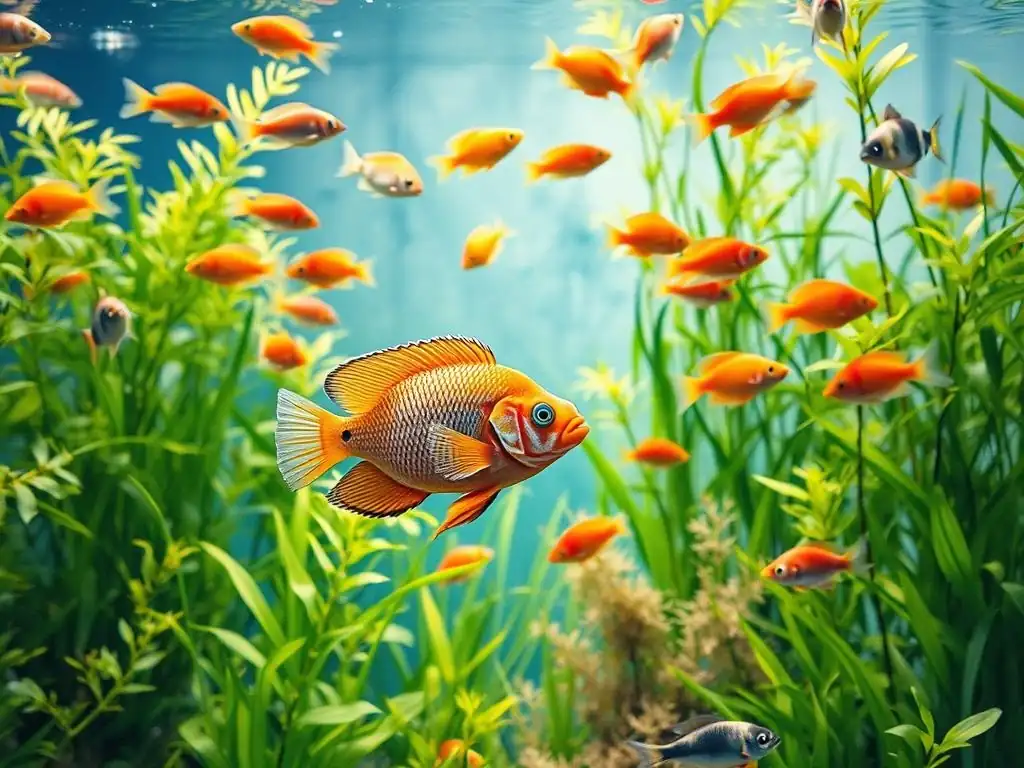
Choosing the right fish for your planted freshwater aquarium is crucial for the success of both your aquatic plants and your finned friends. While many fish thrive in a planted environment, some species can wreak havoc, disrupting the delicate balance and ultimately harming your ecosystem. Understanding which species to avoid is just as important as knowing which ones to include.
This section will delve into the types of fish that are generally incompatible with a planted tank setup, focusing on those that pose a threat through aggression, excessive waste production, or disruption of water parameters. The goal is to help you curate a thriving, harmonious underwater world.
Aggressive Fish: Species that Will Damage Plants and Other Fish
Certain fish are known for their aggressive tendencies, often resulting in damage to plants and other tank inhabitants. These fish may uproot plants, nibble on leaves, or even attack smaller, more docile species. Avoiding these aggressive species is paramount for maintaining a peaceful and aesthetically pleasing planted aquarium.
For example, some larger cichlids, known for their territorial nature, are notoriously disruptive in planted tanks. Their digging habits can uproot delicate plants, and their aggressive behavior can stress or even kill other fish. Similarly, certain types of barbs, while colorful and attractive, can be quite aggressive, especially towards smaller tank mates.
It's crucial to research the specific temperament of any fish before introducing it to your planted tank. Consider the size of the tank, the number of other inhabitants, and the overall temperament of the community you're building. Overstocking a tank, regardless of species, can exacerbate aggressive behaviors as fish compete for resources and space. Providing ample hiding places and creating distinct territories can help mitigate some aggression, but it’s not a guarantee. Choosing peaceful and compatible species from the start is always the best approach for a flourishing planted aquarium.
Excessive Waste Producers: Fish that Can Disrupt Plant Health
While all fish produce waste, some species are significantly heavier producers than others. Excessive waste can lead to imbalances in water parameters, ultimately harming both your fish and your plants. High levels of ammonia, nitrite, and nitrate can inhibit plant growth and create toxic conditions for your aquatic life.
Larger, fast-growing fish, such as certain types of catfish or koi (though koi require much larger setups), often generate a disproportionate amount of waste relative to their size. Similarly, certain types of goldfish, known for their hearty appetites, can produce significant amounts of waste, potentially overwhelming the filtration system and harming plant health.
Careful consideration of stocking density is vital. Overstocking, even with relatively clean fish, can lead to excessive waste buildup. Regular water changes, efficient filtration, and potentially supplemental filtration methods are necessary to maintain water quality in tanks with heavy waste producers. Regular monitoring of water parameters using a reliable test kit is crucial for identifying and addressing potential problems promptly. A balanced ecosystem requires careful attention to these factors to ensure the health of both plants and fish.
Fish That Upset Water Parameters: Maintaining a Balanced Ecosystem
Maintaining stable water parameters is crucial for a thriving planted aquarium. Some fish species can significantly impact water chemistry, leading to conditions unfavorable for plant growth and overall ecosystem health. For instance, some fish produce more acidic waste than others, potentially lowering the pH to a level unsuitable for many aquatic plants. Conversely, other species might alter the water's hardness or alkalinity, leading to similar problems. Researching the specific water parameter requirements of both your chosen fish and plants is essential.
A comprehensive understanding of your aquarium's water chemistry, including pH, hardness, and alkalinity, is crucial. Regular testing and adjustments are necessary to maintain the optimal conditions for both your plants and fish. This proactive approach to water management is vital for preventing imbalances that can lead to plant die-off and fish illness. Remember, a successful planted aquarium is a balanced ecosystem, and careful fish selection is a cornerstone of that balance. Choosing fish that are compatible with your desired water parameters will significantly contribute to the overall health and longevity of your planted tank.
Maintaining a Thriving Planted Aquarium Ecosystem
This section focuses on the crucial aspects of maintaining a healthy and vibrant planted freshwater aquarium, ensuring the well-being of both your fish and your aquatic plants. A thriving ecosystem requires careful attention to several key factors, which we will explore in detail. Choosing the best fish for a planted freshwater aquarium means also committing to the proper upkeep of that environment. Neglecting these aspects can lead to algae blooms, plant decline, and ultimately, the suffering of your aquatic inhabitants.
Water Parameter Management: Ensuring Optimal Conditions for Fish and Plants
Maintaining stable water parameters is paramount for a successful planted aquarium. Fluctuations in key parameters like pH, ammonia, nitrite, and nitrate can severely stress both fish and plants, leading to disease and death. Regular testing is essential. Aim for a pH range generally between 6.5 and 7.5, although the ideal range will depend on the specific species of fish and plants you've chosen. Remember that even seemingly minor fluctuations can have a significant impact.
Regular water changes are crucial for removing accumulated waste products and maintaining water quality. A 25-50% water change every 1-2 weeks is generally recommended, but this can vary based on tank size, stocking density, and filtration efficiency. Always use dechlorinated water, matching the temperature as closely as possible to the existing tank water to minimize stress on the aquatic life. Using a gravel vacuum during water changes helps remove debris from the substrate, further improving water quality.
Here's a table summarizing ideal water parameters for a typical planted freshwater aquarium:
| Parameter | Ideal Range | Impact of Imbalance | Testing Method |
|---|---|---|---|
| pH | 6.5 - 7.5 | Affects plant growth and fish health; can lead to stress and disease | Liquid test kit, electronic meter |
| Ammonia (NH₃) | 0 ppm | Highly toxic to fish and plants | Liquid test kit, electronic meter |
| Nitrite (NO₂) | 0 ppm | Toxic to fish and plants | Liquid test kit, electronic meter |
| Nitrate (NO₃) | < 20 ppm | High levels can inhibit plant growth and stress fish | Liquid test kit, electronic meter |
Accurate testing is key. Regular monitoring allows for proactive adjustments, preventing problems before they escalate. Remember, prevention is always better than cure when it comes to maintaining a healthy aquatic environment. Consider investing in a reliable test kit to regularly monitor these parameters.
Regular Maintenance: Cleaning and Trimming for a Healthy Environment
Regular maintenance is crucial for preventing algae growth and maintaining a visually appealing and healthy environment. This involves a combination of tasks performed at different intervals.
- Substrate Cleaning: As mentioned earlier, using a gravel vacuum during water changes is crucial for removing debris and uneaten food from the substrate. Avoid disturbing the substrate excessively, as this can release trapped nutrients and lead to algae blooms.
- Plant Trimming: Regularly trim overgrown plants to prevent them from shading other plants and creating dead zones within the tank. This also encourages bushier growth and helps maintain a balanced ecosystem. Remove any dead or decaying plant matter promptly.
- Algae Control: Algae can quickly become a problem in planted aquariums. Regular maintenance, proper water parameters, and appropriate lighting help minimize algae growth. Manual removal of algae with algae scrapers or specialized tools can be necessary. In some cases, an algae-eating snail or shrimp can assist in control.
- Filter Maintenance: Regularly clean or replace filter media according to the manufacturer's instructions. A clogged filter can reduce water flow and compromise water quality. Remember to always use dechlorinated water when rinsing filter media.
Performing these tasks consistently will contribute significantly to the long-term health and aesthetic appeal of your planted aquarium. Think of it as a form of preventative care, ensuring a thriving environment for your fish and plants. This proactive approach is far more effective and less stressful than reacting to problems after they arise.
Feeding Your Fish: Providing a Balanced Diet
Providing a balanced and appropriate diet is essential for the health and vitality of your fish. Overfeeding is a common mistake that can lead to water quality issues and the accumulation of uneaten food, which will rapidly decay and pollute the tank water. Always feed only what your fish can consume within a few minutes. Observe their feeding habits and adjust the amount accordingly.
Variety is key to a healthy diet. Offer a mix of high-quality commercial fish flakes or pellets, along with supplemental foods like live or frozen foods (bloodworms, daphnia, brine shrimp) to provide a complete nutritional profile. The specific dietary needs will vary depending on the species of fish you keep. Research the specific requirements of your fish to ensure you’re providing the best possible nutrition.
Remember that a well-fed fish is a happy fish, and a happy fish contributes to the overall health and beauty of your planted freshwater aquarium. Avoid overfeeding, and strive for a balanced and varied diet to ensure your fish thrive. A healthy diet, combined with proper water parameters and regular maintenance, will create the ideal conditions for your best fish planted freshwater aquarium.
Frequently Asked Questions
What makes a fish suitable for a planted freshwater aquarium?
A fish suitable for a planted aquarium is peaceful and won't uproot plants. It should also have compatible water parameters and be a suitable size for the tank. Avoid aggressive or overly large species.
Which fish are generally considered the best for beginners in a planted tank?
Beginner-friendly options include harlequin rasboras, neon tetras, and cherry barbs. These are relatively hardy, peaceful, and easy to care for.
How many fish can I put in my planted freshwater aquarium?
The number of fish depends on tank size, filtration, and bioload. Overstocking leads to poor water quality. Use a reliable stocking calculator to determine the appropriate number.
What are some good plant choices for a planted freshwater aquarium?
Popular and hardy choices include Anubias, Java Fern, and Amazon Swords. These plants are low-maintenance and tolerant of various conditions.
How do I maintain water quality in a planted freshwater aquarium?
Maintaining water quality involves regular water changes, proper filtration, and monitoring water parameters (ammonia, nitrite, nitrate). A healthy planted tank helps naturally filter the water.
Final Reflection: Harmonizing Life in the Planted Aquarium
The careful selection of fish for a planted freshwater aquarium is not merely a matter of aesthetics; it's a crucial step in creating a thriving, self-sustaining ecosystem. Choosing the right inhabitants ensures the balance of nature within your glass world, preventing overgrazing of delicate plants and maintaining water quality. This balance is more important than ever in a world increasingly focused on sustainable practices, even in our homes.
The journey of establishing a successful planted tank is a testament to the interconnectedness of life, mirroring the delicate ecosystems found in nature. It's a constant learning process, a rewarding challenge that teaches patience and observation. The beauty of a planted aquarium lies not just in its visual appeal, but in the understanding of the intricate relationships between its inhabitants and their environment.
This quote, though my own, encapsulates the profound satisfaction of nurturing a healthy, vibrant aquatic world. The impact extends beyond the tank itself; it fosters a deeper appreciation for the natural world and the responsibility we have towards its preservation.
Now, consider your own planted aquarium, or the one you dream of creating. What species will you choose to introduce into this miniature world? Will you prioritize vibrant colors, peaceful cohabitation, or a unique personality? Remember the lessons learned here: research thoroughly, understand the needs of your chosen fish and plants, and most importantly, embrace the journey of creating a harmonious underwater haven. The beauty and tranquility you cultivate will be a constant source of inspiration and joy.
Unleash Your Aquarium's Potential: Dive Deeper into Aquatic Life!
Thanks for exploring the wonderful world of planted freshwater aquariums with us! We hope you feel confident in choosing the perfect fish for your underwater paradise. Ready to take the next step?
- Select your dream fish: Carefully choose two or three species that are compatible with each other and your tank setup. Consider adding some less common breeds for a truly unique aquarium!
- Share your aquatic adventures: Show us your beautiful, thriving tank! Post a picture on PetCareWorld’s social media using #PetCareWorldAquarium – let's inspire each other!
- Learn more about aquarium maintenance: Explore PetCareWorld's comprehensive guides on maintaining water quality and providing optimal care for your fish. These guides cover everything from regular water changes to effective filtration.
What unique challenges or successes have you encountered while setting up your planted aquarium? Let's discuss them in the comments!