
The Art of Aquascaping: Creating a Natural Underwater Scene

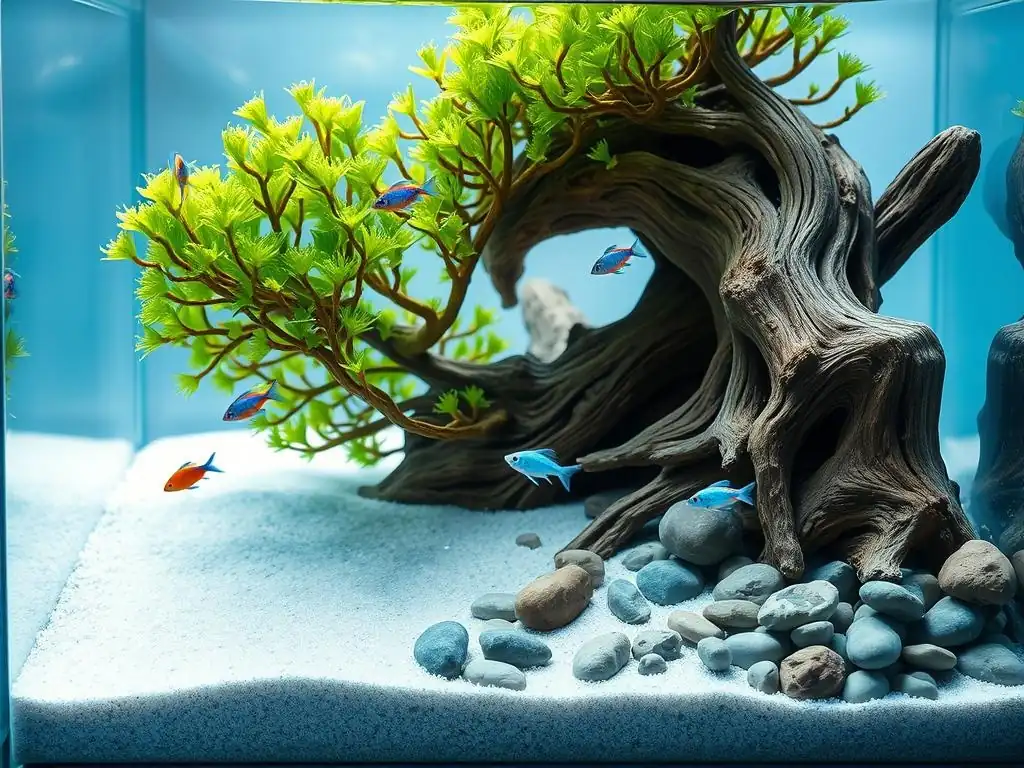
Welcome to PetCareWorld, your ultimate guide to a happier, healthier life for your beloved companions! Dive into the fascinating world of aquatic life with our comprehensive Aquascaping guide for beginners. Discover how to transform your aquarium into a breathtaking, natural underwater paradise—even if you're a complete novice. Ready to unlock the secrets to creating a thriving underwater ecosystem? Let's begin!
- Aquascaping Guide for Beginners: Setting Up Your First Aquarium
- Planting Your Aquascape: A Step-by-Step Guide
- Creating a Natural-Looking Underwater Scene: Rocks, Wood, and More
- Incorporating Fish into Your Aquascape: Choosing Compatible Species
- Maintaining Your Aquascape: Long-Term Care and Upkeep
- Aquascaping for Beginners: Advanced Techniques and Inspiration
- Frequently Asked Questions
- Final Reflection: Cultivating Underwater Worlds, Cultivating Inner Peace
- Unleash Your Inner Aquascape Artist!
Aquascaping Guide for Beginners: Setting Up Your First Aquarium
Welcome to the captivating world of aquascaping! This guide is designed for beginners, providing a step-by-step approach to creating a stunning, thriving underwater landscape in your freshwater aquarium. Whether you're dreaming of a lush, planted tank teeming with life or a minimalist, elegant design, aquascaping offers a rewarding and creative outlet for pet owners. We'll cover everything from choosing the right tank and equipment to selecting the perfect substrate and plants, ensuring you have the knowledge and confidence to embark on this exciting journey.
This comprehensive guide will empower you to transform your aquarium from a simple fish tank into a breathtaking underwater world, providing a stimulating and enriching environment for your aquatic pets. We'll focus on practical advice and actionable steps, making the process accessible and enjoyable for even the most novice aquascaper. Let's dive in! 🐠
Choosing the Right Aquarium Tank for Your Aquascape
Selecting the right aquarium tank is the foundation of a successful aquascape. Consider these factors:
- Tank Size: Beginners often start with smaller tanks (e.g., 10-20 gallons) for easier management. Larger tanks offer more creative freedom but require more maintenance and a larger initial investment. Remember that the size of your tank influences the number and type of fish and plants you can accommodate.
- Tank Shape: Rectangular tanks are the most common and provide ample space for aquascaping. Bow-front tanks offer a wider viewing angle, enhancing the visual appeal of your underwater scene.
- Tank Material: Glass tanks are generally preferred for their clarity and durability. Acrylic tanks are lighter but can be more susceptible to scratching.
Remember to carefully consider the dimensions of your chosen tank in relation to the available space in your home and your budget. A well-chosen tank is crucial for a successful aquascape that is both visually appealing and easy to maintain.
Essential Equipment for Beginners in Aquascaping: Filters, Lighting, and More
Beyond the tank itself, several essential pieces of equipment are necessary for a healthy and thriving aquascape:
- Filter: A reliable filter is crucial for maintaining water quality. Choose a filter appropriate for your tank size, ensuring adequate filtration to remove waste and keep your water clean. Consider canister filters for larger tanks and hang-on-back filters for smaller setups.
- Lighting: Appropriate lighting is essential for plant growth. Research the light requirements of your chosen plants and select a lighting system that meets their needs. Consider LED lighting for energy efficiency and its ability to provide a tailored spectrum.
- Heater (for most tropical fish): Maintaining a stable water temperature is critical for the health of your fish and plants. Choose a submersible heater appropriate for your tank size and desired temperature range. A reliable thermometer is crucial to monitor the water temperature consistently.
- Substrate: The substrate forms the base of your aquascape and provides essential nutrients for plant growth. We'll delve into substrate selection in more detail in the next section.
This equipment forms the backbone of your aquascaping project. Investing in high-quality equipment will pay off in the long run by ensuring a healthy and thriving aquatic environment.
Selecting the Perfect Substrate for Your Underwater Landscape
The substrate you choose plays a vital role in the overall aesthetic and health of your aquascape. Consider these options:
- Gravel: A readily available and affordable option, gravel provides a good base for planting. However, it may not offer the same level of nutrient retention as other substrates.
- Sand: Sand creates a more natural-looking bottom, ideal for certain aquascaping styles. Fine sand can be challenging to plant in, while coarser sand provides better stability.
- Specialized Aquarium Substrates: These substrates are specifically formulated to provide optimal nutrient availability for plant growth. They often contain beneficial bacteria and enhance overall water quality. They tend to be more expensive than gravel or sand.
Choosing the right substrate is important not only for the aesthetic appeal but also for the health and growth of your aquatic plants. Consider the specific needs of your chosen plants when making your selection. The substrate forms the foundation upon which your beautiful underwater world will be built.
Understanding Water Parameters: pH, Temperature, and Hardness
Maintaining the correct water parameters is crucial for the health and well-being of your aquatic inhabitants. Neglecting this aspect can lead to stress, disease, and even death for your fish and plants. Let's delve into the three most important parameters: pH, temperature, and hardness.
Understanding these parameters is like learning a new language – the language of your aquarium. Each species of fish and plant has a specific range of tolerance for each parameter. Researching the specific needs of your chosen species is the first, and arguably most important, step in successful aquascaping. Failing to do so can result in significant challenges down the line. For example, a fish accustomed to a slightly acidic environment (low pH) might struggle to thrive in a hard, alkaline environment (high pH).
pH: This measures the acidity or alkalinity of the water. The scale ranges from 0 to 14, with 7 being neutral. Most freshwater fish prefer a slightly acidic to neutral pH range, typically between 6.5 and 7.5. However, some species, like Discus fish, require more specific pH levels. Regular testing with a reliable liquid test kit or electronic pH meter is essential to monitor and adjust the pH as needed. Using a high-quality substrate and appropriate water conditioning products can help maintain a stable pH. Dramatic swings in pH can be extremely harmful to your fish and plants.
Temperature: Maintaining a consistent temperature is paramount. Fluctuations can stress your fish, weakening their immune systems and making them susceptible to disease. The ideal temperature depends on the species you choose; for example, tropical fish typically thrive in temperatures between 72°F and 82°F (22°C and 28°C). Use a reliable submersible heater designed for aquariums to maintain a consistent temperature. A thermometer is crucial for monitoring and ensuring the heater is functioning correctly. Avoid placing the heater directly under the filter outlet, as this can create localized temperature variations. Remember to regularly calibrate your thermometer to ensure accurate readings.
Hardness: Water hardness refers to the concentration of dissolved minerals, primarily calcium and magnesium. Hardness is measured in degrees of hardness (dH), grains per gallon (gpg), or parts per million (ppm). Soft water generally has a hardness below 4 dH, while hard water exceeds 10 dH. The appropriate hardness level varies depending on the species, with some preferring softer water and others thriving in harder water.
Testing your tap water's hardness before setting up your aquarium is highly recommended. You might need to use reverse osmosis (RO) water or add minerals to adjust the hardness to the optimal range for your chosen species. Again, consistency is key. Sudden changes in water hardness can negatively impact your aquatic life.
Monitoring these three parameters – pH, temperature, and hardness – is not just a recommendation; it’s a necessity. Regular testing and adjustments, coupled with meticulous research into the specific needs of your chosen fish and plants, are fundamental to creating a thriving and visually stunning aquascape. Consider it a vital part of your daily aquascaping routine, ensuring the long-term health and beauty of your underwater world. Regular maintenance and proactive adjustments will pay dividends in the form of a healthy and vibrant aquarium. 🐠
Planting Your Aquascape: A Step-by-Step Guide
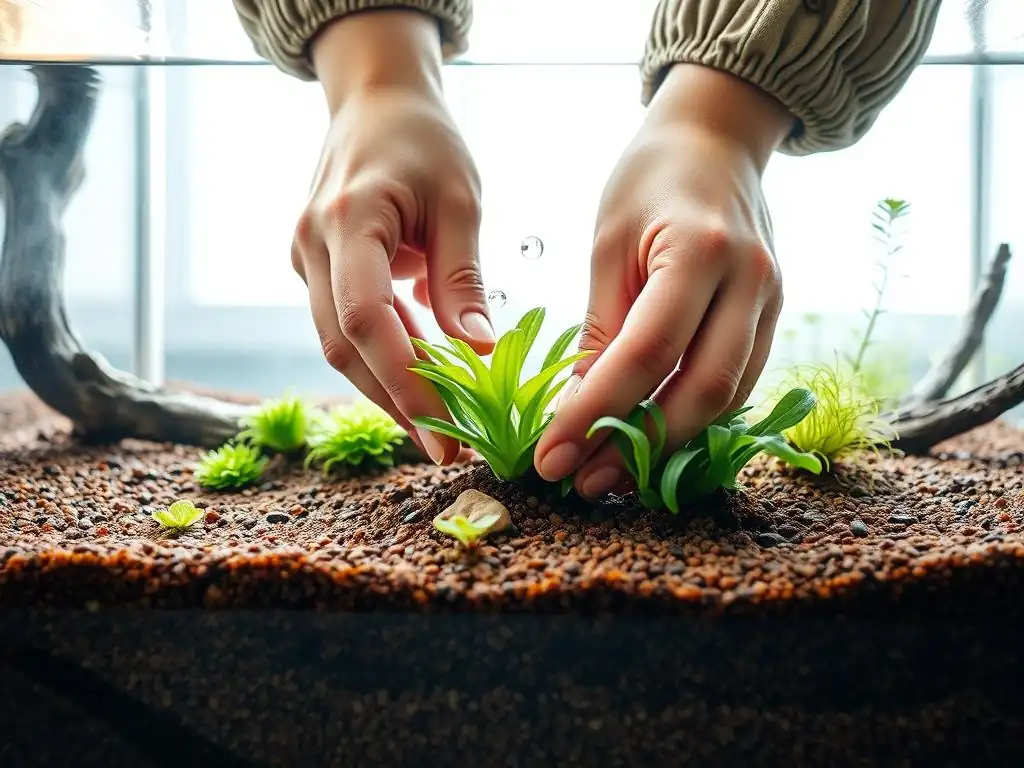
This section provides a practical, step-by-step guide for planting your aquascape, transforming your aquarium from a glass box into a thriving underwater ecosystem. This aquascaping guide for beginners focuses on the essential techniques to ensure successful plant growth and a visually stunning result. Remember, patience and attention to detail are key to creating a flourishing aquatic environment.
Choosing Aquatic Plants for Your Aquascape Design
Selecting the right plants is crucial for a successful aquascape. Consider factors like light requirements, growth rate, and the overall aesthetic you're aiming for. Beginners often benefit from hardy, low-maintenance species. Here's a breakdown to help you choose:
- Low-light plants: These are ideal for beginners as they are less demanding and tolerate a wider range of conditions. Examples include Anubias nana, Java moss, and Cryptocoryne wendtii. These are excellent choices for creating a lush, natural backdrop.
- Medium-light plants: These offer a balance between ease of care and visual appeal. Sagittaria subulata (arrowhead plant) and Hygrophila polysperma (water wisteria) are popular options, providing texture and movement to your aquascape.
- High-light plants: These plants demand more intense lighting and careful nutrient management. While visually striking, they are generally less suitable for beginners. Examples include Rotala rotundifolia and various stem plants. Consider these once you've gained more experience.
Remember to research the specific needs of each plant before purchasing. Check its growth rate, preferred water parameters (temperature, pH, hardness), and nutrient requirements to ensure compatibility with your aquarium setup. A well-researched plant selection is a fundamental aspect of any successful aquascaping guide for beginners.
Planting Techniques for Beginners: Avoiding Common Mistakes
Proper planting techniques are essential for successful plant growth and a visually appealing aquascape. Many beginners make common mistakes that can hinder plant health and overall aesthetic. Let's look at some crucial steps and pitfalls to avoid:
- Substrate Selection: Use an appropriate substrate that provides adequate nutrients and anchoring for your plants. Specialized aquarium substrates are readily available and often enriched with essential nutrients. Avoid using garden soil or other unsuitable materials.
- Planting Depth: Plant according to the plant's specific requirements. Some plants need to be planted deeply to access nutrients, while others prefer shallow planting or attaching to hardscape (rocks, wood). Always refer to the plant's care instructions.
- Root Disturbance: Minimize root disturbance during planting. Gently handle the plant roots to avoid damaging them, impacting their ability to establish themselves.
- Spacing: Give plants enough space to grow. Overcrowding can lead to competition for resources and hinder growth. Follow recommended spacing guidelines based on the plant's mature size.
| Mistake | Consequence | Solution |
|---|---|---|
| Planting too deeply | Root rot, stunted growth | Plant according to species-specific guidelines |
| Planting too shallowly | Instability, inadequate nutrient uptake | Plant at the recommended depth |
| Ignoring plant spacing | Competition for resources, stunted growth | Ensure adequate spacing between plants |
| Using unsuitable substrate | Nutrient deficiency, poor plant health | Use a suitable aquarium substrate |
This table summarizes common mistakes and their solutions, providing a quick reference for beginners. Careful attention to these details is crucial for creating a thriving aquascape.
Maintaining Plant Health: Fertilization and Trimming
Maintaining plant health requires ongoing care, including fertilization and regular trimming. This ensures continued growth, prevents algae overgrowth, and maintains the aesthetic appeal of your aquascape.
- Fertilization: Aquatic plants require nutrients for healthy growth. Liquid fertilizers are commonly used, providing essential elements such as nitrogen, phosphorus, and potassium. Follow the manufacturer's instructions carefully, avoiding over-fertilization which can lead to algae blooms. Consider using root tabs for plants with extensive root systems.
- Trimming: Regular trimming is crucial for maintaining the shape and size of your plants, preventing overcrowding, and promoting bushier growth. Remove dead or decaying leaves and trim back overly long stems. This helps to redirect growth and maintain a balanced, aesthetically pleasing aquascape. Trimming also helps prevent the buildup of decaying matter which could negatively impact water quality. Remember to always use sharp, clean tools to minimize damage to the plants during trimming. This is a vital aspect of the long-term maintenance of any aquascape, often overlooked by beginners.
The process of aquascaping is rewarding, transforming your aquarium into a beautiful and thriving ecosystem. By following these steps and focusing on the details, even beginners can create a stunning underwater world. Remember, consistent observation and adjustments are key to long-term success in this fascinating hobby. 🌱🐠
Creating a Natural-Looking Underwater Scene: Rocks, Wood, and More
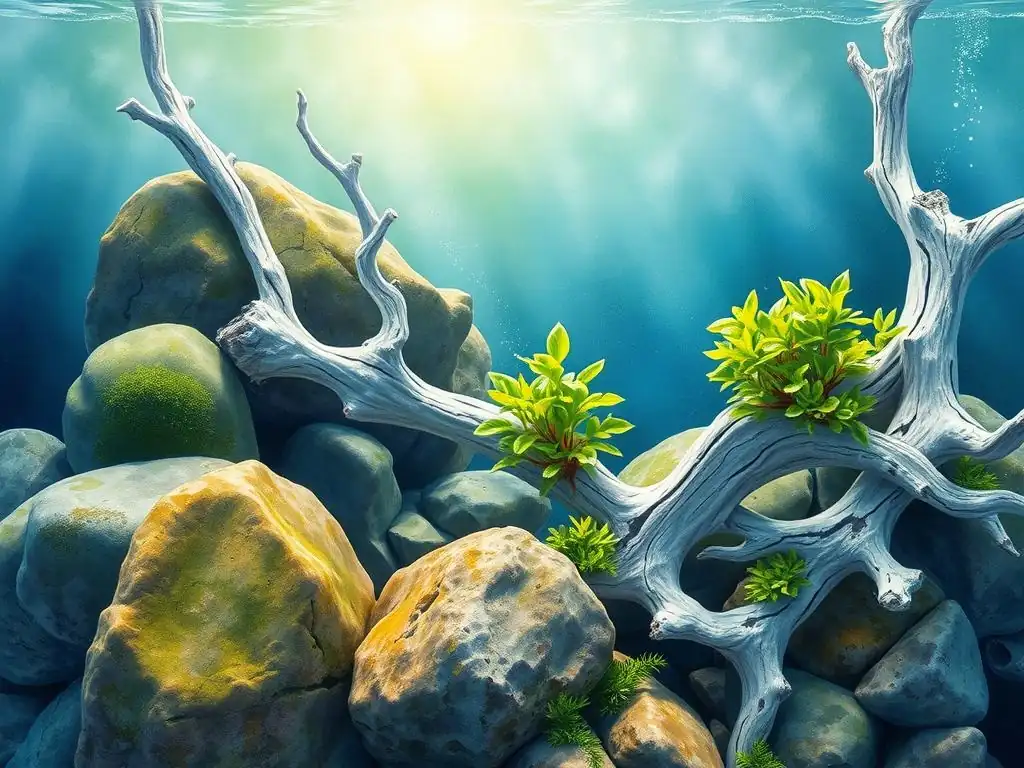
This section delves into the core of aquascaping for beginners: creating a visually appealing and biologically functional underwater landscape. The key lies in skillfully arranging hardscape elements – rocks, driftwood, and other decorative materials – to mimic natural aquatic environments. A well-executed hardscape provides not only aesthetic beauty but also crucial structural support for plants and beneficial bacteria, forming the very foundation of a thriving aquarium ecosystem.
Think of it as building the skeletal structure of your underwater world before adding the "flesh" (plants) and "life" (fish). This aquascaping guide for beginners will help you master this crucial first step.
Selecting and Arranging hardscape elements: Driftwood and Rocks
Choosing the right hardscape materials is paramount. Driftwood, with its intricate shapes and varied textures, adds a captivating organic element. Look for pieces that are naturally weathered, free of harmful chemicals (ensure proper curing before use! ), and aesthetically pleasing. Avoid driftwood that is excessively brittle or shows signs of rot.
Similarly, selecting rocks requires careful consideration. Avoid limestone or other rocks that can significantly alter your water's pH, potentially harming your fish. River rocks, slate, and certain types of granite are generally safe choices. Remember to thoroughly clean all hardscape elements before placing them in the tank to remove any potential contaminants.
When arranging your hardscape, visualize the overall composition. A natural-looking aquascape rarely features perfectly symmetrical arrangements. Instead, strive for asymmetry and a sense of movement. Consider the "rule of thirds" in photography – placing key elements off-center can create a more dynamic and engaging scene. Experiment with different arrangements before settling on a final design.
You can dry-arrange your hardscape outside the tank to ensure you're happy with the composition before adding water. This also allows you to make adjustments easily. Don't be afraid to rearrange elements multiple times until you achieve the desired effect. A well-placed piece of driftwood can anchor the entire scape, while strategically positioned rocks can create depth and visual interest.
Creating Depth and Visual Interest in Your Aquascape
Depth is crucial for creating a captivating aquascape. Avoid simply piling rocks and wood in a haphazard manner. Instead, aim to create a sense of perspective by layering your hardscape elements. Place larger rocks and pieces of driftwood at the back of the tank, gradually reducing the size of elements as you move towards the front. This creates a natural-looking receding plane. Varying the heights of your hardscape also enhances depth. Consider using taller elements to create focal points and draw the eye.
Visual interest is further enhanced by incorporating different textures and colors. Combine smooth, rounded rocks with rough, textured driftwood to create contrast. Choose rocks and wood in a variety of colors and shades to add visual complexity. Don't be afraid to experiment with different arrangements to see what works best. Remember, this is your artistic expression! A balanced aquascape will engage the viewer and create a sense of wonder. Think about creating "paths" and "caves" within the scape to add intrigue and visual flow.
Understanding hardscape and plants interaction
The relationship between hardscape and plants is symbiotic. Hardscape provides a substrate for plant roots, offering stability and anchoring them within the tank. Certain plants thrive when their roots are nestled amongst rocks or intertwined with driftwood. The hardscape also helps to create microhabitats, providing shelter and hiding places for both plants and fish. Consider the specific needs of the plants you intend to include when arranging your hardscape. Some plants prefer a well-lit, open area, while others thrive in the shade provided by rocks or driftwood. This aquascaping guide for beginners emphasizes the importance of careful planning.
When planting, ensure that the roots are securely placed within the substrate or nestled amongst the rocks. You might need to use tweezers or other tools to carefully position the plants in the desired location. Remember to leave enough space between plants to allow for growth. Avoid overcrowding, as this can lead to competition for resources and hinder the overall health of your aquatic plants.
The successful integration of plants and hardscape is key to a thriving and aesthetically pleasing aquascape. Plan your plant choices in advance, considering their growth habits and light requirements to ensure a harmonious and visually appealing final product. This detailed planning is a hallmark of a successful aquascaping guide for beginners.
Incorporating Fish into Your Aquascape: Choosing Compatible Species
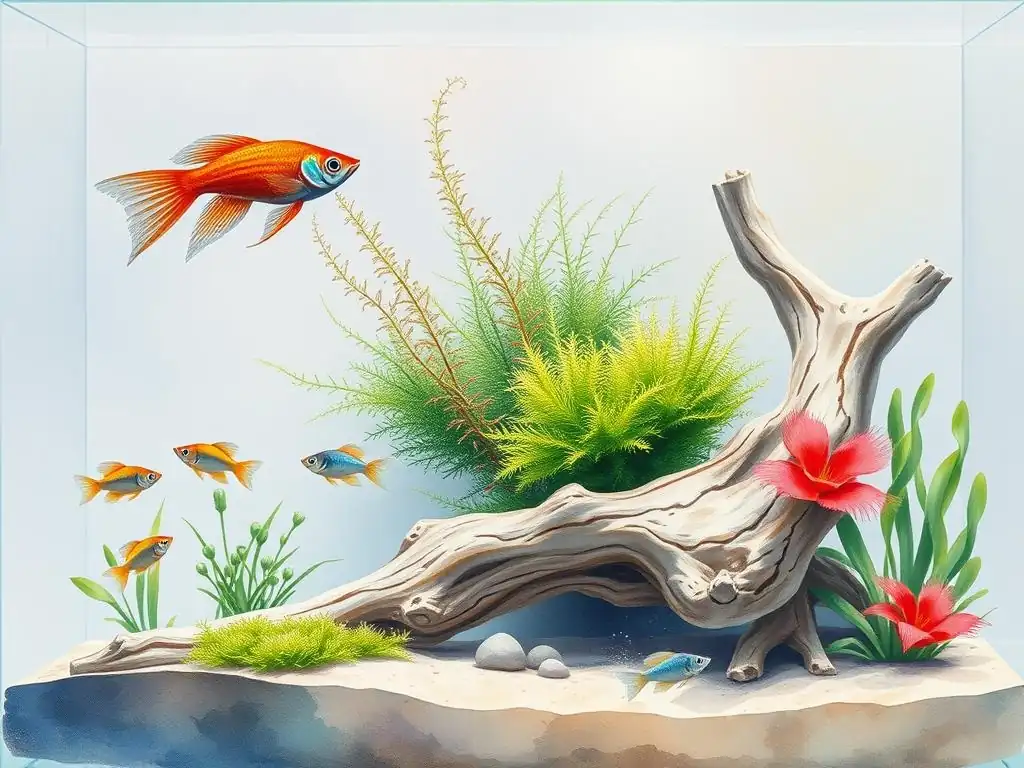
This section delves into the crucial aspect of selecting the right fish for your aquascape, a key element in creating a thriving underwater ecosystem. Choosing compatible species is paramount for a successful and visually appealing aquascape. Ignoring this aspect can lead to aggression, disease, and ultimately, the failure of your carefully crafted underwater world. This aquascaping guide for beginners emphasizes careful planning in this stage.
Selecting Fish Suitable for Beginners Aquascapers
For novice aquascapers, selecting hardy and peaceful fish species is recommended. Avoid overly aggressive or territorial fish, especially in smaller aquariums. Some excellent beginner fish include:
- Harlequin Rasboras: These schooling fish are relatively small, peaceful, and add a vibrant splash of color to any aquascape. They are adaptable and tolerate a range of water parameters.
- Neon Tetras: Another popular schooling fish, Neon Tetras are known for their stunning iridescent blue and red coloration. They are peaceful and relatively easy to care for.
- Corydoras Catfish: These bottom-dwelling catfish are excellent scavengers, helping to keep your aquarium clean. They are peaceful and generally compatible with a wide range of community fish.
- Platies: Livebearers, like Platies, are relatively easy to breed and come in a variety of colors. However, ensure your tank size is appropriate for their potential population growth.
Remember to research the specific needs of each species before introducing them to your aquascape. Consider factors such as their adult size, temperament, and water parameter preferences. A well-researched selection is a cornerstone of successful aquascaping.
Stocking Density and Fish Compatibility
Overstocking your aquarium is a common mistake among beginners. Overcrowding leads to increased waste production, poor water quality, and increased stress on your fish, significantly impacting their health and lifespan. A good rule of thumb is to allow sufficient space for each fish to comfortably swim and move around. This is crucial for both the health of the fish and the aesthetic appeal of your aquascape.
The compatibility of different species is another critical consideration. Some fish are naturally aggressive or territorial, while others are peaceful and community-oriented. Researching the temperament of each species is essential to prevent conflicts within your aquascape. Consult online resources and experienced aquascapers for guidance on compatible species combinations. For example, combining aggressive cichlids with peaceful tetras is a recipe for disaster. Careful planning and research are key to creating a harmonious underwater community.
Acclimating New Fish to Your Aquascape
Introducing new fish directly into your established aquascape is a recipe for shock and potential death. The process of acclimation is crucial to ensure the well-being of your new additions. This involves gradually adjusting the new fish to the water parameters of your aquarium.
The typical acclimation process involves floating the bag containing the fish in the aquarium for 15-30 minutes to allow the water temperatures to equalize. Then, slowly add small amounts of aquarium water to the bag over a period of 30-60 minutes, gradually introducing the fish to the new environment. This slow introduction minimizes stress and allows the fish to adjust to the changes in water chemistry and temperature. Never directly release the fish from the bag into the aquarium without proper acclimation.
This seemingly small step is vital in the aquascaping guide for beginners and will dramatically increase your chances of success. Observe your fish closely after acclimation for any signs of stress or illness. A healthy start is essential for a thriving aquascape.
Maintaining Your Aquascape: Long-Term Care and Upkeep
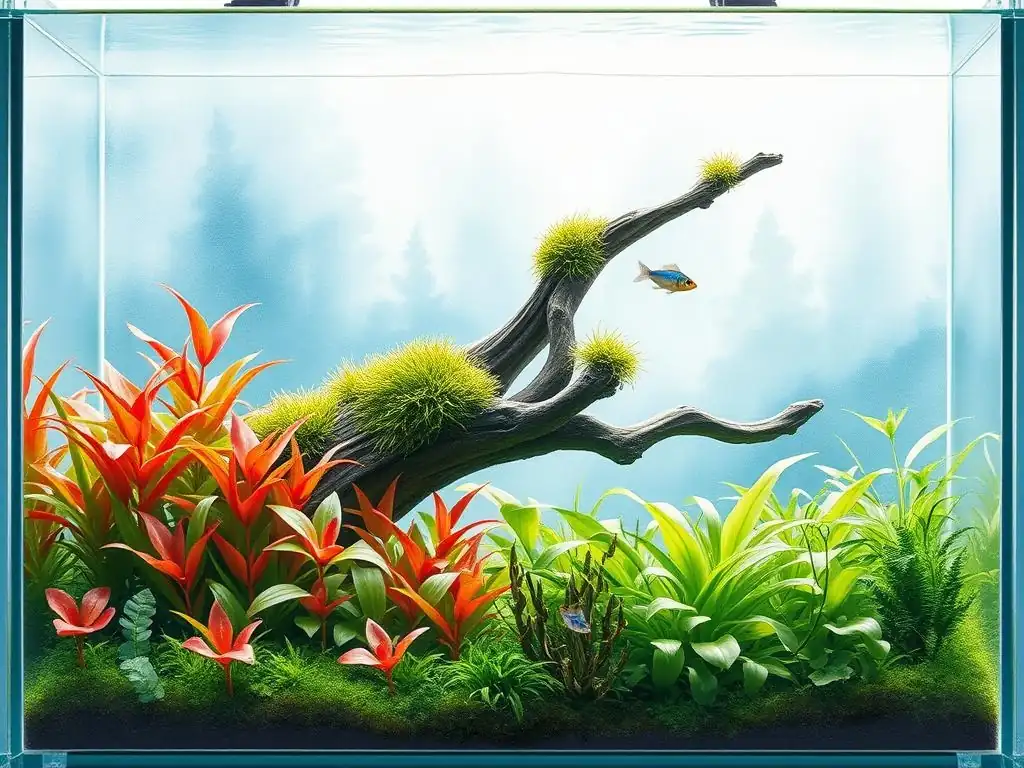
Maintaining a thriving aquascape requires ongoing dedication and attention. This isn't a "set it and forget it" hobby; consistent care is crucial for the health of your plants, fish, and the overall aesthetic appeal of your underwater world. This section provides a comprehensive guide to long-term aquascape maintenance, helping you keep your aquatic masterpiece flourishing for years to come. Think of it as your comprehensive aquascaping guide for beginners, covering the essential long-term aspects.
Regular Water Changes and Maintenance
Regular water changes are the cornerstone of a healthy aquascape. They remove accumulated waste products, nitrates, and phosphates that can harm your plants and fish. Aim for a partial water change (around 25-50%) every 1-2 weeks, depending on your tank size and stocking density. Before performing a water change:
- Test your water parameters: Use a reliable test kit to measure ammonia (NH3), nitrite (NO2), nitrate (NO3), and pH levels. This allows you to monitor water quality and address any imbalances promptly. Consistent monitoring is key to successful aquascaping.
- Prepare your water: Use dechlorinated water, ideally letting it sit for 24 hours to allow chlorine and chloramine to dissipate. This prevents harming your aquatic life.
- Siphon the substrate: Gently siphon out waste and debris from the substrate using a gravel vacuum. This removes accumulated organic matter that contributes to water quality degradation.
- Replace the water: Slowly and carefully add the new water to avoid disturbing the substrate and plants too much.
Ignoring regular water changes can lead to algae blooms, fish diseases, and plant death. Think of it like this: you wouldn't neglect cleaning your house; your aquascape requires similar attention. This is a crucial part of any beginner aquascaping guide.
Troubleshooting Common Aquascaping Problems
Even with diligent care, you might encounter some common aquascaping problems. Here's a breakdown of some frequently encountered issues and how to address them:
- Algae outbreaks: Excessive algae growth can quickly overwhelm your aquascape. Common causes include excessive light, nutrient imbalances (high nitrates and phosphates), and insufficient water changes. Solutions include adjusting lighting duration, performing more frequent water changes, and introducing algae-eating snails or shrimp. Regular maintenance and careful monitoring are key to preventing algae problems.
- Plant die-off: Plants might die due to insufficient light, nutrient deficiencies, or improper planting techniques. Solutions involve adjusting lighting, adding appropriate fertilizers, and ensuring plants are planted correctly in the substrate. Proper plant selection for your light and water conditions is essential.
- Fish diseases: Fish diseases can spread rapidly in a closed system. Quarantine new fish before introducing them to the main tank and monitor your fish closely for any signs of illness. Prompt treatment is crucial to prevent widespread infection.
- Cloudy water: Cloudy water often indicates bacterial blooms or excess particulate matter. Solutions include increasing water changes, using a filter media that effectively removes particulate matter, and ensuring proper filtration.
Long-Term Aquascape Design Considerations
Planning for the long term is essential for a successful aquascape. Consider these factors to ensure your aquascape remains beautiful and healthy for years to come:
- Plant selection: Choose plants that are appropriate for your tank size, lighting conditions, and water parameters. Fast-growing plants might require more frequent trimming and maintenance. Consider the mature size of your plants to avoid overcrowding.
- Substrate depth: The depth of your substrate impacts plant growth and root development. Sufficient depth is crucial for many plants to thrive.
- ** hardscape placement:** The arrangement of rocks, wood, and other hardscape elements should be carefully planned to create a visually appealing and stable structure. Avoid unstable structures that could collapse and damage your plants or equipment.
- Equipment maintenance: Regularly clean and maintain your filter, heater, and other equipment to ensure they function optimally. A well-maintained filter is vital to water quality.
By following these guidelines, you can ensure your aquascape remains a vibrant and healthy ecosystem for years to come, transforming your beginner aquascaping journey into a rewarding and long-lasting hobby. Remember, patience and consistent care are key to success in the art of aquascaping.
Aquascaping for Beginners: Advanced Techniques and Inspiration
This section delves into more advanced aquascaping techniques and provides inspiration for your next project, building upon the foundational knowledge assumed from earlier sections of this "Aquascaping guide for beginners". We'll explore methods to elevate your underwater world beyond the basics.
Advanced Aquascaping Techniques for Experienced Hobbyists
Once you've mastered the fundamentals of aquascaping—substrate layering, plant selection, hardscape arrangement—you can explore more sophisticated techniques to create truly stunning and biodiverse ecosystems. These techniques require patience, precision, and a deeper understanding of aquatic plant biology and fish behavior.
One advanced technique is Dutch style aquascaping. This involves densely planting various species of aquatic plants in a carefully planned arrangement, often mimicking a natural meadow or forest floor. This style requires meticulous trimming and maintenance to prevent overcrowding and algae growth. Successfully executing a Dutch style aquascape demands a strong understanding of plant growth rates, nutrient requirements, and CO2 injection systems. Precision is key; even small variations in planting density can significantly impact the overall aesthetic and health of the tank.
Another advanced technique is Iwagumi style aquascaping. This Japanese-inspired style emphasizes minimalism and natural rock formations. The focus is on creating a visually striking arrangement using a limited number of carefully selected rocks and a few meticulously placed plants. The challenge lies in achieving a sense of balance and harmony, creating a scene that appears both natural and artistic. This often involves painstakingly arranging rocks to create a sense of depth and perspective, a process that can take hours or even days. Finding the perfect rocks with the right texture and shape is crucial for a successful Iwagumi aquascape.
Finally, consider incorporating advanced filtration and water management techniques. Maintaining water quality is crucial in any aquascape, but especially in densely planted or complex setups. This might involve using specialized filter media, regular water changes, and precise monitoring of water parameters like nitrates, phosphates, and pH levels. Understanding the nuances of nutrient cycling and its impact on plant health and algae growth is paramount. For example, using a combination of mechanical, biological, and chemical filtration allows for a more efficient and balanced system, reducing the risk of algae blooms and maintaining a healthy aquatic environment.
Inspiration and Ideas for Your Next Aquascape Project
Finding inspiration is a crucial part of the aquascaping process. Consider these ideas to spark your creativity and guide your next project:
- Biotope Aquascaping: Recreate a specific natural aquatic environment, such as a section of the Amazon River or a particular lake in Africa. This requires meticulous research into the specific flora and fauna of the chosen region to ensure accurate representation and species compatibility. This approach challenges you to learn about specific ecosystems and their unique characteristics.
- Nature Aquascaping: This involves creating a visually appealing and balanced arrangement of plants and hardscape elements, mimicking natural landscapes. Think about incorporating elements like driftwood, rocks, and plants to create a sense of depth and realism. The goal is to create a scene that feels natural and harmonious, without necessarily replicating a specific location.
- Minimalist Aquascaping: Focus on a few key elements, creating a clean and uncluttered aesthetic. This style requires careful selection of plants and hardscape, emphasizing simplicity and elegance. This approach can be quite challenging, as the beauty lies in the careful restraint and precision of execution.
Remember to consider the size and shape of your aquarium when planning your aquascape. A larger tank offers more possibilities for complex designs, while a smaller tank might be better suited for a minimalist approach. The type of lighting you use will also influence plant selection and overall aesthetic.
Resources and Further Learning for Aquascaping Enthusiasts
Once you've completed your aquascape, the learning doesn't stop. Continued education is key to maintaining a thriving and visually appealing tank. Several avenues exist to expand your knowledge and refine your aquascaping skills:
- Online Communities: Engaging with online forums and communities provides a wealth of knowledge, allowing you to connect with other hobbyists, share experiences, and seek advice from experts. Many experienced aquascapers are willing to share their insights and offer guidance.
- Books and Magazines: Numerous books and magazines are dedicated to aquascaping, offering detailed information on various techniques, plant care, and equipment. These resources often provide step-by-step instructions and visual aids, making them invaluable for beginners and experienced hobbyists alike.
- Workshops and Courses: Attending workshops and courses led by experienced aquascapers offers hands-on learning and the opportunity to ask questions and receive personalized feedback. These immersive experiences can significantly enhance your skills and understanding of aquascaping principles.
By consistently seeking out new information and engaging with the aquascaping community, you can continuously refine your skills and create breathtaking underwater worlds. Remember, the journey of aquascaping is a continuous process of learning, refinement, and creative expression. Enjoy the process!
Frequently Asked Questions
What is aquascaping?
Aquascaping is the art of creating aesthetically pleasing underwater landscapes within an aquarium. It involves arranging plants, rocks, wood, and other elements to mimic natural aquatic environments. Think of it as underwater gardening and design!
What equipment do I need to start aquascaping?
You'll need a suitable aquarium, a substrate (like gravel or soil), aquatic plants, and decorations (rocks, wood, etc.). A good filter and lighting system are also essential for a healthy environment. Consider your budget and the size of your aquascape.
How do I choose the right plants for my aquascape?
Select plants suitable for your aquarium's lighting and water parameters. Research different species and their care requirements. Beginners often benefit from starting with hardy, low-maintenance plants.
How often should I maintain my aquascape?
Regular water changes are crucial (around 25% weekly). You'll also need to trim overgrown plants and remove any decaying matter to maintain water quality and the overall aesthetic appeal of your aquascape.
What are some common mistakes beginners make in aquascaping?
Common mistakes include overstocking the tank, neglecting water parameter testing, and choosing incompatible plants or hardscape. Thorough research and planning before starting is key to avoid these pitfalls.
Final Reflection: Cultivating Underwater Worlds, Cultivating Inner Peace
The meticulous art of aquascaping, far from being a mere hobby, offers a powerful pathway to connecting with nature and fostering a sense of calm in our increasingly frenetic world. The detailed techniques explored in this beginner's guide—from substrate selection to plant placement and hardscape design—are not just steps in a process; they are elements in the creation of a miniature ecosystem, a vibrant microcosm reflecting the beauty and complexity of the natural world.
The enduring appeal of aquascaping lies in its ability to transform a simple glass tank into a captivating window into another realm. It's a meditative practice, requiring patience, observation, and a deep appreciation for the delicate balance of life. As I've personally discovered, the process of nurturing these underwater landscapes mirrors the journey of self-discovery and growth. The best view comes after the hardest climb.
This quote resonates deeply with the dedication and effort required to create a thriving aquascape, but also highlights the immense reward that awaits.
Now, consider your own journey. What small, carefully cultivated world can you create in your life? Perhaps it's a dedicated space for creativity, a renewed commitment to mindfulness, or a nurturing of a meaningful relationship. Embrace the principles of aquascaping—patience, attention to detail, and a respect for the interconnectedness of all things—and apply them to your own life's landscape. Begin cultivating your own underwater world, both literally and metaphorically, and watch as it blossoms into something truly beautiful and enriching.
Unleash Your Inner Aquascape Artist!
Thank you for exploring the world of aquascaping with us! We hope you've gained valuable insights into creating stunning underwater landscapes. Now it's time to put your inspiration into action.
- Begin designing your dream aquascape: Before you even think about planting, visualize your perfect underwater scene. Consider the hardscape, plant placement, and the overall aesthetic you want to achieve. This is the foundation of your aquatic masterpiece!
- Share your vision: Post a picture of your design (or even a mood board) on PetCareWorld’s forum and get feedback from our community of aquascaping enthusiasts. Let's collaborate and bring your vision to life!
- Research your chosen plants: Each plant has unique needs, so understanding its requirements for light, nutrients, and water parameters is crucial for success. Dive deeper into specific plant care guides on our site.
Ready to transform your aquarium into a breathtaking underwater paradise? What aspect of your aquascape are you most excited to create first?