
Reptile Terrarium Setup: The Essential Guide

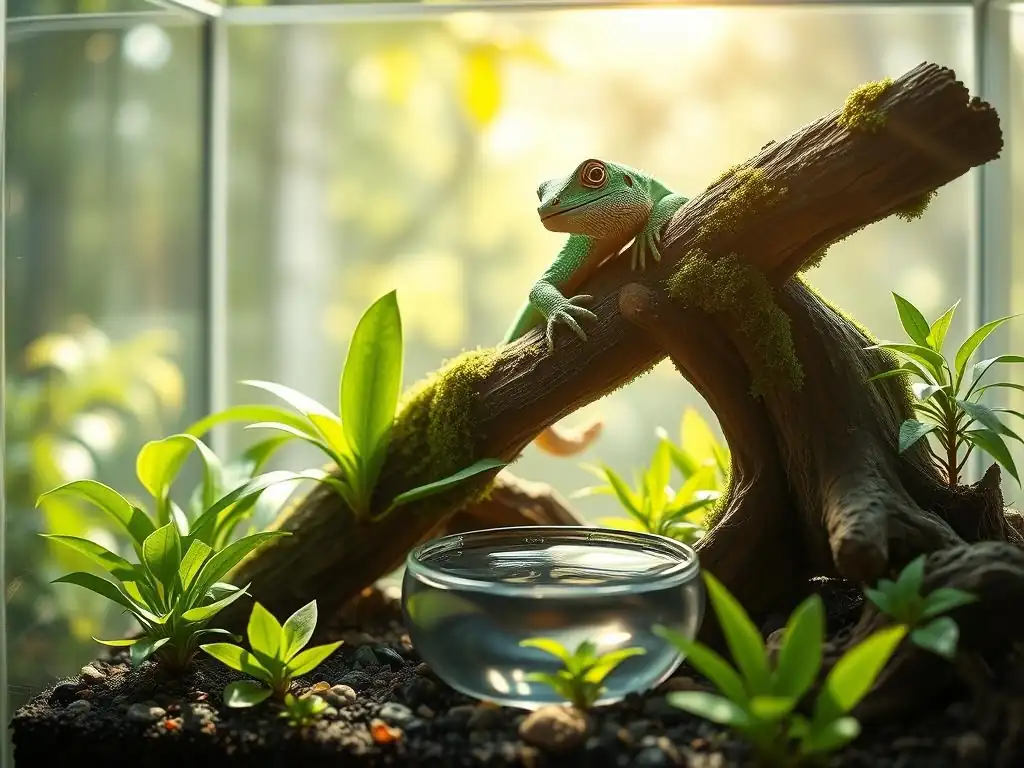
Welcome to PetCareWorld, your ultimate guide to a happier, healthier life for your beloved companions! Are you ready to create the perfect habitat for your scaly friend? Then delve into our essential guide on building the best reptile terrarium setup. Discover expert tips and tricks to ensure your reptile thrives in a safe, stimulating, and enriching environment. Unlock the secrets to a flourishing terrarium – your journey starts here.
- Choosing the Right Terrarium for Your Reptile: Size and Material
- Creating the Perfect Reptile Habitat: Substrate and Décor
-
Setting Up the Ideal Temperature and Humidity Levels
- Understanding Your Reptile's Specific Temperature and Humidity Requirements
- Using Heat Lamps, Heat Mats, and Under-Tank Heaters: A Comparative Guide
- Measuring and Monitoring Temperature and Humidity: Essential Tools and Techniques
- Adjusting Temperature and Humidity for Different Seasons and Life Stages
- Essential Lighting for Reptile Health and Well-being
- Water and Feeding Your Reptile: A Comprehensive Guide
- Maintaining a Healthy Reptile Terrarium: Cleaning and Maintenance
- Advanced Reptile Terrarium Setup: Creating Specialized Habitats
- Best Reptile Terrarium Setup Guide: Final Thoughts and Resources
- Frequently Asked Questions
- Final Reflection: Cultivating Thriving Habitats, Nurturing Responsible Ownership
- Unleash Your Inner Herpetologist: Build the Perfect Habitat!
Choosing the Right Terrarium for Your Reptile: Size and Material
Creating the perfect reptile terrarium is crucial for your pet's health and well-being. This comprehensive guide will walk you through the essential steps to build a thriving habitat for your scaly friend, covering everything from choosing the right terrarium to maintaining optimal environmental conditions. We'll focus on providing practical advice and addressing common questions to help you create the best reptile terrarium setup possible, a setup that prioritizes both your reptile's needs and your aesthetic preferences.
This guide aims to be your ultimate resource for achieving the best reptile terrarium setup, ensuring your reptile thrives in a safe and stimulating environment. We'll cover everything from selecting the appropriate size and material to incorporating essential features for ventilation, security, and aesthetics. Getting it right from the start is paramount for the long-term health and happiness of your reptile companion.
Think of this as your blueprint for building the perfect reptile home. 🦎
Selecting the Appropriate Terrarium Size Based on Reptile Species
The size of your reptile terrarium is paramount. A terrarium that's too small will restrict your reptile's movement, leading to stress and potential health problems. Conversely, one that's too large can make it difficult to maintain appropriate temperature and humidity levels. The rule of thumb is to provide ample space for your reptile to move freely, explore, and engage in natural behaviors.
Consider these factors when determining the appropriate size:
- Species: Different reptile species have vastly different size requirements. A small gecko will need a much smaller enclosure than a large iguana. Research the adult size of your specific reptile species to ensure you choose a terrarium that will accommodate its full-grown size. For example, a bearded dragon will require a significantly larger terrarium than a leopard gecko.
- Activity Level: Highly active reptiles will require more floor space than less active ones. Observe your reptile's natural behaviors to gauge its activity level.
- Vertical Space: Some reptiles, like arboreal species (those that live in trees), require significant vertical space to climb and bask. Ensure the terrarium's height is sufficient for your reptile's climbing needs.
- Future Growth: Always consider your reptile's future growth. Buying a larger terrarium initially might seem expensive, but it will save you from having to upgrade later.
Choosing Between Glass, Acrylic, and Wooden Terrariums: Pros and Cons
The material of your terrarium significantly impacts its functionality and aesthetics. Each material offers unique advantages and disadvantages:
| Material | Pros | Cons |
|---|---|---|
| Glass | Durable, easy to clean, provides good visibility, relatively inexpensive | Heavy, can break, may not be suitable for high humidity environments |
| Acrylic | Lightweight, durable, less prone to breakage, good visibility | Can scratch easily, more expensive than glass, may warp under extreme heat |
| Wooden | Aesthetically pleasing, can retain humidity well, provides insulation | More difficult to clean, may harbor bacteria, less visibility |
Choosing the best material depends on your reptile's specific needs and your budget. For example, glass terrariums are a popular choice due to their durability and visibility, while wooden terrariums are often preferred for species requiring higher humidity.
Essential Features to Consider When Buying a Reptile Terrarium: Ventilation, Security, and Aesthetics
Beyond size and material, several essential features must be considered when selecting a reptile terrarium:
- Ventilation: Adequate ventilation is crucial to prevent the buildup of harmful gases and maintain proper humidity levels. Look for terrariums with sufficient ventilation openings, ideally located at both the top and bottom to allow for air circulation. Poor ventilation can lead to respiratory problems and other health issues for your reptile.
- Security: The terrarium must be secure enough to prevent escapes. Ensure the lid or doors close tightly and are escape-proof. Small reptiles can squeeze through surprisingly small gaps, so careful consideration of this aspect is essential.
- Aesthetics: While functionality is paramount, aesthetics shouldn't be overlooked. Choose a terrarium that complements your home décor and provides a visually appealing environment for both you and your reptile. Consider the overall design and how easily you will be able to maintain and clean the terrarium. A well-designed terrarium is a pleasure to both own and maintain.
Remember, creating the perfect reptile terrarium involves careful consideration of your reptile's specific needs and your own preferences. By following these guidelines, you can create a safe, stimulating, and aesthetically pleasing environment for your scaly companion to thrive in. 🎉
Creating the Perfect Reptile Habitat: Substrate and Décor
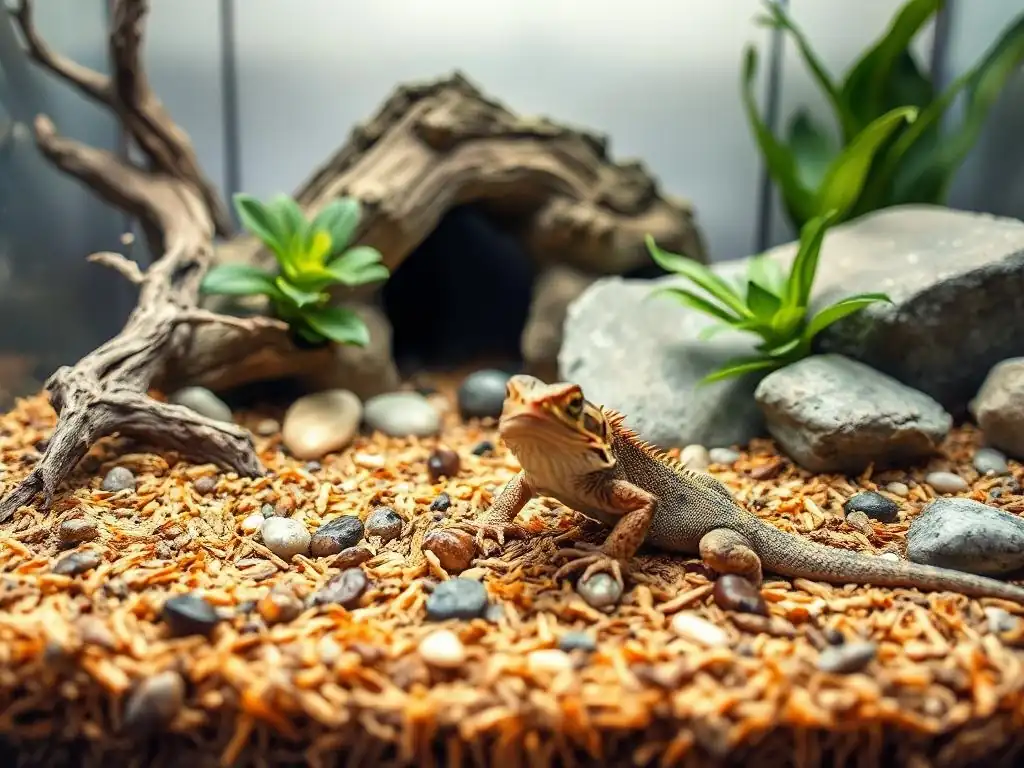
This section delves into the crucial aspects of creating a thriving and enriching environment for your reptile companion. A well-designed terrarium isn't just aesthetically pleasing; it's essential for your reptile's physical and psychological well-being. The right substrate, hiding places, and décor contribute significantly to the overall health and happiness of your scaled friend. This guide will help you create the best reptile terrarium setup possible, focusing on the key elements for a successful and enriching habitat. Remember, choosing the right elements for your specific reptile species is paramount – research your pet's individual needs before making any choices.
Choosing the Best Substrate for Your Reptile: Types and Considerations
Substrate selection is a critical aspect of reptile terrarium setup. The wrong substrate can lead to impacted bowels, respiratory issues, or even bacterial infections. The ideal substrate depends heavily on the species of reptile you keep. For example, a desert tortoise requires a vastly different substrate than a humid-loving tree frog.
Here's a breakdown of common substrates and their suitability:
| Substrate Type | Pros | Cons | Suitable for |
|---|---|---|---|
| Paper Towels/Newspaper | Clean, easily replaceable, inexpensive | Unnatural-looking, offers no enrichment | Quarantine, temporary setups, young reptiles |
| Aspen Shavings | Relatively inexpensive, readily available | Can be dusty, may harbor mites | Some snakes, lizards |
| Cypress Mulch | Good moisture retention, visually appealing | Can retain too much moisture if not managed well | Some lizards, amphibians |
| Coconut Fiber (Coco Coir) | Excellent moisture retention, good drainage | Can be messy, needs proper preparation | Many tropical species, arboreal reptiles |
| Repti Bark | Good drainage, visually appealing | Can become moldy if not properly maintained | Some lizards, snakes |
| Soil Mixes | Natural-looking, good for burrowing species | Requires careful monitoring for moisture levels | Specific species requiring specific soil mixes |
Remember to always research the specific needs of your reptile species before choosing a substrate. Improper substrate can lead to serious health problems. Always ensure the substrate is clean and replaced regularly to prevent the buildup of harmful bacteria or parasites. Regular monitoring is key to maintaining a healthy environment.
Essential Hiding Places and Enrichment for Reptile Well-being
Providing ample hiding places is crucial for a reptile's well-being. Reptiles are naturally shy creatures and require secure areas to feel safe and reduce stress. These hiding spots should be of varying sizes and designs, catering to your reptile's natural behaviors.
Consider these options:
- Commercial hides: Many commercially available hides offer different shapes, sizes, and materials, including caves, cork bark, and half logs.
- DIY hides: You can create your own hides using readily available materials like terracotta pots, rocks, or even appropriately sized boxes. Ensure any DIY hides are safe and non-toxic.
- Live plants: Certain plants can offer excellent hiding places while enhancing the aesthetic appeal of the terrarium. However, ensure the plants are non-toxic to your reptile.
Enrichment is just as vital as hiding places. Enrichment activities stimulate your reptile’s natural behaviors and prevent boredom. This could involve:
- Climbing structures: Branches, rocks, and other climbing features encourage natural behaviors and provide exercise.
- Puzzle feeders: These feeders require your reptile to work for its food, stimulating its natural foraging instincts.
- Rotating décor: Regularly changing the terrarium's décor can prevent boredom and keep your reptile mentally stimulated.
Remember, a stimulating and secure environment contributes significantly to your reptile's overall health and longevity. A well-designed terrarium is more than just a home; it's a sanctuary.
Realistic Terrarium Décor: Plants, Rocks, and Branches for Natural Habitat Simulation
The décor you choose for your reptile's terrarium plays a critical role in mimicking its natural habitat and enhancing its overall well-being. Select décor items carefully, ensuring they are safe, non-toxic, and appropriate for your reptile's species.
When choosing plants, prioritize non-toxic species suitable for the terrarium's humidity and temperature. Consider plants that can thrive in the specific environment you've created. Research thoroughly to avoid introducing potentially harmful plants. Avoid using treated wood or other materials that could release harmful chemicals.
Rocks and branches should be carefully selected. Ensure they are secure and won't collapse, potentially injuring your reptile. Avoid sharp edges or jagged surfaces. Natural rocks and branches are generally preferred, but ensure they are thoroughly cleaned before placing them in the terrarium. The size and placement of rocks and branches should also consider the climbing and basking needs of your specific reptile species.
The overall aesthetic should aim for a balanced and natural-looking habitat. Avoid overcrowding the terrarium with excessive décor. This will restrict your reptile's movement and make cleaning more difficult. A well-designed terrarium is both visually appealing and functional, providing the best possible environment for your reptile's health and happiness. Remember, the best reptile terrarium setup guide is one that prioritizes the specific needs of your specific reptile species.
Maintaining Hygiene and Preventing Mold and Bacteria Growth in the Terrarium
Maintaining a clean and sanitary reptile terrarium is crucial for your pet's health and well-being. Neglecting hygiene can lead to the growth of harmful bacteria, fungi, and molds, resulting in respiratory infections, skin diseases, and other serious health problems for your reptile. Regular cleaning and disinfection are essential components of responsible reptile ownership and contribute significantly to a successful "best reptile terrarium setup guide."
Regular spot cleaning should be a daily task. This involves removing any uneaten food, fecal matter, and shed skin immediately. Leaving these materials in the terrarium encourages the rapid growth of microorganisms, creating an unhealthy environment.
Use paper towels or a dedicated cleaning cloth to remove waste, and always wash your hands thoroughly after handling the terrarium or its contents. Remember, even seemingly small amounts of waste can quickly contaminate the substrate and air quality within the enclosure. This diligent approach is a key part of any best reptile terrarium setup guide, ensuring a healthy environment for your reptile companion.
Deep cleaning should be performed at least once a month, or more frequently depending on the size of your reptile and the type of substrate used. This involves removing all the substrate, thoroughly washing and disinfecting the terrarium, and replacing the substrate with fresh material. For disinfection, use a reptile-safe disinfectant, following the manufacturer's instructions carefully.
Avoid using harsh chemicals or disinfectants that are toxic to reptiles. Always rinse the terrarium thoroughly with clean water after disinfection to remove any residual disinfectant. This thorough deep cleaning is a vital part of creating a successful and healthy best reptile terrarium setup guide.
Choosing the right substrate is also crucial in preventing mold and bacteria growth. Some substrates, like wood shavings or coconut fiber, retain moisture and can become breeding grounds for bacteria and mold if not properly managed. Others, like paper towels or reptile carpet, are easier to clean and less prone to harboring microorganisms. Regularly monitor the moisture level of the substrate and ensure proper ventilation to prevent excessive humidity, a common contributor to mold growth. The selection of substrate is a key consideration in any comprehensive best reptile terrarium setup guide.
Finally, proper ventilation is essential. Good airflow helps to reduce humidity and prevent the buildup of harmful gases and microorganisms. Ensure your terrarium has adequate ventilation holes or a screened top to allow for proper air circulation. A stagnant atmosphere is a breeding ground for bacteria and mold, so proper ventilation is a non-negotiable aspect of a best reptile terrarium setup guide.
Regularly inspect your terrarium for any signs of mold or mildew and address them promptly. Early detection and treatment can prevent serious health issues for your reptile. By following these guidelines, you can provide a clean, safe, and thriving habitat for your reptile companion.
Setting Up the Ideal Temperature and Humidity Levels
This section focuses on achieving and maintaining the optimal temperature and humidity levels within your reptile terrarium, crucial factors impacting your reptile's health and well-being. A poorly managed environment can lead to stress, illness, and even death. This guide provides the knowledge to create a thriving habitat for your scaled companion. Remember, the best reptile terrarium setup guide emphasizes environmental control.
Understanding Your Reptile's Specific Temperature and Humidity Requirements
Before setting up your terrarium, meticulously research your specific reptile species' needs. Temperature and humidity requirements vary drastically between species and even subspecies. A desert-dwelling reptile, like a leopard gecko, requires significantly different conditions than a rainforest inhabitant, such as a green tree frog.
Temperature gradients are also crucial. Most reptiles require a basking spot with a higher temperature and a cooler area where they can regulate their body temperature. This thermal gradient allows them to thermoregulate effectively. Failing to provide this can lead to health complications.
For example, a bearded dragon requires a basking spot of 100-110°F (38-43°C) and a cool side of 75-85°F (24-29°C). Conversely, a corn snake might only need a basking spot of 88-92°F (31-33°C) and a cool side of 75-80°F (24-27°C). These are just examples; always consult reliable sources specific to your reptile species for precise temperature ranges.
Humidity is equally important. Many reptiles require specific humidity levels to maintain healthy skin and prevent dehydration. Low humidity can cause shedding problems, respiratory issues, and dehydration, while excessively high humidity can lead to fungal and bacterial infections. Understanding your reptile's needs is paramount for a successful setup. Consider using a hygrometer to accurately monitor humidity levels.
Using Heat Lamps, Heat Mats, and Under-Tank Heaters: A Comparative Guide
Several methods exist for heating a reptile terrarium, each with its own advantages and disadvantages. Choosing the right heating method depends heavily on your reptile's specific requirements and the type of terrarium you're using.
- Heat Lamps: These provide both heat and UVB radiation (essential for many reptiles). They are excellent for creating a basking spot and are relatively easy to control. However, they can be inefficient, consuming more energy and potentially overheating the terrarium if not properly regulated.
- Heat Mats: These are placed underneath the terrarium, providing radiant heat. They are efficient and less likely to overheat the entire enclosure, making them suitable for species that don't require high basking temperatures. However, they don't provide UVB radiation and might not create a sufficient basking spot for some reptiles.
- Under-Tank Heaters (UTHs): These are similar to heat mats but are specifically designed to be placed under the substrate. They provide a consistent, gentle heat source, ideal for burrowing species. However, they can be difficult to regulate and may not create a noticeable basking gradient.
| Heating Method | Pros | Cons | Suitable for… |
|---|---|---|---|
| Heat Lamps | Provides heat and UVB, creates basking spot | Inefficient, can overheat | Many diurnal reptiles needing UVB |
| Heat Mats | Efficient, less likely to overheat | Doesn't provide UVB, may not create basking spot | Nocturnal or burrowing species, some diurnal |
| Under-Tank Heaters (UTHs) | Consistent heat, good for burrowing species | Difficult to regulate, may not create basking spot | Burrowing species, species needing gentle heat |
Remember to always use a thermostat with any heating device to prevent overheating and ensure a safe environment for your reptile. Improper temperature regulation can be fatal.
Measuring and Monitoring Temperature and Humidity: Essential Tools and Techniques
Accurate monitoring of temperature and humidity is crucial for the successful keeping of reptiles. Using the right tools and employing proper techniques ensures your reptile's well-being.
- Thermometers: Digital thermometers with probes are ideal for accurate temperature readings at multiple points within the terrarium – both the basking spot and the cool side. Avoid using mercury thermometers due to safety concerns. Consider using multiple thermometers for redundancy and greater accuracy.
- Hygrometers: Analog or digital hygrometers accurately measure humidity levels. Again, using multiple hygrometers is recommended for verification. Regular calibration is also essential to ensure accuracy. The type of hygrometer (analog or digital) doesn't significantly impact accuracy if properly calibrated.
- Thermostats: Essential for regulating heat lamps, heat mats, and UTHs, preventing overheating and ensuring consistent temperatures. Digital thermostats offer greater precision and control compared to analog ones.
- Placement: Strategically place your thermometers and hygrometers to accurately reflect the temperature and humidity experienced by your reptile. Avoid placing them directly on heating elements or in areas of direct airflow. For best results, measure the temperature and humidity at multiple points within the terrarium.
Maintaining a stable and appropriate environment requires diligent monitoring and adjustments. Regularly check your readings and make necessary adjustments to your heating and humidification methods to ensure your reptile thrives. This consistent attention to detail is critical for providing the best reptile terrarium setup. Ignoring these crucial factors can lead to serious health problems for your pet.
Adjusting Temperature and Humidity for Different Seasons and Life Stages
Maintaining the correct temperature and humidity is crucial for reptile health, but these needs can vary significantly depending on the season and the reptile's life stage. A young, growing reptile will often require slightly warmer temperatures than an adult of the same species. Similarly, seasonal changes can impact a reptile's metabolic rate and thermoregulatory needs. Failing to adjust accordingly can lead to health problems, including metabolic bone disease (MBD) in reptiles that require specific calcium metabolism support.
For example, many desert-dwelling reptiles, like leopard geckos, may require a slightly higher basking temperature during the colder months to compensate for the lower ambient temperatures in their enclosures. This can be achieved by increasing the wattage of the heat lamp or adjusting the thermostat setting on your heating device. Conversely, during hotter months, you may need to slightly reduce the heating to prevent overheating. Always monitor temperatures carefully using multiple thermometers placed at various points within the terrarium to ensure consistent and appropriate thermal gradients. Remember, even small fluctuations can cause stress and impact your reptile's well-being.
Furthermore, humidity levels should also be considered in relation to seasonal changes and life stages. During shedding periods, for instance, most reptiles require higher humidity levels to aid in the smooth shedding of their skin. This is particularly important for species prone to dysecdysis (difficult shedding), such as ball pythons.
You can temporarily increase humidity by misting the enclosure more frequently or using a humidification device. However, be careful not to over-humidify, as this can lead to respiratory infections and other health problems. Always monitor humidity levels using a reliable hygrometer and make adjustments as needed based on your reptile's specific needs and the prevailing environmental conditions.
Regularly monitoring and adjusting the terrarium's environment based on your reptile's developmental stage and the surrounding climate is an essential aspect of responsible reptile keeping. A reptile's life cycle dictates its needs, and neglecting these changes can have serious, even fatal, consequences. Understanding these nuances is paramount to ensuring the long-term health and happiness of your scaly companion.
Essential Lighting for Reptile Health and Well-being
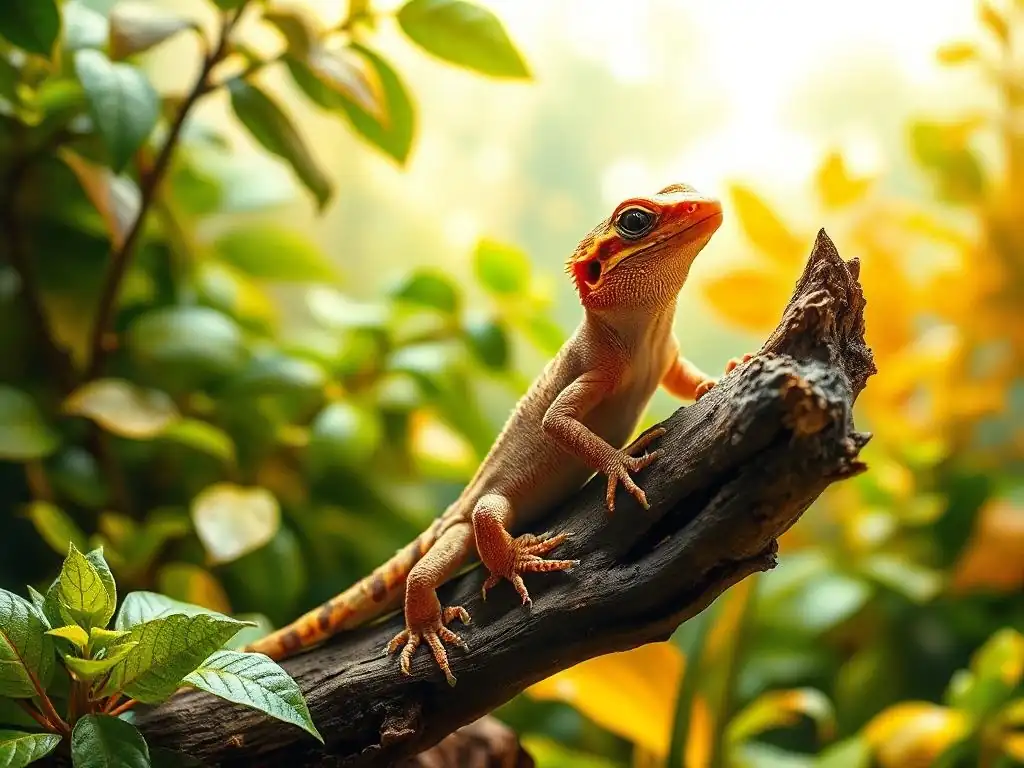
Providing the right lighting is paramount for a thriving reptile. A well-lit terrarium mimics a reptile's natural environment, influencing their behavior, digestion, and overall health. Neglecting proper lighting can lead to serious health issues, including metabolic bone disease (MBD) and weakened immune systems. This section will delve into the two crucial components of reptile terrarium lighting: UVB lighting and heat lamps. Understanding these elements is key to creating the best reptile terrarium setup for your scaly friend. This guide focuses on providing you with the knowledge to make informed decisions about your reptile's lighting needs, ensuring their optimal well-being.
UVB Lighting: Crucial for Reptile Health and Calcium Metabolism
UVB (ultraviolet B) lighting is not just beneficial; it's absolutely essential for most reptiles. UVB rays trigger the production of Vitamin D3 in your reptile's skin. Vitamin D3 is vital for calcium absorption, which is crucial for strong bones, proper muscle function, and overall skeletal health. Without sufficient UVB, your reptile will develop metabolic bone disease (MBD), a debilitating condition characterized by weakened bones, deformities, and potentially fatal complications.
The severity of MBD depends on the species and the duration of UVB deficiency. Early symptoms can be subtle, such as lethargy or loss of appetite, making early detection and intervention critical. Therefore, providing adequate UVB is a cornerstone of responsible reptile ownership and contributes significantly to achieving the best reptile terrarium setup.
The intensity and duration of UVB exposure vary significantly between species. For instance, desert-dwelling reptiles require higher UVB intensity compared to rainforest species. Always research the specific needs of your reptile species to ensure you're providing the appropriate level of UVB radiation. This research should include not only the type of bulb but also its placement within the terrarium. The distance between the bulb and your reptile significantly impacts the UVB intensity they receive.
Example: UVB Requirements for Leopard Geckos
Leopard geckos, popular beginner reptiles, don't require high-intensity UVB. A low-output UVB bulb is sufficient, usually placed at a distance of 10-12 inches from their basking spot. Overexposure to UVB can be just as harmful as a deficiency.
Choosing the Right UVB Bulb for Your Reptile Species
The market offers a variety of UVB bulbs, each with different output levels and wavelengths. Choosing the right bulb is critical for your reptile's health. There are several factors to consider:
- UVB Output: Measured in µW/cm², this indicates the intensity of UVB radiation emitted by the bulb. Higher values usually indicate stronger UVB output, but this doesn't automatically mean it's better for all species.
- Bulb Type: Different bulb types, such as coil, tube, or compact fluorescent, have varying outputs and lifespans. Coil bulbs are often less expensive but may have a shorter lifespan and uneven UVB distribution. Tube and compact fluorescent bulbs often provide a more even distribution.
- Species-Specific Needs: Research your reptile's specific needs to determine the appropriate UVB output and type. Consult reputable sources like veterinary herpetologists or experienced reptile keepers to ensure you're making an informed decision. This is crucial for achieving the best reptile terrarium setup.
| Bulb Type | UVB Output Range (µW/cm²) | Lifespan (Hours) | Pros | Cons |
|---|---|---|---|---|
| Coil (compact) | 5-10 | 6-12 months | Affordable, readily available | Uneven UVB distribution, shorter lifespan |
| Tube (linear) | 10-40 | 6-12 months | Even UVB distribution, longer lifespan than coil | Can be less aesthetically pleasing |
| Mercury Vapor Bulbs | Variable | 12+ months | Combines UVB and heat, efficient | More expensive, potential for burns if too close |
Remember to replace your UVB bulb regularly, even if it still appears to be working. The UVB output diminishes over time, even if the bulb continues to illuminate. Always check the manufacturer's recommendations for bulb replacement.
Importance of Heat Lamps in Maintaining Optimal Temperatures
Heat lamps are equally important for reptile well-being. Reptiles are ectothermic, meaning they rely on external sources of heat to regulate their body temperature. Providing a proper temperature gradient within the terrarium allows your reptile to thermoregulate effectively, impacting digestion, immune function, and overall health. A thermal gradient means providing areas of varying temperatures within the enclosure: a basking spot with higher temperatures and cooler areas for retreat. This is a fundamental aspect of creating the best reptile terrarium setup.
The type of heat lamp you choose depends on your reptile's specific needs and the size of the terrarium. Ceramic heat emitters are a popular choice, as they produce heat without emitting light, which can be beneficial for nocturnal species or those sensitive to bright light at night. Incandescent bulbs provide both heat and light and are suitable for diurnal species. Under-tank heaters (UTHs) are another option, providing gentle bottom heat but are generally not sufficient on their own.
Always use a thermometer to monitor the temperature gradient and ensure it falls within your reptile's preferred range. Failure to maintain the correct temperature can lead to health problems, including decreased appetite, lethargy, and respiratory infections. Always prioritize safety and use heat lamps appropriately to avoid burns.
Setting up a Proper Lighting Schedule for your Reptile
Establishing the right lighting schedule is crucial for your reptile's health and well-being. It mimics the natural day-night cycle they experience in their native habitats, influencing their behavior, digestion, and overall vitality. A poorly planned lighting schedule can lead to a variety of problems, including metabolic bone disease (MBD) in species requiring UVB radiation, stress, and reduced breeding success. Remember, this is a vital component of the best reptile terrarium setup.
The key is to replicate the natural photoperiod – the length of daylight – for your specific reptile species. Researching your reptile's natural habitat is paramount. For instance, a desert-dwelling species will require a longer period of intense UVB and heat, reflecting the intense sunlight of their natural environment, compared to a rainforest species that experiences more moderate light and temperature variations throughout the day.
To create a realistic photoperiod, you'll need a timer. This allows for consistent, automated lighting cycles, ensuring your reptile receives the appropriate amount of light and darkness each day. Without a timer, you risk inconsistencies that can disrupt your reptile's natural rhythms and negatively impact their health. Many reptile keepers use simple mechanical timers, but digital timers offer more precise control and programmable options.
The length of the light cycle will vary depending on the species and the time of year. Generally, the photoperiod will be longer in the summer months and shorter in the winter, mirroring the natural seasonal changes. For example, a bearded dragon might require a 12-14 hour light cycle in the summer and a 10-12 hour cycle in the winter.
Always consult reliable sources, such as herpetological websites or books specific to your reptile species, to determine the optimal photoperiod. Failure to adhere to the correct photoperiod can significantly impact your reptile’s health and behavior, making consistent monitoring and adjustments as needed vital for a successful reptile keeping experience. Remember, consistent and accurate lighting is a crucial element of a best reptile terrarium setup guide.
Water and Feeding Your Reptile: A Comprehensive Guide
This section delves into the crucial aspects of hydration and nutrition for your reptile companion, essential components of a thriving terrarium environment. Proper hydration and a balanced diet directly impact your reptile's health, longevity, and overall well-being. A well-planned approach to water and feeding contributes significantly to a successful "best reptile terrarium setup guide."
Providing Fresh Water: Types of Water Dishes and Best Practices
Providing clean, fresh water is paramount to your reptile's survival. Dehydration can quickly lead to serious health complications. The type of water dish you choose depends on your reptile's species and size. Avoid using narrow, deep bowls that your reptile might accidentally drown in.
Several options exist, each with its own advantages:
- Shallow Dishes: Ideal for most reptiles, these minimize the drowning risk. Ceramic, glass, or even heavy, non-toxic plastic dishes work well. Choose a size appropriate for your reptile; it should be large enough to comfortably drink from but not so large that it dominates the terrarium.
- Waterfalls or Drippers: These are particularly beneficial for reptiles that enjoy drinking moving water, such as some species of lizards. They also increase humidity levels within the terrarium. However, ensure the water flow is gentle and not forceful to avoid stressing your reptile.
- Underwater Basking Rocks: These specialized rocks have a reservoir for water, allowing your reptile to stay hydrated while basking. They can be excellent for species that prefer to drink from a source close to their basking area.
Best Practices for Water Provision:
- Daily Cleaning: Change the water daily to prevent bacterial growth and maintain hygiene.
- Appropriate Location: Place the water dish in an easily accessible location within the terrarium, away from the heat source to avoid evaporation.
- Water Temperature: Room temperature water is generally suitable, but research your specific reptile's preferences.
- Monitoring Water Levels: Regularly check the water level to ensure it's always full and easily accessible.
- Multiple Water Sources: For larger terrariums, providing multiple water sources encourages proper hydration.
Ignoring these simple steps can lead to dehydration, impacting your reptile's overall health and even causing death. Always prioritize clean, fresh water for a healthy reptile. This is a key element of any expert's "best reptile terrarium setup guide."
Establishing a Feeding Schedule: Frequency and Amount of Food
Feeding your reptile correctly is just as important as providing clean water. An improper diet can lead to malnutrition, impacting their growth, immune system, and overall health. The frequency and amount of food depend heavily on your reptile's species, age, and size. Juvenile reptiles generally require more frequent feeding than adults.
Here's a general guideline, but always consult a reptile veterinarian or reputable herpetological resources for species-specific information:
- Juveniles: Often fed daily or every other day, depending on the species.
- Adults: May only require feeding 2-3 times a week, or even less frequently for some species.
Determining the correct amount of food: Avoid overfeeding. A good rule of thumb is to offer an amount that your reptile can consume in 15-20 minutes. Remove any uneaten food to prevent bacterial contamination.
Consider these factors when establishing a feeding schedule:
- Species-Specific Needs: Different species have different dietary requirements. Some are insectivores, others herbivores, and some omnivores.
- Age and Size: Younger and smaller reptiles require more frequent and smaller meals.
- Metabolic Rate: Reptiles with higher metabolic rates require more frequent feeding.
- Seasonal Variations: Some reptiles may eat more during certain seasons.
Failing to establish a proper feeding schedule can lead to obesity or malnutrition, both detrimental to your reptile's health. This is a critical aspect of a truly comprehensive "best reptile terrarium setup guide."
Proper Food Handling and Storage to Prevent Bacterial Contamination
Maintaining hygiene in food handling and storage is vital to preventing bacterial infections in your reptile. Contaminated food can cause serious illness, potentially leading to death.
Food Handling:
- Thorough Cleaning: Wash your hands thoroughly before and after handling food items.
- Avoid Cross-Contamination: Use separate utensils and surfaces for handling reptile food to prevent cross-contamination with other foods.
- Inspect Food: Carefully inspect all food items for signs of spoilage or infestation before offering them to your reptile.
- Live Food: If feeding live insects, ensure they are gut-loaded (fed nutritious food) and free from parasites. Avoid using wild-caught insects without proper quarantine and parasite checks.
Food Storage:
- Proper Storage Containers: Store food items in airtight, clean containers to prevent spoilage and contamination.
- Refrigeration: Refrigerate perishable food items such as insects or pre-killed prey to extend their shelf life and reduce the risk of bacterial growth.
- Regular Cleaning: Regularly clean and disinfect storage containers to prevent bacterial build-up.
- Rotation: Follow a "first in, first out" system to avoid storing food for extended periods.
By implementing these precautions, you significantly reduce the risk of bacterial contamination and ensure your reptile receives safe and nutritious food. This is a critical detail often overlooked in less comprehensive "best reptile terrarium setup guide" articles. Prioritizing hygiene is crucial for maintaining a healthy and thriving reptile companion.
Cleaning the Terrarium and Maintaining Hygiene
Maintaining a clean reptile terrarium is paramount for your pet's health and well-being. Neglecting hygiene can lead to bacterial and fungal infections, stress for your reptile, and unpleasant odors. A regular cleaning schedule, tailored to your specific reptile and terrarium setup, is crucial.
The frequency of cleaning will depend on factors such as the size of the terrarium, the number of reptiles housed, the substrate used, and the type of reptile. For example, a bioactive terrarium might require less frequent overall cleaning, but will necessitate more focused cleaning of specific areas. A standard terrarium, however, will likely need more routine cleaning.
A thorough cleaning should involve removing all decorations, plants (live or artificial), and substrate. Scrub the walls, floor, and any remaining fixtures with a reptile-safe disinfectant. Avoid harsh chemicals that could harm your reptile or damage the terrarium. Many pet stores offer specialized reptile disinfectants that are both effective and safe. Always rinse thoroughly with clean water after disinfecting to remove any residue. Remember to carefully clean and disinfect any equipment used in the cleaning process, such as brushes, sponges, and bowls.
Replacing the substrate is an important part of the cleaning process. The type of substrate used will influence how often it needs replacing. For example, paper towels are easily disposable and should be changed frequently, whereas aspen shavings might require replacement less often but still need regular spot cleaning. Bioactive substrates often require less frequent complete replacement due to their self-cleaning properties, but localized cleaning and maintenance of the bacteria and microorganism populations are necessary for optimal functionality. Always allow the terrarium to fully dry before returning your reptile and its furnishings.
Beyond the major cleaning, daily spot cleaning is vital. This involves removing uneaten food, fecal matter, and any other debris. Spot cleaning prevents the build-up of waste and helps maintain a healthy environment. Regularly checking for mold or mildew growth is also crucial, as these can be detrimental to your reptile's health. Early detection and treatment are key to preventing widespread issues. Remember, proactive hygiene is the best way to guarantee a healthy and happy environment for your reptile. A clean terrarium is a happy reptile!
Maintaining a Healthy Reptile Terrarium: Cleaning and Maintenance
Maintaining a clean and sanitary reptile terrarium is crucial for your reptile's health and well-being. Neglecting this aspect can lead to bacterial infections, parasitic infestations, and a host of other health problems. This section details the best practices for keeping your reptile's environment pristine, contributing to a thriving and long-lasting pet-owner relationship. This guide will help you create the best reptile terrarium setup possible, focusing on hygiene.
Regular Cleaning Schedule: Frequency and Techniques
The frequency of cleaning your reptile terrarium depends on several factors, including the size of the terrarium, the number of reptiles housed within, and the type of substrate used. Generally, spot cleaning (removing feces and uneaten food) should be performed daily. This prevents the build-up of harmful bacteria and keeps odors to a minimum. A more thorough cleaning, involving substrate changes and a complete disinfection of the enclosure, should be done at least once a month, or more often if needed.
For example, a bioactive terrarium with a thriving ecosystem might require less frequent complete cleanings, as beneficial bacteria and microorganisms help break down waste. However, even bioactive setups need regular spot cleaning and occasional substrate top-ups. Conversely, a terrarium with a simple paper towel substrate will require more frequent complete cleanings due to the lack of natural waste decomposition.
Here's a sample cleaning schedule:
| Task | Frequency | Notes |
|---|---|---|
| Spot Cleaning (waste) | Daily | Remove all feces, urates, and uneaten food immediately. |
| Water Dish Cleaning | Every 2-3 days | Wash and disinfect thoroughly. |
| Partial Substrate Change | Every 2-4 weeks | Remove and replace the top layer of substrate. |
| Full Enclosure Cleaning | Once a month (minimum) | Thorough cleaning and disinfection of all surfaces and equipment. |
Remember to always use reptile-safe cleaning products and thoroughly rinse all surfaces before returning your reptile to its enclosure. Never use harsh chemicals or disinfectants that could harm your reptile.
Cleaning Equipment and Supplies: Choosing the Right Tools
Having the right tools significantly simplifies the terrarium cleaning process. Investing in appropriate equipment ensures thorough cleaning and minimizes the risk of cross-contamination. The best reptile terrarium setup includes a dedicated set of cleaning supplies.
- Cleaning solutions: Opt for reptile-safe disinfectants. A diluted solution of bleach (ensure it's completely rinsed afterward) or a commercially available reptile-safe disinfectant is suitable. Avoid using products containing harsh chemicals or phenols.
- Cleaning cloths/sponges: Use separate, dedicated cloths or sponges for cleaning the terrarium and its accessories to prevent cross-contamination. Disposable paper towels are also a convenient option.
- Scrub brushes: A soft-bristled brush is ideal for cleaning surfaces without causing damage. A small brush is useful for cleaning crevices and hard-to-reach areas.
- Buckets: Use separate buckets for rinsing and cleaning solutions to avoid mixing them.
- Gloves: Always wear gloves when cleaning the terrarium to protect yourself from bacteria and parasites.
- Substrate: Choose a substrate that is easy to clean and maintain. Paper towels are simple, while bioactive substrates offer a more natural environment, but require a different approach to cleaning.
Remember to thoroughly rinse all surfaces after cleaning to remove any residual cleaning solution. Allow the terrarium to air dry completely before returning your reptile.
Recognizing Signs of Illness or Distress in Your Reptile
Regular cleaning is essential for preventing illness, but knowing how to recognize signs of illness in your reptile is equally important. Early detection significantly increases the chances of successful treatment. A poorly maintained terrarium can significantly increase the risk of your reptile becoming ill.
Some common signs of illness or distress in reptiles include:
- Lethargy: A significant reduction in activity levels.
- Loss of appetite: Refusal to eat or a decrease in food intake.
- Changes in defecation: Unusual frequency, consistency, or color of feces.
- Respiratory distress: Open-mouth breathing, wheezing, or coughing.
- Skin lesions: Scratches, sores, or discoloration of the skin.
- Dehydration: Sunken eyes, dry skin, or loss of weight.
- Abnormal posture: Unusual body positioning, such as hunching or listlessness.
If you observe any of these signs, consult a veterinarian specializing in reptiles immediately. Prompt veterinary attention is crucial for the best outcome. A clean and well-maintained terrarium significantly reduces the risk of these issues, contributing to your reptile's overall health and happiness. This is a key element of the best reptile terrarium setup guide, ensuring your pet thrives.
Preventative Measures to Keep Your Reptile Healthy
Maintaining a clean and healthy terrarium environment is paramount to preventing illness in your reptile. Proactive measures are far more effective and less stressful than reactive treatments. Regular cleaning, proper diet, and vigilant observation are key components of a preventative healthcare strategy. A seemingly minor oversight, like infrequent water changes, can quickly escalate into a significant health problem for your reptile. Remember, prevention is always better than cure, especially when dealing with delicate ecosystems and sensitive creatures.
One crucial preventative measure is consistent and thorough cleaning. This goes beyond simply removing visible waste; it involves disinfecting surfaces to eliminate bacteria and parasites. The frequency of cleaning will vary depending on the size of the terrarium, the number of reptiles housed, and the type of substrate used. For example, a bioactive terrarium with live plants might require less frequent overall cleaning, but will need focused attention on localized areas of waste buildup.
Conversely, a terrarium with paper towels as substrate will likely require more frequent complete cleaning. Always use reptile-safe disinfectants, thoroughly rinsing and drying all surfaces before returning your reptile to its enclosure. Never use household cleaners, as these can be toxic to your pet.
Another critical aspect of preventative care is maintaining a balanced diet. Nutritional deficiencies can weaken your reptile's immune system, making it more susceptible to illness. Research your specific reptile species' dietary needs meticulously. Provide a varied diet that includes appropriate calcium and vitamin supplements. Avoid overfeeding, as this can lead to obesity and other health problems. Observe your reptile's eating habits closely. Any changes in appetite, such as a sudden decrease or refusal to eat, should prompt a veterinary check-up. Remember, a healthy diet forms the bedrock of a strong immune system.
Finally, regular observation is essential. Become familiar with your reptile's normal behavior and appearance. Any deviations, such as lethargy, changes in skin color or texture, unusual droppings, or respiratory issues, should be addressed immediately. Early detection significantly increases the chances of successful treatment.
Keep a detailed record of your reptile's feeding, shedding, and any other notable behaviors. This detailed record can be invaluable in helping your veterinarian diagnose any potential problems quickly and efficiently. Think of it as a reptile health diary—a proactive tool for ensuring your pet's well-being. A watchful eye is your best defense against unforeseen health issues.
Advanced Reptile Terrarium Setup: Creating Specialized Habitats
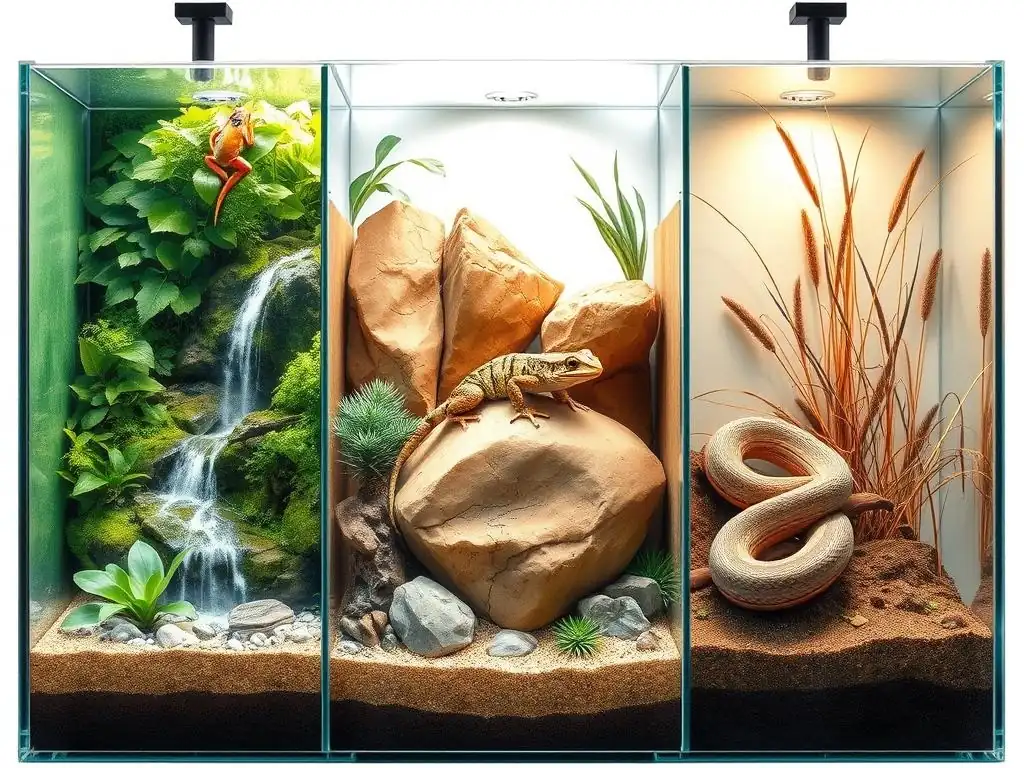
This section delves into the creation of specialized reptile terrariums, moving beyond basic setups to cater to the specific needs of diverse reptile species. Understanding the nuances of each reptile's natural habitat is crucial for providing optimal care and promoting their well-being. This guide will explore three distinct terrarium types: vivariums for tropical reptiles, desert terrariums for arid-loving species, and rainforest terrariums for high-humidity dwellers.
Successfully establishing these advanced setups will significantly enhance your reptile's quality of life and contribute to its long-term health. A well-designed terrarium mimics the natural environment, minimizing stress and maximizing the chances of a thriving pet. This is key to achieving the best reptile terrarium setup possible.
Setting up a Vivarium for Tropical Reptiles
Tropical reptiles, such as certain species of geckos and tree frogs, require a humid, warm environment that replicates their natural rainforest or jungle habitat. Creating a thriving vivarium involves careful consideration of several key factors.
The first step is selecting the appropriate enclosure. Glass terrariums with good ventilation are ideal. Size is critical; it should provide ample space for the reptile to move freely and express natural behaviors. A larger enclosure is generally better than a smaller one, allowing for more complex habitat design and reducing stress.
Substrate selection is crucial for maintaining humidity. A mix of coco coir, peat moss, and cypress mulch provides excellent drainage and moisture retention. A layer of leaf litter adds visual appeal and provides enrichment. Maintaining appropriate humidity levels is essential; a hygrometer is necessary to monitor and adjust humidity using misting or a fogger. Regular misting, especially in drier periods, helps to replicate the natural rainfall patterns of the tropical environment.
Temperature gradient is equally important. Using heat lamps or under-tank heaters creates a thermal gradient, allowing the reptile to thermoregulate by moving between warmer and cooler areas. A thermometer is crucial for monitoring temperature fluctuations and ensuring they remain within the reptile's preferred range. Remember, consistency is key; sudden temperature changes can be detrimental to your reptile's health.
Finally, appropriate plants and decor contribute to the aesthetic appeal and provide hiding places and climbing opportunities. Live plants, such as bromeliads and orchids, not only enhance the visual appeal but also help maintain humidity. Providing branches and cork bark allows for climbing and basking. Careful selection of non-toxic plants and materials is vital for the safety of your reptile.
Creating a Desert Terrarium for Reptiles Requiring Arid Conditions
Desert reptiles, such as leopard geckos and certain species of tortoises, thrive in dry, warm conditions. Creating a successful desert terrarium requires a different approach than that of a tropical vivarium. The focus is on mimicking the arid landscape, emphasizing proper temperature control, substrate selection, and limited humidity.
The substrate is a key component. A well-draining substrate is essential to prevent moisture buildup, which can lead to fungal growth and other health problems. Sand, mixed with a small amount of reptile-safe topsoil, provides a suitable base. Avoid substrates that retain excessive moisture.
Temperature regulation is crucial in a desert terrarium. Employ under-tank heaters or heat rocks to establish a thermal gradient, ensuring that one side of the terrarium is significantly warmer than the other. A thermometer and thermostat are essential to maintain a consistent temperature range, preventing overheating or chilling. Remember, desert reptiles require significant basking areas to regulate their body temperature effectively.
Humidity should be kept low. Regular misting is generally unnecessary and can be detrimental. Proper ventilation is vital to prevent moisture buildup. A hygrometer will allow you to monitor humidity levels and make adjustments if necessary. Regular cleaning is important to remove waste and prevent the growth of mold or bacteria.
Decor should reflect the natural environment. Rocks, driftwood, and sparse vegetation mimic the desert landscape. Avoid overcrowding with plants or decor; desert environments are characterized by sparse vegetation. Providing hiding places, such as rocks or caves, is important for the reptile's security and stress reduction. This helps minimize stress and encourages natural behaviors.
Designing a Rainforest Terrarium for High Humidity Reptiles
Rainforest terrariums are designed for reptiles that require high humidity levels, such as certain species of dart frogs and some arboreal snakes. These setups mimic the lush, humid environments of tropical rainforests. Maintaining high humidity is the primary focus, requiring careful attention to substrate, ventilation, and regular misting.
The substrate should retain moisture effectively. A mix of coco coir, sphagnum moss, and leaf litter provides excellent drainage and humidity retention. The substrate should be kept consistently moist but not waterlogged. Avoid substrates that compact easily or retain excessive water.
Maintaining high humidity levels is paramount. Regular misting, multiple times daily, is essential. A fogger can also be used to increase humidity. A hygrometer is crucial to monitor humidity levels and adjust misting accordingly. A consistently high humidity level is essential for the health and well-being of your reptile.
Ventilation is crucial, despite the need for high humidity. Adequate ventilation prevents the buildup of mold and bacteria. Ensure that the terrarium has sufficient ventilation openings, but avoid excessive airflow that would quickly dry out the environment.
Temperature and lighting are also important factors. Use a combination of heat lamps and under-tank heaters to maintain a suitable temperature gradient. Providing supplemental lighting is also vital for stimulating plant growth, especially if using live plants. The specific temperature and light requirements will vary depending on the specific reptile species. Remember to research your specific reptile's needs thoroughly before setting up the terrarium. A well-maintained rainforest terrarium provides a thriving and enriching environment for your high-humidity reptile.
Advanced Techniques for Creating Realistic and Bioactive Terrariums
Creating a truly thriving reptile terrarium goes beyond simply providing the basics. Advanced techniques, such as building bioactive terrariums, elevate the enclosure from a simple habitat to a self-sustaining ecosystem, mimicking the reptile's natural environment much more closely. This approach offers significant advantages, including reduced maintenance and a more enriching environment for your reptile.
One key aspect of creating a realistic and bioactive terrarium is understanding the concept of a substrate layer. This isn't just about providing a surface for your reptile to walk on; it's about establishing a complex system supporting beneficial bacteria and microorganisms. A typical bioactive substrate might include layers of drainage material (like lava rock), a bio-active layer (a mix of topsoil, coco coir, and leaf litter), and a top layer of decorative substrate (e.g., sand, bark chips).
This layered approach allows for proper drainage, prevents waterlogging, and supports the microbial community essential for breaking down waste. The careful selection and proportioning of these components are crucial for success. Insufficient drainage can lead to mold and bacterial imbalances, while insufficient organic matter will hinder the development of the beneficial microbial community.
Furthermore, introducing cleanup crews is pivotal. These are small invertebrates like springtails and isopods that play a vital role in waste decomposition. Springtails are particularly effective at consuming mold and decaying organic matter, preventing the build-up of unpleasant smells and potential health hazards. Isopods, on the other hand, break down larger waste particles.
The balance between the different cleanup crew members is important; too many isopods, for example, might outcompete the springtails, leading to an imbalance in the system. Careful research and planning are crucial to ensure a harmonious and effective cleanup crew. The density of the cleanup crew should be carefully considered based on the size of the terrarium and the size of the reptile. Overpopulation can lead to problems, while underpopulation might lead to insufficient waste breakdown.
Beyond the substrate and cleanup crew, the careful selection and placement of live plants significantly contributes to a realistic and bioactive environment. Plants not only enhance the aesthetic appeal but also provide hiding places, humidity regulation, and enrichment for your reptile. Choosing species appropriate to your reptile’s specific needs and the terrarium's climate is crucial.
Some reptiles might require specific plants for basking or foraging, while others might be sensitive to certain plant species. Thorough research into the specific needs of your reptile is essential before introducing any plants. Furthermore, the plants themselves will contribute to the overall ecosystem, further reducing maintenance and creating a more naturalistic environment.
Finally, maintaining proper humidity and ventilation is paramount in a bioactive terrarium. The substrate layer plays a role in humidity regulation, but additional measures might be needed depending on the species and the terrarium's climate. Adequate ventilation is essential to prevent the build-up of harmful gases and maintain healthy air circulation.
This delicate balance between humidity and ventilation is crucial for both the reptile and the bioactive ecosystem. Regular monitoring of humidity and temperature is recommended to ensure optimal conditions are maintained. Investing in quality humidity and temperature monitoring equipment can be extremely beneficial in maintaining a stable and healthy environment.
Best Reptile Terrarium Setup Guide: Final Thoughts and Resources
Creating the best reptile terrarium setup isn't a one-size-fits-all endeavor. The ideal environment depends heavily on the specific species you're housing. Remember, careful research into your reptile's individual needs is paramount to its health and longevity. This guide provides a solid foundation, but always consult reputable sources and veterinary professionals for species-specific advice.
Failing to provide appropriate care can lead to serious health issues and even death for your pet. Prioritize creating a safe, comfortable, and stimulating environment that closely mimics your reptile's natural habitat. The investment in time and resources will be richly rewarded by a thriving and happy companion.
Checklist for a Successful Reptile Terrarium Setup
Before you even think about purchasing your reptile, ensure you have a solid plan for its housing. Use this checklist to make sure you're prepared:
- [x] Species Research: Thoroughly research the specific needs of your chosen reptile species (temperature, humidity, substrate, lighting, etc.). This is the most crucial step.
- [x] Terrarium Selection: Choose a terrarium of the appropriate size and type (glass, wood, etc.) for your reptile's adult size. Consider future growth! A cramped terrarium is a recipe for stress.
- [x] Substrate Selection: Select a safe and appropriate substrate that mimics your reptile's natural environment and allows for proper drainage and hygiene. Avoid substrates that are dusty or could be ingested.
- [x] Heating and Lighting: Acquire appropriate heating and lighting equipment (heat lamps, UVB lights) to maintain the correct temperature and UVB gradient. Invest in a reliable thermometer and hygrometer to monitor these factors.
- [x] Humidity Control: Implement methods to maintain the correct humidity level, using misting systems, water bowls, or humidity-retaining substrates as needed. This is particularly important for tropical species.
- [x] Hiding Places: Provide ample hiding places and cover to reduce stress and allow your reptile to feel secure. Use natural materials like cork bark or rocks.
- [x] Water Source: Offer a clean and accessible water source, ensuring it is regularly changed and cleaned. The size and type of water dish depends on the reptile.
- [x] Enrichment: Include environmental enrichment such as branches, rocks, or plants to provide climbing opportunities and stimulate natural behaviors.
- [x] Quarantine: If acquiring a reptile from a breeder or pet store, quarantine it for several weeks to observe for any signs of illness before introducing it to your established terrarium.
- [x] Regular Maintenance: Establish a regular cleaning and maintenance schedule to prevent the build-up of waste and maintain a healthy environment.
Where to Buy Reptile Supplies: Reputable Online and Offline Retailers
Finding reliable sources for your reptile supplies is key. Look for retailers with a strong reputation for quality products and excellent customer service. Beware of overly cheap options, as these may compromise the quality and safety of your reptile's environment.
| Retailer Type | Advantages | Disadvantages | Considerations |
|---|---|---|---|
| Online | Wide selection, competitive pricing, convenience | Shipping costs, potential for damaged goods | Read reviews carefully, check return policies. |
| Local Pet Stores | Immediate access, expert advice (sometimes) | Limited selection, potentially higher prices | Ask about their reptile care expertise and sourcing. |
| Specialty Breeders | High-quality animals, often knowledgeable | Can be more expensive, limited availability | Prioritize ethical breeders prioritizing animal welfare. |
Remember to always inspect your purchases carefully upon arrival. Don't hesitate to contact the retailer if you have any concerns about the quality or condition of the supplies. A healthy reptile depends on a healthy environment, and that starts with quality supplies from reputable sources.
Community Resources and Online Forums for Reptile Enthusiasts
Connecting with other reptile keepers is a fantastic way to learn, share experiences, and troubleshoot problems. Online forums and local reptile clubs offer a wealth of knowledge and support. However, always critically evaluate information found online; not all advice is created equal. Prioritize information from experienced keepers and reputable sources.
Participating in these communities allows you to:
- Learn from the experiences of others.
- Get advice on specific reptile care issues.
- Share your own experiences and knowledge.
- Find reputable breeders and suppliers.
- Stay up-to-date on the latest reptile care techniques.
Remember that responsible reptile ownership requires ongoing learning and adaptation. Embrace the opportunity to connect with other enthusiasts and continue expanding your knowledge to ensure the well-being of your scaly friend. The best reptile terrarium setup is a constantly evolving process, shaped by learning and refinement.
Frequently Asked Questions
What size terrarium do I need for my reptile?
The size of the terrarium depends on your reptile's adult size and species. Research your specific reptile's needs to ensure you provide enough space for comfortable movement and basking. Too small a space can lead to stress and health problems.
What kind of substrate is best for my reptile terrarium?
The best substrate depends on your reptile's species and habits. Some popular choices include paper towels (easy to clean), coconut fiber (good humidity retention), and reptile carpet. Avoid substrates that can be ingested and cause impaction.
How do I maintain the proper temperature and humidity levels?
Use a reliable thermometer and hygrometer to monitor temperature and humidity. You'll likely need heat lamps or pads and potentially misting systems to maintain the correct levels, depending on your reptile's specific needs. Consistent monitoring is crucial.
What kind of lighting is necessary for my reptile terrarium?
Reptiles need UVB and UVA lighting for proper calcium absorption and overall health. The type and strength of the bulb will depend on the species. Ensure the bulb is the correct distance from your reptile to avoid burns.
What are the essential accessories for a reptile terrarium?
Essential accessories include a water dish, hiding places, climbing structures, and appropriate heating and lighting equipment. The specific accessories will vary based on your reptile's species and behavior. Consider what your reptile needs to thrive.
Final Reflection: Cultivating Thriving Habitats, Nurturing Responsible Ownership
Creating the perfect reptile terrarium isn't just about aesthetics; it's about providing a life-sustaining environment for a vulnerable creature. The choices we make – from substrate selection to thermal gradient creation – directly impact the health and well-being of our scaled companions. This guide has explored the crucial elements, but the responsibility extends far beyond the initial setup.
The journey of responsible reptile ownership is a continuous learning process, a testament to our commitment to understanding and respecting these fascinating animals. Their silent lives, often misunderstood, hold a quiet dignity that demands our attention and care. The greatness of a nation and its moral progress can be judged by the way its animals are treated.
- Mahatma Gandhi. This quote, while broad in scope, speaks to the ethical considerations inherent in keeping any animal, highlighting the importance of our actions and their ripple effect.
Now, consider your own role in this delicate ecosystem. Will you take the knowledge gained here and apply it to create a truly thriving habitat for your reptile? Will you continue to learn, adapt, and refine your approach based on your pet's individual needs? The future of responsible reptile keeping rests on our collective commitment to providing the best possible care, ensuring these magnificent creatures continue to thrive under our stewardship.
Unleash Your Inner Herpetologist: Build the Perfect Habitat!
Thank you for exploring the world of reptile care with us! We hope you've gained valuable insights into creating a thriving environment for your scaled companion. Now it's time to put your knowledge into practice.
- Design your dream terrarium: Begin designing your reptile's new home, considering its specific needs. Think about the appropriate size, substrate type, hiding places, and enrichment items to ensure comfort and happiness. Let your creativity shine!
- Share your progress (and questions!): Join our PetCareWorld community forum and share photos of your terrarium's construction. Connect with fellow reptile enthusiasts, ask questions, and let's build a supportive network together.
- Source high-quality materials: Now that you have a plan, gather the necessary supplies. Remember to prioritize quality materials to ensure your reptile's health and well-being.
Ready to transform your vision into reality? What aspect of your dream terrarium are you most excited to build?