
Temperature's Impact on Reptile Respiratory Health: Maintaining the Right Environment


Welcome to PetCareWorld, your ultimate guide to the fascinating world of pet care! Are you ready to unlock the secrets to a thriving and healthy pet? We delve into every aspect of animal companionship, from playful puppies to majestic reptiles. This article explores the critical link between reptile respiratory health and temperature, revealing how maintaining the right environment can be the key to your scaly friend's well-being. Discover the vital information you need to ensure your reptile thrives – explore the fascinating world of reptile care now!
- Understanding Reptile Respiratory Systems and Temperature Sensitivity
- Optimal Temperature Ranges for Common Reptile Species
- Maintaining the Ideal Temperature for Reptile Respiratory Health
- Preventing Respiratory Infections Through Proper Temperature Control
- Recognizing and Addressing Temperature-Related Respiratory Issues
- Case Study: Leopard Gecko and Temperature-Related Respiratory Illness
-
Frequently Asked Questions
- What is the ideal temperature range for maintaining reptile respiratory health?
- How does temperature affect a reptile's respiratory system?
- What are the signs of respiratory problems in reptiles?
- Can humidity levels also impact reptile respiratory health?
- How can I prevent respiratory issues in my reptile?
- Final Reflection: The Vital Link Between Temperature and Reptile Respiratory Wellness
- Unlock Your Reptile's Respiratory Potential!
Understanding Reptile Respiratory Systems and Temperature Sensitivity
Reptiles, unlike mammals and birds, are ectothermic, meaning they rely on external sources of heat to regulate their body temperature. This thermoregulation plays a crucial role in virtually every aspect of their physiology, including respiratory function. Maintaining the optimal temperature range for your reptile is paramount to their overall health and well-being, especially concerning their respiratory system.
This article delves into the intricate relationship between temperature and reptile respiratory health, exploring how temperature fluctuations can impact their breathing, and how to identify and address potential problems. Understanding these factors is key to providing responsible and effective care for your scaly companion, preventing serious respiratory illnesses and ensuring a long, healthy life. We'll examine the delicate balance required to maintain optimal respiratory health in reptiles, focusing specifically on how temperature plays a pivotal role in preventing and managing respiratory infections, a common ailment among these fascinating creatures.
The information provided here will empower you to create a thriving environment for your reptile, reducing the risk of respiratory issues and promoting their overall well-being. This is particularly important given the sensitivity of reptile respiratory systems to even minor environmental changes.
Thermoregulation and its Role in Reptile Breathing
Reptilian respiratory systems are directly influenced by their body temperature, which is, in turn, dictated by their environment. Metabolic processes, including the rate and efficiency of gas exchange in the lungs, are significantly affected by temperature. For example, a reptile kept at a temperature too far below its preferred optimal temperature range (POTR) will experience slowed metabolism, leading to sluggish breathing and reduced oxygen uptake.
Conversely, excessively high temperatures can lead to dehydration and increased respiratory rate, potentially stressing the system and making it more susceptible to infections. The POTR varies greatly depending on the species; therefore, researching the specific needs of your reptile is critical. Failure to provide an appropriate thermal gradient within the enclosure can lead to respiratory compromise, hindering their ability to effectively breathe and process oxygen.
Understanding your reptile's specific needs regarding temperature is therefore paramount to maintaining healthy respiratory function. Accurate temperature monitoring using reliable thermometers is essential to ensure your reptile is within its optimal range. 🔥
The Impact of Temperature Fluctuations on Respiratory Function
Fluctuations in temperature, even seemingly minor ones, can significantly impact a reptile's respiratory health. Rapid drops in temperature can cause a sudden decrease in metabolic rate, potentially leading to respiratory depression and increased susceptibility to infections. Similarly, sudden increases in temperature can cause dehydration, making the respiratory tract more vulnerable to pathogens. Consistent, stable temperatures within the reptile's POTR are therefore crucial. This stability minimizes stress on the respiratory system and helps maintain optimal function.
Furthermore, prolonged exposure to temperatures outside the POTR can lead to chronic respiratory problems and weaken the immune system, making the reptile more vulnerable to disease. Maintaining a consistent temperature is thus a crucial preventative measure against respiratory infections. Consider using a thermostat to regulate heating elements to ensure consistent temperatures within the enclosure. 🌡️
Recognizing the signs of temperature-related respiratory problems is crucial for timely intervention. These can include:
- Open-mouth breathing: While some reptiles may exhibit this behavior normally, excessive or prolonged open-mouth breathing, especially when accompanied by other symptoms, can indicate a respiratory issue.
- Wheezing or clicking sounds: These audible respiratory sounds are indicative of airway obstruction or inflammation.
- Lethargy and reduced activity: A reptile struggling to breathe will likely show decreased activity levels and appear lethargic.
- Nasal discharge: A runny nose can be a sign of a respiratory infection, often exacerbated by temperature stress.
- Changes in appetite and hydration: Respiratory problems can lead to decreased appetite and dehydration.
If you observe any of these symptoms, immediately assess your reptile's enclosure temperature and humidity levels. If temperatures are outside the optimal range, take corrective action promptly. Consult a veterinarian specializing in reptiles for diagnosis and treatment. Early intervention is key to improving the chances of a full recovery. 🐢 Ignoring these signs can lead to severe respiratory complications and potentially fatal outcomes.
Optimal Temperature Ranges for Common Reptile Species
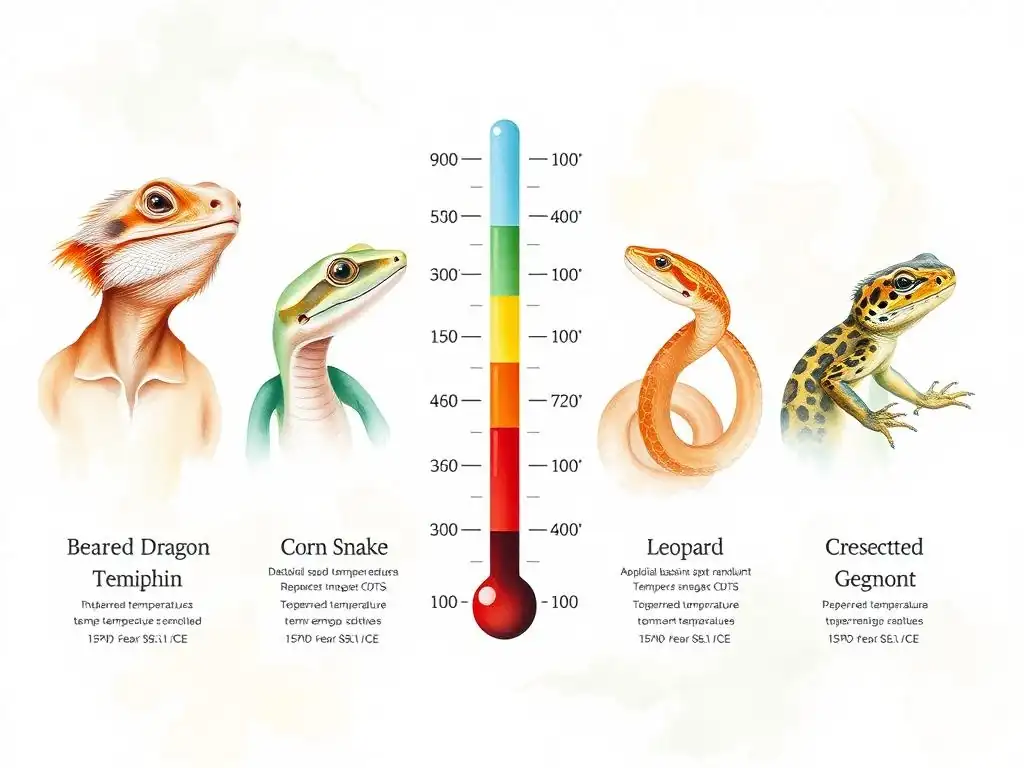
Maintaining the correct temperature is paramount for reptile respiratory health. Fluctuations outside the optimal range can significantly weaken a reptile's immune system, making them highly susceptible to respiratory infections. Understanding and precisely controlling your reptile's environment is crucial for preventing illness and ensuring their overall well-being. This section details the specific temperature requirements for some common reptile species, highlighting the importance of maintaining a consistent thermal gradient within their enclosures.
Failure to provide the appropriate temperature can lead to a range of respiratory problems, from mild sniffles to life-threatening pneumonia. Remember, even small variations can have a significant impact on a reptile's delicate respiratory system. Always consult with a veterinarian specializing in reptiles for species-specific guidance.
Temperature Requirements for Leopard Geckos
Leopard geckos ( Eublepharis macularius) are popular pets due to their relatively docile nature and ease of care. However, even with these relatively low-maintenance creatures, maintaining the correct temperature is vital for their respiratory health. Leopard geckos thrive in a temperature gradient, meaning different areas of their enclosure should have varying temperatures.
- Basking Spot: A basking spot, typically provided by a heat mat placed on one side of the enclosure, should reach temperatures between 88-92°F (31-33°C). This allows them to thermoregulate effectively and digest food properly. A consistently cooler temperature in this area can lead to poor digestion and a weakened immune system, increasing the risk of respiratory infections.
- Cool Side: The opposite side of the enclosure should be significantly cooler, ranging from 75-80°F (24-27°C). This cool side provides a refuge from the heat and allows the gecko to regulate its body temperature throughout the day. A lack of a cool side forces the gecko to remain in higher temperatures, potentially leading to stress and respiratory issues.
- Nighttime Temperatures: Nighttime temperatures should remain relatively stable, ideally between 70-75°F (21-24°C). Significant drops can stress the reptile and impact its respiratory function.
Temperature Requirements for Corn Snakes
Corn snakes ( Pantherophis guttatus) are another common reptile kept as pets, known for their docile temperament and beautiful patterns. Maintaining the appropriate temperature gradient is essential for their respiratory health and overall well-being.
| Temperature Zone | Temperature Range (°F) | Temperature Range (°C) | Importance |
|---|---|---|---|
| Warm Side | 88-92 | 31-33 | Essential for digestion, thermoregulation, and immune function. |
| Cool Side | 75-80 | 24-27 | Allows the snake to regulate its body temperature and avoid overheating. |
| Ambient | 70-75 | 21-24 | Maintains overall enclosure temperature and prevents extreme fluctuations. |
Consistent monitoring of these temperatures is critical. Inconsistent or incorrect temperatures can result in respiratory infections, lethargy, and difficulty shedding. A thermometer with a probe placed in each zone is highly recommended. Remember, even slight deviations from the optimal range can negatively impact a corn snake's respiratory system.
Temperature Requirements for Red-Eared Sliders
Red-eared sliders ( Trachemys scripta elegans) are aquatic turtles requiring both basking and aquatic areas maintained within precise temperature ranges for optimal respiratory health. Maintaining the correct temperature is especially important for these semi-aquatic reptiles as it directly affects their immune system and ability to fight off infections.
Maintaining the correct water temperature is crucial. The water should be kept consistently between 75-80°F (24-27°C). Colder water can slow down their metabolism, impacting their immune system and making them more prone to respiratory illnesses. The basking area should be warmer, around 90-95°F (32-35°C). This provides a place for them to thermoregulate and dry off, which is essential for preventing respiratory infections.
A lack of a proper basking area can lead to pneumonia and other respiratory problems. Regular water changes and filtration are also important for maintaining water quality and reducing the risk of infections. Remember, a clean and properly temperature-controlled environment is key to preventing respiratory problems in red-eared sliders. Improper temperatures can directly lead to weakening of the immune system, making them vulnerable to various respiratory infections.
Maintaining the Ideal Temperature for Reptile Respiratory Health
Maintaining the correct temperature is paramount for reptile respiratory health. Fluctuations, whether too hot or too cold, can significantly weaken a reptile's immune system, making them more susceptible to respiratory infections. This section delves into the practical methods for ensuring your reptile's environment is thermally suitable, directly impacting their ability to fight off illness and breathe easily.
Understanding and managing temperature is crucial for preventing and treating reptile respiratory problems. The optimal temperature range varies greatly depending on the species; therefore, thorough research specific to your reptile is essential. Failure to maintain the correct temperature can lead to a cascade of problems, from lethargy and decreased appetite to full-blown respiratory infections requiring veterinary intervention.
Utilizing Heat Lamps and Basking Spots
Heat lamps provide crucial localized heat, mimicking the natural basking behavior of many reptiles. They are especially important for creating a thermal gradient within the enclosure, allowing the reptile to thermoregulate effectively. This means they can move to warmer areas when they need to raise their body temperature and cooler areas to lower it. Different types of heat lamps exist, including incandescent, ceramic, and infrared.
Incandescent lamps produce both heat and light, mimicking the sun, while ceramic and infrared emit primarily heat. The choice depends on the species and their specific needs. For example, diurnal species (active during the day) often benefit from incandescent lamps, providing both heat and a natural day/night cycle. Nocturnal species, however, might require ceramic or infrared heat emitters that don't disrupt their sleep patterns.
It's crucial to position heat lamps correctly to avoid burns. The distance from the basking spot to the lamp should be carefully monitored and adjusted as needed, using a thermometer to ensure the temperature remains within the safe and recommended range. Always use a protective guard around the lamp to prevent accidental contact and potential burns. Regularly inspect the lamp for damage; cracked or broken bulbs should be replaced immediately to prevent fire hazards. Furthermore, consider using a timer to simulate natural day-night cycles, further enhancing the reptile's well-being and reducing stress, contributing to improved respiratory health.
Utilizing Under Tank Heaters (UTHs)
Under Tank Heaters (UTHs) provide a consistent, radiant heat source from below the substrate. These are particularly useful for species that prefer a warmer substrate temperature for digestion and overall comfort. Unlike heat lamps, UTHs don't emit light, making them ideal for nocturnal species or those that prefer a darker environment.
However, it's crucial to avoid overheating the substrate, as this can lead to burns or respiratory problems due to the inhalation of heated dust particles. Always use a thermostat with a UTH to prevent overheating. The thermostat will automatically cut the power to the UTH when the desired temperature is reached, preventing dangerous temperature spikes.
The correct placement of the UTH is also important. It should be placed on one side of the enclosure, allowing for a thermal gradient. Never place it directly under the water bowl, as this can lead to rapid temperature changes and stress. Regularly check the temperature of the substrate at various points within the enclosure using a thermometer to ensure even heat distribution and avoid "hot spots" that could harm your reptile.
Furthermore, the type of substrate used can also impact the efficiency and safety of UTHs. Loose substrates like sand can retain heat differently than more compact substrates like tile. Choosing an appropriate substrate is an important part of maintaining a safe thermal environment.
Monitoring and Adjusting Temperatures with Thermometers and Thermostats
Accurate temperature monitoring is crucial for maintaining reptile respiratory health. Using multiple thermometers – one for the basking spot and another for the cool side of the enclosure – is essential to ensure a proper thermal gradient is maintained. Digital thermometers are generally preferred for their accuracy and ease of use. However, analog thermometers can also be useful as a backup. Regularly check and record the temperatures, noting any significant fluctuations. This data will help you identify potential problems and adjust the heating system as needed.
Thermostats are vital for automatically regulating the temperature, preventing dangerous overheating or chilling. They work by turning the heating device (heat lamp or UTH) on and off as needed to maintain a set temperature. A reliable thermostat is an investment that can significantly reduce the risk of respiratory problems caused by temperature fluctuations. Always choose a thermostat specifically designed for reptile enclosures, and ensure it is properly calibrated and functioning correctly.
Regularly check the thermostat's accuracy against your thermometers. Failure to monitor and adjust temperatures appropriately can lead to significant health risks, including fatal respiratory infections. A proactive approach, using accurate equipment and regular monitoring, is key to ensuring your reptile thrives.
Preventing Respiratory Infections Through Proper Temperature Control

Maintaining the optimal temperature range for your reptile is paramount to preventing respiratory infections. Reptiles are ectothermic, meaning they rely on external sources of heat to regulate their body temperature. Fluctuations or extremes in temperature can significantly weaken their immune systems, making them highly susceptible to bacterial, viral, and fungal respiratory infections. This section delves into the crucial role of temperature control in bolstering your reptile's respiratory health and overall well-being. Understanding the intricacies of thermoregulation is key to responsible reptile ownership and preventing costly and stressful veterinary visits. The proper temperature isn't just about comfort; it's about survival.
The Link Between Temperature Stress and Respiratory Infections
Temperature stress, whether excessively high or low, directly impacts a reptile's respiratory system. Exposure to cold temperatures can lead to hypothermia, slowing metabolic processes, including immune function. A weakened immune response leaves the reptile vulnerable to opportunistic pathogens that can easily cause respiratory infections. Conversely, excessively high temperatures can cause hyperthermia, leading to dehydration and stress, further compromising the immune system and increasing susceptibility to respiratory illnesses.
Consider the example of a bearded dragon kept consistently below its optimal temperature range. Its sluggish metabolism will hinder its ability to fight off common bacteria like Salmonella or Pseudomonas, frequently implicated in reptile respiratory infections. Similarly, a snake exposed to prolonged periods of high heat may experience dehydration, impacting mucous membrane function and making it more vulnerable to respiratory infections. The ideal temperature range must be consistently maintained, avoiding both extremes for optimal reptile respiratory health temperature.
Creating a Stable Thermal Gradient in the Enclosure
Creating a thermal gradient within your reptile's enclosure is crucial for preventing respiratory infections. A thermal gradient refers to a range of temperatures within the enclosure, allowing your reptile to thermoregulate effectively by moving to different zones based on its needs. This is especially vital for larger enclosures housing multiple reptiles.
This can be achieved through the strategic placement of heat sources such as heat lamps or under-tank heaters (UTHs). The warmest area should ideally be at one end of the enclosure, gradually decreasing in temperature towards the other end. Providing both basking and ambient temperature zones is crucial.
A properly established thermal gradient allows the reptile to choose its preferred temperature, which helps maintain its optimal body temperature and strengthens its immune system. This proactive approach significantly reduces the risk of temperature stress and associated respiratory problems. Remember to use accurate thermometers to monitor both basking spot and ambient temperatures.
Regular Enclosure Maintenance to Prevent Temperature Issues
Regular maintenance of your reptile's enclosure is essential for maintaining a stable and appropriate temperature range. This includes:
- Regular cleaning: Removing waste and uneaten food prevents the build-up of ammonia and other harmful substances that can affect the overall environment and potentially contribute to respiratory issues. A clean environment also ensures better airflow and heat distribution.
- Inspecting and replacing heating elements: Regularly inspect heat lamps and UTHs for damage or malfunction. A faulty heating element can lead to temperature fluctuations, putting your reptile at risk. Replace them promptly as needed.
- Monitoring temperature and humidity: Use multiple accurate thermometers and hygrometers to monitor both temperature and humidity levels throughout the enclosure. This allows for timely adjustments to maintain optimal conditions, preventing temperature fluctuations that can compromise reptile respiratory health temperature.
- Proper ventilation: Ensure adequate ventilation to prevent the build-up of moisture and ammonia, which can exacerbate respiratory problems. Good airflow helps maintain a stable temperature and prevents the formation of stagnant air pockets.
Maintaining the correct reptile respiratory health temperature through careful planning, diligent monitoring, and regular maintenance is not just a best practice; it's a critical factor in ensuring the long-term health and well-being of your reptile companion. Proactive measures significantly reduce the likelihood of costly and stressful respiratory infections. Remember, a healthy reptile is a happy reptile!
Maintaining the correct temperature is paramount for reptile respiratory health. Deviations from the optimal thermal range can significantly impact a reptile's ability to breathe efficiently, leading to various respiratory problems. This section focuses on identifying and addressing temperature-related respiratory issues in reptiles, emphasizing the crucial role of proper thermoregulation in preventing these conditions.
Understanding the link between temperature and respiratory function is key to responsible reptile ownership. Failure to provide appropriate thermal gradients can result in serious, even fatal, consequences. This is especially critical for species with specific temperature requirements, highlighting the need for meticulous monitoring and adjustment of environmental conditions.
Symptoms of Temperature-Induced Respiratory Distress
Temperature fluctuations can manifest in various respiratory symptoms. Reptiles experiencing respiratory distress due to improper temperatures might exhibit:
- Open-mouth breathing: This is a common sign, indicating the reptile is struggling to obtain sufficient oxygen. It's often accompanied by labored breathing, visible ribcage movement, and increased respiratory rate.
- Lethargy and weakness: A reptile suffering from temperature-induced respiratory problems might become lethargic, less active, and display a general lack of energy. They may also be reluctant to move or eat.
- Changes in coloration: Some reptiles might exhibit changes in skin coloration, such as pallor or darkening, as a consequence of respiratory compromise. This is often associated with reduced oxygen saturation in the blood.
- Nasal discharge: While not always directly linked to temperature, nasal discharge can be a symptom of secondary infections that often develop in reptiles with compromised respiratory systems due to temperature stress. The discharge might be clear, mucoid, or even purulent.
- Difficulty shedding: Temperature plays a vital role in shedding. Improper temperatures can weaken the reptile, hindering its ability to shed its skin properly, which can further compromise its respiratory system.
The severity of these symptoms varies depending on the species, the magnitude of the temperature fluctuation, and the duration of exposure. Early recognition of these signs is crucial for timely intervention and improving the chances of a positive outcome. Remember, prevention is always better than cure. Maintaining a stable and appropriate thermal gradient is the best way to avoid temperature-related respiratory problems.
Veterinary Care for Respiratory Problems in Reptiles
Veterinary intervention is essential when dealing with reptile respiratory issues. A veterinarian specializing in reptiles (a herpetologist) will be able to accurately diagnose the underlying cause of the problem and recommend the appropriate treatment. The vet will perform a thorough physical examination, which may include:
- Visual inspection: Assessing the reptile's overall appearance, including posture, activity level, and respiratory effort.
- Auscultation: Listening to the reptile's lungs using a stethoscope to detect abnormal sounds like wheezing or crackling.
- Radiography (X-rays): Imaging the respiratory system to identify any abnormalities like pneumonia or lung infections.
- Blood tests: Evaluating the reptile's overall health and identifying any underlying conditions that might be contributing to the respiratory problem.
Accurate diagnosis is critical for effective treatment. The veterinarian will consider various factors, including the reptile's species, age, history, and clinical signs to determine the best course of action. Delaying veterinary care can lead to complications and reduce the chances of a full recovery. Early diagnosis and intervention are crucial for improving the prognosis.
Treatment Options and Prognosis
Treatment for temperature-induced respiratory problems in reptiles varies depending on the severity and underlying cause. It might include:
| Treatment Option | Description |
|---|---|
| Environmental correction: | Adjusting the temperature and humidity to the optimal range for the species. |
| Supportive care: | Providing fluids, nutritional support, and maintaining optimal environmental conditions. |
| Antibiotics: | Administered if a bacterial infection is present. |
| Anti-fungals: | Used if a fungal infection is suspected. |
| Bronchodilators: | May be used to help open the airways. |
The prognosis depends on the severity of the condition, the species of reptile, and the promptness of veterinary intervention. Early diagnosis and appropriate treatment significantly improve the chances of a full recovery. However, severe cases can lead to long-term complications or even death. Preventative measures, such as maintaining the correct temperature and humidity, are crucial for minimizing the risk of respiratory problems and ensuring the well-being of your reptile companion. 🌡️ Remember that proactive reptile care is the best approach to ensuring their respiratory health.
This section details a real-world example of how improper temperature regulation directly impacted the respiratory health of a leopard gecko, highlighting the crucial link between reptile respiratory health temperature and overall well-being. Understanding this case can help pet owners better manage their reptile's environment and prevent similar issues.
Initial Symptoms and Diagnosis
A three-year-old leopard gecko, named Leo, presented with several concerning symptoms. His owner noticed a significant decrease in appetite, coupled with lethargy and a noticeable gaping of the mouth, indicative of respiratory distress. Leo also exhibited labored breathing, with audible wheezing sounds. Initially, the owner attributed the lethargy to a simple shedding cycle, delaying veterinary intervention.
However, the worsening respiratory symptoms prompted a visit to a reptile specialist. The veterinarian performed a thorough physical examination, including auscultation (listening to the lungs) and visual inspection of the mouth and nasal passages. Radiographic imaging (X-rays) revealed mild pneumonia, likely bacterial in origin. The veterinarian strongly suspected that the underlying cause was linked to prolonged exposure to suboptimal temperatures within Leo's enclosure.
The owner admitted to keeping Leo in a room with fluctuating temperatures, often dropping below the recommended range for leopard geckos (75-85°F or 24-29°C). Consistent cool temperatures are known to suppress the immune system in reptiles, making them more susceptible to respiratory infections. The diagnosis of temperature-related pneumonia was confirmed.
Treatment Plan and Results
The treatment plan for Leo involved several key interventions, all aimed at addressing both the immediate respiratory infection and the underlying environmental issues. The veterinarian prescribed an appropriate course of antibiotics, tailored to treat the suspected bacterial infection. Furthermore, Leo was placed in a temporary enclosure with a precisely controlled temperature gradient, ensuring a warm basking spot and a cooler area to regulate his body temperature. The veterinarian also stressed the importance of consistent humidity levels within the enclosure.
Throughout the treatment period, Leo's progress was closely monitored. He was weighed daily to assess his hydration status, and his respiratory rate and effort were carefully observed. Within a week of treatment, Leo showed a marked improvement in his respiratory function.
The wheezing gradually subsided, and his breathing became less labored. His appetite also returned, and his overall lethargy decreased significantly. After two weeks of antibiotic treatment and environmental modifications, Leo was considered recovered.
Long-Term Management and Prevention
Following his recovery, Leo was returned to his original enclosure, but with crucial environmental modifications. A reliable thermostat and thermometer were installed to maintain consistent temperatures within the recommended range (75-85°F or 24-29°C). The owner was educated on the importance of providing a thermal gradient and using appropriate heating devices, avoiding direct heat sources that could cause burns.
A detailed schedule for cleaning and disinfecting the enclosure was implemented to minimize the risk of future infections. Regular veterinary checkups were also recommended to monitor Leo’s respiratory health and overall well-being. This case highlights the critical importance of maintaining appropriate reptile respiratory health temperature for leopard geckos and other reptiles.
Consistent temperature regulation, coupled with proper hygiene and husbandry practices, is key to preventing respiratory infections and ensuring the long-term health of these fascinating creatures. Failure to address these factors can significantly impact a reptile's immune system, making them vulnerable to a range of health problems. Prevention is always better than cure when it comes to reptile respiratory health.
Frequently Asked Questions
What is the ideal temperature range for maintaining reptile respiratory health?
The ideal temperature range varies greatly depending on the specific reptile species. Research your reptile's specific needs to ensure you provide the correct basking and ambient temperatures. Incorrect temperatures can weaken their immune systems, making them susceptible to respiratory issues.
How does temperature affect a reptile's respiratory system?
Low temperatures can slow down metabolic processes, including respiration, leading to lethargy and increased susceptibility to infections. High temperatures can cause dehydration and stress, also impacting respiratory function and potentially leading to heatstroke.
What are the signs of respiratory problems in reptiles?
Signs include gaping mouth breathing, wheezing or clicking sounds, nasal discharge, lethargy, and changes in appetite. If you notice any of these symptoms, consult a veterinarian immediately for proper diagnosis and treatment.
Can humidity levels also impact reptile respiratory health?
Yes, inappropriate humidity can exacerbate respiratory problems. Both excessively dry and humid environments can negatively impact the respiratory system. Maintaining the correct humidity level is crucial for optimal respiratory health.
How can I prevent respiratory issues in my reptile?
Maintaining the correct temperature and humidity is key. Ensure proper ventilation in the enclosure to prevent stale air buildup. Regular cleaning and disinfection of the enclosure are also vital to prevent the spread of infections. A balanced diet and regular veterinary checkups are crucial too.
Final Reflection: The Vital Link Between Temperature and Reptile Respiratory Wellness
Maintaining optimal temperatures is not merely a convenience for reptile keepers; it's a fundamental cornerstone of their respiratory health and overall well-being. Failure to understand and address the critical role temperature plays in a reptile's respiratory system can have devastating consequences, leading to illness, suffering, and even death. This is a reality that impacts every reptile owner, from seasoned breeders to first-time enthusiasts.
The delicate balance between environmental temperature and a reptile's respiratory function is a fascinating and often overlooked aspect of herpetology. Understanding this intricate relationship has profoundly shaped my own approach to reptile care, emphasizing preventative measures and proactive monitoring. The best medicine is prevention.
This simple adage holds particularly true in the world of reptile husbandry, where a proactive approach to temperature regulation can prevent countless respiratory issues. The subtle shifts in behavior, the barely perceptible changes in breathing patterns – these are the early warning signs that a keeper must learn to recognize and respond to effectively.
Now, consider your own reptile companions. Are you providing them with the precise temperature range their species requires? Are you monitoring their environment consistently, ensuring that fluctuations are minimal? Take the time to research the specific needs of your reptile, and make the necessary adjustments to their enclosure to ensure their respiratory health. By understanding and acting upon the information presented in this article, you can empower yourself to become a more responsible and effective reptile caregiver, ensuring the health and happiness of your scaled friends for years to come.
Unlock Your Reptile's Respiratory Potential!
Thanks for exploring the world of reptile respiratory health! You've learned how crucial temperature control is to your reptile's well-being. Ready to put this knowledge into practice?
- Prioritize precise temperature regulation: Understand your reptile's specific temperature requirements and adjust its environment accordingly. This is the most important step you can take to ensure its respiratory health. Regularly check the temperature gradient within the enclosure to ensure it meets your reptile's needs.
- Monitor and record daily temperatures: Maintain a detailed log to track temperature fluctuations and identify potential problems early. This simple habit can significantly improve your reptile's health and well-being.
- Share your reptile care journey!: Connect with other reptile enthusiasts on our forums – share your successes and challenges, and learn from the experiences of others. The community can offer invaluable support and advice.
What small adjustment will you make today to improve your reptile's respiratory health?