
Dealing with Reptile Ticks: Safe Removal and Aftercare

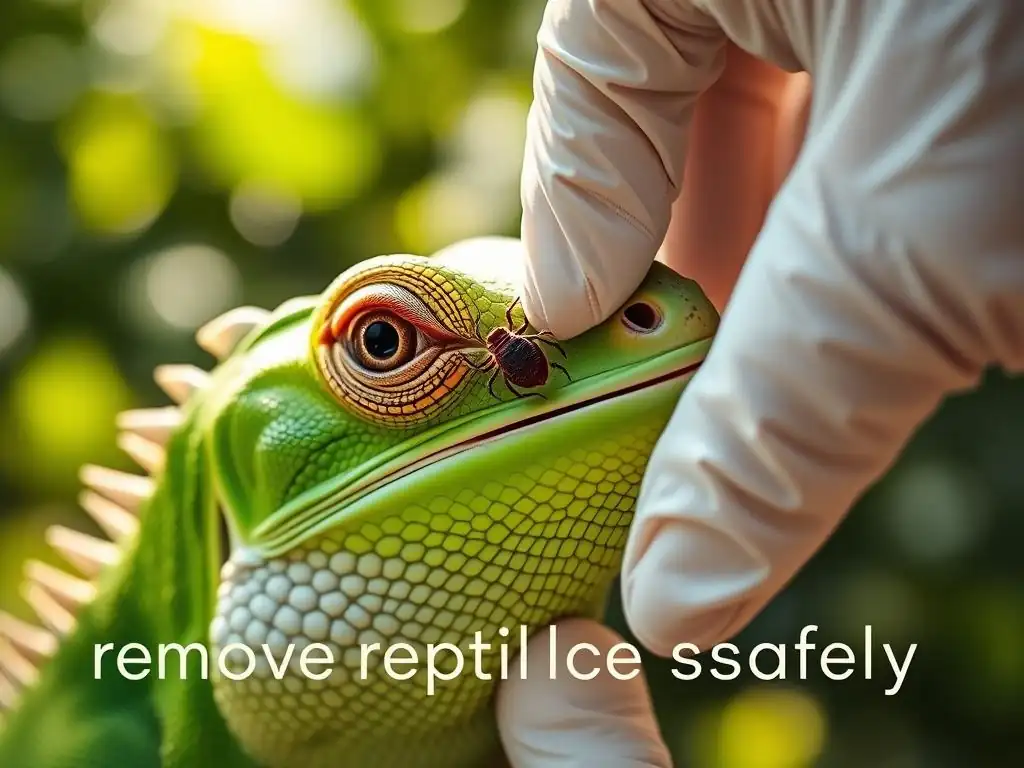
Welcome to PetCareWorld, your ultimate guide to a happier, healthier life for your beloved animal companions! Are you facing the challenge of reptile ticks? We understand the concern, and that's why we've created this comprehensive guide on how to safely remove reptile ticks and provide the best possible aftercare. Discover expert advice and practical solutions to ensure your scaly friend remains thriving. Dive in and learn the techniques that will keep your pet safe and tick-free.
- Identifying Reptile Ticks: Types and Appearance
- Safe Removal of Reptile Ticks: Step-by-Step Guide
- Post-Removal Care for Your Reptile
- Preventing Reptile Tick Infestations
- Understanding Reptile Tick-Borne Diseases
- Frequently Asked Questions
- Final Reflection: The Enduring Threat and Triumph Over Reptile Ticks
- Ready to Tackle Tick Troubles?
Identifying Reptile Ticks: Types and Appearance
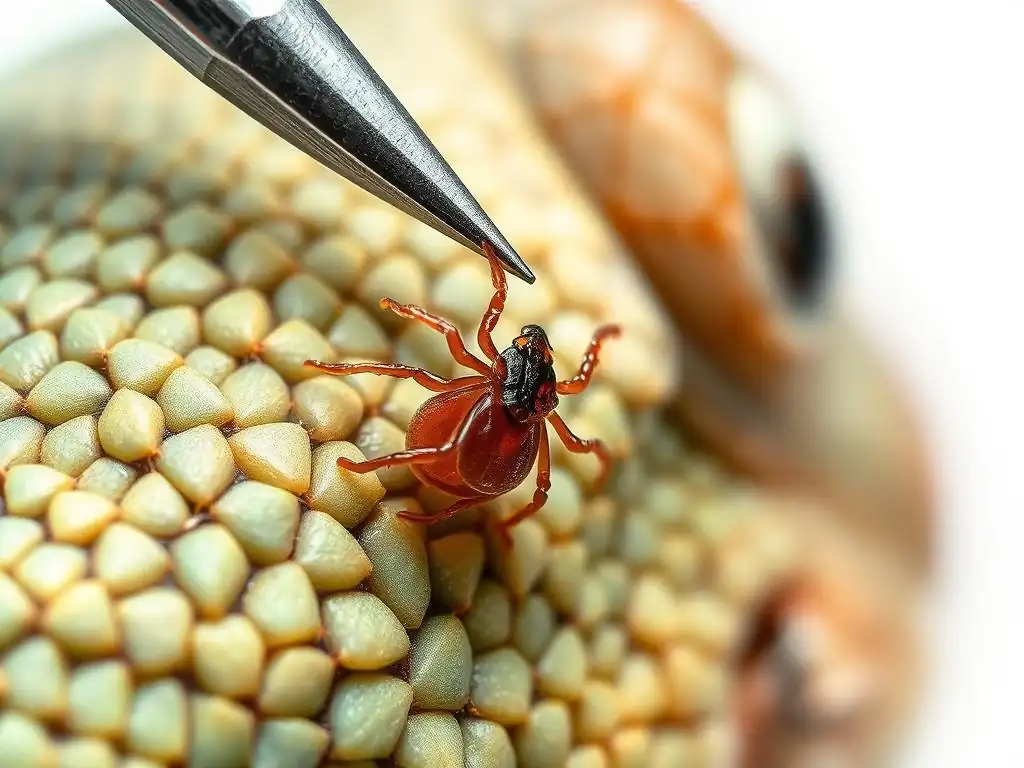
Reptiles, like other animals, are susceptible to various parasites, and ticks are a common concern for many reptile owners. This comprehensive guide will equip you with the knowledge and techniques to safely remove ticks from your reptile and provide the necessary aftercare to ensure its well-being. We'll cover identifying different tick species, differentiating them from other parasites, recognizing the signs of tick bites, and most importantly, the safe and effective removal process.
Understanding how to deal with reptile ticks is crucial for maintaining the health and happiness of your scaled companion, and this article will serve as your essential resource for navigating this common reptile health issue. Successfully removing reptile ticks safely is paramount to preventing potential health complications, and this guide will empower you to handle these situations confidently and effectively.
Common Tick Species Affecting Reptiles
Several tick species can infest reptiles, varying in size, appearance, and preferred host. While precise identification often requires microscopic examination by a veterinarian, understanding common characteristics can help you recognize a potential infestation. For example, Amblyomma ticks are known for their large size and often infest larger reptiles. In contrast, smaller species like Ixodes ticks may be more difficult to spot but can still cause significant problems if left untreated.
[Specific information pending: A table detailing common tick species found on reptiles, including their size, appearance, and typical hosts.] Accurate identification is important, as different species may require slightly varied removal techniques and aftercare protocols. Remember, early detection is key to minimizing potential health risks for your reptile.
Distinguishing Ticks from Other Parasites
It's crucial to differentiate ticks from other parasites that might affect reptiles, such as mites or lice. Ticks are typically larger and have eight legs, unlike mites which are significantly smaller and may have fewer legs. Lice, on the other hand, are often more elongated and move more rapidly across the reptile's skin. [Specific information pending: Include images or detailed descriptions of common reptile parasites for visual comparison].
Misidentification can lead to inappropriate treatment, potentially harming your reptile. If you're unsure about the type of parasite affecting your reptile, consulting a veterinarian specializing in reptiles is always recommended. Proper identification is the first step towards effective treatment and parasite prevention.
Recognizing Tick Bites on Reptiles
Tick bites on reptiles can manifest in several ways. You might observe small, reddish welts or inflamed areas on the skin, especially around the head, neck, or limbs – areas where ticks often attach themselves. In some cases, there might be minor bleeding or scabbing at the bite site. Some reptiles might exhibit lethargy, loss of appetite, or unusual behavior following a tick bite, indicating potential infection or blood loss.
However, not all tick bites cause visible symptoms. Regularly inspecting your reptile for ticks, even if you don't see immediate signs of bites, is a crucial preventative measure. Early detection is critical in preventing serious health complications resulting from tick infestations. Remember, a proactive approach is the best way to maintain your reptile's health and well-being.
Safe Removal of Reptile Ticks: Step-by-Step Guide
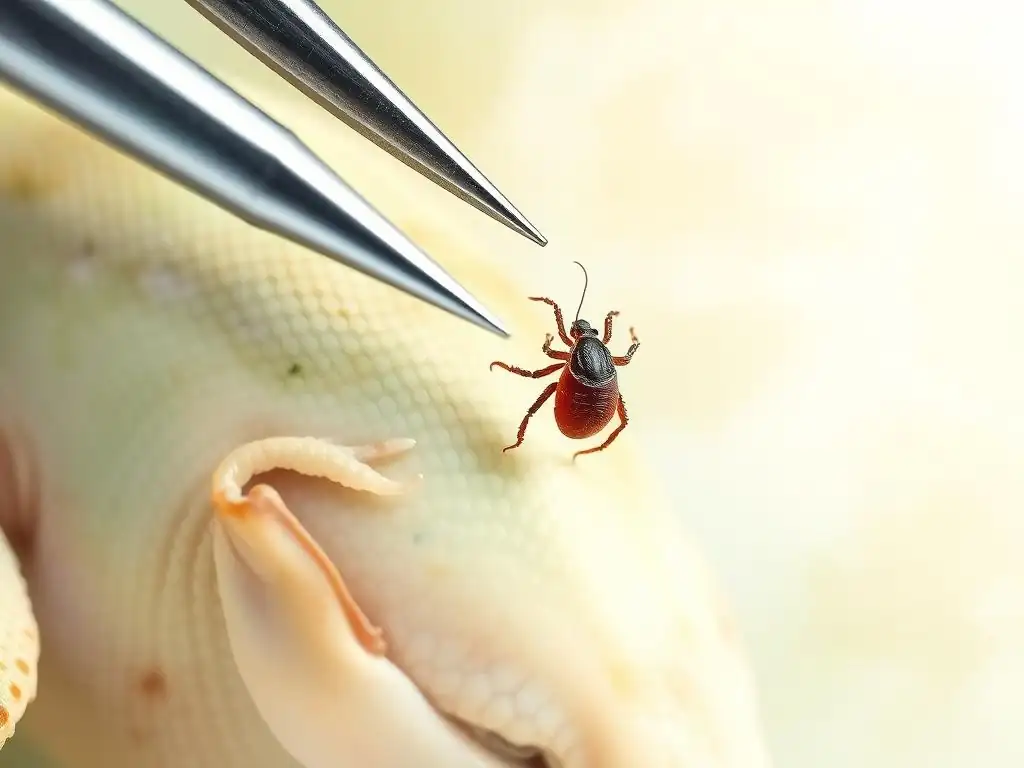
This section details the crucial steps involved in safely removing ticks from your reptile. Remember, improper removal can lead to complications, so careful attention to detail is paramount. We'll cover assessing the tick's attachment, gathering the necessary supplies, and finally, the proper techniques for removal. Successfully removing reptile ticks safely is crucial for your pet's well-being.
Assessing the Tick's Attachment
Before attempting to remove a tick, carefully examine its attachment to your reptile. The level of embedding dictates the removal technique. A tick that's only partially embedded might be easier to remove than one deeply burrowed into the skin. Look for signs of inflammation or irritation around the tick bite. Note the tick's size and any visible signs of engorgement (a swollen, larger-than-usual tick indicates it has been feeding for some time).
This assessment will inform your choice of removal method and help you anticipate potential challenges. Accurate assessment is key to removing reptile ticks safely. For example, a deeply embedded tick may require a different approach than one that is superficially attached. Consider taking photos to document the tick's appearance and location before attempting removal. This will be helpful for veterinary consultation if needed.
Gathering Necessary Supplies for Tick Removal
Having the right tools ready before you begin is crucial for a smooth and safe tick removal process. The necessary supplies minimize the risk of injury to your reptile and ensure efficient tick extraction. You will need:
- Fine-tipped tweezers: These are essential for grasping the tick close to the reptile's skin. Avoid using your bare hands.
- Isopropyl alcohol (70%): This will help disinfect the area before and after removal.
- Cotton swabs: These are useful for applying the alcohol and cleaning the area.
- Small container: A sealed container (like a small jar or zip-top bag) to dispose of the tick safely after removal.
- Gloves: Always wear gloves to protect yourself from potential pathogens.
- Magnifying glass (optional): This can help you get a clearer view of the tick and its attachment point, especially for smaller reptiles.
Proper Techniques for Removing Reptile Ticks
The method for removing a reptile tick depends on its size and how deeply it's embedded. Always remember to prioritize your reptile's safety and avoid squeezing or crushing the tick, as this can increase the risk of disease transmission.
- For Superficially Attached Ticks: Use fine-tipped tweezers to grasp the tick as close to the reptile's skin as possible. Pull upwards with steady, even pressure. Avoid twisting or jerking, as this can break off the tick's mouthparts and leave them embedded in the skin.
- For Deeply Embedded Ticks: If the tick is deeply embedded, it's best to consult a veterinarian. They have the expertise and tools to safely remove the tick and assess your reptile for any complications. Attempting to remove a deeply embedded tick yourself could cause more harm than good.
After removing the tick, disinfect the area with isopropyl alcohol using a cotton swab. Carefully place the removed tick in a sealed container for disposal. Monitor your reptile for any signs of infection or adverse reactions in the following days. Any unusual swelling, redness, or discharge warrants immediate veterinary attention. Remember, prevention is key. Regularly inspect your reptile for ticks and maintain a clean and hygienic environment to minimize the risk of infestation. Knowing how to remove reptile ticks safely is a crucial skill for every responsible reptile owner.
Preventing Tick-Borne Diseases During Removal
Preventing the transmission of potential diseases during tick removal is paramount. Reptiles, like mammals, can harbor various pathogens within ticks. While the risk might be lower than in mammals, it's crucial to take precautions. The primary concern is avoiding direct contact with the tick's bodily fluids, which might contain infectious agents. This necessitates the use of appropriate tools and techniques.
One of the most effective methods is using fine-tipped tweezers. These allow for a precise grip on the tick's body, close to the skin's surface, minimizing the risk of squeezing the tick and forcing potential pathogens into the reptile's bloodstream. Avoid using your bare hands; always wear gloves, preferably disposable nitrile gloves, to ensure complete protection. Dispose of the gloves properly after use.
After removing the tick, carefully disinfect the tweezers and any surfaces that may have come into contact with the tick. A solution of diluted bleach or isopropyl alcohol (70% concentration) is effective. Thoroughly clean the area on your reptile where the tick was attached using a mild antiseptic solution, again avoiding direct contact with the tick's remains. Observe your reptile closely for any signs of infection or unusual behavior in the days following tick removal. These might include lethargy, loss of appetite, swelling at the bite site, or changes in skin coloration.
If any of these symptoms appear, consult a veterinarian specializing in reptiles immediately. Early intervention is key to managing any potential complications. Remember, prevention is always better than cure, and proactive measures significantly reduce the risk of tick-borne diseases in your reptile companion. Regular tick checks and prompt removal are essential components of responsible reptile ownership.
Post-Removal Care for Your Reptile
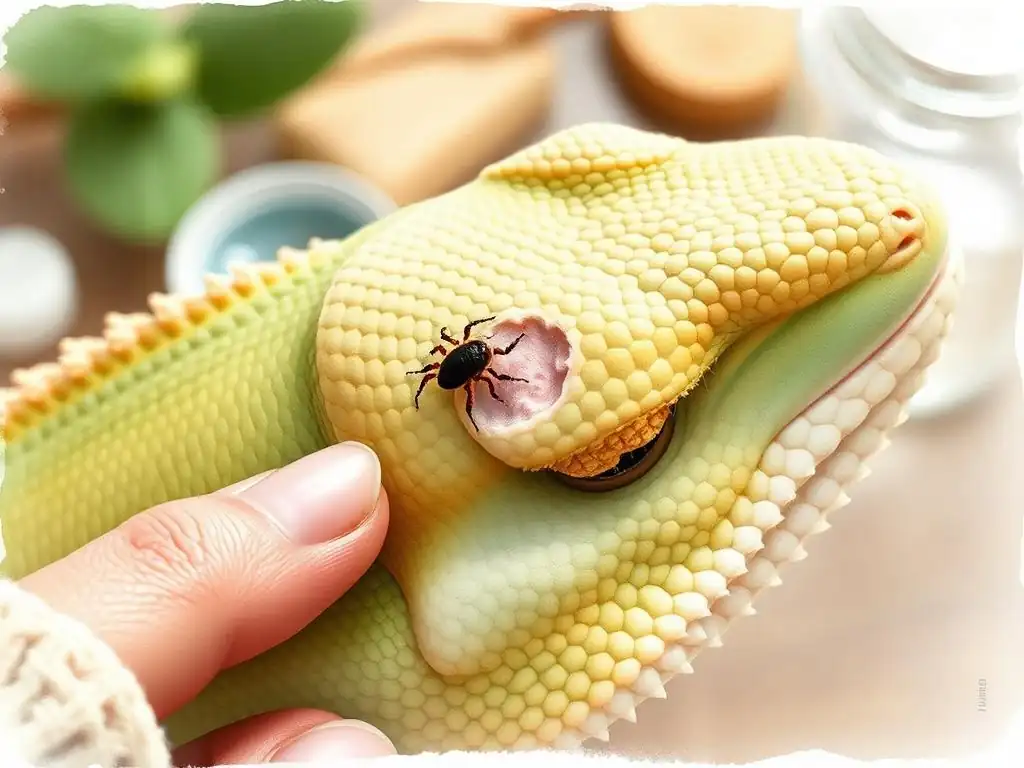
After successfully removing a tick from your reptile, proper aftercare is crucial to prevent infection and ensure your pet's well-being. This involves meticulous cleaning of the bite area, vigilant monitoring for infection, and knowing when professional veterinary intervention is necessary. Remember, even seemingly minor tick bites can lead to complications if not managed correctly. This section focuses on the essential steps to take after tick removal to promote your reptile's healing and recovery. The goal is to remove reptile ticks safely and effectively minimize any potential long-term consequences.
Cleaning and Disinfecting the Bite Area
Cleaning the bite area is the first and most important step in post-tick removal care. The area may be slightly inflamed and potentially contaminated with tick saliva, which can introduce bacteria. Gentle cleaning is key to avoid further irritating the sensitive skin of your reptile.
Begin by carefully washing the affected area with a mild antiseptic solution. Avoid using harsh chemicals or soaps, as these can damage your reptile's delicate skin. A diluted solution of chlorhexidine or povidone-iodine is generally recommended. For smaller reptiles, a cotton swab dampened with the solution is ideal for precise application. For larger reptiles, you can use a soft cloth.
Gently pat the area dry with a clean, absorbent cloth. Avoid rubbing, which could further irritate the skin and potentially spread any remaining bacteria. After cleaning, closely observe the area for any signs of swelling, redness, or pus. These are all indicators that may require further intervention. Document the cleaning process and any observations in your reptile's care log for future reference. This detailed record will be invaluable in tracking your reptile’s progress and identifying any potential issues early on.
Monitoring Your Reptile for Signs of Infection
Following the cleaning, consistent monitoring is paramount. Regularly inspect the bite area for any signs of infection. These signs can vary depending on the reptile species and the severity of the bite, but common indicators include:
- Increased swelling or redness around the bite site.
- Pus or other discharge from the wound.
- Lethargy or unusual behavior, such as loss of appetite or decreased activity.
- Localized heat around the bite area.
- Limping or difficulty moving if the bite is on a limb.
Maintaining a detailed record of your reptile's behavior and any changes in its condition is crucial. Note the date and time of the tick removal, along with any observations made during the cleaning process and subsequent monitoring. Take photographs of the bite area to document any changes over time. This proactive approach will help you quickly identify any potential complications and seek timely veterinary care if needed. This is especially important for removing reptile ticks safely and preventing severe health consequences. Remember, early detection significantly improves the chances of successful treatment.
When to Seek Veterinary Care for Tick Bites
While many tick bites heal without complications, it's crucial to know when professional veterinary assistance is necessary. Don't hesitate to contact a veterinarian specializing in reptiles if you observe any of the following:
- Significant swelling or inflammation: If the swelling extends beyond the immediate bite area or is accompanied by significant redness, it's a sign of potential infection.
- Presence of pus or discharge: Any pus or foul-smelling discharge from the wound indicates a bacterial infection requiring treatment.
- Systemic signs of illness: If your reptile displays lethargy, anorexia, or other systemic signs of illness, seek immediate veterinary care. These symptoms may suggest a more serious infection or a reaction to tick saliva.
- Difficulty moving or limping: If the tick bite is on a limb and your reptile shows signs of discomfort or difficulty moving, veterinary attention is crucial.
- Persistent bleeding: If the bite site continues to bleed for an extended period, it requires immediate veterinary intervention.
Prompt veterinary care is vital for removing reptile ticks safely and preventing serious complications. Don't delay seeking professional help if you have any concerns about your reptile's health following a tick bite. Early intervention can significantly improve the outcome and prevent long-term health problems. Your veterinarian will be able to assess the situation, provide appropriate treatment, and offer guidance on preventing future tick infestations.
Preventing Reptile Tick Infestations
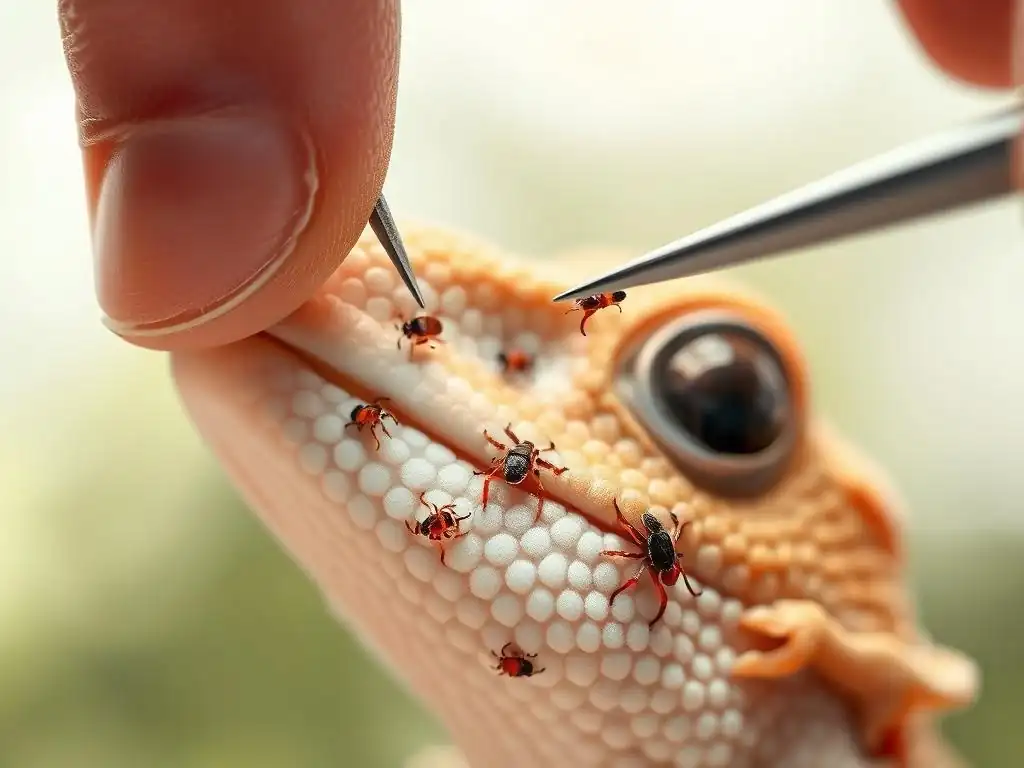
Preventing reptile tick infestations is crucial for maintaining the health and well-being of your scaled companion. Proactive measures significantly reduce the risk of these parasites attaching and potentially transmitting diseases. A multi-pronged approach encompassing enclosure hygiene, regular inspections, and the strategic use of preventative products offers the best defense against ticks. Remember, early detection and prevention are key to minimizing the impact of these pesky parasites and ensuring your reptile thrives. Let's delve into the specifics of effective prevention strategies.
Maintaining a Clean and Hygienic Enclosure
A clean and hygienic enclosure is the first line of defense against ticks. Ticks thrive in damp, dirty environments, so maintaining a pristine habitat significantly reduces their chances of survival and infestation. This involves a comprehensive cleaning routine, encompassing several key steps:
- Regular Substrate Cleaning: Replace or spot-clean the substrate (e.g., paper towels, reptile carpet, coconut fiber) frequently, depending on the type and the level of soiling. Aim for at least weekly spot cleaning and a complete substrate change every 2-4 weeks, or as needed. This removes tick larvae and eggs that may be present.
- Disinfection: Use a reptile-safe disinfectant to thoroughly clean the enclosure walls, floor, and any decorations. Pay close attention to crevices and corners where ticks may hide. Always rinse thoroughly with clean water after disinfection to eliminate any residual chemicals.
- Water Dish Hygiene: Clean and change the water in the water dish daily to prevent the breeding of insects and other potential tick vectors. A clean water source discourages the attraction of ticks and other parasites.
- Waste Removal: Promptly remove any fecal matter or uneaten food to minimize the attraction of insects that can carry ticks. This is especially important for species that produce a large amount of waste.
- Enclosure Ventilation: Ensure proper ventilation within the enclosure to prevent excessive humidity, creating an unfavorable environment for tick development. Good airflow helps to keep the environment dry and less attractive to ticks.
Regular Tick Checks and Prevention Strategies
Regular and thorough visual inspections of your reptile are essential for early detection of ticks. Even small ticks can cause significant problems if left untreated. A routine tick check should be part of your regular reptile care schedule.
- Frequency of Checks: Aim for at least weekly visual inspections, carefully examining your reptile's skin, particularly in areas with folds and creases. More frequent checks may be necessary for reptiles housed in environments with a higher risk of tick infestation.
- Inspection Techniques: Gently palpate your reptile's skin, feeling for any bumps or irregularities that may indicate the presence of ticks. Use a bright light to assist in the visual inspection, especially in darker areas.
- Behavioral Changes: Monitor your reptile for any behavioral changes, such as lethargy, loss of appetite, or unusual scratching, which could be indicative of a tick infestation. Early detection of such changes can help prevent serious complications.
- Quarantine: If you introduce a new reptile to your collection, quarantine it for at least 30 days to observe for any signs of parasites, including ticks, before introducing it to other reptiles. This helps to prevent the spread of parasites within your collection.
Using Tick Preventative Products for Reptiles
While preventative measures like hygiene and regular checks are crucial, certain reptile-specific tick preventative products can provide an extra layer of protection. Always consult your veterinarian before using any preventative product on your reptile to ensure its safety and suitability for your specific species.
- Topical Treatments: Some topical treatments are available for reptiles, but their efficacy and safety vary widely depending on the species. It's crucial to research products specifically designed for reptiles and to follow the manufacturer's instructions carefully.
- Environmental Treatments: Certain environmental treatments can help control tick populations within the enclosure. Again, always ensure that any product used is safe for your reptile and its environment. Never use products intended for mammals or birds on reptiles.
- Avoiding Insecticides: Avoid using household insecticides or pesticides in or around your reptile's enclosure. These products can be extremely toxic to reptiles and can cause serious health problems or even death. Always prioritize reptile-safe methods of tick control.
Remember, the key to successfully removing reptile ticks safely is prevention. By implementing these strategies, you significantly reduce the risk of infestation and contribute to the overall health and happiness of your reptile. Always consult with a veterinarian specializing in reptile care for personalized advice and guidance.
Environmental Control to Minimize Tick Exposure
Maintaining a clean and controlled environment is crucial in preventing tick infestations in your reptile's habitat. Ticks thrive in humid, cluttered environments with ample hiding places. Regular and thorough cleaning is paramount. This involves removing all substrate, disinfecting the enclosure with a reptile-safe disinfectant (always check the product label to ensure it's safe for your specific reptile species and won't harm them), and replacing the substrate with fresh, clean material. Avoid overcrowding the enclosure; ensure adequate space for your reptile to move freely and comfortably. Overcrowding increases the risk of parasite transmission.
Consider the humidity levels within the enclosure. While some reptiles require higher humidity, excessive moisture creates a breeding ground for ticks and other parasites. Invest in a reliable hygrometer to monitor humidity levels and adjust ventilation accordingly. Proper ventilation helps to regulate humidity and reduce the likelihood of tick infestations. Remember to regularly inspect the enclosure for any signs of mold or mildew, which often indicate excessive moisture and potentially harbor ticks. Addressing these issues promptly is vital.
The type of substrate you use also plays a role. Some substrates, such as loose soil or wood shavings, can provide ideal hiding places for ticks. Opt for substrates that are easier to clean and less likely to harbor parasites. Paper towels, reptile carpet, or specific reptile-safe substrates are better options. Regularly inspect the substrate for ticks, even with seemingly safer options. A thorough visual inspection is a crucial preventative measure. Remember to always handle your reptile with clean hands and avoid touching your face or other areas of your body after handling your pet to prevent accidental transmission.
Furthermore, controlling the introduction of ticks into the environment is essential. This includes carefully inspecting any plants or decorations added to the enclosure. Ticks can easily hitchhike on plants or other materials brought into the habitat. Quarantine any new additions to the enclosure for a period of time before introducing them to your reptile's main habitat.
This quarantine period allows you to monitor for any signs of parasites before they can potentially infest the entire enclosure. Regularly cleaning and disinfecting any equipment, such as feeding bowls and water dishes, will also help to minimize the risk of tick infestation. This comprehensive approach ensures a safer and healthier environment for your reptile.
Understanding Reptile Tick-Borne Diseases
Reptiles, while often perceived as hardy creatures, are susceptible to various parasites, including ticks. These tiny arachnids can transmit a range of diseases, impacting the health and well-being of your scaled companion. Understanding the potential risks associated with reptile ticks is crucial for responsible pet ownership and proactive parasite management.
Effective tick prevention and prompt treatment are key to minimizing the negative impact of these infestations. This section focuses on the diseases reptiles can contract from ticks, the symptoms to watch for, and the diagnostic and treatment approaches veterinarians utilize. Successfully removing reptile ticks safely is only the first step in ensuring your reptile's health.
Common Diseases Transmitted by Reptile Ticks
Several bacterial, viral, and rickettsial diseases can be transmitted to reptiles through tick bites. While research on reptile-specific tick-borne illnesses is ongoing, some pathogens known to affect other animals can also pose a threat to reptiles. The specific diseases a reptile might contract depend on several factors, including the species of tick, the geographical location, and the reptile's overall health. For example, Borrelia burgdorferi, the bacteria causing Lyme disease in mammals, has been found in some tick species that also feed on reptiles, though the impact on reptiles is not fully understood.
Similarly, certain species of Rickettsia bacteria, known to cause various diseases in mammals and birds, have been detected in ticks that parasitize reptiles. It's crucial to remember that the absence of readily observable symptoms doesn't necessarily mean the absence of infection. Early detection is key to effective treatment.
Symptoms of Tick-Borne Illnesses in Reptiles
Recognizing the signs of a tick-borne illness in a reptile can be challenging, as symptoms can be subtle or mimic other conditions. Many illnesses present with non-specific signs, making diagnosis difficult without proper veterinary investigation. Some common symptoms to watch for include:
- Lethargy and decreased appetite: A significant change in your reptile's behavior, such as reduced activity levels and a loss of interest in food, could indicate an underlying illness.
- Swelling or inflammation: Localized swelling around the tick bite site or in other areas of the body may occur.
- Respiratory distress: Difficulty breathing, wheezing, or open-mouth breathing can be indicative of a severe infection.
- Skin lesions or changes in skin coloration: Observe for any unusual skin discoloration, rashes, or ulcerations.
- Dehydration: Check for sunken eyes, dry skin, and decreased skin turgor (elasticity).
- Neurological signs: In some cases, tick-borne illnesses can affect the nervous system, leading to tremors, paralysis, or unusual behavior.
It is important to note that these symptoms are not exclusive to tick-borne illnesses and can be associated with various other reptile health problems. Therefore, it is crucial to seek veterinary attention if you suspect your reptile is unwell.
Diagnosing and Treating Tick-Borne Diseases in Reptiles
Diagnosing tick-borne illnesses in reptiles requires a thorough veterinary examination. Veterinarians often use a combination of methods to reach a diagnosis, including:
- Physical examination: A comprehensive assessment of the reptile's overall health, including a careful check for ticks and other parasites.
- Blood tests: Blood samples can be analyzed to detect the presence of antibodies to specific pathogens, indicating a prior or current infection. However, these tests aren't always conclusive, as not all tick-borne diseases elicit a strong antibody response in reptiles.
- PCR testing: Polymerase chain reaction (PCR) testing can detect the presence of the pathogen's DNA or RNA in blood or tissue samples, providing a more sensitive and specific diagnosis. [Specific PCR tests available pending].
- Imaging techniques: X-rays or ultrasound may be used to assess the extent of any organ damage or inflammation.
Treatment for reptile tick-borne illnesses varies greatly depending on the specific pathogen and the severity of the infection. Treatment options may include:
- Antibiotics: For bacterial infections.
- Antiparasitics: To eliminate ticks and other parasites.
- Supportive care: This may include fluid therapy to combat dehydration, nutritional support to improve appetite, and medication to manage symptoms.
The prognosis for reptiles with tick-borne illnesses depends on several factors, including the early detection of the disease, the severity of the infection, and the overall health of the reptile. Prompt veterinary intervention is critical for improving the chances of a successful outcome. Remember, removing reptile ticks safely is crucial, but it's only the first step in a comprehensive approach to maintaining your reptile's health.
Frequently Asked Questions
How do I safely remove a tick from my reptile?
Use fine-tipped tweezers to grasp the tick as close to the reptile's skin as possible. Pull straight out with steady, even pressure. Avoid twisting or jerking.
What should I do after removing a tick from my reptile?
Clean the bite area with a mild antiseptic solution. Monitor your reptile for any signs of infection, such as swelling, redness, or lethargy. Contact a vet if you see any issues.
Are all ticks harmful to reptiles?
While many ticks are harmless, some can transmit diseases to reptiles. It's crucial to remove any ticks you find to minimize the risk of infection.
My reptile has multiple ticks. Should I remove them all at once?
It's best to remove one tick at a time to avoid stressing your reptile. If there are many, schedule multiple removal sessions to prevent overwhelming your pet.
When should I take my reptile to the vet after a tick removal?
Seek veterinary attention if you notice any signs of infection, such as swelling, discharge, or unusual behavior. Also, consult a vet if you're unsure about tick removal or have concerns about your reptile's health.
Final Reflection: The Enduring Threat and Triumph Over Reptile Ticks
The safe removal of reptile ticks remains a crucial skill, not just for reptile enthusiasts, but for anyone who ventures into areas where these parasites thrive. Ignoring the threat can lead to serious health complications, highlighting the urgent need for widespread awareness and responsible handling.
The impact of reptile ticks extends beyond the immediate physical discomfort they cause; they represent a persistent challenge to responsible pet ownership and wildlife conservation. The potential for disease transmission underscores the importance of preventative measures and informed action. Prevention is always better than cure, and when dealing with parasites, this adage holds especially true.
This simple truth guides our approach to managing the risk, emphasizing proactive strategies alongside effective removal techniques. The ongoing education and sharing of knowledge within the community are vital in mitigating the impact of these tiny but significant threats.
You, the reader, now possess the knowledge to confidently tackle the challenge of reptile tick removal. Remember the steps outlined in this article, and share this information with others. By acting responsibly and proactively, we can collectively minimize the risks associated with reptile ticks and ensure the well-being of both our pets and the wildlife we share our environment with. Let's work together to create a safer space for all.
Ready to Tackle Tick Troubles?
Thank you for learning about safely removing reptile ticks and providing the best aftercare. You're now equipped with the knowledge to keep your scaly friend healthy and happy! Let's put that knowledge into practice.
- Prioritize safe tick removal: Practice the removal technique on a safe, inanimate object first, before attempting it on your reptile. Accurate and gentle removal is crucial for preventing injury and infection.
- Share your experience: Have you successfully removed a tick? Share your experience and any helpful tips or tricks in the comments below – others will appreciate your insights!
- Explore preventative measures: Now that you're aware of the threat of ticks, consider researching and implementing methods to minimize your reptile's exposure in the future. This could include habitat modifications or regular inspections.
Ready to confidently handle any tick situation?