
The Importance of Regular Fecal Exams for Reptile Parasite Detection

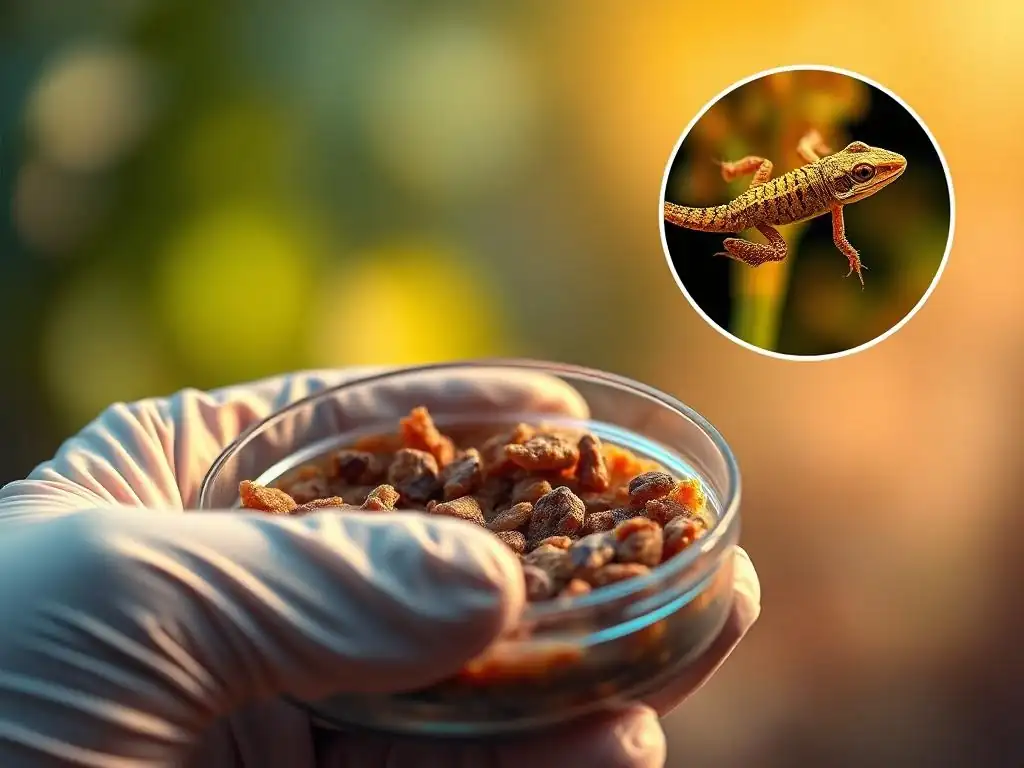
Welcome to PetCareWorld, your ultimate guide to a healthier, happier life for your beloved companion! Are you aware that seemingly healthy reptiles can harbor dangerous parasites? Discover the critical importance of regular fecal exams for accurate reptile parasite detection and learn how early intervention can safeguard your scaly friend's well-being. Dive into our comprehensive guide on reptile fecal exam parasite detection and unlock the secrets to proactive reptile care.
- Understanding Reptile Parasites and Their Impact
- The Crucial Role of Reptile Fecal Exams in Parasite Detection
- Interpreting Reptile Fecal Exam Results: Understanding Parasite Identification
- Preventative Measures for Minimizing Reptile Parasite Risk
- Choosing a Veterinarian for Reptile Parasite Care
- Case Study: Successful Reptile Parasite Detection and Treatment
- Frequently Asked Questions
- Final Reflection: The Silent Struggle: Protecting Our Scaly Companions
- Unveil Your Reptile's Health: Take Action Today!
Understanding Reptile Parasites and Their Impact
Reptiles, like all animals, are susceptible to a variety of internal and external parasites. Regular veterinary care, including fecal exams, is crucial for early detection and treatment of these parasites, which can significantly impact your reptile's health and well-being. This article will delve into the importance of regular fecal exams for detecting parasites in reptiles, highlighting the common parasites found in these fascinating creatures, the dangers of untreated infections, and the subtle symptoms that often go unnoticed by pet owners.
Early detection is key to effective treatment and preventing serious complications, ultimately ensuring a longer, healthier life for your scaled companion. Failing to address parasite infestations can lead to significant health problems and even death, making preventative measures like routine fecal exams an essential part of responsible reptile ownership.
This guide will provide you with the knowledge you need to advocate for your reptile's health and understand the crucial role of parasite detection in their overall care. Understanding the intricacies of reptile parasite detection, specifically through fecal exams, empowers you to be a more proactive and informed reptile owner.
Common Reptile Parasites: Identification and Symptoms
Several parasites can affect reptiles, each with unique characteristics and symptoms. Some common internal parasites include:
- Nematodes (roundworms): These are often asymptomatic in low numbers, but heavy infestations can cause weight loss, diarrhea, vomiting, and lethargy. Identifying nematodes requires microscopic examination of fecal samples.
- Cestodes (tapeworms): These segmented worms can cause similar symptoms to nematodes, including poor appetite, weight loss, and digestive disturbances. Visible segments of tapeworms may sometimes be found in the feces.
- Coccidians: These single-celled parasites cause diarrhea, dehydration, and weight loss. Diagnosis requires microscopic examination of fecal samples.
- Amoebas: Amoebic infections can lead to severe digestive issues, including bloody diarrhea and weight loss. Microscopic examination is necessary for diagnosis.
The symptoms of parasitic infections in reptiles can be subtle and easily overlooked. Owners should be vigilant and monitor their reptiles for any changes in behavior or appetite. Early detection through routine fecal exams is vital for effective treatment and improved prognosis. Accurate identification of the specific parasite is crucial for selecting the appropriate treatment, which may include medication, supportive care, and dietary adjustments. Remember, early intervention is key to preventing severe complications.
The Dangers of Untreated Parasite Infections in Reptiles
Untreated parasite infestations in reptiles can lead to a range of serious health consequences, including:
- Malnutrition: Parasites compete with the host for nutrients, leading to weight loss, weakness, and a compromised immune system.
- Dehydration: Diarrhea, a common symptom of parasitic infections, can cause significant fluid loss, leading to dehydration and electrolyte imbalances.
- Secondary Infections: Weakened immune systems make reptiles more susceptible to bacterial and viral infections.
- Organ Damage: Severe parasitic infections can damage internal organs, leading to organ failure and death.
- Death: In severe cases, untreated parasitic infections can be fatal.
The severity of the consequences depends on several factors, including the type of parasite, the intensity of the infestation, and the overall health of the reptile. Regular fecal exams help to minimize these risks by allowing for early detection and intervention. A proactive approach to parasite prevention and treatment is essential for maintaining the health and well-being of your reptile. Don't underestimate the potential dangers; regular veterinary check-ups are crucial for your reptile's long-term health.
Recognizing the Signs: Subtle Symptoms of Parasite Infestation in Reptiles
Early detection of parasite infections is crucial, as many symptoms are subtle and easily missed. These symptoms can include:
- Changes in Appetite: Reduced food intake or complete loss of appetite.
- Weight Loss: Significant weight loss despite adequate feeding.
- Lethargy: Increased inactivity and lack of energy.
- Diarrhea or changes in stool consistency: Watery or unusually frequent bowel movements.
- Regurgitation or Vomiting: Repeated regurgitation or vomiting of undigested food.
- Dehydration: Sunken eyes, dry skin, and decreased skin turgor.
- Changes in behavior: Unusual aggression, hiding, or other behavioral changes.
It's important to note that these symptoms can also be indicative of other health problems. A thorough veterinary examination, including a fecal exam, is necessary to determine the cause. Regular monitoring of your reptile's behavior and physical condition, coupled with routine veterinary care, is the best way to ensure early detection and prompt treatment of any parasitic infections. Don't hesitate to consult a veterinarian if you notice any of these signs in your reptile. Early intervention is critical for a positive outcome.
The Crucial Role of Reptile Fecal Exams in Parasite Detection
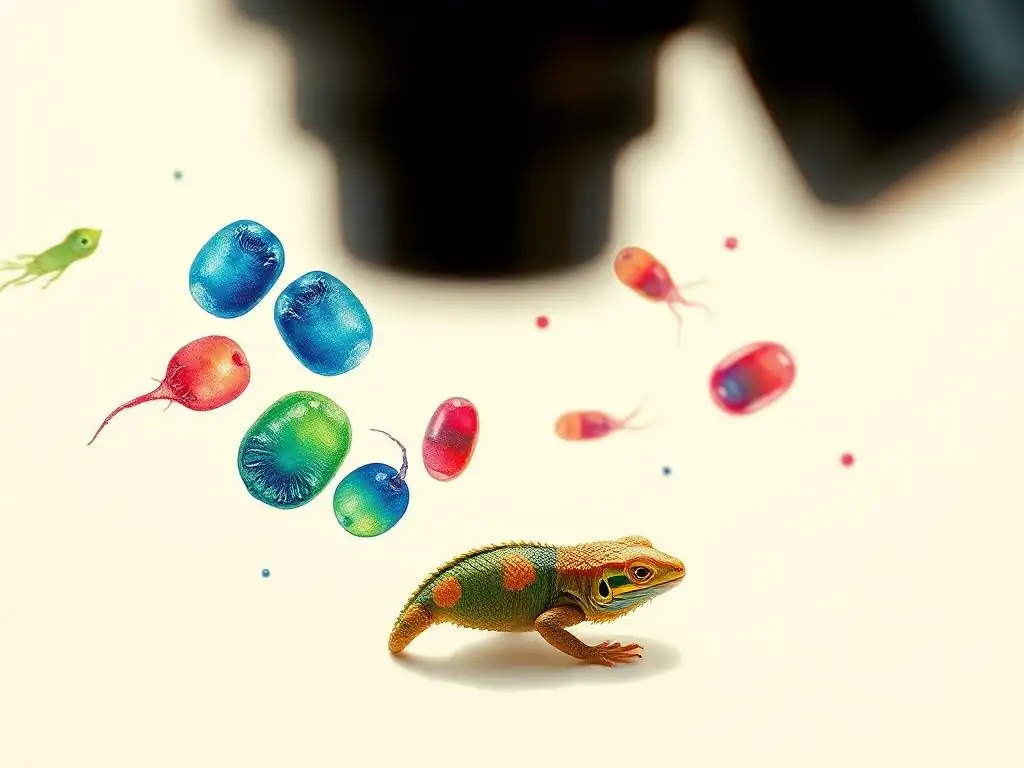
Reptile fecal exams are paramount for effective reptile fecal exam parasite detection. Many internal parasites in reptiles are asymptomatic in their early stages, meaning your pet might show no outward signs of illness despite harboring a significant infestation. This silent infection can lead to gradual deterioration of health, impacting appetite, weight, and overall vitality. Early detection through regular fecal exams is crucial for preventing these issues from escalating into life-threatening conditions.
The microscopic examination of fecal samples allows veterinarians to identify a broad spectrum of parasites, including common culprits like coccidians, nematodes, and various types of protozoa. Prompt identification and treatment significantly improve the prognosis and enhance the quality of life for your reptile companion. Ignoring parasite infestations can lead to irreversible organ damage, chronic illness, and ultimately, death. Therefore, proactive parasite screening via fecal exams is an indispensable part of responsible reptile ownership.
Why Fecal Exams are Essential for Proactive Reptile Healthcare
Regular fecal exams are the cornerstone of proactive reptile healthcare. Think of it as preventative maintenance for your scaly friend. Just as regular check-ups are vital for human health, fecal exams provide an early warning system for potential parasite problems. Early detection allows for prompt intervention, minimizing the severity of the infection and reducing the duration and cost of treatment.
Many internal parasites, if left unchecked, can cause significant damage to the digestive system, leading to malabsorption of nutrients and weight loss. This can weaken your reptile's immune system, making them more susceptible to secondary infections. Furthermore, some parasites can be zoonotic, meaning they can be transmitted to humans.
Regular fecal exams not only protect your reptile's health but also contribute to the safety and well-being of your household. The peace of mind that comes from knowing your reptile is parasite-free is invaluable. A healthy reptile is a happy reptile, and regular fecal exams are a key component in achieving that goal.
What to Expect During a Reptile Fecal Exam Procedure
The procedure itself is relatively straightforward. Your veterinarian will collect a fresh fecal sample from your reptile, typically by gently stimulating defecation or collecting a sample directly from the enclosure. The sample is then carefully examined under a microscope.
This microscopic examination allows for the identification of parasite eggs, larvae, or even adult parasites. Depending on the suspected parasite, additional tests might be recommended, such as a blood test to assess the overall health of your reptile and the extent of the infection. It's important to communicate any observed changes in your reptile's behavior or physical condition to your veterinarian, as this information can aid in the diagnosis.
For instance, weight loss, lethargy, changes in appetite, or unusual fecal consistency could all be indicators of a parasitic infection. The results of the fecal exam will typically be available within a few days, allowing for timely intervention if parasites are detected. Remember to always consult with your veterinarian regarding the appropriate frequency of fecal exams for your specific reptile species and its individual health needs.
Frequency of Fecal Exams: A Guide for Responsible Reptile Ownership
The recommended frequency of fecal exams varies depending on several factors, including the reptile species, age, overall health, and environmental conditions. Generally, young reptiles and those recently acquired should undergo more frequent testing, perhaps every 3-6 months. Adult reptiles in good health, kept in clean and hygienic environments, might only require annual fecal exams. However, any observed changes in your reptile's behavior or physical condition should prompt immediate veterinary attention and a fecal exam.
For instance, if you notice unexplained weight loss, lethargy, changes in appetite, or abnormal fecal consistency, a fecal exam should be performed immediately. Additionally, reptiles kept in communal enclosures or those with a history of parasitic infections should undergo more frequent testing. It's crucial to discuss the optimal fecal exam schedule with your veterinarian, as they can provide personalized recommendations based on your reptile's specific needs and risk factors.
Remember, proactive parasite prevention is far more cost-effective and less stressful for your reptile than treating a full-blown parasitic infection. Regular fecal exams are a small investment that yields substantial returns in terms of your reptile’s health and longevity. Don't underestimate the importance of this simple yet effective tool in maintaining the well-being of your reptile companion.
Interpreting Reptile Fecal Exam Results: Understanding Parasite Identification
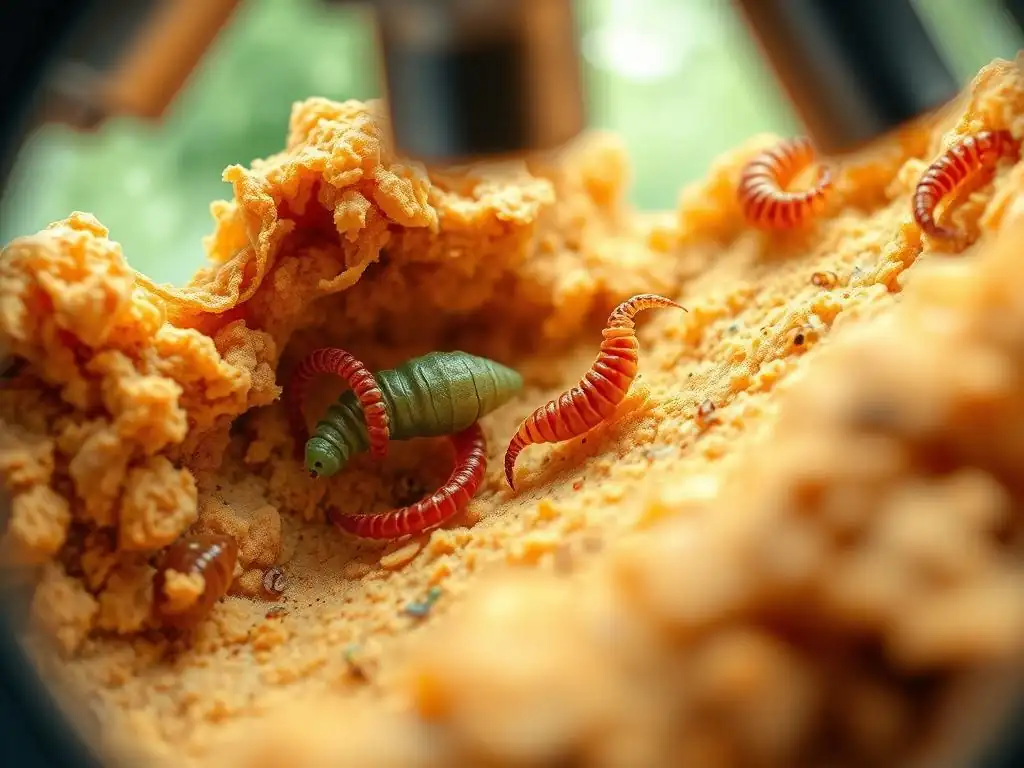
Reptile fecal exams are crucial for early parasite detection, a cornerstone of proactive reptile parasite prevention. Understanding the results, however, requires a degree of specialized knowledge. This section details how to interpret the findings of a reptile fecal exam, focusing on parasite identification and the subsequent implications for your reptile's health. Accurate identification is vital for effective treatment and minimizing long-term health complications.
The process relies heavily on microscopic examination of the fecal sample and careful analysis by a qualified veterinarian experienced in reptile health. Remember, self-diagnosis is strongly discouraged. Always consult a veterinarian for accurate interpretation and treatment recommendations.
Identifying Common Parasites Through Microscopic Examination
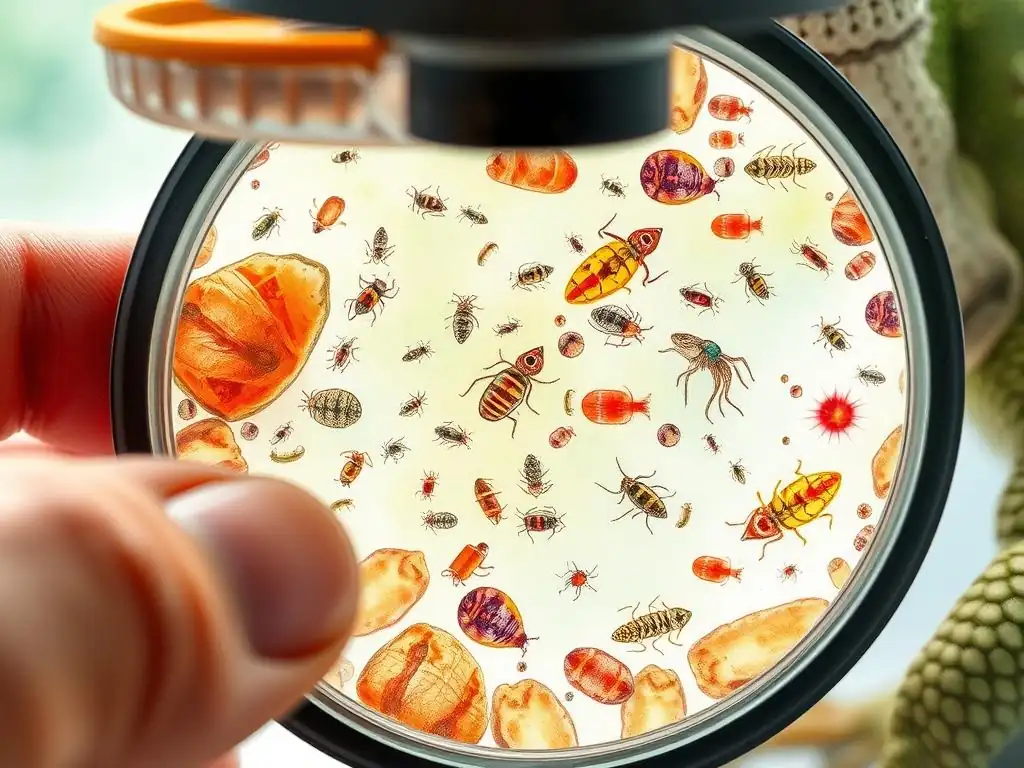
Microscopic examination is the primary method for identifying parasites in reptile fecal samples. Veterinarians use various staining techniques to highlight the parasites, making them easier to visualize and identify under a microscope. Common parasites found in reptiles include:
- Protozoa: These single-celled organisms can cause a range of symptoms, from mild digestive upset to severe illness. Examples include Cryptosporidium, Amoeba, and Trichomonas. Microscopic examination reveals their characteristic morphology, allowing for species-specific identification. The severity of infection often correlates with the number of parasites observed.
- Nematodes (Roundworms): These are multicellular worms with a cylindrical body. Strongyloides and Oxyuris are examples commonly found in reptiles. The microscopic analysis will identify the eggs or larvae, providing crucial information about the infection's stage and intensity. The size and shape of the eggs are key indicators of the specific nematode species.
- Cestodes (Tapeworms): These segmented flatworms are often identified by their characteristic eggs or proglottids (body segments) in the fecal sample. Paragonimus and Spirometra are examples found in some reptiles. The presence of these segments or eggs suggests a mature tapeworm infection, requiring targeted treatment.
- Trematodes (Flukes): These flatworms are less common in reptiles compared to nematodes and cestodes, but their presence can still significantly impact the reptile's health. Microscopic identification relies on detecting their characteristic eggs, which often have a distinctive shape and size.
The number of parasites observed during microscopic analysis is also a significant factor. A high parasite load indicates a more severe infection, potentially requiring more aggressive treatment. The veterinary professional will assess the parasite count along with the overall health of the reptile to determine the most appropriate course of action.
Understanding Diagnostic Reports: What the Results Mean
A comprehensive reptile fecal exam report will detail the presence or absence of various parasites, specifying the types and approximate numbers identified. The report might also include notes on the overall quality of the sample and any other relevant observations. Understanding the report requires attention to several key aspects:
| Parameter | Explanation | Significance |
|---|---|---|
| Parasite Type | Specific name of the identified parasite (e.g., Cryptosporidium parvum) | Determines the appropriate treatment protocol. |
| Parasite Count | Number of parasites or eggs/larvae observed per gram of feces (e.g., 100 eggs/gram) | Indicates the severity of the infection and guides treatment intensity. |
| Sample Quality | Description of the fecal sample's consistency and suitability for analysis (e.g., well-formed) | Poor sample quality can affect the accuracy of results. |
| Other Observations | Any additional findings noted during the microscopic examination (e.g., unusual cells) | Might indicate other health issues requiring further investigation. |
A negative report indicates the absence of detectable parasites within the limitations of the test. However, it's important to remember that a negative result doesn't guarantee the complete absence of parasites, as some infections might be too low to detect or the parasite may not be shedding eggs/ova at the time of testing.
Post-Diagnosis: Treatment Options and Preventative Measures
Once a parasite infection is diagnosed, your veterinarian will discuss appropriate treatment options. These will depend on the type and severity of the infection, as well as the overall health of your reptile. Treatment might involve medication, dietary changes, or a combination of approaches. The medication prescribed will be tailored to the specific parasite identified. The duration of treatment will vary based on the type and severity of the infection.
Preventative measures are crucial for minimizing the risk of future parasitic infections. These include:
- Maintaining a clean enclosure: Regular cleaning and disinfection of the reptile's enclosure are essential to prevent parasite buildup.
- Proper hygiene: Washing your hands thoroughly before and after handling your reptile is crucial.
- Quarantining new reptiles: New reptiles should be quarantined for a period of time before being introduced to existing animals.
- Regular fecal exams: Regular fecal exams are vital for early detection and treatment of parasitic infections, even in apparently healthy reptiles. This proactive approach is essential for maintaining the well-being of your reptile companion. The frequency of these exams will be determined by your veterinarian based on your reptile's species, age, and overall health.
Regular fecal exams for parasite detection are an essential part of responsible reptile ownership. By understanding the results and implementing appropriate preventative measures, you can significantly reduce the risk of parasitic infections and ensure your reptile's long-term health and well-being.
Preventative Measures for Minimizing Reptile Parasite Risk
Regular fecal exams are crucial for early reptile parasite detection, but proactive preventative measures significantly reduce the likelihood of infestation in the first place. A multi-pronged approach focusing on hygiene, nutrition, and quarantine is key to maintaining a healthy and parasite-free reptile companion. Ignoring preventative care increases the risk of costly and potentially life-threatening parasitic infections. Investing time and effort in these preventative strategies is a cost-effective way to safeguard your reptile's health and well-being, promoting a longer and happier life together. Remember, proactive care is significantly cheaper and less stressful than reactive treatment.
Maintaining a Clean and Hygienic Reptile Enclosure
Maintaining a pristine reptile enclosure is paramount in preventing parasitic infestations. Parasites thrive in unsanitary conditions, so regular and thorough cleaning is non-negotiable. This involves more than just spot cleaning; it requires a comprehensive approach.
This includes:
- Daily Spot Cleaning: Remove uneaten food, fecal matter, and any substrate debris daily. This prevents the buildup of organic matter that attracts parasites. Think of it as preventative maintenance – addressing small issues before they become big problems.
- Weekly Deep Cleaning: Once a week, thoroughly clean and disinfect the entire enclosure. This involves removing all substrate, scrubbing down all surfaces with a reptile-safe disinfectant (ensure it's completely rinsed! ), and replacing the substrate with fresh, clean material. This process significantly reduces parasite load.
- Substrate Selection: Choose a substrate appropriate for your reptile's species and that is easy to clean and disinfect. Avoid substrates that are difficult to clean or retain moisture, as these are breeding grounds for parasites. Examples include paper towels, reptile carpet, or specific reptile-safe substrates.
- Proper Ventilation: Ensure adequate ventilation within the enclosure to prevent the buildup of humidity, which favors parasite development. Poor ventilation creates a damp environment ideal for parasite growth and survival.
- Regular Enclosure Inspection: Regularly inspect the enclosure for any signs of parasites, such as unusual droppings, lethargy in your reptile, or unusual activity in the substrate. Early detection is key for effective treatment.
Proper Reptile Diet and Nutrition for Immune System Support
A balanced and nutritious diet plays a vital role in strengthening your reptile's immune system, making it more resistant to parasitic infections. A weakened immune system increases susceptibility to parasites. Therefore, providing optimal nutrition is crucial for parasite prevention.
This involves:
- Species-Specific Diet: Research your reptile's specific dietary needs. Different reptiles require different diets, and providing an inadequate diet can lead to nutritional deficiencies, weakening their immune system.
- Variety in Diet: Avoid monotonous diets. Offering a variety of appropriate foods ensures your reptile receives a broad spectrum of essential nutrients. A diverse diet strengthens the immune response.
- Supplementation: Consult a veterinarian regarding the need for supplementation, particularly calcium and vitamin D3, which are crucial for bone health and immune function in many reptiles. Supplements should be tailored to your reptile's species and age.
- Fresh, High-Quality Food: Always use fresh, high-quality food sources. Avoid feeding spoiled or contaminated food, as this can introduce parasites directly into your reptile's system. Freshness is paramount for optimal nutrition and parasite prevention.
Quarantine Procedures for New Reptiles: Preventing Parasite Introduction
Quarantine is a critical step in preventing the introduction of parasites into your existing reptile collection. New reptiles can carry parasites without showing any symptoms. A proper quarantine period allows for observation and parasite testing before introducing them to other reptiles.
This involves:
- Separate Enclosure: House new reptiles in a completely separate enclosure, away from your existing reptiles. This prevents cross-contamination. Isolate them completely.
- Observation Period: Monitor the new reptile closely for at least 30-60 days (or longer, depending on the species and risk assessment) for any signs of illness or parasites. Daily observations are essential.
- Fecal Exam: Conduct a fecal examination for parasites during the quarantine period. This is crucial for early detection. Multiple fecal exams may be necessary during the quarantine period, especially for high-risk reptiles.
- Veterinary Consultation: Consult with a reptile veterinarian before introducing any new reptile to your existing collection. A veterinarian can provide guidance on quarantine procedures and parasite prevention. They can perform a thorough health check and recommend appropriate testing.
Remember, consistent preventative measures are far more effective and less stressful than dealing with a full-blown parasitic infestation. Regular fecal exams, in conjunction with these preventative strategies, are essential for maintaining the health and well-being of your reptile companions. Prioritizing preventative care is an investment in a healthier and happier reptile.
Choosing a Veterinarian for Reptile Parasite Care
Finding the right veterinarian is crucial for effective reptile parasite detection and treatment. Not all vets have the same level of expertise when it comes to exotic animals. Reptiles have unique physiological needs, and misdiagnosis or inappropriate treatment can have severe consequences. Therefore, selecting a veterinarian specializing in reptiles is paramount for optimal parasite management and your reptile's overall health. This section focuses on identifying key characteristics of a qualified reptilian veterinarian capable of handling parasite-related issues.
Finding a Reptilian Veterinarian with Expertise in Parasite Diagnosis and Treatment
Locating a veterinarian experienced in reptile parasite diagnosis and treatment requires proactive research. Start by searching online directories specifically for exotic animal veterinarians. Look for veterinarians who explicitly mention reptile care and parasite management in their profiles. Reading online reviews can also provide valuable insights into a veterinarian's competence and client satisfaction. Pay close attention to reviews mentioning successful parasite treatment experiences.
Consider the veterinarian's certifications and affiliations. Many veterinary professionals hold board certifications in avian and exotic animal medicine (ABVP). This certification demonstrates a higher level of expertise and commitment to the field. Furthermore, affiliation with relevant professional organizations such as the Association of Reptilian and Amphibian Veterinarians (ARAV) often indicates a strong dedication to reptile health.
Don't hesitate to contact several potential veterinarians before making a decision. Inquire about their experience with reptile parasite diagnosis, the specific diagnostic tools they utilize (e.g., microscopic fecal examination, PCR testing), and their treatment protocols. A comprehensive understanding of your reptile's species and its specific parasite vulnerabilities is also a positive sign.
The Importance of Regular Veterinary Checkups for Reptiles
Regular veterinary checkups are essential for proactive reptile parasite detection and prevention. Even seemingly healthy reptiles can harbor internal parasites, often showing few or no outward symptoms in the early stages of infestation. These parasites can gradually weaken your reptile's immune system, leading to more severe health problems down the line. Proactive monitoring allows for early detection and treatment, improving the chances of a full recovery and preventing long-term health complications.
The frequency of veterinary checkups will depend on your reptile's species, age, and overall health. However, annual checkups are generally recommended for adult reptiles, while younger reptiles may require more frequent visits. During these checkups, your veterinarian will conduct a thorough physical examination, including a fecal examination to screen for parasites. This preventative approach is far more effective and less stressful than dealing with a full-blown parasitic infection.
Early detection significantly improves treatment outcomes and reduces the risk of long-term health issues. Think of it as preventative maintenance – a small investment that yields significant returns in your reptile's health and well-being. Regular checks contribute significantly to your reptile’s longevity and quality of life.
Questions to Ask Your Veterinarian Regarding Parasite Prevention and Treatment
Choosing the right veterinarian is only half the battle. Open communication is crucial for successful parasite management. Don't hesitate to ask your veterinarian detailed questions about parasite prevention and treatment options. Here are some key questions to consider:
- What are the common internal and external parasites affecting my reptile species?
- What are the typical symptoms of parasitic infection in my reptile?
- What diagnostic tests do you recommend for parasite detection? (e.g., fecal flotation, PCR testing)
- What treatment options are available, and what are their potential side effects?
- What preventative measures can I take to minimize the risk of parasitic infection? (e.g., proper hygiene, quarantine procedures)
- What is the expected prognosis for my reptile with a parasitic infection?
- What is the cost of diagnosis and treatment?
By proactively engaging with your veterinarian, you can ensure your reptile receives the best possible care and significantly improve the chances of successful parasite detection and treatment. Remember, a partnership with your veterinarian is key to maintaining your reptile's long-term health and preventing future issues. Don't be afraid to ask questions; your reptile's well-being depends on it! 🐍
Case Study: Successful Reptile Parasite Detection and Treatment
This case study details the successful diagnosis and treatment of a common reptile parasite, highlighting the crucial role of regular fecal exams in early detection and improved outcomes. The information presented emphasizes the importance of proactive reptile parasite prevention and the benefits of a collaborative approach between pet owners and veterinary professionals in ensuring optimal reptile health. This case underscores the importance of "reptile fecal exam parasite detection" as a vital component of responsible reptile ownership.
Case Study: Initial Symptoms and Diagnostic Process
A three-year-old bearded dragon, named Spike, presented with lethargy, anorexia, and mild weight loss. His owner, concerned about Spike's declining health, noticed a change in his stool consistency – it was more watery and contained unusual mucus strands. These symptoms, while seemingly minor initially, are often indicative of internal parasitic infections common in reptiles. The owner promptly scheduled an appointment with a veterinarian specializing in exotic animals.
The veterinarian conducted a thorough physical examination, noting Spike's slightly distended abdomen and pale mucous membranes. Crucially, a fecal sample was collected and submitted for parasitological analysis. This analysis involved microscopic examination of the fecal matter to identify the presence of any parasitic eggs or organisms. The results revealed a significant infestation of Cryptosporidium species, a common intestinal parasite in reptiles that can lead to severe digestive issues if left untreated. This highlights the sensitivity and importance of the "reptile fecal exam parasite detection" process. The initial diagnostic process, from symptom observation to lab results, took approximately one week.
Case Study: Treatment Plan and Implementation
Based on the parasitological findings, a tailored treatment plan was developed for Spike. The veterinarian prescribed a course of medication specifically targeted at Cryptosporidium. The medication was administered orally, following the veterinarian's precise instructions regarding dosage and frequency. Simultaneously, supportive care was implemented to address Spike's dehydration and malnutrition.
This involved subcutaneous fluid therapy to rehydrate him and a carefully formulated diet to improve his nutritional intake and aid in his recovery. The treatment plan also included regular monitoring of Spike's weight, appetite, and stool consistency to track his progress and adjust the treatment as needed. Regular "reptile fecal exam parasite detection" follow-up tests were scheduled to monitor the effectiveness of the treatment.
Case Study: Outcome and Long-Term Prevention Strategies
After four weeks of treatment and diligent monitoring, Spike showed significant improvement. His lethargy subsided, his appetite returned to normal, and his stool consistency became firm and healthy. Subsequent fecal examinations confirmed a significant reduction in the Cryptosporidium parasite load, indicating successful treatment. Spike's weight gradually increased, and his overall health improved dramatically. To prevent future parasitic infections, the owner implemented several preventative measures, including:
- Maintaining a clean and sanitized enclosure.
- Providing Spike with a balanced and nutritious diet.
- Regularly cleaning and disinfecting feeding and water bowls.
- Scheduling preventative fecal examinations every six months, crucial for early "reptile fecal exam parasite detection".
- Avoiding contact with other reptiles that may carry parasites.
This case demonstrates that early detection through regular fecal exams, coupled with appropriate treatment and preventative measures, can lead to a successful outcome in managing reptile parasitic infections. The proactive approach to "reptile fecal exam parasite detection" significantly improved Spike's chances of recovery and ensured his long-term well-being. Regular preventative care is key to maintaining the health of your reptile companion.
Frequently Asked Questions
Why are regular fecal exams important for my reptile?
Regular fecal exams are crucial for early detection of internal parasites. Many reptile parasites show no obvious symptoms until the infestation is severe, making early detection vital for successful treatment and your reptile's health.
How often should I get a fecal exam for my reptile?
The frequency depends on your reptile's species, age, and overall health. However, at least once a year is generally recommended, and more frequently if you notice any symptoms of illness. Consult your veterinarian for a personalized schedule.
What parasites can be detected with a fecal exam?
A fecal exam can detect various parasites, including nematodes, cestodes, coccidians, and flagellates. The specific parasites present will vary depending on the reptile species and its environment.
What does the fecal exam process involve?
The process is relatively simple. Your veterinarian will collect a fresh fecal sample from your reptile. The sample is then examined microscopically to identify any parasitic eggs or organisms.
How can I prevent parasites in my reptile?
Maintaining a clean and hygienic environment is key. This includes regular cleaning of the enclosure, proper sanitation of food and water dishes, and avoiding contact with wild animals. Quarantine new reptiles before introducing them to existing pets.
Final Reflection: The Silent Struggle: Protecting Our Scaly Companions
The timely detection of parasites in reptiles is not merely a veterinary procedure; it's a crucial element in ensuring the health and well-being of millions of beloved pets. Ignoring the subtle signs of parasitic infection can lead to irreversible damage and, tragically, the loss of a cherished companion. This underscores the urgent need for reptile owners to prioritize regular fecal exams as a proactive measure.
The impact of parasitic infections on the reptile population, both in captivity and in the wild, is far-reaching and often underestimated. The silent suffering of these creatures, often masked by their stoic nature, highlights the responsibility we bear as caretakers. The greatest threat to our planet is the belief that someone else will save it.
– Robert Swan. This quote, while addressing environmental issues, equally applies to the responsibility we have towards the health of our reptile companions. We cannot afford to be complacent; proactive care is paramount.
You, the reader, now hold the knowledge to make a difference. Consider this article a call to action. Schedule that fecal exam for your reptile today. Educate fellow reptile enthusiasts. By embracing preventative care and promoting awareness, we can collectively contribute to a healthier future for these fascinating and often misunderstood creatures. Let's ensure that the silent struggle of parasitic infection becomes a silent victory, won through vigilance and responsible ownership.
Unveil Your Reptile's Health: Take Action Today!
Thank you for learning about the crucial role of regular fecal exams in maintaining your reptile's health. You've gained valuable insights into early parasite detection and prevention, which are essential for ensuring a long and happy life for your scaled companion. Now, let's put that knowledge into action!
- Schedule a fecal exam for your reptile with your veterinarian. This is the most important step you can take to protect their health.
- Share this information with other reptile owners to spread awareness about preventative care. Let's work together to create a healthier community for our reptile companions!
- Learn more about common reptile parasites and their symptoms online; early identification is key to effective treatment.
Ready to give your reptile the best possible care? What steps will you take this week to prioritize their well-being?