
Mites, Ticks, and Worms: Identifying Reptile Parasites Early

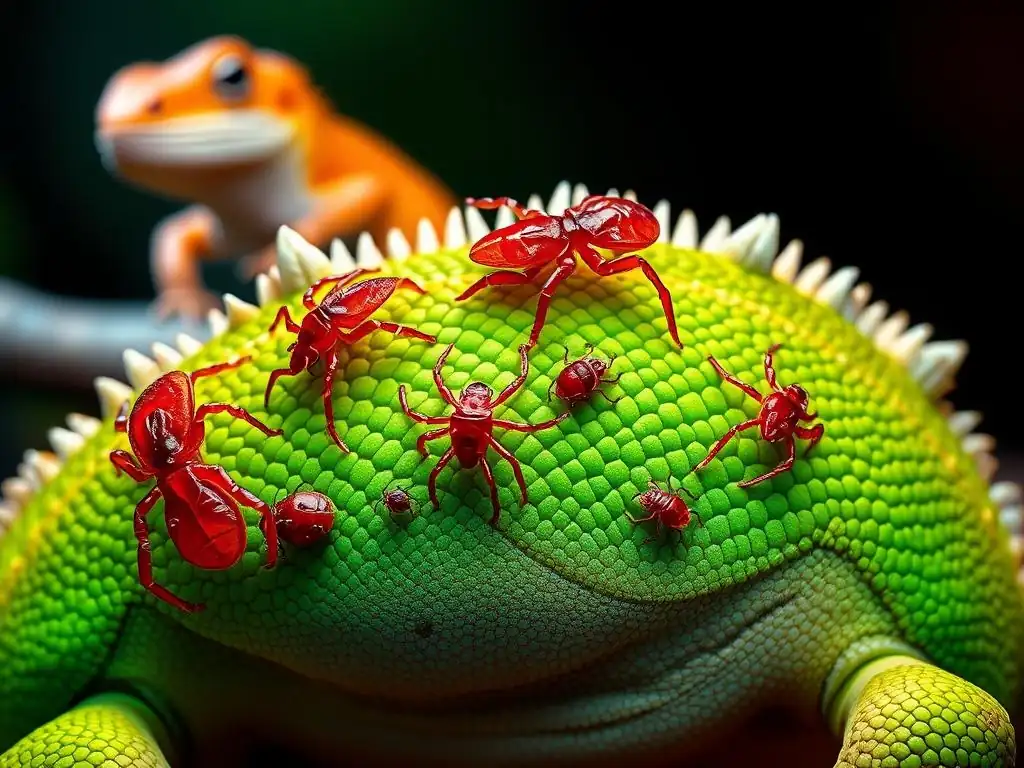
Welcome to PetCareWorld, your ultimate guide to a happier, healthier life for your beloved companion! Are you ready to unlock the secrets to thriving pet ownership? We delve into every aspect of animal care, from playful pups to fascinating reptiles. This begins with learning how to Identify reptile parasites early, crucial for ensuring the well-being of your scaly friend. Discover the signs of mites, ticks, and worms, and learn how early detection can save your reptile from unnecessary suffering. Dive in and explore the wealth of knowledge awaiting you!
- Understanding Common Reptile Parasites
- Early Signs of Reptile Parasite Infestation
- How to Identify Specific Reptile Parasite Types
- Diagnosing Reptile Parasites: When to See a Vet
- Preventing Reptile Parasite Infestations
- Treatment Options for Reptile Parasites
- Living with Reptiles and Parasite Prevention: Long-Term Strategies
- Frequently Asked Questions
- Final Reflection: The Silent Struggle: Early Detection of Reptile Parasites
- Unveil Your Reptile's Radiant Health: Take Action Now!
Understanding Common Reptile Parasites
Reptiles, like all animals, are susceptible to parasitic infestations. Early identification of these parasites is crucial for the health and well-being of your scaly companion. Failing to detect and treat parasites promptly can lead to serious health complications, even death, in reptiles.
This comprehensive guide will equip you with the knowledge to identify common reptile parasites – mites, ticks, and worms – in their early stages, allowing for timely intervention and improved chances of a full recovery. We'll explore the visual signs, behavioral changes, and potential health consequences associated with each type of parasite, empowering you to become a more proactive and informed reptile caregiver. Successfully identifying reptile parasites early is a key component of responsible reptile ownership, ensuring your pet lives a long and healthy life.
Identifying Mites in Reptiles
Mites are microscopic arachnids that commonly infest reptiles. Several mite species can affect reptiles, each with varying degrees of severity. Early detection is key, as unchecked infestations can lead to significant skin irritation, secondary infections, and even death, especially in young or immunocompromised reptiles.
Identifying a mite infestation often requires careful observation. Look for the following signs:
- Skin Irritation: Mites cause intense itching, leading to scratching and rubbing behavior. This can result in skin lesions, scabs, and areas of inflamed, reddened skin. You might observe your reptile constantly rubbing against surfaces or exhibiting unusual restlessness.
- Loss of Scales: Severe mite infestations can cause the loss of scales, leaving the underlying skin exposed and vulnerable to further infection. This often appears as patchy areas of missing scales, especially around the head, limbs, and tail.
- Weight Loss: Persistent itching and discomfort can disrupt your reptile's feeding habits, leading to weight loss and overall weakness.
- Lethargy and Weakness: Infected reptiles often appear lethargic, less active, and exhibit decreased appetite.
It's crucial to note that some mite infestations are subtle in their early stages, making regular visual inspections of your reptile's skin a vital preventative measure. Any unusual skin changes should prompt a veterinary examination.
Recognizing Tick Infestations in Reptiles
Ticks, while less common than mites, can still pose a significant threat to reptiles. These blood-sucking parasites attach themselves to the skin, feeding on the reptile's blood and potentially transmitting diseases. Early detection and removal are critical to prevent complications.
Identifying a tick infestation involves:
- Visual Inspection: Thoroughly examine your reptile's skin, paying close attention to areas with folds or creases, such as the groin, armpits, and around the neck. Ticks appear as small, dark-brown or black bumps attached to the skin. They can range in size depending on how long they've been feeding.
- Behavioral Changes: Similar to mite infestations, ticks can cause irritation and discomfort, leading to increased scratching, rubbing, and restlessness. Infected reptiles might also exhibit lethargy and decreased appetite.
- Anemia: In severe cases, significant blood loss from multiple ticks can lead to anemia, resulting in pale gums, lethargy, and weakness.
If you discover a tick, it's essential to remove it carefully using tweezers. Avoid squeezing or crushing the tick, as this can increase the risk of disease transmission. It is always advisable to consult a veterinarian for tick removal and assessment of potential health complications.
Detecting Internal Parasites (Worms) in Reptiles
Internal parasites, commonly referred to as worms, are often more challenging to detect in their early stages. These parasites live within the reptile's digestive tract, feeding on nutrients and causing a variety of health problems.
Detecting internal parasites often requires veterinary intervention:
- Fecal Examination: A fecal examination is the most reliable method for detecting internal parasites. Your veterinarian will analyze a sample of your reptile's feces under a microscope to identify the presence of parasite eggs or larvae.
- Clinical Signs: While subtle initially, heavy worm infestations can manifest as:
- Weight Loss: Despite a normal appetite, the reptile may fail to gain weight or even experience weight loss due to nutrient depletion caused by the parasites.
- Diarrhea or Bloody Stools: Infections can cause digestive upset, leading to changes in stool consistency and the potential presence of blood.
- Lethargy and Weakness: Similar to external parasites, internal parasites can cause a general decline in energy levels and overall well-being.
- Bloated Abdomen: In some cases, a noticeable swelling of the abdomen may be observed.
Regular fecal examinations, especially for young reptiles or those with a compromised immune system, are highly recommended for early detection and prevention of internal parasite infestations. Early treatment is essential to minimize the negative impact on your reptile's health.
Early Signs of Reptile Parasite Infestation
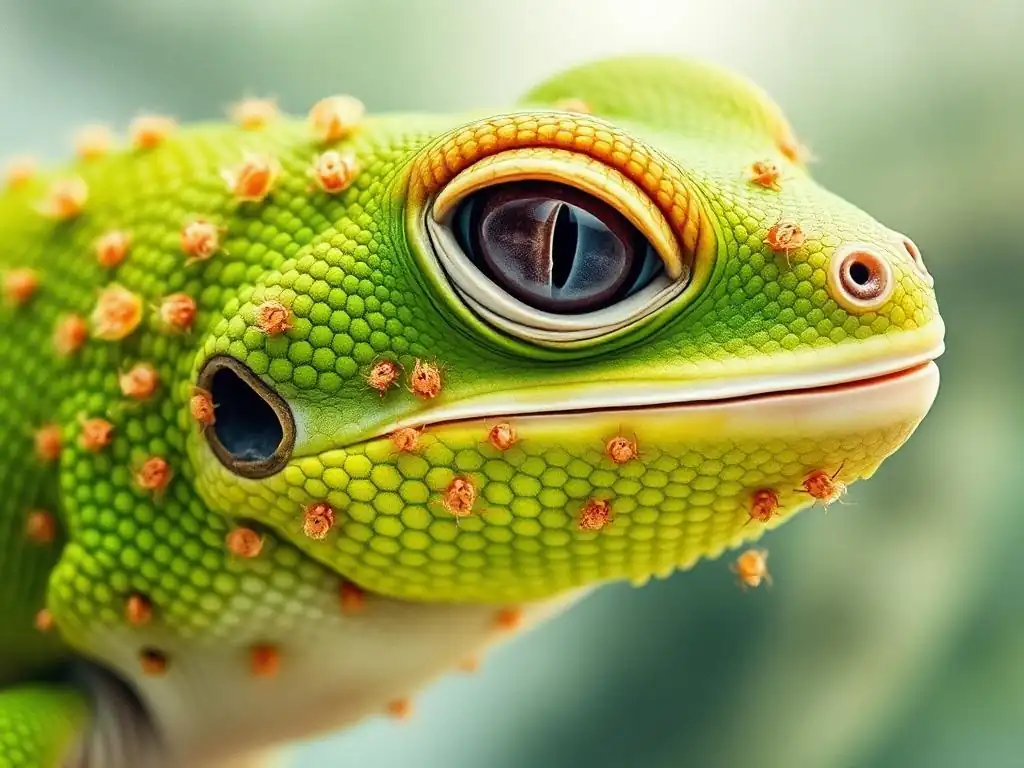
Identifying reptile parasites early is crucial for effective treatment and preventing serious health complications in your pet. Early intervention significantly improves the chances of a full recovery and minimizes the risk of long-term damage. This section details the subtle yet important signs that can indicate a parasitic infestation in your reptile, enabling you to seek veterinary attention promptly. Remember, early detection is key to successful parasite management.
Behavioral Changes Indicating Parasites
Changes in your reptile's behavior can be among the first indicators of a parasitic infestation. While not always definitive, these alterations, when combined with other symptoms, should prompt a thorough examination. A lethargic reptile, unusually inactive or hiding more than usual, could be suffering from a parasitic infection. Pay close attention to changes in activity levels, especially if your reptile is normally active and playful.
For example, a normally alert bearded dragon might become unusually sluggish, spending most of its time basking rather than exploring its enclosure. Similarly, a vibrant and active corn snake might exhibit decreased movement and a reluctance to feed. These subtle shifts in behavior can be early warnings.
Another behavioral change to watch for is unusual scratching or rubbing. Mites, in particular, cause intense itching. Observe your reptile carefully for excessive rubbing against surfaces, which could indicate the presence of these irritating parasites.
Physical Symptoms of Mite, Tick, and Worm Infestations
Direct observation of your reptile can reveal visible signs of parasites. Mites are often visible to the naked eye, appearing as tiny, moving specks on the skin, particularly in the folds and crevices. They can cause skin irritation, leading to scabbing, redness, and inflammation. Careful examination of your reptile's skin, especially under the scales, is essential.
Ticks, while less common in reptiles than mites, can embed themselves in the skin, causing localized swelling and inflammation. They are generally larger and easier to spot than mites. Thorough examination of your reptile's body, including its legs and tail, is necessary to identify ticks.
Internal parasites, such as worms, are more challenging to detect without veterinary assistance. However, some indirect signs can indicate their presence. These include pale gums or mucous membranes, indicating anemia, a common consequence of heavy worm burdens. The presence of worms in your reptile's feces, although unpleasant to examine, is a clear indication of infestation.
| Parasite Type | Visible Symptoms | Indirect Symptoms |
|---|---|---|
| Mites | Tiny moving specks on the skin, scabbing, redness | Lethargy, excessive scratching |
| Ticks | Visible engorged ticks embedded in the skin | Localized swelling, inflammation |
| Worms | (Generally not directly visible) | Pale gums, weight loss, poor appetite, anemia |
Assessing Weight Loss and Poor Appetite in Reptiles
Significant weight loss and a decrease in appetite are common indicators of various health problems, including parasitic infestations. Regularly weighing your reptile and monitoring its feeding habits is crucial. A sudden or gradual decrease in weight, combined with a reduced interest in food, can indicate a serious underlying issue.
Consistent monitoring is vital. Keep a record of your reptile's weight and feeding frequency to detect deviations from its normal pattern. A sudden drop in weight, coupled with lethargy or other symptoms, warrants immediate veterinary attention. Weight loss can be a sign of several issues, but in conjunction with other symptoms, parasites should be considered.
Remember, a healthy appetite is a key indicator of a healthy reptile. If your reptile suddenly loses interest in its favorite foods or refuses to eat altogether, it's crucial to seek professional veterinary help to rule out underlying health problems, including parasitic infections. Early intervention is key to ensuring your reptile's well-being and preventing serious complications.
How to Identify Specific Reptile Parasite Types
Identifying reptile parasites early is crucial for effective treatment and preventing serious health complications in your pet. Different parasites present unique challenges, requiring specific identification for targeted treatment. This section focuses on distinguishing key parasite types commonly affecting reptiles. Early detection significantly improves the chances of a successful outcome, minimizing the parasite's impact on your reptile's overall health and well-being. Remember, if you suspect your reptile has parasites, consulting a veterinarian specializing in reptiles is paramount.
Identifying Different Mite Species Affecting Reptiles
Mites are microscopic arachnids that infest reptiles, causing a range of symptoms depending on the species and the severity of the infestation. Several mite species commonly affect reptiles, each with characteristic signs. Accurate identification is critical for effective treatment. For example, Cheyletiella mites, also known as walking dandruff mites, cause intense itching and scaling, particularly noticeable around the head and neck.
These mites are relatively large and can sometimes be seen with the naked eye as tiny, moving specks. Conversely, Psoroptes mites burrow into the skin, causing intense inflammation, crusting, and hair loss. These are harder to spot without magnification.
Microscopic Examination: A Necessary Tool
Accurate identification often requires microscopic examination of skin scrapings or fecal samples. Your veterinarian will be able to perform this analysis, revealing the specific mite species present and guiding treatment decisions. This allows for targeted treatment, avoiding the use of unnecessary or ineffective medications.
Identifying the specific mite species is key to selecting the appropriate treatment. Some treatments are effective against broad mite species, while others target specific mite types. Misidentification can lead to ineffective treatment and prolonged suffering for your reptile. Careful observation and professional veterinary assessment are paramount. Remember to always handle your reptile gently to avoid spreading the mites.
Distinguishing Between Tick Species on Reptiles
Ticks, unlike mites, are larger and more easily visible. However, identifying the specific tick species on your reptile can still be challenging. Different tick species may transmit different diseases, necessitating specific treatment protocols. The most common ticks found on reptiles often belong to the Ixodes and Amblyomma genera. These ticks typically attach themselves to the skin, often in areas with folds or crevices.
While visual identification can provide clues, confirmation often requires microscopic examination. The size, shape, and markings of the tick can help narrow down the possibilities. For instance, Ixodes ticks are typically smaller and darker than Amblyomma ticks. However, visual identification alone is not always reliable. A veterinarian can use microscopy to confirm the species and assess for the presence of any pathogens.
| Tick Genus | Size (approx.) | Appearance | Potential Diseases |
|---|---|---|---|
| Ixodes | Small (1-5mm) | Dark-colored, oval-shaped | Lyme disease (in some species, not all affect reptiles) |
| Amblyomma | Larger (3-10mm) | Larger, often with distinctive markings | Various tick-borne diseases |
Identifying Common Worm Types in Reptiles (e.g., nematodes, cestodes)
Identifying internal parasites like worms requires a fecal examination performed by a veterinarian. Different types of worms—nematodes (roundworms), cestodes (tapeworms), and others—present with varied symptoms. These symptoms can be subtle initially, making early detection crucial. Nematodes are often identified by the presence of eggs in the feces, while tapeworms can be identified by the presence of segments (proglottids) in the feces.
Early detection is key to successful treatment of reptile parasites. Don't hesitate to seek professional veterinary help at the first sign of infestation.
The type of worm present dictates the appropriate treatment. Some medications are effective against a broad range of worms, while others target specific species. For example, a veterinarian might prescribe an anthelmintic medication specifically designed for treating nematodes or cestodes in reptiles. The dosage and duration of treatment will depend on the specific worm identified, the severity of the infestation, and the overall health of your reptile.
Regular fecal examinations are recommended, especially for reptiles kept in communal enclosures or those exhibiting unusual symptoms. This proactive approach to parasite prevention is crucial for maintaining the health and well-being of your reptile companion. 🦎
Diagnosing Reptile Parasites: When to See a Vet
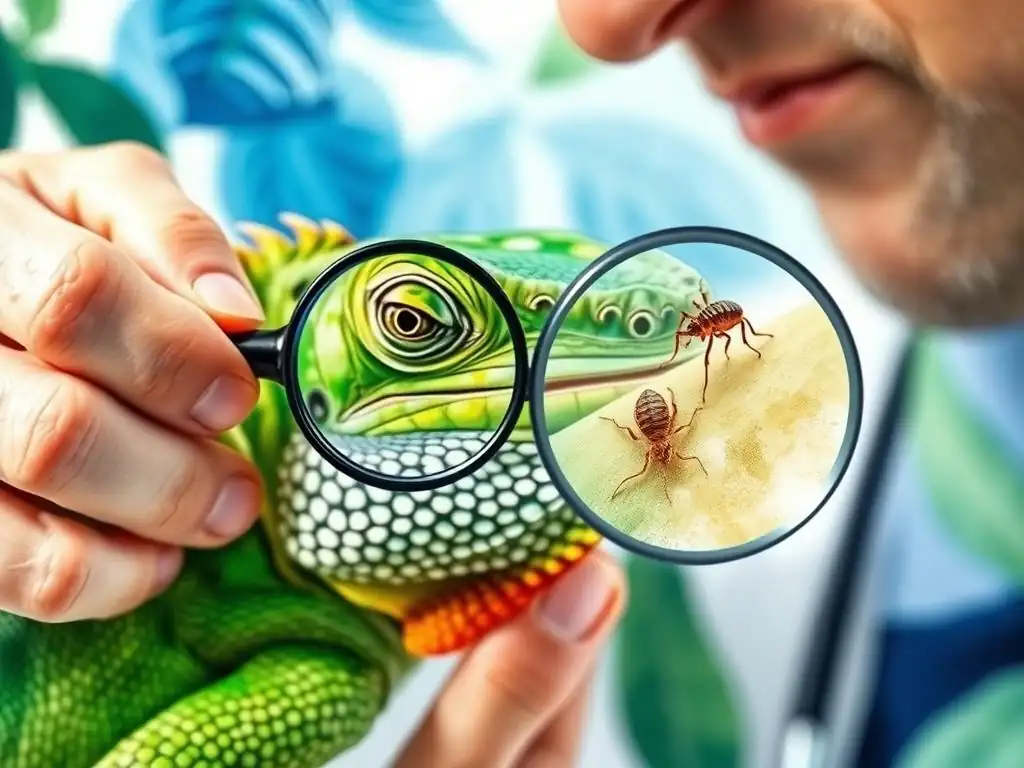
Identifying reptile parasites early is crucial for effective treatment and your pet's overall well-being. While some minor infestations might be manageable with home remedies (always under veterinary guidance! ), many parasitic infections require professional intervention. Ignoring symptoms can lead to serious health complications, even death, in your reptile companion. This section focuses on recognizing when your reptile needs a veterinarian's expertise to address potential parasite problems.
When to Seek Professional Veterinary Help for Parasite Concerns
Several warning signs indicate the need for immediate veterinary attention. Don't delay seeking professional help if you observe any of the following in your reptile:
- Significant weight loss: A noticeable decrease in body weight, despite maintaining a consistent feeding schedule, is a major red flag. This often points to internal parasites absorbing vital nutrients. Keep accurate weight records to track changes effectively.
- Lethargy and weakness: Is your usually active reptile unusually sluggish, showing reduced mobility or appetite? Parasites can significantly drain your reptile's energy, leading to lethargy and weakness. This is especially concerning if accompanied by other symptoms.
- Diarrhea or changes in fecal consistency: Changes in bowel movements, such as frequent, watery stools, or the presence of unusual mucus or blood, strongly suggest intestinal parasites. Regularly monitoring your reptile's feces can help you detect subtle changes early.
- Visible parasites: While less common with internal parasites, you might spot external parasites like mites or ticks. Even a few visible parasites warrant a vet visit, as they often indicate a larger, unseen infestation.
- Respiratory distress: Difficulty breathing, wheezing, or open-mouth breathing can be linked to lungworm infestations. This is a serious condition requiring prompt veterinary intervention.
- Skin lesions or unusual skin conditions: Mites and other ectoparasites can cause skin irritation, scaling, and lesions. If you observe any abnormalities in your reptile's skin, seek veterinary advice.
- Loss of appetite or refusal to eat: A prolonged lack of appetite is a serious concern, and could indicate a parasitic infection or a secondary illness related to it. Note any changes in eating habits, including decreased food intake or complete refusal to eat.
Diagnostic Tests for Reptile Parasites
Accurate diagnosis is the cornerstone of effective parasite treatment. Your veterinarian will use a variety of diagnostic tests to identify the specific parasite and determine the severity of the infestation. These tests may include:
- Fecal examination: This is the most common initial test, involving microscopic examination of a fecal sample to identify parasite eggs or larvae. Accurate sample collection is crucial for reliable results. Your vet will provide specific instructions.
- Blood tests: Blood tests can help assess your reptile's overall health, detect anemia (often caused by blood parasites), and provide a broader picture of the infection's impact.
- Skin scrapings: For suspected mite infestations, skin scrapings are examined under a microscope to identify the mites. This procedure is relatively straightforward but requires expertise to ensure accurate results.
- Biopsies: In some cases, tissue biopsies may be needed to confirm the presence of certain parasites or to assess the extent of tissue damage.
Importance of Early Intervention in Parasite Treatment
Early intervention is paramount in treating reptile parasites effectively. The sooner treatment begins, the better the chances of a successful outcome and minimizing long-term health consequences. Delayed treatment can lead to:
- Increased parasite burden: Parasites multiply rapidly, so early intervention prevents a larger infestation and reduces the overall treatment time.
- Severe health complications: Untreated parasitic infections can cause severe weight loss, organ damage, secondary infections, and even death.
- Increased treatment difficulty: Established infections are often more challenging to treat, potentially requiring stronger medications with higher risks of side effects.
- Higher veterinary costs: Early detection and treatment generally lead to lower overall veterinary costs compared to managing advanced, complicated cases.
Remember, proactive parasite prevention is key! Maintaining a clean enclosure, providing a balanced diet, and regular veterinary checkups are crucial for preventing and detecting parasitic infections early. By carefully observing your reptile and seeking professional help when needed, you can significantly improve their chances of a long, healthy life. 🦎
Preventing Reptile Parasite Infestations
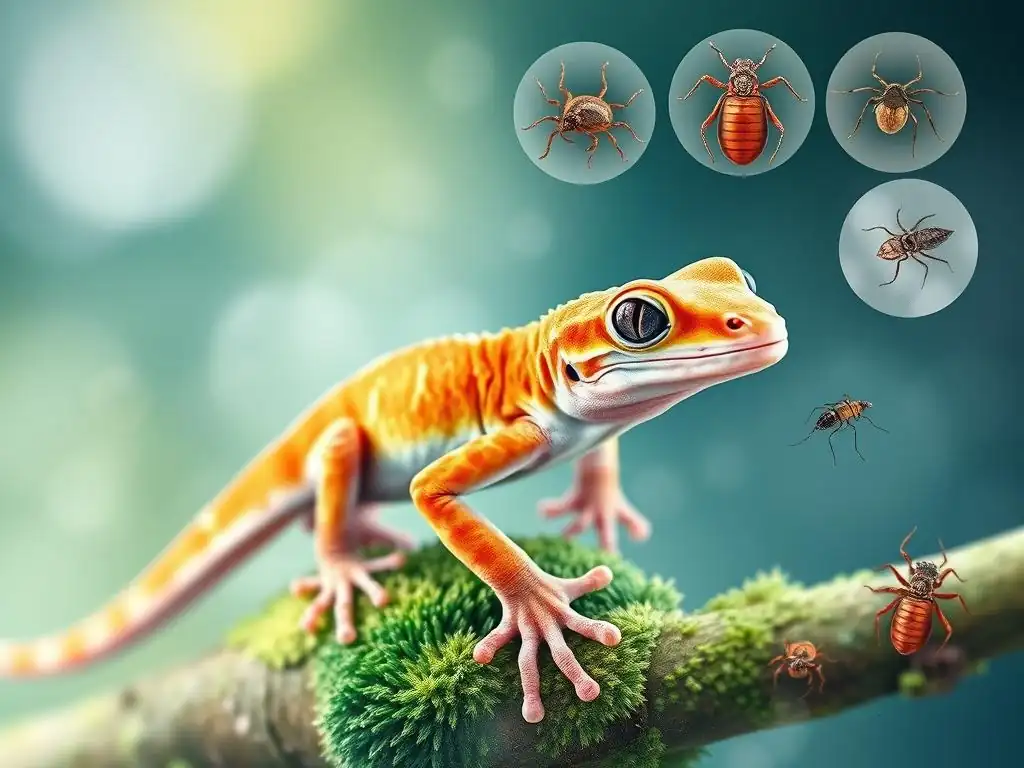
Preventing reptile parasite infestations is crucial for maintaining the health and well-being of your scaly companion. Early detection and prevention are far more effective—and less costly—than treating a full-blown infestation. Proactive measures significantly reduce the risk of your reptile contracting these unwelcome guests. This section focuses on practical steps you can take to minimize the chances of a parasitic invasion. Remember, a healthy reptile is less susceptible to parasites.
Maintaining a Clean and Hygienic Reptile Enclosure
A clean and hygienic environment is the cornerstone of parasite prevention. Parasites thrive in unsanitary conditions, so maintaining a spotless enclosure is paramount. This involves a multifaceted approach:
- Regular Cleaning: Thorough cleaning of the enclosure should be performed at least once a week, and more frequently for younger reptiles or those with compromised immune systems. This includes removing all fecal matter, uneaten food, and substrate debris. Spot cleaning—removing waste as it appears—is also essential between major cleanings.
- Substrate Selection: Choose a substrate that is easy to clean and doesn't harbor bacteria or parasites. Paper towels, reptile carpet, or specific reptile-safe substrates are preferable to materials like wood shavings or soil, which can retain moisture and promote parasite growth.
- Disinfection: Use a reptile-safe disinfectant to thoroughly clean the enclosure and all accessories. Avoid harsh chemicals that could harm your reptile. Always rinse thoroughly with clean water after disinfection to remove any residual cleaner.
- Enclosure Design: Design your enclosure to facilitate easy cleaning. Avoid overly complex setups that make cleaning difficult. Choose smooth surfaces that are easier to disinfect.
Regular, thorough cleaning is your first line of defense against a wide variety of reptile parasites, including mites, ticks, and intestinal worms.
Proper Reptile Diet and Nutrition for Parasite Prevention
A balanced and nutritious diet plays a vital role in boosting your reptile's immune system, making it less susceptible to parasitic infections. Nutritional deficiencies weaken the immune system, leaving your reptile vulnerable.
- Species-Specific Diet: Provide a diet appropriate to your reptile's species. Research the specific nutritional needs of your reptile to ensure you're providing a complete and balanced diet. Nutritional imbalances can compromise immune function and increase susceptibility to parasites.
- Variety: Offer a variety of food items to ensure your reptile receives a wide range of nutrients. Monotonous diets can lead to deficiencies that weaken the immune system.
- High-Quality Food: Use high-quality food sources. Avoid feeding wild-caught insects unless they've been properly quarantined and checked for parasites.
| Nutrient | Importance in Parasite Prevention | Food Sources |
|---|---|---|
| Vitamin A | Supports immune function and mucous membrane health. | Leafy greens, carrots, sweet potatoes |
| Vitamin D3 | Crucial for calcium absorption and bone health. | Reptilian supplements, UVB lighting |
| Calcium | Essential for bone health and muscle function. | Calcium supplements, insects fed on calcium-rich diets |
| Protein | Supports growth, tissue repair, and immune function. | Insects, rodents (species-appropriate) |
Regularly Inspecting Your Reptile for Signs of Parasites
Regular visual inspection is crucial for early detection. Early identification allows for prompt treatment, preventing the infestation from spreading and causing significant health problems.
- Frequency: Inspect your reptile at least once a week. Pay close attention to the skin, scales, and cloaca.
- Signs of Infestation: Look for signs such as:
- Visible mites or ticks crawling on the skin.
- Loss of appetite.
- Lethargy and weakness.
- Weight loss.
- Skin irritation or lesions.
- Diarrhea or abnormal feces.
Early detection is key. Regular inspections can make all the difference in preventing a minor parasite problem from becoming a major health crisis.
Remember, proactive parasite prevention is far more effective than treatment. By implementing these strategies, you significantly increase the chances of keeping your reptile healthy and parasite-free. If you suspect a parasitic infestation, consult a veterinarian specializing in reptiles immediately.
Using Preventative Medications (Consult your Veterinarian)
Preventative medications can play a crucial role in minimizing the risk of parasite infestations in your reptile. However, it's absolutely vital to emphasize that self-medicating your reptile is extremely dangerous and can have severe consequences. Always consult a veterinarian specializing in reptiles before administering any medication. They can accurately diagnose your reptile's health status, identify potential parasite risks based on species and environment, and prescribe the appropriate medication and dosage. Incorrect medication or dosage can lead to toxicity, organ damage, or even death.
A veterinarian will consider various factors before recommending preventative medication. These factors include the reptile's species, age, overall health, and the prevalence of specific parasites in your geographic location. Some reptiles may be more susceptible to certain parasites than others, and preventative strategies will be tailored accordingly. For instance, young reptiles often have weaker immune systems and might require more frequent preventative treatments than mature adults. The veterinarian may also perform fecal exams to check for existing parasites before recommending a preventative regimen.
The type of medication prescribed will depend on the targeted parasite. Some medications are broad-spectrum, targeting multiple parasite types, while others are specific to certain worms or mites. The veterinarian will explain the medication's mechanism of action, potential side effects, and the administration method. This might involve oral medication, topical applications, or injections, depending on the specific parasite and the reptile's species. Following the veterinarian’s instructions precisely is paramount for ensuring the medication's effectiveness and minimizing potential risks. This includes adhering to the correct dosage, frequency, and duration of treatment.
Regular follow-up visits with your veterinarian are essential to monitor the effectiveness of the preventative medication and to detect any potential problems early. Your veterinarian may recommend repeat fecal exams to ensure the parasites are controlled and to adjust the treatment plan if necessary. Remember, preventative medication is a tool to reduce the risk, not eliminate it completely.
Maintaining a clean and sanitary enclosure, practicing good hygiene, and carefully quarantining new reptiles are still crucial aspects of parasite prevention. Proactive monitoring and veterinary care are key to keeping your reptile healthy and parasite-free. Ignoring potential issues can lead to more significant health problems down the line, emphasizing the importance of regular checkups and adherence to your veterinarian's advice.
Treatment Options for Reptile Parasites
Identifying reptile parasites early is crucial for effective treatment and preventing serious health complications in your pet. Treatment options vary significantly depending on the type of parasite and the severity of the infestation. Early intervention often leads to better outcomes and minimizes the risk of long-term health problems. This section details treatment approaches for common reptile parasites: mites, ticks, and worms.
Remember, always consult a veterinarian specializing in reptiles before starting any treatment regimen. They can accurately diagnose the parasite and recommend the safest and most effective course of action, tailored to your reptile's specific species, age, and overall health. Improper treatment can be harmful or even fatal.
Treatment for Mite Infestations in Reptiles
Mite infestations, particularly those caused by Cheyletiella mites (walking dandruff) or Psoroptes mites (scaly leg), require targeted treatment. The veterinarian might prescribe topical medications, such as insecticidal shampoos or creams containing permethrin or ivermectin. These should be applied meticulously following the veterinarian's instructions, paying close attention to the affected areas. In severe cases, systemic medications might be necessary. Environmental hygiene plays a vital role in mite control.
Thorough cleaning and disinfection of the enclosure, including substrates, hides, and decorations, are essential to eliminate mites from the reptile's environment. This process often involves discarding contaminated materials and replacing them with clean, disinfected ones. Regular cleaning, even after treatment, is crucial to prevent re-infestation. Monitoring your reptile closely for any signs of recurrence is also important. A detailed schedule for cleaning and medication application will be provided by your veterinarian.
Treatment for Tick Infestations in Reptiles
Tick infestations, while less common than mite infestations, can still pose significant health risks to reptiles. Ticks should be removed carefully with tweezers, grasping the tick as close to the skin's surface as possible to avoid leaving the mouthparts embedded. After removal, the area should be disinfected with an appropriate antiseptic solution. If multiple ticks are present, or if the reptile shows signs of illness (lethargy, loss of appetite, etc. ), veterinary intervention is necessary.
The veterinarian may prescribe medications to kill any remaining ticks and address any potential secondary infections caused by tick bites. It is crucial to prevent future tick infestations by controlling the environment. Regularly inspect the reptile and its enclosure for ticks, and take preventive measures like using tick control products approved for reptiles, when recommended by the vet. The effectiveness of the treatment will depend on prompt identification and appropriate veterinary care.
Treatment for Internal Parasites (Worms) in Reptiles
Internal parasites, such as nematodes and cestodes (roundworms and tapeworms), require a different approach. Diagnosis usually involves fecal examination to identify the type and extent of the infestation. Treatment often involves administering anthelmintic medications, which are specifically designed to kill internal parasites. The veterinarian will determine the appropriate medication, dosage, and treatment duration based on the identified parasite and your reptile's health status. Multiple treatments may be necessary to ensure complete eradication of the parasites.
Careful monitoring of your reptile's health during and after treatment is crucial, as some medications can have side effects. Prevention of internal parasites involves maintaining good hygiene practices within the enclosure and providing a balanced diet. The veterinarian can advise on proper sanitation and dietary strategies to minimize the risk of future infestations. Regular fecal examinations, especially for young or immunocompromised reptiles, are recommended to detect and treat internal parasites early.
Remember: Early detection and appropriate veterinary care are paramount in successfully treating reptile parasites. Ignoring parasite infestations can lead to serious health complications and even death.
Living with Reptiles and Parasite Prevention: Long-Term Strategies
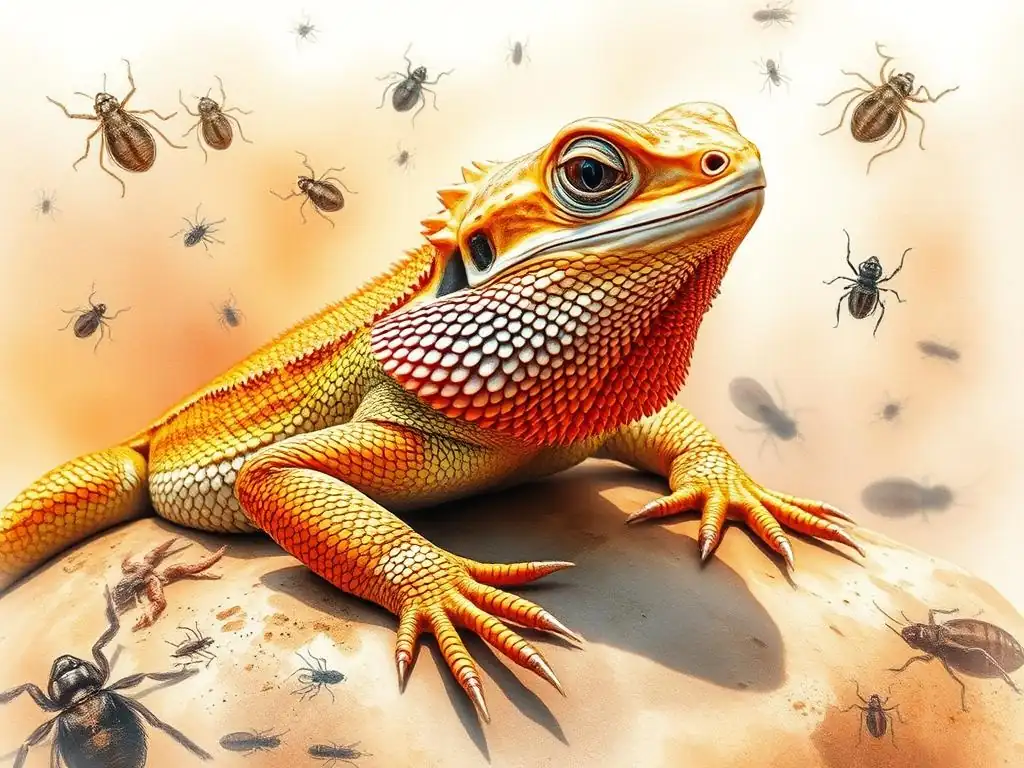
Successfully managing reptile parasites requires a proactive, long-term approach that goes beyond simply treating infestations. Early identification is crucial, but consistent preventative measures are equally important in minimizing the risk of future problems and maintaining the overall health of your scaled companions. This involves a multifaceted strategy encompassing careful husbandry, regular veterinary care, and vigilant observation. Ignoring parasite prevention can lead to significant health issues for your reptile, potentially resulting in costly treatments and, in severe cases, mortality. Therefore, adopting a preventative mindset is key to responsible reptile ownership.
Ongoing Monitoring and Prevention Practices
Consistent monitoring is the cornerstone of effective parasite prevention. Regularly inspect your reptile's skin, scales, and feces for any signs of infestation. Look for unusual changes in behavior, such as lethargy, loss of appetite, or weight loss, which could indicate a parasitic infection. These subtle shifts can often precede visible symptoms.
Maintaining a clean and sanitary terrarium is paramount. Regularly disinfect the enclosure using reptile-safe disinfectants, removing and cleaning all substrate, water bowls, and decorations. This significantly reduces the chance of parasite transmission and reproduction. Proper ventilation also plays a vital role in preventing the proliferation of mites and other parasites that thrive in humid environments.
A well-balanced diet is crucial for a strong immune system, making your reptile more resistant to parasitic infections. Provide a varied diet appropriate for your reptile's species, ensuring it receives all the necessary nutrients. Supplementing the diet with appropriate vitamins and minerals can further boost immunity. Remember, a healthy reptile is better equipped to fight off parasites.
Here's a sample checklist for regular monitoring:
| Task | Frequency | Notes |
|---|---|---|
| Visual inspection of reptile | Weekly | Check for mites, ticks, unusual skin changes, and fecal abnormalities. |
| Enclosure cleaning | Bi-weekly to Monthly | Frequency depends on enclosure size and reptile species. |
| Substrate replacement | Monthly or as needed | Depending on substrate type and cleanliness. |
| Fecal examination | Every 3 months | Ideally, have a vet examine the fecal sample for parasites. |
Quarantine Procedures for New Reptiles
Introducing a new reptile to your existing collection carries a significant risk of introducing parasites. Implementing a strict quarantine period is essential to prevent the spread of potential infections. This involves housing the new reptile in a completely separate enclosure, away from all other reptiles, for at least 4-6 weeks. During this period, the quarantine enclosure should be thoroughly cleaned and disinfected regularly.
During quarantine, closely monitor the new reptile for any signs of illness or parasites. Collect fecal samples regularly for microscopic examination. Even if no visible symptoms appear, a fecal test is crucial for early detection of internal parasites. Treat any identified parasites promptly and completely before introducing the reptile to the main collection. Ignoring quarantine procedures can lead to widespread infestation and significant health problems for your entire reptile collection. This preventative measure is a vital part of responsible reptile ownership. The added cost and time investment are far outweighed by the potential health crisis it prevents.
Importance of Regular Veterinary Checkups for Reptiles
Regular veterinary checkups are essential for early detection and prevention of reptile parasites. While you can conduct regular visual inspections, a veterinarian can perform more thorough examinations, including fecal analysis and microscopic evaluation, to detect internal parasites that might not be visible. They can also provide personalized advice on parasite prevention strategies tailored to your reptile's species and specific needs.
Veterinary visits should be scheduled at least once a year for adult reptiles and more frequently for younger or sick reptiles. Early detection through regular vet visits allows for prompt treatment, significantly improving the chances of a successful outcome. Preventative medications, if deemed necessary by your veterinarian, can help minimize the risk of future infestations. The cost of regular vet visits is a small price to pay for ensuring the long-term health and well-being of your beloved reptile. Remember, prevention is always cheaper and less stressful than treatment.
Frequently Asked Questions
How can I tell if my reptile has parasites?
Several signs indicate reptile parasites. Look for weight loss, lethargy, loss of appetite, diarrhea, or skin changes. If you see any of these, consult a veterinarian immediately.
What are the common parasites affecting reptiles?
Reptiles can be affected by various parasites, including mites, ticks, and internal parasites like worms and coccidians. The specific parasites will depend on the reptile species and its environment.
How are reptile parasites usually diagnosed?
Diagnosis often involves a physical exam by a veterinarian specializing in reptiles, sometimes including fecal examination to detect internal parasites and skin scrapings to identify external parasites like mites.
What is the best way to prevent reptile parasites?
Maintaining a clean and hygienic enclosure is crucial. Regularly disinfect the enclosure, provide fresh water, and carefully monitor your reptile's health. Quarantine new reptiles before introducing them to existing pets.
What treatment options are available for reptile parasites?
Treatment depends on the specific parasite identified. Your veterinarian will recommend medications tailored to your reptile's species and the type of parasite. Prompt treatment is essential for successful recovery.
Final Reflection: The Silent Struggle: Early Detection of Reptile Parasites
The health of our reptile companions hinges on our vigilance; early detection of parasites is not merely beneficial, it's crucial for their survival and well-being. Ignoring the subtle signs can lead to irreversible damage, highlighting the urgent need for reptile owners to become proactive participants in their pets' healthcare.
The impact of parasitic infections on the reptile population, both captive and wild, is often underestimated. These tiny creatures can wreak havoc on their hosts, leading to debilitating illness and even death. The responsibility falls on us, as keepers and conservationists, to understand the signs and symptoms. The best medicine is prevention,
a timeless adage that rings particularly true in the context of reptile parasite management. My own experiences with treating infected reptiles have underscored the importance of early intervention, transforming a potentially fatal situation into a manageable challenge.
Now, I challenge you to take a closer look at your reptile companions. Familiarize yourself with the common parasites discussed in this article, and don't hesitate to seek professional veterinary care at the slightest suspicion of infestation. Empower yourself with knowledge, and become a champion for the health and happiness of your scaly friends. Your vigilance could mean the difference between life and death for your reptile.
Unveil Your Reptile's Radiant Health: Take Action Now!
Thank you for exploring reptile parasite prevention! You've gained valuable knowledge to protect your scaled companion. Now, let's put that knowledge into practice.
- Schedule a Veterinary Parasite Check: Arrange a visit with your veterinarian to screen for both internal and external parasites. Early detection is crucial for successful treatment.
- Enhance Your Reptile's Well-being: Explore our other articles on reptile health and nutrition to provide the best possible care.
- Share Your Knowledge and Experience: Join our online community forum and share your parasite prevention tips with fellow reptile enthusiasts. Let's collaborate to create a healthier environment for our beloved pets.
What steps will you take today to ensure your reptile enjoys a long, healthy, and happy life?