
Decorating Your Reptile Terrarium: Creating a Natural and Stimulating Environment

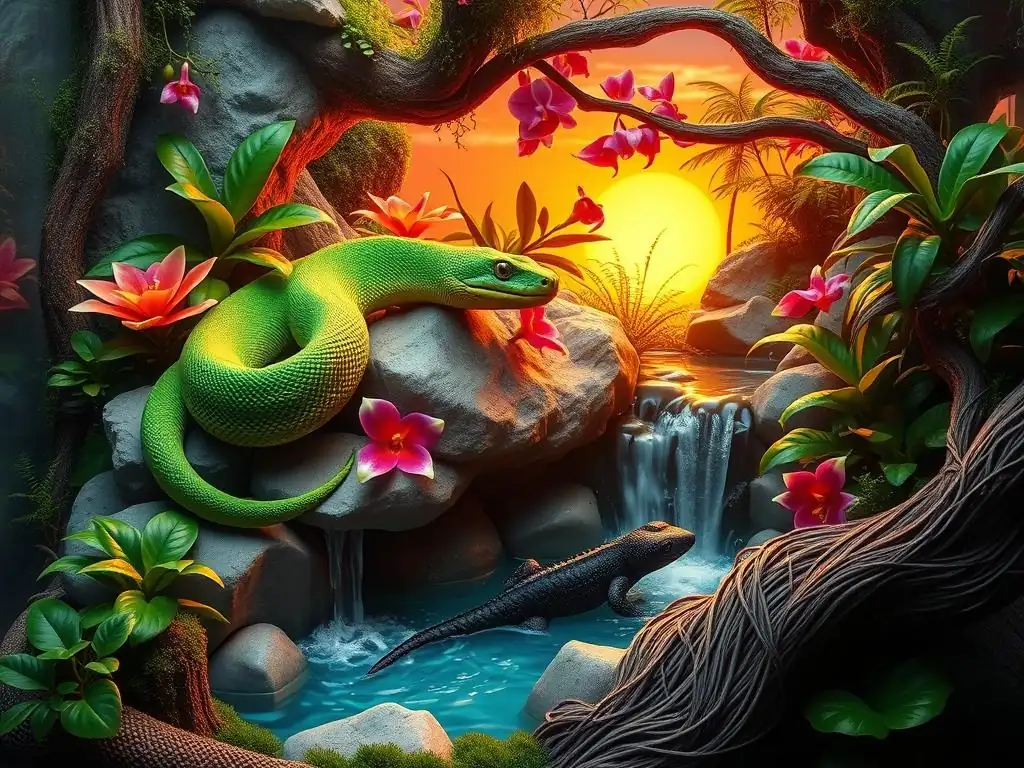
Welcome to PetCareWorld, your ultimate guide to a happier, healthier life for your beloved companion! Are you ready to transform your reptile's habitat from ordinary to extraordinary? Dive into our expert guide on Reptile terrarium decoration ideas, brimming with creative inspiration and practical advice to craft a thriving and stimulating environment for your scaly friend. Discover how simple design choices can significantly impact your reptile's well-being and unlock their natural instincts. Let's create a paradise they'll truly love!
- Choosing the Right Substrate for Your Reptile Terrarium
- Essential Reptile Terrarium Decor: Hiding Places and Enrichment
- Reptile Terrarium Decoration Ideas: Plants and Landscaping
- Reptile Terrarium Decoration Ideas: Rocks, Branches, and Climbing Structures
- Advanced Reptile Terrarium Decoration: Water Features and Basking Areas
- Maintaining Your Decorated Reptile Terrarium: Cleaning and Upkeep
- Reptile Terrarium Decoration Ideas: Species-Specific Considerations
- Where to Buy Reptile Terrarium Decorations
-
Frequently Asked Questions
- What are the essential elements for decorating a reptile terrarium?
- How can I create a natural-looking environment in my reptile terrarium?
- What materials should I avoid when decorating a reptile terrarium?
- How do I ensure the terrarium's decoration is safe for my reptile?
- What are some creative ideas for decorating a reptile terrarium beyond the basics?
- Final Reflection: Cultivating Thriving Habitats, One Terrarium at a Time
- Unleash Your Inner Terrarium Artist!
Choosing the Right Substrate for Your Reptile Terrarium
Creating a thriving and enriching environment for your reptile begins with the foundation: the substrate. The substrate, the material forming the bottom layer of your reptile terrarium, plays a crucial role in maintaining humidity, providing opportunities for natural behaviors like burrowing and foraging, and preventing injury. Choosing the wrong substrate can lead to health problems for your reptile, ranging from impaction to respiratory issues.
This guide will delve into the key considerations when selecting, maintaining, and replacing the substrate in your reptile terrarium, offering practical advice and expert insights to ensure your reptile's well-being and happiness. We'll explore the diverse range of substrate options available, highlighting the importance of species-specific needs and providing actionable steps for creating a natural and stimulating habitat that mimics your reptile's natural environment. Remember, a properly chosen and maintained substrate is fundamental for a healthy and happy reptile.
Let's dive into the specifics to ensure you're providing the best possible care for your scaly companion. 🦎
Selecting Appropriate Substrate Based on Reptile Species
The selection of the appropriate substrate is paramount and heavily dependent on your reptile's species. Different reptiles have different needs, and using the wrong substrate can have serious consequences. For example, a substrate suitable for a desert-dwelling reptile like a leopard gecko might be completely unsuitable for a species that requires high humidity, such as a green tree frog.
Here's a simplified guide, but always consult with a reptile veterinarian or herpetologist for species-specific recommendations:
| Reptile Type | Suitable Substrate Options | Unsuitable Substrate Options |
|---|---|---|
| Desert Species (e.g., Leopard Gecko) | Paper towels, reptile carpet, sand (fine), calcium sand | Wood shavings, cypress mulch, topsoil |
| Tropical Species (e.g., Green Tree Frog) | Coconut fiber, sphagnum moss, orchid bark | Sand, gravel, loose soil |
| Burrowing Species (e.g., Corn Snake) | Aspen shavings, cypress mulch, coconut fiber | Small gravel, sand (can cause impaction) |
| Semi-Aquatic Species (e.g., Water Dragon) | Soil mix with drainage layer, river rocks | Clay-based substrates, fine sand |
Remember that even within species, individual needs can vary. Consider the age and health of your reptile when making your decision. Younger reptiles, for example, may need a simpler, less complex substrate to avoid ingestion.
Substrate Depth and Drainage Considerations
The depth of your substrate is another critical factor. Burrowing species require a significantly deeper substrate layer to allow for natural digging and hiding behaviors. Insufficient depth can lead to stress and frustration for your reptile. However, excessively deep substrate can create issues with maintaining proper ventilation and hygiene.
Drainage is also crucial, especially for species that require high humidity. A poorly draining substrate can lead to stagnant water, fostering bacterial growth and increasing the risk of infection. For semi-aquatic or tropical species, creating a drainage layer beneath the main substrate is often recommended.
This can involve using things like gravel or perlite at the bottom of the terrarium, covered by a layer of appropriate substrate. The depth should be carefully considered based on your reptile’s needs and the type of substrate chosen. Too little depth can lead to stress and injury, while too much can lead to problems maintaining hygiene and ventilation.
Maintaining Substrate Hygiene and Preventing Bacterial Growth
Maintaining substrate hygiene is essential for preventing bacterial and parasitic infections. Regularly inspect the substrate for signs of mold, mildew, or excessive waste accumulation. Spot cleaning should be done daily, removing feces and uneaten food immediately. Complete substrate changes should be performed at intervals determined by the type of substrate and the species of reptile. For example, paper towels might require more frequent changes than a well-draining coconut fiber mix.
To prevent bacterial growth, avoid over-watering the substrate. Proper ventilation within the terrarium is also vital. In some cases, using a substrate that contains antimicrobial properties can be beneficial, but always ensure it's safe for your reptile. Remember that a clean and appropriately chosen substrate is a crucial component of maintaining a healthy environment for your reptile. Regular maintenance will significantly reduce the risk of disease and keep your reptile thriving. 🦠🚫
Essential Reptile Terrarium Decor: Hiding Places and Enrichment
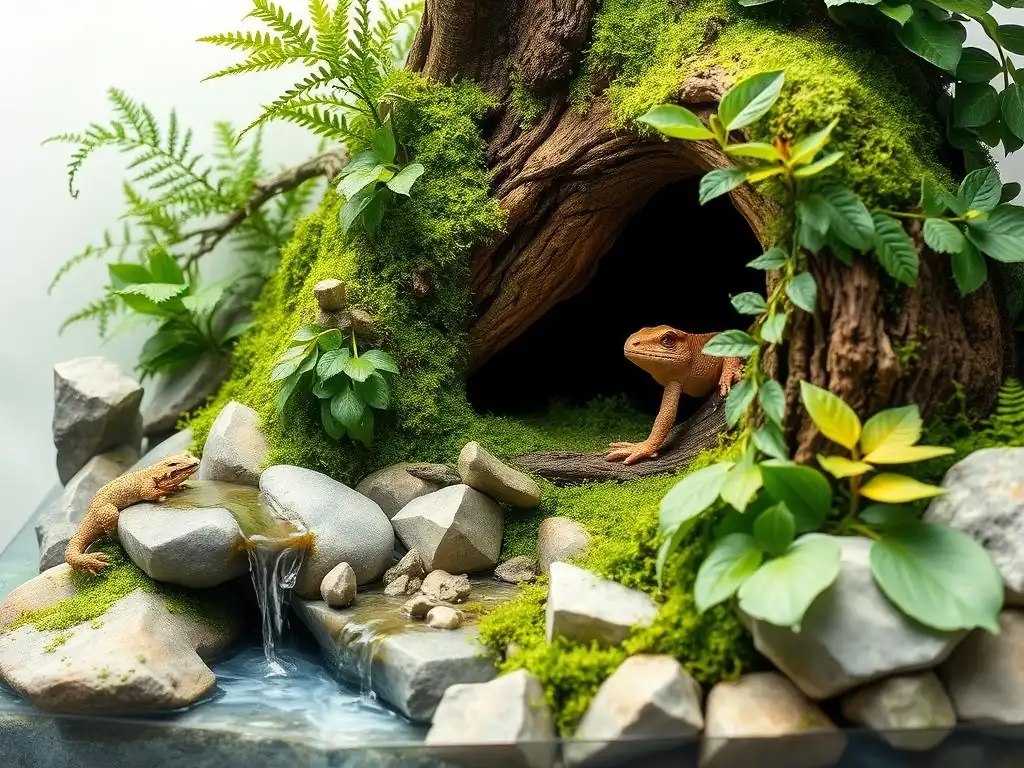
Reptiles, by nature, seek secure hiding places. Providing adequate and appropriately sized hiding spots within your reptile terrarium is crucial not only for their physical well-being but also for their psychological health. A lack of secure retreats can lead to chronic stress, impacting their immune system and overall vitality.
This section focuses on the importance of hiding places and how to strategically incorporate them into your reptile terrarium design, contributing to a thriving and enriching environment. Remember, the type and number of hides needed will vary considerably depending on the species of reptile you are housing. For example, a shy gecko will require more hiding spaces than a more outgoing bearded dragon.
Creating Natural Hiding Spots for Stress Reduction
Stress reduction in reptiles is paramount for their health and longevity. Creating natural hiding spots mimics their natural habitat, providing a sense of security and reducing anxiety. Natural materials are ideal; they offer a more realistic and stimulating environment.
Consider these options for creating natural hiding spots:
- Cork bark: Provides excellent vertical space and numerous crevices for smaller reptiles to hide within. Large pieces can create impressive cave-like structures. The rough texture also helps with shedding.
- Slate rocks and stones: Arrange flat stones to create layered hiding places, offering different levels of concealment. Ensure they are securely stacked to prevent collapse and injury. Larger rocks can provide excellent basking spots as well.
- Driftwood: Adds visual interest and provides unique hiding opportunities. Make sure the wood is thoroughly cleaned and dried before introducing it to the terrarium to prevent mold or bacteria growth. Avoid woods treated with chemicals.
- Live plants: Certain hardy plants can thrive in a reptile terrarium, offering both visual appeal and additional hiding places. Research plants appropriate for your reptile's specific humidity and temperature requirements. Consider Sansevieria trifasciata (Snake Plant) or Chlorophytum comosum (Spider Plant) for their hardiness.
Remember to ensure that all hiding places are appropriately sized for your reptile. A hide that's too small can cause stress, while one that's too large might not provide sufficient security.
Building Multiple Hiding Places for Territory Establishment
Many reptiles are territorial, especially during breeding season or when multiple individuals share a terrarium. Providing multiple hiding places, strategically positioned throughout the enclosure, allows reptiles to establish individual territories and reduces inter-species aggression. This is especially crucial when housing multiple reptiles of the same species.
The ideal number of hides depends on the number of reptiles and their species-specific behaviors. A general rule of thumb is to provide at least one hide per reptile, plus one or two extra. This ensures that even during periods of heightened activity or territorial disputes, each reptile has access to a safe space.
Consider the following placement strategies:
- Varied heights: Offer hides at different levels within the terrarium to cater to different preferences and create a more complex environment.
- Different types of hides: Combine various materials (cork bark, rocks, plants) to provide a range of hiding options.
- Strategic placement: Distribute hides evenly throughout the terrarium, avoiding clustering them in one area.
Careful observation of your reptiles’ behavior will help you fine-tune the placement and number of hides to best suit their needs.
Using Commercial Reptile Hides and Decorations
While creating natural hides offers many benefits, commercially available reptile hides and decorations provide convenient alternatives. These products are readily available in various shapes, sizes, and materials.
When choosing commercial hides, ensure they are:
- Non-toxic: Materials used should be safe for reptiles and won't leach harmful chemicals.
- Durable and easy to clean: Reptile hides should withstand regular cleaning and disinfecting.
- Appropriate size: Select hides that are appropriately sized for your reptile to ensure they feel secure and comfortable.
- Well-ventilated: Avoid hides that are completely enclosed, as this can lead to overheating and poor air circulation.
Commercial hides offer a quick and easy way to enhance your reptile terrarium. However, remember to combine them with natural elements to create a more stimulating and enriching environment. The best approach is often a blend of both homemade and commercially available decorations to meet the diverse needs of your reptile. Careful consideration of your reptile's specific needs and preferences, along with a touch of creativity, will allow you to design a beautiful and thriving habitat.
Enrichment Features for Stimulation and Exercise
Providing enrichment in your reptile terrarium is crucial for your pet's physical and mental well-being. A stimulating environment prevents boredom and encourages natural behaviors, leading to a happier and healthier reptile. This goes beyond simply providing a pretty habitat; it's about creating a space that challenges your reptile and allows it to express its natural instincts. Think of it as providing a "reptile gym" and playground all in one!
For example, arboreal species like many geckos and tree boas benefit immensely from climbing structures. These could be branches of varying thicknesses and lengths, secured safely to prevent collapse. Consider using branches from safe, untreated wood sources, ensuring they are thoroughly cleaned and dried before introduction to the terrarium. Varying the heights and angles of the branches encourages exploration and provides multiple basking spots. The added climbing activity also contributes to their overall fitness and prevents muscle atrophy.
Similarly, terrestrial species like many snakes and lizards benefit from substrate variations and hiding places scattered throughout the enclosure. Don't just use a uniform layer of substrate; incorporate rocks, textured bark, and even small, safe tunnels to create different levels and textures to explore. These variations encourage natural foraging behaviors and provide opportunities for exploration. A simple example is placing a large, flat rock slightly elevated, providing a basking spot and a change in terrain. This seemingly small detail can significantly enhance the reptile's environment.
Furthermore, incorporating live plants (carefully selected for reptile safety) adds another dimension to enrichment. Plants not only provide aesthetic appeal but also offer hiding places, climbing opportunities, and can even contribute to humidity levels. However, always research thoroughly to ensure any plants you choose are non-toxic and suitable for your specific reptile species.
Some safe options include certain types of bromeliads and pothos, but always double-check specific plant requirements before introducing them. The benefits extend beyond just providing hiding spots; the visual stimulation from the plants adds another layer of complexity to the environment, positively impacting the reptile's mental stimulation. Remember to choose plants that can tolerate the specific humidity and temperature levels within your terrarium.
Finally, consider adding interactive elements. These could be simple things like moving toys that are safe for your reptile (ensure they are non-toxic and won't cause injury) or even carefully supervised interaction with you, the owner, under appropriate conditions. Always prioritize your reptile's safety and well-being and avoid introducing anything that could be harmful or stressful.
Remember, the goal is to create a stimulating, yet secure environment that promotes natural behaviors and keeps your reptile happy and healthy. The key is to observe your reptile closely and adjust enrichment features based on its individual preferences and responses. A well-enriched terrarium is a happy reptile terrarium, showing a healthier and more vibrant reptile.
Reptile Terrarium Decoration Ideas: Plants and Landscaping
Creating a visually appealing and enriching environment for your reptile is crucial for their well-being. Reptile terrarium decoration ideas often center around plants and landscaping, providing both aesthetic pleasure and functional benefits. A well-designed terrarium mimics a reptile's natural habitat, reducing stress and encouraging natural behaviors. Let's explore how to incorporate plants effectively and safely.
Selecting Safe and Non-Toxic Plants for Your Reptile Enclosure
Choosing the right plants is paramount. Many common houseplants are toxic to reptiles. Thorough research is essential before introducing any plant into your reptile's enclosure. Avoid plants known to be poisonous, such as dieffenbachia, philodendron, and pothos. These can cause severe irritation, digestive upset, and even death if ingested.
Instead, opt for reptile-safe plants. Some excellent choices include:
- Spider plants: These hardy plants tolerate a range of conditions and are generally non-toxic.
- Haworthia: Succulents like Haworthia are low-maintenance and add a unique texture to the terrarium.
- Certain bromeliads: Some bromeliad species are safe and add vibrant color. Always verify the specific species before introducing it.
- Specific types of hibiscus: Some hibiscus varieties are safe, but again, thorough research on the exact species is crucial.
Remember to research the specific needs of your reptile species. Some reptiles may require specific humidity levels or temperature ranges that certain plants can help maintain or hinder. For example, a desert reptile will have different plant needs than a tropical species. Always prioritize the safety and well-being of your reptile. Consider using a mix of live and artificial plants to achieve a balanced and safe environment.
Creating a Realistic Landscape Using Artificial Plants
Artificial plants offer a convenient and safe alternative, especially for beginners or those with reptiles prone to consuming plants. High-quality artificial plants mimic the look and feel of real plants, providing visual stimulation without the risk of toxicity.
When selecting artificial plants, look for:
- Realistic appearance: Choose plants that closely resemble real counterparts in terms of color, texture, and shape. Avoid overly plastic-looking options.
- Durable materials: Opt for plants made from durable, non-toxic materials that can withstand handling and cleaning.
- Appropriate size and scale: Select plants that are appropriately sized for your terrarium and your reptile. Overly large plants can overwhelm the space, while overly small plants might be easily damaged or ingested.
Arranging artificial plants requires careful consideration of the overall terrarium design. Use a combination of different sizes and textures to create depth and visual interest. Remember to maintain a balance between open spaces for your reptile to move and explore and areas with dense vegetation for hiding and basking. The goal is to create a stimulating yet safe environment.
Arranging Plants for Visual Appeal and Reptile Access
The arrangement of plants is crucial for both aesthetics and functionality. Consider the following points:
- Visual balance: Distribute plants strategically to create visual balance within the terrarium. Avoid overcrowding, allowing for clear pathways for your reptile to navigate.
- Hiding places: Create hiding spots using plants and other terrarium elements to provide your reptile with a sense of security and reduce stress. This is especially important for shy or nervous reptiles.
- Basking areas: Plants can help create shaded areas and enhance basking spots. Position plants strategically to provide both sun and shade.
Consider the natural behavior of your reptile species. For example, arboreal reptiles will benefit from vertical structures and climbing plants, while terrestrial reptiles may prefer lower-lying vegetation and hiding places among rocks and branches. Remember that a well-decorated terrarium is not just visually appealing; it's a crucial component of your reptile's overall health and well-being. The careful selection and arrangement of plants contribute significantly to a thriving and enriching environment. Careful planning and attention to detail will result in a beautiful and functional terrarium that benefits both you and your scaly friend 🦎.
Maintaining Plant Health and Preventing Overgrowth
Maintaining the health of your terrarium plants is crucial for both the aesthetic appeal and the well-being of your reptile. A thriving, lush environment contributes significantly to a stimulating and enriching habitat. However, unchecked growth can quickly overwhelm the terrarium, compromising its functionality and potentially harming your reptile. Careful planning and regular maintenance are key to preventing this.
One of the most important aspects is selecting appropriate plant species. Not all plants are suitable for terrariums. Some might be toxic to your reptile, while others may require specific humidity or temperature levels that differ from your reptile's needs. Researching the specific needs of the plants and your reptile is essential before making any purchases. Consider factors like light requirements, watering frequency, and potential for rapid growth. For example, pothos are a popular choice due to their tolerance of various conditions and relatively slow growth rate, unlike some faster-growing vines that can quickly engulf the terrarium.
Proper watering techniques are also paramount. Overwatering is a common problem that can lead to root rot and fungal diseases, killing your plants and potentially introducing harmful molds into the terrarium. Instead of frequent, small waterings, aim for thorough soakings less often, allowing the soil to dry slightly between waterings. Observe the soil's moisture level before watering – stick your finger a couple of inches into the soil; if it feels dry, it's time to water. The type of soil you use will also influence how frequently you need to water. Well-draining soil is essential to prevent waterlogging.
Regular pruning is another vital aspect of maintaining plant health and preventing overgrowth. This involves carefully removing dead or decaying leaves and trimming back excessively long stems or vines. Not only does this improve the aesthetic appeal, but it also prevents plants from becoming too dense, which can hinder air circulation and create humid microclimates that encourage mold and mildew.
Use clean, sharp pruning shears to minimize damage to the plants. Pruning should be done regularly, perhaps every few weeks depending on the growth rate of your chosen plants. Remove any fallen leaves promptly to avoid decomposition and potential pest problems.
Finally, monitoring for pests and diseases is crucial. Regularly inspect your plants for signs of infestations such as aphids, mealybugs, or spider mites. Early detection and treatment are essential to prevent widespread damage. Use appropriate, reptile-safe pesticides if necessary, always following the instructions carefully and ensuring the terrarium is properly ventilated during and after treatment. Remember, a healthy and well-maintained terrarium is not just aesthetically pleasing; it's crucial for the overall well-being of your reptile. A balanced ecosystem within the terrarium is vital for a happy and healthy pet.
Reptile Terrarium Decoration Ideas: Rocks, Branches, and Climbing Structures
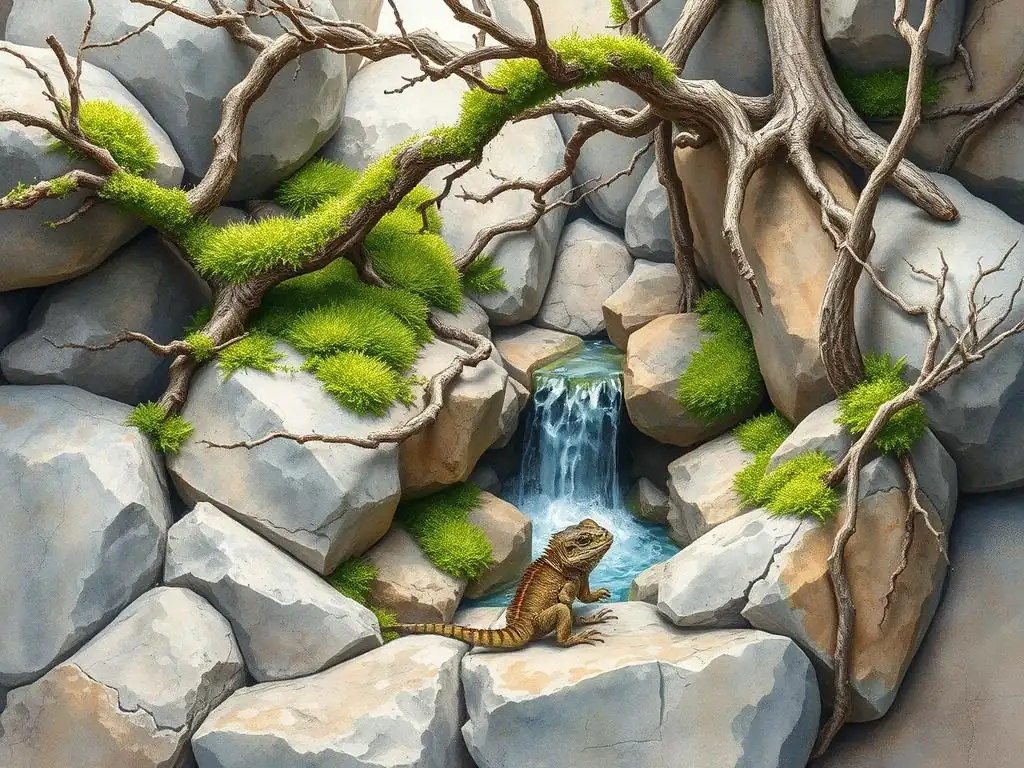
This section focuses on providing practical and safe reptile terrarium decoration ideas, specifically concerning the use of rocks, branches, and climbing structures. Remember, the safety and well-being of your reptile are paramount. Always prioritize materials that are non-toxic and appropriately sized for your specific reptile species. Improper decoration can lead to injury or stress. This guide will help you create a visually appealing and enriching environment for your scaly friend, enhancing their quality of life. We'll cover selecting appropriate materials and arranging them for both visual appeal and functionality, promoting natural behaviors. Let's dive into creating the perfect habitat!
Choosing Safe and Durable Rocks and Branches
Selecting the right rocks and branches is crucial for a safe and stimulating reptile terrarium. Avoid anything that could potentially chip or break, posing a risk of injury to your reptile. Sharp edges are a definite no-no!
- Rocks: Opt for smooth, rounded rocks that are naturally occurring and free of any chemical treatments or coatings. Avoid porous rocks that could harbor bacteria. River rocks are a popular and generally safe choice. Consider the weight of the rocks; you want them stable enough to avoid collapsing under your reptile's weight. Larger reptiles will require larger, heavier rocks. Always thoroughly wash and rinse any rocks before placing them in the terrarium.
- Branches: Branches should be sourced from trees known to be safe for reptiles. Avoid treated lumber or branches from plants that are toxic to reptiles. [List of safe and unsafe wood types pending]. Look for branches with interesting shapes and textures that offer varied climbing opportunities. Make sure the branches are securely positioned to prevent them from toppling over. Thorough cleaning and rinsing are essential before adding them to the terrarium. Consider the diameter of the branches; they should be appropriately sized for your reptile to grip easily.
| Material | Advantages | Disadvantages | Safety Considerations |
|---|---|---|---|
| Smooth Rocks | Durable, stable, visually appealing | Can be heavy, may need careful placement | Check for sharp edges, wash thoroughly |
| River Rocks | Naturally occurring, readily available | Can vary in size and shape | Wash thoroughly, ensure no sharp edges or cracks |
| Driftwood | Unique shapes, interesting textures | Can be porous, may require special cleaning | Check for splinters, treat for parasites if needed |
| Reptile-Safe Wood | specifically treated for reptile use | More expensive option | follow manufacturer instructions carefully |
Remember to check your chosen materials for parasites or insects before introducing them to the terrarium. A thorough cleaning and rinsing is always recommended.
Creating Climbing Structures to Encourage Natural Behavior
Climbing structures are essential for many reptile species, providing opportunities for exercise, exploration, and basking. The type of climbing structure you choose will depend on your reptile's species and size.
- For smaller reptiles: Consider using small, interconnected branches or pieces of cork bark arranged to create a network of climbing pathways. This will encourage them to explore and exercise.
- For larger reptiles: Sturdier branches or even purpose-built climbing structures may be necessary. Ensure that the structures are securely anchored to prevent collapse.
- Variety is key: Offer a variety of climbing structures with different heights, angles, and textures to provide a stimulating environment. This mimics their natural environment and promotes natural behaviours. This will prevent boredom and encourage natural behaviours.
Think about adding:
- 🌿 Vertical branches for climbing
- 🪨 Flat rocks for basking
- 🪵 Thick branches for resting
Properly designed climbing structures prevent your reptile from spending all its time on the ground, promoting a healthier lifestyle. This is especially important for arboreal species.
Arranging Rocks and Branches for Visual Interest and Functionality
The arrangement of rocks and branches is crucial for both aesthetic appeal and functionality. Consider the following points:
- Visual appeal: Aim for a natural and visually pleasing arrangement. Avoid symmetrical or overly-structured layouts. Mix sizes and textures to create depth and interest. Think about creating different levels and hiding places.
- Functionality: Ensure that there are sufficient basking spots, hiding places, and climbing opportunities. Consider your reptile's natural behaviors and preferences when arranging the decor. For example, nocturnal reptiles may need more shaded areas, while diurnal species may require more basking spots.
- Hiding places: Provide several hiding places using rocks, branches, or commercially available hides. This allows your reptile to feel secure and reduce stress. A sense of security is vital for a happy and healthy reptile.
- Basking spots: Ensure that there are appropriate basking spots where your reptile can regulate its body temperature. The positioning of basking spots is crucial, considering the heat source. These spots should receive adequate warmth from your heat source.
The arrangement of your terrarium should be both visually appealing and functionally suitable for your specific reptile's needs. Remember, a well-designed terrarium is key to your reptile's overall health and happiness. Consider taking inspiration from your reptile's natural habitat when designing the terrarium. A well-thought-out layout will provide a comfortable and enriching environment for your pet.
Securing Elements to Prevent Collapse and Injury
Creating a visually appealing and enriching reptile terrarium involves incorporating various elements like rocks, branches, and climbing structures. However, the safety of your reptile must always be the top priority. Improperly secured decorations can lead to collapses, injuring your pet and potentially damaging the terrarium itself. Therefore, securing these elements is crucial for both the well-being of your reptile and the longevity of your terrarium setup.
Several methods exist to ensure the stability of your terrarium decorations. For rocks, particularly larger ones, consider using a strong adhesive specifically designed for aquariums and terrariums. This type of adhesive is non-toxic and will withstand the humidity levels within the enclosure. Before applying the adhesive, thoroughly clean both the rock and the terrarium surface to ensure a strong bond.
You might need to experiment with different adhesives to find one that works best with your specific type of rock and terrarium material. For instance, some adhesives work better on glass than on plastic. Always follow the manufacturer's instructions carefully, paying close attention to drying times.
Branches, on the other hand, can be secured in several ways. If using relatively small branches, you may be able to wedge them securely between larger rocks or existing structures within the terrarium. However, for larger, heavier branches, drilling small holes and using strong, non-toxic aquarium-safe screws is a more reliable method.
Ensure the screws are completely submerged and covered with substrate or other decorative elements to prevent your reptile from coming into contact with them. Alternatively, you can use strong, flexible zip ties, carefully hidden within the substrate or behind other decorations. Remember to always check the security of the branches regularly, particularly after cleaning or rearranging the terrarium, to prevent accidents.
Climbing structures, whether purchased commercially or created from natural materials, require careful consideration. Many commercially available structures are designed with secure mounting points, but always double-check the manufacturer's instructions for proper installation. If constructing your own climbing structures, prioritize sturdiness and stability. Use strong, durable materials and secure them thoroughly to prevent collapse. Consider using a combination of adhesives and mechanical fasteners for added security, especially for heavier structures.
Regularly inspect all climbing structures for any signs of wear or damage and replace or repair them as needed. This proactive approach will ensure the safety and well-being of your reptile. Remember, prevention is always better than cure when it comes to terrarium safety. A little extra effort in securing your terrarium's elements can prevent serious injury to your beloved reptile.
Advanced Reptile Terrarium Decoration: Water Features and Basking Areas
This section delves into the more sophisticated aspects of reptile terrarium decoration, focusing on crucial elements that significantly impact your reptile's health and well-being: water features and basking areas. Proper implementation of these features is essential for creating a truly enriching and stimulating environment for your scaled companion. Remember, the goal is to mimic, as closely as possible, your reptile's natural habitat, providing opportunities for natural behaviors and promoting optimal health. Careful planning and execution are key to success in this stage of terrarium design.
Setting up a Safe and Clean Water Feature
Providing a clean water source is paramount for your reptile's hydration and overall health. The type of water feature depends heavily on your reptile species. For example, a large, shallow dish might suffice for a desert tortoise, while a waterfall system might be more appropriate for a humid-loving species like a green tree frog. Regardless of the specific design, safety and hygiene are critical considerations.
Several factors must be considered when setting up a water feature:
- Size and Depth: The water dish should be large enough for your reptile to comfortably submerge itself (if that's part of its natural behavior) without the risk of drowning. The depth should be shallow enough to allow easy access, especially for smaller reptiles.
- Material: Opt for non-toxic and durable materials like ceramic or glass. Avoid materials that can leach harmful chemicals into the water.
- Cleaning: Regular cleaning is essential to prevent bacterial growth and maintain water quality. Empty, scrub, and refill the water dish at least once a week, or more frequently depending on your reptile's needs and the size of the water feature. For larger water features, a filtration system might be necessary.
- Location: Place the water feature in an easily accessible location within the terrarium, away from the basking area to prevent overheating. Consider the overall flow of your terrarium design when positioning the water feature.
- Substrate: Avoid using substrates that are likely to become waterlogged and promote bacterial growth, especially around the water feature. A clean, easily washable surface is best.
Remember, stagnant water is a breeding ground for harmful bacteria. Regular maintenance is crucial to ensuring your reptile's health and safety. Failing to maintain a clean water source can lead to various health problems, including infections and dehydration.
Creating a Properly Heated Basking Area for Thermoregulation
Reptiles are ectothermic, meaning they rely on external sources of heat to regulate their body temperature. A properly heated basking area is therefore crucial for their survival and well-being. The temperature gradient within the terrarium should allow your reptile to thermoregulate by moving between warmer and cooler zones.
Creating the ideal basking area involves several key steps:
- Heat Source Selection: Various heat sources are available, including heat lamps, heat rocks, and under-tank heaters. The best choice depends on your reptile's specific needs and the type of terrarium you're using. Always research the appropriate heat source for your specific reptile species.
- Temperature Monitoring: Accurate temperature monitoring is critical. Use a reliable thermometer to ensure that the basking area reaches the correct temperature for your reptile. The temperature should be consistent throughout the basking area.
- Placement: Position the heat source strategically to create a thermal gradient within the terrarium. The basking area should be easily accessible to your reptile, but also provide a safe distance from the heat source to prevent burns.
- Substrate Considerations: The substrate in the basking area needs to be appropriate for your reptile's needs and be able to withstand the heat. Avoid materials that could burn or release harmful fumes when heated.
- Safety First: Always ensure the heat source is securely mounted and out of reach of your reptile to prevent burns or injury.
Integrating Water Features and Basking Areas into the Overall Design
The successful integration of water features and basking areas hinges on careful planning and a holistic approach to terrarium design. The placement of these elements should complement the overall aesthetic and functionality of the terrarium. Here are some key considerations:
- Species-Specific Needs: The design should be tailored to the specific needs of your reptile species. Consider their natural habitat, behavioral patterns, and thermoregulatory requirements. A desert reptile will have different needs than a tropical reptile.
- Visual Appeal: While functionality is paramount, the terrarium should also be visually appealing. Consider the arrangement of plants, rocks, and other decorative elements to create a natural and visually stimulating environment.
- Maintenance: The design should facilitate easy cleaning and maintenance of both the water feature and the basking area. Accessibility is key for regular cleaning and temperature adjustments.
- Safety: Ensure that the layout is safe for your reptile, minimizing the risk of injury or stress. Avoid sharp objects or elements that could pose a hazard.
By carefully considering these factors, you can create a reptile terrarium that is not only aesthetically pleasing but also provides a safe, stimulating, and enriching environment for your reptile, promoting its health and longevity. Remember, proper reptile care involves a commitment to providing a habitat that closely mimics their natural environment – this includes both water and heat regulation. 🦎
Monitoring Water Quality and Temperature
Maintaining pristine water quality is paramount in a reptile terrarium, especially when incorporating water features. Stagnant or contaminated water can quickly become a breeding ground for harmful bacteria and parasites, posing a significant health risk to your reptile. Regular monitoring is crucial to prevent such issues.
This involves testing the water's parameters—specifically pH, ammonia, nitrite, and nitrate levels—using a reliable test kit. Aim for pH levels within the optimal range for your specific reptile species; this information is readily available through reputable herpetological resources and veterinary guidance. High ammonia and nitrite levels indicate a buildup of waste products, signaling the need for immediate water changes and potentially a more thorough cleaning of the water feature itself.
Nitrate levels, while less acutely toxic, should still be monitored as elevated levels can stress your reptile and compromise its overall health. Regular partial water changes (e.g., 25-50% every 1-2 weeks, depending on the size of the water feature and the number of inhabitants) are essential to keep water parameters within safe limits. Remember to always use dechlorinated water, as chlorine and chloramine are harmful to reptiles.
Beyond water quality, maintaining the correct water temperature is equally vital. Reptiles are ectothermic, meaning they rely on external sources of heat to regulate their body temperature. A water feature can provide a crucial source of thermal regulation, especially for species that require both basking and soaking opportunities. Use a submersible aquarium heater designed for reptile terrariums to maintain the water at the appropriate temperature for your reptile.
Invest in a reliable thermometer, ideally one with both a digital display and an accurate temperature probe that can be submerged in the water. Constantly monitor the water temperature throughout the day to ensure it remains within the optimal range. Fluctuations in temperature can stress your reptile and lead to health problems.
Consider installing a thermostat to automatically regulate the heater, ensuring consistent water temperature even during power outages. Consistent monitoring and diligent maintenance of water quality and temperature are essential aspects of responsible reptile husbandry, contributing significantly to your pet's overall health and well-being. Ignoring these crucial factors can lead to serious health complications and potentially even death.
Maintaining Your Decorated Reptile Terrarium: Cleaning and Upkeep
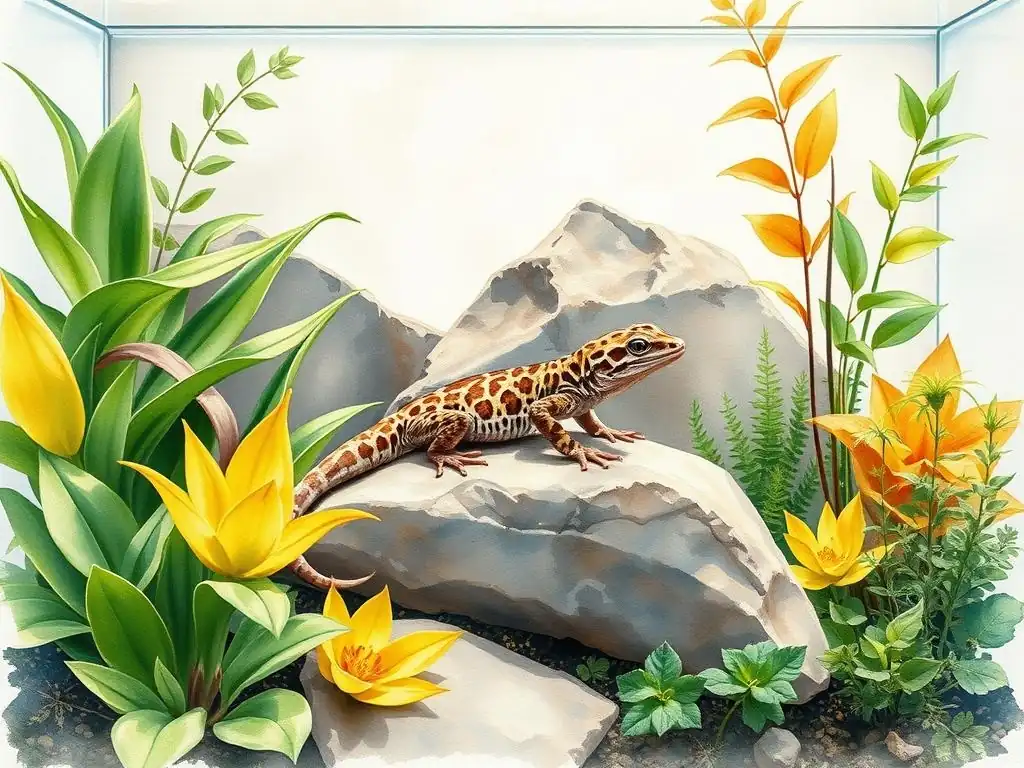
Maintaining a clean and healthy reptile terrarium is crucial for your pet's well-being and the longevity of your carefully crafted decorations. Neglecting regular cleaning can lead to the buildup of harmful bacteria, parasites, and unpleasant odors, negatively impacting your reptile's health and potentially damaging your terrarium's aesthetic appeal. This section outlines a practical approach to terrarium maintenance, ensuring both the health of your reptile and the beauty of its environment. Remember, consistency is key when it comes to reptile terrarium upkeep; proactive maintenance is far easier than extensive remediation.
Regular Cleaning Schedule and Methods
A consistent cleaning schedule is paramount. The frequency will depend on several factors, including the size of the terrarium, the number of reptiles housed within, the type of substrate used, and the species of reptile. However, a general guideline is to spot-clean daily and perform a more thorough cleaning at least once a week. Spot cleaning involves removing any visible waste, uneaten food, and shedding skin. This prevents the accumulation of waste and reduces the risk of bacterial growth.
For weekly deep cleans, follow these steps:
- Remove your reptile: Carefully relocate your reptile to a temporary, secure enclosure.
- Remove decorations: Gently remove all decorations, including rocks, wood pieces, and plants. Rinse these items with warm water, ensuring to remove any debris or waste. Avoid using harsh chemicals, as these can be harmful to your reptile.
- Clean the terrarium: Thoroughly clean the glass or plastic surfaces of the terrarium using a reptile-safe disinfectant. Avoid using soaps or cleaners that contain harsh chemicals. Many reptile keepers utilize a solution of warm water and white vinegar for this purpose.
- Clean and replace substrate: Remove and dispose of the old substrate. Thoroughly clean the bottom of the terrarium before adding fresh substrate. Remember to choose a substrate appropriate for your reptile's species.
- Replace decorations: Once everything is dry, carefully replace the cleaned decorations, recreating the natural and stimulating environment you've created.
Remember to always wash your hands thoroughly before and after handling your reptile and its terrarium.
Replacing Substrate and Decorations as Needed
Substrate and decorations will eventually wear down or become soiled beyond cleaning. Regularly inspect your terrarium for signs of wear and tear. Substrate should be replaced completely every few months, or more frequently if it becomes excessively soiled or compacted. Decomposing organic matter in the substrate can contribute to the growth of harmful bacteria and fungi, so prompt replacement is crucial.
Similarly, decorations may become damaged or lose their appeal over time. Wooden hides and plants may rot or decay, while artificial plants may become faded or damaged. Replace any damaged or deteriorating decorations promptly to maintain a safe and aesthetically pleasing environment. When replacing decorations, consider rotating them to provide your reptile with novelty and reduce boredom. This can also help to ensure even wear and tear on your decorations.
Monitoring for Signs of Damage or Decay
Regularly inspect all aspects of your terrarium for signs of damage or decay. This includes not only the substrate and decorations but also the terrarium itself. Look for cracks in the glass or plastic, signs of mold or mildew growth, and any damage to the heating or lighting equipment. Addressing these issues promptly prevents further problems and ensures the safety and well-being of your reptile.
Early detection of problems is crucial for maintaining a healthy and stimulating environment for your reptile. Remember, a well-maintained terrarium is a happy reptile terrarium! Regular monitoring is a crucial part of responsible reptile ownership and contributes significantly to the overall success of your reptile keeping endeavors. This proactive approach minimizes potential health risks for your pet and preserves the beauty of your meticulously designed habitat.
Ensuring a Safe and Healthy Environment for Your Reptile
Maintaining a clean and safe terrarium is paramount to your reptile's health and well-being. Neglecting regular cleaning can lead to the buildup of harmful bacteria, parasites, and fungi, increasing the risk of infections and diseases. This is especially crucial for reptiles with sensitive immune systems, such as young or elderly animals. A dirty environment can also stress your reptile, leading to decreased appetite, lethargy, and other behavioral changes. Remember, a thriving reptile needs a clean and stimulating habitat.
Regular cleaning should be a part of your routine reptile care. The frequency depends on several factors including the size of the terrarium, the number of reptiles housed, and the type of substrate used. For example, a terrarium with a paper towel substrate will require more frequent cleaning than one with a bioactive setup. A bioactive terrarium, while requiring less frequent overall cleaning, needs careful monitoring of the cleanup crew (e.g., isopods, springtails) and occasional spot cleaning to prevent waste buildup. Regardless of your setup, always remove any uneaten food promptly to avoid spoilage and attractant of pests.
Beyond the general cleanliness, ensure that all decorative items are non-toxic and reptile-safe. Avoid using materials that could leach harmful chemicals or pose a physical hazard. For instance, sharp rocks or loose decorations could injure your reptile. Always research the safety of any material before introducing it into the terrarium. Consider using natural materials whenever possible, such as smooth river rocks, driftwood, and safe, non-toxic plants.
These materials offer a more natural and stimulating environment while reducing the risk of chemical exposure. Remember, your reptile's safety and health should always be your top priority when decorating and maintaining their terrarium. Regular inspection for any signs of damage or deterioration to décor is crucial to prevent accidents. A proactive approach to terrarium maintenance is a vital component of responsible reptile ownership.
Reptile Terrarium Decoration Ideas: Species-Specific Considerations
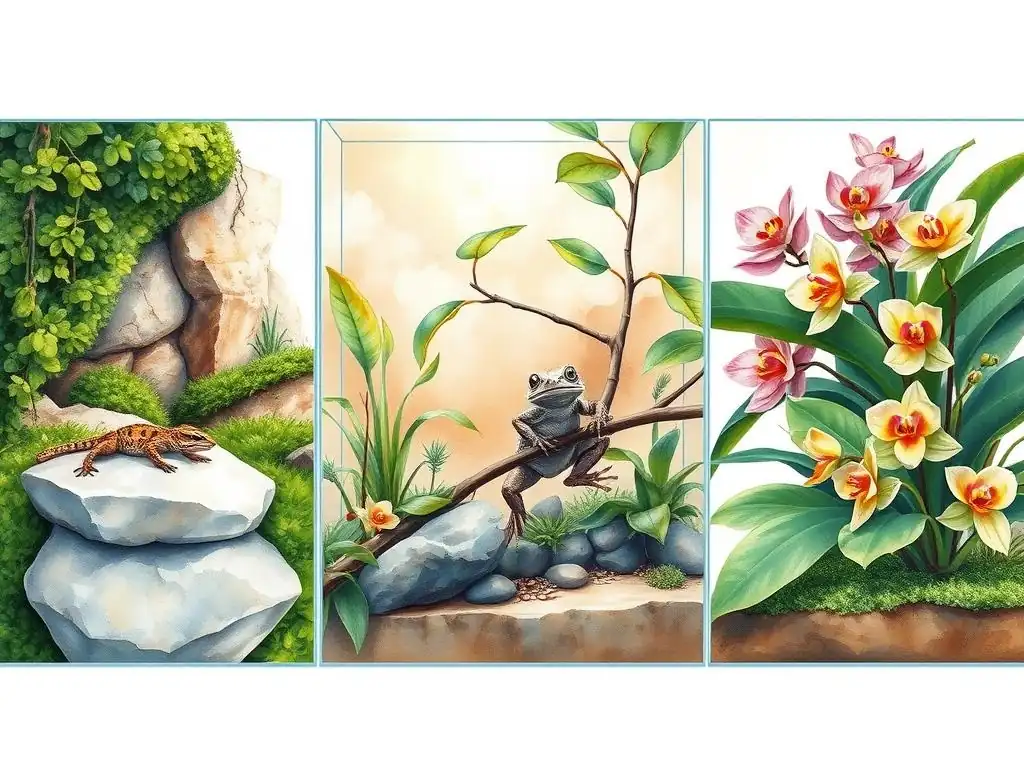
Creating a thriving reptile terrarium isn't just about aesthetics; it's about providing a stimulating and species-appropriate environment that promotes your reptile's physical and mental well-being. Reptile terrarium decoration ideas must be carefully considered, varying significantly depending on the species. Ignoring these species-specific needs can lead to stress, illness, and even death for your pet. This section focuses on tailored decoration strategies for different reptile groups, ensuring you create the perfect habitat for your scaly friend. Remember, research on your specific reptile species is crucial for optimal care.
Decorating Terrariums for Lizards
Lizards, with their diverse needs and behaviors, require careful consideration when it comes to terrarium design. The type of lizard significantly impacts the ideal setup. For example, arboreal lizards like chameleons require a heavily planted, vertical environment with plenty of branches for climbing and basking. Terrestrial lizards, such as bearded dragons, need a more open space with areas for basking under heat lamps and digging.
The substrate plays a vital role. For digging lizards, a deeper substrate of sand or a reptile-specific soil mix is essential. Avoid substrates that can be ingested and cause impaction. Arboreal lizards may benefit from a mix of soil and leaf litter on the ground, with branches and vines extending upwards.
Decorative elements should mimic the lizard's natural habitat. For desert-dwelling lizards, use rocks, driftwood, and sparsely planted cacti. For rainforest lizards, incorporate lush foliage, bromeliads, and vines to create a humid, densely vegetated environment. Always ensure that any decorations are secure and cannot collapse, causing injury to your lizard. Providing hiding places is crucial, using caves, cork bark, or hollow logs to allow for retreat and security.
Here's a table summarizing substrate and decor choices for different lizard types:
| Lizard Type | Substrate | Decor | Key Considerations |
|---|---|---|---|
| Bearded Dragon | Sand, reptile carpet, or soil mix | Rocks, basking platforms, hiding places | Adequate basking area, UV lighting is crucial |
| Leopard Gecko | Paper towels, reptile carpet, or sand | Rocks, caves, hiding places | Avoid loose substrates that can cause impaction |
| Chameleon | Soil mix with drainage, leaf litter | Branches, vines, live plants | High humidity, good ventilation |
| Crested Gecko | Coconut fiber, paper towels | Branches, vines, cork bark | High humidity, secure climbing structures |
Remember to always prioritize the safety and well-being of your lizard when decorating their terrarium.
Decorating Terrariums for Snakes
Snake terrariums should prioritize security and mimic the snake's natural environment. The type of snake will determine the necessary size and features. Constrictors, for instance, will require more space than slender, arboreal snakes.
Substrate selection is important. Aspen shavings, cypress mulch, or paper towels are commonly used, depending on the species and humidity requirements. Avoid substrates that can be ingested or cause skin irritation.
Decorations for snakes often focus on providing hiding places. This is crucial for reducing stress and providing a sense of security. Use rocks, cork bark, branches, or commercially available hides. Avoid sharp objects that could injure the snake.
Arboreal snakes will need branches and vines for climbing, while terrestrial snakes require more floor space and hiding places at ground level. For aquatic snakes, a water feature is essential, ensuring a safe and gradual entry/exit point.
The visual stimulation in a snake's terrarium is less crucial than for lizards. Simplicity is often preferred, focusing on providing a secure and comfortable habitat. Over-decorating can make cleaning difficult and hinder observation of your snake's behavior.
Decorating Terrariums for Turtles and Tortoises
Turtles and tortoises, particularly the terrestrial species, require spacious terrariums with a focus on providing areas for basking, hiding, and foraging. The substrate should be appropriate for the species, considering their digging habits and the need for proper drainage.
For aquatic turtles, a large water basin is essential, with a gradual slope to allow easy access to land. The water should be kept clean and filtered. Rocks and logs can be placed in the water to provide basking areas and hiding spots.
Terrestrial tortoises often require a deeper substrate for burrowing and humidity regulation. A mix of soil, sand, and leaf litter might be suitable, depending on the species. They need plenty of space to roam and should be provided with rocks, logs, and plants for basking and hiding.
Providing appropriate basking areas is crucial for both aquatic and terrestrial species, ensuring they can regulate their body temperature effectively. Use basking lamps with appropriate wattage and monitor the temperature carefully.
Remember to consider the size of your turtle or tortoise when decorating the terrarium. It should have ample space to move around freely and comfortably. Avoid overcrowding and ensure all decorations are secure and cannot be easily overturned or ingested. Regular cleaning is essential to maintain a healthy and hygienic environment.
Where to Buy Reptile Terrarium Decorations
Finding the right decorations for your reptile terrarium is crucial for creating a thriving and stimulating environment. The choices are plentiful, but selecting reputable sources ensures quality, safety, and the well-being of your reptile. Let's explore the best places to source your reptile terrarium décor, keeping in mind the importance of choosing materials safe for your specific reptile species. Remember, research is key; certain materials might be toxic to some reptiles.
Reputable Online Retailers
Online retailers offer a vast selection of reptile terrarium decorations, often at competitive prices. However, careful selection is crucial. Look for vendors specializing in reptile supplies and those with positive customer reviews emphasizing the quality and safety of their products. When choosing an online retailer for your reptile terrarium decoration ideas, consider the following:
- Product Descriptions: Detailed descriptions specifying the materials used (e.g., resin, ceramic, natural wood) are essential. Avoid vague descriptions.
- Customer Reviews: Pay close attention to customer reviews highlighting the durability, safety, and aesthetic appeal of the products. Negative reviews regarding toxic materials or damage should be a red flag.
- Shipping and Handling: Check the retailer's shipping policies to ensure safe and timely delivery, especially for fragile items. Look for options with adequate packaging to prevent damage during transit.
- Return Policy: A clear and straightforward return policy is vital in case of damaged or unsuitable products. This protects your investment and ensures you can obtain a replacement or refund if needed.
Prioritizing these factors when selecting an online retailer for your reptile terrarium decoration needs will help you find safe, high-quality products that enhance your reptile's habitat.
Local Pet Stores and Reptile Specialists
While online shopping offers convenience, visiting local pet stores and reptile specialists provides several advantages. You can physically inspect the decorations, ensuring they meet your standards for quality and safety. This hands-on approach allows you to assess the size, texture, and overall suitability for your specific reptile and terrarium setup.
- Expert Advice: Local reptile specialists often possess in-depth knowledge of reptile-safe materials and can offer personalized recommendations based on your reptile's species and needs. They can help you select decorations that complement your terrarium's environment and provide appropriate enrichment.
- Support Local Businesses: Supporting local businesses strengthens your community and often fosters a sense of personalized service you may not find online. They may even offer custom solutions or unique, locally sourced decorations.
- Immediate Availability: You can often take the decorations home immediately, eliminating the wait time associated with online shipping. This is especially beneficial for urgent needs or immediate terrarium setup.
DIY Options and Crafting Your Own Decor
Creating your own reptile terrarium decorations offers a unique and cost-effective approach. It allows for complete customization and control over the materials used, ensuring complete safety for your reptile. However, it requires creativity, time, and attention to detail. Remember to choose non-toxic materials appropriate for your reptile species.
Here are some DIY ideas for reptile terrarium decoration, keeping safety as the top priority:
- Natural Branches and Rocks: Thoroughly clean and bake any natural materials to eliminate potential parasites or bacteria before introducing them to the terrarium. Avoid materials that could splinter or pose a risk to your reptile.
- Ceramic Hiding Places: Use non-toxic ceramic paints to decorate pre-made ceramic hides or create your own from oven-bake clay. Ensure all paints are completely dry and cured before placing them in the terrarium.
- Cork Bark and Wood: Cork bark provides excellent hiding places and climbing opportunities. Ensure it’s appropriately sized and secured to prevent collapse. Similarly, carefully select and clean wood pieces, ensuring they are free from harmful chemicals and splinters.
Remember, regardless of your chosen source for reptile terrarium decoration ideas, prioritize safety and research thoroughly to ensure your reptile's well-being. A well-decorated terrarium is not only aesthetically pleasing but also crucial for your reptile's physical and mental health. A stimulating environment reduces stress and encourages natural behaviors, contributing to a longer, healthier life for your scaled companion. 🦎
Frequently Asked Questions
What are the essential elements for decorating a reptile terrarium?
Creating a stimulating environment involves providing appropriate substrate, hiding places, climbing structures, and environmental enrichment. Remember to prioritize your reptile's specific needs based on its species.
How can I create a natural-looking environment in my reptile terrarium?
Use realistic-looking plants, rocks, and driftwood to mimic the reptile's natural habitat. Avoid using artificial materials that could be harmful. Research your reptile's natural environment for inspiration.
What materials should I avoid when decorating a reptile terrarium?
Avoid using toxic paints, treated wood, or materials that could leach harmful chemicals. Always choose non-toxic, reptile-safe materials. Check for sharpness to prevent injuries.
How do I ensure the terrarium's decoration is safe for my reptile?
Select smooth, rounded rocks and securely attach any climbing structures. Ensure all decorations are sturdy and cannot collapse onto your reptile. Regularly inspect for any damage or hazards.
What are some creative ideas for decorating a reptile terrarium beyond the basics?
Consider adding themed backgrounds, small water features, or specialized lighting to enhance the terrarium's aesthetic appeal and functionality. Remember to prioritize your reptile's needs above all else.
Final Reflection: Cultivating Thriving Habitats, One Terrarium at a Time
Creating enriching reptile terrariums isn't merely about aesthetics; it's about directly impacting the well-being and longevity of these fascinating creatures. The careful selection of substrates, plants, hides, and enrichment items directly translates to a happier, healthier reptile, enriching both their lives and the lives of their keepers. This is more crucial than ever in a world increasingly focused on responsible pet ownership.
The impact of providing a stimulating environment extends far beyond the individual reptile. It fosters a deeper understanding and appreciation for these often misunderstood animals, challenging preconceived notions and promoting responsible reptile keeping practices. The animals we keep are not just pets; they are sentient beings deserving of our respect and care.
This sentiment underscores the ethical responsibility we bear as keepers to provide the best possible living conditions for our scaled companions. The journey of creating a thriving terrarium is a continuous learning process, one that deepens our connection with nature and the creatures within it.
Now, consider your own reptile's environment. Is it truly stimulating and enriching? Take a moment to assess your terrarium. Are there opportunities to add more natural elements, provide better hiding spots, or incorporate new climbing structures? Even small changes can make a significant difference in your reptile's quality of life. Embrace the ongoing process of refinement, learning, and enrichment. Your reptile will thank you for it, and you'll find yourself rewarded with a deeper connection to the fascinating world of herpetology.
Unleash Your Inner Terrarium Artist!
Thanks for exploring the world of reptile terrarium design! You've learned how to create a thriving and enriching habitat for your reptile. Now it's time to put your knowledge into practice. Ready to transform your reptile's home into a beautiful and functional space?
- Design and build your dream terrarium: Use the principles we've discussed to create a space your reptile will love. Experiment with different plants, substrates, and hides to create a unique and stimulating environment.
- Share your creation: Snap a photo of your finished terrarium and share it on social media using #PetCareWorldTerrarium – let's inspire others!
- Explore our online forum to connect with other reptile keepers and exchange tips and tricks.
What unique element will you add to make your reptile's terrarium truly special and reflect its individual needs?