
Reptile Vet Visits: Ensuring Safe and Effective Care

Welcome to PetCareWorld, your ultimate guide to responsible pet ownership! Are you ready to navigate the sometimes-tricky world of reptile care? We understand that taking your scaly friend to the vet can be daunting, which is why we've created a comprehensive Safe Reptile Vet Visit Guide. Discover essential tips and expert advice to ensure a smooth and stress-free experience for both you and your pet. Learn how to prepare, what to expect, and how to maximize the effectiveness of your visit – read on to unlock the secrets to a healthier, happier reptile!
- Preparing for Your Reptile's Veterinary Appointment: A Safe Reptile Vet Visit Guide
- Transporting Your Reptile Safely to the Veterinary Clinic
- At the Veterinary Clinic: Ensuring a Smooth Reptile Vet Visit
- Post-Vet Visit Care for Your Reptile: A Safe Reptile Vet Visit Guide
- Finding a Qualified Reptile Veterinarian: Expert Reptile Care
- Preventing Future Reptile Health Issues: Proactive Reptile Care
- Frequently Asked Questions
- Final Reflection: The Enduring Importance of Safe Reptile Care
- Unlock Your Reptile's Health Potential!
Preparing for Your Reptile's Veterinary Appointment: A Safe Reptile Vet Visit Guide
Taking your reptile to the veterinarian can be stressful, but proper preparation is key to ensuring a safe and effective visit. This comprehensive guide will walk you through the essential steps to minimize stress for both you and your scaly companion, ultimately leading to a successful veterinary experience. We'll cover everything from acclimating your reptile before transport to gathering crucial information for your veterinarian, all to help you navigate this important aspect of responsible reptile ownership.
This guide will equip you with the knowledge and tools to make your reptile's vet visit as smooth and stress-free as possible, contributing to their overall health and well-being. Remember, a well-prepared visit allows your vet to focus on providing the best possible care for your pet.
This is crucial for ensuring the longevity and happiness of your reptile friend. Let's dive into the details to make your next "safe reptile vet visit" a success!
Acclimating Your Reptile Before Transport
Before transporting your reptile, acclimation is crucial for reducing stress. Sudden changes in temperature and environment can negatively impact your reptile's health. The process should begin at least 24 hours before the appointment. Start by gently handling your reptile more frequently to help them become accustomed to your touch.
This helps reduce the stress associated with handling during the transport process. Avoid any sudden movements or loud noises around your reptile during this period. If you are changing the temperature or humidity in the enclosure, aim to make the adjustments gradually to prevent shock. Observe your reptile for any signs of stress, such as lethargy, changes in appetite, or unusual behavior.
If any such signs are observed, consult your veterinarian before transporting your reptile. Remember, a calm and comfortable reptile is more likely to tolerate the vet visit without complications. Think of this as a crucial step in minimizing stress for a smoother vet visit.
Choosing the Right Carrier for Safe Reptile Transport
Selecting the appropriate carrier is paramount for a safe reptile vet visit. The carrier must be secure, escape-proof, and provide a stable, comfortable environment for your reptile. The size of the carrier should be appropriate for your reptile's size and species, allowing for comfortable movement but preventing excessive space that could lead to injury. Avoid using carriers that are too small, which can cause stress and injury.
Similarly, carriers that are too large can increase the risk of your reptile getting injured during transit. The carrier material should be sturdy enough to prevent accidental damage during transport. Consider factors such as ventilation, temperature regulation, and ease of cleaning when choosing a carrier.
For example, a well-ventilated carrier is essential for maintaining appropriate temperature and humidity levels. A secure latch is critical to prevent escape, ensuring the safety of your reptile and others. This is a key aspect of a "safe reptile vet visit guide."
Gathering Essential Information for Your Vet
Before your reptile's veterinary appointment, gather all essential information to ensure a productive visit. This includes your reptile's species, age, sex, and any relevant history. Record any behavioral changes, diet modifications, or recent illnesses. Include detailed information about your reptile's housing, including temperature, humidity, substrate, and lighting. Also, keep a record of any medications your reptile is currently taking.
Note the dosages and frequency of administration. Bringing a fecal sample can be helpful for parasite testing, and a detailed description of any symptoms your reptile is exhibiting is crucial for accurate diagnosis. A comprehensive list of questions you have for the vet can help ensure that all your concerns are addressed during the consultation. This detailed approach contributes to a more efficient and effective veterinary visit, allowing for the best possible care for your reptile. Remember, thorough preparation ensures a successful and "safe reptile vet visit."
Documenting Your Reptile's History and Symptoms
Thorough record-keeping is crucial for a successful reptile vet visit. Before your appointment, gather as much information as possible about your reptile's history and current symptoms. This detailed documentation will allow the veterinarian to make a more accurate diagnosis and develop an effective treatment plan. Failing to provide comprehensive information can lead to delays in diagnosis and potentially compromise your reptile's health.
Consider creating a detailed timeline of events. When did you first acquire your reptile? What were the conditions of its enclosure at the time? Note any changes in behavior, appetite, or shedding patterns, including the exact dates these changes occurred. For example, did your bearded dragon suddenly stop eating? Did it coincide with a change in temperature or lighting in its terrarium? Precise details are invaluable.
Record any previous illnesses or treatments your reptile has received. Include the dates, the nature of the illness (e.g., respiratory infection, parasites), the treatments administered (e.g., medications, supportive care), and the outcome. If you have any previous veterinary records, bring them to the appointment. Copies are preferable, in case of any unforeseen circumstances.
When describing current symptoms, be specific and objective. Instead of saying "my snake is sick," describe the symptoms precisely: "My corn snake has been lethargic for three days, exhibiting reduced appetite and slightly cloudy eyes." Note the frequency, duration, and severity of each symptom. The more detailed your description, the better the veterinarian can understand your reptile's condition. Include any visible abnormalities, such as skin lesions, swelling, or unusual discharges. Taking photographs or videos of these symptoms can also be extremely helpful for the veterinarian.
Finally, don't forget to document environmental details. What are the temperature and humidity levels in your reptile's enclosure? What type of substrate are you using? What is your reptile's diet and how frequently do you feed it?
Even seemingly minor details can play a significant role in the diagnosis. For instance, incorrect humidity levels can cause severe respiratory problems in many species. Providing this information helps the vet assess the overall health and husbandry of your pet and potentially identify underlying causes of the illness. Remember, a proactive and well-prepared approach ensures the best possible outcome for your reptile's health.
Transporting Your Reptile Safely to the Veterinary Clinic
Getting your reptile to the veterinary clinic safely and stress-free is crucial for a successful visit. A poorly handled transport can exacerbate existing health problems or even cause new injuries. This section focuses on best practices for transporting your scaly friend, ensuring a smooth journey to and from the vet. Remember, a safe reptile vet visit guide should always prioritize the well-being of your pet.
Safe Handling Techniques for Different Reptile Species
Reptiles vary significantly in size, temperament, and handling requirements. A gentle approach is essential for all species, but specific techniques differ.
- Snakes: Support the snake's body along its entire length, preventing bending or twisting. Avoid squeezing, as this can cause injury. Use a secure, well-ventilated container during transport. Larger snakes may require two people for safe handling.
- Lizards: Depending on the species and size, lizards can be handled by gently supporting their body. Avoid grabbing their tail, as some species can detach their tails as a defense mechanism (autotomy). Smaller lizards might need a container with ventilation holes to prevent escape.
- Turtles and Tortoises: Support the shell from underneath, avoiding pressure on the plastron (bottom shell). Never lift by the limbs or tail. A secure container with a non-slip surface is recommended for transport.
- Chameleons: These delicate creatures require extremely gentle handling. Support their body weight evenly, minimizing stress. A well-ventilated container with branches for support is crucial during transport.
This table summarizes safe handling for various reptile types:
| Reptile Type | Handling Technique | Transport Container Requirements |
|---|---|---|
| Snakes | Support entire body, avoid squeezing | Secure, well-ventilated container |
| Lizards | Gentle support, avoid tail grabbing | Secure container, appropriate size, ventilation holes |
| Turtles/Tortoises | Support shell from underneath, avoid limb/tail lifting | Secure container, non-slip surface |
| Chameleons | Extremely gentle support, minimize stress | Well-ventilated container with branches for support |
Remember to always wash your hands thoroughly before and after handling your reptile. This prevents the spread of bacteria and parasites. 🧼
Maintaining Temperature and Humidity During Transport
Maintaining the correct temperature and humidity is paramount to your reptile’s well-being during transport. Fluctuations can cause stress, dehydration, or even death.
The ideal temperature and humidity levels will vary depending on your reptile species. You should consult your veterinarian or reptile care guides for species-specific requirements. Generally, you should aim to replicate the conditions within your reptile's enclosure as closely as possible.
For temperature regulation, consider using:
- Heat packs: Ensure these are placed safely and do not directly contact your reptile.
- Insulated containers: These help maintain a stable temperature.
- Temperature monitoring devices: Use a thermometer to monitor the temperature inside the carrier regularly.
Humidity control can be achieved with:
- Moist substrate: Use a damp paper towel or reptile-safe substrate at the bottom of the carrier.
- Spray bottle: Lightly mist the inside of the carrier to increase humidity, but avoid over-saturation.
- Humidity monitoring devices: Use a hygrometer to check the humidity levels regularly.
Failure to maintain appropriate temperature and humidity can lead to serious health complications. Always prioritize the environmental needs of your reptile during transport.
Preventing Stress and Injury During Travel
Minimizing stress during transport is crucial for your reptile's health and well-being. A stressed reptile is more susceptible to illness.
- Secure Container: Use a sturdy, escape-proof container designed for reptile transport. The container should be appropriately sized for your reptile, allowing for comfortable movement but preventing excessive space.
- Minimize Handling: Handle your reptile as little as possible during transport. Excessive handling can cause unnecessary stress.
- Reduce Noise and Vibration: Transport your reptile in a quiet and stable environment. Avoid bumpy roads or sudden movements.
- Avoid Direct Sunlight: Direct sunlight can lead to overheating. Keep the carrier out of direct sunlight during transport.
- Familiar Scents: Consider including a small, familiar item from your reptile's enclosure to provide a sense of comfort and security. This could be a small piece of substrate or a familiar rock.
By following these steps, you can ensure a safe and stress-free journey for your reptile, contributing significantly to a successful vet visit and improving their overall well-being. Remember, a safe reptile vet visit is a priority for responsible reptile ownership. 🐢
At the Veterinary Clinic: Ensuring a Smooth Reptile Vet Visit
This section focuses on navigating the veterinary clinic experience with your reptile companion, aiming to ensure a safe and effective visit. A well-prepared owner contributes significantly to a positive outcome, minimizing stress for both the pet and the veterinary team. This guide will help you understand what to expect and how to best support your reptile's wellbeing during the visit. Remember, a safe reptile vet visit hinges on preparation and clear communication.
Communicating Effectively with Your Reptile Veterinarian
Effective communication is paramount for a successful reptile vet visit. Before your appointment, gather all relevant information about your reptile's history. This includes:
- Species: Precise species identification (e.g., Pogona vitticeps rather than just "bearded dragon").
- Age: Knowing the age helps the vet assess developmental stages and potential issues.
- Housing: Describe the enclosure's size, temperature gradient, humidity levels, and substrate.
- Diet: Detail the frequency, type, and amount of food your reptile consumes.
- Symptoms: Clearly describe any observed changes in behavior, appetite, shedding, or physical appearance. Include the duration of any symptoms. For example, instead of "He's not eating well," say, "He hasn't eaten in three days, and he's been lethargic for two."
- Previous Treatments: Note any prior veterinary care received, including medications, diagnoses, and treatments.
During the appointment, don't hesitate to ask questions. Reptile veterinary care can be specialized, so clarifying anything unclear is crucial. A good veterinarian will welcome your questions and explain things in detail. Bringing a notepad or recording the consultation (with permission) can help ensure you don't miss any important information. Remember, you are your reptile's advocate, and proactive communication fosters the best possible care. Don't be afraid to voice any concerns, no matter how small they seem. A proactive approach is key to a safe reptile vet visit.
Understanding the Examination Process for Reptiles
The examination process for reptiles differs from that of mammals and birds. Veterinarians specializing in reptiles (herpetologists) understand these unique needs. Expect a thorough assessment encompassing several key areas:
| Examination Aspect | Description | Importance |
|---|---|---|
| Physical Examination | Visual inspection of skin, eyes, mouth, and overall body condition; palpation to check for masses or abnormalities. | Detects external signs of illness or injury. |
| Weight Measurement | Regular weight monitoring is crucial for assessing hydration and overall health. | Significant weight loss or gain can indicate underlying health problems. |
| Temperature & Humidity | Assessment of the reptile's body temperature and the ambient temperature and humidity of its enclosure. | Crucial for diagnosing illnesses related to thermoregulation and dehydration. |
| Laboratory Tests | Blood work, fecal exams, and radiographs (X-rays) may be recommended to diagnose internal issues. | Provides a deeper understanding of the reptile's health and helps in diagnosing a wide range of conditions. |
| Behavioral Assessment | Observation of the reptile's activity level, posture, and response to stimuli. | Provides insight into neurological health and overall well-being. |
The vet may use specialized equipment, such as scales designed for reptiles, temperature probes, and specialized examination tools. Be prepared for the examination to be relatively quick and efficient, minimizing stress on your reptile. Remember, a safe reptile vet visit involves understanding and accepting the necessary procedures.
Handling Potential Reactions to the Vet Visit
Even with careful preparation, some reptiles may exhibit stress reactions after a veterinary visit. These reactions can manifest in various ways:
- Lethargy: Reduced activity and appetite are common.
- Hiding: Your reptile may seek refuge in its enclosure for an extended period.
- Changes in Shedding: Stress can impact shedding patterns.
- Dehydration: Stress can lead to decreased water intake.
To help your reptile recover, provide a calm and stable environment. Maintain the appropriate temperature and humidity levels in the enclosure. Offer your reptile its preferred food items, and monitor its water intake. If you observe any concerning symptoms that persist beyond a few days, contact your veterinarian immediately. This is crucial for ensuring a safe reptile vet visit and its positive long-term effects. Remember, proactive monitoring and quick action are essential for addressing any post-visit complications. 🦎
Post-Vet Visit Care for Your Reptile: A Safe Reptile Vet Visit Guide
This section focuses on the crucial post-vet visit care for your reptile, a vital component of ensuring a truly safe reptile vet visit. Proper aftercare significantly impacts your reptile's recovery and overall well-being. Following these guidelines will help maintain your pet's health and minimize the risk of complications.
Monitoring Your Reptile for Any Adverse Reactions
Following a veterinary visit, particularly if procedures were performed or medications administered, close observation is paramount. You're essentially acting as your reptile's advocate, identifying any potential issues early. This attentive monitoring is a critical part of a safe reptile vet visit guide.
Several factors require careful attention. Changes in appetite are a key indicator. A sudden decrease or complete loss of appetite could signal pain, discomfort, or an adverse reaction to medication. Similarly, changes in behavior, such as lethargy, unusual hiding behavior, or a lack of response to stimuli, deserve immediate attention. Note any changes in your reptile's defecation or urination patterns; alterations in frequency, consistency, or color can indicate underlying problems. Finally, carefully examine your reptile's skin for any signs of infection, such as swelling, redness, or discharge around the injection site (if applicable).
Keep a detailed log of your observations. Include the date and time of each observation, along with a description of any changes in your reptile's behavior, appetite, or physical condition. This detailed record is invaluable should you need to contact your veterinarian. Regular weighing can also be beneficial in tracking any unexpected weight loss or gain. A visual checklist can be helpful:
| Observation Category | Normal Behavior | Abnormal Behavior | Notes |
|---|---|---|---|
| Appetite | Eats regularly, shows interest in food | Refusal to eat, decreased appetite | |
| Activity Level | Active, alert, explores enclosure | Lethargy, hiding excessively, unresponsive | |
| Defecation/Urination | Regular, normal consistency and color | Changes in frequency, consistency, or color | |
| Skin Condition | Smooth, healthy, no lesions | Swelling, redness, discharge, lesions | |
| Breathing | Normal rate and depth | Labored breathing, open-mouth breathing |
Remember, early detection significantly improves the chances of successful intervention. Don't hesitate to contact your veterinarian if you observe anything concerning. Your diligence contributes significantly to a successful and safe reptile vet visit.
Administering Medications as Prescribed
Accurate medication administration is crucial for your reptile's recovery. Veterinarians will provide specific instructions, including dosage, frequency, and method of administration. Carefully follow these instructions precisely. Improper dosage can be detrimental to your reptile's health.
Different medications require different administration techniques. Some medications might be administered orally, while others may require injection. Oral medications often necessitate careful handling to ensure your reptile ingests the entire dose. Injections, if prescribed, should only be performed by trained professionals or under their direct supervision. Never attempt to administer medication without explicit instructions from your veterinarian.
Maintain a medication log, recording each dose administered, the date and time, and any observed reactions. This meticulous record-keeping aids in monitoring effectiveness and detecting potential adverse reactions. Storing medications safely and securely, away from other pets and children, is also crucial for a safe reptile vet visit and your reptile's well-being. Improper storage can compromise medication efficacy and potentially harm your reptile. Always dispose of expired medications responsibly, following your veterinarian's or local authority's guidelines.
Following Up with Your Veterinarian for Reptile Care
Post-vet visit follow-up appointments are often essential, especially after major procedures or treatments. These follow-up visits allow your veterinarian to assess your reptile's progress, make necessary adjustments to the treatment plan, and address any emerging concerns. This is a critical component of a safe reptile vet visit guide.
The frequency of follow-up appointments varies depending on your reptile's condition and the nature of the veterinary visit. Your veterinarian will advise on the appropriate schedule. During these appointments, be prepared to provide a comprehensive update on your reptile's condition, including any observations made since the previous visit. This includes changes in appetite, behavior, and any other significant occurrences.
Bringing your detailed records of observations and medication administration will greatly assist your veterinarian in providing the best possible care. Active participation in your reptile's care, including diligent monitoring and prompt communication with your veterinarian, ensures a positive outcome and contributes to a safe reptile vet visit. Proactive communication is key to ensuring your reptile receives optimal care.
Finding a Qualified Reptile Veterinarian: Expert Reptile Care
Finding the right veterinarian is crucial for ensuring your reptile's health and well-being. Unlike dogs and cats, reptiles have very specific needs, and a general practitioner may lack the necessary knowledge and experience to provide adequate care. This section will guide you through the process of identifying and selecting a qualified reptile veterinarian. A safe reptile vet visit hinges on this crucial first step.
Identifying Reptile Veterinarians in Your Area
Locating a veterinarian specializing in reptiles might require more effort than finding a general practitioner. Start by using online search engines, specifying "reptile veterinarian near me" or "[your city/region] reptile vet". Many veterinary practices list their specialties on their websites. Look for mentions of reptile care, herpetology, or exotic animal medicine.
You can also leverage the power of online communities. Join online forums or social media groups dedicated to reptile owners in your area. Experienced reptile keepers often share recommendations for trusted veterinarians. Word-of-mouth referrals are invaluable; ask other reptile enthusiasts for their experiences and recommendations. Don't hesitate to reach out to local reptile rescue organizations or breeders; they frequently interact with reptile vets and can offer informed suggestions. Remember, a safe reptile vet visit starts with finding the right professional.
Evaluating a Veterinarian's Expertise in Reptile Care
Once you've compiled a list of potential veterinarians, carefully evaluate their qualifications and experience. Don't rely solely on online profiles; contact the veterinary practice directly. Inquire about the veterinarian's specific experience with your reptile species. For example, the needs of a bearded dragon differ significantly from those of a snake or a tortoise.
Ask about their diagnostic capabilities. Do they have access to specialized equipment, such as blood analysis tools tailored for reptiles? A safe reptile vet visit requires a veterinarian equipped to handle any potential issues. A veterinarian's continuing education and memberships in relevant professional organizations (like the Association of Reptilian and Amphibian Veterinarians, if applicable) are strong indicators of their commitment to staying updated on the latest advancements in reptile care.
Consider requesting a brief consultation before scheduling a full appointment. This allows you to assess the veterinarian's approach, communication style, and overall comfort level with handling reptiles. This initial interaction can be invaluable in determining the suitability of the veterinarian for your pet's needs, guaranteeing a safe reptile vet visit.
The Importance of Specialized Reptile Veterinary Care
Reptiles have unique physiological needs and are prone to specific diseases that general practitioners may not be familiar with. Their subtle symptoms can make diagnosis challenging, necessitating a veterinarian with specialized knowledge. A safe reptile vet visit conducted by a specialist minimizes the risk of misdiagnosis and inappropriate treatment. Improper handling, incorrect medication, or inadequate diagnostic procedures can lead to severe health complications or even death for your reptile.
Consider this: a reptile's thermal regulation, dietary requirements, and immune system differ drastically from mammals. A general vet may not understand the nuances of these factors, leading to ineffective or even harmful treatments. Therefore, choosing a veterinarian specializing in reptiles is not just beneficial; it's essential for the health and longevity of your pet. Investing in specialized care ensures a safe reptile vet visit and contributes to your reptile's overall well-being. The peace of mind knowing your reptile is in expert hands is invaluable.
Preventing Future Reptile Health Issues: Proactive Reptile Care
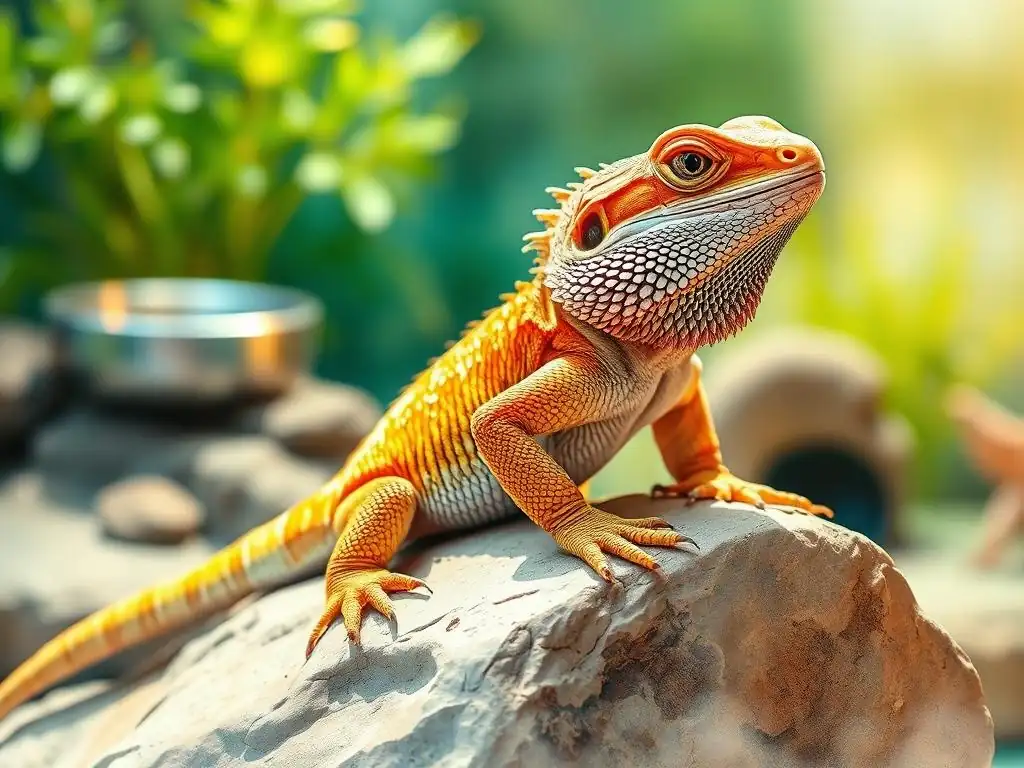
This section focuses on proactive measures you can take to minimize the need for frequent reptile vet visits. A healthy reptile is a happy reptile, and preventative care is key to ensuring their well-being. By focusing on these crucial aspects, you can significantly reduce the risk of illness and contribute to a longer, healthier life for your scaled companion. This guide emphasizes a proactive approach to reptile care, aligning with the principles of a Safe reptile vet visit guide.
Maintaining a Healthy Environment for Your Reptile
Maintaining a clean and appropriately controlled environment is paramount for reptile health. Neglecting this aspect often leads to preventable illnesses, necessitating costly and stressful vet visits. Consider these key elements:
- Temperature and Humidity: Precise temperature and humidity levels are species-specific. Invest in accurate thermometers and hygrometers to monitor these crucial factors. Fluctuations outside the recommended range can weaken your reptile's immune system, making it more susceptible to infections and other health problems. For example, a bearded dragon kept in consistently cool temperatures may develop metabolic bone disease (MBD).
- Substrate Selection: Choosing the right substrate is crucial. Avoid substrates that can be ingested and cause impaction, a serious and potentially fatal condition. Paper towels, reptile carpet, or specific reptile-safe substrates are generally safer options. Sand, for instance, can be problematic for certain species if ingested.
- Enclosure Cleaning: Regular and thorough cleaning of the enclosure is non-negotiable. Accumulated waste and uneaten food can harbor bacteria and parasites, leading to infections and gastrointestinal issues. The frequency of cleaning depends on the species and the size of the enclosure, but generally, a weekly spot cleaning and a full enclosure cleaning every 2-4 weeks is recommended. Always use reptile-safe disinfectants.
Providing Proper Nutrition for Your Reptile
Proper nutrition forms the cornerstone of a healthy reptile. An unbalanced diet can lead to various deficiencies, weakening the immune system and increasing the risk of illness.
- Species-Specific Diets: Research your reptile's specific dietary needs. Different species have different nutritional requirements. Some are insectivores, others are herbivores, and some are omnivores. Providing the wrong type or amount of food can lead to malnutrition, impacting growth, bone health, and overall well-being.
- Nutrient Variety: Even within a species-specific diet, variety is key. Offering a diverse range of appropriate foods ensures your reptile receives a balanced intake of essential vitamins and minerals. For example, supplementing a herbivorous reptile's diet with calcium and vitamin D3 is often necessary.
- Feeding Frequency: The frequency of feeding depends on the age and species of your reptile. Young, growing reptiles require more frequent feeding than adults. Overfeeding can also be detrimental, leading to obesity and related health issues. Consult reliable sources for species-specific feeding guidelines.
Regular Reptile Health Checkups: A Preventative Approach
Regular veterinary checkups are crucial, even if your reptile appears healthy. These checkups allow for early detection of potential problems before they become serious.
- Frequency: The frequency of vet visits depends on the age and species of your reptile, but generally, at least one annual checkup is recommended. Younger reptiles might require more frequent visits.
- What to Expect: During a checkup, the veterinarian will conduct a thorough physical examination, assessing your reptile's weight, body condition, and overall health. They may also perform fecal tests to check for parasites. Early detection of problems like parasites or metabolic bone disease can significantly improve treatment outcomes.
- Signs Requiring Immediate Veterinary Attention: Be vigilant for any signs of illness, such as lethargy, loss of appetite, unusual droppings, skin abnormalities, or respiratory issues. Do not hesitate to contact your veterinarian immediately if you notice any concerning symptoms. Early intervention is critical in ensuring a positive outcome. This proactive approach is a core component of any Safe reptile vet visit guide.
Frequently Asked Questions
How do I choose a reptile-experienced veterinarian?
Finding a vet with specialized reptile experience is crucial. Check online directories, contact local reptile rescue organizations, or ask other reptile owners for recommendations. Look for vets who list reptile care as a specialty on their website.
What should I bring to my reptile's vet appointment?
Bring your reptile in a secure, well-ventilated carrier. Also bring any relevant records, such as purchase information, previous vet records, and details about your reptile's diet and environment. Don't forget a recent fecal sample, if requested.
How can I reduce my reptile's stress during transport?
Minimize handling before the appointment. Use a comfortable, appropriately sized carrier. Maintain consistent temperatures during transport, using heat packs or cooling measures as needed. Keep the carrier secure and dark to reduce anxiety.
What should I expect during the vet visit?
Expect a thorough examination, including a physical check and possibly blood work or imaging. The vet will discuss your reptile's diet, housing, and overall health. Be prepared to answer questions about your pet's history and current condition.
What should I do if my reptile becomes ill between vet visits?
Monitor your reptile closely and note any significant changes in behavior or appearance. Contact your veterinarian immediately if you observe any concerning symptoms, such as lethargy, changes in appetite, or unusual discharge. Don't hesitate to seek emergency care if needed.
Final Reflection: The Enduring Importance of Safe Reptile Care
The health and well-being of our reptile companions depend entirely on our understanding and commitment to providing safe and effective veterinary care. Ignoring this crucial aspect not only jeopardizes the life of the animal but also undermines the growing movement towards responsible reptile ownership. The consequences of improper handling and inadequate veterinary attention can be devastating, highlighting the urgent need for accessible and reliable information.
The journey of responsible reptile ownership is a continuous learning process, demanding both dedication and a deep respect for these often misunderstood creatures. Their unique physiological needs require specialized knowledge, making access to experienced reptile veterinarians paramount. The best way to find a good reptile vet is through word-of-mouth recommendations from other reptile owners and breeders. Don't hesitate to ask questions and ensure you feel comfortable with the vet's expertise and approach.
This quote underscores the importance of community and proactive research in ensuring the best possible care for our scaly friends. The impact of responsible reptile ownership extends beyond individual animals; it shapes public perception and influences future conservation efforts.
Now, consider your own reptile companion, or even the reptiles you encounter in the wild. What steps can you take today to ensure their safety and well-being? Are you actively seeking out a qualified reptile veterinarian? Are you educating yourself on the specific needs of your pet? Take this opportunity to reflect on your role in responsible reptile care. By actively participating in their well-being, you are not only enriching their lives but also contributing to a future where these fascinating creatures thrive.
Unlock Your Reptile's Health Potential!
Thank you for taking the time to learn about providing your reptile with the best possible veterinary care! We hope this article has provided you with valuable information. Now, let's put that knowledge into practice.
- Schedule your reptile's next veterinary checkup immediately. Don't wait for a problem to develop – proactive care is essential. Even a wellness visit is beneficial if it's been some time since your reptile's last checkup.
- Share this article with other reptile enthusiasts in your community. Helping others ensure their reptiles receive optimal care fosters a strong support network.
- Maintain a simple health log for your reptile, recording feeding, shedding, and any observed behavioral changes. This will assist your veterinarian in diagnosing any issues promptly.
What steps will you take today to improve your reptile's well-being?