
Childproofing Your Reptile: A Guide for Families With Kids

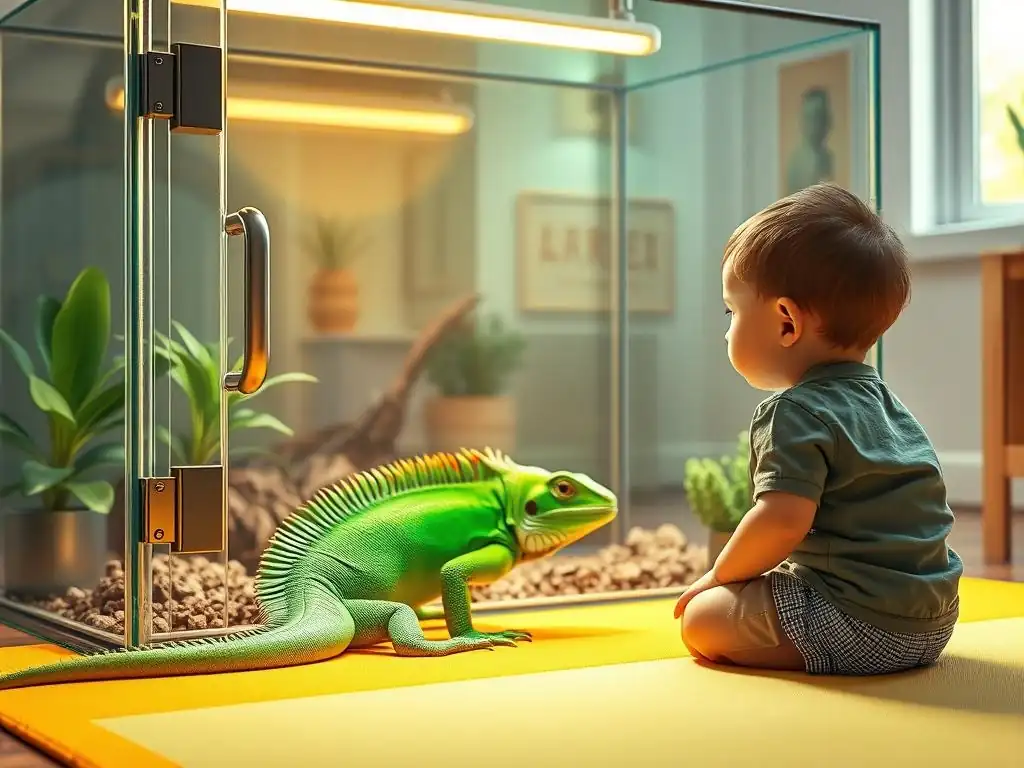
Welcome to PetCareWorld, your ultimate guide to a happier, healthier life for your beloved pets! Are you a reptile enthusiast with young children? Then you'll want to explore our crucial guide on childproofing reptile enclosures. Learn essential safety tips and discover practical solutions to ensure both your little ones and your scaly companions remain safe and secure. Dive in and discover how to create a harmonious home for everyone!
- Understanding the Risks: Reptile Enclosure Safety for Children
- Childproofing Your Reptile Enclosure: Practical Steps
- Reptile-Safe Environment for Children: Coexistence Strategies
- Advanced Reptile Enclosure Safety Measures
- Maintaining a Safe and Harmonious Home Environment for Reptiles and Children: Ongoing Safety
-
Frequently Asked Questions
- What are the biggest dangers to children around reptile enclosures?
- How can I childproof a reptile enclosure to prevent escapes?
- What about the dangers of poisonous or venomous reptiles?
- Are there specific safety measures for heat lamps and other equipment?
- What should I do if my child accidentally gets bitten by a reptile?
- Final Reflection: Securing Tiny Scales, Protecting Growing Minds
- Unlock a Safe Haven: Secure Your Reptile and Your Child Today!
Understanding the Risks: Reptile Enclosure Safety for Children
Raising reptiles alongside children can be a rewarding experience, fostering responsibility and a love for nature in young ones. However, it's crucial to understand that reptiles, while fascinating, present unique safety challenges for families. This comprehensive guide focuses on childproofing your reptile enclosure, minimizing risks, and ensuring a harmonious co-existence between your scaly companions and your children. We'll explore potential hazards, identify potentially dangerous species, and examine common accidents to help you create a safe and enriching environment for everyone.
Understanding these risks is the first step towards establishing a secure home for both your children and your reptiles, promoting a safe and enjoyable experience for all. This guide prioritizes practical solutions and evidence-based advice to empower you in creating a truly childproof reptile environment. Remember, proactive safety measures are key to preventing accidents and ensuring the well-being of both your family and your pets.
Potential Hazards of Reptile Enclosures for Children
Reptile enclosures, while designed to house your pet safely, can present several hazards to children if not properly secured. Young children are naturally curious and may be tempted to interact with the enclosure in ways that could lead to injury or harm to themselves or the reptile. Some key hazards include:
- Enclosure Access: Small children might attempt to climb or reach into the enclosure, potentially leading to bites or scratches from the reptile. Improperly secured lids or doors are a major concern.
- Substrate Ingestion: Loose substrates like sand or gravel can pose a choking hazard if ingested by a child. This is particularly risky for toddlers who tend to put things in their mouths.
- Escape Risks: A poorly secured enclosure could allow the reptile to escape, potentially leading to the reptile's injury or even a dangerous encounter with a child.
- Toxic Plants: Some reptile enclosures utilize plants for decoration or environmental enrichment. Many common houseplants are toxic to both children and pets and must be carefully chosen and positioned out of reach.
- Sharp Objects: Decorations, such as rocks or branches, within the enclosure could cause injuries if a child reaches into the enclosure.
- Chemical Hazards: Cleaning products used for maintaining the enclosure should be stored safely and out of reach of children, as accidental ingestion can be very dangerous. The same applies to any medications used for the reptile.
Creating a safe environment requires a multi-faceted approach. This includes selecting an appropriate enclosure type, securely fastening all latches and doors, and regularly inspecting the enclosure for any potential hazards. Additionally, educating children about the importance of respecting the reptile's space and avoiding direct contact is vital.
Identifying Dangerous Reptiles: Toxicity and Handling
Not all reptiles pose the same level of risk. Some species are inherently more dangerous than others due to their venom, bite force, or potential to transmit diseases. Before acquiring any reptile, research the species thoroughly to understand its potential hazards. For instance, venomous snakes, such as certain vipers and cobras, present a serious threat, requiring specialized knowledge and handling techniques. Even non-venomous reptiles can inflict painful bites, particularly larger species.
Consider the following when assessing the risk level of your reptile:
- Venomous vs. Non-Venomous: Clearly differentiate venomous from non-venomous species. Venomous species require the highest level of security and specialized handling expertise.
- Bite Force and Size: Larger reptiles, even non-venomous ones, can inflict significant injuries due to their bite force and size.
- Disease Transmission: Reptiles can carry Salmonella bacteria, which can cause illness in humans. Proper hygiene practices are essential to minimize this risk.
- Temperament: Some reptiles are more docile than others. A naturally aggressive species will naturally pose a higher risk to children.
It's imperative to handle reptiles with caution, even those considered "docile." Always supervise children around reptiles, and never allow them to handle the reptile unsupervised. Proper training on safe handling techniques is essential for adults who will be interacting with the reptile.
Common Accidents Involving Reptiles and Children
While preventative measures are crucial, understanding common accidents involving reptiles and children can help you anticipate potential risks and implement appropriate safeguards. Some common scenarios include:
- Accidental Bites: The most frequent accident involves children being bitten by the reptile, often due to reaching into the enclosure or attempting to handle the reptile without supervision. The severity of the bite depends on the reptile species and the child's age and health.
- Enclosure Escape: Reptiles escaping their enclosure can lead to stressful situations for both the family and the reptile. A loose reptile may hide in unexpected places, leading to accidental encounters with children.
- Substrate Ingestion: Young children may ingest substrate material, leading to potential choking or intestinal blockage.
- Exposure to Feces: Contact with reptile feces can lead to bacterial infections, particularly Salmonella.
To mitigate these risks, establish clear rules about interacting with the reptile and the enclosure. Regularly inspect the enclosure for any signs of damage or weakness. Maintain impeccable hygiene around the enclosure and implement thorough cleaning protocols. These preventative measures can significantly reduce the likelihood of accidents. Remember, a well-planned and carefully managed reptile enclosure is vital for the safety of both your children and your reptile.
Childproofing Your Reptile Enclosure: Practical Steps
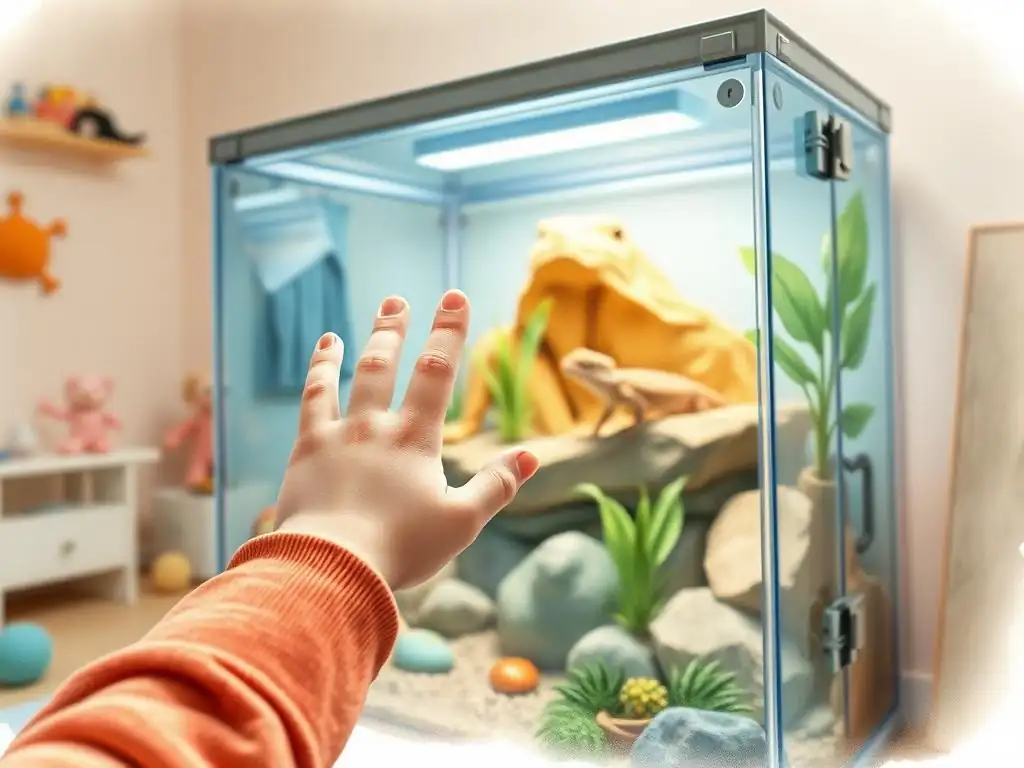
This section delves into the practical steps you can take to ensure your reptile enclosure is safe for both your child and your reptile. We'll cover essential aspects of childproofing, focusing on enclosure design, hazardous material storage, and securing the surrounding environment. Remember, proactive measures are key to preventing accidents and ensuring a harmonious home environment for everyone. Effective childproof reptile enclosure safety is achievable with careful planning and execution.
Secure Enclosure Design: Preventing Escapes and Access
A secure enclosure is the cornerstone of childproof reptile enclosure safety. Reptiles, especially smaller or more agile species, can be surprisingly adept at escaping. Children, naturally curious, may unintentionally aid their escape. Therefore, the first line of defense is a robust and escape-proof enclosure.
Consider these points when assessing your enclosure's security:
- Secure Lid/Top: The enclosure lid or top must be securely fastened, preferably with multiple locking mechanisms. Avoid simple latches that a child could easily open. Consider using clips, screws, or even specialized reptile enclosure locks designed for added security.
- Solid Substrate: The substrate (the material at the bottom of the enclosure) should be solid and escape-proof. Loose substrates like sand or loose soil can be easily dug through, potentially creating escape routes. Opt for a solid substrate like paper towels, reptile carpet, or a firm tile base.
- Mesh Size: If your enclosure uses mesh, ensure the mesh size is small enough to prevent your reptile from escaping or your child from reaching in. Smaller mesh sizes are crucial for smaller reptiles and prevent accidental injury.
- Enclosure Material: The enclosure itself should be made of durable material that can withstand attempts to break in. Glass terrariums are generally more secure than plastic, but both require careful consideration of locking mechanisms.
- Regular Inspections: Regularly inspect your enclosure for any signs of damage or weakness. Even small cracks or loosened parts can compromise security. Proactive maintenance is vital to maintaining childproof reptile enclosure safety.
Safeguarding Hazardous Materials: Cleaning Supplies and Medications
Reptile care often involves the use of potentially hazardous materials, such as cleaning solutions, disinfectants, and medications. These must be stored securely and out of reach of children. Accidental ingestion or contact could have serious consequences.
Here's how to safely store these materials:
- Locked Cabinets: Store all cleaning supplies and reptile medications in securely locked cabinets or high shelves, well out of a child's reach. Consider using childproof locks on cabinets for added security.
- Proper Labeling: Clearly label all containers with their contents and any associated safety warnings. This ensures that even adults understand the potential hazards.
- Separate Storage: Keep reptile-specific cleaning supplies and medications separate from household cleaning products. This minimizes the risk of accidental mixing or ingestion.
- Designated Area: Designate a specific area for storing these materials, keeping it away from the reptile enclosure and other areas children frequent.
- Out of Sight, Out of Mind: Even with locked cabinets, keeping hazardous materials out of sight reduces the temptation for curious children.
Childproofing the Surroundings: Preventing Falls and Injuries Near the Enclosure
The area surrounding the reptile enclosure also needs attention to ensure childproof reptile enclosure safety. Accidents can happen near the enclosure, not just within it. Consider these precautions:
- Stable Placement: Place the enclosure on a stable, level surface that can withstand its weight. Avoid placing it on unsteady furniture or near edges where it could be knocked over.
- Protective Barriers: Consider using protective barriers, such as corner guards or edge bumpers, to prevent sharp corners from causing injury. This is especially important if the enclosure is made of glass or has sharp edges.
- Floor Protection: Use a protective floor covering, such as a rug or mat, underneath the enclosure to prevent damage to the floor or the enclosure itself if it's accidentally dropped.
- Supervision: Always supervise children when they are near the reptile enclosure, regardless of how well childproofed it is. A watchful eye is the best safety measure.
- Educational Approach: Teach children about the importance of respecting the reptile's space and not touching or interacting with it without adult supervision. Early education about reptile safety is crucial. This approach complements physical childproofing measures for a comprehensive safety plan.
Remember, a multi-faceted approach to childproofing your reptile enclosure is essential. By combining secure enclosure design, safe storage of hazardous materials, and childproofing the surrounding environment, you can create a safe and enjoyable home for both your child and your reptile. This comprehensive approach to childproof reptile enclosure safety will provide peace of mind and prevent potential accidents.
Choosing the Right Location: Minimizing Risks for Children and Reptiles
Selecting the ideal location for your reptile enclosure is paramount for both your child's safety and your reptile's well-being. A poorly chosen spot can lead to accidental injury or stress for your pet, and even create hazardous situations for your child. Consider these factors carefully:
The first, and perhaps most important consideration, is accessibility. Avoid placing the enclosure in areas easily accessible to young children, such as low shelves or areas within their reach. High shelves, secured cabinets, or rooms generally off-limits to children are much safer options. Remember, even a seemingly secure location can be compromised by a determined toddler. Think about their climbing abilities! A seemingly unreachable shelf might be perfectly accessible with a little help from a chair or other household item.
Next, think about the environment. Reptiles require specific temperature and humidity levels. Avoid placing the enclosure near heat sources like radiators or fireplaces, which could cause overheating. Similarly, direct sunlight can also dramatically alter the enclosure's temperature and humidity, potentially harming your reptile. Conversely, placing the enclosure in a drafty area might lead to dangerously low temperatures. Maintaining a stable environment is crucial for your reptile's health, so careful location selection is key to successful childproofing and responsible reptile care.
Furthermore, consider the materials of the enclosure and its surroundings. Some enclosures are made of glass, which can be easily broken. If placed in a high-traffic area, the risk of accidental breakage increases significantly. A sturdy enclosure made of materials less prone to shattering, combined with a strategic location away from potential impact zones, provides an additional layer of safety. This also applies to the surrounding area; sharp objects or furniture that could cause damage to the enclosure should be kept far away.
Finally, remember the importance of supervision. Even with the most carefully chosen location and secure enclosure, constant supervision is crucial, especially with young children. Children should never be left unsupervised near the reptile enclosure, regardless of how well it is childproofed. This proactive approach significantly minimizes the risk of accidents and ensures the safety of both your child and your reptile. Childproofing is a multifaceted process that requires a holistic approach, encompassing location, environmental factors, materials, and ultimately, responsible supervision. Always prioritize safety.
Reptile-Safe Environment for Children: Coexistence Strategies
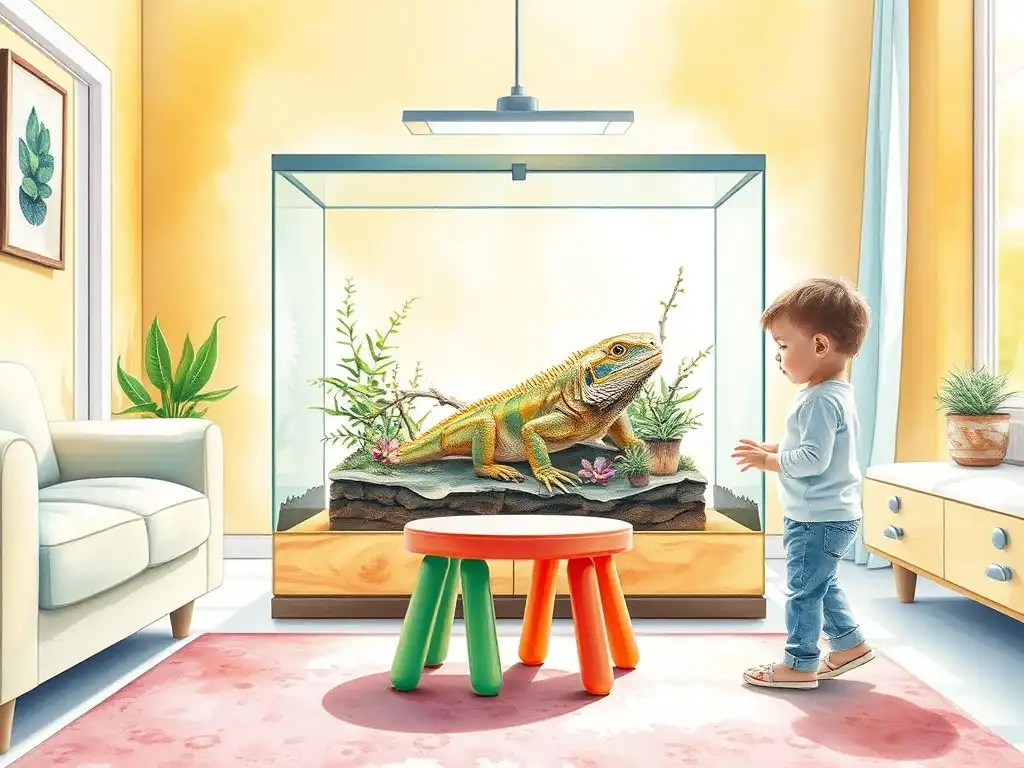
Creating a safe environment where children and reptiles can coexist peacefully requires careful planning and proactive measures. The cornerstone of childproofing a reptile enclosure and ensuring overall safety lies in understanding the unique needs of both the child and the reptile. This isn't about separating them entirely, but rather about establishing a structured environment that minimizes risks. The goal is to foster a respectful relationship between children and reptiles, teaching children appropriate interaction while protecting both the child and the reptile from harm. This involves several key strategies.
Educating Children About Reptiles: Respect and Safety
Educating children about reptiles is paramount. This isn't just about teaching them names and facts; it's about fostering respect for these creatures and understanding their needs and limitations. Start by explaining that reptiles are not toys. They are living beings with delicate skin and specific requirements.
Discuss the importance of gentle handling (if applicable to the species), avoiding sudden movements, and never disturbing them during rest or feeding. Use age-appropriate language and visual aids, such as diagrams or videos, to illustrate safe interaction techniques. Role-playing scenarios can also be beneficial, allowing children to practice safe handling techniques in a controlled environment. Remember to emphasize the potential consequences of mishandling, such as bites or scratches, and how to react appropriately in such situations.
Positive reinforcement, rewarding respectful behavior towards the reptile, is crucial for long-term success. Regular reinforcement of these lessons is key to establishing safe habits. For example, create a chart tracking their responsible interactions with the reptile, rewarding them for consistently following the safety guidelines.
Supervising Interactions: Preventing Accidents and Bites
Even with education, constant supervision is crucial, especially with younger children. Never leave a child unsupervised with a reptile, regardless of the reptile's temperament or the child's age. Adult supervision should be constant and vigilant during any interaction between a child and a reptile. This means actively observing their behavior, ensuring gentle handling, and intervening immediately if any unsafe behavior is observed.
The level of supervision should be adjusted based on the child's age and maturity level, as well as the reptile's species and temperament. For example, toddlers require much closer supervision than older children. Similarly, a large, potentially aggressive reptile requires more vigilant supervision than a smaller, docile species.
Consider establishing a designated "interaction zone" where supervised interactions can occur, keeping the area free of obstacles and potential hazards. Having a first-aid kit readily available is also a crucial safety precaution. This kit should include items to clean and treat minor wounds, and information on contacting emergency services if necessary.
Establishing Clear Rules and Boundaries: Maintaining Safety for Everyone
Clear rules and boundaries are essential for maintaining a safe environment for both children and reptiles. These rules should be age-appropriate and consistently enforced. Establish designated areas for the reptile enclosure and for children's play, keeping them separate to minimize accidental interactions. The enclosure should be secure, with locks and latches that are out of a child's reach.
Regular inspections of the enclosure are necessary to ensure that it remains secure and free of any potential hazards. These rules should be clearly communicated to all family members and consistently enforced. Consider creating a visual reminder, such as a poster with pictures and simple text, to reinforce the rules. Regularly review and update the rules as the child grows and matures, adjusting them to reflect their increasing understanding and responsibility.
This proactive approach helps to create a harmonious and safe environment for everyone. Remember that consistent reinforcement and positive feedback are key to ensuring that these rules are followed. This comprehensive approach to childproofing a reptile enclosure and educating children about responsible reptile interaction significantly reduces the risk of accidents and fosters a healthy relationship between children and their reptile companions.
Advanced Reptile Enclosure Safety Measures
This section delves into advanced strategies for securing your reptile enclosure, going beyond basic childproofing measures. We'll explore sophisticated systems designed to minimize risks and enhance the safety of both your child and your reptile. Remember, proactive safety measures are paramount when it comes to childproof reptile enclosure safety.
Advanced Enclosure Security Systems: Alarms and Locks
Standard latches and locks, while helpful, might not deter a determined child. Consider investing in advanced security systems to provide an extra layer of protection. These systems offer a significant upgrade to basic childproofing, enhancing the overall safety of your reptile enclosure.
Several options exist, ranging from simple audible alarms triggered by unauthorized enclosure opening to more complex systems incorporating multiple sensors and remote monitoring capabilities. Alarms can be particularly effective in alerting you to any attempts to access the enclosure, allowing for immediate intervention. Think of it as a burglar alarm, but for your reptile's habitat.
For enhanced security, consider specialized locks designed to resist tampering. These might include magnetic locks, keypad locks requiring a code, or even biometric locks utilizing fingerprint or facial recognition technology. The level of security you choose will depend on your child's age and their level of curiosity. Remember, the goal is to create a barrier that's difficult for a child to overcome.
Monitoring Systems: Keeping an Eye on Your Reptile and Child
While physical barriers are crucial, constant visual monitoring offers an additional layer of childproof reptile enclosure safety. Technology can assist in this regard. Consider using baby monitors or security cameras strategically positioned to monitor both your reptile's enclosure and your child's activities in the vicinity. This provides real-time observation, enabling you to intervene promptly if a potentially dangerous situation arises.
Some advanced systems allow for remote viewing via smartphone apps, providing peace of mind even when you're not directly in the room. This is especially helpful if you have multiple children or need to keep an eye on things while attending to other tasks. The ability to check in remotely adds a critical dimension to your childproof reptile enclosure safety strategy.
Emergency Preparedness: Action Plan for Accidents
Despite your best efforts, accidents can still happen. A comprehensive emergency plan is essential for childproof reptile enclosure safety. This plan should detail step-by-step procedures to follow in case of an incident involving your child and your reptile.
This should include:
- Immediate Actions: A clear outline of the immediate steps to take if your child gains access to the enclosure or interacts with the reptile. This might involve safely separating the child from the reptile, assessing for injuries, and contacting emergency services if necessary.
- Contact Information: A readily accessible list of emergency contact numbers, including poison control, your veterinarian, and local emergency services. Keep this list near the enclosure.
- First Aid Kit: Maintain a well-stocked first aid kit specifically designed to address potential injuries related to reptile handling or bites. Include information on treating minor wounds and dealing with potential allergic reactions.
- Reptile-Specific Information: Have readily available information about your reptile species, including its temperament, potential health risks associated with bites or scratches, and any specific first aid instructions recommended by your veterinarian. This information can be invaluable in an emergency situation.
Remember, a thorough emergency plan is a crucial component of responsible reptile ownership and contributes significantly to childproof reptile enclosure safety. Regularly review and update your plan as your child grows and your circumstances change. Preparation is key to mitigating risks and ensuring a safe environment for everyone.
Maintaining a Safe and Harmonious Home Environment for Reptiles and Children: Ongoing Safety
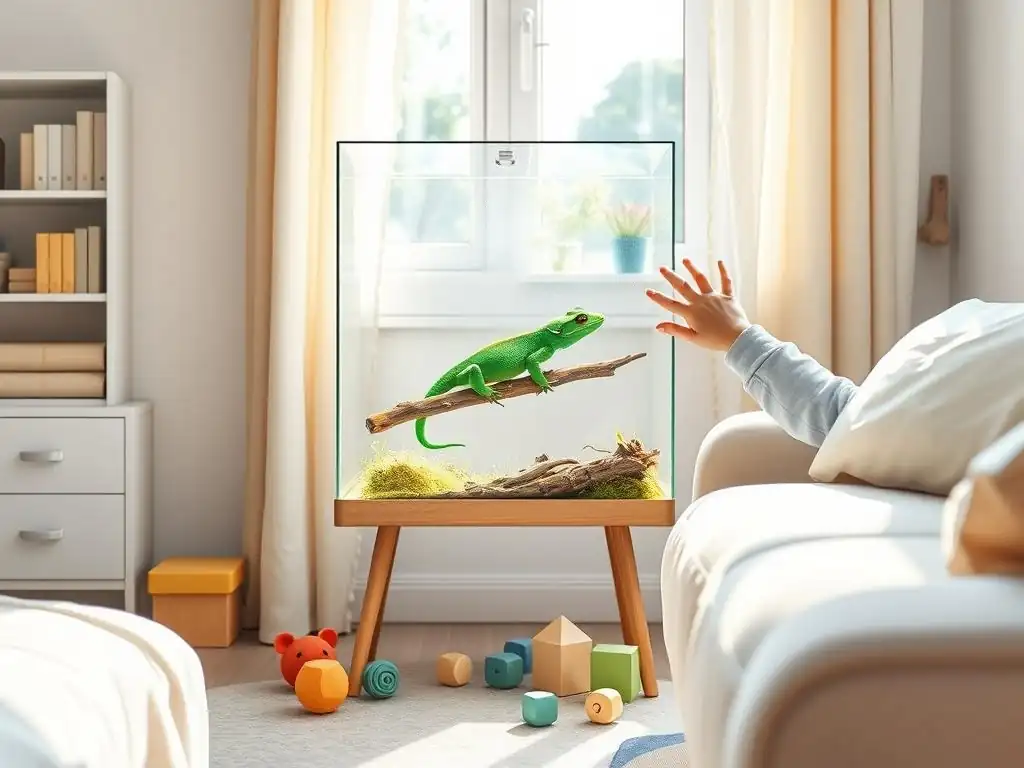
Creating a childproof reptile enclosure is just the first step. Maintaining a safe environment requires consistent vigilance and proactive adjustments as your child grows. This section focuses on the ongoing measures needed to ensure both your child's and your reptile's well-being. Remember, childproof reptile enclosure safety is a continuous process, not a one-time task.
Regular Inspections and Maintenance: Preventing Hazards
Regular inspections are crucial for maintaining a safe reptile enclosure and preventing accidents. Think of it as a proactive approach to childproof reptile enclosure safety. Aim for weekly inspections, checking for:
- Enclosure Integrity: Examine the enclosure for cracks, loose panels, or any damage that could allow your reptile to escape or your child to access the interior. Consider using sealant to reinforce any weak points.
- Heating and Lighting Equipment: Check for frayed wires, loose connections, or overheating. Ensure that heat lamps and other equipment are securely mounted and out of reach of children. Replace any damaged equipment immediately.
- Substrate and Décor: Inspect the substrate for any signs of mold or mildew. Ensure that any decorative items are secure and cannot be easily dislodged or swallowed by a child. Replace or clean the substrate regularly according to your reptile's needs.
- Escape Routes: Regularly check for any gaps or openings that could allow your reptile to escape. Secure any potential escape routes promptly. This is a key aspect of childproof reptile enclosure safety.
- Lock Mechanisms: Verify that the enclosure's locking mechanisms are functioning correctly and are childproof. Consider using additional locks or safety latches if necessary. This is especially important for larger enclosures.
A simple checklist can help you stay organized:
| Inspection Item | Frequency | Action if Problem Found |
|---|---|---|
| Enclosure Integrity | Weekly | Repair or replace damaged parts |
| Heating/Lighting Equipment | Weekly | Repair or replace damaged equipment |
| Substrate & Décor | Weekly/Bi-weekly | Clean, replace, or secure items |
| Escape Routes | Weekly | Secure all potential escape routes |
| Lock Mechanisms | Weekly | Repair or replace faulty locks |
Remember, proactive maintenance is far better than reacting to an accident. A well-maintained enclosure contributes significantly to childproof reptile enclosure safety.
Ongoing Child Education: Reinforcement of Safety Guidelines
Teaching children about reptile safety is an ongoing process. Simply telling them once isn't enough. Regular reinforcement is key. Here are some effective strategies:
- Age-Appropriate Lessons: Tailor your explanations to your child's age and understanding. Use simple language for younger children and more detailed explanations for older ones. For example, younger children might learn that the reptile's enclosure is "off-limits" unless a grown-up is present, while older children could learn about the reptile's specific needs and the dangers of handling it improperly.
- Positive Reinforcement: Reward your child for following safety guidelines. Positive reinforcement is more effective than punishment.
- Role-Playing: Engage your child in role-playing scenarios to practice safe behaviors around the reptile enclosure. This helps them internalize the rules.
- Visual Aids: Use pictures or videos to illustrate the rules and make them more engaging.
- Regular Discussions: Make reptile safety a part of your regular family discussions. This keeps the topic fresh in their minds.
Consistent and patient education is vital for creating a safe environment. This ongoing process builds a foundation for responsible interactions with reptiles, promoting childproof reptile enclosure safety.
Adapting to Your Child's Development: Adjusting Safety Measures
As your child grows and develops, your safety measures need to adapt. Toddlers require different levels of supervision and safety measures than older children.
- Toddlers (0-3 years): Maintain strict supervision at all times. The enclosure should be placed in a location inaccessible to toddlers. Consider using childproof gates or locks to prevent access. This age group requires the most rigorous attention to childproof reptile enclosure safety.
- Preschoolers (3-5 years): Continue close supervision. Begin teaching basic safety rules, using simple language and visual aids. Ensure the enclosure is well-secured.
- School-Aged Children (6-12 years): Increase the level of responsibility gradually. Teach more detailed safety guidelines, including the importance of handwashing after interacting with the enclosure. Supervise interactions, but allow for more independent observation under your watchful eye.
Regular reassessment of your safety measures is crucial. This ensures that your childproof reptile enclosure safety strategy remains effective as your child matures. Remember, flexibility and ongoing vigilance are essential components of a successful safety plan.
Frequently Asked Questions
What are the biggest dangers to children around reptile enclosures?
Reptile enclosures present several hazards. Escaped reptiles can be dangerous, depending on the species. Unsafe enclosure components, such as heat lamps or loose wires, pose a significant risk of burns or electric shock.
How can I childproof a reptile enclosure to prevent escapes?
Secure all access points with childproof locks and latches. Regularly inspect the enclosure for any cracks or gaps that a reptile could exploit. Consider using heavy-duty, escape-proof enclosures specifically designed for reptiles.
What about the dangers of poisonous or venomous reptiles?
If you own a poisonous or venomous reptile, stricter security measures are crucial. This includes specialized, secure enclosures and possibly even a separate, locked room. Never leave children unsupervised near these animals.
Are there specific safety measures for heat lamps and other equipment?
Yes, securely mount heat lamps and other equipment, keeping wires out of reach. Use heat-resistant materials to protect against burns. Regularly check for any damage to electrical components.
What should I do if my child accidentally gets bitten by a reptile?
Immediately seek professional medical attention. Note the type of reptile involved and any relevant details. Even non-venomous bites can cause infection.
Final Reflection: Securing Tiny Scales, Protecting Growing Minds
The safety of our children is paramount, and this extends beyond the typical childproofing measures we associate with toddlers. A seemingly simple reptile enclosure can present unexpected hazards if not properly secured, highlighting the need for proactive and comprehensive safety planning within the family home. Ignoring these potential dangers can have devastating consequences.
The integration of reptiles into family life brings unique challenges and rewards. It teaches responsibility, respect for nature, and the delicate balance of co-existence. The best teacher is experience, and the greatest classroom is the world.
This rings true when considering the educational opportunities presented by responsible reptile ownership, but only if safety is prioritized. The potential for accidents, however small, underscores the importance of constant vigilance and a commitment to ongoing learning about reptile-safe practices. The long-term impact of a well-secured enclosure extends beyond the immediate safety of the child; it fosters a culture of responsibility and respect within the family.
Consider the lessons learned within this guide. Think about your own home, your own children, and the potential hazards that might be lurking, unseen. Are you confident in the safety of your reptile enclosure? Take a moment to reassess, to reinforce, to ensure that your family's home is a truly safe haven for both your children and your scaled companions. The peace of mind that comes from knowing you've taken every precaution is invaluable. Let's work together to create safer homes for everyone.
Unlock a Safe Haven: Secure Your Reptile and Your Child Today!
Thank you for learning how to childproof your reptile's habitat! We hope this guide has empowered you to create a safe and enriching environment for both your children and your reptile. Now let's put that knowledge into action!
- Prioritize safety: Carefully examine your reptile's setup using the checklist provided in the article, making any necessary adjustments immediately. This crucial first step ensures a harmonious home for everyone.
- Share your experience: Tell us about the challenges and solutions you encountered while childproofing your reptile's enclosure. Sharing your insights will help other families!
- Learn More: Explore more PetCareWorld resources on safe pet ownership to further strengthen your understanding of responsible pet care.
Ready to create an even safer and more enjoyable environment for both your child and your reptile? What's one small step you'll take today to improve their shared space?