
Chameleon Gut Loading: Enhancing Your Lizard's Nutritional Intake

Welcome to PetCareWorld, your ultimate guide to a happier, healthier life for your beloved companion! Are you ready to unlock the secrets to a thriving chameleon? Discover the essential ingredients for the best chameleon gut loading diet, ensuring your reptile receives optimal nutrition and vibrant well-being. Dive into our comprehensive guide and learn how to provide your scaly friend with the ultimate feeding regime. Let's embark on this journey together!
- Understanding the Importance of Gut Loading for Chameleons
- Best Chameleon Gut Loading Diet: A Comprehensive Guide
- Step-by-Step Guide to Gut Loading Your Chameleon's Insects
- Advanced Techniques for Optimal Chameleon Gut Loading
- Troubleshooting Common Gut Loading Challenges
- Maintaining a Healthy Gut Loading Routine for Long-Term Chameleon Health
-
Frequently Asked Questions
- What is gut loading, and why is it important for chameleons?
- What is the best diet for gut loading insects for chameleons?
- How often should I gut load insects for my chameleon?
- What are some good examples of fruits and vegetables for gut loading?
- Are there any supplements I should add to my gut loading diet?
- Final Reflection: Nourishing the Chameleon's Inner World
- Unlock Your Chameleon's Full Potential!
Understanding the Importance of Gut Loading for Chameleons
Chameleons, with their vibrant colors and captivating demeanor, are fascinating creatures demanding specialized care. Providing optimal nutrition is paramount to their health and longevity, and this is where the practice of gut loading comes into play. This comprehensive guide delves into the intricacies of gut loading for chameleons, exploring why it's crucial, the nutritional deficiencies it helps prevent, and how a well-planned insect diet directly impacts your chameleon's vitality and overall well-being.
We'll uncover the secrets to creating the best chameleon gut loading diet, ensuring your chameleon thrives under your care. This article will equip you with the knowledge and strategies to provide your chameleon with the nutrition it needs to flourish, addressing common misconceptions and providing practical, actionable advice. We'll examine various insect choices, feeding schedules, and dietary supplements to create a robust and effective gut-loading regimen that supports your chameleon's unique nutritional requirements.
The information provided here will empower you to become a more confident and informed chameleon caretaker, significantly contributing to the health and happiness of your scaly companion. 🦎
Why Gut Loading is Crucial for Chameleon Health
Gut loading is the process of feeding insects a nutritious diet before feeding them to your chameleon. This seemingly simple practice is, in fact, the cornerstone of a healthy chameleon diet. Why? Because chameleons are insectivores, and the nutritional value of their prey directly impacts their own health. A chameleon consuming insects with a poor diet will, in turn, suffer from nutritional deficiencies.
Think of it like this: you are what you eat, and your chameleon is what its insects eat! Gut loading ensures that the insects, the chameleon's primary food source, are packed with essential vitamins, minerals, and other nutrients necessary for optimal chameleon health. This proactive approach helps prevent various health problems and contributes to a stronger immune system, vibrant coloration, and overall improved well-being. Without proper gut loading, your chameleon is at a significantly increased risk of developing serious health issues.
Nutritional Deficiencies in Chameleons: Common Problems and Solutions
Nutritional deficiencies in chameleons can manifest in various ways, often leading to serious health complications. Common problems include:
- Metabolic Bone Disease (MBD): This debilitating condition results from a lack of calcium and vitamin D3, leading to weakened bones, skeletal deformities, and potentially fatal consequences. Proper gut loading, incorporating calcium-rich foods into the insect diet, is essential in preventing MBD.
- Vitamin A Deficiency: A deficiency in Vitamin A can lead to impaired vision, respiratory problems, and weakened immune function. Providing insects with a diet rich in Vitamin A-containing foods is crucial.
- Other deficiencies: Deficiencies in other essential vitamins and minerals, such as Vitamin B complex, Vitamin E, and various trace minerals, can lead to a range of health problems, including poor growth, lethargy, and increased susceptibility to disease.
Addressing these deficiencies requires a multifaceted approach. This includes carefully selecting the insects used for gut loading, supplementing their diet with appropriate nutritional powders (following manufacturer instructions carefully! ), and ensuring a diverse range of insect species are offered. Regular veterinary check-ups are also crucial for early detection and treatment of any nutritional deficiencies. A proactive approach to gut loading significantly minimizes the risk of these problems arising.
The Link Between Insect Diet and Chameleon Vitality
The quality of the insects you feed your chameleon directly correlates to its vitality and overall health. A chameleon fed insects with a poor diet will exhibit symptoms such as lethargy, poor appetite, weakened immune response, and dull coloration. Conversely, a chameleon fed well-gut-loaded insects will display vibrant colors, a healthy appetite, active behavior, and a robust immune system. This is because the nutrients absorbed from the insects are directly utilized for growth, maintenance, and immune function.
The insects themselves act as a crucial link in the nutritional chain, transferring essential nutrients from their diet to your chameleon. Therefore, creating a comprehensive and effective gut-loading program is not merely a good practice; it's a fundamental aspect of responsible chameleon care. It's an investment in your chameleon's health and a key factor in ensuring a long and vibrant life for your captivating companion.
Best Chameleon Gut Loading Diet: A Comprehensive Guide
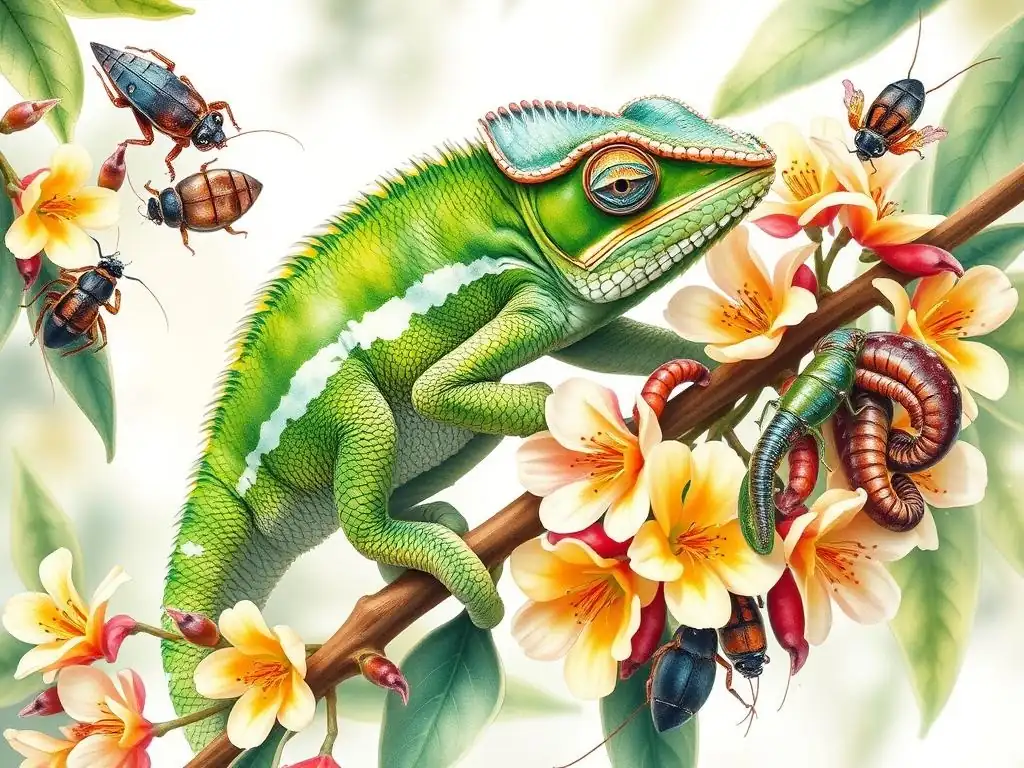
This section delves into the crucial aspect of creating the best chameleon gut loading diet, a practice vital for ensuring your pet receives the complete nutrition it needs to thrive. A well-planned gut loading regimen directly impacts your chameleon's health, vibrancy, and longevity. We'll explore the optimal insect choices, preparation techniques, and the creation of a balanced diet to maximize your chameleon's nutritional intake.
Selecting the Right Insects for Gut Loading
Choosing the right insects is paramount for successful gut loading. Not all insects are created equal in terms of nutritional value. Chameleons benefit from a diverse diet, and gut loading allows you to boost the nutritional content of their staple insects. Here's a breakdown of excellent choices:
- Crickets: A staple for many reptile keepers, crickets provide a good source of protein. However, their nutritional value varies depending on their diet. Ensure you feed your crickets a high-quality diet before offering them to your chameleon. Consider supplementing cricket feed with additional nutrients like calcium and vitamin D3.
- Dubia Roaches: Often considered superior to crickets, Dubia roaches boast a higher protein-to-fat ratio and are easier to manage. They are also less prone to escaping. Their nutritional profile makes them an excellent addition to a chameleon's diet.
- Hornworms: These are a fantastic source of calcium and other essential nutrients, particularly valuable for growing chameleons or females laying eggs. However, they should be offered in moderation due to their higher water content.
- Mealworms: While mealworms offer some nutritional value, they are higher in fat and should only be given as an occasional treat. Overfeeding mealworms can lead to obesity and digestive issues in chameleons.
- Black Soldier Fly Larvae (BSFL): These larvae are increasingly popular due to their high protein content, healthy fats, and readily digestible nature. They're a great option to incorporate into a varied gut loading regimen.
It's crucial to avoid insects caught in the wild, as they may carry parasites or pesticides harmful to your chameleon. Always purchase insects from reputable breeders or suppliers that guarantee a healthy and nutritious diet for their insects. The quality of the insects you feed your chameleon directly impacts the quality of nutrients it receives.
Preparing Insects for Optimal Nutritional Value
Simply feeding insects to your chameleon isn't enough; proper preparation significantly enhances their nutritional value. The goal is to "load" the insects with nutrients your chameleon will readily absorb. Here's how:
- Nutrient-Rich Diet for Insects: Before offering insects to your chameleon, feed them a diet high in essential nutrients. This usually involves a commercial gut-loading diet supplemented with fresh fruits, vegetables, and high-quality protein sources. The specific composition of this diet will depend on the type of insect being gut loaded.
- Supplementation: Dusting the insects with a high-quality reptile calcium and vitamin D3 supplement is essential. This provides the necessary minerals and vitamins your chameleon needs for proper bone development, metabolism, and overall health. The frequency of dusting should be tailored to the chameleon's needs and the type of insect being fed.
- Hydration: Ensure the insects are well-hydrated. This can be achieved by providing fresh vegetables or placing a damp sponge in their enclosure. Well-hydrated insects are more nutritious and easier for your chameleon to digest.
- Storage: Proper storage of insects is crucial to maintain their quality and nutritional value. Store insects in a clean, well-ventilated container, and avoid overcrowding. Proper storage minimizes stress and ensures they remain healthy until feeding time.
Remember, consistency is key. Maintain a regular schedule for feeding and gut-loading your insects to ensure your chameleon consistently receives optimal nutrition.
Creating a Balanced Gut Loading Diet for Your Chameleon
Creating a balanced gut loading diet is about variety and moderation. Avoid relying on a single insect species. Instead, aim for a diverse range of insects, each offering a different nutritional profile. Here’s a sample weekly plan:
| Day | Insect Type | Gut Loading Supplement | Notes |
|---|---|---|---|
| Mon | Dubia Roaches | Calcium & Vitamin D3 powder | High protein, good for general health |
| Tue | Crickets | Calcium & Vitamin D3 powder, added greens (collard) | Good protein source, added fiber |
| Wed | Hornworms | Calcium & Vitamin D3 powder, added fruits (berries) | High calcium, for growth or egg-laying |
| Thu | BSFL | Calcium & Vitamin D3 powder | High protein and readily digestible |
| Fri | Crickets | Calcium & Vitamin D3 powder, added greens (kale) | Good protein source, added vitamins and minerals |
| Sat | Dubia Roaches | Calcium & Vitamin D3 powder | High protein, good for general health |
| Sun | Rest Day | Allow digestive system to rest |
This is just a sample; adjust the plan based on your chameleon's specific needs, age, and activity level. Always monitor your chameleon's weight, activity, and droppings to ensure the diet is meeting its nutritional requirements. Observe for any signs of digestive issues or weight changes, and adjust the diet accordingly. Remember to consult a veterinarian specializing in reptiles for personalized advice. A healthy, balanced gut-loading diet is essential for a happy and healthy chameleon. 🦎
Step-by-Step Guide to Gut Loading Your Chameleon's Insects
This section provides a detailed, step-by-step guide to effectively gut load insects for your chameleon, ensuring optimal nutritional intake for a thriving and healthy lizard. A well-executed gut loading program is crucial for providing your chameleon with the essential vitamins, minerals, and nutrients it needs to flourish. Remember, a healthy diet directly translates to a healthy chameleon, minimizing the risk of health problems and maximizing their lifespan. This guide focuses on achieving the best chameleon gut loading diet for your pet.
Choosing High-Quality Insects
Selecting the right insects is the cornerstone of a successful gut loading strategy. Avoid wild-caught insects due to the risk of parasites and pesticides. Opt instead for commercially raised insects from reputable breeders. Look for insects that are:
- Active and healthy: Avoid insects that appear sluggish, injured, or have missing limbs.
- Appropriate size: The insects should be small enough to be easily consumed by your chameleon, but large enough to provide a substantial nutritional boost. The size should be appropriate to your chameleon's size and age. A young chameleon will need smaller insects than a fully grown adult.
- Species diversity: Offering a variety of insect species ensures a broader range of nutrients. Crickets, roaches (dubia roaches are a popular choice), and mealworms are common choices, but consider supplementing with other options like silkworms or black soldier fly larvae for added nutritional diversity.
Consider the following table to help you choose the best insects for your chameleon's gut loading diet:
| Insect Type | Nutritional Benefits | Size Considerations | Potential Drawbacks |
|---|---|---|---|
| Crickets | Good source of protein and chitin | Choose appropriately sized crickets for your chameleon. | Can be noisy and potentially escape. |
| Dubia Roaches | High in protein, relatively low in fat | Easy to handle and less likely to escape than crickets. | Slightly more expensive than crickets. |
| Mealworms | High in fat, good source of protein | Offer in moderation due to high fat content. | Can be difficult to digest in large quantities. |
| Black Soldier Fly Larvae (BSFL) | Excellent source of protein and essential fats | Relatively easy to handle and readily accepted. | Can be more expensive than other insect options. |
| Silkworms | High in protein and low in fat; excellent calcium | Offer as a treat due to higher cost and delicate nature. | Can be more expensive; should be fed in moderation. |
Remember to always quarantine new insects before introducing them to your chameleon to prevent the spread of disease.
Preparing the Gut Loading Diet
The key to a best chameleon gut loading diet lies in providing the insects with highly nutritious food before feeding them to your chameleon. This process maximizes the nutritional value your chameleon receives. A well-balanced gut loading diet should include:
- High-quality vegetables: Dark leafy greens like kale, collard greens, and mustard greens are excellent choices. Other good options include carrots, sweet potatoes, and squash. These provide essential vitamins and minerals.
- Fruits: Offer a variety of fruits in moderation, such as berries, melons, and mangoes. Fruits should be considered a supplement, not the main component of the gut loading diet.
- Commercial gut load supplements: These supplements are formulated to provide a complete nutritional profile, including essential vitamins and minerals often lacking in standard diets. Always follow the manufacturer's instructions for proper usage.
- Protein sources (for certain insects): Some insects, like certain roach species, might benefit from adding a small amount of high-quality protein source like commercially available insect food.
The gut loading process usually takes 24-48 hours. Ensure the insects have access to fresh food and water throughout this period. Observe the insects carefully; they should show a noticeable increase in size and activity levels.
Feeding the Insects
Once the insects have been gut loaded, carefully introduce them to your chameleon's enclosure. Monitor your chameleon's feeding habits closely. Note the number of insects consumed and adjust the feeding schedule as needed. Remember to remove any uneaten insects to maintain a clean and hygienic enclosure.
Frequency of feeding will depend on your chameleon's age, size, and activity level. Consult with a veterinarian specializing in reptiles to determine the optimal feeding schedule for your specific chameleon. Providing a varied diet, including appropriately gut-loaded insects, is crucial for your chameleon's health and well-being. 🎉 A healthy and happy chameleon is a testament to your dedication to providing the best chameleon gut loading diet!
Monitoring Insect Health and Feeding Schedule
Maintaining a healthy supply of gut-loaded insects is crucial for your chameleon's well-being. Regular monitoring is key to ensuring your insects are thriving and providing optimal nutrition. This involves carefully observing their behavior, appearance, and feeding habits. Look for signs of illness such as lethargy, unusual coloration, or a lack of appetite. Discard any insects exhibiting these symptoms immediately to prevent the spread of disease within your colony.
A well-maintained feeding schedule is equally important. Aim for consistent feeding times to establish a routine for both the insects and your chameleon. Overcrowding should also be avoided; this can lead to stress, disease, and competition for food, all of which negatively impact the nutritional value of your insects. The ideal insect density will depend on the species and size of the insects being bred. For example, crickets benefit from having plenty of space to avoid cannibalism, whereas mealworms are more tolerant of denser populations.
Remember to regularly clean and disinfect the insect enclosure to prevent the build-up of harmful bacteria and parasites. This proactive approach to insect management will significantly contribute to a successful gut-loading program and a healthy, well-nourished chameleon. A good rule of thumb is to replace your insect colony every few weeks to ensure consistent nutritional value. This prevents any potential depletion of nutrients within the colony over time. Monitoring the weight and size of your insects can also provide valuable insights into their overall health and the effectiveness of your gut-loading regime.
Offering Gut-Loaded Insects to Your Chameleon
Presenting gut-loaded insects to your chameleon requires a delicate approach. Avoid simply dumping a large number of insects into the enclosure at once. This can overwhelm your chameleon and lead to wasted food. Instead, offer insects one at a time or in small, manageable groups, depending on your chameleon's appetite and size. Observe your chameleon's feeding behavior closely. Some chameleons are more active hunters than others, and adjusting your feeding strategy accordingly is essential.
The variety of insects offered is also crucial. A diverse diet ensures your chameleon receives a broader range of nutrients. For instance, supplementing crickets with other insects like dubia roaches or hornworms provides a more balanced nutritional profile. The size of the insects should also be appropriate for your chameleon's size and age. Too large an insect can be a choking hazard, while too small offers insufficient nutritional value.
Always supervise your chameleon during feeding to monitor its intake and ensure it consumes the insects effectively. Regularly assessing your chameleon's weight and overall health provides crucial feedback on the effectiveness of your gut-loading and feeding strategies. If you notice any signs of malnutrition or weight loss, consult a reptile veterinarian immediately to determine the underlying cause and adjust your approach accordingly. Remember, consistent monitoring and careful observation are vital for optimizing your chameleon's nutritional intake and ensuring its overall health and well-being. A healthy, well-fed chameleon is a happy chameleon – and that’s the ultimate goal of any responsible pet owner.
Advanced Techniques for Optimal Chameleon Gut Loading
This section delves into advanced strategies for maximizing the nutritional value of insects fed to your chameleon, going beyond the basics of gut loading. A well-executed gut loading regimen is crucial for providing your chameleon with a balanced and nutritious diet, contributing significantly to its overall health and vibrant coloration. Remember, the goal is to create a "best chameleon gut loading diet" tailored to your specific chameleon's needs and species.
Supplementing Insect Diets for Enhanced Nutrition
Supplementing the insects your chameleon consumes is a key component of a superior gut loading strategy. Simply feeding insects a nutritious diet isn't always enough; targeted supplementation can bridge nutritional gaps and boost specific vitamins and minerals crucial for chameleon health. Consider these options:
- Calcium and Vitamin D3: These are essential for bone health and overall well-being. Many commercial reptile calcium supplements are available, often in powder form, which can be easily dusted onto the insects before feeding. The ratio of calcium to phosphorus is critical; aim for a 2:1 ratio. Always follow the manufacturer's instructions carefully.
- Multivitamin Powders: Reptile-specific multivitamin powders provide a broader range of essential vitamins and minerals. Again, dusting onto the insects is the most effective method. Avoid over-supplementation, as this can be harmful. Rotate multivitamin brands periodically to ensure a variety of nutrients.
- Gut Load Booster Pastes: Commercially available gut load pastes often contain a blend of nutrients designed to enhance the nutritional profile of insects. These pastes are usually applied directly to the insect's food source, making them easier to consume. Be sure to select pastes specifically formulated for reptiles.
It's vital to remember that over-supplementation can be just as detrimental as under-supplementation. Observe your chameleon closely for any signs of digestive upset or other adverse reactions after introducing supplements. If any problems arise, discontinue use immediately and consult a veterinarian specializing in reptiles.
Utilizing Diverse Gut Loading Methods
While feeding insects a nutritious diet is fundamental, varying your gut-loading methods can significantly enhance the nutritional diversity your chameleon receives. Monotony in insect diet can lead to nutritional deficiencies. Consider these diverse approaches:
- Variety of Insects: Don't limit yourself to just one type of insect. Offer a diverse range, including crickets, roaches (dubia roaches are a popular choice), mealworms, and other appropriate insects for your chameleon's size and species. Each insect offers a slightly different nutritional profile.
- Varied Gut Load Diets: The insects themselves benefit from a varied diet. This means providing a range of high-quality foods for your feeder insects, such as high-fiber vegetables, fruits, and commercial gut-loading diets. This ensures that the insects themselves are packed with nutrients.
- Rotation of Food Sources: Rotating the types of vegetables and fruits you feed to the insects prevents nutritional imbalances and promotes a more well-rounded diet for your chameleon. For example, one day you might feed the insects carrots and sweet potatoes, while the next day you could offer collard greens and dandelion greens.
This multifaceted approach ensures a more comprehensive and varied nutrient intake for your chameleon, promoting optimal health and reducing the risk of nutritional deficiencies. Remember to always research the specific dietary needs of your chameleon species for the best results.
Monitoring Your Chameleon's Response to Dietary Changes
Implementing a new gut loading strategy requires careful monitoring of your chameleon's response. Paying close attention to your chameleon's health and behavior is crucial for ensuring the effectiveness and safety of any changes you make to its diet. Look for these key indicators:
- Waste Production: Regular, well-formed fecal matter is a good sign of healthy digestion. Changes in stool consistency, frequency, or color could indicate a problem.
- Appetite and Activity Levels: A healthy chameleon will typically have a good appetite and maintain normal activity levels. A decrease in appetite or lethargy could signal a problem with the diet.
- Physical Condition: Monitor your chameleon's weight, hydration levels, and overall physical condition. Any significant changes could be an indication of a dietary issue. Regular weigh-ins are recommended, using a gram scale.
- Skin and Coloration: A chameleon's skin and coloration are good indicators of its overall health. Dull coloration or skin problems could suggest nutritional deficiencies.
Keeping detailed records of your chameleon's diet, feeding schedule, and observed behaviors will help you identify any potential issues early on. If you notice any adverse changes, consult a veterinarian specializing in reptiles immediately. Remember, a proactive approach to monitoring your chameleon's health is essential for ensuring its long-term well-being and creating the "best chameleon gut loading diet" for your specific pet.
Troubleshooting Common Gut Loading Challenges
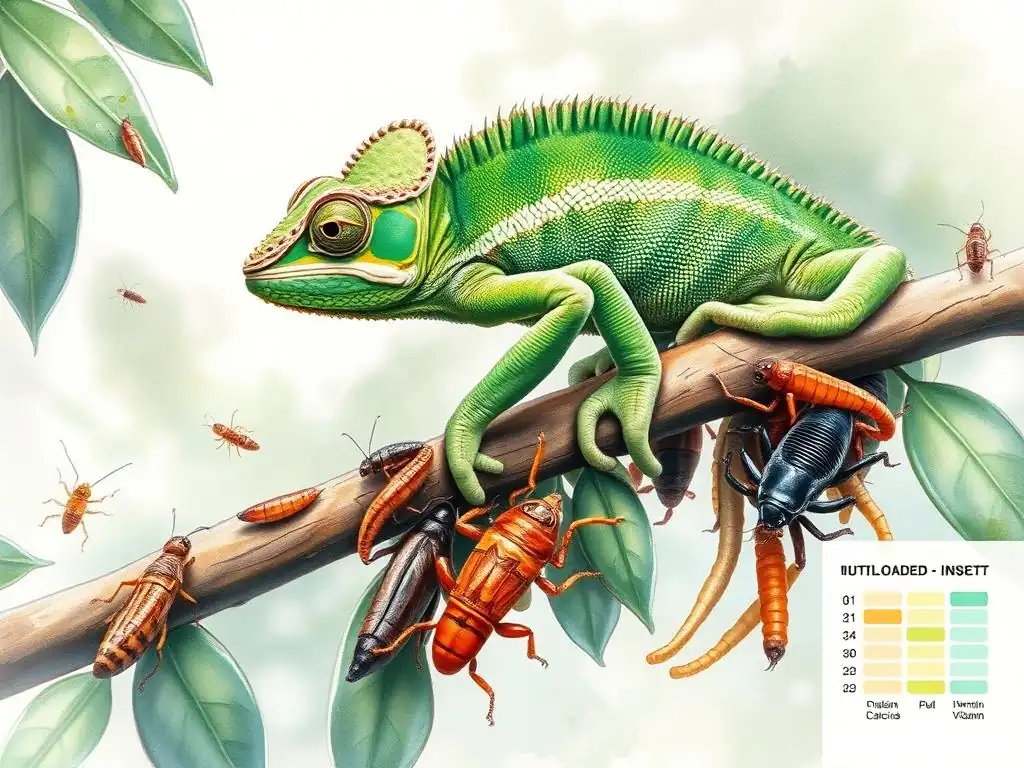
Gut loading your chameleon's insects isn't always straightforward. Even with the best intentions, you might encounter hurdles. Understanding these challenges and how to address them is crucial for maintaining your chameleon's health and ensuring they receive optimal nutrition. A successful gut loading program is the cornerstone of a best chameleon gut loading diet, leading to a vibrant and healthy reptile companion. Let's delve into some common issues and their solutions.
Identifying Signs of Nutritional Deficiency in Chameleons
Recognizing nutritional deficiencies in chameleons can be tricky, as symptoms can be subtle and mimic other health problems. However, several key indicators can point towards insufficient nutrient intake from poorly gut-loaded insects. These signs often manifest gradually, making early detection even more critical.
A chameleon suffering from nutritional deficiencies might exhibit:
- Lethargy and decreased activity levels: A noticeably less active chameleon could be a sign that it isn't getting the energy it needs from its diet. This is often accompanied by a lack of interest in its environment and usual behaviors.
- Weight loss or poor body condition: Significant weight loss, despite seemingly adequate feeding, is a major red flag. You should carefully monitor your chameleon's weight regularly to catch any significant changes. A thin, emaciated appearance is a strong indication of nutritional issues.
- Poor bone development or skeletal deformities: Severe calcium or vitamin D3 deficiencies can lead to problems with bone growth and development. This can manifest as skeletal deformities, weak bones, or difficulty moving.
- Skin and eye problems: Dry, dull skin or changes in skin color can sometimes indicate insufficient nutrients. Similarly, eye problems, like cloudy eyes or difficulty seeing, can be related to nutritional deficiencies.
- Slow growth rate (in juveniles): Young chameleons should show consistent growth. A significantly slower growth rate than expected could signal nutritional inadequacies.
It's vital to remember that these symptoms can also stem from other causes, such as illness or parasites. Therefore, if you suspect a nutritional deficiency, it's crucial to consult a veterinarian specializing in reptiles for a proper diagnosis and treatment plan. Early intervention is key to preventing long-term health problems.
Addressing Problems with Insect Consumption
Even with perfectly gut-loaded insects, your chameleon might refuse to eat them. Several factors could be at play. Understanding these issues and implementing corrective measures is essential for a successful gut loading strategy. Let's explore some common reasons for insect rejection and how to overcome them.
- Insect size and type: Chameleons are picky eaters. If the insects are too large, too small, or of an unfamiliar type, your chameleon may reject them. Experiment with different sizes and species of insects, gradually introducing new ones to gauge preferences.
- Insect presentation: The way you present the insects can influence your chameleon's willingness to eat. Try using different methods: using forceps to offer insects directly, placing them on foliage, or scattering them in the enclosure.
- Environmental conditions: Stressful environmental conditions, such as improper temperature, humidity, or lighting, can affect a chameleon's appetite. Ensure that your chameleon's enclosure meets its specific needs.
- Underlying health issues: Illness or parasites can significantly reduce a chameleon's appetite. If your chameleon is consistently refusing food, consult a reptile veterinarian to rule out any underlying health problems.
- Enclosure enrichment: A lack of environmental enrichment can lead to boredom and decreased appetite. Provide plenty of branches, foliage, and hiding places to keep your chameleon stimulated and engaged.
Adjusting Gut Loading Strategies Based on Chameleon Needs
A successful gut loading regimen is highly dependent on the specific needs of your chameleon. Factors like species, age, and overall health all play a role in determining the optimal diet and gut loading protocol. It's not a "one-size-fits-all" approach. Let's examine how to tailor your gut loading strategy.
- Species-specific needs: Different chameleon species have different dietary requirements. Research the specific nutritional needs of your chameleon species to ensure you're providing the correct balance of nutrients through gut loading. For example, a veiled chameleon will have different needs than a panther chameleon.
- Age and life stage: Young, growing chameleons require a higher nutrient density diet than adults. Adjust your gut loading strategy to meet the higher energy and nutrient demands of juveniles. Breeding females also have increased nutritional requirements.
- Health status: If your chameleon is recovering from illness or has specific health conditions, you might need to adjust the gut loading protocol to provide additional support. Consult your veterinarian for recommendations.
- Seasonal variations: You may need to adjust the gut loading strategy based on seasonal changes and the availability of specific insects. Supplementing with additional vitamins and minerals might be necessary during certain times of the year. Consider the seasonal changes in the insects' natural diet as well.
By carefully considering these factors and making necessary adjustments to your gut loading strategy, you can ensure that your chameleon receives the best possible nutrition, leading to a healthier and happier life. Remember, consistent monitoring and adaptation are key components of creating the best chameleon gut loading diet.
Maintaining a Healthy Gut Loading Routine for Long-Term Chameleon Health
Maintaining a consistent and healthy gut loading routine is paramount for ensuring your chameleon thrives. A well-nourished insect provides crucial vitamins and minerals your chameleon may not otherwise receive from a less diverse diet. Neglecting this vital aspect can lead to nutritional deficiencies, impacting their growth, immunity, and overall well-being. Think of gut loading as the foundation of a superior best chameleon gut loading diet.
Establishing a Regular Feeding Schedule
Consistency is key when it comes to gut loading. A regular feeding schedule for your feeder insects ensures they're consistently packed with nutrients before they become a meal for your chameleon. Aim for a feeding schedule that allows for optimal nutrient absorption in the insects. For example, crickets should ideally be fed a nutritious diet for at least 24-48 hours before being offered to your chameleon. This timeframe allows for sufficient digestion and nutrient uptake within the insect. Deviating from this schedule can result in inconsistent nutrient delivery to your chameleon.
Consider using a dedicated container for gut-loading insects. This will prevent cross-contamination with other insects and ensure your feeder insects receive only the intended diet. Proper hygiene is essential to prevent the spread of disease and maintain a healthy gut loading environment. Clean the container regularly, replacing the substrate and removing any uneaten food. A clean environment minimizes the risk of bacterial or parasitic infections, contributing to the overall health of both your insects and your chameleon.
Adapting Your Gut Loading Plan to Chameleon Growth
A chameleon's nutritional needs vary throughout its life stages. Juveniles require a higher protein intake to support rapid growth, while adults need a balanced diet to maintain their health. Your gut loading plan should reflect these changing needs.
| Life Stage | Dietary Emphasis | Gut Loading Adjustments |
|---|---|---|
| Juvenile | High protein, calcium, and vitamin D3 | Focus on high-protein insect diets (e.g., gut-loaded with high-quality commercial food for insects) |
| Adult | Balanced diet with sufficient vitamins and minerals | Maintain a varied diet for feeder insects, including leafy greens and fruits. |
| Pregnant Female | Increased calcium and vitamin D3 | Supplement gut-loading diet with calcium-rich foods and vitamin D3 supplements for insects. |
Failure to adapt your gut loading strategy to your chameleon's life stage can lead to developmental problems in juveniles or health issues in adults. Always consult a veterinarian specializing in reptiles for specific dietary recommendations tailored to your chameleon's age, species, and overall health. Remember, a tailored best chameleon gut loading diet is crucial for optimal growth and longevity.
Proactive Issue Recognition and Resolution
Even with a well-planned gut loading routine, issues can arise. Recognizing potential problems early is crucial for preventing serious health complications in your chameleon. Signs of a suboptimal diet might include lethargy, poor appetite, weight loss, or weakened immune function. Regularly monitor your chameleon's behavior and physical condition. Any unusual changes should be addressed promptly.
Common Gut Loading Problems and Solutions
Problem: Insects are not consuming the provided food.
Solution: Try different food options, ensuring freshness and variety. Adjust the humidity and temperature of the gut loading container.
Problem: Chameleon shows signs of nutritional deficiency.
Solution: Consult a veterinarian for blood tests and dietary adjustments. Supplement gut loading with additional vitamins and minerals as recommended.
Problem: Insects are infested with parasites.
Solution: Discard infested insects and thoroughly clean the gut loading container. Source insects from a reputable breeder.
Proactive monitoring and prompt intervention are essential elements in maintaining a successful and effective gut loading program. By addressing potential issues swiftly, you can ensure your chameleon receives the optimal nutrition it requires for a long, healthy life. This proactive approach is a crucial part of creating the best chameleon gut loading diet for your pet.
Frequently Asked Questions
What is gut loading, and why is it important for chameleons?
Gut loading is the process of feeding insect prey a nutritious diet before feeding them to your chameleon. This ensures your chameleon receives optimal nutrition, as the insects' nutritional value is significantly improved. It's crucial for a healthy, thriving chameleon.
What is the best diet for gut loading insects for chameleons?
A high-quality gut loading diet should consist of fresh fruits, vegetables, and high-protein foods like nutritional supplements specifically formulated for insect gut loading. Variety is key to providing a balanced nutritional profile.
How often should I gut load insects for my chameleon?
Insects should be gut loaded for at least 24 hours before being offered to your chameleon. The frequency depends on how often you feed your chameleon, but daily gut loading is generally recommended for optimal results.
What are some good examples of fruits and vegetables for gut loading?
Excellent choices include collard greens, mustard greens, carrots, sweet potatoes, and berries. Avoid anything that might be toxic to your chameleon's insect prey or cause digestive upset. Always research specific insect needs.
Are there any supplements I should add to my gut loading diet?
Yes, adding commercial insect gut-loading supplements can significantly boost the nutritional value of the insects. These often contain essential vitamins and minerals crucial for your chameleon's health. Always follow the instructions on the packaging.
Final Reflection: Nourishing the Chameleon's Inner World
The health and vibrancy of your chameleon are intrinsically linked to the quality of its diet, and understanding the crucial role of gut loading is paramount for responsible reptile ownership. A well-nourished chameleon is a happy chameleon, showcasing vibrant colors and exhibiting energetic behavior. Ignoring this fundamental aspect of care can lead to serious health complications, highlighting the urgent need for responsible husbandry practices.
The impact of proper gut loading extends beyond the individual reptile; it speaks to a growing awareness of ethical and informed pet ownership. The practice reflects a shift towards a more holistic understanding of animal welfare, moving beyond simply providing food and water to actively nurturing the complex nutritional needs of our companions. The best measure of a man's character is how he treats those who can do nothing for him.
– this quote, while not directly about chameleons, speaks to the responsibility we bear in caring for creatures dependent on us. This responsibility extends to providing the best possible nutrition, starting with a carefully planned gut loading regimen.
Now, consider your own chameleon. What steps can you take today to improve its diet? Are you providing a diverse range of nutrient-rich insects, ensuring they are properly gut-loaded before feeding? Take the time to research further, to understand the specific needs of your chameleon species, and to implement a gut loading plan that truly nourishes its inner world. Your commitment to understanding and implementing best practices will not only improve your chameleon's health and longevity but will also deepen your bond with this fascinating creature. Remember, responsible ownership is a journey of continuous learning and improvement.
Unlock Your Chameleon's Full Potential!
Thank you for exploring the world of chameleon gut loading! We hope you've gained valuable insights into optimizing your pet's nutrition. Now let's put that knowledge into practice.
- Prioritize nutrient-rich insects: Begin by implementing the gut-loading techniques discussed. A varied, high-quality diet will make a significant difference in your chameleon's health and happiness. This is the first step towards a healthier, happier companion.
- Experiment with diverse food options: Try offering a wider variety of insects—you might be surprised at your chameleon's preferences!
- Share your experiences: Tell us about your successes (and challenges!) in the comments below. Let's build a supportive community of knowledgeable chameleon keepers!
What improvements will you make to your chameleon's diet today?