
Chameleon Lifespan: How Long Will Your Colorful Companion Live?


Welcome to PetCareWorld, your ultimate guide to the wonderful world of pet care! Are you fascinated by the vibrant hues and enigmatic nature of chameleons? Then discover the secrets to understanding your scaly friend's lifespan with our comprehensive Chameleon lifespan expectancy guide. Learn what factors influence how long these captivating creatures live, and unlock the knowledge to ensure your colorful companion enjoys a long and healthy life. Dive in and explore the fascinating world of reptile care – your journey starts now!
- Understanding Chameleon Lifespan Expectancy
- Average Lifespan of Popular Chameleon Species
- Extending Your Chameleon's Lifespan
- Signs of Aging in Chameleons
- Frequently Asked Questions about Chameleon Lifespan
- Frequently Asked Questions
- Final Reflection: The Enduring Charm and Fragile Life of Chameleons
- Unlock the Secrets to a Longer, Healthier Chameleon Life!
Understanding Chameleon Lifespan Expectancy
Chameleons, with their captivating color-changing abilities and unique personalities, are increasingly popular exotic pets. However, bringing a chameleon into your home is a significant commitment, extending far beyond the initial purchase. Understanding a chameleon's lifespan is crucial for responsible ownership, allowing you to prepare for the long-term care and dedication required. This comprehensive guide explores the factors that influence chameleon lifespan expectancy, providing you with the knowledge to ensure your colorful companion enjoys a long and healthy life.
This guide will serve as your ultimate "Chameleon lifespan expectancy guide," equipping you with the information you need to provide optimal care. We'll delve into species-specific lifespans, the impact of environmental factors, the importance of a balanced diet, and the role of preventative healthcare in maximizing your chameleon's years with you. Remember, responsible ownership is key to a happy and thriving chameleon.
Factors Influencing Chameleon Lifespan
Several key factors significantly impact how long your chameleon will live. Understanding these factors and proactively addressing them is essential for ensuring your pet enjoys a long and healthy life. Neglecting any of these aspects can drastically shorten your chameleon's lifespan. Let's examine the most critical elements in detail:
Species Variation
Chameleon lifespan varies dramatically depending on the species. Some species, like the smaller panther chameleons, may live for only 2-5 years, while larger species such as veiled chameleons can live for 5-10 years or even longer with proper care. The size and natural lifespan of the species are primary determinants of its longevity in captivity.
Knowing the specific species of your chameleon is the first step in understanding its potential lifespan. Sadly, many breeders don't always provide accurate species identification, making it crucial to research your pet thoroughly. Accurate identification is crucial for providing appropriate care and understanding the typical lifespan.
Habitat and Environmental Conditions
Providing a suitable habitat is critical for a chameleon's well-being and longevity. Factors such as temperature, humidity, and lighting must be carefully controlled to mimic their natural environment. Inadequate temperature gradients can lead to stress, weakened immunity, and ultimately, a shortened lifespan. Similarly, insufficient humidity can cause dehydration and respiratory problems. The correct UV lighting is also essential for calcium absorption and overall health, directly impacting longevity. Maintaining a clean and appropriately sized enclosure is also crucial to prevent disease and stress.
Diet and Nutrition
A balanced and varied diet is paramount to a chameleon's health and lifespan. A diet lacking essential nutrients can lead to metabolic bone disease (MBD), a debilitating condition that significantly shortens lifespan. Insects should form the bulk of their diet, supplemented with appropriate fruits and vegetables. The quality and variety of insects offered are crucial; gut-loading insects with nutritious food prior to feeding is a vital part of ensuring your chameleon receives the necessary nutrients. A poor diet can lead to various health issues, including weakened immunity and reduced lifespan.
Disease Prevention and Veterinary Care
Regular veterinary check-ups are essential for early disease detection and treatment. Chameleons are prone to various illnesses, and early intervention can significantly improve their chances of survival. Proactive measures such as maintaining a clean habitat and providing a balanced diet are critical in preventing disease. Knowing the signs of common chameleon ailments and seeking veterinary care promptly is crucial for extending their lifespan. Preventative care, including regular parasite checks, can significantly impact a chameleon’s overall health and longevity. Access to a veterinarian experienced in reptile care is invaluable.
Average Lifespan of Popular Chameleon Species
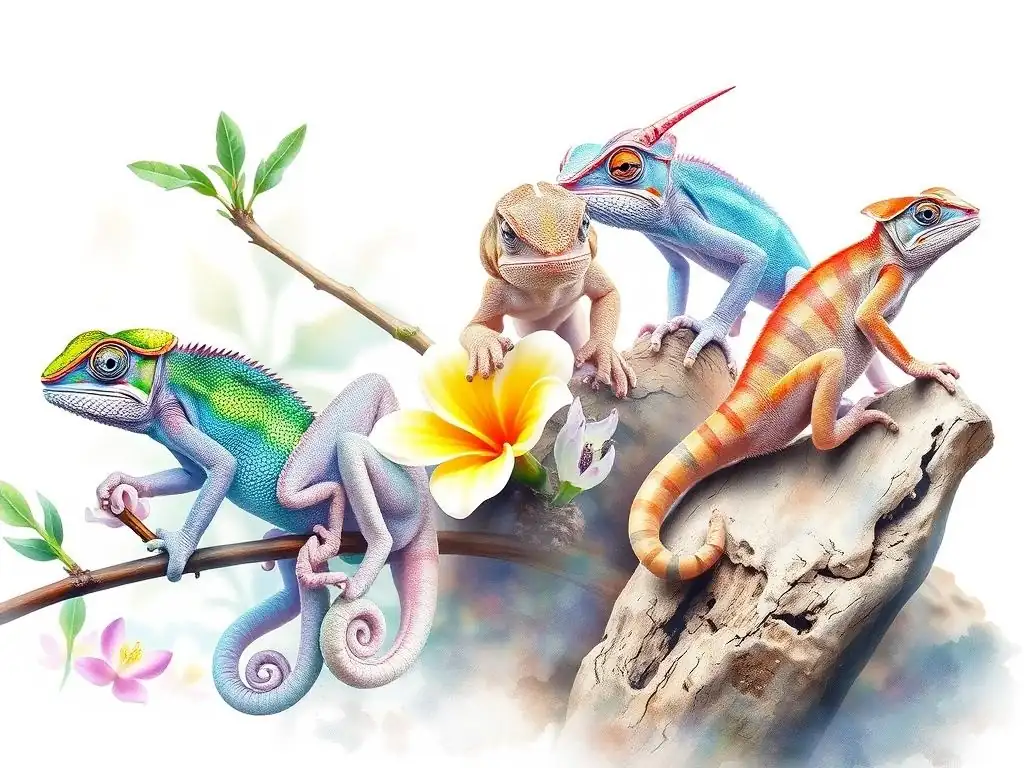
Understanding a chameleon's lifespan is crucial for responsible ownership. While many factors influence how long your scaly friend will live, knowing the average lifespan of different species provides a valuable baseline for planning their care and anticipating their needs throughout their lives. This chameleon lifespan expectancy guide will explore the lifespans of some of the most popular chameleon species kept as pets, focusing on factors influencing longevity and highlighting essential care considerations. Accurate estimations of chameleon lifespan hinge on optimal husbandry practices, including proper diet, habitat, and disease prevention. Let's delve into the specifics of several commonly kept species.
Veiled Chameleon Lifespan and Care
Veiled chameleons ( Chamaeleo calyptratus) are a popular choice for beginners due to their relatively hardy nature and availability. However, even with proper care, their lifespan can vary considerably. The average lifespan of a veiled chameleon in captivity is 5-7 years, although some individuals, under ideal conditions, may live up to 8-10 years. Several factors contribute to longevity.
Providing a spacious enclosure with adequate ventilation is paramount. A cramped environment can lead to stress, impacting their immune system and potentially shortening their lifespan. Furthermore, maintaining the correct temperature and humidity gradients within the enclosure is essential for their overall health and well-being. Too high or too low temperatures can drastically affect their metabolic processes, weakening them and making them susceptible to diseases.
Dietary needs are also critical. A varied diet consisting of insects such as crickets, locusts, and roaches, supplemented with occasional fruits and vegetables, is necessary for optimal health. Nutrient deficiencies, often resulting from a monotonous diet, can significantly reduce lifespan. Regular veterinary check-ups are also recommended to detect and address any potential health issues early on. Early intervention can often make a substantial difference in a chameleon's overall health and longevity.
Panther Chameleon Lifespan and Care
Panther chameleons ( Furcifer pardalis) are known for their stunning and vibrant coloration. These chameleons are, however, more demanding to care for than veiled chameleons, requiring a more specialized setup and a meticulous approach to their husbandry. Their average lifespan is generally 3-5 years, though some exceptional cases might reach 6 years. Their shorter lifespan compared to veiled chameleons is partly attributed to their more specific environmental needs and susceptibility to stress.
Maintaining proper temperature and humidity levels is particularly crucial for panther chameleons. These chameleons are sensitive to temperature fluctuations and require a very specific range to thrive. Providing a naturalistic enclosure with plenty of vertical space and appropriate foliage is also essential to reduce stress and provide opportunities for climbing and basking. These chameleons are also more sensitive to handling, so minimizing unnecessary disturbance is vital for their well-being. A high-quality, varied diet, rich in appropriate insects, is also key to their longevity.
Jackson's Chameleon Lifespan and Care
Jackson's chameleons ( Trioceros jacksonii) are easily recognized by their three horns. These chameleons are known for their relatively long lifespan compared to other species. In captivity, they can live for 5-10 years, with some individuals potentially exceeding this range. This longer lifespan is partly due to their adaptability and relatively robust nature, although proper care is still essential.
Jackson's chameleons thrive in slightly cooler temperatures than many other chameleon species. Providing a well-ventilated enclosure with sufficient climbing branches and foliage is crucial. A diet of insects, such as crickets and mealworms, should form the basis of their nutrition. Monitoring their weight and ensuring they are not underweight is important.
Similar to other species, regular veterinary check-ups are recommended for early detection and treatment of any potential health issues. Consistent monitoring of their behavior and appetite can provide valuable insights into their overall health and well-being, allowing for early intervention if necessary. A lack of proper hydration can significantly reduce their lifespan.
This guide provides a general overview. Remember that individual variations exist, and various factors can influence a chameleon's lifespan. Consult with experienced reptile keepers and veterinarians for personalized advice and to ensure the best possible care for your chameleon. Providing a suitable environment, proper nutrition, and regular veterinary care significantly improves the chances of your chameleon reaching its full lifespan potential.
Yemen Chameleon Lifespan and Care
The Yemen chameleon, also known as the veiled chameleon, is a popular choice among reptile enthusiasts due to its striking appearance and relatively docile nature. Understanding their lifespan is crucial for responsible ownership. On average, a Yemen chameleon in captivity can live for 5-7 years, although some individuals may live slightly longer or shorter depending on several factors. Providing optimal care significantly impacts their lifespan and overall well-being.
One of the most critical aspects of Yemen chameleon care is maintaining the appropriate temperature and humidity. These chameleons thrive in environments mimicking their natural habitat, which requires a specific temperature gradient within their enclosure. The basking spot should reach temperatures between 88-95°F (31-35°C), while the cooler end should remain around 72-78°F (22-26°C). Humidity levels are equally important; maintaining a humidity level between 50-70% is vital, often achieved through regular misting and the use of a humidifier. Improper temperature and humidity control can lead to respiratory infections, dehydration, and a significantly reduced lifespan.
Another vital factor contributing to a Yemen chameleon's longevity is proper nutrition. These chameleons are insectivores and require a varied diet consisting of live insects such as crickets, roaches, and mealworms. It's essential to dust these insects with calcium and vitamin D3 supplements to prevent metabolic bone disease (MBD), a common and often fatal condition in chameleons.
A diet lacking in essential nutrients will lead to weakened immune systems, making them susceptible to various diseases and ultimately shortening their lifespan. Furthermore, the size and type of insects offered should be appropriate for the chameleon's age and size, preventing choking hazards and digestive problems.
Finally, stress reduction plays a pivotal role in the health and longevity of your Yemen chameleon. Chameleons are sensitive creatures, and stressful environments can negatively impact their immune system and overall well-being. Providing a spacious, appropriately furnished enclosure with plenty of hiding places and climbing opportunities minimizes stress.
Avoid handling them excessively, as this can be quite stressful for these delicate creatures. Regular observation for signs of illness or stress is crucial for early intervention and preventing complications that could shorten their lifespan. A healthy and happy Yemen chameleon, given the proper care, will reward its owner with years of enjoyment and fascination.
Extending Your Chameleon's Lifespan
Understanding the factors that influence chameleon lifespan expectancy is crucial for responsible ownership. While the average chameleon lifespan varies greatly depending on the species, proper care significantly impacts longevity. This section delves into key aspects of chameleon care directly impacting their lifespan, providing you with a comprehensive guide to maximizing your colorful companion's years. This guide focuses on practical steps you can take to ensure your chameleon enjoys a long and healthy life, contributing to a better understanding of chameleon lifespan expectancy.
Creating the Ideal Chameleon Habitat
A well-designed habitat is paramount for a chameleon's health and longevity. Chameleons are highly sensitive to their environment, and suboptimal conditions can lead to stress, disease, and a shortened lifespan. Consider these crucial aspects:
- Enclosure Size: The enclosure must be sufficiently large to allow for natural movement and climbing. A cramped space leads to stress and hinders proper development. Research the specific space requirements for your chameleon species; a larger enclosure is almost always better than a smaller one. For example, a veiled chameleon will require a significantly larger enclosure than a panther chameleon.
- Temperature and Humidity: Maintaining the correct temperature and humidity gradients is vital. These parameters should closely mimic the chameleon's natural habitat. Invest in reliable thermometers and hygrometers to monitor these conditions consistently. Fluctuations can cause significant health problems. Remember to provide both basking spots and cooler areas, allowing your chameleon to thermoregulate effectively.
- Lighting: UVB and UVA lighting is essential for calcium absorption and overall well-being. Use high-quality UVB bulbs and replace them regularly according to the manufacturer's instructions. Insufficient UVB leads to metabolic bone disease (MBD), a debilitating and often fatal condition that significantly impacts chameleon lifespan expectancy.
- Substrate and Plants: The substrate should be appropriate for drainage and hygiene. Avoid substrates that can be ingested and cause impaction. Live plants are crucial for enriching the environment, providing climbing opportunities and reducing stress. Select plants that are safe for chameleons and can tolerate the specific humidity levels.
- Ventilation: Proper ventilation is crucial to prevent the buildup of harmful bacteria and fungi. Ensure adequate airflow without creating drafts.
Nutritional Requirements
A balanced and varied diet is fundamental to a chameleon's health and longevity. Nutritional deficiencies can lead to various health issues that shorten their lifespan. Here's what to consider:
- Insect Variety: Offer a diverse range of insects, including crickets, roaches, and other appropriate species. Avoid relying on a single insect type. A monotonous diet can lead to nutritional deficiencies.
- Gut Loading: Gut-loading insects with nutritious foods, such as leafy greens and vegetables, before feeding them to your chameleon, enhances the nutritional value of their prey. This is a critical aspect of ensuring your chameleon receives all the essential vitamins and minerals.
- Supplementation: Dust insects with a high-quality calcium and vitamin D3 supplement regularly. The frequency of supplementation should be tailored to your chameleon's age and specific needs. Over-supplementation can be as harmful as under-supplementation.
- Water: Ensure access to fresh, clean water daily. Consider using a drip system or misting the enclosure regularly to provide drinking water and maintain humidity. Dehydration is a common problem among chameleons and can significantly impact their health and lifespan.
Preventing and Treating Common Chameleon Illnesses
Proactive preventative measures and prompt treatment are crucial for maintaining your chameleon's health and extending its lifespan. Common illnesses include:
- Metabolic Bone Disease (MBD): This is often caused by insufficient UVB lighting and inadequate calcium intake. Early detection and treatment are essential. Symptoms include lethargy, weakness, and skeletal deformities.
- Parasites: Regular fecal examinations can help detect and treat internal parasites. Prompt treatment is crucial to prevent serious health complications.
- Respiratory Infections: These are often caused by poor environmental conditions. Symptoms include wheezing, nasal discharge, and lethargy. Veterinary intervention is crucial.
- Bacterial and Fungal Infections: These can be caused by poor hygiene and stress. Maintaining a clean enclosure and providing a stress-free environment are crucial preventative measures.
Regular veterinary checkups are essential for early detection and treatment of potential health problems. A proactive approach to health care significantly contributes to a longer and healthier life for your chameleon. Remember to consult a reptile veterinarian experienced with chameleons for any health concerns. Early intervention is key to managing illnesses and improving chameleon lifespan expectancy.
Regular Veterinary Checkups
Regular veterinary checkups are paramount to maximizing your chameleon's lifespan. Unlike routine dog or cat visits, chameleon healthcare requires specialized knowledge. Finding an exotic animal veterinarian is crucial; these vets possess the expertise to diagnose and treat conditions specific to reptiles, including chameleons. A yearly checkup, at minimum, is recommended, but more frequent visits may be necessary depending on your chameleon's age, health status, and any observed behavioral changes.
During these checkups, the veterinarian will perform a thorough physical examination, assessing your chameleon's weight, hydration levels, and overall physical condition. They will also check for parasites, infections, and any signs of underlying diseases. Early detection of potential health problems significantly increases the chances of successful treatment and improves your chameleon's overall health and longevity. Don't hesitate to contact your vet between scheduled appointments if you notice any unusual symptoms, such as lethargy, loss of appetite, or changes in skin coloration.
Proactive veterinary care is an investment in your chameleon's health and contributes significantly to a longer, healthier life. Remember to discuss preventative measures, such as parasite control and nutritional recommendations, during these visits. A proactive approach to veterinary care is a cornerstone of responsible chameleon ownership and a key factor in extending your chameleon's lifespan expectancy. Furthermore, building a strong relationship with your veterinarian allows for quicker responses to any health emergencies that may arise.
Remember, a healthy chameleon is a happy chameleon, and regular veterinary care is the foundation of a healthy and long life for your colorful companion. Ignoring potential health issues can lead to irreversible damage and significantly shorten your chameleon's lifespan. Therefore, scheduling and attending regular veterinary checkups should be considered a non-negotiable aspect of responsible chameleon care.
The investment in these checkups far outweighs the potential costs associated with untreated illnesses. Early detection and treatment of diseases drastically improve the chances of a full recovery and contribute significantly to extending your chameleon's lifespan expectancy, making your time with your colorful friend longer and more fulfilling.
Signs of Aging in Chameleons
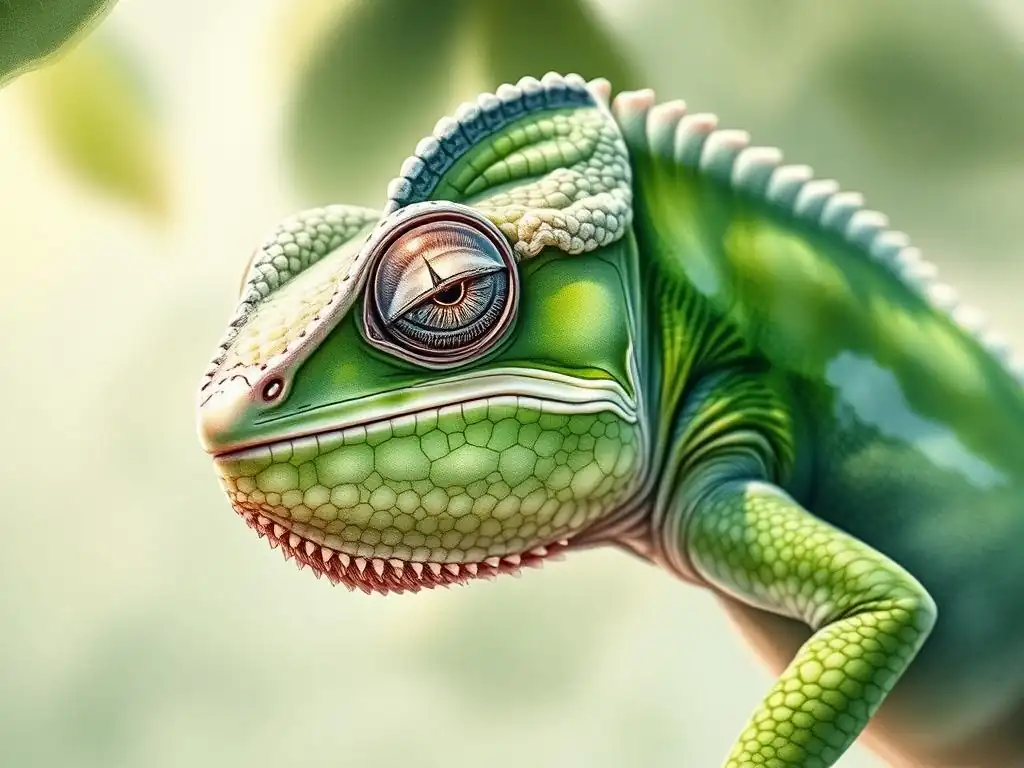
Understanding the aging process in chameleons is crucial for providing optimal care and ensuring their well-being throughout their lifespan. While a chameleon's lifespan varies significantly depending on species, environment, and individual health, recognizing the signs of aging allows for proactive adjustments in their care. This "Chameleon lifespan expectancy guide" will help you navigate this important aspect of chameleon ownership. This section focuses on identifying key indicators of aging, enabling you to provide the best possible care for your aging companion.
Behavioral Changes in Older Chameleons
As chameleons age, subtle but significant behavioral changes can occur. These shifts are often among the earliest indicators of senescence. For instance, a once vibrant and active chameleon may exhibit decreased activity levels. They might spend more time basking or resting, showing less interest in exploring their environment or interacting with their surroundings.
This reduced activity isn't necessarily a sign of illness, but rather a natural consequence of aging. Furthermore, appetite changes are common. Older chameleons may experience a decreased appetite or become more selective about their food. This could manifest as a reduced intake of insects or a preference for certain types of prey.
Careful monitoring of food consumption is vital to ensure adequate nutrition. Finally, a decline in social interaction is also possible. While chameleons aren't inherently social creatures, changes in their typical responses to stimuli, such as reduced reactivity to movement or a lack of interest in potential mates (in sexually mature species), might be observed. Documenting these behavioral shifts can help you identify potential problems early on and adjust their care accordingly.
Physical Changes Associated with Aging
Along with behavioral shifts, several physical changes accompany the aging process in chameleons. These changes can range from subtle alterations in skin texture and coloration to more noticeable issues. Many older chameleons experience a decline in skin elasticity and hydration, leading to drier, wrinkled skin. Their once vibrant colors may fade or become less intense, and the characteristic color-changing ability might become less pronounced.
Weight loss or muscle atrophy is another common physical sign of aging, potentially leading to a noticeable decrease in body mass. Careful observation of your chameleon's weight is crucial for early detection of potential problems. Also, visual impairments can occur, manifested as a reduced ability to focus or track movement.
Similarly, a decline in their agility and climbing ability is quite common, potentially leading to injuries from falls. Regular veterinary check-ups are essential to monitor for these physical changes and address any underlying health concerns. Early intervention can significantly improve their quality of life.
Providing Specialized Care for Senior Chameleons
Caring for a senior chameleon requires a tailored approach, focusing on maintaining their comfort and supporting their declining physical abilities. Dietary adjustments are often crucial. Older chameleons may benefit from a diet supplemented with vitamins and minerals to compensate for decreased appetite and potential nutritional deficiencies. Softer insects might be easier to consume, reducing the stress of hunting and improving their nutritional intake.
Environmental modifications are also important. Providing easier access to basking spots and perches can mitigate the effects of reduced agility and muscle strength. Reducing the height of their enclosure or adding ramps can minimize the risk of falls and injuries. Maintaining a clean and stress-free environment is paramount.
Regular cleaning and disinfection of the enclosure are essential to prevent the spread of bacteria and other pathogens, which can be more problematic for older chameleons with weakened immune systems. Finally, regular veterinary check-ups become even more crucial as your chameleon ages, enabling early detection and treatment of any age-related health problems. Remember, providing attentive and specialized care can significantly extend the lifespan and improve the quality of life for your aging chameleon. A proactive approach to senior chameleon care is an investment in their well-being and a testament to your dedication as a responsible pet owner.
Frequently Asked Questions about Chameleon Lifespan

This section addresses common queries regarding chameleon lifespan, offering a deeper understanding of factors influencing longevity in these fascinating creatures. Understanding these factors is crucial for responsible chameleon ownership and contributes to a longer, healthier life for your scaly companion. This guide aims to equip you with the knowledge needed to provide optimal care and maximize your chameleon's lifespan expectancy. We'll explore various aspects, from natural lifespan variations to common causes of premature death.
Wild Chameleon Lifespan
Chameleon lifespan in the wild is significantly influenced by environmental factors and natural predators. Unlike their captive counterparts, wild chameleons face constant threats, including starvation, disease, and predation by birds, snakes, and other larger reptiles. Their survival is a daily challenge, leading to shorter lifespans compared to those in controlled environments.
The average lifespan of a wild chameleon varies greatly depending on the species. Smaller species might only live for a year or two, while larger species, such as the veiled chameleon, might live up to 5-8 years in ideal conditions, although this is rare. However, it's important to note that even under seemingly ideal conditions in the wild, reaching these maximum lifespans is uncommon due to the inherent dangers of their natural habitat.
Many factors, including climate changes and habitat destruction, are also placing additional stress on wild chameleon populations, further impacting their longevity. Accurate data on average wild chameleon lifespan across all species is difficult to obtain due to the challenges of tracking wild populations. More research is needed to fully understand the longevity of these animals in their natural environments.
Causes of Premature Death in Chameleons
Premature death in captive chameleons is often preventable through proper care and husbandry. Several factors can significantly shorten their lifespan. Improper diet is a major culprit. A diet lacking essential nutrients can lead to metabolic bone disease (MBD), a debilitating condition causing skeletal deformities and weakening bones.
Another common cause is stress. Chameleons are sensitive creatures, and inappropriate handling, inadequate enclosure setup (lack of proper temperature gradients, humidity levels, and hiding places), or overcrowding can lead to chronic stress, weakening their immune system and making them susceptible to diseases. Infectious diseases, parasites, and injuries can also significantly impact a chameleon's lifespan. Poor hygiene within the enclosure can exacerbate the risk of these issues.
Therefore, maintaining a clean and appropriately sized enclosure, providing a balanced diet, and minimizing stress are paramount to ensuring a long and healthy life for your pet chameleon. Early detection of illness through regular observation is also crucial for timely veterinary intervention. Knowing the signs of illness and seeking professional help are vital steps in preventing premature death.
Determining Chameleon Age
Accurately determining a chameleon's age can be challenging, especially without a detailed history from a reputable breeder. Unlike many other animals, chameleons don't exhibit clear, easily identifiable age markers. Size is a somewhat unreliable indicator, as growth rates can vary based on species, diet, and overall health. While larger size may suggest an older age, it's not a definitive measure.
Furthermore, there is a lack of widely accepted aging charts for different species. The best way to estimate a chameleon's age is to obtain its history from the breeder or previous owner. A responsible breeder will typically provide detailed information about the chameleon's hatch date or age at purchase.
Regular veterinary checkups can also help monitor the chameleon's growth and overall health, providing indirect insights into its age. However, it's important to remember that even with thorough records, pinpointing the exact age of a chameleon remains difficult. Focus on providing the best possible care regardless of the exact age to promote longevity and well-being.
Ensuring a Long and Healthy Life for Your Chameleon
Providing optimal care is paramount to maximizing your chameleon's lifespan. A chameleon's life expectancy is heavily influenced by the quality of its environment and the attention to its specific needs. This means going beyond simply providing food and water; it involves meticulous attention to detail. Let's explore some key aspects:
First and foremost, habitat setup is crucial. Chameleons require spacious enclosures that accurately mimic their natural environment. This includes appropriate temperature and humidity gradients, achieved through a combination of heating lamps, basking spots, and misting systems. The size of the enclosure should be proportional to the chameleon's size, with larger species naturally requiring considerably more space.
Insufficient space can lead to stress, impacting their immune system and ultimately shortening their lifespan. Think of it like this: a cramped living space for a human would be equally detrimental to their health and well-being. For example, a veiled chameleon, a popular pet species, might need a 4' x 2' x 4' enclosure, while a smaller species like a panther chameleon could still require a substantial 3' x 2' x 3'. Always research the specific needs of your chameleon species.
Secondly, diet plays a vital role. Chameleons are insectivores, and a varied diet is essential for their health. A monotonous diet can lead to nutritional deficiencies, weakening their immune system and making them susceptible to diseases. Providing a diverse range of insects, including crickets, roaches, and flies, is crucial.
Furthermore, these insects should be appropriately gut-loaded – fed nutritious foods – to ensure the chameleon receives optimal nutrients. Dusting insects with calcium and vitamin supplements is also necessary, especially for growing chameleons. Neglecting proper nutrition can significantly reduce their lifespan. For instance, a diet lacking in calcium can lead to metabolic bone disease, a debilitating and often fatal condition.
Thirdly, stress reduction is key. Chameleons are sensitive creatures that can easily become stressed by improper handling, loud noises, or even sudden changes in their environment. Minimizing stress is crucial for maintaining their overall health and well-being. Gentle handling should be kept to a minimum, and the enclosure should be placed in a quiet location away from disturbances.
Sudden changes in temperature or humidity can also be stressful. A stable and consistent environment is much better for their long-term health. Regular monitoring of the enclosure's parameters ensures a stress-free environment. For example, avoid placing the enclosure in direct sunlight, which can cause extreme temperature fluctuations.
Finally, regular veterinary check-ups are essential, particularly for identifying and treating potential health problems early on. Early detection and treatment of diseases can significantly improve the chances of a long and healthy life for your chameleon. Just like humans, regular check-ups allow for preventative care and early intervention should any issues arise. A veterinarian specializing in reptiles can provide expert advice on nutrition, preventative care, and disease management. This proactive approach is a significant investment in your chameleon's longevity. Think of it as preventative maintenance for a valuable and cherished pet.
Frequently Asked Questions
How long do chameleons typically live?
The lifespan of a chameleon varies greatly depending on the species, habitat, and care provided. Some species live only a few years, while others can live for over 10 years. Proper care significantly impacts lifespan.
What factors affect a chameleon's lifespan?
Several factors influence a chameleon's lifespan, including diet, housing, environmental conditions (temperature, humidity), and the presence of disease. Stress can also drastically reduce lifespan.
Are there specific breeds of chameleons with longer lifespans?
Some species, like the Veiled Chameleon, are known to have relatively longer lifespans compared to others, often living for 6-8 years or even longer with ideal care. However, this is not a guarantee.
How can I ensure my chameleon lives a long and healthy life?
Providing a species-appropriate enclosure, a balanced diet, proper temperature and humidity, and regular veterinary checkups are crucial for maximizing your chameleon's lifespan. Minimize stress as much as possible.
What are some signs that my chameleon might be nearing the end of its life?
Signs include decreased appetite, lethargy, weight loss, and difficulty moving. If you notice these, consult a veterinarian specializing in reptiles immediately.
Final Reflection: The Enduring Charm and Fragile Life of Chameleons
Understanding chameleon lifespan is not merely an academic exercise; it's a crucial step towards responsible ownership and conservation. The vibrant beauty and unique adaptations of these reptiles often overshadow the reality of their surprisingly short lifespans, a fact that underscores the importance of providing optimal care and advocating for their protection in the wild.
The journey through the diverse lifespans of different chameleon species has highlighted the delicate balance between their captivating existence and the environmental pressures they face. The greatest glory in living lies not in never falling, but in rising every time we fall.
This quote, while not directly about chameleons, speaks to the resilience of life itself, a quality we must strive to protect for these fascinating creatures. Their vulnerability reminds us of our own responsibility to ensure their survival, both in captivity and in their natural habitats, demanding a deeper understanding of their needs and a commitment to their well-being.
Now, consider your own relationship with the natural world. Have you ever paused to appreciate the intricate beauty and delicate balance of life around you? This exploration of chameleon lifespans serves as a call to action. Let it inspire you to learn more about the animals you encounter, to support conservation efforts, and to make conscious choices that contribute to a healthier planet for all living creatures. The vibrant life of a chameleon, though fleeting, holds a powerful lesson about the preciousness of life and the importance of our role in preserving it.
Unlock the Secrets to a Longer, Healthier Chameleon Life!
Thank you for exploring the fascinating world of chameleons! You've gained valuable knowledge to provide your vibrant companion with the best possible care. Ready to put your expertise into action?
- Prioritize preventative veterinary care: Schedule a checkup with a reptile veterinarian as soon as possible to assess your chameleon's health and create a personalized care plan. This is crucial for your chameleon's well-being.
- Connect with our supportive chameleon community: Share your experiences and learn from other owners in our dedicated online forum. Discover helpful tips and tricks to ensure your chameleon thrives.
- Share this comprehensive guide: Help other chameleon enthusiasts provide excellent care by sharing this article with your friends and fellow reptile keepers.
What small change will you make today to improve your chameleon's quality of life?