
Chameleon Handling Tips: Safe and StressFree Interaction with Your Pet

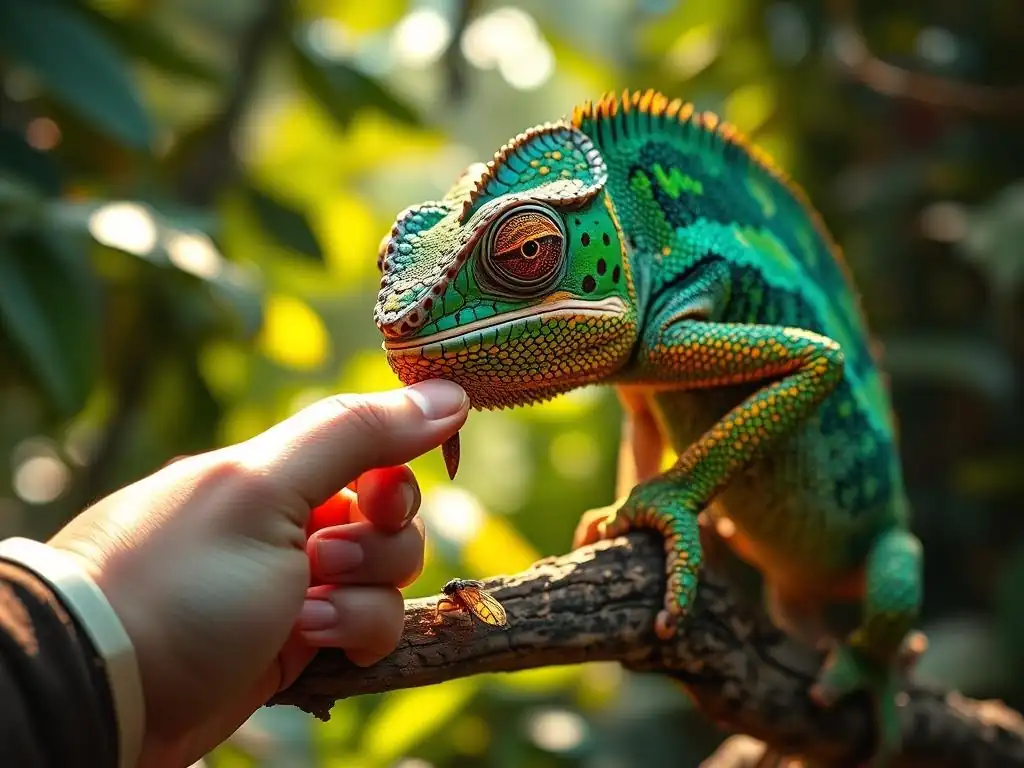
Welcome to PetCareWorld, your ultimate guide to a happier, healthier life for your beloved companions! Are you ready to unlock the secrets to a stress-free relationship with your scaly friend? Discover our expert advice on safe chameleon handling tips, ensuring gentle and enriching interactions with your unique reptile. Dive in and learn how to build trust and understanding with your chameleon – your journey to a deeper bond begins here!
- Understanding Your Chameleon's Needs Before Handling
- Safe Chameleon Handling Techniques
- Handling Your Chameleon for Specific Tasks
- Post-Handling Care for Your Chameleon
- When to Avoid Handling Your Chameleon
- Resources and Further Reading on Chameleon Care
- Frequently Asked Questions
- Final Reflection: The Enduring Bond: Respecting Our Chameleon Companions
- Unlock Your Chameleon's Potential: A Journey to Deeper Connection
Understanding Your Chameleon's Needs Before Handling
Chameleons, with their captivating color-changing abilities and unique personalities, make fascinating pets. However, their delicate nature requires a gentle and informed approach to handling. This guide provides essential "safe chameleon handling tips" to ensure stress-free interactions and maintain your reptile's well-being. Improper handling can lead to injury, stress, and even illness in these sensitive creatures.
Understanding your chameleon's individual temperament, recognizing signs of stress, and preparing a safe handling environment are crucial steps before ever attempting to interact physically. This article will equip you with the knowledge to build a positive relationship with your chameleon based on mutual respect and understanding, fostering a thriving and happy environment for your scaled companion. 🦎
Assessing Your Chameleon's Temperament and Personality
Before you even think about picking up your chameleon, it's vital to understand its individual personality. Just like humans, each chameleon has a unique temperament. Some are naturally more docile and accepting of handling, while others are inherently shy and skittish. Observing your chameleon's behavior over time will provide valuable insights.
Note how it reacts to your presence. Does it remain calm and still, or does it become agitated and try to hide? Does it readily approach its food bowl or exhibit signs of fear or apprehension? Pay close attention to its body language – puffed-up body, hissing, or rapid color changes can all indicate stress or discomfort. A detailed log of these observations will help you tailor your approach to handling. Remember, forcing interaction with a stressed chameleon will only worsen the situation. Patience and understanding are key to building trust.
Identifying Signs of Stress in Chameleons
Recognizing signs of stress is paramount to responsible chameleon care and handling. A stressed chameleon might exhibit several behavioral and physical changes. These include:
- Rapid color changes: Stress can trigger dramatic shifts in a chameleon's coloration, often becoming darker or exhibiting unusual patterns.
- Puffed-up body: A swollen or inflated body posture is a clear sign of fear or defensiveness.
- Hissing: This is a warning sign, indicating the chameleon feels threatened and is preparing to defend itself.
- Wide-open mouth: This can be a sign of aggression or fear.
- Rapid breathing: Increased respiratory rate suggests stress or exertion.
- Loss of appetite: A stressed chameleon may refuse food, indicating a need for a more relaxed environment.
- Lethargy: Unusual stillness or inactivity can signify illness or stress.
Understanding these subtle cues is crucial. If you observe any of these signs during handling, immediately cease interaction and return your chameleon to its enclosure. Allow it time to calm down and regain its composure before attempting any further interaction.
Creating a Safe and Comfortable Handling Environment
The environment plays a crucial role in stress-free handling. Before you even consider touching your chameleon, ensure its enclosure is clean, secure, and free from potential hazards. The handling itself should ideally take place within or very near the enclosure to minimize stress.
Consider these points:
| Factor | Description | Importance |
|---|---|---|
| Temperature & Humidity | Maintain optimal temperature and humidity levels appropriate for your chameleon species. | Extreme temperatures can exacerbate stress. |
| Lighting | Ensure adequate lighting, mimicking natural sunlight. | Insufficient light can lead to lethargy and increased stress. |
| Substrate | Use a safe and appropriate substrate that won't cause injury or stress to your chameleon. | Avoid substrates that can cause impaction or harbor harmful bacteria. |
| Secure Enclosure | Make sure the enclosure is secure and escape-proof. | Preventing escapes minimizes stress for both the chameleon and the handler. |
| Quiet Environment | Minimize noise and disturbances during handling. | Sudden noises or movements can startle a chameleon. |
| Gentle Approach | Approach your chameleon slowly and calmly, avoiding sudden movements. | Gentle movements build trust and reduce the chance of startling the chameleon. |
Remember, a calm and prepared environment is the foundation for positive interactions with your chameleon. Prioritizing its comfort and safety will result in a more enjoyable experience for both you and your pet.
Safe Chameleon Handling Techniques
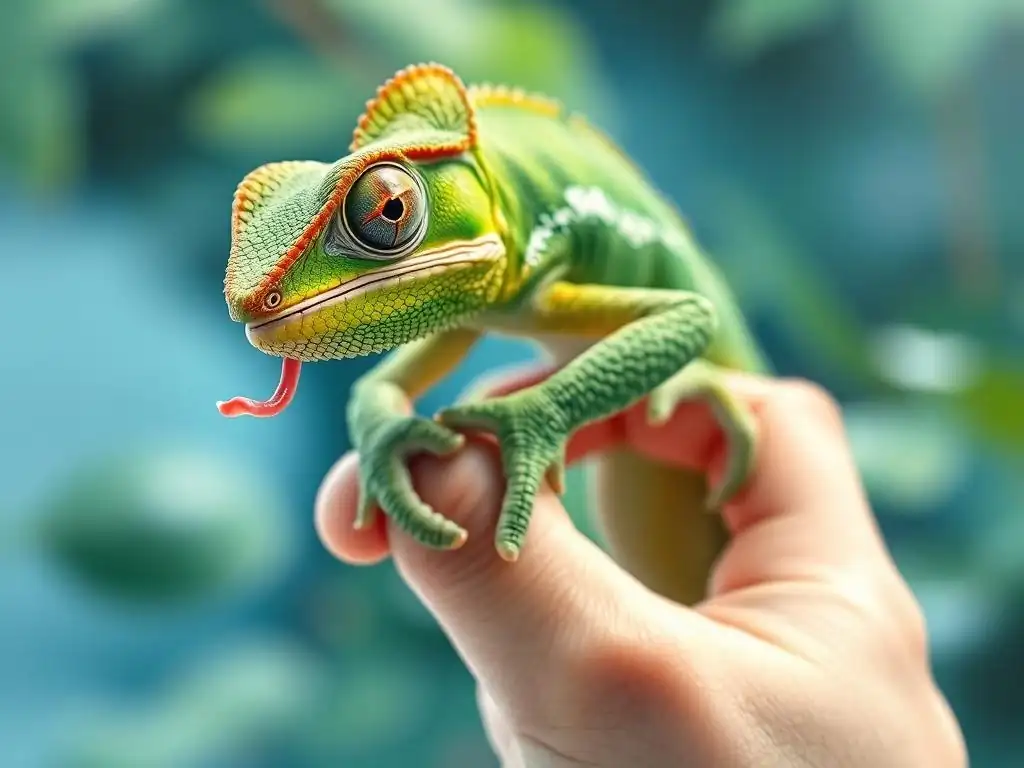
This section details safe and effective chameleon handling techniques to minimize stress and ensure the well-being of your pet. Remember, chameleons are delicate creatures, and improper handling can lead to injury or even death. Always prioritize your chameleon's safety and comfort. These techniques are crucial for building trust and maintaining a positive relationship with your reptile companion. Understanding the nuances of safe chameleon handling is key to responsible ownership.
The Gentle Approach: Minimizing Stress During Handling
Handling your chameleon should be a calm and gentle experience for both you and your pet. Avoid sudden movements or loud noises that might startle it. Before even attempting to handle your chameleon, observe its behavior. Is it active and alert, or is it resting? A chameleon that is actively basking or displaying stress behaviors (darkening of skin, hissing, gaping mouth) should not be handled. Patience is key; forcing interaction will only increase stress levels and potentially harm your chameleon.
A crucial aspect of minimizing stress is understanding your chameleon's natural behaviors. They are arboreal creatures, meaning they spend most of their time in trees. Their bodies are designed for climbing and clinging, not for being held in a human hand. Therefore, it's important to support their body weight appropriately and avoid any sudden movements that might cause them to lose their grip or feel insecure.
Consider the environment. Handle your chameleon in a quiet, dimly lit area to reduce sensory overload. Keep the handling session short – just long enough to perform necessary tasks, such as cleaning the enclosure or administering medication. Prolonged handling can be extremely stressful for your chameleon. Remember, less is often more when it comes to interacting with these sensitive creatures. The goal is to build trust over time through short, positive interactions.
Proper Hand Positioning for Secure and Gentle Grip
The way you handle your chameleon directly impacts its safety and comfort. Never grab or squeeze your chameleon. Instead, use a supportive and gentle approach. The ideal method involves cupping your hands to create a secure, yet comfortable, cradle for your chameleon's body.
Supporting the chameleon's body weight is paramount. Avoid holding it solely by its tail or limbs, as this can cause injury. Instead, gently support its entire body, using both hands. One hand should be positioned underneath its body, providing support from the belly, while the other hand gently supports its back and legs.
Imagine you are cradling a small, fragile bird. This gentle and supportive approach is essential for preventing injury. The goal is to provide a secure and comfortable hold that mimics the support your chameleon would experience while clinging to a branch. Always be mindful of the chameleon's delicate bones and skin. Avoid any pressure that might cause discomfort or harm.
Supporting Your Chameleon's Body Weight During Handling
Chameleons are surprisingly lightweight, but their delicate bodies require careful support to prevent injury during handling. Never lift your chameleon by its tail or limbs. This can lead to serious injury, including spinal damage and broken bones. Always support its entire body weight, distributing the pressure evenly across both hands.
A helpful technique is to gently cup your hands, creating a soft cradle for your chameleon. Your hands should form a secure yet gentle hold, preventing any sudden drops or jarring movements. This is particularly important when moving your chameleon from one location to another.
Consider the chameleon's size and weight. Smaller chameleons will naturally require less support, while larger individuals might need a more substantial grip. Always adjust your handling technique to accommodate the specific needs of your pet. Practice makes perfect, so don't be discouraged if it takes some time to master the art of supporting your chameleon's body weight safely and gently. Regular, gentle handling sessions can help build trust and make future interactions smoother and less stressful for both of you. 🦎
Avoiding Sudden Movements and Loud Noises
Chameleons are inherently sensitive creatures, easily startled by abrupt changes in their environment. Sudden movements, like a quick reach or a jerky hand motion, can trigger a significant stress response in your chameleon. This stress response manifests in various ways, from a rapid increase in heart rate and breathing to a release of stress hormones that can negatively impact their overall health. In extreme cases, a startled chameleon might even attempt to flee, potentially injuring itself in the process. Remember, their camouflage abilities are a defense mechanism, and sudden movements are perceived as a threat.
Therefore, approaching your chameleon should always be a slow and deliberate process. Avoid any sudden or jerky movements, opting instead for gentle and measured actions. Before reaching for your chameleon, spend a few minutes calmly observing its behavior. This allows the chameleon to acclimate to your presence, reducing the likelihood of a startled reaction. Observe its posture and body language; a relaxed chameleon will be less likely to react negatively to your approach.
Loud noises also contribute significantly to stress in chameleons. These delicate creatures possess a highly developed auditory system, sensitive to even subtle changes in sound. Loud noises, such as shouting, banging doors, or playing loud music, can easily frighten them, leading to similar stress responses as sudden movements. A consistently loud environment can negatively affect their appetite, sleep patterns, and overall well-being, potentially leading to health complications.
Creating a quiet and peaceful environment is crucial for your chameleon's well-being. Minimize loud noises as much as possible, and try to maintain a consistently calm atmosphere in the room where their enclosure is located. If you need to perform maintenance or cleaning tasks near the enclosure, do so quietly and slowly, minimizing any sudden sounds or vibrations. Remember, a peaceful environment contributes greatly to a healthy and stress-free life for your chameleon. The goal is to create a habitat that fosters a sense of security and tranquility, allowing your chameleon to thrive.
Handling Your Chameleon for Specific Tasks
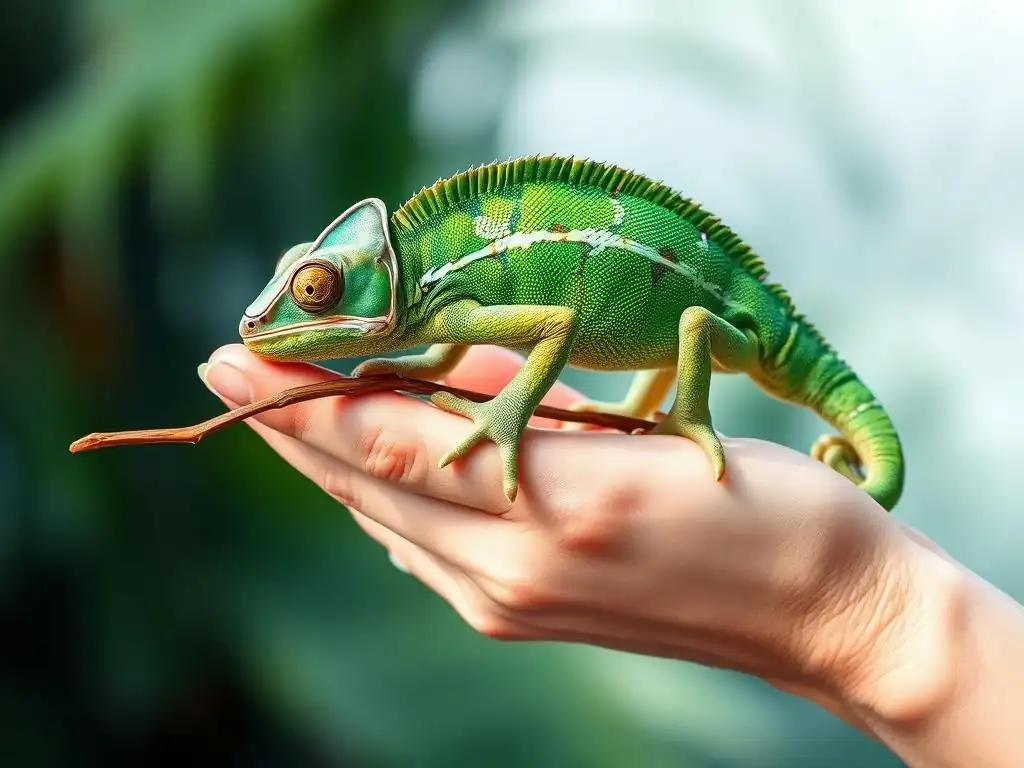
This section delves into the practical application of safe chameleon handling techniques for various necessary tasks. Remember, minimizing stress is paramount for your chameleon's well-being. Gentle, deliberate movements are key to successful and safe interactions. Always prioritize your chameleon's safety and comfort. Inappropriate handling can lead to injury, stress, and even death.
Safe Handling for Health Checks and Veterinary Visits
Regular health checks are crucial for your chameleon's well-being. These checks allow for early detection of potential health problems. However, improper handling during these examinations can cause significant stress and even injury to your delicate reptile. Before attempting any health check, ensure you have a soft, comfortable towel readily available.
To prepare your chameleon for a health check, gently scoop it up using the towel, supporting its body fully. Avoid squeezing or applying excessive pressure. For a visual inspection, place your chameleon gently on the towel in a well-lit area. Observe its posture, skin coloration, and overall activity level. Check for any signs of illness, such as lethargy, weight loss, or changes in appetite.
Note any unusual lumps, bumps, or skin abnormalities. Record these observations meticulously in a pet care journal for future reference. A regular health check protocol, combined with careful observation, ensures early detection of potential health issues. This proactive approach contributes to a longer, healthier life for your chameleon.
If a veterinary visit is necessary, transport your chameleon in a secure, well-ventilated carrier. Ensure the carrier is appropriately sized to prevent injury during transit and maintain a stable temperature. Inform your veterinarian beforehand about your chameleon's species and any specific handling requirements. Their expertise will ensure the examination proceeds smoothly and safely, minimizing stress for both you and your pet. Remember, proactive health care through careful observation and veterinary check-ups is essential for a healthy and happy chameleon.
Administering Medication to Your Chameleon Safely
Administering medication to a chameleon requires both precision and gentleness. Never attempt to force medication on your reptile. Instead, consult your veterinarian for the appropriate dosage and administration method. They may recommend various methods, such as mixing medication with food or using a syringe to administer liquid medication directly into the mouth.
If using a syringe, always use a small syringe with a blunt-ended needle or a feeding tube to avoid injury. Gently open your chameleon's mouth and carefully deposit the medication at the back of its throat. Avoid squirting the medication directly onto the tongue, as this could cause it to choke. After administration, monitor your chameleon closely for any adverse reactions.
If you observe any unusual behavior or symptoms, contact your veterinarian immediately. Accurate record-keeping of medication administration, including dosage, date, and time, is essential for effective treatment and monitoring. This detailed approach ensures the best possible outcome for your chameleon's health.
Remember, incorrect medication administration can be harmful to your chameleon. Always follow your veterinarian's instructions carefully. The safety and well-being of your pet should always be your top priority. A proactive approach to medication administration, coupled with careful monitoring, ensures the best possible health outcomes for your reptile companion.
Cleaning Your Chameleon's Enclosure Without Causing Distress
Maintaining a clean and hygienic enclosure is essential for your chameleon's health and well-being. However, cleaning the enclosure can be stressful for your chameleon if not done carefully. Before commencing cleaning, carefully remove your chameleon from its enclosure and place it in a temporary, secure holding area. This prevents accidental contact with cleaning solutions and reduces stress.
The cleaning process should involve spot cleaning daily and a full enclosure cleaning at least once a week. Use reptile-safe cleaning products and avoid harsh chemicals. Thoroughly rinse all surfaces to remove any residue. Allow the enclosure to dry completely before returning your chameleon. During the cleaning process, carefully observe your chameleon for any signs of stress, such as rapid breathing or changes in skin coloration. A clean and hygienic environment is crucial for preventing disease and promoting your chameleon's overall health.
Remember, a calm and careful approach to cleaning and handling minimizes stress and ensures your chameleon's well-being. Prioritize your chameleon's safety and comfort throughout the entire process. Regular cleaning and careful handling routines contribute significantly to a longer, healthier life for your pet. 🦎
Post-Handling Care for Your Chameleon

After handling your chameleon, providing appropriate post-handling care is crucial for its well-being and to minimize any potential stress. This involves a gentle return to its enclosure and careful monitoring for any signs of distress. Remember, even the gentlest handling can be a stressful experience for a chameleon, so attentive post-handling care is paramount for ensuring its continued health and happiness. Failing to provide adequate care after handling can lead to various issues, including prolonged stress, weakened immune response, and even illness. Prioritizing post-handling care demonstrates responsible and loving ownership.
Returning Your Chameleon to its Enclosure Gently
Returning your chameleon to its enclosure should be done with the utmost care and gentleness. Avoid sudden movements or dropping the chameleon, which can cause injury or increase stress levels. Support its body gently, providing firm but delicate support to avoid squeezing or causing discomfort. Slowly and carefully place it onto a branch or surface within its enclosure, allowing it to settle and regain its composure.
Observe its behavior for a few minutes after returning it to ensure it has settled comfortably. Avoid disturbing it further, allowing it to re-orient itself within its familiar environment. A calm and quiet return to its natural habitat is essential for stress reduction. Remember, a frightened chameleon may exhibit erratic behavior, so patience is key.
Monitoring Your Chameleon for Signs of Stress After Handling
Following handling, meticulously monitor your chameleon for any signs of stress. These can manifest in various ways, including changes in color, rapid breathing, or unusual posture. A stressed chameleon might exhibit darkening of its skin, a sign of anxiety or fear. Observe its breathing pattern; rapid or shallow breathing can indicate stress. Furthermore, pay close attention to its posture.
A chameleon hunching its body or displaying unusual stillness can suggest it is experiencing discomfort or anxiety. Keeping a keen eye on these subtle indicators allows for prompt intervention if necessary. Documenting observations can help in identifying patterns and improving handling techniques in the future. Early detection of stress allows for proactive measures to alleviate the issue. This diligent monitoring is a vital part of responsible chameleon ownership and contributes significantly to the overall well-being of your pet.
Providing Enrichment and Opportunities for Recovery After Handling
After handling, enriching your chameleon’s environment can significantly aid in its recovery and stress reduction. This involves providing opportunities for exploration, foraging, and basking. Offer fresh branches or foliage to encourage climbing and exploration, providing a sense of security and control. Scatter live insects within its enclosure to stimulate natural foraging behavior, diverting its attention and promoting a sense of normalcy. Ensure the appropriate basking spot is available and functional, allowing the chameleon to regulate its body temperature and promote relaxation.
A healthy and stimulating environment helps to distract the chameleon from any lingering stress and promotes a sense of well-being. Remember, a happy and stimulated chameleon is a healthy chameleon. Consider rotating enrichment items regularly to prevent boredom and maintain a dynamic environment. This proactive approach to post-handling care significantly contributes to the long-term health and happiness of your pet.
When to Avoid Handling Your Chameleon

Knowing when not to handle your chameleon is just as crucial as knowing how to handle them safely. Prioritizing your chameleon's well-being should always come first. Ignoring signs of stress or illness can lead to serious health complications and even death. This section will outline key situations where you should absolutely refrain from handling your chameleon. Remember, safe chameleon handling tips prioritize the reptile's comfort and health.
Recognizing Illness and the Need to Limit Handling
A chameleon exhibiting signs of illness requires immediate veterinary attention, not handling. Common symptoms that warrant avoiding handling include:
- Lethargy: An unusually inactive or unresponsive chameleon.
- Loss of appetite: Refusal to eat for extended periods.
- Changes in coloration: Uncharacteristic or dull coloration, often indicative of stress or illness.
- Respiratory distress: Difficulty breathing, open-mouth breathing, or wheezing.
- Discharge from eyes or nose: Any unusual secretions can signal infection.
- Dehydration: Sunken eyes, wrinkled skin, and lack of elasticity.
- Diarrhea or unusual fecal matter: Changes in bowel movements can indicate digestive problems.
Even seemingly minor symptoms should prompt a visit to a reptile veterinarian. Handling a sick chameleon can increase stress, potentially worsening their condition. Instead, focus on providing a comfortable and stable environment until professional help arrives. Remember, prompt veterinary care is crucial for a positive outcome. Early detection and treatment are key to managing your chameleon's health effectively.
Understanding Your Chameleon's Natural Behavior and Preferences
Chameleons are inherently shy and solitary creatures. They are not social animals that enjoy being handled frequently. Forcing interaction against their will can cause significant stress, leading to health problems and a reduction in their lifespan. Understanding their natural behaviors is vital for safe chameleon handling.
Observe your chameleon's behavior carefully. Signs of stress include:
- Rapid color changes, often darkening.
- Inflated throat pouch.
- Open-mouth breathing.
- Attempts to escape or hide.
- Hissing or other vocalizations.
If you notice any of these signs during handling, immediately stop and return your chameleon to its enclosure. Allow them time to recover and calm down before attempting any further interaction. Respecting their natural preferences is a cornerstone of responsible chameleon ownership. Prioritize their comfort and well-being. Safe chameleon handling tips are all about observing and responding to their cues.
Respecting Your Chameleon's Need for Space and Rest
Chameleons are not cuddly pets; they require ample space, privacy, and undisturbed rest periods. Frequent handling disrupts their natural routines, causing unnecessary stress. A stressed chameleon is more susceptible to illness and less likely to thrive.
Consider the following:
- Handling frequency: Limit handling to only when absolutely necessary, such as for cleaning the enclosure or veterinary visits.
- Handling duration: Keep handling sessions short and sweet, minimizing the duration of interaction.
- Handling technique: Use gentle, supportive movements, avoiding sudden or jerky actions.
- Environmental enrichment: Provide a stimulating and enriching environment to keep your chameleon happy and occupied, reducing their need for handling.
Remember, a well-cared-for chameleon in a comfortable environment will generally be less stressed and less likely to require handling. Prioritize their needs, and you'll build a stronger bond based on respect and understanding. By following these safe chameleon handling tips, you'll ensure a happy and healthy life for your unique reptile companion. Always remember that responsible pet ownership prioritizes the animal's well-being.
Resources and Further Reading on Chameleon Care
This section provides valuable resources to deepen your understanding of chameleon care and handling, ensuring the well-being of your unique reptile companion. Safe chameleon handling is paramount, and supplementing your knowledge with expert advice is key to responsible ownership. Remember, a well-informed owner is a better guardian for their pet.
Recommended Books and Websites on Chameleon Handling and Care
Investing in reliable resources can significantly improve your chameleon's quality of life. Many excellent books and websites offer detailed information on chameleon-specific needs, encompassing everything from habitat setup to proper nutrition and safe handling techniques. When choosing your resources, look for authors and websites with proven expertise and a focus on ethical and safe practices. Avoid sources that promote outdated or potentially harmful methods.
Here's a breakdown of resources to consider:
- Books: Look for books specifically focusing on chameleon care, written by herpetologists or experienced breeders. Check reviews and compare multiple sources before investing. Pay close attention to the publication date, ensuring the information is current and aligned with the latest scientific understanding of chameleon needs. A book with detailed illustrations and photographs is also beneficial.
- Websites: Reputable websites often offer a wealth of information, including forums where you can connect with other chameleon owners and share experiences. However, always critically evaluate the information you find online. Look for websites maintained by recognized experts or organizations dedicated to reptile conservation and welfare. Beware of misinformation, and always cross-reference information from multiple sources before implementing any new care strategies. Prioritize websites with a clear focus on evidence-based practices and ethical considerations.
Finding a Reputable Veterinarian Experienced with Chameleons
Locating a veterinarian experienced with chameleons is crucial for proactive health management and swift responses to any potential health issues. Chameleons have unique physiological needs, and improper veterinary care can have serious consequences. A veterinarian specializing in exotic animals, particularly reptiles, will possess the knowledge and expertise to accurately diagnose and treat your chameleon effectively.
Here's how to find a suitable veterinarian:
- Ask for Recommendations: Reach out to local reptile breeders, herpetological societies, or other chameleon owners in your area for recommendations. Word-of-mouth referrals can be invaluable in identifying experienced and trusted veterinarians.
- Online Searches: Use online search engines to find veterinarians specializing in exotic pets or reptiles in your region. Look at their websites to assess their experience and credentials. Check for reviews and testimonials from other clients.
- Veterinary Specialty Hospitals: Many larger cities have veterinary specialty hospitals that employ veterinarians with advanced training in exotic animal care. These hospitals often have extensive experience with various reptile species, including chameleons.
- Herpetological Societies: Check with local or national herpetological societies. They often maintain lists of veterinarians who are knowledgeable about reptile care and can provide recommendations based on your geographic location.
Remember, proactive veterinary care is a vital component of safe and responsible chameleon ownership. Regular checkups, even when your chameleon appears healthy, can help detect potential problems early on, improving the chances of successful treatment and ensuring a longer, healthier life for your pet. Choosing a veterinarian familiar with the specific needs of chameleons is essential for their well-being.
Frequently Asked Questions
How often should I handle my chameleon?
Chameleons are sensitive creatures, so limit handling to only when necessary, such as for vet visits or cleaning their enclosure. Over-handling can cause stress and health problems.
What is the best way to handle a chameleon?
Support your chameleon's entire body with both hands, providing gentle but firm support. Avoid sudden movements or loud noises, and always handle them in a calm and quiet environment.
What should I avoid when handling my chameleon?
Avoid handling your chameleon if it's stressed or unwell. Never grab or squeeze them. Also, wash your hands thoroughly before and after handling to prevent the spread of bacteria or disease.
My chameleon seems stressed after handling. What should I do?
Provide a quiet and secure space for your chameleon to recover. Ensure its environmental conditions are optimal (temperature, humidity, etc.). If stress persists, consult a veterinarian.
Are there specific times of day that are better for handling my chameleon?
Handle your chameleon during its most active period, usually during the daytime, but observe its behavior. If it seems lethargic or uninterested, postpone handling until it is more receptive.
Final Reflection: The Enduring Bond: Respecting Our Chameleon Companions
The delicate art of chameleon handling isn't just about avoiding a nip; it's about fostering a respectful and enriching relationship with these fascinating creatures. Understanding their unique needs and sensitivities is crucial, not only for their well-being but also for our own enjoyment of their captivating presence. The information presented in this article serves as a foundation for building a positive and safe interaction with your pet chameleon.
The impact of responsible pet ownership extends far beyond the individual animal. Our understanding and treatment of chameleons, and indeed all creatures, reflects our broader ethical considerations towards the natural world. The greatness of a nation and its moral progress can be judged by the way its animals are treated.
- Mahatma Gandhi. This quote highlights the interconnectedness of our actions and their ripple effects on the environment and our own moral compass. By learning to handle our chameleons with care and respect, we contribute to a culture of responsible pet ownership and a deeper appreciation for the biodiversity around us.
Now, consider your own interaction with your chameleon. Do you approach your handling with patience and understanding, recognizing their unique needs and sensitivities? Take a moment to reflect on your practices and identify areas where you can improve.
Perhaps you can incorporate some of the techniques discussed in this article to enhance your bond with your pet, ensuring a safe and enjoyable experience for both of you. Remember, the goal is not just to handle your chameleon, but to build a lasting relationship built on mutual respect and understanding. Embrace the opportunity to learn and grow alongside your incredible chameleon companion.
Unlock Your Chameleon's Potential: A Journey to Deeper Connection
Thank you for learning about safe and stress-free chameleon handling! You've gained valuable insights into your pet's unique needs. Ready to put this knowledge into practice?
- Master the gentle art of chameleon handling: Practice slow, calm movements, always respecting your chameleon's comfort. Patience is key!
- Share your experiences—both successes and challenges—with our community in the comments below. Let's learn from one another.
- Enrich your chameleon's habitat based on what you've learned. Even small changes can significantly improve their well-being.
What small change will you make today to strengthen your bond with your amazing chameleon?