
Abnormal Behavior in Reptiles: Understanding When to Be Concerned


Welcome to PetCareWorld, your ultimate guide to a happier, healthier life for your beloved companions! Are you noticing something unusual about your reptile? We delve into the crucial topic of Reptile abnormal behavior concerns, exploring common signs and when to seek professional help. Discover the vital information you need to ensure your scaly friend thrives – read on to unlock the secrets to understanding and addressing your reptile's unique needs.
-
Recognizing Unusual Reptile Behavior: Early Warning Signs
- Changes in Appetite and Eating Habits in Reptiles
- Lethargy and Lack of Activity in Reptiles
- Respiratory Issues and Abnormal Breathing Patterns
- Changes in Skin and Shedding Patterns
- Unusual Defecation and Urination in Reptiles
- Swelling, Lumps, or Open Wounds
- Abnormal Posture and Movement Difficulties
- Self-Mutilation and Excessive Scratching
- Common Causes of Abnormal Behavior in Reptiles
- When to Seek Veterinary Care for Your Reptile
- Preventing Abnormal Behavior in Reptiles
- Understanding Normal Reptile Behavior: A Baseline for Comparison
- Case Studies: Reptile Abnormal Behavior Examples
-
Frequently Asked Questions
- What are some common signs of abnormal behavior in reptiles?
- When should I be concerned about my reptile's behavior?
- What are some environmental factors that can cause abnormal behavior?
- How can I prevent abnormal behavior in my reptile?
- What should I do if I suspect my reptile is exhibiting abnormal behavior?
- Final Reflection: The Silent Suffering of Our Scaly Companions
- Unveil Your Reptile's Secrets: Take Charge of Their Well-being
Recognizing Unusual Reptile Behavior: Early Warning Signs
Reptiles, unlike mammals, often mask illness, making early detection crucial for successful treatment. Understanding normal behavior for your specific reptile species is paramount. This article will explore key indicators of abnormal behavior in reptiles, helping you discern when a simple quirk becomes a cause for concern. Early identification of these subtle changes can significantly improve the chances of a positive outcome, potentially saving your reptile's life.
Recognizing reptile abnormal behavior concerns requires careful observation and a keen eye for detail. We'll delve into specific behavioral changes that warrant immediate veterinary attention, providing you with the knowledge to become a more proactive and informed reptile caregiver. This guide focuses on common symptoms, allowing you to effectively assess your reptile's well-being and act accordingly. Remember, prevention is key, and proactive monitoring is the best approach to ensure your scaled companion thrives.
Changes in Appetite and Eating Habits in Reptiles
A significant shift in your reptile's eating habits can be a strong indicator of underlying health problems. Reptiles are often creatures of habit, exhibiting predictable feeding patterns. Any deviation from this norm should be carefully considered. This includes both a decrease and an increase in appetite.
For example, a normally voracious corn snake suddenly refusing food for several weeks could signal illness, stress, or even impending shedding difficulties. Conversely, an unusually increased appetite, particularly if coupled with other symptoms, might indicate a metabolic disorder or parasitic infestation.
Detailed record-keeping of feeding schedules and food intake can be invaluable in identifying subtle changes. Note the frequency, quantity, and type of food consumed. Consider factors such as temperature gradients within the enclosure, which can also influence feeding behavior. Remember to consult a veterinarian specializing in reptiles if changes persist for more than a few days, particularly if accompanied by other symptoms. Accurate observation and meticulous record-keeping are crucial in determining if a change in appetite constitutes a genuine concern.
Lethargy and Lack of Activity in Reptiles
Lethargy, or a noticeable decrease in activity levels, is another crucial sign of potential illness in reptiles. While reptiles are naturally less active than many other pets, a sudden and dramatic reduction in movement, basking time, or exploration of their enclosure should be viewed with suspicion. A reptile that typically spends hours basking might suddenly remain hidden and unresponsive.
This can manifest in several ways. For instance, a bearded dragon that usually eagerly greets its owner might now remain motionless and unresponsive. A normally active gecko might spend most of its time hiding, showing little interest in its environment. This reduced activity level could be indicative of a range of issues, from minor infections to serious organ dysfunction. The degree and duration of lethargy are key factors in evaluating the severity of the situation. Immediate veterinary attention is recommended if lethargy is accompanied by other symptoms, such as changes in appetite or respiratory difficulties.
Respiratory Issues and Abnormal Breathing Patterns
Respiratory problems are common in reptiles and often manifest as changes in breathing patterns. Normal respiratory rates vary greatly depending on species, age, and temperature. However, any noticeable changes, such as gaping mouth breathing, labored breathing, or wheezing, should be considered a serious warning sign.
Observe your reptile closely for unusual sounds during breathing. Wheezing, clicking, or whistling noises are indicative of respiratory distress and often signal infections such as pneumonia or other serious respiratory diseases. Mouth gaping, especially at rest, indicates respiratory difficulty and the need for immediate veterinary attention. Accurate observation of breathing frequency and any abnormal sounds is crucial for diagnosis.
Remember to record the frequency, depth, and any unusual sounds associated with the breathing patterns. Early intervention is crucial in treating respiratory illnesses in reptiles, as they can rapidly deteriorate if left untreated. Don't hesitate to seek professional veterinary help if you notice any abnormalities in your reptile's breathing.
Changes in Skin and Shedding Patterns
Reptiles rely on their skin for protection and thermoregulation. Any deviation from their normal shedding cycle or changes in skin texture can be a significant indicator of underlying health issues. Healthy reptile skin should be smooth, firm, and appropriately colored for the species. Problems with shedding, often referred to as dysecdysis, can manifest in several ways.
Incomplete shedding, where pieces of old skin remain stuck to the reptile, can lead to infections and restrict movement. This is particularly concerning in snakes, where retained skin can constrict blood flow. Conversely, excessive shedding or shedding that occurs too frequently can point towards metabolic bone disease (MBD), vitamin A deficiency, or parasitic infestations. Skin discoloration, such as unusual darkening or lightening, or the appearance of sores, blisters, or ulcers, warrants immediate veterinary attention.
These changes can be indicative of bacterial or fungal infections, burns, or even certain systemic diseases. Regularly inspecting your reptile's skin for abnormalities and noting any changes in its shedding pattern is crucial for early detection of potential problems. For example, a bearded dragon exhibiting difficulty shedding and displaying patches of dark, dry skin might be suffering from a vitamin deficiency. A thorough veterinary examination would be essential to determine the specific issue and recommend appropriate treatment, likely involving dietary adjustments and supplementation.
Unusual Defecation and Urination in Reptiles
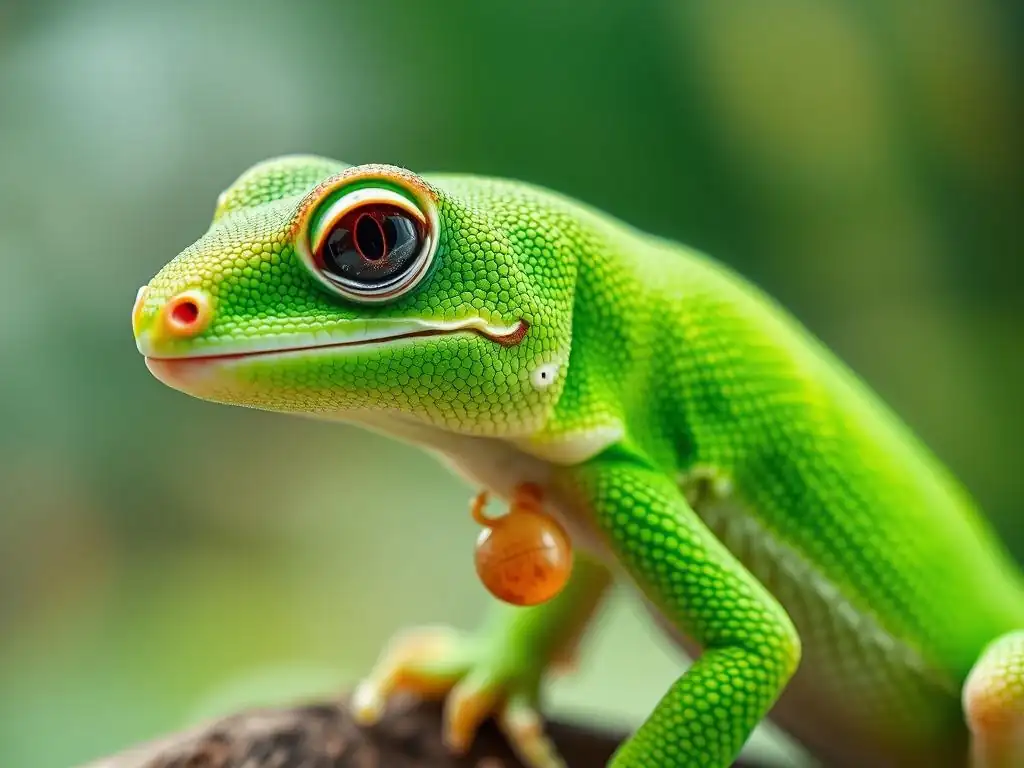
Monitoring your reptile's waste products is essential for assessing its overall health. Changes in the frequency, consistency, color, or odor of feces and urine can be reliable indicators of illness or digestive problems. Healthy reptile feces should be firm and typically dark in color, though this varies depending on the species and diet. Diarrhea, characterized by loose or watery stools, can signify bacterial or parasitic infections, dietary imbalances, or stress.
Constipation, on the other hand, where the reptile struggles to defecate, could result from dehydration, metabolic bone disease, or impaction (a blockage in the digestive tract). Changes in urine color and frequency are also important to note. Dehydration can result in reduced urine production, while increased urine production, especially if it's unusually colored or cloudy, might point towards kidney issues or urinary tract infections.
For instance, a leopard gecko consistently producing very little urine and exhibiting lethargy could be significantly dehydrated and require immediate veterinary intervention including fluid therapy. Similarly, a snake with unusually frequent and foul-smelling bowel movements might have a parasitic infection requiring treatment with appropriate medication. Keeping meticulous records of your reptile's bowel movements and reporting any changes to your veterinarian is vital for prompt diagnosis and effective treatment.
Swelling, Lumps, or Open Wounds
The presence of swelling, lumps, or open wounds on your reptile's body demands immediate attention. These signs can indicate a range of issues, from minor injuries to serious infections or tumors. Swelling can result from trauma, abscesses (localized collections of pus), or inflammatory conditions. Lumps may be benign, such as cysts or fatty deposits, but could also represent tumors or other growths that require veterinary evaluation. Open wounds, whether from bites, scratches, or other injuries, pose a significant risk of infection, particularly in reptiles whose immune systems may be compromised.
The location, size, and appearance of any abnormalities should be carefully noted. For example, a swelling on the jaw of a snake could indicate an abscess, requiring drainage and antibiotic treatment. A large, rapidly growing lump on the body of a lizard might be a tumor requiring further investigation and possibly surgery. Open wounds should be thoroughly cleaned and treated to prevent infection.
In some cases, surgical intervention may be necessary to repair severe injuries or remove tumors. Prompt veterinary care is crucial in these situations to minimize the risk of complications and ensure the best possible outcome for your reptile. Ignoring these signs can lead to serious consequences, potentially including sepsis or even death. Therefore, any unusual swelling, lump, or wound necessitates a visit to a reptile veterinarian.
Abnormal Posture and Movement Difficulties
Reptiles, known for their often-stoic demeanor, can subtly signal distress through changes in posture and movement. Observing these changes is crucial in early detection of underlying health problems. A reptile exhibiting unusual posture, such as a persistently arched back, a hunched posture, or an inability to maintain its usual body position, may be suffering from pain, neurological issues, or metabolic bone disease (MBD). MBD, a common ailment in captive reptiles, arises from improper calcium and vitamin D3 intake, leading to skeletal deformities and weakness.
Signs of MBD can include skeletal fragility, tremors, and difficulty moving. Similarly, difficulty moving, such as limping, dragging limbs, or an overall sluggishness, can indicate injury, infection, or nerve damage. For example, a bearded dragon exhibiting a wobbly gait might be suffering from a neurological problem or an infection. A leopard gecko that consistently lies on its side, unable to right itself, requires immediate veterinary attention.
The severity and nature of the posture and movement problems will vary depending on the species, age and overall health of the reptile, emphasizing the importance of regular observation and baseline behavior knowledge for early detection of issues. A sudden change from normal behavior should always trigger a closer examination and potential veterinary consultation. Remember, early intervention significantly improves the chances of a successful outcome.
Self-Mutilation and Excessive Scratching
Self-mutilation, manifested as excessive scratching, biting, or rubbing against surfaces, can be a significant indicator of underlying discomfort in reptiles. This behavior is not typical and should never be ignored. Several factors can trigger this distressing behavior. Parasites, such as mites or ticks, are a common culprit. These parasites cause intense itching, leading reptiles to scratch incessantly, sometimes causing self-inflicted wounds.
Similarly, skin infections, bacterial or fungal, can create intense irritation, provoking excessive scratching. In some cases, improper humidity levels in the enclosure can lead to dry skin, making reptiles more prone to scratching. For instance, a snake with dry skin shedding difficulties may rub against hard surfaces, causing injuries. A bearded dragon with a fungal infection might exhibit relentless scratching of its legs and belly. Nutritional deficiencies can also play a role, as a lack of essential vitamins and minerals can lead to dry, flaky skin and subsequent irritation.
Additionally, stress from improper handling, inadequate environmental conditions, or overcrowding can contribute to self-mutilation. If you observe your reptile engaging in self-mutilation, it's crucial to immediately assess its environment, diet, and look for any visible signs of parasites or skin infections. Veterinary intervention is often necessary to determine the underlying cause and implement appropriate treatment. Ignoring self-mutilation can lead to severe injuries, secondary infections, and even death.
Common Causes of Abnormal Behavior in Reptiles
Reptile abnormal behavior concerns often stem from a combination of factors, making accurate diagnosis crucial for timely intervention. Understanding the root cause is paramount to providing appropriate care and improving your reptile's quality of life. Ignoring subtle changes in behavior can lead to more severe health problems down the line, so vigilance is key. This section will delve into some of the most common causes of unusual behavior in reptiles, equipping you with the knowledge to recognize potential issues and seek veterinary assistance when necessary.
Environmental Factors Affecting Reptile Behavior
Environmental factors play a significant role in a reptile's well-being and can dramatically influence their behavior. Inappropriate temperature gradients, insufficient humidity, and inadequate basking spots are common culprits behind unusual actions. For example, a reptile kept in a consistently cool environment might become lethargic and unresponsive, exhibiting a marked decrease in activity levels. Conversely, excessively high temperatures can lead to dehydration, panting (in some species), and even heat stroke, manifesting as restlessness, tremors, and convulsions.
Maintaining the correct humidity is equally vital. Low humidity can result in dehydration and shedding difficulties, leading to stress and behavioral changes such as hiding excessively or becoming aggressive during handling. Conversely, excessively high humidity can encourage the growth of harmful bacteria and fungi, leading to respiratory infections and other illnesses that manifest as lethargy, anorexia, and unusual respiratory sounds.
The availability of appropriate basking spots is also critical. Reptiles are ectothermic, meaning they rely on external sources of heat to regulate their body temperature. Without access to a suitable basking area with the correct temperature gradient, they may struggle to thermoregulate effectively, leading to behavioral changes such as abnormal posture, lethargy, and difficulty moving. Specific temperature and humidity requirements vary greatly depending on the species; therefore, thorough research into your reptile's specific needs is essential.
Underlying Medical Conditions in Reptiles
Many medical conditions can present with behavioral changes as a primary or secondary symptom. These underlying health issues often require veterinary intervention and can range from relatively minor ailments to life-threatening conditions. For instance, a reptile experiencing a parasitic infection might exhibit lethargy, anorexia, and weight loss, along with changes in their usual activity patterns. Similarly, respiratory infections can manifest as labored breathing, gasping, and changes in posture, often accompanied by lethargy and inappetence.
Other medical conditions such as metabolic bone disease (MBD), caused by calcium and vitamin D3 deficiencies, can lead to skeletal deformities, weakness, and behavioral changes such as reluctance to move or climb. Internal organ dysfunction, such as kidney or liver disease, can also present with subtle behavioral changes, including lethargy, anorexia, and changes in defecation patterns. These symptoms might be easily overlooked, highlighting the importance of regular veterinary check-ups and close observation of your reptile's behavior. Early detection and treatment are crucial in improving the prognosis of these conditions.
Nutritional Deficiencies and Dietary Issues
Nutritional imbalances are a frequent cause of reptile abnormal behavior concerns. Inadequate intake of essential vitamins and minerals can lead to various health problems, often manifesting as behavioral changes. For example, a deficiency in calcium can result in metabolic bone disease (MBD), as discussed earlier, while vitamin A deficiency can cause eye problems and skin abnormalities, potentially impacting activity levels and behavior.
Providing a balanced and species-appropriate diet is crucial. Incorrect dietary composition, including insufficient variety or an overreliance on a single food source, can lead to deficiencies and subsequent behavioral problems. For example, a reptile fed exclusively on insects might develop a vitamin and mineral deficiency, resulting in lethargy, weakness, and a reluctance to move. Similarly, a diet lacking in fiber can lead to digestive issues, possibly manifesting as lethargy, anorexia, or changes in defecation patterns.
Careful planning and monitoring of your reptile's diet are paramount to their overall health and well-being. Consult a reptile veterinarian or a herpetological expert to ensure that your reptile receives a nutritionally complete diet tailored to its specific needs. This proactive approach can prevent many potential health issues and associated behavioral changes.
Parasite Infestations and Infections
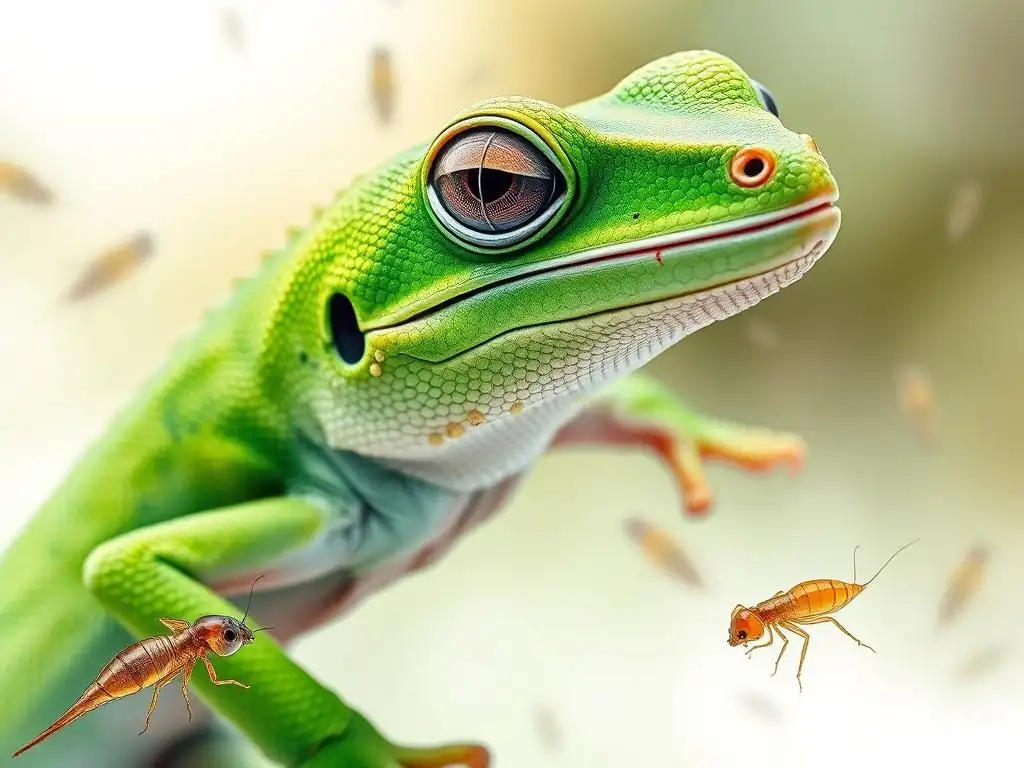
Parasites, both internal and external, can significantly impact a reptile's behavior, leading to a range of abnormal symptoms. Internal parasites, such as nematodes, cestodes, and coccidians, can cause weight loss, lethargy, and a decreased appetite. These symptoms often manifest as a change in the reptile's usual activity levels. A normally active lizard, for example, might become sluggish and spend more time hiding. Similarly, a usually voracious eater might refuse food altogether.
External parasites, like mites and ticks, can cause intense itching and irritation, leading to excessive scratching, rubbing, and self-mutilation. This constant discomfort can disrupt their normal behavior patterns, making them more aggressive or withdrawn. Diagnosis often involves fecal examination for internal parasites and a thorough physical examination to detect external parasites. Treatment typically involves medication tailored to the specific parasite identified, and in severe cases, supportive care such as fluid therapy might be necessary.
Regular parasite prevention, through proper hygiene and preventative medications as recommended by a veterinarian specializing in reptiles, is crucial for maintaining a healthy reptile and preventing behavioral changes associated with parasitic infestations. Ignoring these symptoms can lead to serious health complications and even death. Early detection and treatment are key to managing parasitic infections and ensuring the well-being of your reptile companion. Remember, observing changes in your reptile's eating habits, activity levels, or skin condition should always prompt a veterinary check-up.
Stress and Anxiety in Reptiles
Stress and anxiety are often overlooked causes of abnormal behavior in reptiles. Unlike mammals, reptiles don't express anxiety in the same overt ways. Instead, subtle behavioral changes can signal underlying stress. These can include changes in appetite – either increased or decreased food intake – lethargy, hiding behavior, and changes in thermoregulation. A reptile might spend more or less time basking than usual, seeking inappropriate basking spots, or failing to maintain its optimal body temperature.
Several environmental factors contribute to stress in reptiles. Inappropriate temperature gradients, inadequate humidity, insufficient space, lack of hiding places, and improper handling techniques are all common culprits. Even seemingly minor changes in their environment, such as a new piece of furniture or a change in lighting, can trigger stress responses in sensitive individuals. For example, a bearded dragon normally active and curious might become withdrawn and refuse to eat after a move to a new enclosure, even if the enclosure is suitable. Addressing these environmental stressors is crucial for managing stress-related behavioral problems.
Providing a stable, enriching environment that mimics the reptile’s natural habitat is key. This includes maintaining proper temperature and humidity levels, providing adequate hiding spaces and enrichment items, and handling the reptile gently and only when necessary. Consulting with a reptile veterinarian can help identify underlying stressors and develop strategies to alleviate anxiety. Careful observation and proactive environmental management can make a significant difference in the reptile's well-being and behavior.
Reptile-Specific Behavioral Problems
Beyond general health issues and environmental stressors, some reptiles exhibit behavioral problems specific to their species or individual personalities. For instance, some snakes might become excessively aggressive during shedding, while others might develop stereotypical behaviors, such as repetitive head-bobbing or swaying, due to boredom or lack of environmental enrichment. Similarly, certain lizards might exhibit territorial aggression towards conspecifics or even their human handlers, particularly during breeding season. These behaviors are often complex and require a multifaceted approach to address effectively.
Understanding the species-specific needs of your reptile is paramount. Providing adequate space, appropriate social interaction (or lack thereof, for solitary species), and enriching the enclosure with climbing structures, hiding places, and appropriate substrates are crucial. For example, a leopard gecko kept in an overly small enclosure without hiding spots might become stressed and exhibit abnormal behaviors, such as hiding excessively or becoming less active. In cases of aggression, professional guidance from a herpetologist or experienced reptile veterinarian is highly recommended.
They can assess the situation, identify contributing factors, and develop a behavioral modification plan tailored to the specific reptile and its circumstances. Consistent observation, record-keeping, and patience are essential for managing these complex behavioral issues. Early intervention and a proactive approach are key to preventing these problems from escalating and ensuring the long-term well-being of your reptile.
When to Seek Veterinary Care for Your Reptile
Reptile abnormal behavior concerns can range from minor quirks to serious medical emergencies. Knowing when to seek veterinary care is crucial for your reptile's health and well-being. While some behavioral changes might be temporary or easily addressed, others indicate underlying health problems that require immediate professional attention. This section will help you differentiate between manageable situations and those demanding urgent veterinary intervention. Understanding your reptile's normal behavior is the first step in recognizing deviations that warrant concern.
Consistent observation of your pet's eating habits, activity levels, and overall demeanor will allow you to quickly identify unusual patterns. Remember, early detection significantly improves the chances of successful treatment. Ignoring subtle changes can lead to more serious complications down the line, potentially jeopardizing your reptile's life. Therefore, proactive monitoring and prompt veterinary care are essential components of responsible reptile ownership.
Urgent Reptile Health Concerns Requiring Immediate Veterinary Attention
Several signs indicate an urgent need for veterinary care. These are not just minor deviations from normal behavior but rather critical symptoms suggestive of life-threatening conditions. Immediate veterinary attention is crucial in these cases. Delaying treatment can have severe consequences.
- Lethargy and Weakness: Extreme lethargy, where your reptile is unresponsive and unusually weak, is a significant red flag. This could signify a severe infection, organ failure, or a metabolic disorder. Consider this an emergency if your usually active reptile becomes completely immobile and unresponsive to stimuli.
- Respiratory Distress: Difficulty breathing, open-mouth breathing, or abnormal respiratory sounds (wheezing, clicking) are serious symptoms requiring immediate veterinary attention. These can be indicative of pneumonia, respiratory infections, or other life-threatening conditions. Observe the frequency and depth of your reptile's breathing; any significant change is cause for concern.
- Severe Dehydration: Visible signs of dehydration, such as sunken eyes, dry skin, and loss of elasticity, demand immediate veterinary care. Dehydration can quickly lead to organ failure if left untreated. This is particularly serious in reptiles as they are prone to dehydration.
- Loss of Appetite & Significant Weight Loss: While a temporary loss of appetite can be normal, a prolonged absence of eating, coupled with significant weight loss, is a cause for alarm. This can point to underlying medical issues, such as parasites, infections, or organ dysfunction. Keep detailed records of your reptile's weight and feeding habits to track changes.
- Bleeding or Open Wounds: Any bleeding or open wounds require immediate attention. Reptiles have slower healing processes than mammals, and infections can develop rapidly. Clean the wound carefully (if possible and safe to do so) and seek veterinary help immediately.
- Neurological Signs: Unusual neurological signs such as tremors, paralysis, seizures, or head tilt are critical and necessitate immediate veterinary intervention. These signs can indicate serious neurological problems, often requiring emergency care.
Assessing the Severity of Reptile Abnormal Behavior
Determining the severity of abnormal behavior in reptiles requires careful observation and consideration of several factors. Not all behavioral changes are indicative of serious illness. However, a pattern of concerning behaviors should prompt a veterinary visit.
| Behavior Change | Severity Level | Potential Causes | Action Required |
|---|---|---|---|
| Mild Lethargy | Low | Stress, slight temperature fluctuations | Monitor closely, adjust environment if necessary |
| Refusal to Eat (short-term) | Low | Stress, shedding | Monitor closely, offer varied food options |
| Increased Hiding | Low/Medium | Stress, shedding, environmental discomfort | Evaluate environment, provide more hiding places |
| Slightly Reduced Activity | Low/Medium | Stress, slight temperature fluctuations | Monitor closely, adjust environment if necessary |
| Significant Weight Loss | High | Parasites, infection, metabolic bone disease | Veterinary visit recommended |
| Persistent Vomiting | High | Infection, impaction, organ failure | Immediate veterinary attention required |
| Severe Dehydration | High | Dehydration, kidney failure | Immediate veterinary attention required |
| Neurological Symptoms | High | Neurological disease, trauma, metabolic disorders | Immediate veterinary attention required |
The table above provides a general guideline. Remember that individual reptiles vary, and what might be a minor issue for one reptile could be a serious problem for another. If you are unsure, it's always best to err on the side of caution and seek professional veterinary advice. Your reptile cannot communicate its discomfort verbally; vigilant observation and prompt action are crucial for their well-being.
Finding a Reptilian Veterinarian: Expertise and Resources
Finding a veterinarian experienced in reptile care is crucial for proper diagnosis and treatment. Not all veterinarians have expertise in treating reptiles, and seeking the wrong care can be detrimental to your pet's health. Finding a specialist requires some research, but it's an investment in your reptile's well-being. Look for veterinarians specializing in exotic animals or reptiles specifically.
Online searches, referrals from other reptile owners, and local reptile societies can be valuable resources. Asking for recommendations from your regular veterinarian is also a good starting point. When contacting potential veterinarians, inquire about their experience with reptiles of your pet's species, their diagnostic capabilities (e.g., access to blood testing, radiography), and their treatment protocols.
A knowledgeable and experienced veterinarian is essential for ensuring your reptile receives the best possible care. Don't hesitate to contact multiple veterinarians to find the best fit for you and your reptile. Investing the time and effort to find a qualified reptile veterinarian is a critical step in ensuring your reptile's long-term health and happiness.
Preparing for Your Reptile's Veterinary Visit
Before rushing your reptile to the vet, gathering some crucial information will significantly aid the diagnosis and treatment process. This proactive approach can save valuable time and potentially improve your pet's outcome. Start by meticulously documenting your reptile's recent behavior. Note any changes in appetite, activity levels, shedding patterns, or defecation habits.
Even seemingly insignificant details can be vital clues for your veterinarian. For instance, a subtle shift in your reptile's basking behavior, a slight decrease in water intake, or a change in the frequency of defecation could indicate an underlying health problem. Keep a detailed log, including dates and times, for the most accurate representation.
Next, consider collecting a fecal sample. A fecal examination can often reveal the presence of internal parasites, a common cause of various reptile health issues. Ensure the sample is collected cleanly and stored appropriately – ideally in a sealed, airtight container and refrigerated until your visit. This will help maintain the integrity of the sample for accurate analysis. Remember to clearly label the container with your reptile's species and the collection date. Ignoring this critical step could lead to inaccurate results and delay proper treatment.
Furthermore, it's beneficial to take photos or videos of your reptile exhibiting the abnormal behavior. Visual documentation can provide invaluable context for the veterinarian, allowing them to assess the situation more comprehensively. Try to capture the behavior clearly, focusing on the specific actions or postures that concern you. High-quality images or videos depicting the abnormal behavior will significantly assist the veterinary professional in diagnosing the problem accurately and promptly. This visual aid can sometimes be the difference between a rapid diagnosis and a prolonged period of uncertainty.
Finally, prepare a concise history of your reptile's care. This should include details about its enclosure setup, including temperature gradients, humidity levels, lighting, and substrate type. Also, list its diet, including the types and frequency of feeding, and any recent changes to its diet or environment.
This information provides the veterinarian with a complete picture of your reptile's living conditions, helping to identify any environmental factors that might be contributing to its abnormal behavior. Don't hesitate to provide as much detailed information as possible – even seemingly irrelevant details can sometimes prove crucial in unraveling the mystery behind your reptile's condition. Remember, thorough preparation is key to ensuring your reptile receives the best possible care.
Preventing Abnormal Behavior in Reptiles
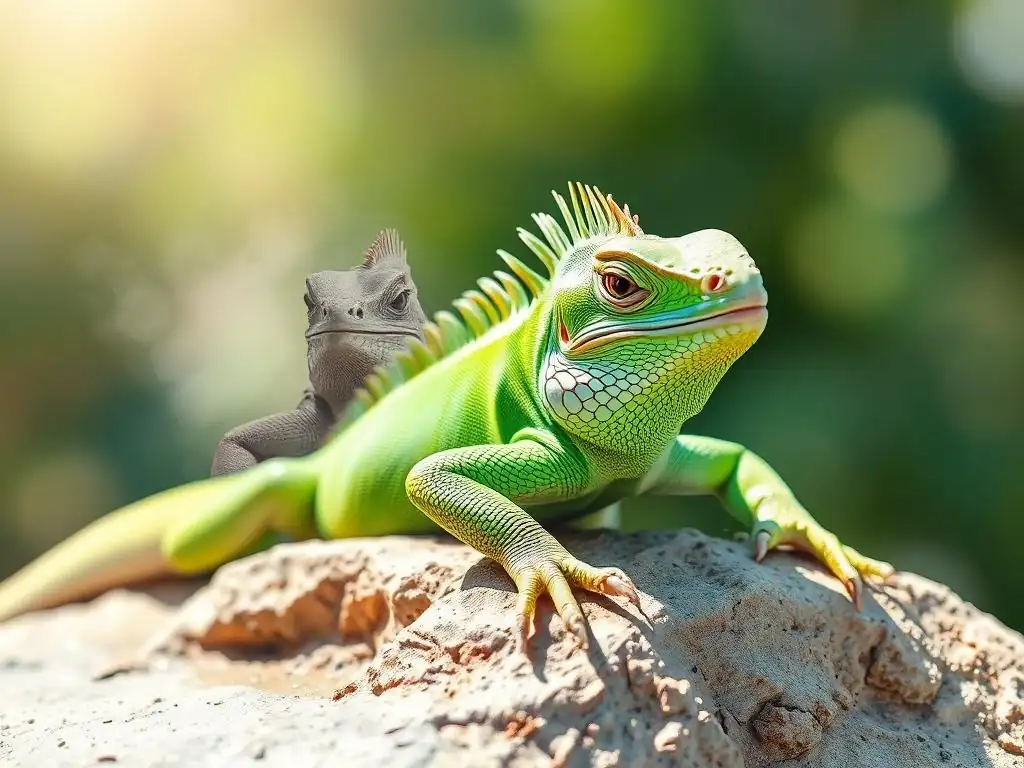
Understanding and addressing reptile abnormal behavior concerns is crucial for responsible pet ownership. Proactive measures significantly reduce the likelihood of encountering problematic behaviors. While some behavioral changes might be temporary and easily remedied, others can indicate underlying health issues requiring immediate veterinary attention. This section focuses on preventative strategies, empowering you to create a thriving environment for your scaly companion. Early intervention is key to maintaining your reptile's well-being and preventing serious complications. This proactive approach to reptile care is vital for responsible pet ownership and contributes to a longer, healthier life for your pet.
Providing a Suitable Habitat for Reptiles
A correctly designed and maintained habitat is the cornerstone of preventing abnormal behavior in reptiles. Reptiles are highly sensitive to their environment, and any inconsistencies can trigger stress, leading to various behavioral issues. Consider these key aspects:
- Appropriate Enclosure Size: The enclosure should be large enough to allow for natural behaviors like basking, hiding, and exploration. Cramming a reptile into a space too small can lead to frustration, aggression, and lethargy. For example, a large adult bearded dragon requires a significantly larger enclosure than a juvenile. [Specific enclosure size recommendations pending based on species].
- Maintaining Proper Temperature and Humidity: Each reptile species has specific temperature and humidity requirements. Failure to meet these needs can severely impact their health and behavior. Invest in accurate thermometers and hygrometers to monitor these parameters consistently. Improper temperature gradients can lead to anorexia, lethargy, and difficulty thermoregulating, all of which manifest as abnormal behavior.
- Providing Adequate Hiding Places: Reptiles need secure hiding spots to feel safe and secure. These can include caves, cork bark, or artificial hides. The lack of sufficient hiding places can induce stress and anxiety, resulting in unusual behaviors like excessive hiding or aggression.
- Substrate Selection: The substrate (bedding) must be appropriate for the species and must not be ingested, as this can cause digestive problems. Some substrates can also harbor bacteria or create unsuitable humidity levels. Consider paper towels, reptile carpet, or specific substrate blends designed for your reptile's needs.
Ensuring Proper Nutrition for Your Reptile
Nutritional deficiencies are a common cause of abnormal behavior in reptiles. A balanced diet is vital for maintaining their physical and mental health. Improper nutrition can lead to weakened immune systems, making them more susceptible to illness, which in turn can trigger behavioral changes.
- Species-Specific Diet: Different reptiles have vastly different dietary requirements. Some are primarily insectivores, while others are herbivores or omnivores. Providing the incorrect diet can lead to malnutrition, impacting their energy levels, growth, and overall well-being. For example, a corn snake fed solely on rodents that are too large can suffer from digestive problems and subsequent behavioral changes.
- Variety in Diet: Even within a species-specific diet, variety is crucial. Offering a diverse range of appropriate food items ensures a balanced intake of essential nutrients. Monotonous diets can lead to nutritional deficiencies and subsequent health problems.
- Supplementing the Diet: Many reptiles require supplemental calcium and vitamin D3 to prevent metabolic bone disease (MBD). This deficiency can lead to skeletal deformities, lethargy, and a host of other issues manifesting as abnormal behavior. [Specific supplementation guidelines pending based on species].
- Feeding Frequency: The frequency of feeding also depends on the species and age of the reptile. Overfeeding or underfeeding can both lead to negative behavioral consequences.
Implementing Stress Reduction Techniques for Reptiles
Stress is a significant contributor to abnormal behavior in reptiles. Minimizing stressors in their environment is crucial for maintaining their well-being. This includes:
- Minimizing Handling: Reptiles can become stressed by excessive handling. Handle them only when necessary, using gentle and confident movements. Avoid sudden movements or loud noises that can frighten them.
- Providing Enrichment: Enrichment activities, such as climbing structures, hiding places, and foraging opportunities, can help to reduce boredom and stress. A stimulating environment keeps them mentally and physically engaged.
- Avoiding Overcrowding: If keeping multiple reptiles, ensure they have ample space and resources to avoid competition and aggression. Overcrowding can lead to increased stress levels and territorial disputes.
- Regularly Cleaning the Enclosure: A clean enclosure is essential for preventing the spread of disease and reducing stress. Regular cleaning helps maintain a hygienic environment, reducing the risk of illness and subsequent behavioral problems. This also helps to prevent the build-up of ammonia, which can be toxic and stressful. 🦎
By diligently implementing these preventative measures, you significantly reduce the risk of encountering reptile abnormal behavior concerns. Remember that proactive care is the best approach to ensuring your reptile thrives.
Regularly Monitoring Your Reptile's Health
Regular observation is crucial in preventing and addressing abnormal behavior in reptiles. A reptile exhibiting unusual behavior often shows subtle signs long before the condition becomes critical. Daily visual checks are essential. Look for changes in appetite, shedding patterns, activity levels, posture, and defecation. Note any changes in skin color, texture, or the presence of any wounds or lesions. A healthy reptile will display a natural alertness and responsiveness to its environment. Lethargy, hiding excessively, or avoiding interaction are all potential warning signs of underlying health issues that could lead to abnormal behavior.
For example, a normally active bearded dragon that suddenly becomes lethargic and refuses food could be exhibiting early signs of metabolic bone disease (MBD) or a parasitic infection. Similarly, a corn snake that stops shedding its skin properly might indicate problems with hydration or vitamin deficiencies. These seemingly small changes, when noticed and addressed promptly, can prevent more severe behavioral issues later on. Maintaining a detailed record of your reptile's daily observations, including diet, water intake, and any observed behaviors, can be invaluable in identifying subtle changes and providing your veterinarian with crucial information for accurate diagnosis.
This proactive approach significantly improves the chances of early intervention and better management of any developing health problems, thereby minimizing the chances of abnormal behavior developing. Remember, early detection is key to successful treatment and the prevention of long-term health complications. Don't underestimate the importance of daily monitoring.
Establishing a Preventative Healthcare Plan for Your Reptile
A proactive approach to reptile healthcare is paramount in preventing abnormal behavior. This involves establishing a comprehensive preventative healthcare plan that includes regular veterinary check-ups, a well-balanced diet, appropriate environmental conditions, and parasite control. Just as with other pets, routine visits to a veterinarian specializing in reptiles are crucial.
These visits allow for early detection of potential problems before they escalate into serious health issues that manifest as abnormal behavior. The veterinarian can conduct physical examinations, fecal tests to check for parasites, and blood work to assess overall health. They can also provide guidance on appropriate husbandry practices and address any concerns you may have.
Furthermore, a properly balanced diet is essential for maintaining a reptile's overall health and preventing nutritional deficiencies that often contribute to abnormal behavior. Research the specific dietary needs of your reptile species and ensure they receive a varied diet consisting of appropriate fruits, vegetables, and insects. Providing the correct temperature and humidity gradients within the terrarium is equally crucial.
Incorrect temperature or humidity levels can lead to stress, illness, and consequently, abnormal behavior. Regular cleaning and disinfection of the enclosure are necessary to prevent bacterial and parasitic infections, another important factor in preventing abnormal behavior.
Finally, a proactive parasite control program, including regular fecal examinations and preventative medication as recommended by your veterinarian, should be implemented to minimize the risk of internal and external parasites, which can significantly impact your reptile's health and well-being, potentially leading to behavioral changes. A well-structured preventative plan is an investment in your reptile's long-term health and happiness, leading to a more stable and predictable behavioral pattern.
Understanding Normal Reptile Behavior: A Baseline for Comparison

Before diving into abnormal reptile behavior concerns, it's crucial to establish a baseline understanding of what constitutes normal behavior for your specific reptile. Many seemingly unusual actions might simply be species-typical behaviors misunderstood by their owners. Failing to recognize these normal behaviors can lead to unnecessary worry and potentially inappropriate interventions. This section will help you differentiate between typical reptile actions and those that warrant veterinary attention. Understanding your reptile's normal behavior is the first step in effectively recognizing deviations that signal a potential health problem. Early detection is key to successful treatment of reptile illnesses.
Species-Specific Normal Behaviors in Reptiles
Reptile behavior varies dramatically depending on the species. A behavior considered perfectly normal for a leopard gecko might be a sign of distress in a bearded dragon. For example:
- Leopard Geckos: These nocturnal creatures are typically active at dusk and dawn, spending the rest of the day hiding. They are generally docile and not prone to excessive movement unless seeking food or a mate. Basking behavior is less pronounced compared to diurnal species. Hiding is a normal and important behavior for these crepuscular lizards.
- Bearded Dragons: In contrast, bearded dragons are diurnal, meaning they are active during the day. They spend considerable time basking under heat lamps, regulating their body temperature. They are often more active and interactive than leopard geckos, readily exploring their enclosures and interacting with their owners (when properly habituated). A bearded dragon hiding excessively might indicate illness.
- Snakes: Snake behavior varies widely depending on the species and their temperament. Some snakes are more active and curious than others. Normal behavior includes periods of inactivity (often for digestion), exploration, and hunting (for those that consume live prey). Changes in feeding behavior, activity levels, or shedding cycles can indicate potential problems.
| Reptile Species | Typical Behavior | Potential Signs of Abnormal Behavior |
|---|---|---|
| Leopard Gecko | Nocturnal, docile, hides during the day | Excessive daytime activity, lethargy, refusal to eat |
| Bearded Dragon | Diurnal, basks frequently, active exploration | Hiding excessively, decreased appetite, lethargy, skin discoloration |
| Corn Snake | Relatively docile, active during feeding, mostly inactive | Lethargy, refusal to eat, unusual shedding, difficulty shedding |
| Green Iguana | Highly active, arboreal, requires large enclosure | Lethargy, loss of appetite, changes in skin coloration, swelling |
Remember to research the specific needs and typical behaviors of your reptile species. Many online resources and books offer detailed information on reptile care and behavior for various species.
Just like other animals, reptiles exhibit behavioral changes throughout their lifespan. Understanding these age-related variations is crucial in interpreting their actions accurately.
Young reptiles, particularly juveniles, tend to be more active and exploratory than their adult counterparts. They are also more prone to stress and illness, making it vital to monitor their behavior closely. Older reptiles, on the other hand, might show decreased activity levels, a reduced appetite, and even changes in their thermoregulatory behavior. These age-related changes, while normal, shouldn't be confused with signs of illness.
For instance, a young bearded dragon might exhibit more boisterous behavior, while an older individual might spend more time resting. This doesn't necessarily imply illness; instead, it reflects the natural aging process. It is important to differentiate between normal age-related changes and the onset of illness. A veterinarian can help determine if age-related changes are within the normal range or if another issue is present.
Individual Variations in Reptile Behavior
Even within the same species and age group, individual reptiles can exhibit significant behavioral differences. Some reptiles are naturally more shy and reclusive, while others are bolder and more outgoing. These personality differences are normal and should be considered when assessing their behavior.
What might appear as abnormal behavior in one reptile could be perfectly normal for another. For example, one leopard gecko might readily eat from your hand, while another might hide whenever you approach the enclosure. This does not necessarily indicate a problem. Consistent observation over time is vital to establish a baseline of normal behavior for your individual reptile. Consistent monitoring helps to identify deviations from their usual patterns that may indicate underlying illness. Understanding your pet's individual personality is crucial in early disease detection.
Case Studies: Reptile Abnormal Behavior Examples
This section presents real-world examples of abnormal reptile behavior, illustrating how seemingly subtle changes can signal underlying health issues. Understanding these case studies will help you better recognize potential problems in your own reptiles and seek veterinary care promptly. Remember, early intervention is crucial for successful treatment in reptiles. Early detection of reptile abnormal behavior concerns is key to successful treatment.
Case Study 1: Leopard Gecko with Impaction
A leopard gecko, Eublepharis macularius, named Leo, presented with lethargy, anorexia, and a noticeably distended abdomen. His owner reported a change in his defecation habits, with no bowel movements for over a week. Initial examination revealed a lack of normal fecal matter and a palpable mass within his abdomen. This suggested a severe impaction, likely caused by improper substrate (sand) ingestion.
Leo's abnormal behavior – the lethargy and anorexia – were direct consequences of the impaction, placing a strain on his digestive system. The distended abdomen was a clear visual indicator of the problem. This case highlights the importance of providing appropriate substrates for leopard geckos, avoiding loose substrates that can be ingested and cause impaction. Treatment involved fluid therapy, supportive care, and in some cases, surgical intervention to remove the impacted material.
Careful monitoring of hydration and bowel movements was essential during the recovery process. The successful resolution of Leo's case underscores the need for proactive reptile care, including using appropriate substrates and regular monitoring of bowel movements. Ignoring subtle changes in behavior, like decreased activity or appetite loss, can lead to serious complications, like impaction.
Case Study 2: Bearded Dragon with Metabolic Bone Disease (MBD)
A juvenile bearded dragon, Pogona vitticeps, named Sparky, exhibited a noticeable softening of the jaw and skeletal deformities, including bowed legs. His owner admitted to feeding Sparky primarily insects with insufficient calcium supplementation. This resulted in metabolic bone disease (MBD), a condition caused by calcium deficiency and improper ultraviolet (UVB) light exposure. Sparky's abnormal behavior wasn't as immediately obvious as in Leo's case; the behavioral changes were more subtle.
However, the skeletal deformities and jaw softening were clear indicators of a serious underlying issue. The lack of proper calcium and UVB resulted in weakened bones, causing the deformities and ultimately affecting his ability to move and feed properly. Treatment involved a carefully managed diet with appropriate calcium and vitamin D3 supplementation, along with specialized UVB lighting. Slow and careful rehabilitation was necessary to allow for bone healing and improved mobility.
This case emphasizes the critical role of proper nutrition and UVB lighting in preventing MBD in bearded dragons. Regular veterinary check-ups and careful monitoring of dietary intake are crucial for preventing such conditions. The subtle behavioral changes, while not always present, highlight the importance of regular observation to detect reptile abnormal behavior concerns.
Case Study 3: Corn Snake with Respiratory Infection
A corn snake, Pantherophis guttatus, named Rusty, presented with labored breathing, open-mouth breathing, and excessive nasal discharge. His owner noticed a decrease in his activity level and appetite. These symptoms indicated a probable respiratory infection, potentially caused by poor husbandry practices such as inadequate environmental temperature and humidity. Rusty's abnormal behavior – the lethargy and labored breathing – were clear signs of respiratory distress.
The open-mouth breathing and nasal discharge further indicated the severity of the infection. Treatment involved antibiotics, supportive care, and environmental adjustments to improve humidity and temperature. This case underscores the need for maintaining optimal environmental conditions for corn snakes. Failure to provide appropriate temperature and humidity levels can compromise their immune system, increasing their susceptibility to respiratory infections.
Early detection of respiratory distress is crucial, as the infection can rapidly progress if left untreated. The observable signs of abnormal behavior, such as lethargy and respiratory distress, should prompt immediate veterinary consultation. This case shows how seemingly small changes in reptile abnormal behavior concerns can indicate a more serious health problem and the importance of maintaining proper husbandry.
Frequently Asked Questions
What are some common signs of abnormal behavior in reptiles?
Reptiles exhibiting lethargy, loss of appetite, unusual posture, or changes in skin color or shedding may be showing abnormal behavior. Respiratory distress is also a serious concern requiring immediate veterinary attention.
When should I be concerned about my reptile's behavior?
Any sudden or significant change in your reptile's behavior warrants concern. This includes changes in activity levels, eating habits, or social interactions. Don't hesitate to contact a veterinarian if you observe anything unusual.
What are some environmental factors that can cause abnormal behavior?
Improper temperature and humidity levels are frequently overlooked causes of abnormal behavior in reptiles. Poor enclosure design, inadequate substrate, and inadequate lighting can also be contributing factors.
How can I prevent abnormal behavior in my reptile?
Maintaining the correct environmental conditions is crucial. Provide a species-appropriate diet, ensure regular veterinary checkups, and monitor your reptile's behavior closely. Early detection is key.
What should I do if I suspect my reptile is exhibiting abnormal behavior?
Immediately contact a veterinarian specializing in reptiles (a herpetologist). Describe the symptoms you've observed and provide details about your reptile's environment and recent history. Prompt veterinary care is critical for a positive outcome.
Final Reflection: The Silent Suffering of Our Scaly Companions
Understanding reptile abnormal behavior is not merely an academic pursuit; it's a crucial step towards ensuring the well-being of millions of reptiles in human care. The subtle shifts in behavior, often overlooked or misinterpreted, can signal underlying health issues, environmental stressors, or even neglect. Ignoring these signs can have devastating consequences for these often misunderstood creatures.
The impact of responsible reptile ownership extends far beyond the individual animal. It shapes our understanding of animal welfare, influencing how we interact with and care for all creatures, regardless of species. The more we learn about the nuanced communication of reptiles, the better equipped we are to provide them with enriching and appropriate environments. The greatness of a nation and its moral progress can be judged by the way its animals are treated.
- Mahatma Gandhi. This quote, while broad, speaks directly to the responsibility we bear as caretakers of these fascinating animals. Our understanding of their needs directly reflects our ethical compass.
Now, consider your own relationship with reptiles, whether you're a seasoned keeper, a curious observer, or simply someone who appreciates the beauty of the natural world. Take a moment to reflect on what you've learned today. Are there changes you can make to improve the care you provide, or perhaps a deeper understanding you can cultivate? Let this article serve as a catalyst for a more compassionate and informed approach to reptile care, ensuring that the silent suffering of these often overlooked creatures becomes a thing of the past.
Unveil Your Reptile's Secrets: Take Charge of Their Well-being
Thank you for learning about reptile behavior! We hope this article provided valuable insights into recognizing when your reptile might be unwell. Now, let's put that knowledge into practice.
- Schedule a veterinary checkup: This is the most crucial step. Contact your veterinarian to arrange a thorough examination for your reptile. Early detection is vital for addressing any potential health problems.
- Connect with fellow reptile keepers: Join our PetCareWorld forums and connect with other passionate reptile owners. Share your experiences, ask questions, and learn from others facing similar challenges.
- Expand your knowledge: Explore our extensive library of resources on reptile care, focusing on your reptile's specific breed.
What will you do today to ensure the happiness and health of your reptile?