
Temperature and Reptile Health: How Environmental Factors Affect Wellbeing

Welcome to PetCareWorld, your ultimate guide to a happier, healthier life for your beloved animal companions! Are you ready to unlock the secrets to thriving reptile care? Our expert guide on Reptile health temperature control delves into the crucial role of environmental factors in your pet's well-being, revealing how precise temperature management can dramatically impact their health and longevity. Discover the surprising impact of temperature control and embark on a journey to ensure your scaly friend thrives – explore our Reptiles & Exotic Pets section now!
- Understanding Reptile Thermoregulation: A Reptile Health Temperature Control Guide
- Identifying the Signs of Thermal Stress in Reptiles
- Reptile Health Temperature Control Guide: Practical Tips and Techniques
- Preventing Temperature-Related Health Issues in Reptiles
- Case Studies: Reptile Health Issues Linked to Temperature Extremes
- Resources and Further Reading on Reptile Temperature Control
-
Frequently Asked Questions
- What is the ideal temperature range for my reptile?
- How can I accurately measure the temperature in my reptile's enclosure?
- What are the signs of a reptile suffering from temperature-related issues?
- What heating devices are best for maintaining the correct temperature?
- How important is a temperature gradient within the reptile enclosure?
- Final Reflection: The Vital Equation of Temperature and Reptile Wellbeing
- Unlock Your Reptile's Potential: A Guide to Optimal Temperatures
Understanding Reptile Thermoregulation: A Reptile Health Temperature Control Guide
Maintaining the correct temperature is paramount for reptile health and longevity. Reptiles, unlike mammals and birds, are ectothermic, meaning they rely on external sources of heat to regulate their body temperature. This process, known as thermoregulation, is crucial for digestion, immune function, and overall well-being.
A failure to provide the appropriate temperature range can lead to a variety of health problems, from sluggishness and poor appetite to serious illness and even death. This comprehensive guide will explore the vital role of temperature control in reptile care, offering practical advice and insights to help you create a thriving environment for your scaly companion. We will delve into the specific needs of different reptile species, highlighting the importance of providing accurate basking spots and thermal gradients.
Understanding these concepts is key to successfully implementing a reptile health temperature control strategy and ensuring your reptile thrives. This guide aims to be your ultimate resource for understanding and managing the temperature requirements of your reptile, contributing significantly to its overall health and happiness. Let's dive in!
The Importance of Maintaining Optimal Temperatures for Reptile Health
Maintaining the correct temperature range is absolutely critical for your reptile's health. Too cold, and their metabolism slows, impacting digestion, immune response, and overall activity levels. They may become lethargic, refuse food, and become susceptible to infections. Conversely, temperatures that are too high can lead to dehydration, heat stress, organ damage, and even death. The ideal temperature range varies significantly depending on the species of reptile. For example, a desert tortoise will require much higher temperatures than a leopard gecko.
Consider this: a reptile kept consistently at a suboptimal temperature might show symptoms such as:
- Lethargy and inactivity: Reduced movement and lack of engagement with their environment.
- Poor appetite and weight loss: Inability to digest food efficiently, leading to malnutrition.
- Respiratory problems: Increased susceptibility to respiratory infections due to a weakened immune system.
- Shedding difficulties: Problems shedding their skin, leading to retained scutes and potential infections.
- Metabolic bone disease (MBD): A serious condition caused by calcium and vitamin D deficiencies, often exacerbated by improper temperatures.
Providing the correct temperature is not just about using a thermometer; it's about understanding your reptile's specific needs and creating a dynamic environment that mimics their natural habitat. This involves understanding the concept of thermal gradients, which we will explore in the next section.
Basking Spots and Thermal Gradients: Creating the Perfect Environment
Reptiles require a thermal gradient within their enclosure, meaning a range of temperatures available to them. This allows them to thermoregulate effectively by moving between warmer and cooler areas to maintain their optimal body temperature. A basking spot, the warmest area in the enclosure, is crucial. This is where your reptile will spend time to raise its body temperature. The temperature of the basking spot should be significantly higher than the ambient temperature of the rest of the enclosure.
Creating the ideal thermal gradient often involves using a combination of heating devices:
- Under-tank heaters (UTHs): These provide radiant heat from below, ideal for maintaining a consistent base temperature.
- Heat lamps or ceramic heat emitters (CHEs): These produce radiant heat from above, creating a basking spot. CHEs don't emit light, making them suitable for nocturnal species.
- Heat rocks: These are generally not recommended due to the risk of burns.
The specific temperature of the basking spot and the overall thermal gradient will depend on the species of reptile. Accurate temperature monitoring using multiple thermometers placed at different points within the enclosure is essential to ensure that the correct range is maintained. Regularly checking and adjusting the heating devices is crucial, especially during seasonal temperature fluctuations. Remember, consistency is key to maintaining a healthy environment for your reptile.
Understanding Your Reptile's Specific Temperature Requirements
The temperature requirements for reptiles vary drastically depending on their species and even their age. A juvenile reptile might require a slightly higher basking temperature than an adult of the same species. Researching the specific needs of your reptile is paramount before bringing it home. This information can typically be found through reputable reptile care guides and websites, books dedicated to reptile care, and even through consultation with experienced reptile keepers or veterinarians specializing in exotic animals.
For example:
| Reptile Species | Ambient Temperature (°C) | Basking Spot Temperature (°C) |
|---|---|---|
| Leopard Gecko | 24-29 | 32-35 |
| Bearded Dragon | 24-32 | 38-40 |
| Corn Snake | 24-29 | 30-32 |
| [Specific data pending] | [Specific data pending] | [Specific data pending] |
Failure to provide the appropriate temperature range can lead to serious health complications and significantly reduce your reptile's lifespan. Always prioritize accurate research and diligent monitoring to ensure your reptile thrives in a properly regulated environment. Remember, a happy, healthy reptile is a testament to responsible and informed pet ownership.
Identifying the Signs of Thermal Stress in Reptiles
Reptile health is intrinsically linked to environmental temperature. Maintaining the correct temperature range is crucial for their survival and well-being. Failure to do so can lead to thermal stress, a condition that significantly impacts their overall health and can manifest in various ways.
This section will delve into the key behavioral and physical indicators that signal thermal stress in reptiles, enabling pet owners to identify problems early and take corrective action. Early detection is paramount in preventing serious illness and ensuring a long, healthy life for your reptile companion. This guide will help you understand the subtle cues that can indicate problems with your reptile's thermal environment, contributing to your expertise in reptile health temperature control.
Behavioral Indicators of Incorrect Temperatures
Behavioral changes are often the first signs of thermal stress in reptiles. A reptile experiencing suboptimal temperatures may exhibit lethargy, reduced appetite, or unusual hiding behaviors. For instance, a normally active leopard gecko might spend significantly more time hiding, indicating an attempt to regulate its body temperature. Similarly, a bearded dragon that typically basks for extended periods might exhibit avoidance of its basking spot, suggesting the temperature is too high or too low. These behavioral shifts can be subtle, but consistent changes warrant close attention.
Observe your reptile's activity levels. A sudden decrease in activity, particularly in species known for their active nature, should raise concern. Additionally, note any changes in their basking habits. Are they basking for longer or shorter periods than usual? Are they choosing different locations to bask? These seemingly minor shifts can be crucial indicators of temperature issues. Detailed records of your reptile's daily behavior, including basking times and locations, can be invaluable in identifying subtle changes over time. This diligent observation aids significantly in effective reptile health temperature control.
Another important behavioral indicator is a change in their interaction with you or their environment. A normally docile reptile might become irritable or aggressive when handled, while a usually curious reptile might display increased avoidance of interaction. These changes can be stress-related and linked to thermal discomfort. Remember, each reptile species has unique behavioral patterns; understanding your specific pet's normal behavior is crucial for identifying deviations.
Beyond behavioral changes, physical symptoms can indicate serious temperature-related health problems. These symptoms often manifest as a result of prolonged exposure to inappropriate temperatures. One common indicator is a change in skin coloration or texture. For example, a reptile might exhibit unusually pale or dull coloration, or its skin might appear dry and flaky. This could be a sign of dehydration, often linked to improper temperature regulation.
Respiratory issues can also arise due to temperature fluctuations. Observe your reptile's breathing patterns. Increased respiratory rate or labored breathing could indicate that they are struggling to regulate their body temperature effectively. Furthermore, temperature extremes can weaken the immune system, making reptiles more susceptible to infections. Any unusual discharge from the eyes, nose, or mouth should be promptly investigated by a veterinarian. These physical symptoms underscore the critical role of precise reptile health temperature control. Early recognition and veterinary intervention are vital in managing these temperature-related illnesses.
The severity of physical symptoms varies depending on the species, the duration of exposure to extreme temperatures, and the individual reptile's resilience. Therefore, it’s crucial to monitor your reptile closely for any physical changes, however subtle. Regular visual inspections and careful handling can help you detect these problems early on.
Recognizing Dehydration and Its Connection to Temperature
Dehydration is a significant health risk for reptiles experiencing incorrect temperatures. Inadequate basking temperatures can hinder their ability to absorb water effectively, leading to dehydration. Symptoms of dehydration include sunken eyes, loss of skin elasticity (skin tenting), and lethargy. You can check for skin tenting by gently lifting a fold of skin; in a dehydrated reptile, the skin will remain tented for a prolonged period.
Dehydration can exacerbate other temperature-related problems, creating a dangerous cycle. A dehydrated reptile is less able to cope with thermal stress and more vulnerable to secondary infections. Therefore, maintaining optimal hydration is essential, particularly when managing temperature control. Providing fresh water daily and ensuring adequate humidity are crucial aspects of reptile health temperature control.
Regular weighing can also be helpful in monitoring hydration levels; a consistent decrease in weight could indicate dehydration, even before other symptoms appear. The connection between proper temperature and hydration underscores the comprehensive approach needed for effective reptile health temperature control. Monitoring both temperature and hydration levels is crucial for maintaining your reptile's health and well-being.
Reptile Health Temperature Control Guide: Practical Tips and Techniques

This section delves into the crucial role of temperature in maintaining optimal reptile health. Successfully managing your reptile's environment requires understanding their specific thermal needs and employing appropriate heating methods. Failure to provide the correct temperature range can lead to serious health problems, impacting digestion, immune function, and overall wellbeing.
This guide provides practical, actionable steps to ensure your reptile thrives. We'll explore various heating systems, monitoring techniques, and troubleshooting common issues, all geared towards achieving and maintaining the ideal thermal environment for your scaly companion. Remember, consistent monitoring is key to preventing temperature-related illnesses and ensuring a long, healthy life for your reptile.
Setting Up Proper Heating Systems for Your Reptile Enclosure
Creating a suitable thermal gradient within your reptile's enclosure is paramount. This means establishing a range of temperatures, allowing your reptile to thermoregulate by moving between warmer and cooler zones. The specific temperature requirements vary greatly depending on the species; a bearded dragon needs a much higher basking temperature than a leopard gecko. Before setting up your heating system, research the precise needs of your reptile. Consult reputable sources like herpetological societies and veterinary experts to obtain accurate information tailored to your specific species.
To ensure effective heating, consider the size and type of your enclosure. Larger enclosures often require more powerful heating elements. The material of the enclosure also influences heat retention; glass enclosures tend to lose heat more quickly than wooden or plastic ones.
Here's a breakdown of key considerations:
- Enclosure Size and Material: Measure your enclosure accurately to determine the appropriate heating system capacity. Consider the material's insulation properties.
- Species-Specific Temperature Requirements: Research the optimal basking spot temperature, ambient temperature, and cool-side temperature for your reptile.
- Heating Element Placement: Strategically position heating elements to create a thermal gradient, avoiding direct contact with your reptile.
- Thermostat Use: Always use a reliable thermostat to prevent overheating, a common cause of reptile illness. Digital thermostats provide precise temperature control.
- Safety Precautions: Ensure all electrical components are appropriately insulated and out of reach of your reptile to prevent burns or electrocution.
Utilizing Heat Lamps, Heat Rocks, and Under Tank Heaters (UTH)
Several heating methods are available, each with its own advantages and disadvantages. Choosing the right combination depends on your reptile's species and your enclosure setup.
| Heating Method | Advantages | Disadvantages | Considerations |
|---|---|---|---|
| Heat Lamps | Provides basking spot heat, easily adjustable | Can dry out the enclosure, potential fire hazard | Use a ceramic heat emitter for nighttime heat if needed. |
| Heat Rocks | Provides radiant heat, relatively inexpensive | Can overheat quickly, potential burn risk | Only use with a thermostat and monitor closely. |
| Under Tank Heaters (UTH) | Provides consistent, even heat throughout the substrate | Can be less effective at creating a basking spot | Ensure proper substrate depth and ventilation. |
Understanding the pros and cons of each method allows for informed decision-making. For instance, while heat lamps are excellent for providing a basking spot, they can dry out the enclosure. UTHs, on the other hand, provide consistent heat but might not offer the same localized warmth that a basking spot requires. Many keepers use a combination of methods to achieve the desired thermal gradient.
Monitoring Temperatures: Accurate Measurement and Adjustment
Regular temperature monitoring is crucial for maintaining reptile health. Using multiple thermometers—one for the basking spot and another for the ambient temperature—is recommended. Digital thermometers offer greater accuracy than analog ones. Place thermometers in various locations within the enclosure to get a comprehensive understanding of the temperature distribution.
Beyond simple temperature readings, observe your reptile's behavior. If your reptile is consistently seeking the coolest part of the enclosure or appears lethargic, it might indicate that the temperature is too high. Conversely, if it remains constantly under the heat source, the ambient temperature may be too low. These behavioral cues are valuable indicators of potential temperature-related issues.
Remember to calibrate your thermometers regularly to ensure accuracy. Record your temperature readings in a log to track changes over time and identify any potential problems early. This proactive approach minimizes the risk of temperature-related illnesses and ensures your reptile remains healthy and happy. Consistent monitoring, combined with a well-planned heating system, is the cornerstone of successful reptile husbandry.
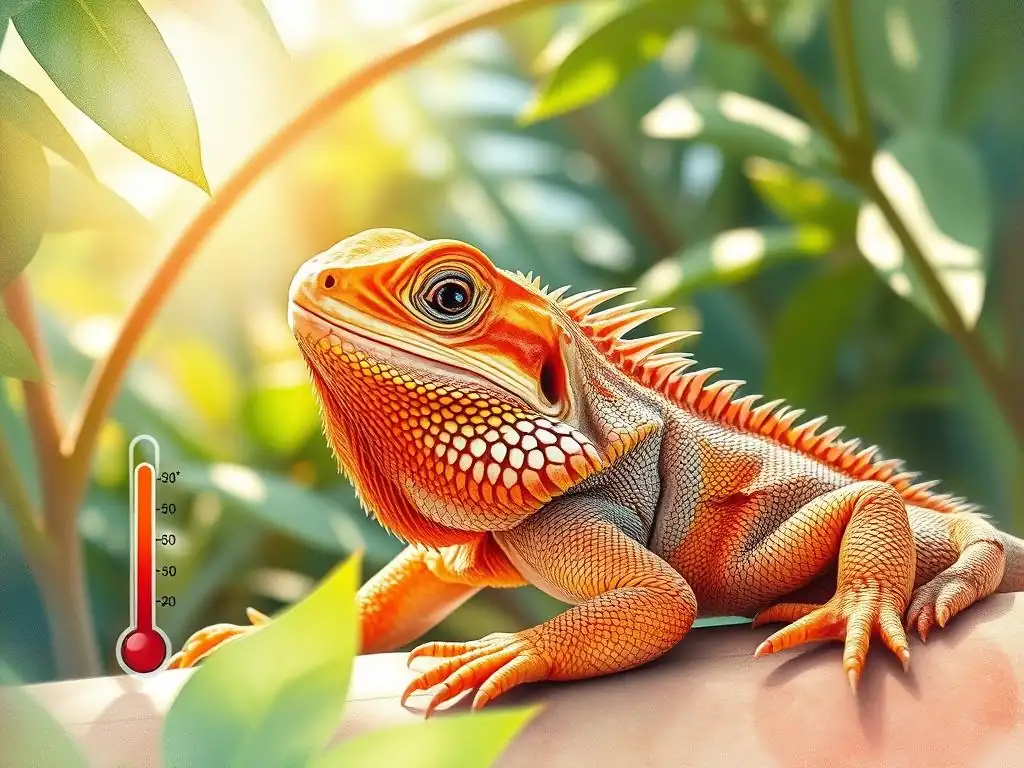
Maintaining the correct temperature is paramount for reptile health. Suboptimal temperatures can lead to a range of problems, from suppressed immune systems and digestive issues to metabolic bone disease (MBD) and even death. This section focuses on proactive measures to ensure your reptile thrives in a thermally appropriate environment. Understanding and implementing these strategies is crucial for responsible reptile ownership and contributes significantly to a longer, healthier life for your scaled companion. This reptile health temperature control guide will arm you with the knowledge to create a safe and comfortable habitat.
Regular Temperature Checks and Calibration of Equipment
Accurate temperature monitoring is the cornerstone of successful reptile husbandry. Fluctuations, even seemingly minor ones, can have significant consequences. Regular checks using multiple, independent thermometers are essential. Don't rely on a single device; use at least two, placed in different locations within the enclosure, to ensure accurate readings across the entire habitat. Consider using both digital and analog thermometers for redundancy. Digital thermometers offer precise readings, while analog thermometers provide a visual representation of temperature trends over time.
Remember to calibrate your equipment regularly. Thermometers, thermostats, and heating elements can drift over time, leading to inaccurate readings and potential problems. Compare your thermometers against a known accurate standard, such as a calibrated thermometer from a reputable source, at least once a month.
For heating elements, check their output against manufacturer specifications using a suitable measuring instrument [specific information pending]. Addressing calibration issues promptly prevents potential health risks to your reptile. Think of it as preventative maintenance for your reptile's health – just as regular vet checkups are essential for their well-being, so is maintaining the accuracy of your temperature monitoring equipment.
Environmental Enrichment to Promote Natural Behaviors
Providing a thermally varied environment within the enclosure mimics a reptile's natural habitat and promotes natural behaviors, contributing significantly to their overall health and well-being. This means offering a gradient of temperatures, allowing your reptile to thermoregulate effectively. Basking spots, for example, should provide significantly higher temperatures than the ambient temperature, allowing your reptile to raise its body temperature as needed. Cooler areas should also be available to allow for cooling down.
This approach is particularly crucial for species that are highly sensitive to temperature variations. For example, a bearded dragon requires a basking spot reaching temperatures of 100-110°F (38-43°C), while cooler areas should be around 75-85°F (24-29°C). Incorrect temperature gradients can lead to stress, lethargy, and difficulty digesting food 🥵.
The creation of these thermal gradients often involves the strategic placement of heat sources, such as heat lamps or heat mats, combined with appropriate substrate and hiding places. Remember to carefully monitor and adjust these to maintain the desired temperature range. A well-designed enclosure provides choice and control, facilitating natural thermoregulatory behavior, a key aspect of reptile health.
The Role of Humidity in Reptile Health and Temperature Management
Humidity plays a crucial, often underestimated, role in reptile health, intricately linked to temperature management. Many reptiles require specific humidity levels to maintain healthy skin, prevent dehydration, and aid in proper shedding. Inadequate humidity can lead to dry skin, difficulty shedding, respiratory infections, and even metabolic bone disease (MBD). Conversely, excessively high humidity can promote the growth of harmful bacteria and fungi.
Monitoring humidity levels using a reliable hygrometer is as crucial as monitoring temperature. Maintaining the correct humidity often requires a combination of methods, such as misting, substrate choices (e.g., using sphagnum moss or cypress mulch for higher humidity), and the use of humidifiers or foggers. The specific humidity requirements vary greatly depending on the species. For instance, a leopard gecko thrives in a relatively dry environment (20-30% humidity), while a green tree frog needs much higher levels (60-80%).
Accurate humidity control, in conjunction with appropriate temperature regulation, creates a suitable microclimate for your reptile, supporting optimal health and well-being. Remember, the perfect balance of temperature and humidity is key to your reptile's thriving. Regular monitoring and adjustments are essential to prevent health issues and ensure a long and happy life for your pet.
Case Studies: Reptile Health Issues Linked to Temperature Extremes
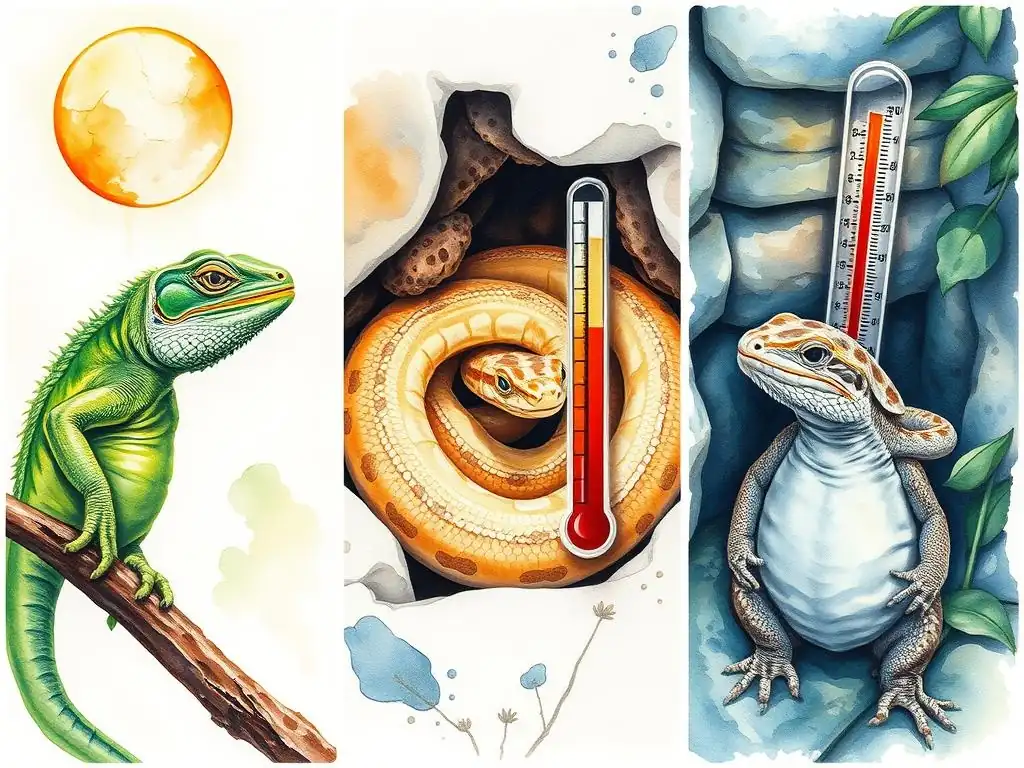
This section details specific instances where improper temperature control directly impacted reptile health, highlighting the critical role of accurate temperature regulation in preventing illness and promoting optimal reptile wellbeing. Understanding these case studies will reinforce the importance of maintaining a precise thermal gradient within your reptile's enclosure. Remember, even slight deviations from the ideal temperature range can have significant consequences. This reptile health temperature control guide aims to prevent such scenarios.
Case Study 1: Bearded Dragon and Heat Stroke
A three-year-old bearded dragon, affectionately named Sparky, presented with lethargy, open-mouth breathing, and bright red coloration. His owner reported a recent power outage lasting several hours, during which the ambient temperature in his enclosure rose significantly. Sparky's usual basking spot temperature was maintained at 100-105°F (38-41°C), but during the outage, it likely exceeded 115°F (46°C). This extreme heat led to heat stroke.
Symptoms like these are crucial indicators of a serious issue, demanding immediate veterinary attention. Veterinary intervention included immediate cooling measures and supportive care, thankfully resulting in Sparky's full recovery. This incident underscores the importance of backup power sources, such as a generator or uninterruptible power supply (UPS), for temperature-sensitive reptile enclosures. A thermometer with a high and low temperature alarm system is also a crucial investment for preventative reptile health temperature control.
Case Study 2: Leopard Gecko and Hypothermia
Luna, a juvenile leopard gecko, exhibited sluggishness, poor appetite, and difficulty moving. Her owner, a new reptile keeper, had unintentionally set the thermostat for her enclosure too low. Instead of the recommended temperature gradient of 88-92°F (31-33°C) warm side and 75-80°F (24-27°C) cool side, Luna's enclosure remained consistently at 70°F (21°C). This prolonged exposure to low temperatures resulted in hypothermia. Veterinary examination confirmed Luna's diagnosis.
Treatment involved gradual warming and supportive care. While Luna recovered, the experience highlighted the necessity of accurate thermostat calibration and regular temperature monitoring. Using multiple thermometers placed at various points within the enclosure ensures a comprehensive understanding of temperature gradients. This is especially important for leopard geckos and other reptiles with a lower tolerance for temperature fluctuations.
A six-year-old corn snake named Rusty exhibited skeletal deformities, including bowed legs and a fragile jaw. Initial assessments revealed a lack of proper UVB and heat gradient within his enclosure. While he received a basking lamp, the intensity and placement were insufficient to provide adequate UVB radiation. Additionally, the temperature gradient was inadequate, resulting in insufficient calcium absorption.
This led to the development of Metabolic Bone Disease (MBD), a common condition directly linked to poor temperature regulation and insufficient UVB lighting. This case emphasizes the importance of providing a proper thermal gradient and appropriate UVB lighting for optimal calcium metabolism. Rusty's treatment involved dietary changes, supplemental calcium, and careful temperature and UVB management.
While his condition improved, the skeletal deformities remained a permanent consequence of the inadequate care. This case serves as a stark reminder of the long-term implications of neglecting proper temperature and UVB requirements for reptile health. A comprehensive understanding of species-specific needs is crucial for preventing such debilitating conditions.
This reptile health temperature control guide demonstrates the vital role of precise temperature management in maintaining reptile health and preventing serious illness. Careful monitoring, appropriate equipment, and a thorough understanding of species-specific requirements are essential for responsible reptile ownership. Remember, consistent vigilance is key to ensuring your reptile thrives.
Resources and Further Reading on Reptile Temperature Control
This section provides crucial resources to help you maintain the optimal temperature for your reptile, contributing to their overall health and wellbeing. Accurate temperature monitoring and control are paramount for preventing and managing various reptile health issues. A proactive approach to thermoregulation is a key component of responsible reptile ownership, directly impacting the longevity and quality of life for your scaled companion. This guide, therefore, emphasizes the importance of reliable resources and expert consultation in achieving successful reptile temperature control.
Recommended Thermometers and Temperature Controllers
Selecting the right equipment is the first step towards effective reptile temperature control. Different thermometers and controllers offer varying levels of accuracy and features. Consider these factors when making your choice:
- Accuracy: Look for devices with a high degree of accuracy, ideally within ±1°F (±0.5°C). Inconsistent readings can lead to suboptimal temperatures and potential health problems.
- Range: Choose a thermometer and controller that covers the temperature range suitable for your specific reptile species. For example, desert species require much higher temperatures than rainforest dwellers.
- Placement: Consider the placement of the thermometer. It should accurately reflect the temperature experienced by your reptile, not just the ambient air temperature. This often means placing the probe directly on the basking spot or within the hide.
- Durability: Opt for durable, easy-to-clean devices that can withstand the humidity and potential spills within the terrarium.
- Features: Some advanced controllers offer automatic temperature regulation, alarms for temperature fluctuations, and even humidity monitoring.
| Thermometer Type | Pros | Cons | Suitable for |
|---|---|---|---|
| Digital Thermometer | Accurate, easy to read, various features | Can be more expensive, battery dependent | Most reptile species |
| Analog Dial Thermometer | Simple, inexpensive, no batteries needed | Less accurate, can be difficult to read | Basic monitoring, less demanding species |
| Infrared Thermometer | Non-contact measurement, versatile | Less accurate for consistent monitoring | Spot checks, quick temperature assessments |
| Thermostat/Controller | Automatic temperature regulation | More expensive, requires setup and calibration | All reptile species requiring precise control |
Remember to always calibrate your thermometer regularly against a known accurate source to ensure its readings remain reliable. Neglecting calibration can lead to inaccurate temperature readings and compromise your reptile's health.
Reputable Sources for Reptile Care Information
Reliable information is crucial for responsible reptile keeping. Avoid misinformation by consulting reputable sources:
- Herpetological Societies: These organizations often provide detailed care sheets and guidelines based on scientific research. They are excellent resources for species-specific information.
- Veterinary Professionals: Your reptile veterinarian is your best resource for species-specific advice and guidance tailored to your individual reptile's needs.
- Scientific Journals: While more technical, peer-reviewed publications offer in-depth information on reptile physiology and husbandry.
- Experienced Breeders and Keepers: These individuals can offer valuable practical experience, but always cross-reference their advice with established scientific sources.
It's important to be discerning in your information gathering. Always prioritize information from credible sources and avoid relying solely on anecdotal evidence or unverified online forums. Misinformation can have serious consequences for your reptile's health and well-being. The internet can be a great tool, but it's crucial to critically evaluate the source and its credibility.
Contacting a Veterinarian for Expert Advice on Reptile Health
Maintaining optimal reptile health temperature control is crucial, but sometimes problems arise that require professional intervention. Don't hesitate to contact a veterinarian specializing in reptiles (a herpetologist) if you observe any of the following:
- Lethargy or inactivity: A significant change in your reptile's behavior could indicate underlying health issues.
- Loss of appetite: Refusal to eat is a serious sign requiring immediate attention.
- Unusual shedding patterns: Difficulty shedding can be a symptom of various problems, including improper humidity or temperature.
- Visible injuries or infections: Any visible wounds or signs of infection need prompt veterinary care.
- Respiratory issues: Wheezing, gasping, or open-mouth breathing should be addressed immediately.
Early intervention is key to successful treatment. Don't wait for symptoms to worsen before seeking professional help. A reptile veterinarian can accurately diagnose problems, provide tailored treatment plans, and offer valuable advice on preventing future health issues. Proactive veterinary care is an essential aspect of responsible reptile ownership, contributing significantly to your reptile's overall health and longevity. Remember, a healthy reptile is a happy reptile! 🦎
Frequently Asked Questions
What is the ideal temperature range for my reptile?
The ideal temperature range varies greatly depending on the specific species of reptile. Consult a reputable reptile care guide or veterinarian for species-specific information. Incorrect temperatures can lead to serious health problems.
How can I accurately measure the temperature in my reptile's enclosure?
Use accurate digital thermometers with probes placed both at the basking spot and in the cool side of the enclosure. Regularly check and adjust heating sources as needed to maintain the correct temperature gradient. Consistency is key.
Signs can include lethargy, loss of appetite, respiratory problems, and unusual skin shedding. Severe cases can lead to organ damage or death. Seek veterinary attention immediately if you suspect temperature-related illness.
What heating devices are best for maintaining the correct temperature?
Suitable options include heat lamps, heat mats, and under-tank heaters. The best choice depends on your reptile's species and enclosure setup. Always ensure the heating device is properly regulated and safe to prevent burns.
How important is a temperature gradient within the reptile enclosure?
A temperature gradient is crucial. It allows your reptile to thermoregulate by moving between warmer and cooler areas within the enclosure to maintain its optimal body temperature. This is vital for their overall health and well-being.
Final Reflection: The Vital Equation of Temperature and Reptile Wellbeing
Maintaining the correct temperature is not merely a detail in reptile care; it's the cornerstone of their health and survival. A seemingly small fluctuation can have devastating consequences, impacting everything from digestion and immunity to breeding success and longevity. Understanding this fundamental truth is crucial for responsible reptile ownership in the 21st century, where ethical and informed care is paramount.
The impact of proper temperature control extends far beyond the individual reptile; it speaks to our broader responsibility as stewards of the environment. We are increasingly aware of the effects of climate change on wildlife, and the plight of reptiles, often overlooked, is particularly poignant. Their ectothermic nature makes them exceptionally vulnerable to even subtle shifts in temperature. The fate of reptiles is inextricably linked to the health of the planet,
– a statement that resonates deeply as we consider the future of these fascinating creatures. The knowledge gained from understanding their thermal needs translates to a broader understanding of ecological fragility and the importance of conservation efforts.
Consider the implications of this knowledge. You now possess the tools to create a thriving environment for your reptile companion, ensuring its optimal health and happiness. But more than that, you hold a deeper understanding of the delicate balance of nature and the vital role temperature plays in maintaining it. Take this knowledge forward. Advocate for responsible reptile ownership, support conservation initiatives, and continue to learn and grow in your understanding of these magnificent creatures. Their wellbeing is in our hands.
Unlock Your Reptile's Potential: A Guide to Optimal Temperatures
Thanks for joining us on this journey into reptile care! You've gained valuable knowledge about how temperature directly affects your reptile's health and happiness. Ready to put this knowledge into practice?
- Maintain precise temperature control: Carefully monitor and adjust your reptile's enclosure temperature using accurate thermometers and appropriate heating and cooling equipment. This is crucial for their well-being.
- Share your experiences—both successes and challenges—with other reptile keepers in the comments below. Let's build a thriving community of reptile enthusiasts!
- Explore our PetCareWorld resource library for more in-depth guides on reptile care, covering topics from diet to environmental enrichment.
What temperature adjustments will you make today to create the perfect environment for your reptile?