
Lighting for Reptile Health: Understanding the Spectrum

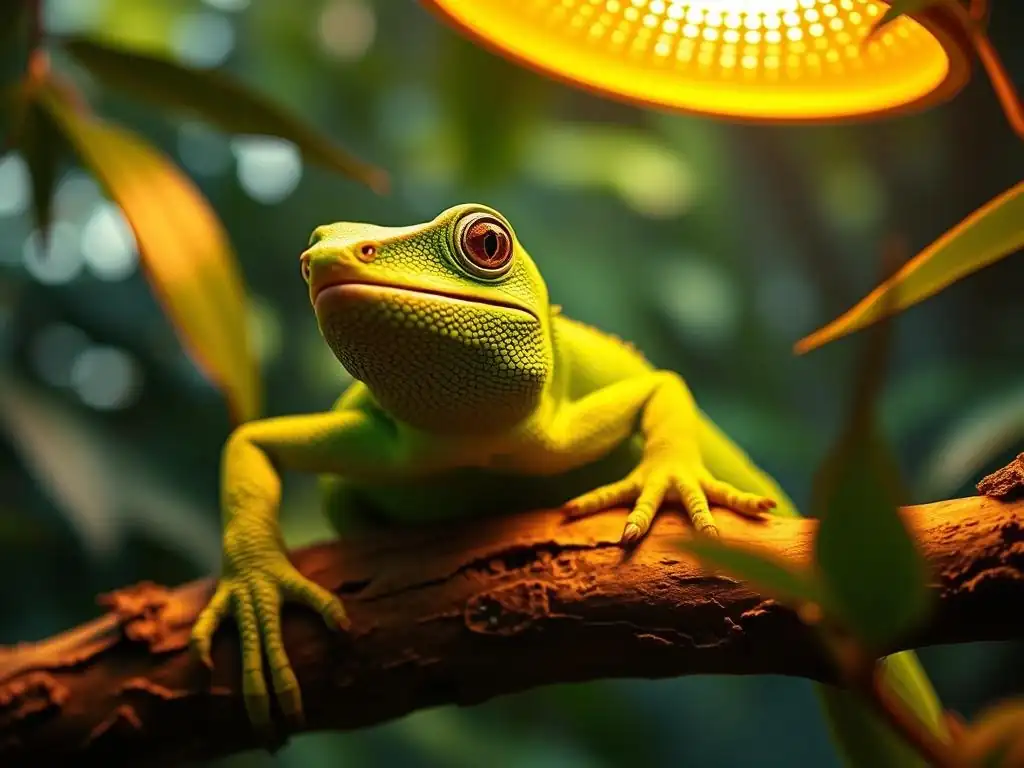
Welcome to PetCareWorld, your ultimate guide to a happier, healthier life for your beloved companions! Are you ready to unlock the secrets to thriving reptile care? We delve into the crucial topic of best reptile lighting spectrum needs, exploring how the right light can transform your reptile's well-being. Discover the fascinating science behind optimal lighting and learn how to create a vibrant, healthy environment for your scaly friend. Dive in and illuminate your understanding of reptile care today!
- Understanding Your Reptile's Lighting Spectrum Needs
- Choosing the Best Reptile Lighting Spectrum
- Factors Influencing Reptile Lighting Needs
- Signs of Inadequate Reptile Lighting
- Setting up Your Reptile's Lighting System
- Maintaining Optimal Lighting Conditions for Long-Term Reptile Health
- Frequently Asked Questions
- Final Reflection: Illuminating the Path to Reptile Wellness
- Unleash Your Reptile's Inner Glow: Boost Their Health Today!
Understanding Your Reptile's Lighting Spectrum Needs
Providing optimal lighting is crucial for the health and well-being of your reptile. Unlike mammals, reptiles are ectothermic, meaning they rely on external sources of heat to regulate their body temperature. This dependence extends beyond just temperature; the spectrum of light your reptile receives significantly impacts its ability to thrive.
This article delves into the intricacies of reptile lighting, explaining the "best reptile lighting spectrum needs" to ensure your scaly companion receives the proper illumination for a long, healthy life. We'll cover the essential roles of UVB and UVA light, the importance of the visible light spectrum, and the various types of reptile lighting available, empowering you to make informed decisions about your pet's environment. Choosing the right lighting is an investment in your reptile's health and happiness, and understanding the nuances of the light spectrum is the first step towards providing optimal care.
The Importance of UVB and UVA for Reptile Health
UVB and UVA radiation are not just about basking; they are essential for your reptile's physiological processes. UVB radiation is absolutely critical for the synthesis of Vitamin D3. Vitamin D3 is vital for calcium absorption, which is essential for strong bones, healthy shell development (in turtles and tortoises), and overall skeletal health. A deficiency in Vitamin D3 can lead to serious metabolic bone disease (MBD), a debilitating condition characterized by weakened bones, skeletal deformities, and potentially fatal complications.
UVA radiation, while not directly involved in Vitamin D3 synthesis, plays a crucial role in reptile behavior, appetite stimulation, and overall well-being. It contributes to their natural circadian rhythms and influences their activity levels and breeding cycles. Insufficient UVA can lead to lethargy, poor appetite, and reproductive problems.
Therefore, providing both UVB and UVA light is paramount for maintaining your reptile's optimal health. The specific UVB and UVA output required varies greatly depending on the species; research your specific reptile's needs to determine the appropriate bulb and placement. Remember, even with proper lighting, a balanced diet rich in calcium is equally important in preventing MBD.
Visible Light Spectrum and its Role in Reptile Well-being
While UVB and UVA are essential for physiological processes, the visible light spectrum plays a significant role in your reptile's behavior and overall well-being. Just like humans, reptiles perceive color and light intensity, influencing their mood, activity levels, and even their ability to hunt and forage (in the case of diurnal species). Providing a variety of light intensities and color temperatures throughout the terrarium mimics their natural environment and promotes a more enriching and stimulating habitat.
Providing a basking spot with brighter, warmer light encourages activity and digestion, while cooler areas with dimmer light offer opportunities for rest and thermoregulation. The color temperature of the light can also affect reptile behavior; some species may prefer warmer tones, while others might exhibit a preference for cooler tones. Observing your reptile's behavior under different lighting conditions can offer valuable insights into their preferences and help you fine-tune their environment for optimal comfort and stimulation. Remember to avoid using overly bright or harsh lighting that could stress your reptile.
Understanding the Different Types of Reptile Lighting
Several types of reptile lighting are available, each with its own characteristics and benefits. Understanding these differences is critical for selecting the appropriate lighting for your specific reptile species.
| Lighting Type | UVB Output | UVA Output | Heat Output | Notes |
|---|---|---|---|---|
| Mercury Vapor Bulbs | High | High | High | All-in-one solution, but can be expensive and generate significant heat |
| UVB Fluorescent Tubes | Moderate | Low | Low | Affordable and efficient, but require regular replacement |
| UVA Fluorescent Tubes | Low | High | Low | Primarily for behavioral stimulation |
| Ceramic Heat Emitters | None | None | High | Provides heat without light, useful for nocturnal species |
| LED Lighting | Variable | Variable | Variable | Increasingly popular, energy-efficient, and offers customizable options |
Choosing the right lighting involves considering your reptile's specific needs, such as its species, habitat, and activity level. Always research your specific reptile's requirements before making a purchase. Remember that regular bulb replacement is crucial to ensure consistent and effective UVB and UVA output. Neglecting this aspect can have serious consequences for your reptile's health. Investing in high-quality lighting is an investment in your reptile's long-term health and happiness.
Choosing the Best Reptile Lighting Spectrum
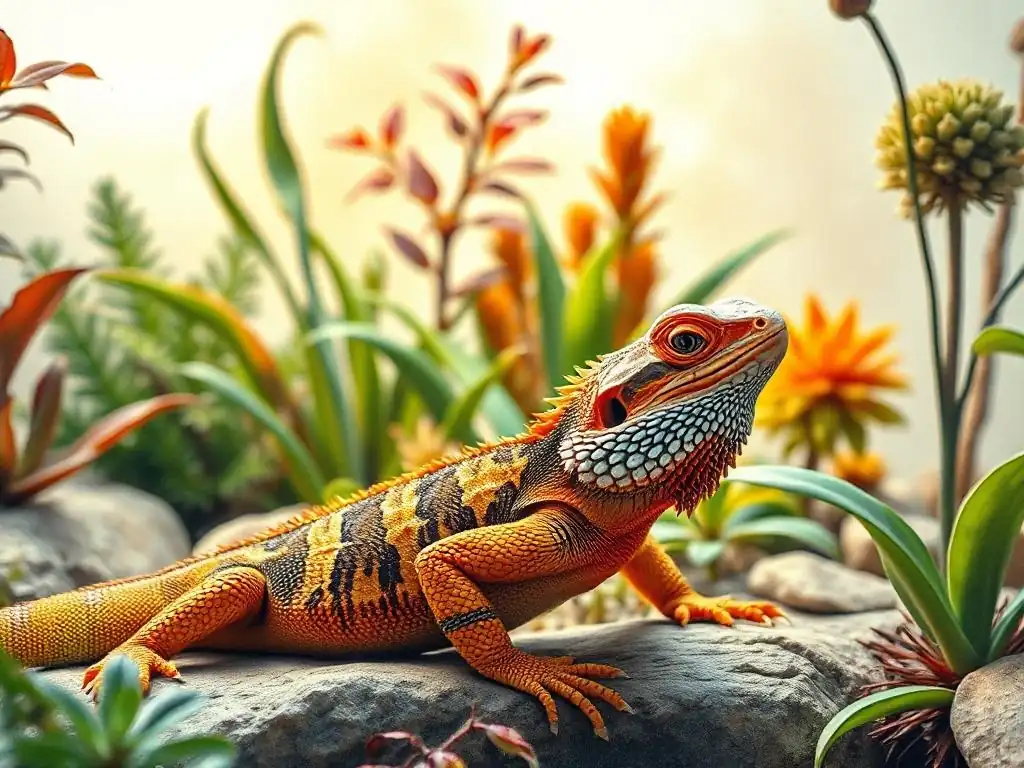
Selecting the appropriate lighting spectrum is crucial for the health and well-being of your reptile. Understanding the specific needs of your reptile species is paramount, as different species require different levels and types of light. Failure to provide the correct lighting can lead to metabolic bone disease (MBD), weakened immune systems, and behavioral problems.
This section focuses on choosing the best reptile lighting spectrum for your pet, covering the essential components: UVB, UVA, and heat lamps. We'll explore the nuances of each to help you create a thriving environment for your scaly friend. Remember, always research the specific lighting requirements of your reptile species before purchasing any equipment.
UVB Bulbs: Types, Wattage, and Placement
UVB (Ultraviolet B) radiation is essential for most reptiles to synthesize vitamin D3. Vitamin D3 is vital for calcium absorption, which is crucial for strong bones and a healthy immune system. Without adequate UVB, your reptile is at high risk of developing MBD, a debilitating and often fatal condition.
Several types of UVB bulbs exist, each with varying strengths and emission spectrums. The most common are:
- Mercury Vapor Bulbs: These bulbs provide both UVB and heat, simplifying your setup. However, they are more expensive and generate significant heat, requiring careful placement and monitoring to avoid overheating. They're a good option for larger enclosures where heat distribution is less critical.
- Compact Fluorescent Bulbs (CFBs): CFBs are a more affordable and energy-efficient option, offering a good balance between UVB output and heat generation. They are suitable for smaller enclosures and are available in various wattages.
- Linear Fluorescent Tubes: These tubes offer a wider area of UVB coverage, making them ideal for larger enclosures. They are generally less powerful than mercury vapor bulbs but provide more even distribution.
Wattage Considerations: The wattage of your UVB bulb is crucial. Higher wattage bulbs generally produce more UVB, but also generate more heat. The appropriate wattage depends on the size of your enclosure and the distance between the bulb and your reptile. Always consult a reptile care guide specific to your species for recommended wattage.
Optimal Placement: The placement of your UVB bulb is just as important as its type and wattage. The bulb should be positioned at the correct distance to provide optimal UVB levels without overheating your reptile. Too close, and it risks burns; too far, and it will be ineffective. Consider using a dome fixture to protect the bulb and direct the UVB rays.
| Bulb Type | Wattage Range | Pros | Cons |
|---|---|---|---|
| Mercury Vapor Bulb | Varies by Manufacturer | Provides both UVB and heat; strong UVB output | Expensive; generates significant heat |
| Compact Fluorescent | 5-26 watts | Affordable; energy-efficient; various wattages | Less powerful than mercury vapor bulbs |
| Linear Fluorescent Tube | Varies by Manufacturer | Wide area coverage; even UVB distribution | Can be less powerful than other options |
UVA Bulbs: Enhancing Natural Behaviors and Coloration
UVA (Ultraviolet A) radiation is less critical than UVB for overall health but plays a crucial role in stimulating natural behaviors and enhancing the coloration of many reptile species. UVA light helps regulate their circadian rhythms, influencing their activity levels and feeding patterns. It also contributes to their vibrant colors and overall well-being. Many reptile keepers use UVA bulbs in conjunction with UVB bulbs for a more complete lighting setup. The specific needs for UVA will vary by species, some benefitting more than others. Researching your specific reptile's needs is always recommended.
Heat Lamps: Maintaining Optimal Temperatures
Maintaining the correct temperature gradient within your reptile's enclosure is vital for digestion, thermoregulation, and overall health. Heat lamps provide a crucial heat source for basking spots, allowing your reptile to regulate its body temperature effectively. Different types of heat lamps exist, each with its own characteristics:
- Ceramic Heat Emitters (CHEs): These emit infrared heat without producing visible light, making them ideal for nighttime heating or for species that don't require visible light for basking. They're also a safer option for reptiles who might be sensitive to bright light.
- Incandescent Bulbs: These are a readily available and inexpensive source of heat, providing both visible light and heat. However, they are less efficient than CHEs and generate significant heat.
- Heat Rocks: While commonly sold, heat rocks are generally not recommended. They can cause severe burns to your reptile due to uneven heat distribution and the reptile's inability to regulate its temperature effectively. Avoid using heat rocks entirely.
The choice of heat lamp depends on your reptile’s specific needs and your enclosure's size. Always use a thermostat to regulate the temperature accurately and prevent overheating or insufficient warmth. Proper temperature gradients are as essential as UVB and UVA light for a healthy reptile. Insufficient heat can lead to poor digestion, lethargy, and increased susceptibility to illness. Monitoring the temperature using accurate thermometers is crucial.
Full-Spectrum Lighting Systems for Reptiles
Full-spectrum lighting is crucial for the health and well-being of most reptiles. These systems mimic the natural sunlight your reptile would receive in its native habitat, providing the necessary UVA, UVB, and visible light components. The balance of these wavelengths is critical; an imbalance can lead to metabolic bone disease (MBD), vitamin D3 deficiency, and other health issues. Choosing a system that accurately replicates the natural spectrum is paramount for the best reptile lighting spectrum needs.
Many commercially available full-spectrum reptile lights use fluorescent tubes or compact fluorescent lamps (CFLs). However, the quality and output of these vary significantly. Look for reputable brands that clearly state the UVB and UVA output, measured in µW/cm² at a specific distance. This information is crucial for determining the appropriate distance to position the light from your reptile. Don't rely solely on marketing claims; research the specific bulb's specifications to ensure it meets your reptile's needs. For example, a bearded dragon requires a much higher UVB output than a leopard gecko.
Beyond the bulb itself, consider the fixture. The fixture needs to be appropriate for the type of bulb you are using and should be securely mounted to prevent accidents. Some fixtures offer adjustable heights, allowing you to fine-tune the light intensity based on your reptile's basking preferences and the bulb's output. Additionally, some fixtures include a dimming function which allows for precise control over light intensity. This is particularly helpful during shedding cycles or when dealing with sensitive species.
Remember that even the best full-spectrum lighting system requires regular maintenance. Fluorescent bulbs degrade over time, losing their UVB output. Check the manufacturer's recommendations for bulb replacement, and replace them before they lose significant effectiveness. This proactive approach ensures your reptile continues to receive the necessary UV radiation for optimal health. A degraded bulb, even a high-quality one, may fail to meet the best reptile lighting spectrum needs. Ignoring bulb degradation is a common cause of MBD.
Finally, consider supplementing full-spectrum lighting with heat sources, as UVB bulbs don’t always provide sufficient heat for thermoregulation. Your reptile will need a separate heat source like a ceramic heat emitter or a heat lamp, depending on the species and specific environmental requirements. Integrating these elements into a well-planned terrarium setup will provide the best possible environment for your reptile's thriving. Remember, consistent monitoring and adjustments are key to maintaining optimal conditions.
Factors Influencing Reptile Lighting Needs
Understanding the best reptile lighting spectrum needs requires a multifaceted approach. Simply choosing a bulb with a high wattage isn't sufficient; several crucial factors interact to determine the optimal lighting setup for your reptile's health and well-being. Ignoring these factors can lead to serious health problems, including metabolic bone disease (MBD), vitamin deficiencies, and behavioral issues. This section explores these key influencing factors in detail.
Reptile Species and Their Specific Lighting Requirements
Different reptile species have drastically different lighting requirements. Their evolutionary history and natural habitats dictate their specific needs for UVB and UVA radiation, as well as the overall intensity and duration of light exposure. For example:
- Desert species: Reptiles like Leopard Geckos and Bearded Dragons, hailing from arid environments, typically require higher UVB output to aid in calcium absorption and overall health. Insufficient UVB can quickly lead to MBD in these species. They also often benefit from a basking spot with significantly higher temperatures than the rest of the enclosure.
- Tropical species: Species originating from humid rainforests, such as many tree frogs and some snakes, require less intense UVB but still benefit from UVA light for thermoregulation and natural behavior. The focus here is often on maintaining humidity and appropriate temperature gradients rather than solely on UVB intensity.
- Nocturnal species: Nocturnal reptiles, such as many geckos and snakes, have different needs. They generally don't require UVB lighting, as they are not exposed to it in their natural habitats. However, providing a nighttime heat source might be crucial for maintaining their body temperature and comfort.
A simple table can illustrate this point:
| Reptile Species | UVB Requirement | UVA Requirement | Heat Requirement |
|---|---|---|---|
| Leopard Gecko | High | Moderate | Moderate |
| Bearded Dragon | High | High | High |
| Green Tree Frog | Low | Moderate | Moderate |
| Corn Snake | Low/None | Low | Moderate |
Remember, always research the specific lighting needs of your reptile species before setting up its terrarium. Consult reputable herpetological resources or experienced breeders for accurate information. Generic advice can be detrimental to your pet's health. Improper lighting is a common cause of health issues in captive reptiles. 😓
Terrarium Size and Lighting Coverage
The size of your terrarium directly impacts the type and placement of lighting you'll need. A larger terrarium requires a more powerful light source to adequately illuminate the entire space, ensuring a proper thermal gradient and UVB penetration. A small terrarium might only need a single, smaller bulb, while a large enclosure might benefit from multiple light sources strategically placed to cover all areas.
For instance, a 20-gallon terrarium for a juvenile Bearded Dragon might require a single UVB bulb and a basking lamp, whereas a 40-gallon terrarium for an adult would likely benefit from a more powerful UVB bulb and possibly a separate heat emitter to create a broader temperature gradient. Insufficient lighting coverage can lead to uneven heating and prevent the reptile from thermoregulating effectively, negatively impacting its health and behavior. Consider the dimensions of your enclosure carefully when selecting and positioning your lighting fixtures.
Terrarium Location and Ambient Light
The location of the terrarium within your home also plays a role in determining its lighting needs. A terrarium placed in a dimly lit room will require more intense lighting than one positioned in a sunlit area. Direct sunlight should never be used as a primary light source for reptiles, as it can cause overheating and potentially harm their eyes. However, ambient light from windows can influence the overall lighting requirements.
Consider the following:
- Natural light: While beneficial in moderation, avoid placing the terrarium in direct sunlight. The intensity of natural light fluctuates throughout the day, making it an unreliable source of consistent illumination.
- Artificial light: Supplement natural light with artificial sources to ensure a consistent level of UVB and UVA radiation, as well as adequate heat.
- Room lighting: The overall brightness of the room can affect the perceived intensity of the terrarium's lighting. A very bright room might require less intense terrarium lighting compared to a dark room.
Proper lighting is essential for the health and well-being of your reptile. By carefully considering these factors—species-specific needs, terrarium size, and environmental lighting—you can create an optimal environment that promotes your reptile's physical and behavioral health. Remember, providing the best reptile lighting spectrum needs is an ongoing commitment to your pet's well-being.
Signs of Inadequate Reptile Lighting
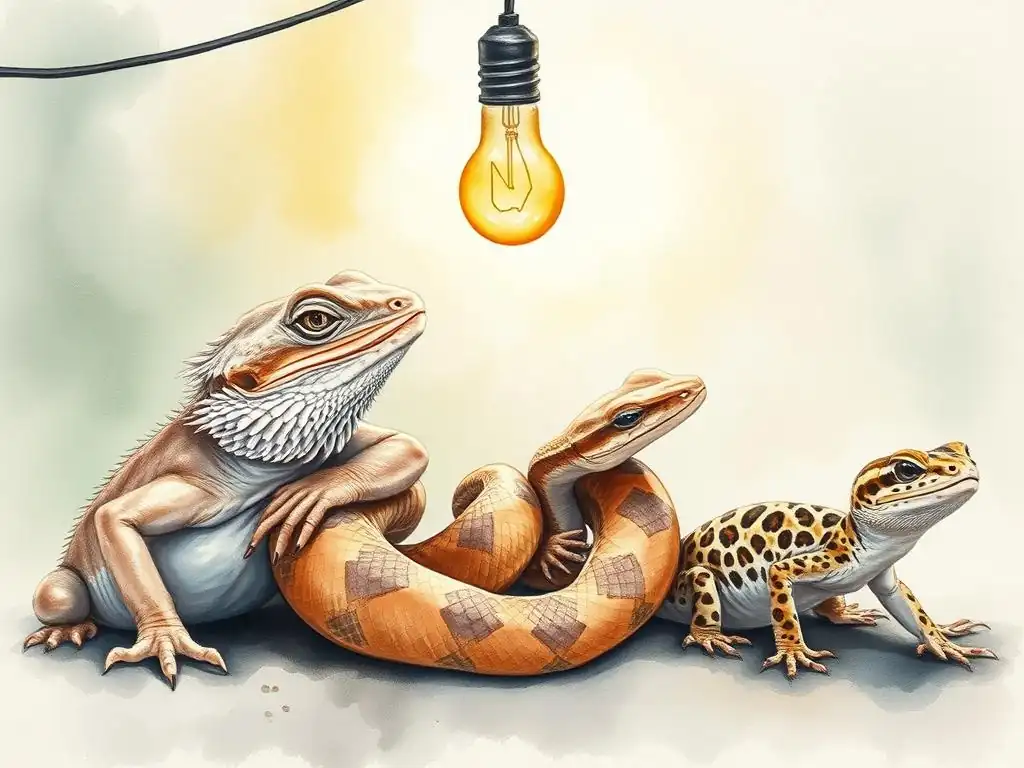
Inadequate reptile lighting can have severe consequences for your pet's health and well-being. Recognizing the warning signs early is crucial for prompt intervention and preventing long-term health problems. Understanding the best reptile lighting spectrum needs is paramount to ensuring your reptile thrives. Many owners overlook the importance of proper lighting, leading to preventable issues. This section will delve into some key indicators that your reptile's lighting setup may be insufficient or inappropriate. Early detection significantly improves the chances of a successful recovery.
Lethargy and Lack of Appetite
One of the most common signs of inadequate reptile lighting is a noticeable decrease in activity levels and appetite. Reptiles, especially diurnal species (active during the day), require specific UVB and UVA light to regulate their metabolism and stimulate their natural behaviors. Insufficient UVB light can lead to a significant drop in vitamin D3 production, crucial for calcium absorption. This deficiency directly impacts their energy levels, resulting in lethargy and a noticeable lack of interest in food.
For example, a bearded dragon exhibiting prolonged periods of inactivity and refusing its usual insect-based diet could be suffering from the effects of poor lighting. Similarly, a corn snake consistently hiding and showing little interest in feeding might be experiencing similar issues. The severity of these symptoms can vary greatly depending on the species, age, and duration of inadequate lighting. Observing changes in your reptile's normal behavior is a crucial first step in identifying potential lighting problems. Remember, a healthy reptile is an active reptile with a healthy appetite.
Metabolic Bone Disease (MBD) in Reptiles
Metabolic Bone Disease (MBD) is a severe and often debilitating condition directly linked to inadequate calcium absorption, primarily caused by insufficient UVB lighting. Without sufficient UVB rays, reptiles cannot effectively metabolize calcium, leading to weakened bones, skeletal deformities, and muscle weakness. MBD can manifest in various ways, including limping, swollen joints, tremors, and even paralysis.
In severe cases, MBD can become life-threatening. Early detection is crucial for successful treatment, which typically involves dietary changes (calcium supplementation) and corrective lighting. Reptiles with MBD often exhibit a fragile bone structure, making them prone to fractures. The best reptile lighting spectrum needs to include appropriate UVB and UVA output, along with a diet rich in calcium to prevent and treat MBD. Regular veterinary check-ups are vital for early diagnosis and intervention. Ignoring the symptoms can lead to irreversible damage and significantly reduce your reptile's quality of life.
Shedding Problems and Skin Issues
Proper lighting is essential for healthy skin shedding in reptiles. UVB light plays a crucial role in the process of keratin production and skin cell regeneration. Insufficient UVB can lead to incomplete or difficult shedding, resulting in retained scutes (scales), which can cause infections and other skin problems. Difficulty shedding can lead to secondary infections, as trapped skin can restrict blood flow and create an environment for bacterial growth.
Moreover, inadequate lighting can result in dry, dull skin, and an overall unhealthy appearance. The reptile might exhibit lethargy associated with the pain and discomfort from retained shed. A healthy shedding process is characterized by smooth, complete shedding with no retained skin. Observe your reptile's shedding patterns closely.
Any irregularities, such as retained scutes or prolonged shedding periods, should prompt a review of your lighting setup and a possible consultation with a veterinarian specializing in reptile care. Providing the best reptile lighting spectrum needs can significantly reduce the chances of these skin-related issues. Remember, healthy skin is a key indicator of overall reptile health.
Setting up Your Reptile's Lighting System
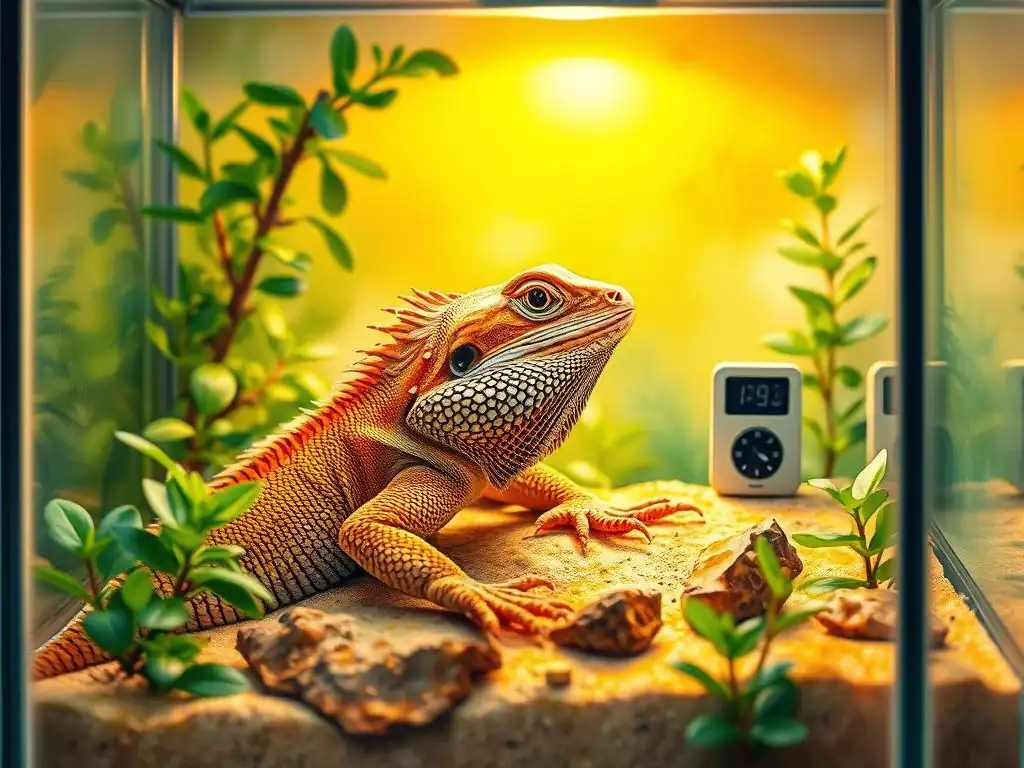
This section delves into the practical aspects of installing and maintaining a reptile lighting system that meets your reptile's specific needs for optimal health and well-being. Understanding the best reptile lighting spectrum needs is crucial, and this guide will help you achieve that. Remember that improper lighting can lead to serious health issues, including metabolic bone disease (MBD) and other deficiencies.
Choosing the Right Bulbs and Fixtures
Selecting the appropriate bulbs and fixtures is paramount when creating a suitable environment for your reptile. Different reptiles have different lighting requirements based on their species and natural habitat. For example, desert-dwelling species like leopard geckos require primarily heat lamps, while tropical species like green iguanas need both heat and UVB lighting.
The type of bulb significantly impacts the success of your lighting setup. Consider these options:
- UVB Bulbs: These bulbs emit ultraviolet B radiation, crucial for vitamin D3 synthesis in reptiles. Vitamin D3 is essential for calcium absorption, preventing MBD. Different UVB bulbs have varying strengths, measured in UVB output (%). Choose a bulb with the appropriate strength recommended for your specific reptile species. Always check the manufacturer's instructions and the bulb's expiration date.
- Heat Lamps: These provide the necessary basking temperatures crucial for digestion and thermoregulation. The type of heat lamp depends on your reptile's needs. Ceramic heat emitters (CHEs) produce heat without emitting light, ideal for nighttime heating. Incandescent bulbs provide both heat and light, but are less energy-efficient. Consider using a thermostat to regulate the temperature accurately and prevent overheating.
- Full-Spectrum Bulbs: These bulbs attempt to mimic natural sunlight, combining heat and UVB radiation in a single bulb. While convenient, they are often less powerful in either UVB or heat output compared to dedicated bulbs. Carefully research if a full-spectrum bulb is sufficient for your specific reptile.
Choosing the fixture is just as important. Ensure the fixture is compatible with your chosen bulb type and size, and that it's securely mounted to prevent accidents. Some fixtures offer better heat reflection and distribution than others. Prioritize safety; some fixtures can become dangerously hot to the touch. Always select a fixture rated for the wattage of your chosen bulb.
Proper Placement and Positioning of Lights
Correct placement and positioning are crucial for providing the appropriate basking spot, thermal gradient, and UVB exposure. Incorrect placement can lead to uneven heating, insufficient UVB exposure, or even burns.
The following factors should be considered:
- Basking Spot: Create a basking spot with the heat lamp positioned to provide a temperature gradient within the terrarium. This allows your reptile to thermoregulate by moving between warmer and cooler areas. The temperature of the basking spot should be species-specific and carefully monitored using an accurate thermometer.
- UVB Placement: UVB bulbs should be positioned to allow for appropriate UVB exposure. The distance between the bulb and your reptile is critical. If placed too far away, the UVB output will be weakened; too close, and it can cause burns. Consult your reptile's species-specific care sheet for optimal placement.
- Thermal Gradient: A thermal gradient is essential for your reptile to regulate its body temperature. This is created by placing the heat source at one end of the terrarium, allowing for a temperature difference between the warm and cool sides. This gradient should be gradual and easily navigable by your reptile.
- Fixture Security: Ensure all fixtures are securely mounted to prevent them from falling or tipping over, which could injure your reptile or cause a fire.
- Reflective Surfaces: Consider using reflective surfaces (carefully chosen and placed to avoid burns) to maximize heat and UVB penetration. However, avoid using shiny materials that could create glare.
Maintaining and Replacing Bulbs
Regular maintenance and timely bulb replacement are critical for maintaining the effectiveness of your lighting system and ensuring your reptile's well-being.
- UVB Bulb Replacement: UVB bulbs lose their effectiveness over time, typically within 6-12 months, depending on the brand and usage. It's crucial to replace them according to the manufacturer's recommendations, even if they still appear to be functioning. A seemingly functional bulb might not be producing sufficient UVB radiation. Regular replacement helps to prevent MBD and other health issues.
- Heat Lamp Replacement: Heat lamps also degrade over time. While they might still produce heat, their efficiency can decrease, leading to inconsistent temperatures. Regular inspection and replacement are recommended, especially if you notice a significant decrease in heat output.
- Cleaning: Regularly clean the bulbs and fixtures to remove dust and debris, which can reduce their effectiveness. Always turn off and unplug the lights before cleaning.
- Monitoring: Regularly monitor the temperature and UVB levels within the terrarium using accurate thermometers and UVB meters. This will help you identify any issues early on and ensure your reptile remains healthy. Keep a record of your bulb replacements to ensure timely changes. This proactive approach is a crucial part of providing the best reptile lighting spectrum needs.
Remember, providing the correct lighting is not just a matter of convenience; it's a fundamental aspect of responsible reptile care. Ignoring these needs can have severe consequences for your pet's health and longevity. Always consult a veterinarian or experienced reptile keeper if you have any concerns about your reptile's lighting setup.
Maintaining Optimal Lighting Conditions for Long-Term Reptile Health
This section delves into the crucial aspects of maintaining optimal lighting conditions for your reptile companion, focusing on practical strategies to ensure their long-term health and well-being. Providing the right lighting spectrum is paramount; it's not just about brightness, but about mimicking the natural environment your reptile would experience in the wild to ensure proper calcium absorption, thermoregulation, and overall vitality. Neglecting this aspect can lead to serious health issues, including metabolic bone disease (MBD), vitamin D3 deficiency, and behavioral problems.
Understanding the nuances of reptile lighting is key to responsible pet ownership. This section will guide you through the essential steps to achieve and maintain ideal lighting conditions for your scaled friend. Remember, the "best reptile lighting spectrum needs" are species-specific, so always research your specific reptile's requirements.
Regular Bulb Checks and Replacement Schedule
Regular maintenance of your reptile's lighting system is crucial for maintaining the optimal spectrum and preventing health problems. UVB and heat lamps degrade over time, reducing their effectiveness and potentially exposing your reptile to inadequate levels of essential light. A consistent schedule for bulb replacement is essential.
Many manufacturers recommend replacing UVB bulbs every 6-12 months, regardless of whether they appear to still be functioning. This is because their UVB output gradually diminishes even if the visible light remains strong. Heat lamps, while lasting longer, also degrade and should be replaced when you notice a significant decrease in heat output or if the bulb shows signs of damage.
To maintain a consistent schedule, consider using a calendar or setting a reminder on your phone. Record the date of purchase and planned replacement date for each bulb, ensuring you replace them before their effectiveness significantly declines. This proactive approach will guarantee your reptile continues to receive the necessary UVB and heat for optimal health and prevent the onset of potentially serious health conditions.
Failing to replace bulbs promptly can lead to a cascade of negative consequences affecting your pet's bone health, immune function, and overall well-being. Remember, a small investment in new bulbs is significantly less costly than veterinary bills stemming from preventable health problems.
Monitoring Temperature and UVB Levels
Accurate monitoring of temperature and UVB levels within your reptile's enclosure is paramount. Fluctuations can significantly impact your reptile's health and behavior. Using reliable thermometers and UVB meters is not optional; it's a necessity for responsible reptile care. Place thermometers at various points within the enclosure to ensure a proper thermal gradient, allowing your reptile to thermoregulate effectively. This is particularly important for species requiring basking spots with much higher temperatures than the ambient temperature.
For UVB monitoring, a digital UVB meter provides accurate measurements. Point the meter at the basking spot from the reptile's perspective to gauge the actual UVB levels your reptile experiences. Remember, these levels should align with the species-specific recommendations. Consistent monitoring allows you to identify and rectify any issues promptly, preventing potential health problems. Maintain accurate records of your temperature and UVB readings, noting any fluctuations or discrepancies. This data can be invaluable in troubleshooting and ensuring your reptile’s environment consistently meets its needs. The best reptile lighting spectrum needs to be accurately measured and maintained.
Creating a Natural Day-Night Cycle
Mimicking a natural day-night cycle is crucial for your reptile's health and well-being. This is more than just turning the lights on and off; it's about creating a realistic diurnal rhythm that influences their behavior, feeding patterns, and overall physiological processes. A consistent cycle helps regulate their internal biological clock, promoting healthy digestion, sleep patterns, and overall stress reduction.
A typical day-night cycle involves a period of bright, full-spectrum lighting followed by a period of darkness. The duration of the light and dark periods should mirror your reptile's natural habitat. For example, a desert species might require a longer period of light than a rainforest species. Always research your species' specific light cycle requirements.
Using a timer to automate the lighting cycle ensures consistency, even when you're away from home. This consistency is key to maintaining a healthy and thriving reptile. A properly regulated day-night cycle contributes significantly to the overall well-being of your pet and is a fundamental aspect of providing the best reptile lighting spectrum needs.
Frequently Asked Questions
What is the most important aspect of reptile lighting?
The most important aspect is providing the correct spectrum of light. Reptiles need specific wavelengths of UVB and UVA light for vitamin D3 synthesis and proper calcium metabolism. Without it, they can develop serious health problems.
How do I choose the right UVB bulb for my reptile?
Choose a bulb based on your reptile's species and size. Look for bulbs that provide the appropriate UVB percentage and are designed for the distance from the basking spot. Always follow the manufacturer's instructions.
What is the difference between UVA and UVB light?
UVA light helps with basking behavior and overall activity levels. UVB light is crucial for vitamin D3 production, which is essential for calcium absorption and bone health. Both are vital for your reptile's well-being.
How often should I replace my reptile's light bulbs?
You should replace your reptile's light bulbs every 6-12 months, even if they still seem to be working. UVB output degrades over time, rendering them ineffective and potentially harmful to your reptile.
Lethargy can be a sign of inadequate lighting, particularly insufficient UVB. Other symptoms include poor appetite, soft bones, and shell deformities (in chelonians). Consult a veterinarian to rule out other causes and adjust lighting accordingly.
Final Reflection: Illuminating the Path to Reptile Wellness
Understanding the spectrum of light isn't just about providing a pretty glow for your scaly companion; it's about ensuring their survival and thriving. The right lighting, as we've explored, is fundamental to a reptile's health, influencing everything from bone development and digestion to their overall behavior and mood. Ignoring this crucial aspect can have devastating consequences, highlighting the urgent need for responsible reptile ownership.
The impact of proper lighting extends far beyond the individual reptile; it speaks to a growing awareness of animal welfare and the ethical responsibilities of pet ownership. We've seen a shift in the reptile keeping community, moving away from outdated practices and embracing evidence-based care. This progress is encouraging, but there's still much work to be done. The best measure of a man's character is how he treats those who can do nothing for him.
– This quote, while not directly about reptiles, speaks to the responsibility we have towards all creatures under our care, emphasizing the importance of providing the best possible environment.
Now, it's your turn. Take what you've learned here and apply it to your own reptile care routine. Research the specific needs of your species, invest in high-quality lighting equipment, and monitor your reptile's health closely. Remember, providing the correct lighting spectrum isn't just a task; it's an act of compassion, a commitment to the well-being of a creature that depends entirely on you for its survival. Let's illuminate the path towards a healthier future for reptiles everywhere.
Unleash Your Reptile's Inner Glow: Boost Their Health Today!
Thanks for exploring the world of reptile lighting with us! You now have the knowledge to create a thriving habitat for your scaled friend. Ready to put this new understanding into practice?
- Optimize Your Reptile's Lighting: Evaluate your reptile's current lighting setup and adjust it to meet their specific species needs. This might involve adding or replacing bulbs to ensure they receive the correct levels of UVB and heat.
- Share Your Experience: Tell us about your lighting setup and how it's benefiting your reptile! We'd love to hear about your success and answer any questions you may have.
- Learn More: Discover even more tips and tricks for keeping your reptile happy and healthy by exploring our other articles on PetCareWorld.org.
What's one simple change you can make today to improve your reptile's habitat lighting?