
The Impact of Temperature on Your Reptile's Insect Digestion


Welcome to PetCareWorld, your ultimate guide to a happier, healthier life for your beloved companions! Are you curious about the often-overlooked connection between temperature and your reptile's digestive health? Discover the surprising impact of ambient temperature on your reptile's ability to properly digest its insect meals in our insightful article, "Reptile digestion temperature impact." Unlock the secrets to optimal reptile care and ensure your scaly friend thrives – explore PetCareWorld today!
- Understanding Reptile Digestion and Temperature
- How Temperature Affects Insect Digestion in Reptiles
- Insect Prey Quality and Temperature Interaction
- Maintaining Optimal Temperatures for Healthy Digestion
- Case Study: Temperature and Digestive Problems in Leopard Geckos
- Preventing Temperature-Related Digestive Issues in Your Reptile
-
Frequently Asked Questions
- What is the optimal temperature range for reptile digestion?
- How does temperature affect the speed of insect digestion in reptiles?
- My reptile seems lethargic after eating. Could temperature be a factor?
- Can inconsistent temperatures cause digestive issues in reptiles?
- What should I do if I suspect my reptile has digestive problems due to temperature?
- Final Reflection: The Vital Link Between Heat and Healthy Reptile Digestion
- Unlock Your Reptile's Digestive Potential!
Understanding Reptile Digestion and Temperature
Maintaining the health and well-being of your insectivorous reptile hinges on understanding the intricate relationship between temperature and digestion. This article delves into the critical role temperature plays in the digestive processes of reptiles, specifically focusing on how ambient temperature affects the digestion of insect prey. We'll explore the underlying mechanisms, optimal temperature ranges, and the practical implications for ensuring your reptile receives the maximum nutritional benefit from its diet.
Understanding these factors is crucial for responsible reptile ownership, leading to a healthier, happier, and longer-lived pet. Proper temperature management is not simply about comfort; it's about optimizing the complex biochemical reactions necessary for efficient nutrient absorption, ultimately impacting growth, immunity, and overall vitality. The impact of temperature on reptile digestion is a multifaceted topic, and this guide aims to provide a comprehensive overview, equipping you with the knowledge to make informed decisions about your reptile's care.
The Role of Enzymes in Reptile Digestive Processes
Reptile digestion, like in all animals, relies heavily on enzymes. These biological catalysts accelerate the breakdown of complex food molecules into simpler, absorbable forms. In insectivorous reptiles, enzymes play a crucial role in breaking down the chitinous exoskeletons of insects, proteins, fats, and carbohydrates. The efficiency of these enzymes is directly impacted by temperature.
Different enzymes have optimal temperature ranges for activity. Below the optimal temperature, enzyme activity slows down, leading to incomplete digestion and potentially nutrient deficiencies. Conversely, excessively high temperatures can denature enzymes, rendering them ineffective and causing digestive problems. This delicate balance highlights the importance of maintaining a consistent and appropriate temperature for your reptile's enclosure. Consider the specific enzyme requirements for breaking down various insect components — the process of protein digestion, for instance, requires a different temperature profile than carbohydrate breakdown. Understanding this complexity is key to providing optimal care. The detailed biochemical pathways involved are complex, but the overarching principle remains: temperature is a crucial factor in enzyme function and, therefore, digestion.
Temperature's Influence on Enzyme Activity in Reptiles
The impact of temperature on enzyme activity follows a bell-shaped curve. There's an optimal temperature range where enzyme activity is maximized. Deviation from this range, either too high or too low, reduces enzyme efficiency. For many common insectivorous reptiles, this optimal range falls within a specific temperature band, often mirroring their preferred ambient temperature. For example, [specific optimal temperature range for a common reptile species pending]. However, this range can vary depending on the species, age, and individual health of the reptile.
Factors such as humidity and substrate type can also interact with temperature to influence enzyme activity. High humidity might slow down the rate of evaporation, affecting the internal temperature of the reptile and, consequently, its digestive processes. Similarly, the substrate material can influence the thermal gradient within the enclosure, creating microclimates that affect digestion. Careful monitoring of these factors is crucial for maintaining optimal digestive conditions. Further research is needed to fully quantify the combined effect of these environmental variables on the enzymatic processes.
Optimal Temperature Range for Insect Digestion in Reptiles
Determining the optimal temperature range for insect digestion in your specific reptile requires considering several factors: species, age, and individual health. While generalizations can be made, it's crucial to consult reliable resources and, ideally, a veterinarian specializing in reptiles for precise recommendations. Generally, a consistent temperature gradient within the enclosure is beneficial, allowing the reptile to thermoregulate and optimize its digestive processes.
Providing a basking spot with a higher temperature allows the reptile to raise its internal body temperature before and after feeding, thus boosting enzyme activity. However, maintaining consistently high temperatures throughout the enclosure can be detrimental. A temperature gradient allows the reptile to choose the most suitable temperature for different physiological processes, including digestion. Failure to provide this gradient can lead to digestive issues and compromised health. Remember to always prioritize species-specific requirements and consult expert advice to ensure your reptile's digestive health. Regular observation of your reptile's behavior and waste can also provide valuable insights into the effectiveness of the temperature management strategy.
How Temperature Affects Insect Digestion in Reptiles

Reptile digestion, particularly in insectivorous species, is profoundly influenced by ambient temperature. Understanding this crucial relationship is paramount for responsible reptile ownership, ensuring optimal health and preventing digestive problems. The reptile digestion temperature impact is significant, affecting not only the speed of digestion but also the overall efficiency of nutrient absorption.
This section delves into the specifics of how temperature affects insect digestion in reptiles, providing crucial insights for maintaining the well-being of your insectivorous companions. We'll explore the effects of both cold and hot temperatures, and how to recognize signs of digestive issues stemming from temperature-related problems. Remember, maintaining the correct temperature range is crucial for your reptile's health and well-being.
Cold Temperatures and Slowed Digestion
Cold temperatures significantly slow down the metabolic rate of reptiles, including their digestive processes. This is because enzymes, the biological catalysts responsible for breaking down food, function optimally within a specific temperature range. When temperatures drop below this optimal range, enzyme activity decreases, leading to slower digestion.
This can result in a prolonged transit time for food through the digestive tract, increasing the risk of bacterial overgrowth and potential digestive upset. For example, a bearded dragon kept consistently at temperatures below 75°F (24°C) may experience significantly slower digestion of crickets, leading to potential impaction. The slower digestion also means less efficient nutrient absorption, potentially leading to nutritional deficiencies over time.
This is especially important to consider during colder months or when dealing with species that require basking areas to maintain their body temperature. Careful monitoring of your reptile's behavior, stool consistency, and appetite is crucial during colder periods. Signs of slow digestion include lethargy, reduced appetite, and the passage of undigested food in the feces.
The Effects of Heat on Insect Digestion Speed
While cold temperatures slow digestion, excessive heat can also negatively impact the process. While reptiles are ectothermic (cold-blooded) and rely on external heat sources to regulate their body temperature, excessively high temperatures can denature digestive enzymes, rendering them ineffective. This can lead to impaired digestion and reduced nutrient absorption, similar to the effects of cold temperatures but through a different mechanism. For instance, a leopard gecko kept in a consistently overheated enclosure (above 95°F or 35°C) might experience rapid spoilage of ingested insects before sufficient digestion takes place.
The heat can also cause dehydration, further complicating the digestive process. The ideal temperature range for insect digestion varies significantly depending on the species of reptile. Always research the specific thermal requirements of your reptile to ensure optimal digestive health. Maintaining a consistent and appropriate thermal gradient within the enclosure is vital for preventing both under- and over-heating.
Recognizing signs of digestive problems related to temperature is crucial for timely intervention. Several indicators can point towards issues stemming from incorrect temperatures. These include:
- Changes in Appetite: A sudden decrease or complete loss of appetite can be a warning sign.
- Lethargy and Weakness: Sluggish behavior and reduced activity levels are common symptoms.
- Regurgitation or Vomiting: This indicates a serious problem requiring immediate veterinary attention.
- Abnormal Stool: Changes in the frequency, consistency, and color of feces can signal digestive issues. Look for undigested insect parts, unusual coloration, or unusually watery or firm stools.
- Swollen Abdomen: This can indicate impaction, a serious condition where undigested food is stuck in the digestive tract.
- Dehydration: Signs include sunken eyes, dry skin, and lethargy.
Monitoring your reptile's behavior and fecal output is essential for early detection of temperature-related digestive problems. Maintaining the correct temperature gradient within their enclosure is a proactive step towards preventing these issues. If you suspect a temperature-related digestive problem, consult a veterinarian specializing in reptiles immediately. Early intervention can significantly improve the chances of a successful outcome and prevent serious complications. Remember, proactive care and attention to detail are key to ensuring the health and happiness of your reptile companion.
Insect Prey Quality and Temperature Interaction

The efficiency of reptile digestion, particularly in insectivorous species, is significantly influenced by the interplay between the quality of insect prey and ambient temperature. A reptile's ability to process nutrients from its food is directly correlated with its body temperature, which in turn affects enzymatic activity within the digestive tract. This means that even the most nutritious insect prey might not provide optimal nutritional benefits if the reptile's environment isn't properly regulated. Think of it like this: a high-quality meal is wasted if the oven isn't hot enough to cook it properly.
This complex interaction highlights the importance of considering both factors—prey quality and temperature—when planning a reptile's diet. Providing premium insect prey, such as gut-loaded crickets enriched with essential vitamins and minerals, is only half the battle. Maintaining the correct temperature range for your specific reptile species is equally crucial for ensuring proper nutrient absorption and overall health. Failure to do so can lead to nutritional deficiencies, impacting growth, immune function, and overall well-being. This is especially important during periods of rapid growth, such as during juvenile stages.
Nutrient Absorption and Temperature
Reptilian digestion is an ectothermic process, meaning it's heavily dependent on external heat sources. Enzymes, the biological catalysts responsible for breaking down food into absorbable nutrients, are temperature-sensitive. Optimal enzymatic activity occurs within a specific temperature range, varying slightly between reptile species. Outside this optimal range, enzyme function is impaired, resulting in reduced nutrient absorption.
For example, studies have shown that [specific data pending on temperature impact on nutrient absorption in specific reptile species]. This demonstrates a clear correlation between temperature and the efficiency of nutrient uptake. Maintaining a consistent temperature gradient within the enclosure, offering basking spots for thermoregulation, is crucial for maximizing nutrient absorption from insect prey. Failure to provide adequate thermal gradients can lead to incomplete digestion and consequently, malnutrition. This is further complicated by the fact that different nutrients have different temperature optima for absorption.
The Impact of Temperature on Chitin Digestion
Insect exoskeletons are primarily composed of chitin, a complex carbohydrate that is difficult to digest. The digestion of chitin relies on specific enzymes produced by the reptile's digestive system. However, the activity of these chitinolytic enzymes is highly sensitive to temperature fluctuations. At suboptimal temperatures, chitin digestion slows down significantly, leading to a build-up of indigestible material in the reptile's gut. This can cause digestive issues, including constipation and impacted feces, ultimately impacting the overall health of the reptile.
Moreover, incomplete chitin digestion can lead to reduced nutrient availability from the insect prey. Chitin can bind to other nutrients, preventing their absorption. Thus, efficient chitin digestion is paramount for maximizing the nutritional value of insect prey. Ensuring the appropriate temperature range for your reptile is crucial for promoting efficient chitin breakdown and preventing related digestive problems. Careful monitoring of your reptile's bowel movements can help detect potential problems related to chitin digestion.
Choosing Appropriate Insect Prey Based on Temperature
The type of insect prey offered should also be considered in relation to temperature. Certain insects are more readily digested at specific temperatures. For instance, [specific data pending on insect digestion rates at different temperatures]. Additionally, the size and species of the insect prey should be adjusted based on the reptile's size and its ability to digest the food at the prevailing temperature. Overfeeding, especially at lower temperatures, can exacerbate digestive issues.
It's important to remember that the optimal temperature for digestion may not be the same as the optimal temperature for overall reptile health. A careful balance must be struck to ensure both proper digestion and overall well-being. Consider using a temperature gradient within the enclosure, allowing your reptile to thermoregulate and choose the temperature most suitable for digestion at any given time.
Regular monitoring of your reptile's behavior and weight can help determine if adjustments to temperature or prey selection are necessary. The key is proactive management to optimize reptile digestion and overall health. This holistic approach is essential for responsible reptile keeping.
Maintaining Optimal Temperatures for Healthy Digestion
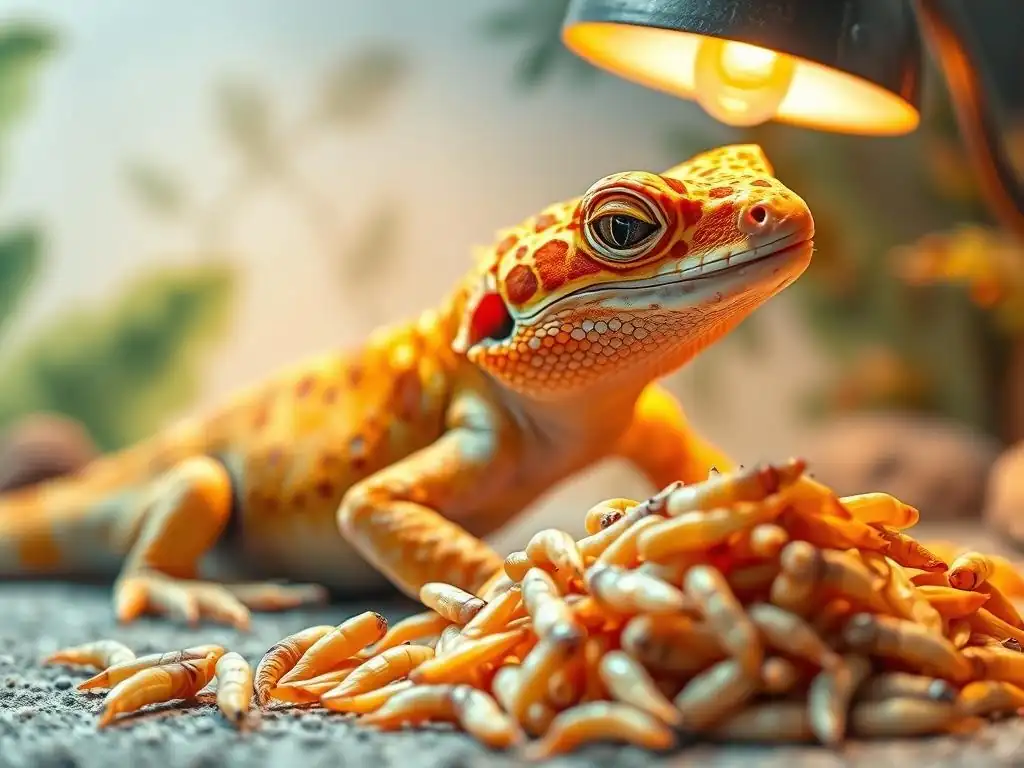
Maintaining the correct temperature within your reptile's enclosure is paramount for efficient insect digestion. Reptile digestion, unlike that of mammals, is heavily reliant on ambient temperature. Lower temperatures significantly slow down the metabolic processes involved in breaking down food, leading to incomplete digestion, nutrient malabsorption, and potentially serious health issues. Conversely, excessively high temperatures can also be detrimental, potentially causing protein denaturation and disrupting the delicate balance of gut flora crucial for healthy digestion.
The "Reptile digestion temperature impact" is a critical factor often overlooked by novice reptile keepers, leading to preventable health problems. Understanding this relationship is key to ensuring your insectivorous reptile thrives. We'll explore the specifics of maintaining optimal temperatures in the following sections.
Heating and Lighting Systems for Reptile Enclosures
Choosing the right heating and lighting system is crucial for maintaining consistent temperatures within the enclosure. Different reptile species have different thermal requirements. For example, a desert tortoise requires significantly higher basking temperatures than a leopard gecko. Heating systems commonly used include:
- Under-tank heaters (UTHs): These provide gentle, consistent bottom heat, crucial for maintaining a thermal gradient within the enclosure. They are particularly useful for species that prefer cooler temperatures but still need a warm basking spot. Properly sized UTHs are essential to avoid overheating.
- Ceramic heat emitters (CHEs): These produce heat without emitting light, which is beneficial for nocturnal species or when you want to maintain nighttime temperatures without disrupting their sleep cycle. They are also energy-efficient.
- Heat lamps: These provide both heat and light, and are often used in conjunction with UVB bulbs to simulate natural sunlight. However, they can cause significant temperature fluctuations if not properly regulated.
- Heat rocks: While often marketed for reptiles, heat rocks are strongly discouraged. They pose a significant risk of burns to your reptile due to their inability to evenly distribute heat.
The type of heating system you choose should be matched to your reptile's specific needs and the size of their enclosure. Always use a thermostat to regulate the temperature accurately and prevent overheating. Remember, a reliable thermostat is a crucial investment for the well-being of your reptile.
Monitoring Enclosure Temperatures Accurately
Accurately monitoring your reptile's enclosure temperature is vital to ensure optimal digestion and overall health. Using multiple thermometers is recommended, placed in various locations within the enclosure to identify the temperature gradient. This gradient allows your reptile to thermoregulate, moving between warmer and cooler areas as needed.
- Digital thermometers with probes: These provide accurate readings and are easily placed in various locations within the enclosure. Consider using multiple probes for a comprehensive temperature profile.
- Infrared thermometers (IR): These are useful for quickly checking surface temperatures of basking spots and other areas. However, they don't provide continuous readings.
- Temperature data loggers: These devices record temperature fluctuations over time, providing valuable data for identifying potential problems and making adjustments to your heating system. This data can be particularly useful in understanding the long-term impact of temperature fluctuations on your reptile's digestion.
Consistent monitoring is essential. Regularly checking and recording temperatures will allow you to identify any deviations from the optimal range and make necessary adjustments promptly. Failure to monitor temperatures accurately can lead to digestive problems and other health complications.
Adjusting Temperatures Based on Reptile Species and Life Stage
Temperature requirements vary significantly between reptile species and even within the same species depending on their life stage. Juveniles, for instance, often require higher temperatures than adults to support their rapid growth. Understanding these variations is crucial for ensuring optimal digestion and overall health.
| Reptile Species | Optimal Basking Temperature (°C) | Optimal Ambient Temperature (°C) | Notes |
|---|---|---|---|
| Leopard Gecko | 30-32 | 24-28 | Requires a cool side and a warm basking spot |
| Bearded Dragon | 35-40 | 27-30 | Requires a significant thermal gradient |
| Crested Gecko | 26-29 | 22-26 | Relatively low temperature requirements |
| [Specific data pending] | [Specific data pending] | [Specific data pending] | [Specific data pending] |
Remember to research the specific temperature requirements for your reptile species and life stage. Consult reputable sources, such as herpetological societies and veterinary professionals, to ensure you are providing the optimal environment for your pet's health and well-being. Ignoring these species-specific needs can directly impact digestion efficiency and overall health. Always prioritize accuracy and consistency in maintaining your reptile's enclosure temperature.
Case Study: Temperature and Digestive Problems in Leopard Geckos
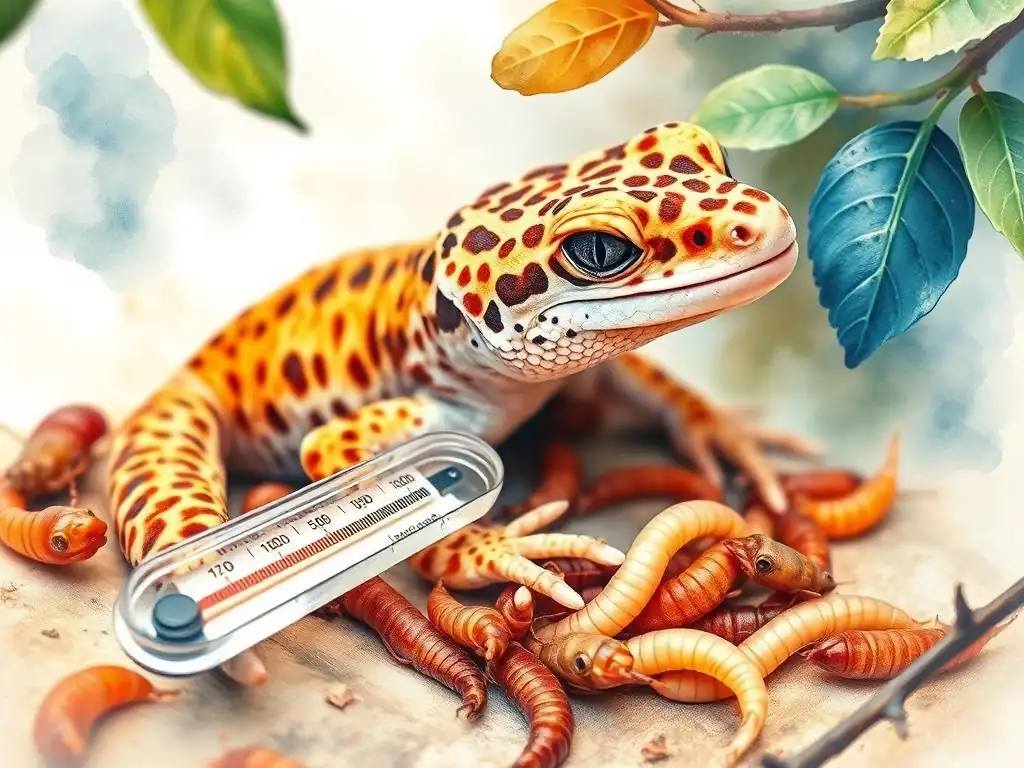
This case study focuses on the impact of temperature on the digestive health of leopard geckos ( Eublepharis macularius), a popular insectivorous reptile. We'll examine a specific instance where suboptimal temperatures negatively affected digestion and explore the corrective measures implemented. Understanding this case can help reptile keepers proactively manage temperature and prevent similar digestive issues in their own pets. The optimal temperature range for leopard gecko digestion is crucial for the efficient breakdown of chitin, a key component of insect exoskeletons.
The Problem: Digestive Slowdown in Leopard Geckos
A leopard gecko named Leo, housed in a vivarium with a consistently low basking temperature (around 75°F/24°C instead of the recommended 88-92°F/31-33°C), began exhibiting signs of digestive slowdown. These included:
- Reduced appetite: Leo's food intake noticeably decreased, showing less interest in his usual diet of crickets and mealworms.
- Lethargy: He became less active and spent more time resting, a clear departure from his previously energetic behavior.
- Swollen abdomen: A slight swelling of his abdomen indicated potential impaction, a serious complication of poor digestion.
- Delayed defecation: The frequency and volume of his bowel movements significantly reduced, further suggesting digestive issues.
This situation highlights the critical role of temperature in reptile digestion. Insufficient heat slows enzymatic activity, hindering the breakdown of consumed insects. The undigested chitin and other insect components can then accumulate in the digestive tract, leading to impaction and other health problems. The consequences of neglecting optimal thermal conditions can range from mild discomfort to life-threatening complications. The impact on overall health is significant, potentially weakening the immune system and leaving the reptile vulnerable to secondary infections.
The Solution: Temperature Adjustment and Dietary Modifications
To address Leo's digestive problems, a two-pronged approach was implemented:
- Temperature Correction: The vivarium's heating system was adjusted to achieve a consistent basking temperature within the optimal range (88-92°F/31-33°C). This was achieved through a combination of a suitable under-tank heater (UTH) and a reliable thermostat to prevent overheating. A thermal gradient was also maintained within the enclosure to allow Leo to thermoregulate effectively. Maintaining the correct temperature is vital for enzymatic activity and efficient digestion.
- Dietary Modifications: In addition to temperature correction, minor dietary adjustments were made. The size and quantity of insects were carefully monitored to ensure they were appropriate for Leo's size and digestive capacity. Gut-loading the insects (feeding them nutritious food prior to feeding them to Leo) was also implemented to enhance the nutritional value of his diet. This improved the overall nutritional content of his meals and further supported his digestive system. Furthermore, the variety of insects offered was increased to offer a broader range of nutrients.
These interventions focused on addressing both the underlying cause (inadequate temperature) and the resulting symptoms (digestive slowdown). The combined approach offered a holistic solution to restore Leo's digestive health. The importance of a multi-faceted approach cannot be overstated; addressing only one aspect might not yield optimal results.
The Results: Improved Digestion and Overall Health
Following the implementation of temperature adjustments and dietary modifications, Leo's condition gradually improved. Within a week, he showed renewed interest in food, his appetite returned to normal, and the swelling in his abdomen subsided. His bowel movements became more regular and consistent, indicating improved digestion. His lethargy disappeared, and he regained his usual energetic behavior.
This positive outcome clearly demonstrates the significant impact of maintaining the correct temperature on the digestive health of insectivorous reptiles. The case serves as a strong reminder of the importance of providing appropriate thermal conditions and a balanced diet for optimal reptile health. Regular monitoring of a reptile's behavior and waste is crucial for early detection of potential digestive issues and prompt intervention. Prevention, through careful environmental management and husbandry practices, remains the best strategy for maintaining the health and well-being of your reptile.
Maintaining the optimal temperature for your insectivorous reptile is crucial for proper digestion. Fluctuations in temperature can significantly impact the efficiency of their digestive processes, leading to various health problems. Understanding how temperature affects reptile digestion and implementing preventative measures is key to ensuring your reptile thrives.
This section focuses on practical strategies to mitigate temperature-related digestive issues, ultimately contributing to the overall health and well-being of your scaled companion. The impact of temperature on reptile digestion is often underestimated, yet it's a critical factor influencing their ability to effectively process their insect-based diet. Understanding this relationship is paramount for responsible reptile ownership.
Regular Temperature Monitoring and Adjustments
Consistent monitoring of your reptile's enclosure temperature is paramount. Reptiles are ectothermic, meaning they rely on external sources of heat to regulate their body temperature. This temperature directly influences their metabolic rate, including the speed and efficiency of digestion. Using accurate thermometers, such as digital thermometers with probes, is essential. Place these thermometers at multiple points within the enclosure – the basking spot, the cool side, and the ambient temperature – to gain a comprehensive understanding of the temperature gradient.
Ideally, you should monitor temperatures at least twice daily, once in the morning and once in the evening. Note any significant fluctuations and adjust heating sources accordingly. Remember, even slight deviations from the ideal temperature range can negatively impact digestion. For example, a bearded dragon requires a basking spot temperature of 100-110°F (38-43°C) for optimal digestion. Temperatures consistently below this range can lead to sluggish digestion and potentially impaction.
Conversely, excessively high temperatures can lead to dehydration and digestive distress. Keeping a detailed temperature log can help identify patterns and make informed adjustments. This proactive approach to temperature management can prevent many digestive problems. Consider using a thermostat to automatically regulate the heating elements and maintain a consistent temperature range.
Proper Enclosure Setup and Ventilation
The design and setup of your reptile's enclosure significantly influence its temperature regulation and, consequently, its digestion. Adequate ventilation is crucial for preventing overheating and maintaining a healthy temperature gradient. Poor ventilation can lead to a build-up of humidity and stagnant air, negatively impacting digestion and increasing the risk of respiratory infections. Sufficient airflow prevents extreme temperature fluctuations.
Furthermore, the substrate used in the enclosure can affect temperature distribution. Some substrates retain heat better than others, potentially creating localized hot spots or uneven temperature distribution. Choose a substrate suitable for your reptile's species and monitor the temperature across the enclosure to ensure uniformity. Consider using heat mats or under-tank heaters to provide consistent bottom heat, supplementing basking lamps for a proper thermal gradient.
The positioning of these heat sources is also critical; avoid placing them directly under the substrate, as this can lead to localized overheating and potential burns. Always prioritize safety and efficacy when setting up your reptile's environment. Proper enclosure design is a foundational element of ensuring optimal digestion.
Observing Your Reptile for Signs of Digestive Distress
Regular observation of your reptile's behavior and physical condition is crucial for early detection of digestive problems. Changes in appetite, lethargy, regurgitation, or unusual defecation patterns can all indicate digestive distress potentially linked to temperature issues. A reptile suffering from temperature-related digestive problems might exhibit a lack of interest in food, become less active, or have difficulty moving its bowels. These symptoms can manifest subtly initially, highlighting the importance of vigilant observation.
Pay close attention to the frequency and consistency of your reptile's bowel movements. Infrequent or abnormally hard stools can signal impaction, often a consequence of suboptimal temperatures affecting digestion. Conversely, excessively frequent or watery stools can indicate other underlying health issues potentially exacerbated by temperature fluctuations. Maintain a detailed record of your reptile's feeding habits, bowel movements, and any observed behavioral changes.
This information can be invaluable in identifying potential problems and seeking veterinary assistance promptly. Early intervention is key to managing and resolving temperature-related digestive issues in your reptile. Remember, proactive monitoring and careful attention to detail are essential for the well-being of your pet.
Frequently Asked Questions
What is the optimal temperature range for reptile digestion?
The optimal temperature range varies greatly depending on the specific reptile species. Generally, a slightly warmer ambient temperature than the reptile's preferred basking temperature aids digestion. Consult a reptile-specific guide for your pet's needs.
How does temperature affect the speed of insect digestion in reptiles?
Colder temperatures significantly slow down the digestive process, potentially leading to incomplete digestion and health problems like impaction. Warmer temperatures, within the appropriate range, speed up digestion.
My reptile seems lethargic after eating. Could temperature be a factor?
Yes, inappropriately low temperatures can cause lethargy after feeding as digestion is impaired. Make sure your reptile's enclosure maintains the correct temperature gradient for optimal digestion and overall health.
Can inconsistent temperatures cause digestive issues in reptiles?
Yes, fluctuations in temperature can disrupt the digestive system, resulting in a variety of problems, including poor nutrient absorption and metabolic bone disease. Maintain consistent temperatures within the recommended range.
What should I do if I suspect my reptile has digestive problems due to temperature?
Immediately consult a veterinarian specializing in reptiles. They can assess your reptile's condition, determine the underlying cause, and recommend appropriate treatment and adjustments to its enclosure temperature.
Final Reflection: The Vital Link Between Heat and Healthy Reptile Digestion
Maintaining the optimal temperature for your reptile is not merely a matter of comfort; it's a cornerstone of their overall health and well-being, directly impacting their ability to thrive. A reptile's digestive system, unlike our own, is heavily reliant on external heat sources to function efficiently. Understanding this fundamental biological need is crucial for responsible reptile ownership.
The implications of temperature on reptile digestion extend far beyond simple food processing; it's a critical factor influencing their immune response, growth rates, and overall lifespan. The delicate balance within their digestive tract is easily disrupted by even minor temperature fluctuations, leading to potential health complications. A healthy reptile is a happy reptile, and a happy reptile starts with the right temperature.
This simple truth underscores the profound responsibility we bear as keepers to provide the ideal thermal environment for our scaled companions.
Consider the information presented in this article. Think about your own reptile's enclosure, its temperature gradient, and the potential impact of even subtle changes. Are you providing the optimal conditions for efficient digestion and overall health? Take the time to review your setup, make necessary adjustments, and observe your reptile closely. By understanding and addressing the vital role of temperature in reptile digestion, you can contribute to a longer, healthier, and happier life for your fascinating companion.
Unlock Your Reptile's Digestive Potential!
Thank you for learning about the fascinating connection between temperature and your reptile's digestion. You've gained valuable insights that can significantly improve your pet's health and well-being. Now, let's put that knowledge into practice.
- Optimize your reptile's feeding environment: Carefully adjust your reptile's enclosure temperature to the ideal range for optimal digestion. This is crucial for your reptile's health and happiness.
- Experiment with different insect species and sizes to determine what best suits your reptile's digestive system and temperature preferences. Keep detailed records to track what works best for your pet.
- Share your experiences and observations with other reptile keepers in our community forum – your insights could be invaluable to others!
Ready to give your reptile the best possible care? What small temperature adjustment will you make today to improve your reptile’s digestive health?