
Gut Loading Insects: How to Supercharge Your Reptile's Nutrition

Welcome to PetCareWorld, your ultimate guide to the wonderful world of pet care! Are you ready to unlock the secret to a thriving reptile companion? Discover the crucial role of gut loading insects in ensuring your reptile receives optimal nutrition. Learn how to supercharge their diet and ensure peak health with our in-depth guide on best gut load insects for reptiles – it's more important than you think! Dive in and explore the fascinating world of reptile nutrition today.
- Understanding the Importance of Gut Loading for Reptiles
- Selecting the Best Insects for Gut Loading
- The Best Gut Load for Your Reptile: A Comprehensive Guide
- The Gut Loading Process: A Step-by-Step Guide
- Monitoring Your Reptile's Health After Gut Loading
- Frequently Asked Questions about Gut Loading Insects for Reptiles
- Frequently Asked Questions
- Final Reflection: The Power of the Perfect Gut Load
- Unlock Your Reptile's Full Potential: Take Action Now!
Understanding the Importance of Gut Loading for Reptiles
Providing your insectivorous reptile with a balanced and nutritious diet is crucial for its overall health and well-being. While simply feeding your reptile insects might seem sufficient, the nutritional value of those insects directly impacts your pet's health. This is where the practice of gut loading comes in.
Gut loading is the process of feeding insects a highly nutritious diet before offering them to your reptile. This seemingly simple step significantly enhances the nutritional value of the insect, ultimately supercharging your reptile's diet and contributing to its vibrant health and longevity. This article will explore the critical role gut loading plays in ensuring your reptile receives the optimal nutrients it needs to thrive, focusing on identifying the best gut load insects for reptiles and avoiding common nutritional pitfalls.
We'll delve into the specific nutritional deficiencies often found in commercially-available insects and the direct link between gut loading and a strengthened immune system in your reptile companion. By understanding and implementing effective gut loading techniques, you'll be taking a proactive step towards ensuring your reptile enjoys a long, healthy, and happy life.
Why Gut Loading Matters for Optimal Reptile Health
Many reptile owners believe that simply providing their pets with live insects is enough to meet their nutritional needs. However, the nutritional content of insects varies greatly depending on their diet. Insects raised on low-quality diets often lack essential vitamins and minerals crucial for reptile health. Gut loading allows you to control and enhance the nutritional profile of the insects, providing your reptile with a diet rich in essential nutrients.
This translates to improved growth rates, enhanced coloration, stronger immune function, and a reduced risk of metabolic bone disease (MBD) and other nutritional deficiencies. A well-gut-loaded insect can provide a significant boost in calcium, phosphorus, vitamins A, D3, and E, and other vital micronutrients. Think of it as giving your reptile a nutritional power-up with each feeding! 🐛💪
Nutritional Deficiencies in Commercially-Available Crickets and Mealworms
Commercially-available crickets and mealworms, while convenient, often lack the nutritional diversity required for optimal reptile health. Many are raised on low-quality diets consisting primarily of grains, which are deficient in essential vitamins and minerals. This can lead to several issues for your reptile, including:
- Calcium deficiency: Leading to metabolic bone disease (MBD), characterized by weakened bones and skeletal deformities.
- Vitamin A deficiency: Causing eye problems, respiratory infections, and reduced immune function.
- Vitamin D3 deficiency: Also contributing to MBD and other skeletal problems.
- Inadequate protein levels: Resulting in poor growth and overall health.
These deficiencies highlight the importance of supplementing your reptile's diet with gut-loaded insects to ensure it receives the necessary nutrients for optimal health and development. Choosing high-quality insects and supplementing their diet with nutritious foods is key to avoiding these problems.
The Link Between Gut Loaded Insects and Reptile Immunity
A strong immune system is paramount for a healthy reptile. Gut loading plays a significant role in bolstering this immunity. By providing insects with a diet rich in vitamins, minerals, and antioxidants, you're essentially boosting their nutritional value and, consequently, the nutritional value of the meal for your reptile. This increased nutrient intake strengthens the reptile's immune system, making it better equipped to fight off infections and diseases.
The improved nutritional status directly translates to increased resistance to common reptile ailments, leading to a longer and healthier lifespan for your scaly friend. Studies have shown a direct correlation between the quality of insect gut loading and the overall health and disease resistance in insectivorous reptiles. Investing time in proper gut loading is an investment in your reptile's long-term health and well-being.
Selecting the Best Insects for Gut Loading
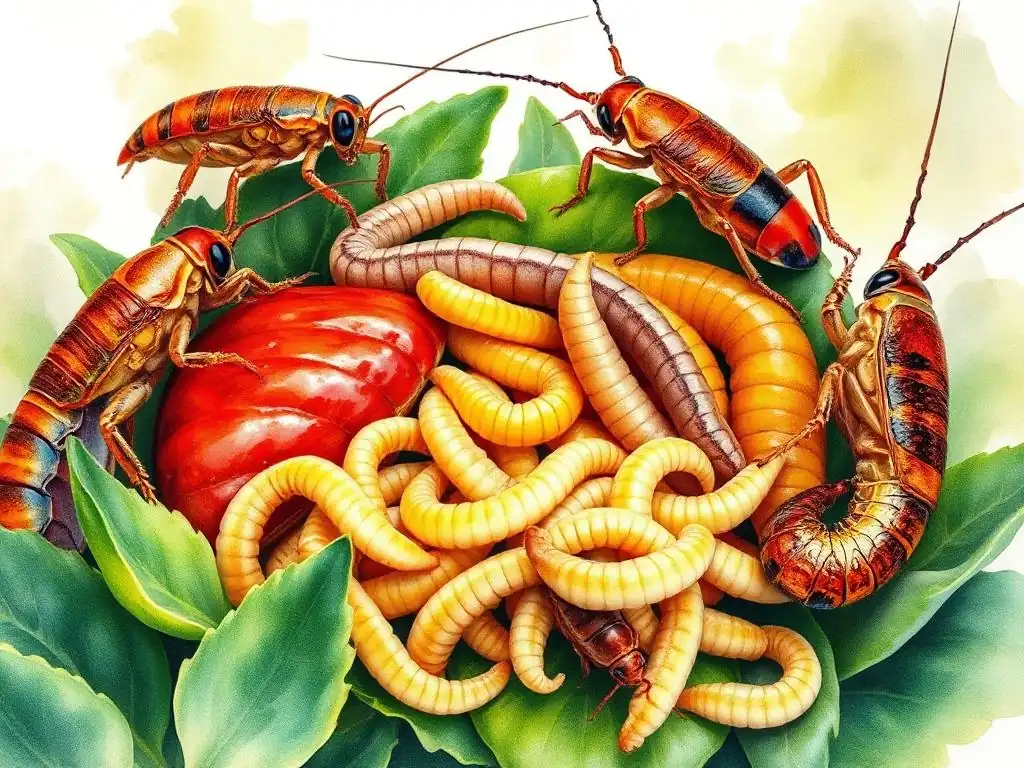
This section focuses on choosing the best insect species for gut loading, a crucial step in ensuring your insectivorous reptile receives optimal nutrition. The term "best" here refers to nutritional value, ease of gut loading, and overall suitability for your specific reptile species. Not all insects are created equal; some offer a more balanced profile of vitamins, minerals, and proteins than others. Therefore, careful selection is paramount for your reptile's health and well-being.
Choosing High-Quality Crickets, Mealworms, and Dubia Roaches for Your Reptile Diet
Crickets, mealworms, and Dubia roaches are popular choices for gut loading due to their widespread availability and nutritional benefits. However, the quality of these insects significantly impacts their nutritional value. Opting for insects raised in clean, controlled environments is vital. Wild-caught insects carry a higher risk of parasites and disease, negatively impacting your reptile's health.
Here's a breakdown of what to look for:
- Crickets: Choose crickets that are active, responsive, and free from deformities. Avoid crickets that are lethargic, have missing limbs, or show signs of disease. Larger crickets generally provide more nutrients. Consider the species; some, like black crickets, are considered nutritionally superior to others.
- Mealworms: Mealworms, while readily available, are lower in calcium and higher in fat compared to other options. They can be a valuable supplement but shouldn't form the sole basis of your gut-loading diet. Choose mealworms that are plump, active, and free of any discoloration or unusual odors. Avoid those that are shriveled or appear sluggish.
- Dubia Roaches: Dubia roaches are increasingly favored due to their high nutritional value, ease of handling, and lack of climbing ability, reducing escape risks. They offer a good balance of protein, fat, and essential nutrients. Look for roaches that are active and have healthy, shiny exoskeletons. Avoid those that are pale, sluggish, or show any signs of injury.
A well-balanced gut loading program might involve a mix of these insects to provide a wider range of nutrients. For instance, a combination of crickets and Dubia roaches could offer a good balance of protein and calcium. Remember to always supplement your gut-loaded insects with appropriate reptile-specific vitamin and mineral powders.
Identifying Healthy Insects: A Visual Guide
Visual inspection is crucial for determining the health of your gut-loading insects. Healthy insects exhibit specific characteristics that distinguish them from unhealthy or diseased individuals. This visual assessment is a critical first step in ensuring your reptile receives only the highest quality food.
Here's a visual guide to help you identify healthy insects:
| Insect Type | Healthy Characteristics | Unhealthy Characteristics |
|---|---|---|
| Crickets | Active, responsive, dark brown/black, plump body, clean exoskeleton | Lethargic, sluggish, pale or discolored, missing limbs, deformities, foul odor |
| Mealworms | Plump, firm, creamy yellow or light brown, active movement | Shriveled, soft, discolored, unusual odor, sluggish movement |
| Dubia Roaches | Active, shiny exoskeleton, dark brown or reddish-brown, plump body | Pale, dull exoskeleton, sluggish, discolored, injured, abnormal behavior |
Remember that even if insects appear healthy, it's still crucial to follow proper gut-loading protocols and ensure they are fed a nutritious diet before feeding them to your reptile. A single unhealthy insect can potentially introduce disease into your reptile's system. Regularly inspect your insect colony for any signs of disease or infestation.
Avoiding Contaminated or Diseased Insects
Contaminated or diseased insects can transmit pathogens to your reptile, potentially leading to serious health problems. Therefore, preventing contamination is paramount. This involves meticulous attention to hygiene and careful sourcing of your insects.
Here are some key strategies to avoid contaminated or diseased insects:
- Source reputable suppliers: Purchase insects from reputable breeders or suppliers known for maintaining high hygiene standards and disease-free colonies.
- Quarantine new insects: Always quarantine any new insects for at least two weeks before introducing them to your main colony. This allows you to observe them for any signs of disease before potential contamination spreads.
- Maintain clean habitats: Keep insect containers clean, well-ventilated, and free of excess moisture to prevent the growth of bacteria and mold. Regularly clean and disinfect enclosures.
- Monitor for disease: Regularly inspect your insects for any signs of disease, such as unusual behavior, discoloration, or high mortality rates. Immediately isolate and remove any suspect insects.
- Proper Gut Loading Diet: Feeding your insects a nutritious diet rich in vitamins and minerals is crucial in preventing disease and ensuring your reptile receives the highest quality nutrition. A balanced diet for your insects translates directly to a balanced diet for your reptile.
By following these guidelines, you can significantly reduce the risk of introducing contaminated or diseased insects into your reptile's diet, ensuring its continued health and well-being. Remember, preventative measures are key to maintaining a healthy and thriving reptile and insect colony. 🐛
The Best Gut Load for Your Reptile: A Comprehensive Guide
Providing your insectivorous reptile with the best possible nutrition is paramount to their health and longevity. A crucial aspect of this is gut loading, the process of feeding insects a nutritious diet before offering them to your reptile. This ensures your reptile receives a supercharged meal packed with essential vitamins, minerals, and other vital nutrients.
Choosing the best gut load insects reptiles is key to a thriving pet. This guide will explore the optimal gut loading strategies for various reptile species and provide practical recipes for creating highly nutritious insect diets. Remember, consistent gut loading is a cornerstone of responsible reptile ownership.
Gut Loading Diets for Different Reptile Species
The nutritional needs of insects vary depending on the reptile consuming them. Therefore, a standardized gut loading diet isn't always suitable. Let's explore some species-specific considerations:
- Bearded Dragons: These omnivores benefit from a gut loading diet high in calcium and Vitamin D3 to support healthy bone development. Insects should be fed a diet rich in leafy greens, such as kale and collard greens, supplemented with commercially available reptile calcium and vitamin powders.
- Leopard Geckos: These insectivores primarily need a diet with a good balance of protein and fat. Gut loading with a mix of high-quality commercial insect food, fruits (like mashed banana), and vegetables (like finely chopped carrots) provides a balanced nutritional profile.
- Crested Geckos: These geckos thrive on a diet of commercially prepared crested gecko diets, but supplementing their gut-loaded insects with these powders can provide additional nutrients.
- Chameleons: Chameleons require a diet diverse in insect types and a gut load rich in various fruits, vegetables, and pollen. Commercial insect diets specifically formulated for chameleons are available and provide a good starting point.
The table below summarizes ideal gut loading components for some common reptile species:
| Reptile Species | Primary Gut Load Components | Important Considerations |
|---|---|---|
| Bearded Dragon | Leafy greens (kale, collard greens), commercial insect food | High calcium and Vitamin D3 |
| Leopard Gecko | Commercial insect food, fruits (banana), vegetables (carrots) | Balanced protein and fat |
| Crested Gecko | Commercial crested gecko diet, supplemented insects | Careful monitoring of hydration and supplement levels |
| Chameleon | Diverse insects, fruits, vegetables, pollen | Variety is key; avoid pesticides and insecticides on food sources |
Creating a Nutritious Gut Loading Diet: Recipes for Crickets, Mealworms, and Dubia Roaches
Creating a nutritious gut loading diet is easier than you might think. Here are some simple recipes tailored for common feeder insects:
Recipe 1: Cricket Gut Load
- 1 cup finely chopped leafy greens (e.g., kale, dandelion greens)
- ½ cup finely grated carrots
- ¼ cup commercially available reptile calcium powder
- 1 tbsp commercially available vitamin powder (multivitamin for reptiles)
Mix all ingredients thoroughly and offer liberally to your crickets for 24-48 hours before feeding them to your reptile.
Recipe 2: Mealworm Gut Load
- 1 cup rolled oats
- ½ cup finely grated sweet potato
- ¼ cup finely chopped apples
- 1 tbsp reptile calcium powder
Combine all ingredients and offer to your mealworms. Monitor moisture levels, adjusting as needed to prevent mold growth.
Recipe 3: Dubia Roach Gut Load
- 1 cup finely chopped vegetables (e.g., zucchini, bell peppers)
- ½ cup cooked brown rice
- ¼ cup commercially available fruit-based reptile supplement
Mix and provide to Dubia roaches. Dubia roaches tend to prefer drier environments, so monitor moisture levels carefully.
Remember to always provide fresh water to your insects while gut loading. This is crucial to their overall health and the nutritional value of their bodies.
Supplementing Your Gut Loading Diet for Enhanced Nutrition
While a well-balanced gut loading diet provides many essential nutrients, supplementing can further enhance its nutritional value. Commercial reptile vitamin and mineral supplements are readily available. Always follow the manufacturer's instructions carefully to avoid over-supplementation, which can be harmful to your reptile.
Consider these supplemental strategies:
- Calcium: Essential for bone health and preventing metabolic bone disease (MBD).
- Vitamin D3: Crucial for calcium absorption.
- Vitamin A: Supports immune function and vision.
- Vitamin E: Acts as an antioxidant.
- Multivitamin supplements: Provides a broader range of essential vitamins and minerals.
Remember, consistent and proper gut loading is a key component to ensuring your reptile receives optimal nutrition. Always consult with a veterinarian specializing in reptiles for personalized advice tailored to your reptile’s specific needs and species. By following these guidelines and paying attention to your reptile's individual requirements, you can contribute to their health, well-being, and long life. 🦎
The Gut Loading Process: A Step-by-Step Guide
Gut loading is crucial for providing your insectivorous reptile with a nutritionally complete diet. It's more than just feeding insects; it's about enhancing their nutritional value before they become a meal for your pet. This process involves feeding insects a high-quality diet for a specific period before offering them to your reptile. The goal is to maximize the transfer of essential nutrients from the insect's gut to your reptile.
Think of it as supercharging your reptile's food! This section details the best practices for gut loading insects, focusing on maximizing the nutritional benefits for your reptile companion. Choosing the best gut load insects reptiles requires understanding the entire process.
Preparing Your Insects for Gut Loading
Before you begin gut loading, proper preparation is key. This ensures your insects are healthy and receptive to the high-quality diet you'll be providing. Start by selecting only healthy, active insects. Avoid those that are sluggish, injured, or exhibiting any signs of illness. A healthy insect will absorb and utilize the nutrients more effectively.
Next, you need to provide a suitable environment. This typically involves a spacious container with adequate ventilation to prevent overcrowding and the buildup of moisture which can lead to mold and disease. The container should be cleaned thoroughly before each use to maintain a hygienic environment. Consider using paper towels or substrate that can be easily replaced for easy cleaning.
Finally, ensure the insects have access to fresh water. You can provide this using a small, shallow dish filled with water that is regularly changed. Remember, dehydrated insects won't readily absorb the nutrients you're trying to provide. This seemingly small step significantly impacts the success of your gut-loading efforts. It's one of the most frequently overlooked aspects in achieving optimal insect nutrition, directly impacting the health of your reptile.
Feeding the Insects a Nutritious Diet: Detailed Instructions for Various Gut Load Diets
The type of diet you feed your insects directly impacts the nutritional value they offer your reptile. Various gut load diets exist, and the best choice depends on the insect species and your reptile's specific dietary needs. Here are some examples of effective gut load diets:
| Insect Type | Recommended Gut Load Diet | Notes |
|---|---|---|
| Crickets | High-quality cricket feed, supplemented with vegetables (e.g., carrots, squash), fruits (e.g., apples, bananas), and leafy greens. | Ensure a balance of carbohydrates, proteins, and vitamins. |
| Dubia Roaches | High-protein commercial roach food, mixed with finely chopped vegetables and fruits. | Dubia roaches are known for their high nutritional value. |
| Mealworms | Wheat bran, oats, and vegetables. Avoid overfeeding. | Mealworms can be prone to becoming overweight, impacting nutrient absorption. |
| Superworms | Similar to mealworms, but they require a higher proportion of vegetables. | Superworms are larger and require a more substantial vegetable intake. |
Remember to provide a variety of foods to ensure a balanced diet. Overfeeding can lead to problems, so monitor the insects closely and adjust the food quantity accordingly. The ideal gut load is one that allows the insects to thrive without becoming obese, ensuring maximum nutrient transfer to your reptile. This is crucial for optimizing your reptile's overall health and well-being.
The Optimal Gut Loading Duration: Timeframes Based on Insect Type and Reptile Species
The duration of gut loading depends on several factors, primarily the insect species and the dietary needs of your reptile. Generally, a gut-loading period of 24-48 hours is sufficient for most insects. However, larger insects, such as superworms, may benefit from a longer period (up to 72 hours) to maximize nutrient absorption.
Smaller insects, like crickets, might only require 12-24 hours of gut loading, particularly if they've already consumed a high-quality diet before capture. However, consistency is key. Always aim for a minimum of 24 hours to ensure some level of nutrient enhancement.
The reptile's specific dietary requirements also play a role. Reptiles with higher nutritional needs, such as growing juveniles, may benefit from longer gut-loading periods. Conversely, adult reptiles with established diets may require shorter periods. Always research the specific dietary needs of your reptile species for optimal results.
Proper gut loading is a critical component in providing your reptile with the best possible nutrition, contributing to a longer, healthier life. Remember, the goal is to provide a nutritionally balanced meal, not to overfeed the insects to the point of obesity. This delicate balance is key to successful gut loading and a thriving reptile.
Monitoring Your Reptile's Health After Gut Loading
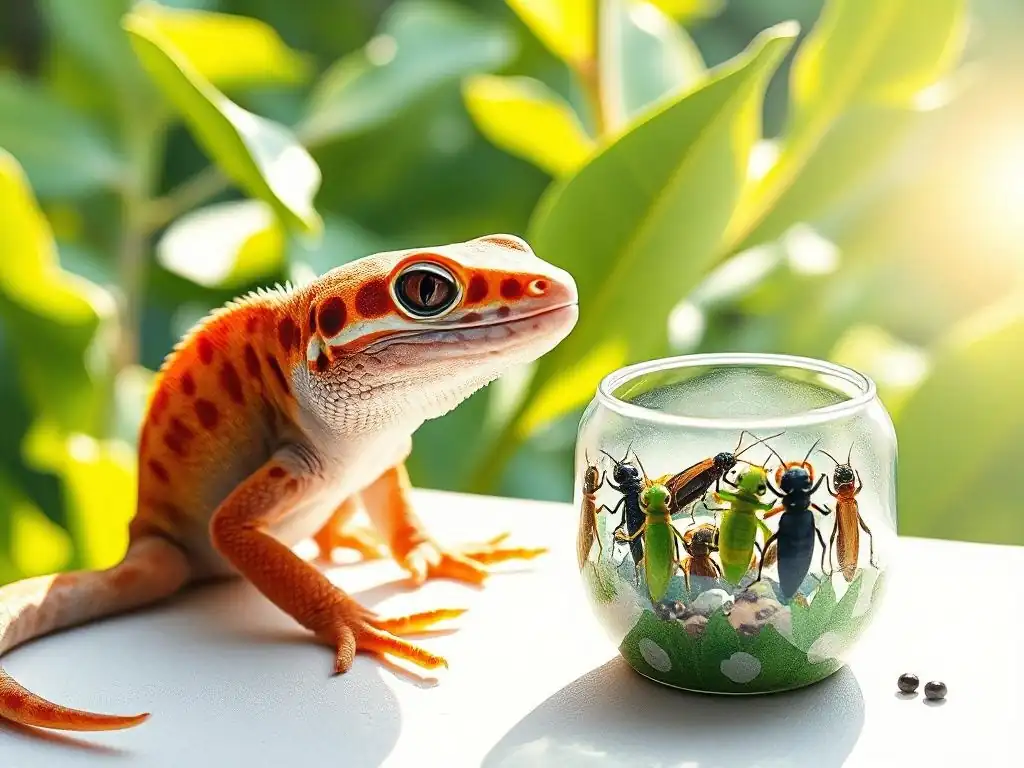
After implementing a gut loading regime for your insectivorous reptile, consistent monitoring is crucial to ensure its effectiveness. This isn't just about observing immediate changes; it's about tracking long-term health trends and making adjustments as needed. Failing to do so could lead to nutritional deficiencies and compromise your reptile's overall well-being. The best gut load insects for reptiles are ultimately those that demonstrably improve your pet's health.
Recognizing Signs of Nutritional Deficiency in Reptiles
Nutritional deficiencies in reptiles can manifest in various subtle and overt ways. Early detection is key to preventing serious health problems. Look for these common signs:
- Lethargy and decreased activity: A reptile that's consistently less active than usual might be suffering from a nutritional imbalance. This can be particularly noticeable in usually energetic species.
- Poor shedding: Difficulty shedding skin is often a sign of vitamin A deficiency, a common problem if gut loading isn't properly executed. Incomplete or stuck shedding can lead to secondary infections.
- Bone deformities: Metabolic bone disease (MBD) is a severe condition resulting from calcium and vitamin D3 deficiencies. Look for bowed legs, soft bones, or other skeletal abnormalities.
- Weight loss or stunted growth: A reptile failing to grow at the expected rate or experiencing unexplained weight loss could be suffering from inadequate nutrition, even if it appears to be eating sufficiently.
- Eye problems: Cloudy eyes or other eye issues can sometimes indicate nutritional deficiencies.
- Changes in appetite: A sudden decrease or increase in appetite can be a warning sign, although appetite changes can also stem from other factors.
It's important to note that these symptoms can also be caused by other health issues. If you notice any of these signs, consult a reptile veterinarian for a proper diagnosis and treatment plan. Don't rely solely on visual cues; regular weigh-ins can provide valuable data on your reptile's growth and overall health. Keep detailed records of your reptile’s weight, feeding schedule, and any observed symptoms. This detailed approach is vital for effective monitoring and early intervention.
Adjusting Your Gut Loading Strategy Based on Reptile Response
Your gut loading strategy shouldn't be static; it should be adaptable based on your reptile's response. If you notice signs of nutritional deficiency, even subtle ones, it's time to reassess your approach. Perhaps you need to:
- Change the type of insects: Experiment with different insect species to ensure a broader range of nutrients. Some insects are naturally richer in specific vitamins and minerals than others.
- Improve the gut load: Enhance the nutritional value of the insects by feeding them a more diverse and nutrient-rich diet. This might involve introducing high-quality commercial gut load diets or incorporating fresh vegetables and fruits.
- Increase feeding frequency: If your reptile isn't getting enough nutrients, consider increasing the frequency of feeding, but always consult veterinary guidelines for appropriate feeding schedules based on species and age.
- Supplement your reptile's diet: In some cases, supplementing your reptile's diet with calcium and vitamin D3 powder might be necessary, but only after consulting with a vet.
Regular monitoring and adjustments are key to ensuring your gut loading strategy remains effective. The best gut load insects for reptiles are only as effective as the overall feeding and husbandry plan. Don't hesitate to seek professional advice from a herpetologist or veterinarian if you're unsure about the best course of action. Remember, proactive management is far better than reactive treatment.
Long-Term Strategies for Maintaining Optimal Reptile Nutrition
Maintaining optimal reptile nutrition is a long-term commitment, requiring consistent effort and attention. Here are some strategies to ensure your reptile receives the best possible nutrition throughout its life:
- Diversify insect sources: Avoid relying on a single insect species. A varied diet provides a wider spectrum of nutrients.
- Maintain high-quality gut loading: Always provide insects with a nutritious gut load, ensuring they are rich in vitamins and minerals.
- Regular veterinary checkups: Schedule regular checkups with a reptile veterinarian to monitor your reptile's overall health and address any potential nutritional deficiencies early on.
- Keep detailed records: Maintain meticulous records of your reptile's feeding schedule, weight, and any observed health changes. This provides valuable data for long-term health monitoring and adjustments to your gut-loading strategy.
- Consider a balanced commercial diet: While gut loading remains crucial, supplement with high-quality commercial reptile diets designed to meet the specific nutritional needs of your species.
By consistently implementing these strategies, you can significantly improve your reptile's chances of thriving and living a long, healthy life. Remember, providing the best gut load insects for reptiles is just one piece of the puzzle; holistic care is essential for their overall well-being. The goal is not only to provide sufficient nutrients but to also ensure optimal digestion and absorption.
Frequently Asked Questions about Gut Loading Insects for Reptiles
This section addresses common queries regarding the optimal gut loading practices for insectivorous reptiles, helping you maximize your reptile's nutritional intake and overall health. Choosing the right insects and employing effective gut loading techniques is crucial for ensuring your reptile thrives. This is key to finding the best gut load insects reptiles can benefit from.
What are the benefits of gut loading insects?
Gut loading significantly enhances the nutritional value of insects fed to your reptile. Instead of offering insects that have only consumed whatever they found in their own environment (often lacking in essential nutrients), gut loading ensures they are packed with vital vitamins and minerals. This translates to a healthier, more vibrant reptile.
The benefits are multifaceted:
- Improved Vitamin & Mineral Intake: Gut-loaded insects provide a significantly higher concentration of essential vitamins like A, D3, and E, along with crucial minerals such as calcium and phosphorus. This directly impacts bone health, immune function, and overall well-being. A study by [Specific study reference pending] demonstrated a marked improvement in calcium levels in reptiles fed gut-loaded insects compared to those fed non-gut-loaded insects.
- Enhanced Digestive Health: The improved nutrient profile contributes to better digestion and nutrient absorption in your reptile, minimizing the risk of metabolic bone disease (MBD) and other nutritional deficiencies. This is particularly important for growing reptiles or those with specific dietary needs.
- Increased Reptilian Appetite and Growth: Gut-loaded insects are more appealing to many reptiles, leading to increased food intake and faster growth, especially in juveniles. The improved palatability can also be beneficial for picky eaters.
- Boosted Immune System: A diet rich in vitamins and minerals from gut-loaded insects strengthens the reptile's immune system, making it more resilient to diseases and parasites.
How do I select the right insects for my reptile?
Selecting appropriate insects depends heavily on your reptile's species, size, and stage of development. Some insects are better suited for specific reptiles than others. Consider these factors when choosing your insects:
- Species-Specific Needs: Different reptile species have different nutritional requirements. Research your reptile's dietary needs thoroughly to determine the most appropriate insect types. For example, a leopard gecko might thrive on gut-loaded crickets, while a bearded dragon might benefit from a varied diet including dubia roaches and mealworms.
- Insect Size: Choose insects that are appropriately sized for your reptile to avoid choking hazards or digestive issues. Generally, insects should be no larger than the space between your reptile's eyes.
- Insect Variety: Offering a diverse range of insects provides a broader spectrum of nutrients. Avoid relying solely on one insect type. A diverse diet mimics their natural feeding habits in the wild and minimizes the risk of nutritional imbalances.
- Insect Source: Choose a reputable supplier that provides healthy, parasite-free insects. Avoid wild-caught insects due to the risk of contamination.
What should I include in my gut loading diet?
The ideal gut loading diet consists of nutrient-rich foods that will transfer those nutrients to your reptile through the insects. The goal is to create a balanced diet for the insects that mirrors a high-quality reptile diet, but in a form easily consumed by the insects.
Here's a sample gut loading diet:
| Food Item | Nutritional Benefit | Notes |
|---|---|---|
| High-quality commercial reptile food | Provides a balanced mix of vitamins and minerals | Follow the manufacturer's instructions for feeding. |
| Fresh fruits & vegetables (e.g., carrots, apples, oranges) | Source of vitamins, fiber, and moisture | Offer a variety to provide a wider range of nutrients. |
| Leafy greens (e.g., kale, collard greens) | Excellent source of vitamins A, C, and K, along with calcium | Ensure they are thoroughly cleaned. |
| Cat or dog food (high quality) | Provides protein and other essential nutrients | Use sparingly, and choose high-quality options low in fillers. |
| Dry cat or dog food | Provides protein and other essential nutrients | Use sparingly, and choose high-quality options low in fillers. |
Remember, consistency is key! Maintain a regular gut-loading schedule for optimal results. Observe your reptile's behavior and adjust the diet as needed, always prioritizing a balanced and nutritious approach for the best gut load insects reptiles can consume. Regular monitoring and adjustments will ensure your reptile receives the best possible nutrition. 🐛
How long should I gut load my insects for?
The ideal gut-loading duration depends on several factors, including the insect species and the nutritional composition of the gut-loading diet. Generally, a gut-loading period of 12 to 24 hours is considered sufficient for most insect species commonly fed to reptiles. However, some larger insects, like dubia roaches or superworms, might benefit from a slightly longer period, up to 36 hours, to maximize nutrient absorption. The key is not just the duration, but also the quality of the gut-load.
It's crucial to avoid over-gut-loading, as this can lead to the insects becoming lethargic or even dying. Overly long gut-loading periods can also cause digestive issues within the insects, potentially leading to less nutritious food for your reptile. Observe your insects carefully; if they appear sluggish or inactive after gut-loading, it's a sign that the process has gone on for too long. A healthy, active insect is more likely to provide optimal nutritional value to your reptile.
Regularly checking your insects' activity levels is a good practice to ensure they are healthy and ready to feed. Remember, consistency is key—a shorter, consistently applied gut-loading process is better than sporadic, extended ones. Finding the sweet spot for your specific insect species and reptile will likely involve some experimentation and observation.
Frequently Asked Questions
What is gut loading?
Gut loading is the process of feeding insects a nutritious diet before feeding them to your reptile. This increases the nutritional value of the insects, ultimately benefiting your reptile's health. It's a crucial part of reptile care.
Why is gut loading important for reptiles?
Gut loading ensures your reptile receives a balanced and complete diet, improving their immune system, growth, and overall well-being. Poorly fed insects provide limited nutritional value.
What are the best insects for gut loading?
Popular choices include crickets, roaches, and mealworms. The best insect will depend on your reptile's species and size. Consider variety for optimal nutrition.
What should I feed gut load insects?
A high-quality diet for gut load insects should include nutrient-rich vegetables, fruits, and high-protein foods. Consider adding supplements like calcium and vitamins for extra benefit.
How long should I gut load insects before feeding them to my reptile?
The ideal gut-loading time is 24-48 hours. This allows the insects to properly digest and absorb the nutrients from their diet, maximizing the nutritional transfer to your reptile.
Final Reflection: The Power of the Perfect Gut Load
The health and vitality of your reptile directly depend on the nutritional quality of its diet, and that starts with the insects. A well-gut-loaded insect isn't just food; it's a powerhouse of nutrients, directly impacting your reptile's growth, immune system, and overall well-being. This is more than just a hobbyist's tip; it's a cornerstone of responsible reptile care.
The impact of proper gut loading extends far beyond the individual reptile; it reflects a growing awareness of animal welfare within the herpetoculture community. We are moving beyond simply keeping reptiles alive to actively nurturing their health and happiness. This shift in perspective is crucial, and it's inspiring to see so many keepers prioritizing the nutritional needs of their scaly companions. The best way to find yourself is to lose yourself in the service of others.
– Mahatma Gandhi. This applies not only to humans but also to the ethical care of our animal companions.
Now, consider your own reptile. What steps can you take today to improve their diet? Are you providing the best possible gut load for their specific needs? Take the time to research the optimal diet for your species, experiment with different gut-loading techniques, and observe your reptile's response. By making informed choices, you're not just feeding your reptile; you're investing in its long-term health and happiness, strengthening the bond you share. Remember, the journey to a thriving reptile starts with a single, perfectly gut-loaded insect.
Unlock Your Reptile's Full Potential: Take Action Now!
Congratulations on taking the first step towards optimizing your reptile's health! We hope you found our information on gut-loading insects helpful. Now it's time to put this knowledge into practice and see the benefits for your reptile.
Here's how you can make a real difference:
- Start gut-loading your insects immediately. A diet rich in high-quality greens and vegetables will provide optimal nutrition. Carefully monitor your reptile's response and adjust the insects' diet accordingly.
- Share your experiences—both successes and challenges—with our community! We encourage you to participate in our forums and share your knowledge and learn from others.
- Experiment with different insect species and food combinations to find what works best for your reptile. You may discover surprising preferences that lead to improved health and well-being.
What small step will you take this week to improve your reptile's nutrition?