
Understanding Your Reptile's Natural Hunting Instincts

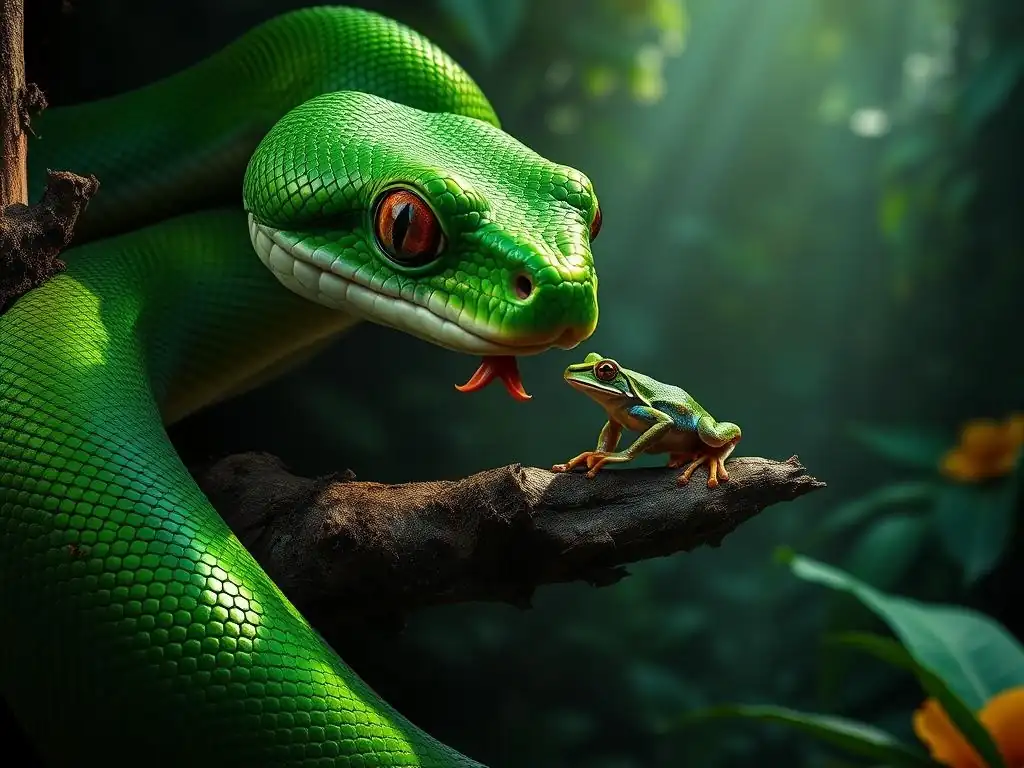
Welcome to PetCareWorld, your ultimate guide to the fascinating world of pet care! Are you intrigued by the complex behaviors of your scaly companions? Then delve into our insightful article, "Reptile Hunting Instincts Explained," where we unravel the mysteries behind your reptile's natural predatory drive. Discover how understanding these instincts can enrich your bond and ensure the well-being of your exotic pet. Prepare to be amazed by the hidden world of reptile behavior – let's explore!
- Reptile Hunting Instincts Explained: A Closer Look
- Enrichment Activities to Stimulate Natural Hunting Instincts
- The Importance of Understanding Natural Hunting for Reptile Health and Wellbeing
- Troubleshooting Common Hunting-Related Issues
- Frequently Asked Questions
- Final Reflection: Unlocking the Ancient Hunter Within
- Unleash Your Reptile's Inner Hunter!
Reptile Hunting Instincts Explained: A Closer Look
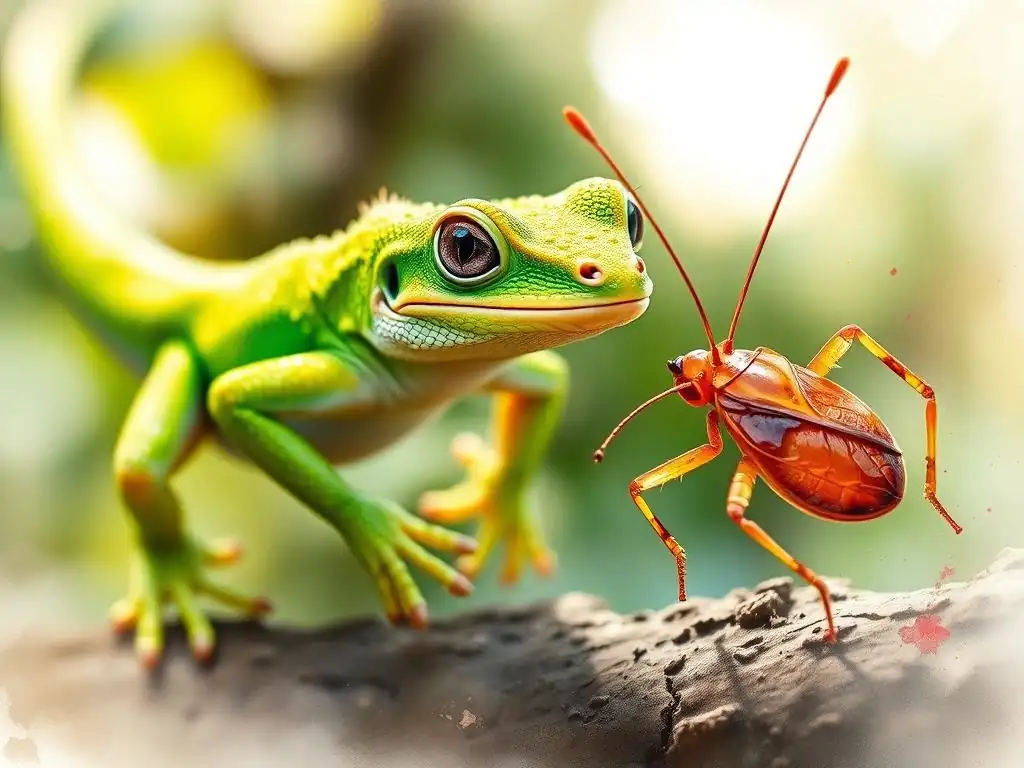
Understanding your reptile's natural hunting instincts is crucial for providing proper care and ensuring their well-being. This in-depth guide delves into the fascinating world of reptile predation, exploring the complex interplay of senses, behaviors, and environmental factors that drive their hunting strategies. Whether you're a seasoned reptile keeper or a new owner, grasping these fundamental aspects of reptile behavior will significantly enhance your ability to meet your pet's needs, from providing appropriate enrichment to selecting the right diet.
This article focuses specifically on insectivorous reptiles, highlighting the unique challenges and rewards of understanding their predatory nature. We will explore how understanding their hunting instincts translates into responsible and enriching care, ultimately leading to a happier and healthier reptile companion. Successfully meeting the needs of your insectivorous reptile depends on understanding and replicating, as closely as possible, their natural hunting behaviours in captivity.
Understanding Prey Drive in Reptiles
Reptiles, despite their often-perceived passivity, possess highly developed hunting instincts. This "prey drive" is an innate, genetically programmed behavior essential for survival in the wild. It's not simply a matter of hunger; it's a complex behavioral sequence triggered by a variety of stimuli.
The intensity of this drive can vary depending on factors like species, age, and individual temperament. For example, a young, rapidly growing gecko will exhibit a stronger prey drive than an older, adult individual. Furthermore, the type of prey offered also plays a role; some reptiles exhibit a stronger preference for specific prey items, triggering a more pronounced hunting response.
Understanding this inherent drive is vital for providing appropriate enrichment and ensuring your reptile receives a balanced diet that satisfies both their nutritional and instinctual needs. Failure to cater to these instincts can lead to stress, health problems, and even refusal to eat. Providing opportunities for natural hunting behaviors is key to reducing stress and promoting a more natural and fulfilling life for your pet reptile.
The Role of Senses in Reptile Hunting: Sight, Smell, and Vibration
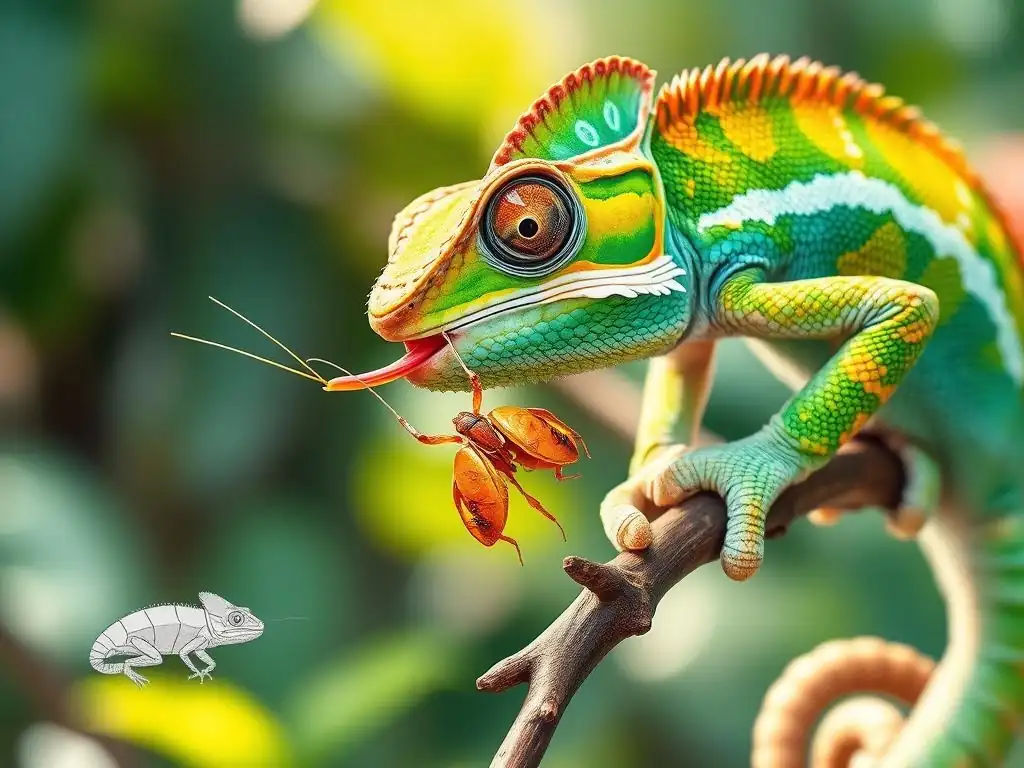
Reptiles employ a sophisticated array of senses to locate and capture prey. While the specific importance of each sense varies greatly between species, sight, smell, and the detection of vibrations are particularly crucial. Many insectivorous reptiles rely heavily on visual cues to detect movement. The rapid movement of an insect is often the primary trigger for a strike. This explains why live feeding is often preferred for these species; the movement of the insect mimics the natural hunting scenario. Additionally, many species possess a highly developed sense of smell , using their Jacobson's organ (also known as the vomeronasal organ) to detect scent trails left by potential prey. This chemoreception plays a vital role in locating hidden prey or tracking down insects. Finally, the detection of vibrations through the substrate is another important sensory input, especially for reptiles that ambush their prey. The vibrations caused by a moving insect can alert the reptile to its presence, even in low-light conditions. Understanding the relative importance of these senses in your specific reptile species allows you to provide appropriate environmental enrichment and feeding strategies that stimulate their natural hunting behaviors. For instance, providing substrates that transmit vibrations effectively might be crucial for certain species.
Natural Hunting Behaviors of Different Reptile Species
Reptiles, despite their diverse appearances and habitats, share a common thread: the instinct to hunt. However, the way they hunt varies dramatically depending on their species, diet, and environment. Understanding these variations is crucial for responsible reptile ownership, ensuring their nutritional needs are met and their natural behaviors are accommodated. We'll explore the hunting strategies of several reptile groups, highlighting the key differences and similarities in their hunting styles.
This understanding is paramount for providing appropriate enrichment and mimicking their natural environment in captivity. Failure to do so can lead to stress, nutritional deficiencies, and even health problems for your reptile. Observing your reptile's hunting behavior can also provide valuable insights into its overall well-being; changes in hunting style can sometimes be an early warning sign of illness or stress.
Hunting Behaviors of Insectivorous Reptiles
Insectivorous reptiles, like many geckos, skinks, and smaller lizards, often employ a sit-and-wait hunting strategy. They patiently position themselves near likely insect hotspots, remaining motionless until prey comes within striking distance. Their ambush style relies heavily on camouflage and quick reflexes.
The strike itself is incredibly fast, often too quick for the human eye to follow. Many insectivorous reptiles possess specialized sensory organs, such as enhanced vision or the ability to detect vibrations, aiding in prey detection. For example, certain gecko species can detect the slightest movement in low-light conditions using their exceptional night vision.
In captivity, providing appropriately sized insects in a stimulating environment that encourages natural hunting behavior is essential. Simply dropping insects into the enclosure doesn't mimic the natural hunting process and can lead to obesity and behavioral problems. Providing live insects in a structured environment allows your reptile to engage its natural hunting instincts, which is crucial for both physical and mental well-being.
Hunting Behaviors of Carnivorous Reptiles
Carnivorous reptiles, such as snakes and larger lizards like monitors and tegus, display a wider range of hunting techniques. Some, like many snakes, are constrictors, using their powerful bodies to subdue prey by squeezing it until it suffocates. Others, like many monitor lizards, are active hunters, pursuing and actively attacking their prey. Size and prey type significantly influence hunting strategy.
Larger carnivorous reptiles might hunt larger prey, employing a more aggressive approach, while smaller carnivores might utilize ambush techniques similar to insectivores. For instance, a large Burmese python might actively hunt and constrict a large mammal, while a smaller corn snake might ambush a mouse. In captivity, understanding these differences is crucial for providing appropriate-sized prey and ensuring the safety of both the reptile and the handler. Providing enrichment such as climbing structures and hiding places can also help mimic the natural hunting environment and encourage natural behaviors.
Hunting Behaviors of Herbivorous Reptiles (with insectivorous tendencies)
While primarily herbivorous, some reptiles exhibit occasional insectivorous tendencies. These tendencies often manifest in juveniles or during specific periods of growth or stress. For example, certain tortoise species might supplement their herbivorous diet with insects or other invertebrates, especially when young. This behavior reflects a broader dietary flexibility that ensures survival in varying environmental conditions.
This supplementing behaviour is often observed in the wild as well. Understanding these tendencies is important for providing a balanced and appropriate diet in captivity. While the primary diet should remain plant-based, offering occasional insects can contribute to a more complete nutritional profile and stimulate natural foraging behaviors.
The quantity and frequency of supplemental insects should be carefully monitored and adjusted based on the individual reptile's needs and age. Overfeeding insects can lead to health problems, so a balanced approach is key. Observing your reptile's behavior and adjusting its diet accordingly is essential for maintaining its health and well-being.
Enrichment Activities to Stimulate Natural Hunting Instincts
Understanding and catering to your reptile's natural hunting instincts is crucial for their physical and mental well-being. A reptile's inherent drive to hunt isn't merely about obtaining food; it's a deeply ingrained behavioral pattern that contributes significantly to their overall health and happiness. Ignoring this fundamental aspect of their nature can lead to obesity, lethargy, and even behavioral problems.
By providing enriching opportunities that mimic their natural hunting behaviors, you can significantly improve your reptile's quality of life. This section focuses on practical strategies to stimulate these crucial instincts, enhancing both the physical and psychological health of your insectivorous companion. We'll explore various methods to transform feeding time from a simple act of sustenance into a stimulating and engaging experience.
Creating a Stimulating Hunting Environment for Your Reptile
Reptiles are masters of camouflage and ambush. Mimicking their natural environments is key to stimulating their hunting instincts. Avoid simply placing food in a bowl. Instead, create a habitat that encourages active foraging. This could involve strategically hiding prey items amongst branches, rocks, or plants. Consider using a variety of textures and hiding spots to increase the challenge and excitement. The more you can replicate the complexity of their natural hunting grounds, the more engaged your reptile will be.
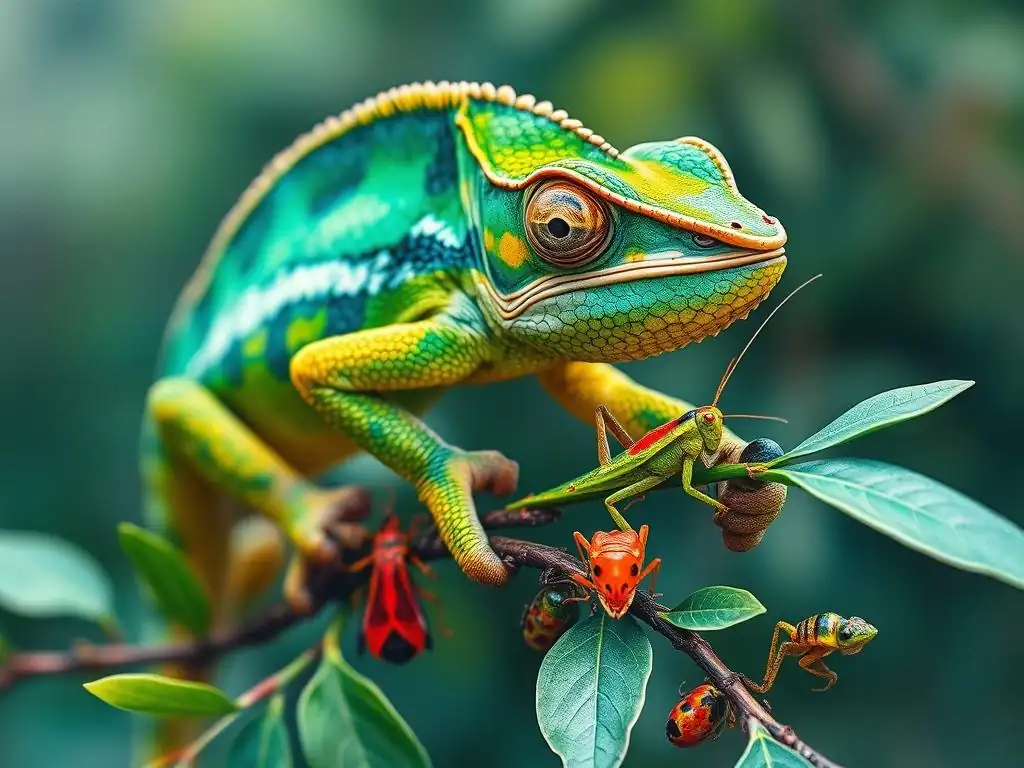
For example, a leopard gecko, a crepuscular hunter, will thrive in an environment with many dark crevices and hiding places where it can ambush its prey. Similarly, a chameleon, known for its patience and precision, will benefit from a setup with vertical branches and foliage providing multiple vantage points for hunting. This approach isn't just about making feeding time more interesting; it's about providing environmental enrichment that reduces stress and promotes natural behaviors.
Think about the specific hunting strategies of your reptile species and design its enclosure accordingly. Remember, a stimulating environment is a crucial component of responsible reptile care. Data shows that reptiles in enriched environments exhibit lower stress levels and improved overall health.
Choosing Appropriate Prey Items for Natural Hunting
The type of prey you offer significantly impacts the stimulation of your reptile's hunting instincts. Live feeding, while controversial, can be a highly effective method of stimulating natural hunting behavior, provided it's done responsibly and safely. However, many experts recommend using appropriately sized pre-killed prey items for convenience and safety, especially for beginners. The key is to select prey that presents a realistic challenge, mimicking the size and movement of what your reptile would encounter in the wild.
The size of the prey is crucial. Too large, and it poses a risk; too small, and it doesn't provide sufficient stimulation. As a general rule, the prey item should be no larger than the widest part of your reptile's head. Variety is also important. Offering different types of insects, such as crickets, mealworms, and dubia roaches, can add to the hunting experience.
This variety not only keeps your reptile engaged but also ensures a balanced and nutritious diet. Always consider the nutritional needs of your specific reptile species when selecting prey items. Remember to dust your insects with appropriate calcium and vitamin supplements for optimal health. This ensures your reptile receives all the necessary nutrients for growth and well-being.
Enrichment Techniques: Hiding Prey and Utilizing Live Food
The most effective way to engage your reptile's hunting instincts is to actively hide their food. This simple act transforms feeding time from a passive event into an active pursuit. Experiment with different hiding places and techniques. You can use leaf litter, cork bark, artificial plants, or even small containers to conceal the prey. The element of surprise and the need to search for their food significantly enhances the entire feeding experience.
Utilizing live food, when done safely and responsibly, can provide unparalleled enrichment. The movement of live prey triggers your reptile's natural predatory responses. However, it’s crucial to carefully consider the potential risks. Ensure the prey is appropriately sized to avoid injury to your reptile, and always supervise feeding sessions. Additionally, it is essential to select live prey that is free from parasites or diseases.
Consider the temperament of your reptile and the potential stress of hunting live prey before implementing this technique. For some reptiles, the stress of chasing live prey may outweigh the benefits. Always prioritize the well-being of your reptile. Careful observation is key to determining whether live feeding is appropriate for your specific pet. ⚖️ The balance between enriching experiences and minimizing risks is paramount.
The Importance of Understanding Natural Hunting for Reptile Health and Wellbeing
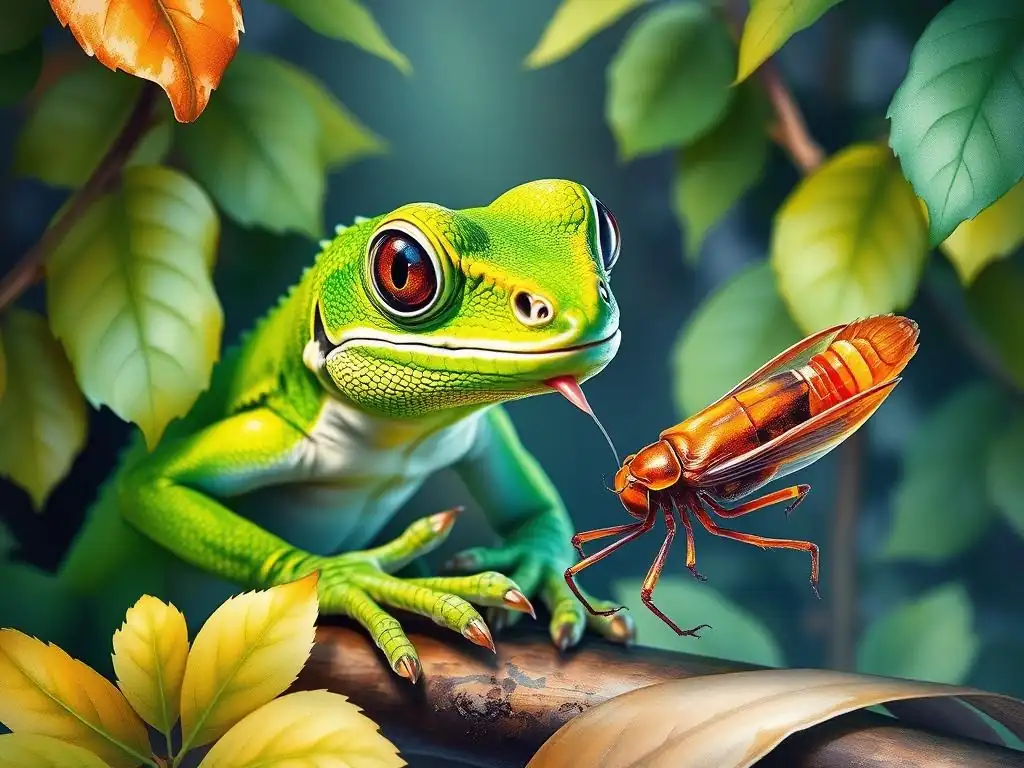
Understanding your reptile's natural hunting instincts is paramount for their overall health and wellbeing. Ignoring these innate behaviors can lead to a variety of problems, impacting both their physical and mental health. Reptiles, even those raised in captivity, retain strong predatory drives. These aren't simply about obtaining food; they're deeply ingrained behaviors that contribute significantly to their psychological and physiological health.
Failure to cater to these instincts can result in stress, lethargy, and even disease. A reptile exhibiting abnormal behavior, such as refusal to eat or excessive aggression, might be signaling a lack of environmental enrichment that satisfies its innate hunting needs. Providing opportunities for natural foraging behavior allows for a more fulfilling and stimulating life, mirroring their wild counterparts.
This understanding allows responsible pet owners to provide optimal care and prevent avoidable health complications, ensuring a longer, healthier, and happier life for their reptile companions. The successful replication of natural hunting behaviors in a captive environment is a crucial aspect of responsible reptile ownership and contributes significantly to their overall well-being. This is especially important for insectivorous reptiles, as their hunting behavior is intrinsically linked to their feeding patterns.
Reptiles, particularly insectivorous species, are not passive creatures. Their natural environment necessitates active hunting to survive. A captive environment lacking environmental enrichment that simulates natural hunting can lead to significant boredom and resulting health problems.
Boredom manifests in various ways, including lethargy, weight loss, and even self-mutilation in some cases. For instance, a leopard gecko kept in a barren enclosure with food simply placed in a bowl may exhibit reduced activity levels and a decreased appetite, leading to nutritional deficiencies and ultimately compromising its immune system. Conversely, a leopard gecko housed in a properly enriched environment with hiding places, climbing structures, and live prey will display more natural behaviors, resulting in a more active and engaging life.
This active engagement helps reduce stress and promotes a healthier mental and physical state. Providing appropriate environmental complexity, including varied substrates, hiding spots, and climbing structures, is crucial for stimulating natural behaviors and preventing boredom-related illnesses. Think of it as providing mental and physical exercise for your reptile; a crucial aspect of their overall health management.
Ensuring Proper Nutrition Through Natural Foraging Behaviors
The natural hunting process isn't simply about acquiring food; it's intrinsically linked to proper nutrition. The act of hunting itself stimulates appetite and promotes healthy digestion. The struggle to catch prey, the anticipation of the hunt, and the subsequent consumption of a freshly caught meal all contribute to a more robust digestive system compared to passively eating pre-killed food from a bowl.
Consider the difference between a chameleon catching a cricket and a chameleon eating a cricket placed in its enclosure. The former involves exertion, which promotes healthy metabolism, while the latter may lead to a less stimulated digestive system. Furthermore, the natural selection of prey during the hunting process ensures a more varied diet, mimicking the diverse food sources available in their natural habitat.
This diversity is crucial for maintaining optimal nutritional balance. The act of hunting also provides reptiles with the necessary physical exercise, contributing to their overall health and weight management, preventing obesity and associated health issues. This natural foraging behavior is a critical aspect of maintaining a healthy and balanced diet for insectivorous reptiles.
The Ethical Considerations of Live Feeding and Prey Selection
The practice of live feeding raises ethical concerns that responsible reptile keepers must address. While it mimics natural hunting behavior and offers numerous benefits for reptile health, the well-being of the prey animals must be considered. Choosing appropriately sized prey prevents undue suffering for the prey and ensures the safety of your reptile. Oversized prey can cause injury or stress to your reptile, while undersized prey may not provide adequate nutrition.
It is crucial to source your feeder insects from reputable suppliers who prioritize the humane treatment of their animals. Avoid wild-caught insects, as they may carry parasites or diseases that can be transmitted to your reptile. Furthermore, the method of feeding should be carefully considered. Ensure the prey is easily accessible to your reptile to minimize unnecessary stress and suffering for both the predator and the prey.
The ethical implications of live feeding extend beyond simply providing food; it encompasses a responsibility to treat all living creatures with respect and consideration. Choosing appropriate prey, sourcing insects responsibly, and ensuring humane handling practices are all essential components of ethical reptile keeping. Remember, responsible reptile ownership extends to the entire ecosystem involved.
Understanding your reptile's hunting instincts is crucial for their well-being, but even the most well-informed reptile keepers can encounter challenges. This section addresses common problems related to feeding insectivorous reptiles and offers practical solutions to ensure your reptile thrives. Properly understanding and managing your reptile's predatory behavior is key to their health and longevity. Remember, a happy hunter is a healthy reptile!
Reluctance to Hunt: Identifying and Addressing Underlying Causes
A reptile's refusal to hunt can stem from various underlying issues, ranging from simple environmental factors to more serious health problems. Let's explore some key causes and how to address them:
- Environmental Stress: Inappropriate temperature gradients, insufficient hiding places, or overly bright or noisy environments can significantly impact a reptile's hunting drive. Ensure your enclosure provides a thermal gradient with basking spots and cool retreats. Reduce external stimuli and provide ample cover. Observe your reptile carefully for signs of stress, such as lethargy, loss of appetite, or unusual posture.
- Illness or Parasites: Internal parasites or underlying health conditions can significantly reduce appetite and hunting motivation. Symptoms might include weight loss, lethargy, and unusual fecal matter. If you suspect illness, consult a reptile veterinarian immediately. A fecal examination can help detect parasites.
- Improper Prey Presentation: Reptiles are visually-oriented predators. Presenting prey in a way that mimics their natural hunting environment can be crucial. Live prey should move naturally; using tongs can sometimes be effective, but it’s important to avoid overly aggressive movements that could scare the reptile. Experiment with different prey items and presentation techniques.
- Overfeeding or Underfeeding: Both extremes can negatively impact hunting behavior. Overfeeding can lead to obesity and reduced hunting drive, while underfeeding can cause malnutrition and weaken the reptile. Follow feeding guidelines specific to your reptile's species and size.
- Age and Maturity: Young reptiles may be less efficient hunters than adults. They may require more frequent feeding and assistance with prey capture, especially when first introduced to live food. Monitor their growth and adjust feeding strategies accordingly.
Aggression During Feeding: Safe Handling and Management Techniques
While hunting is an instinctive behavior, some reptiles may exhibit aggression during feeding. This can pose a safety risk to both the reptile and the handler. Here's how to mitigate this:
- Use appropriate tools: Always use long tongs or forceps to handle and present live prey, keeping your fingers well away from the reptile's mouth. Never handle a reptile directly when feeding.
- Observe feeding behavior: Before feeding, observe your reptile's behavior. Is it showing signs of aggression or stress? If so, postpone feeding and address the underlying issues.
- Create a safe feeding environment: Ensure the enclosure is properly secured to prevent escapes. A separate feeding enclosure might be beneficial for particularly aggressive reptiles.
- Positive reinforcement: Avoid punishment. If your reptile shows aggression, calmly remove the prey and try again later. Focus on positive reinforcement techniques to build trust and reduce fear.
- Species-specific considerations: Some species are inherently more aggressive than others. Research your reptile's specific behavioral tendencies to anticipate potential issues and adjust your handling techniques accordingly. For example, larger constrictors require specialized feeding techniques.
Adjusting Feeding Strategies Based on Individual Reptile Needs
Each reptile is an individual, and their feeding preferences and hunting abilities can vary significantly. Adapt your feeding strategies to cater to the unique needs of your pet:
| Reptile Species | Prey Type | Feeding Frequency | Notes |
|---|---|---|---|
| Leopard Gecko | Crickets, mealworms | Every other day | Supplement with calcium and vitamin D3. |
| Bearded Dragon | Crickets, dubia roaches | Daily or every other day | Vary prey size according to the dragon's size. |
| Crested Gecko | Crested gecko diet | Every other day or less | Specialized commercial diet is recommended. |
Remember to always monitor your reptile's weight and body condition. Adjust feeding frequency and prey size accordingly to maintain a healthy weight. Consult with a reptile veterinarian or experienced reptile keeper if you have any concerns about your reptile's feeding behavior or overall health. Observing your reptile closely and adapting your approach is essential for successful and safe feeding. Providing a stimulating and appropriate environment is key to encouraging natural hunting instincts. A well-fed and content reptile is a testament to responsible and knowledgeable reptile care.
Frequently Asked Questions
What are the key hunting instincts of reptiles?
Reptiles primarily rely on ambush and stealth to capture prey. Their instincts involve detecting movement, assessing distance, and then striking with speed and precision. This varies based on species.
How do I stimulate my reptile's natural hunting instincts?
Provide live or realistic prey items, such as appropriately sized insects or rodents (depending on species). Vary prey presentation to mimic natural hunting scenarios. Avoid overfeeding.
Why is it important to understand my reptile's hunting instincts?
Understanding these instincts is crucial for proper enrichment and feeding. It helps prevent stress and boredom, promoting a healthier, more natural lifestyle for your pet.
Are all reptiles equally driven by hunting instincts?
No, the strength of hunting instincts varies considerably between species and even individual reptiles. Some are more active hunters than others. Species-specific knowledge is crucial.
My reptile refuses its food; is this a hunting instinct problem?
Not necessarily. Refusal can indicate health issues, stress, or incorrect feeding techniques. Consult a veterinarian to rule out medical problems before considering behavioral adjustments.
Final Reflection: Unlocking the Ancient Hunter Within
Understanding a reptile's innate hunting behaviors is not merely an academic exercise; it's crucial for responsible reptile ownership and conservation. The intricate strategies employed by these creatures, from the ambush tactics of a chameleon to the relentless pursuit of a snake, offer a fascinating glimpse into the evolutionary power of natural selection. This understanding directly impacts our ability to provide enriching environments and ensure the well-being of these captivating animals.
The exploration of reptile hunting instincts reveals a profound connection between instinct and survival, a narrative woven into the very fabric of the natural world. These behaviors, honed over millennia, are not simply actions; they are expressions of a deeply ingrained survival mechanism. The survival of the fittest is not a struggle for existence, but a struggle for existence against the environment.
- Herbert Spencer. This quote highlights the crucial role of understanding these instincts, not just for the reptiles themselves, but for appreciating the delicate balance of ecosystems they inhabit. Our responsibility extends beyond mere care; it encompasses a deeper understanding of their place in the natural world.
Consider the implications of this knowledge. How can you enrich your reptile's environment to stimulate its natural hunting behaviors in a safe and ethical way? How can this understanding inform your choices as a responsible reptile owner, ensuring your pet thrives and exhibits natural, fulfilling behaviors? You now possess a deeper understanding of the ancient hunter within your reptile; use this knowledge to foster a more enriching and fulfilling life for your scaly companion, and to advocate for the preservation of their wild counterparts.
Unleash Your Reptile's Inner Hunter!
Thank you for exploring the fascinating world of reptile hunting instincts! We hope you've gained valuable insights into understanding and supporting your scaled companion. Now let's put that knowledge into practice.
- Enrich your reptile's environment: Go beyond a basic enclosure. Add climbing branches, hiding spots, and realistic prey simulations to encourage natural hunting behaviors. This is crucial for their physical and mental health!
- Tailor enrichment to your reptile's species: Consult online forums and specialized reptile care books for creative ideas suited to your pet's specific needs.
- Share your enrichment experiences: Let's build a supportive community of reptile keepers! Share your successes and challenges in the comments below.
What enrichment activity will you try first to stimulate your reptile's natural hunting instincts?