
Saltwater Aquarium Setup: The Essential Role of Calcium and Alkalinity

Welcome to PetCareWorld, your ultimate guide to the fascinating world of pet care! Are you ready to unlock the secrets to a thriving underwater ecosystem? Then dive in and discover the essential role of calcium and alkalinity in maintaining a healthy and vibrant saltwater aquarium. Learn how these crucial elements impact the well-being of your aquatic companions and uncover the knowledge you need to create the perfect environment for your exotic pets. Let's explore the intricacies of saltwater aquarium calcium alkalinity together!
- Understanding Calcium and Alkalinity in Saltwater Aquariums
- Testing Your Saltwater Aquarium's Calcium and Alkalinity
- Maintaining Optimal Calcium and Alkalinity Levels
- Preventing and Addressing Calcium and Alkalinity Issues
- Advanced Techniques for Calcium and Alkalinity Management
-
Frequently Asked Questions
- What is the importance of calcium and alkalinity in a saltwater aquarium?
- What are the ideal levels of calcium and alkalinity in a saltwater aquarium?
- How can I test calcium and alkalinity levels in my saltwater aquarium?
- What should I do if my calcium or alkalinity levels are low or high?
- Can I use just one product to maintain both calcium and alkalinity?
- Final Reflection: The Enduring Dance of Calcium and Alkalinity
- Unlock Your Reef's Potential: Take Action Now!
Understanding Calcium and Alkalinity in Saltwater Aquariums
Maintaining a thriving saltwater aquarium, particularly a reef tank, requires a deep understanding of water chemistry. This article delves into the crucial roles of calcium and alkalinity, two key parameters that directly impact the health and growth of your marine life, especially corals. Proper management of these elements is essential for creating a stable and vibrant underwater environment where your fish and invertebrates can flourish.
We'll explore the importance of maintaining stable levels, ideal ranges, and practical tips for monitoring and adjusting these vital components in your saltwater aquarium, ensuring a successful and rewarding experience for both you and your aquatic companions. Ignoring these critical aspects can lead to significant problems, including stunted coral growth, skeletal erosion, and ultimately, the demise of your reef ecosystem. Let's dive into the specifics to ensure your saltwater aquarium thrives.
The Importance of Maintaining Stable Calcium Levels for Coral Growth
Calcium (Ca 2+ ) is the fundamental building block for coral skeletons. Corals, along with other calcifying invertebrates like coralline algae, constantly utilize calcium to build and maintain their hard structures. Without sufficient calcium, coral growth slows dramatically, leading to weakened skeletons, increased susceptibility to disease, and ultimately, coral death. Maintaining stable calcium levels is therefore paramount for a healthy and vibrant reef aquarium. Fluctuations in calcium levels can cause stress on corals, leading to bleaching and other detrimental effects. Regular monitoring and precise adjustments are necessary to ensure calcium remains within the optimal range. This requires careful attention to water changes, the addition of calcium supplements, and potentially, the use of a calcium reactor. Insufficient calcium can manifest in several ways, including slow or stunted coral growth, skeletal erosion, and a general lack of vibrancy in your coral colonies. Maintaining a consistent level is crucial for ensuring the long-term health and beauty of your reef tank. Think of calcium as the "bricks" that build the coral's "house"—without enough bricks, the house cannot be built or maintained properly.
The Crucial Role of Alkalinity in Reef Tank Ecosystems
Alkalinity, often measured as dKH (degrees of carbonate hardness), refers to the water's capacity to resist changes in pH. It's not just about the total amount of carbonate ions (CO 3 2− ) and bicarbonate ions (HCO 3 − ), but their combined buffering capacity. This buffering action is critical because it prevents drastic swings in pH, which can be lethal to many marine organisms. A stable alkalinity level ensures a consistent environment for coral growth and overall reef health. Low alkalinity can lead to a cascade of problems, including reduced calcium availability, slowed coral growth, and increased susceptibility to disease. Conversely, excessively high alkalinity can also be detrimental. The balance is key. Maintaining sufficient alkalinity is like providing the "mortar" that holds the "bricks" (calcium) together, ensuring a strong and stable coral structure. The ideal alkalinity level allows corals to effectively uptake calcium and other essential elements for growth and maintenance.
Ideal Calcium and Alkalinity Ranges for a Thriving Saltwater Aquarium
Maintaining optimal calcium and alkalinity levels is crucial for a successful saltwater aquarium. The ideal ranges are generally considered to be:
| Parameter | Ideal Range | Acceptable Range |
|---|---|---|
| Calcium (Ca 2+ ) | 400-450 ppm | 380-480 ppm |
| Alkalinity (dKH) | 8-11 dKH | 7-12 dKH |
These ranges are guidelines, and slight variations might be acceptable depending on your specific tank setup and inhabitants. Regular testing using a reliable test kit is essential to monitor these parameters and make necessary adjustments. Remember that consistently maintaining these levels is more important than hitting precise numbers. Regular water changes, the careful addition of supplements, and understanding the interplay between calcium, alkalinity, and pH are all vital aspects of successful saltwater aquarium management.
Monitoring these parameters, along with other important water quality factors, will significantly contribute to the long-term health and beauty of your saltwater aquarium. The key is consistency and proactive management. 🐠
Recognizing the Signs of Imbalance: Low Calcium and Alkalinity Symptoms
Maintaining the correct calcium and alkalinity levels in your saltwater aquarium is crucial for the health and well-being of your marine inhabitants. A deficiency in either can lead to a cascade of negative effects, impacting the overall ecosystem of your tank. Recognizing the early warning signs is key to preventing serious problems and ensuring the longevity of your coral and fish.
One of the most visible signs of low calcium is coral bleaching. Corals rely heavily on calcium to build and maintain their skeletons. When calcium levels drop, corals struggle to produce the necessary calcium carbonate, leading to a loss of color and a weakened structure. This bleaching can be gradual or sudden, depending on the severity of the calcium deficiency and the species of coral. You might also observe slow or stunted coral growth. Healthy corals exhibit a steady, noticeable growth rate; a significant slowdown indicates a potential imbalance.
Low alkalinity, often hand-in-hand with low calcium, presents a different set of symptoms. You might notice increased pH fluctuation, making it harder to maintain a stable environment. This instability stresses the entire aquarium ecosystem, making it more susceptible to diseases and other problems. Furthermore, low alkalinity can lead to coral skeleton erosion. Without sufficient carbonate ions, the coral's skeleton can begin to dissolve, further weakening the organism and making it vulnerable. This erosion is often subtle at first, but over time it can become significantly damaging.
Beyond visual cues, behavioral changes in your fish can also be indicative of a calcium and alkalinity imbalance. Fish might exhibit lethargy, loss of appetite, or unusual swimming patterns. These symptoms are non-specific, but when combined with visible issues in your corals, they strongly suggest a problem with water chemistry. Moreover, you may observe reduced shell growth in invertebrates such as snails and clams, as they too require sufficient calcium and alkalinity for their shell development.
It's important to remember that these symptoms aren't always isolated. Low calcium and alkalinity often occur together, creating a compounded negative effect on your aquarium. Regular water testing, using a reliable test kit, is crucial for early detection of any imbalances. Early intervention, through targeted supplementation and water changes, is vital to prevent further damage and maintain a thriving saltwater aquarium. Ignoring these warning signs can lead to irreversible damage and loss of your precious marine life. Therefore, proactive monitoring and prompt corrective action are essential components of responsible saltwater aquarium maintenance.
Testing Your Saltwater Aquarium's Calcium and Alkalinity
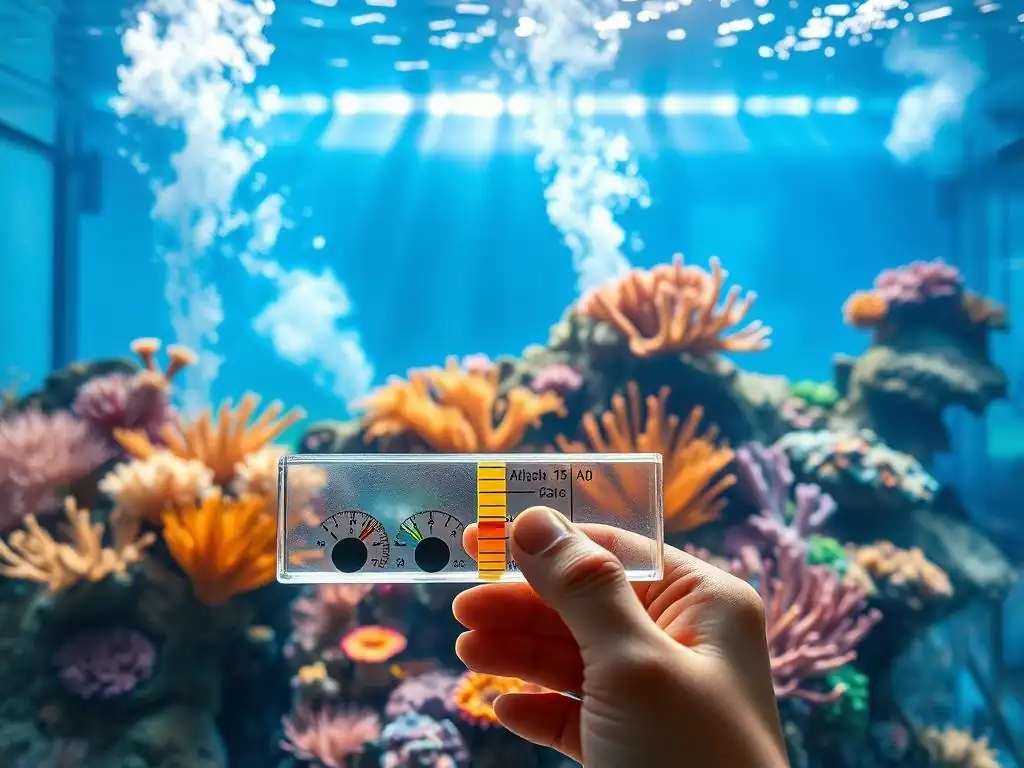
Maintaining the correct calcium and alkalinity levels in your saltwater aquarium is crucial for the health and well-being of your marine inhabitants. These two parameters are intrinsically linked, forming the backbone of a stable and thriving reef environment. Regular testing is therefore essential for proactive management and preventing potential problems.
Ignoring these vital measurements can lead to skeletal deformities in corals, stunted growth, and increased susceptibility to disease in your fish and invertebrates. This section will guide you through the process of accurately testing your aquarium's calcium and alkalinity levels, interpreting the results, and understanding how to address any imbalances. Consistent monitoring is key to achieving and maintaining optimal saltwater aquarium calcium alkalinity balance.
Choosing the Right Test Kit for Accurate Measurements
Selecting a reliable test kit is the first step towards accurate saltwater aquarium calcium alkalinity measurements. The market offers a wide range of options, from simple titration kits to more advanced electronic testers. The best choice depends on your budget, experience level, and the desired level of precision.
- Titration Kits: These are generally more affordable and provide a good level of accuracy for hobbyists. They involve adding reagents drop-by-drop until a color change indicates the endpoint of the titration. Look for kits specifically designed for saltwater aquariums and ensure they test for both calcium and alkalinity. Pay close attention to the instructions provided, as precise measurements are crucial for accurate results.
- Electronic Testers: These offer faster and potentially more precise readings, although they typically come with a higher price tag. They often require calibration and may need regular maintenance. While convenient, ensure you choose a reputable brand known for accuracy and reliability. Consider factors like ease of use and the replacement cost of probes.
- Test Strip Options: While convenient, test strips are generally less accurate than titration kits or electronic testers. They are suitable for quick, approximate checks, but should not be relied upon for precise measurements that inform critical adjustments to your aquarium's chemistry.
Consider the following when selecting your test kit:
| Feature | Considerations |
|---|---|
| Accuracy | Look for kits with a low margin of error. |
| Ease of Use | Choose a kit with clear instructions and easy-to-follow steps. |
| Cost | Balance cost with accuracy and features. |
| Reputation of Brand | Choose a reputable brand known for the quality and reliability of its products. |
| Test Range | Ensure the test range is suitable for your aquarium's typical parameter levels. |
Remember, consistent use of the same test kit is recommended for reliable comparison of results over time. Switching between different brands can introduce inconsistencies.
Step-by-Step Guide to Testing Calcium and Alkalinity Levels
Once you have chosen a reliable test kit, follow these steps for accurate measurements. Remember to always follow the manufacturer's instructions precisely, as variations exist between different kits. Improper technique can lead to inaccurate readings and misinterpretations. Before you begin, ensure your sample water is well-mixed and representative of the overall aquarium water chemistry.
- Prepare your sample: Collect a sample of water from your aquarium, avoiding disturbing the substrate or any inhabitants. Ensure the water is at room temperature before testing.
- Follow kit instructions meticulously: Each kit will have specific instructions. Carefully follow each step, paying attention to details such as reagent amounts, mixing times, and color comparisons.
- Record your results: Note down the calcium and alkalinity readings. Most kits will provide units in parts per million (ppm) or milligrams per liter (mg/L) for both parameters. Maintaining a detailed log of your test results over time will help you track trends and identify potential issues early on. Consider using a spreadsheet or a dedicated aquarium logbook.
- Repeat the test: It's good practice to repeat the test at least once to ensure accuracy and minimize the impact of potential errors. Compare the results; significant discrepancies may indicate a problem with the testing process or the need for a new test kit.
Remember, accurate testing is paramount for maintaining a healthy saltwater aquarium calcium alkalinity balance. Inconsistent or inaccurate readings can lead to improper adjustments and potentially harm your aquarium's inhabitants.
Interpreting Test Results and Understanding Your Aquarium's Needs
Ideal calcium levels typically range from 400 to 450 ppm, while alkalinity should fall between 8 and 11 dKH (degrees of carbonate hardness). However, the optimal range can vary slightly depending on the specific species you keep in your aquarium. Some corals, for example, may thrive in slightly higher or lower ranges. Research the specific needs of your inhabitants to determine the ideal parameters for your setup.
Interpreting your results requires careful consideration:
- Low Calcium: Low calcium levels can lead to stunted coral growth, skeletal deformities, and increased susceptibility to diseases. Addressing this requires carefully raising the calcium level using appropriate calcium supplements.
- High Calcium: While less common, excessively high calcium levels can also be detrimental. This usually necessitates water changes to dilute the concentration.
- Low Alkalinity: Similar to low calcium, low alkalinity can hinder coral growth and overall reef health. Increasing alkalinity requires the use of appropriate buffers or alkalinity supplements.
- High Alkalinity: High alkalinity can lead to precipitation of calcium carbonate, potentially clouding the water and impacting the overall balance of your aquarium's chemistry. Reducing alkalinity often involves water changes.
Remember, correcting imbalances should be done gradually to avoid shocking your aquarium's ecosystem. Making significant adjustments too quickly can be harmful to your marine life. Always monitor your parameters closely after making any adjustments. Regular, accurate testing – paying close attention to your saltwater aquarium calcium alkalinity – is the foundation of a successful and thriving saltwater aquarium.
Maintaining Optimal Calcium and Alkalinity Levels
Maintaining the correct balance of calcium and alkalinity is paramount for a thriving saltwater aquarium, particularly a reef tank. These two parameters are intrinsically linked, impacting the health of corals, invertebrates, and overall water chemistry. Insufficient calcium hinders coral growth and skeletal development, leading to weakened structures and susceptibility to disease. Low alkalinity, on the other hand, prevents calcium from being readily available for uptake by organisms, resulting in similar negative effects.
Understanding the interplay between these two vital elements is crucial for successful saltwater aquarium keeping. This section delves into practical methods for managing and maintaining optimal levels of both calcium and alkalinity in your saltwater environment. Think of calcium and alkalinity as the building blocks of your reef's success; a strong foundation built upon their proper balance is essential for a vibrant and healthy ecosystem.
Methods for Increasing Calcium in Your Saltwater Aquarium
Several methods exist for increasing calcium levels in your saltwater aquarium. The choice depends on your tank size, the severity of the deficiency, and your personal preference. Let's explore some of the most common and effective techniques:
- Calcium Chloride: This is a readily available and cost-effective method. Adding calcium chloride directly increases the calcium concentration. However, it's crucial to monitor calcium and alkalinity levels closely, as adding only calcium can upset the delicate balance. Accurate dosing is key to avoid sudden, potentially harmful, shifts in water parameters. Using a test kit regularly is non-negotiable.
- Calcium Reactor: For larger tanks or those requiring more precise control, a calcium reactor offers a more automated and efficient solution. This device slowly dissolves calcium-rich media, releasing calcium and other beneficial minerals into the water column at a controlled rate. This is often preferred for more demanding systems with high calcium demands, such as those housing large or fast-growing corals.
- Two-Part Solutions: These solutions typically contain calcium chloride and other buffering agents to maintain a balanced increase in both calcium and alkalinity. They are convenient and widely used by hobbyists, providing a relatively simple approach to supplementing both parameters simultaneously. Always follow the manufacturer’s instructions meticulously for accurate dosing. Using too much can be as harmful as using too little.
- Water Changes: Regular partial water changes with fresh, properly mixed saltwater help replenish calcium and other essential minerals gradually. This is a gentler approach, beneficial as part of a comprehensive maintenance routine. Aim for a 10-20% water change weekly or bi-weekly, depending on your tank size and bioload. 💦
Remember, consistent monitoring using a reliable test kit is crucial regardless of the method chosen. Sudden, large increases in calcium can be detrimental to your aquarium inhabitants. Gradual adjustments are always preferred.
Effective Strategies for Raising Alkalinity in Your Reef Tank
Maintaining adequate alkalinity is just as crucial as maintaining calcium levels. Low alkalinity hinders calcium absorption and can lead to coral stress and skeletal deterioration. Here are some effective strategies for raising alkalinity in your reef tank:
- Sodium Bicarbonate: Adding sodium bicarbonate (baking soda) is a common and affordable method to increase alkalinity. However, similar to calcium chloride, careful monitoring is crucial to prevent drastic fluctuations. Start with small additions and test frequently.
- Alkalinity Supplements: Dedicated alkalinity supplements are formulated to provide a balanced increase in alkalinity without significantly affecting other water parameters. These are often preferred for their convenience and precise dosing capabilities. Many come in liquid or granular form.
- Two-Part Solutions (revisited): As mentioned earlier, two-part solutions often incorporate a balanced increase in both calcium and alkalinity, offering a convenient approach to maintaining both parameters simultaneously. Remember to always follow the instructions carefully to avoid imbalances.
- Reef Buffer: Reef buffer is a powdered mixture of various salts designed to raise alkalinity gradually and safely. This method requires accurate measurement and consistent monitoring, but is a reliable long-term solution.
Consistent testing is key. Regular monitoring with a reliable test kit allows for proactive adjustments, preventing drastic swings in alkalinity and ensuring a stable environment for your marine life. Regular testing is the best way to avoid problems and maintain a healthy reef tank.
Preventing Fluctuations: Maintaining Stability in Your Saltwater Aquarium
Maintaining stability in your saltwater aquarium's calcium and alkalinity levels is crucial for long-term success. Preventing significant fluctuations requires a proactive approach combining careful monitoring and appropriate adjustments. Here are some key strategies:
- Regular Testing: The cornerstone of successful saltwater aquarium maintenance is regular water testing. Use a reliable test kit to monitor calcium and alkalinity levels at least once a week, more frequently if needed. This allows for early detection of imbalances and timely corrective action.
- Consistent Water Changes: Regular partial water changes (as mentioned above) replenish essential minerals and help buffer against fluctuations.
- Proper Equipment: Investing in high-quality equipment, such as a reliable protein skimmer and efficient filtration system, helps maintain water quality and stability.
- Controlled Dosing: Whether using calcium chloride, sodium bicarbonate, or two-part solutions, always follow the manufacturer's instructions carefully and dose gradually. Avoid making large additions at once.
- Acclimation: When introducing new livestock, ensure proper acclimation to prevent sudden stress and potential imbalances in your aquarium's chemistry. Slow and steady wins the race!
By implementing these strategies and consistently monitoring your water parameters, you can create a stable and healthy environment for your saltwater aquarium inhabitants, ensuring the long-term success of your reef tank. Remember, patience and attention to detail are key to achieving optimal calcium and alkalinity levels in your saltwater aquarium.
Preventing and Addressing Calcium and Alkalinity Issues

Maintaining the correct balance of calcium and alkalinity in your saltwater aquarium is crucial for the health and survival of your corals and other invertebrates. These two parameters are intrinsically linked, and an imbalance in one will often affect the other. Understanding the common causes of imbalances and implementing preventative measures is key to a thriving reef tank.
Neglecting these vital aspects can lead to skeletal erosion in corals, stunted growth, and ultimately, the death of your prized specimens. This section will explore strategies for preventing and addressing calcium and alkalinity issues, ensuring a stable and healthy environment for your marine life.
Common Causes of Low Calcium and Alkalinity in Saltwater Aquariums
Low calcium and alkalinity are often intertwined issues in saltwater aquariums. Several factors contribute to these imbalances. One of the most common is rapid coral growth. Fast-growing corals consume significant amounts of calcium and alkalinity, depleting the levels in the tank if not properly supplemented. This is especially true for large polyp stony corals (LPS) and small polyp stony corals (SPS). Another significant factor is inadequate water changes. Regular water changes replenish essential minerals, including calcium and alkalinity, lost through biological processes and filtration. Insufficient water changes lead to a gradual depletion of these vital elements.
The type of substrate used also plays a role. Some substrates can absorb calcium and alkalinity over time. Similarly, overfeeding can contribute to nutrient buildup, which can indirectly impact calcium and alkalinity levels through complex biological processes. Finally, inefficient protein skimming can leave behind excessive organic waste, further disrupting the delicate balance of your aquarium's chemistry. Regular testing and monitoring are essential to detect early signs of imbalance and take corrective action. Regular water testing should be a cornerstone of any responsible saltwater aquarium maintenance routine.
Troubleshooting and Solving Imbalance Problems in Your Reef Tank
Addressing calcium and alkalinity imbalances requires a systematic approach. First, accurate testing is paramount. Employ reliable test kits to determine the precise levels of calcium and alkalinity in your aquarium. This will give you a baseline to work from and track your progress as you implement solutions. Once you've identified the issue (low calcium, low alkalinity, or both), you can begin to address it.
If levels are significantly low, you can use calcium and alkalinity supplements. These are available in various forms, including liquid solutions and granular additives. It's crucial to follow the manufacturer's instructions carefully to avoid causing sudden and drastic changes in water parameters, which can be harmful to your marine life. Remember, slow and steady adjustments are key. Don't try to correct the imbalance overnight; gradual changes are much safer. Monitor your levels closely after adding supplements, and adjust your dosage as needed.
In addition to supplementation, consider improving your water change routine. More frequent, smaller water changes are often more effective than infrequent, large ones. This helps maintain a consistent supply of essential minerals and removes accumulated waste products. Finally, regular maintenance of your filtration system is crucial for maintaining water quality and preventing imbalances. A well-maintained system will help prevent nutrient buildup and promote a healthier environment for your marine life.
The Impact of Water Changes on Calcium and Alkalinity Levels
Water changes are a cornerstone of successful saltwater aquarium maintenance, significantly impacting calcium and alkalinity levels. Replacing a portion of your aquarium water with fresh, prepared saltwater introduces fresh supplies of these essential minerals, offsetting the depletion caused by coral growth, biological processes, and the removal of waste products. The frequency and volume of your water changes directly correlate with the stability of your calcium and alkalinity levels. Infrequent or insufficient water changes can lead to gradual declines in these parameters, ultimately impacting the health of your coral and other invertebrates.
The size of the water change also matters. Smaller, more frequent water changes (e.g., 10% weekly) are generally preferred over large, infrequent changes (e.g., 25% monthly). Smaller changes provide a more consistent supply of minerals and reduce the risk of shocking the aquarium's ecosystem. Larger changes can cause more significant fluctuations in water parameters, potentially stressing your marine life.
The ideal frequency and volume of water changes depend on several factors, including the size of your tank, the number and type of inhabitants, and the overall health of your aquarium. Careful monitoring and adjustment of your water change routine will help you maintain stable calcium and alkalinity levels. Remember that consistent attention to detail, particularly in maintaining appropriate salinity levels, is vital for the long-term success of your saltwater aquarium.
Advanced Techniques for Calcium and Alkalinity Management
Maintaining optimal calcium and alkalinity levels in a saltwater aquarium is crucial for the health and vibrant growth of corals and other invertebrates. While simple methods exist, advanced techniques offer finer control and prevent potential imbalances. This section delves into strategies for experienced aquarists seeking to refine their calcium and alkalinity management. Understanding these techniques will significantly improve your success in creating a thriving reef environment. Proper management of saltwater aquarium calcium alkalinity is key to long-term success.
Utilizing Kalkwasser (Limewater) for Calcium and Alkalinity Supplement
Kalkwasser, a saturated solution of calcium hydroxide (Ca(OH)₂), is a time-tested method for supplementing both calcium and alkalinity in saltwater aquariums. It's a natural and cost-effective way to slowly increase these vital parameters. However, it requires careful preparation and monitoring to avoid sudden shifts in pH.
The process involves mixing calcium hydroxide with Reverse Osmosis (RO) water and allowing it to fully saturate. This solution is then slowly dripped into the aquarium using a peristaltic pump, ideally during the photoperiod when photosynthesis is actively consuming CO2, thus buffering against pH fluctuations.
Advantages of using Kalkwasser:
- Natural and cost-effective: Kalkwasser is inexpensive and readily available.
- Slow and steady increase: This prevents drastic changes in water parameters.
- Precipitates phosphates: Kalkwasser helps to remove phosphates, a common nuisance in reef tanks.
Disadvantages of using Kalkwasser:
- Requires careful preparation: Improper preparation can lead to cloudy water and pH swings.
- Monitoring is crucial: Regular testing is vital to prevent over-supplementation.
- Not a sole solution: Kalkwasser is best used in conjunction with other methods for complete calcium and alkalinity management.
Monitoring and Adjusting Parameters Based on Your Specific Aquarium Needs
Regular monitoring is the cornerstone of successful calcium and alkalinity management. Simply maintaining target levels isn't enough; understanding the rate of consumption is equally important. This requires consistent testing and adjustments based on your specific aquarium's needs.
Several factors influence calcium and alkalinity consumption:
- Coral growth: Rapidly growing corals consume calcium and alkalinity at a faster rate.
- Water changes: Large water changes can temporarily reduce levels, requiring subsequent supplementation.
- Invertebrate populations: Other invertebrates, such as clams and snails, also contribute to consumption.
- Substrate type: Certain substrates can influence calcium and alkalinity levels.
The frequency of testing and the adjustment methods will vary depending on your aquarium setup. For example:
| Testing Frequency | Adjustment Method | Suitable for |
|---|---|---|
| Daily | Manual dosing with Kalkwasser | Small tanks, slow-growing coral communities |
| Weekly | Automated dosing systems | Larger tanks, rapidly growing coral communities |
| Bi-weekly | Combination of methods | Moderate-sized tanks, balanced coral growth |
Remember, meticulous record-keeping is essential. Documenting your testing results and adjustments allows you to track trends and optimize your supplementation strategy. This data-driven approach is key to achieving stable and healthy water parameters.
The Long-Term Impact of Proper Calcium and Alkalinity Management on Coral Health and Growth
Maintaining stable calcium and alkalinity levels is not merely a technical detail; it's fundamental to the long-term health and vibrant growth of corals. Inadequate levels directly impact the coral's ability to build its skeleton (calcium carbonate), leading to stunted growth, skeletal erosion, and increased susceptibility to disease.
Conversely, consistent and appropriate levels of both calcium and alkalinity foster optimal coral growth and coloration. Healthy corals exhibit robust skeletal growth, vibrant colors, and a strong resistance to stress. The difference between a thriving reef and a struggling one often boils down to the diligent management of these essential parameters. Investing time and effort in precise saltwater aquarium calcium alkalinity control translates to a visually stunning and biologically diverse reef environment.
The benefits extend beyond aesthetics; a healthy reef is a resilient ecosystem that requires less intervention and offers a more rewarding experience for the aquarist. Proper management significantly reduces the risk of coral disease and mortality, leading to a more sustainable and enjoyable hobby. 🐠
Frequently Asked Questions
What is the importance of calcium and alkalinity in a saltwater aquarium?
Calcium and alkalinity are essential parameters for the health and well-being of your corals and other invertebrates. They are crucial for skeleton growth and overall health. Maintaining the correct balance is vital for a thriving reef tank.
What are the ideal levels of calcium and alkalinity in a saltwater aquarium?
The ideal calcium level is generally between 380-450 ppm, while alkalinity should be between 8-11 dKH. These ranges can vary slightly depending on the specific inhabitants of your tank.
How can I test calcium and alkalinity levels in my saltwater aquarium?
You can test these levels using a reliable test kit, available at most pet stores. Follow the instructions carefully for accurate results. Regular testing is crucial for proactive maintenance.
What should I do if my calcium or alkalinity levels are low or high?
If levels are low, you'll need to add calcium and alkalinity supplements. If levels are high, you might need to perform a water change to dilute the concentration. Consult a professional for guidance if needed.
Can I use just one product to maintain both calcium and alkalinity?
While some products claim to do both, it's often better to use separate calcium and alkalinity supplements for better control and precision. This allows for more fine-tuned adjustments to maintain optimal balance in your saltwater aquarium.
Final Reflection: The Enduring Dance of Calcium and Alkalinity
Maintaining the delicate balance of calcium and alkalinity in a saltwater aquarium is not merely a technicality; it's the cornerstone of a thriving reef ecosystem. Failure to understand and manage this crucial interplay directly impacts the health and longevity of your coral, invertebrates, and the overall aesthetic beauty of your underwater world. This delicate dance, often overlooked by beginners, is the silent guardian of a vibrant and successful saltwater aquarium.
The ongoing influence of this knowledge extends far beyond the confines of our homes. Understanding the intricate chemical processes within a closed ecosystem like a saltwater aquarium provides a microcosm for understanding larger ecological principles. The beauty of a reef lies not only in its vibrant colors, but also in the intricate web of life that sustains it.
This quote highlights the interconnectedness of all elements within a reef tank, mirroring the interconnectedness of larger ecosystems and emphasizing the responsibility we bear in maintaining balance. The more we learn about these delicate balances, the better equipped we are to appreciate and protect our natural marine environments.
Now, consider your own aquarium. What steps can you take today to better understand and manage your calcium and alkalinity levels? Are you regularly testing your water parameters? Are you proactively adjusting your system to maintain the ideal balance?
Take this knowledge and apply it to your own underwater world. By actively participating in this essential dance of calcium and alkalinity, you'll not only witness the flourishing of your reef but also gain a deeper appreciation for the intricate beauty and fragility of life within the saltwater world. Let your aquarium be a testament to your understanding and stewardship of this remarkable ecosystem.
Unlock Your Reef's Potential: Take Action Now!
Congratulations on taking the first steps into the fascinating world of saltwater aquarium keeping! You've already gained valuable knowledge about maintaining the perfect calcium and alkalinity balance for a thriving reef. Now it's time to put that knowledge into action.
Here's how to get started:
- Prioritize regular water testing: Use a reliable test kit to monitor your calcium and alkalinity levels frequently. This is essential for a successful reef tank.
- Adjust parameters gradually: Make small, incremental adjustments to your supplements based on your test results. Avoid drastic changes that could harm your delicate ecosystem.
- Share your progress: Show off your thriving reef! Post a picture on our PetCareWorld community forum and share your experience with other enthusiasts.
We'd love to hear about your journey! What challenges and successes have you encountered while maintaining calcium and alkalinity levels in your saltwater aquarium? Let's share our experiences and learn from each other.