
Setting Up a Saltwater Aquarium: Tips for Aquascaping Your Reef Tank

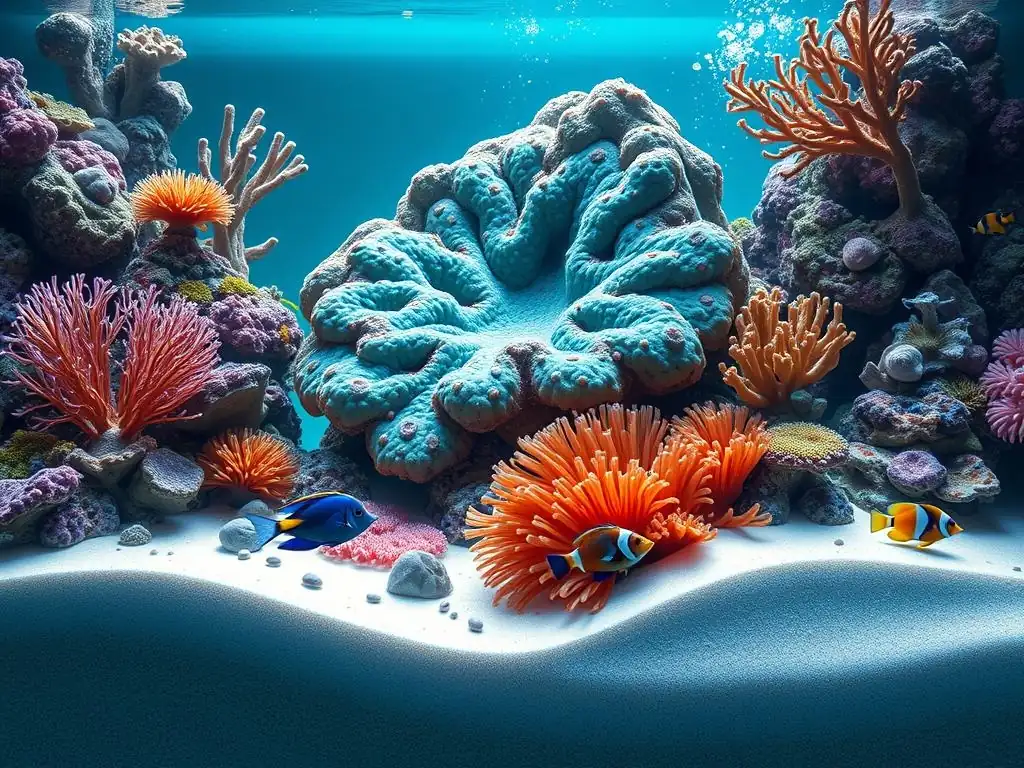
Welcome to PetCareWorld, your ultimate guide to the fascinating world of pet care! Are you ready to dive into the vibrant underwater world of saltwater aquariums? Our expert guide on saltwater aquarium reef aquascaping tips will unlock the secrets to creating a thriving, breathtaking reef tank, transforming your home into an aquatic paradise. Discover the artistry and science behind successful aquascaping – prepare to be amazed!
- Planning Your Saltwater Reef Aquarium Setup
- Aquascaping Your Saltwater Reef Tank: A Step-by-Step Guide
- Maintaining Your Saltwater Reef Aquarium: Water Parameters and Care
- Choosing the Right Inhabitants for Your Reef Tank
- Advanced Aquascaping Techniques for Saltwater Reef Tanks
- Troubleshooting Common Saltwater Aquascaping Challenges
-
Frequently Asked Questions
- What is aquascaping, and why is it important in a saltwater reef tank?
- What materials are commonly used for saltwater aquarium aquascaping?
- How do I create a natural-looking aquascape in my saltwater reef tank?
- What are some common mistakes to avoid when aquascaping a saltwater reef tank?
- How can I maintain my saltwater aquarium aquascape over time?
- Final Reflection: Cultivating Underwater Worlds: The Enduring Allure of Reef Aquascaping
- Unleash Your Inner Aquascaper: Dive Deeper into Reef Tank Design!
Planning Your Saltwater Reef Aquarium Setup
Creating a thriving saltwater reef aquarium is a rewarding but challenging endeavor. This comprehensive guide focuses on the aquascaping aspect, providing expert tips to help you design and build a beautiful and biodiverse reef tank. We'll cover everything from choosing the right tank size and location to selecting the perfect live rock and substrate, ensuring your saltwater aquarium becomes a stunning centerpiece and a healthy habitat for your marine life. This guide is specifically tailored for beginners and experienced aquarists alike, offering valuable insights and practical advice to achieve a successful and aesthetically pleasing reef aquascape.
Remember, patience and meticulous planning are key to creating a long-lasting and vibrant underwater world. Let's dive in! 🐠
Choosing the Right Saltwater Aquarium Tank Size and Location
The size and location of your saltwater aquarium are crucial initial decisions. Larger tanks offer greater stability and are less susceptible to drastic fluctuations in water parameters, making them ideal for complex reef ecosystems. However, bigger tanks also mean more equipment, higher costs, and greater maintenance demands.
Consider the following factors when choosing your tank size:
- Available space: Measure the area carefully, accounting for equipment placement (sump, filters, etc.) and access for maintenance.
- Budget: Larger tanks require more investment in equipment and substrate.
- Experience level: Beginners might find smaller tanks easier to manage initially.
- Desired inhabitants: The number and size of fish and corals will dictate the minimum tank volume.
Tank Size Recommendations
Generally, a minimum of 20 gallons is recommended for a beginner reef tank, while experienced aquarists often start with 55 gallons or more. Larger tanks (75 gallons and above) offer better stability and allow for more diverse reef ecosystems.
Location is also vital. Avoid placing your tank in direct sunlight to prevent algae blooms and excessive heat. Ensure the location provides stable temperatures, minimizing drastic fluctuations which can negatively impact your reef's inhabitants. Consider proximity to power outlets and water sources for easier maintenance. Finally, ensure the surface is sturdy enough to support the weight of a full tank, which can be significantly heavy.
Essential Equipment for a Thriving Reef Tank: Filters, Pumps, and Lighting
Setting up a saltwater reef tank requires specialized equipment to maintain optimal water quality and provide the necessary environment for coral growth. The core components include efficient filtration, powerful circulation pumps, and appropriate lighting.
| Equipment Category | Essential Items | Importance |
|---|---|---|
| Filtration | Protein skimmer, mechanical filter, chemical filtration | Removes waste, maintains water clarity, and prevents the buildup of harmful substances. |
| Circulation | Powerheads, wavemakers | Creates water flow, essential for oxygenation and waste removal. |
| Lighting | LED lighting (various spectrums) | Provides the necessary light for coral growth and photosynthesis. |
Selecting the right equipment is crucial. A high-quality protein skimmer effectively removes organic waste, while powerful circulation pumps ensure adequate water flow throughout the tank. The lighting system must provide the correct spectrum and intensity to support the photosynthetic needs of your corals. Researching and choosing the appropriate equipment for your tank size and inhabitants is essential for a healthy and thriving reef. Underestimating the importance of proper equipment can lead to significant problems down the line.
Selecting Live Rock and Substrate for Your Reef Aquascape
Live rock and substrate form the foundation of your reef aquascape, providing biological filtration and a natural habitat for your marine life. Live rock, teeming with beneficial bacteria, is essential for establishing a stable nitrogen cycle. The substrate, typically aragonite sand, provides a base for your live rock and corals, and contributes to the overall aesthetic appeal of the tank.
The selection of live rock and substrate significantly impacts the overall health and appearance of your reef tank. Consider the following:
- Live rock type: Choose high-quality live rock with plenty of crevices and surface area for bacterial colonization. Avoid rocks with excessive amounts of unwanted organisms.
- Substrate type and depth: Aragonite sand is commonly used, with a depth of 1-2 inches generally sufficient. The depth can be adjusted based on the intended inhabitants and aquascaping style.
- Placement and arrangement: Carefully arrange the live rock to create a visually appealing and functional reef structure, ensuring adequate water flow around all elements.
Remember, meticulous planning and selection of live rock and substrate are vital for establishing a healthy and aesthetically pleasing reef aquascape. A balanced ecosystem will thrive for years to come, providing a captivating underwater world within your home.
Aquascaping Your Saltwater Reef Tank: A Step-by-Step Guide
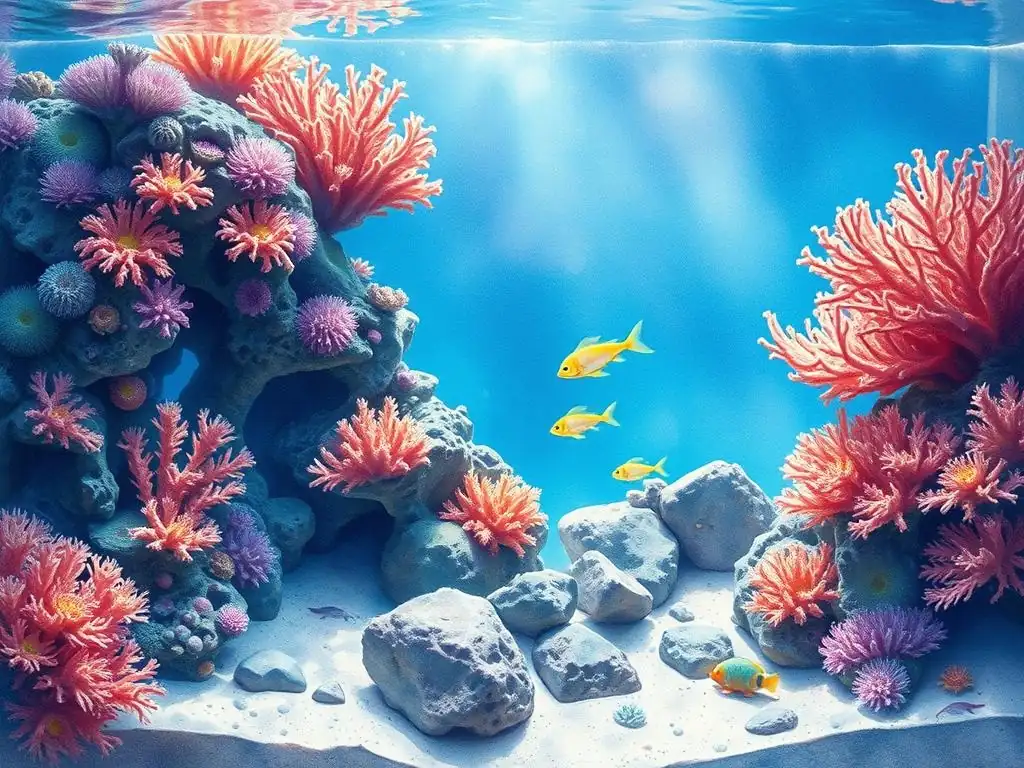
This section details the crucial steps involved in aquascaping your saltwater reef tank, transforming it from a sterile environment into a thriving, aesthetically pleasing underwater ecosystem. Remember, proper aquascaping is vital not only for the visual appeal of your saltwater aquarium but also for the health and well-being of your marine inhabitants. These tips will guide you through creating a natural and functional reef environment. Careful planning and execution are key to successful saltwater aquarium reef aquascaping.
Step 1: Creating a Foundation with Live Rock and Substrate
The foundation of any successful reef tank lies in the careful selection and placement of live rock and substrate. Live rock, teeming with beneficial bacteria, provides essential biological filtration and creates a natural habitat for your marine life. Choosing the right type and amount is critical.
Consider the size of your tank. A larger tank allows for more elaborate aquascaping and a greater volume of live rock. For example, a 75-gallon tank might comfortably accommodate 20-30 pounds of live rock, while a smaller 20-gallon tank would require significantly less. Always aim for a balance; too little live rock may hinder biological filtration, while too much can restrict water flow and create dead zones.
The type of live rock also matters. Look for live rock with a variety of shapes, textures, and crevices to provide ample hiding places and surface area for beneficial bacteria colonization. Avoid live rock that appears overly bleached or has a significant amount of algae already present, as this can indicate poor quality. Inspect each piece carefully for any unwanted hitchhikers, such as unwanted invertebrates or algae.
Next, consider your substrate. Aragonite sand is a popular choice, providing a natural aesthetic and buffering capabilities to help maintain stable water parameters. The depth of the sand bed depends on your aquascaping design and the species you plan to keep; a deeper sand bed might be suitable for certain burrowing invertebrates. Ensure the sand is thoroughly rinsed before adding it to your tank to remove any dust or debris.
Step 2: Arranging Live Rock for Optimal Water Flow and Aesthetics
Arranging live rock is an art form. The goal is to create a visually appealing and functional structure that promotes water circulation and provides ample space for your corals and other inhabitants. Avoid creating solid walls of live rock, as this can restrict water flow and lead to dead zones with poor oxygenation.
Start by placing the largest pieces of live rock first, forming the base of your aquascape. Consider the overall shape and structure you want to achieve—perhaps a sloping reef, a series of caves, or a dramatic centerpiece. Leave plenty of open space for water to flow freely. Remember, water movement is essential for delivering oxygen and nutrients to your corals and other invertebrates.
Smaller pieces of live rock can then be added to fill in gaps and create a more natural, textured look. Think about creating caves and overhangs to provide shelter for shy creatures. Avoid stacking live rock too high, as this could create instability and potentially cause damage to your tank. The goal is a visually stunning and biologically functional arrangement. Regular observation and adjustments might be needed in the initial weeks to ensure proper water flow and stability of the structure.
Step 3: Adding Sand and Substrate for a Natural Look
Once the live rock structure is in place, carefully add your chosen substrate. Begin by gently pouring the sand into the tank, avoiding creating large clouds of sediment that could harm your newly established live rock. Work slowly and methodically, allowing the sand to settle naturally around the base of the rock formations. A gradual approach minimizes disruption to the water parameters and prevents the smothering of beneficial bacteria.
The depth of your sand bed is a matter of personal preference and depends on the species you plan to keep. However, avoid excessively deep sand beds, as they can create anaerobic conditions in the lower layers. A layer of 1-3 inches is generally sufficient for most reef tanks. You might consider using a fine-grained sand for a more natural look and to reduce the likelihood of stirring up sediment with water movement.
The final touch is to ensure the substrate is evenly distributed and complements the overall aesthetic of your live rock arrangement. This creates a harmonious and natural-looking underwater world for your marine inhabitants. Remember, patience and attention to detail are key to creating a truly stunning saltwater aquarium reef.
Step 4: Planting Corals and Other Invertebrates Strategically
Planting corals and invertebrates is crucial for a thriving and visually appealing reef tank. This isn't simply about randomly placing them; strategic placement enhances the overall aesthetic and ensures the well-being of your inhabitants. Consider both the coral's specific needs and its visual impact on the overall aquascape. Some corals require higher light intensity, while others prefer shaded areas. Placement also impacts water flow; some corals thrive in areas with strong currents, while others need calmer environments. Before introducing any coral, thoroughly research its individual requirements.
Understanding coral growth patterns is also essential. Fast-growing corals should be placed strategically to avoid overcrowding slower-growing species. For example, a rapidly growing Acropora should not be positioned near a delicate Montipora, as its expansion could smother the slower-growing variety. This careful planning prevents future conflicts and ensures a balanced, harmonious reef environment.
When introducing invertebrates like shrimps, snails, and crabs, consider their roles within the ecosystem. Cleaner shrimps, for instance, should be placed in areas with good visibility and access to other tank inhabitants, while snails are often placed near areas prone to algae buildup. This strategic positioning helps maintain the overall health and cleanliness of the aquarium. Remember, overstocking can lead to competition for resources and stress among your invertebrates. Therefore, careful consideration of population density is vital for their well-being and the success of your aquascape.
Moreover, the placement of your invertebrates can significantly enhance the visual appeal of your reef tank. Strategically positioning colorful invertebrates among the corals creates a visually stunning and dynamic ecosystem. For example, placing vibrant cleaner shrimps near a cluster of bright corals can significantly boost the aesthetic appeal.
Think of it as creating focal points and visual layers within your aquascape, enhancing the overall impact of your reef tank. Careful planning and observation are key to achieving a balanced and beautiful display. Remember to observe your invertebrates and corals closely after introduction and make adjustments as needed to ensure their optimal health and thriving coexistence.
Maintaining Your Saltwater Reef Aquarium: Water Parameters and Care
Maintaining a thriving saltwater reef aquarium requires diligent monitoring and maintenance of several key water parameters. Neglecting these crucial aspects can lead to a cascade of problems, impacting the health and survival of your delicate coral and fish inhabitants. This section focuses on the essential elements of saltwater aquarium upkeep, offering practical tips for achieving and sustaining optimal water conditions for your reef aquascaping project. Success in saltwater aquarium reef aquascaping hinges on consistent attention to detail in this area.
Monitoring Water Parameters: Salinity, Temperature, and pH Levels
Precise monitoring of salinity, temperature, and pH levels is paramount for a healthy saltwater reef ecosystem. Fluctuations in these parameters can stress your inhabitants, leading to disease and even death. Regular testing using reliable testing kits is essential. Aim for consistent salinity levels within the recommended range for your specific species (typically between 1.024 and 1.026 specific gravity).
Maintaining a stable temperature, usually between 76°F and 78°F (24°C and 26°C), is also crucial. Significant temperature swings can shock your reef inhabitants. Finally, the pH level should remain within a narrow range of 8.1 to 8.4. Regular testing and adjustments, using appropriate buffers, are necessary to maintain stability.
Consider investing in a reliable automatic monitoring system. These systems provide continuous readings and alerts for any significant deviations from your target parameters. This proactive approach can prevent minor fluctuations from escalating into major problems. Remember, even small, seemingly insignificant changes can accumulate over time and negatively impact the health of your reef. Regular, consistent monitoring is key to proactive reef aquascaping. Proactive monitoring is a cornerstone of successful saltwater aquarium reef aquascaping tips.
Regular Water Changes for a Healthy Reef Ecosystem
Regular water changes are a fundamental aspect of saltwater aquarium maintenance, crucial for removing accumulated waste products and maintaining water quality. These changes help to replenish essential minerals and trace elements that are gradually depleted over time. The frequency of water changes depends on several factors, including the size of your aquarium, the number of inhabitants, and the filtration system. However, a general guideline is to perform a 10-20% water change every 1-2 weeks. Larger aquariums might require less frequent, but larger, water changes.
Before performing a water change, prepare new saltwater using a high-quality salt mix and distilled or reverse osmosis (RO) water. Ensure that the new water is at the same temperature and salinity as the existing aquarium water to avoid shocking your inhabitants. Careful and gradual replacement of the old water is essential to prevent drastic changes in water parameters. This process contributes significantly to the long-term health and stability of your reef ecosystem. Regular water changes are an often-overlooked yet vital component of successful saltwater aquarium reef aquascaping.
Dealing with Algae and Other Common Saltwater Aquarium Problems
Algae growth is a common occurrence in saltwater aquariums, often a sign of nutrient imbalances. Different types of algae thrive under different conditions, so identifying the specific type is important for effective treatment. Excessive nutrient levels, often due to overfeeding or insufficient filtration, fuel algae growth. Regular maintenance, including careful feeding practices and efficient filtration, helps prevent algae blooms. Manual removal of algae using appropriate tools is often necessary, but addressing the underlying nutrient imbalance is crucial for long-term control.
Other common problems include outbreaks of parasitic infections or diseases among your inhabitants. These can be caused by poor water quality, stress, or the introduction of infected specimens. Careful quarantine of new additions is highly recommended. Prompt identification and treatment, often requiring specific medications, is necessary to prevent the spread of disease. Maintaining optimal water parameters and a stable environment significantly reduces the risk of these issues. Careful attention to detail and proactive management are essential for successful saltwater aquarium reef aquascaping. Remember, a healthy reef is a balanced reef.
Choosing the Right Inhabitants for Your Reef Tank
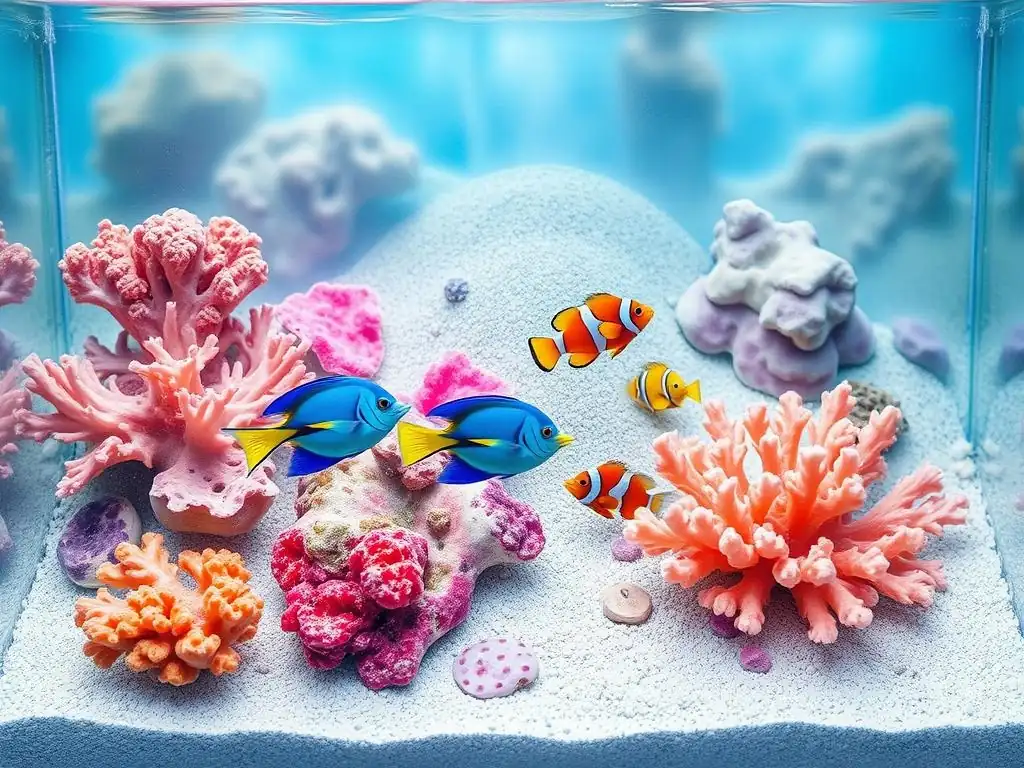
Selecting the perfect inhabitants for your saltwater aquarium is crucial for a thriving and visually appealing reef aquascape. Careful planning, considering compatibility and the tank's size and parameters, is essential to avoid problems down the line. Ignoring this critical step can lead to aggression, disease, and ultimately, the death of your aquatic pets. Remember, a successful reef tank is a balanced ecosystem.
Selecting Compatible Fish for Your Reef Aquascape
Choosing fish for your reef tank requires careful consideration of their temperament, size, and dietary needs. Aggression is a common problem in reef tanks, especially when introducing fish that aren't naturally compatible. For example, placing a large, territorial fish like a lionfish alongside smaller, peaceful species will almost certainly result in conflict. Research is key! Before adding any fish, thoroughly investigate their specific requirements and compatibility with your existing inhabitants.
Consider the following factors when selecting fish:
- Tank Size: Larger tanks offer more space and reduce the likelihood of territorial disputes. Overstocking is a common mistake among beginners; ensure you have enough space for all your fish to thrive.
- Temperament: Categorize fish as peaceful, semi-aggressive, or aggressive. Mixing aggressive and peaceful species is generally a recipe for disaster.
- Diet: Some fish require specialized diets, which might be difficult to maintain in a reef tank. Ensure you can provide appropriate nutrition for all your chosen inhabitants.
- Water Parameters: Different fish species have different tolerances for water temperature, salinity, and pH levels. Maintain stable and appropriate parameters for the species you choose.
A good rule of thumb is to start with a few hardy and compatible species, gradually adding more fish as your tank matures and establishes a stable ecosystem. Observe your fish carefully after introduction for any signs of stress or aggression. Quick action is vital if conflict arises.
Introducing Invertebrates: Snails, Shrimp, and Crabs
Invertebrates play a vital role in maintaining the cleanliness and health of your reef tank. Snails, shrimp, and crabs are excellent additions, acting as natural cleaners and contributing to the overall biodiversity of your aquascape. However, selecting the right invertebrates is just as important as choosing the correct fish.
Here's a breakdown of popular choices and their roles:
| Invertebrate Type | Role in the Reef Tank | Potential Considerations |
|---|---|---|
| Snails (e.g., Trochus, Turbo) | Algae control, waste removal | Size and species compatibility; some can be aggressive |
| Shrimp (e.g., Cleaner Shrimp, Peppermint Shrimp) | Parasite removal, algae control | Ensure compatibility with other invertebrates and fish |
| Crabs (e.g., Mithrax Crab, Scarlet Hermit Crab) | Algae control, waste removal, scavenging | Potential for aggression towards other invertebrates |
Remember that some invertebrates can be predatory towards others. For instance, certain crabs might prey on smaller snails or shrimp. Research the specific needs and behaviors of your chosen invertebrates before introducing them to your reef tank. Proper research ensures a harmonious and balanced reef community. Avoid overcrowding, as this can lead to increased competition for resources and stress among your inhabitants.
Coral Selection: Hard and Soft Corals for Your Reef Tank
Corals are the centerpiece of any reef aquascape, adding vibrant color, texture, and biodiversity. Choosing the right corals is essential for creating a thriving and visually stunning reef tank. However, not all corals are created equal. Some are more sensitive to changes in water parameters than others, and some can be aggressive towards neighboring corals.
Consider these factors when selecting corals:
- Lighting Requirements: Different corals require different light intensities and spectrums. Ensure your lighting system can meet the needs of your chosen corals.
- Water Flow: Water movement is crucial for delivering nutrients and removing waste from corals. Choose corals that are compatible with your tank's flow rate.
- Placement: Consider the size and growth habits of your corals when selecting their placement in the tank. Avoid overcrowding and allow adequate space for growth.
- Hard vs. Soft Corals: Hard corals (like LPS and SPS) generally require more specific water parameters and lighting than soft corals (like mushrooms and zoanthids). Beginners often find soft corals easier to maintain.
Remember that corals are living organisms with complex needs. Provide stable water parameters, adequate lighting, and appropriate water flow to ensure their health and longevity. Research the specific requirements of each coral species before introducing it to your reef tank. A well-planned coral selection contributes significantly to the overall success and beauty of your saltwater aquarium reef aquascaping project. Careful attention to detail will reward you with a thriving and visually stunning underwater world.
Advanced Aquascaping Techniques for Saltwater Reef Tanks
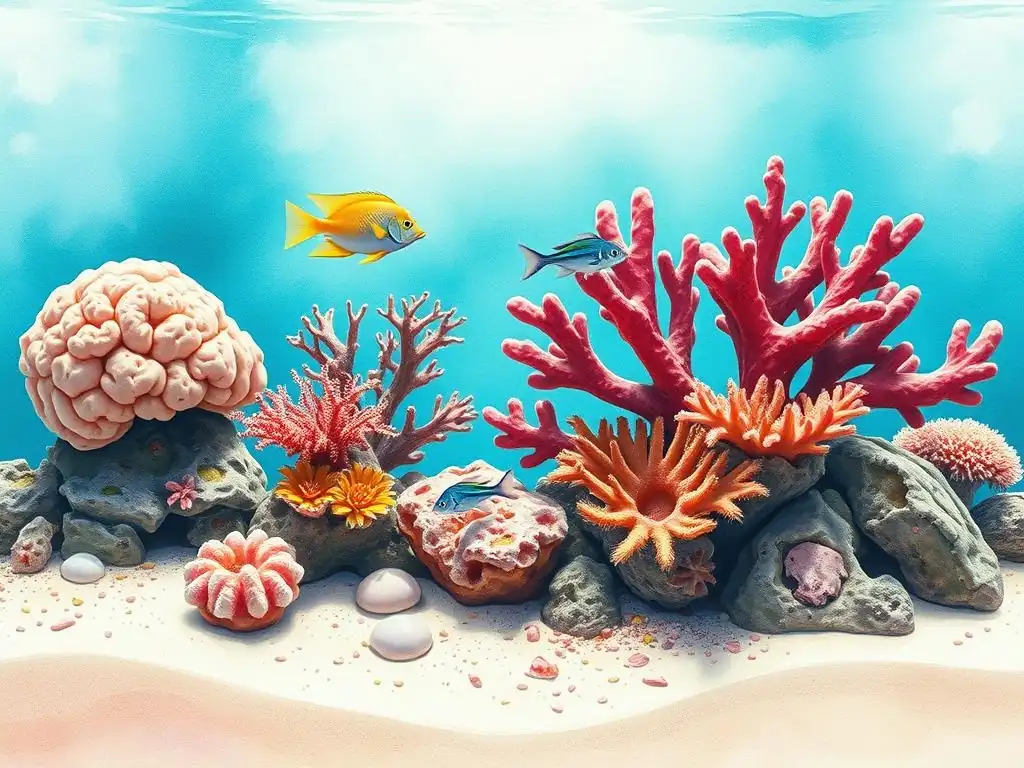
This section delves into sophisticated techniques to elevate your saltwater aquarium aquascaping beyond the basics, transforming your reef tank into a captivating underwater landscape. We'll explore methods to create depth, utilize color and texture contrasts, and thoughtfully incorporate artificial elements to achieve a truly stunning and natural-looking reef environment. Remember, even small details significantly impact the overall visual appeal and the health of your reef ecosystem. Proper aquascaping not only enhances aesthetics but also provides crucial living spaces for your corals and other inhabitants.
Creating Depth and Dimension in Your Reef Aquascape
Achieving a sense of depth in your saltwater aquarium is crucial for a realistic and visually engaging reef. It’s about more than just placing rocks; it's about creating a three-dimensional environment that mimics the natural complexities of a coral reef. This involves strategically layering your hardscape (rocks and corals) to create visual pathways and focal points.
Consider these key strategies:
- Varying heights and rock placement: Avoid uniform heights. Create a natural-looking, uneven landscape with peaks and valleys. Use larger rocks at the back and progressively smaller ones towards the front, drawing the eye into the tank. Think of it as creating a miniature mountain range.
- Strategic placement of coral: Don't just scatter corals randomly. Place them in groups to create visual clusters, mimicking natural coral formations. Leave open spaces to provide swimming areas for your fish and to avoid overcrowding.
- Utilizing negative space: Empty space is just as important as filled space. Don't feel compelled to fill every nook and cranny. Negative space helps create depth and allows the eye to rest, preventing visual clutter. This is a key element often overlooked in beginner saltwater aquarium reef aquascaping tips.
- Using perspective: Employing forced perspective can enhance the sense of depth. Placing larger rocks closer to the viewer and smaller ones further away creates the illusion of distance. This principle is fundamental to creating a compelling and believable underwater world.
- Substrate manipulation: The substrate, or sand bed, plays a vital role in creating depth. Varying the sand depth, creating slopes, and even adding small caves or crevices within the sand can add another layer of complexity and visual interest. A carefully sculpted sand bed can beautifully complement the hardscape, enhancing the overall depth perception.
Using Different Coral Colors and Textures for Visual Appeal
Coral selection is paramount for a vibrant and engaging reef tank. The beauty of a reef lies not just in the individual corals but in their collective interplay of colors and textures. Choosing corals with complementary colors and contrasting textures creates a dynamic and visually stunning display.
Consider these points:
- Color harmony and contrast: Select corals with a variety of colors, but strive for a cohesive color palette. Consider using a color wheel to guide your choices. Strategic use of complementary colors (opposite each other on the color wheel) can create striking visual effects. Conversely, analogous colors (adjacent on the color wheel) can create a more harmonious and soothing look.
- Textural variation: Don't restrict yourself to corals of a single texture. Combine branching corals, encrusting corals, and massive corals to create a diverse and visually interesting landscape. This textural contrast adds depth and prevents the reef from looking monotonous.
- Avoiding overcrowding: While variety is crucial, avoid overcrowding the tank. Give each coral sufficient space to grow and flourish. Overcrowding can lead to competition for resources and negatively impact the health of your corals. This is a critical aspect often missed in many saltwater aquarium reef aquascaping tips guides.
- Species compatibility: Ensure that the corals you choose are compatible with each other and with the other inhabitants of your tank. Some corals may be aggressive and compete for space or resources. Research the specific needs of each coral species before adding it to your reef.
Incorporating Artificial Elements for Enhanced Aesthetics
While a natural look is often desired, carefully selected artificial elements can enhance the aesthetic appeal of your saltwater aquarium without compromising the health of its inhabitants. These elements can add depth, create visual interest, and even provide shelter for shy fish.
Here are some examples:
- Artificial rock structures: High-quality artificial rocks can supplement or even replace live rock in certain areas, allowing for more creative hardscape designs. Choose rocks that closely mimic the appearance of natural rock formations and are made of reef-safe materials.
- Shipwrecks or other decorative pieces: Subtle additions like small, appropriately scaled shipwrecks or other decorative pieces can add a unique focal point and enhance the overall narrative of your reef. However, ensure these additions are reef-safe and do not release harmful chemicals into the water.
- Subtle lighting effects: Strategic placement of aquarium lighting can highlight certain areas of the reef and create a more dramatic visual impact. This can emphasize the texture and color of your corals and enhance the overall ambiance of the tank.
- Careful consideration: Remember, less is often more. Overuse of artificial elements can detract from the natural beauty of the reef. Choose elements carefully and consider their impact on the overall visual balance of your aquascape. The goal is to enhance, not overwhelm, the natural beauty of your saltwater aquarium. This subtle approach is often overlooked in many basic saltwater aquarium reef aquascaping tips.
Troubleshooting Common Saltwater Aquascaping Challenges
This section addresses frequently encountered problems when aquascaping a saltwater reef tank, offering practical solutions to maintain a thriving and aesthetically pleasing environment for your marine life. Success in saltwater aquascaping requires meticulous attention to detail and proactive problem-solving. Let's dive into some common challenges and how to overcome them.
Dealing with Algae Overgrowth in Your Reef Tank
Algae overgrowth is a common issue in saltwater aquariums, often stemming from nutrient imbalances. Excessive nutrients, such as nitrates and phosphates, fuel algae blooms, quickly turning a beautiful reef into a green, brown, or red mess. The key to preventing and controlling algae is maintaining proper water parameters and implementing effective algae control strategies.
Several factors contribute to algae blooms:
- Excessive lighting: Too much light, or the wrong type of light, can stimulate excessive algae growth. Consider adjusting the photoperiod (light cycle) or the intensity of your lighting.
- High nutrient levels: Overfeeding, inadequate filtration, and insufficient water changes all contribute to elevated nutrient levels. Regular water changes (at least 10-15% weekly) are crucial for maintaining water quality and preventing nutrient buildup. Invest in efficient protein skimmers to remove dissolved organic waste.
- Insufficient grazing: Certain invertebrates, like snails, sea urchins, and certain types of shrimp, naturally graze on algae. Introducing these beneficial creatures can help control algae populations naturally. However, ensure that the chosen species are compatible with your existing tank inhabitants.
- Lack of competition: Fast-growing corals can out-compete algae for nutrients. A well-established reef tank with a diverse range of healthy corals will naturally suppress algae growth.
To combat existing algae overgrowth, you can try the following:
- Manual removal: For small amounts of algae, regular manual removal with algae scrapers and cleaning tools can be effective.
- Targeted algae control: Specific algae species respond differently to various treatments. Research the type of algae you have and choose the most appropriate method for removal.
- Adjusting water parameters: Regular testing and adjustments of water parameters, including nitrates, phosphates, and salinity, are crucial for maintaining a balanced ecosystem that discourages algae growth.
Addressing Problems with Water Parameters and Stability
Maintaining stable water parameters is paramount to the health of your reef tank inhabitants and the success of your aquascaping efforts. Fluctuations in salinity, temperature, pH, ammonia, nitrite, and nitrate levels can stress your organisms, leading to disease and even death. Consistent monitoring and timely intervention are key.
Here's a breakdown of common water parameter issues and solutions:
| Parameter | Ideal Range | Problem Indicators | Solutions |
|---|---|---|---|
| Salinity | 1.024 - 1.026 specific gravity | Lethargy, loss of appetite, unusual behavior in fish | Regular salinity testing and adjustments with appropriate saltwater mixes. |
| Temperature | 76-82°F (24-28°C) | Coral bleaching, fish lethargy | Reliable aquarium heater and thermometer; avoid sudden temperature changes. |
| pH | 8.1 - 8.4 | Coral bleaching, stunted growth | Regular testing and adjustments with appropriate buffers. |
| Ammonia (NH3) | 0 ppm | Fish gasping for air, lethargy, cloudy water | Regular water changes, efficient filtration. |
| Nitrite (NO2) | 0 ppm | Fish gasping for air, lethargy, cloudy water | Efficient biological filtration, regular water changes. |
| Nitrate (NO3) | < 10 ppm | Algae blooms, stunted coral growth | Regular water changes, efficient filtration, protein skimming. |
Regular testing using a reliable test kit is crucial. Remember, prevention is better than cure; maintaining stable water parameters through regular maintenance significantly reduces the risk of problems.
Preventing and Treating Common Diseases in Reef Tank Inhabitants
Disease outbreaks in reef tanks can quickly devastate your carefully cultivated ecosystem. Proactive measures, such as quarantine for new additions, maintaining impeccable water quality, and providing a balanced diet, are crucial for disease prevention. Early detection and prompt treatment are key to successful management.
Some common diseases in reef tank inhabitants include:
- Ich (White Spot Disease): A parasitic infection characterized by small white spots on the fish's body. Treatment options include raising the water temperature and using medications specifically designed to treat Ich.
- Bacterial Infections: Often manifest as lesions, fin rot, or cloudy eyes. Treatment typically involves antibiotics, but accurate diagnosis is essential.
- Viral Infections: Unfortunately, viral infections are often difficult to treat. Prevention through quarantine and maintaining optimal water quality is critical.
- Coral Diseases: Various diseases can affect corals, including skeletal erosion and tissue necrosis. Maintaining optimal water quality and promptly addressing any signs of disease are important.
Remember that accurate diagnosis is crucial for effective treatment. Consult with a veterinarian experienced in aquatic animals or a knowledgeable reef tank specialist for proper diagnosis and treatment recommendations. Always quarantine new additions to your tank to prevent the introduction of pathogens. Maintaining a healthy and balanced ecosystem is your best defense against disease outbreaks. A proactive approach, combined with diligent monitoring, significantly reduces the risk of disease and helps maintain a thriving saltwater aquarium.
Frequently Asked Questions
What is aquascaping, and why is it important in a saltwater reef tank?
Aquascaping is the art of arranging rocks, corals, and other elements within your aquarium to create a visually appealing and natural-looking underwater landscape. It's important for both the aesthetic appeal and the overall health of your reef tank, providing crucial habitat for your marine life.
What materials are commonly used for saltwater aquarium aquascaping?
Common materials include live rock, which provides beneficial bacteria and structure, sand, which forms the substrate, and a variety of corals and other invertebrates. Careful selection of these materials is crucial for a thriving ecosystem.
How do I create a natural-looking aquascape in my saltwater reef tank?
Start by planning your layout; consider rock placement and flow patterns. Aim for a three-dimensional structure with caves and overhangs. Use a variety of rock sizes and shapes to create visual interest and depth.
What are some common mistakes to avoid when aquascaping a saltwater reef tank?
Avoid overcrowding your tank with too much rock or coral. Ensure proper water flow around all elements to prevent dead spots. Also, research the specific needs of your chosen corals and invertebrates to ensure compatibility.
How can I maintain my saltwater aquarium aquascape over time?
Regular water changes are vital for maintaining water quality. Algae control is necessary, as is monitoring for any signs of disease or pest infestations. Careful observation and timely intervention are key to long-term success.
Final Reflection: Cultivating Underwater Worlds: The Enduring Allure of Reef Aquascaping
The art of reef aquascaping isn't merely a hobby; it's a vibrant reflection of our innate desire to connect with the natural world, a desire increasingly crucial in our rapidly changing times. Creating these miniature ecosystems offers a tangible way to appreciate the delicate balance of nature and the beauty of biodiversity, a beauty often threatened in our oceans. The meticulous planning, patient observation, and ongoing commitment required highlight the responsibility we all share in protecting our planet's precious resources.
The impact of aquascaping extends beyond the individual tank; it fosters a community of passionate enthusiasts who share knowledge, inspire creativity, and collectively contribute to a deeper understanding of marine life. The sea, once it casts its spell, holds one in its net of wonder forever.
– Jacques Cousteau. This quote perfectly encapsulates the captivating power of the underwater world, a power that aquascaping helps us to both experience and share with others, fostering a sense of wonder and responsibility towards the oceans.
Now, consider your own space. Imagine the tranquility of a meticulously crafted reef tank, a living testament to your dedication and patience. What small piece of the ocean can you bring into your home? What species will you choose to nurture? More importantly, what will you learn about the interconnectedness of life through this immersive experience? Embrace the challenge, embrace the beauty, and embrace the responsibility of becoming a steward of these miniature underwater worlds. Let your aquascape be a testament to the wonder of the ocean and a reminder of our duty to protect it.
Unleash Your Inner Aquascaper: Dive Deeper into Reef Tank Design!
Thank you for exploring the exciting world of saltwater aquariums! We hope you've gained valuable insights into creating a thriving reef tank. Now it's time to put your knowledge into practice.
- Sketch your dream reef: Grab a pen and paper (or your favorite digital design tool) and design your ideal aquascape. Consider rock placement, coral species, and the overall aesthetic you'd like to achieve. Let your creativity flow!
- Share your vision: Post your aquascape design on social media and tag us @PetCareWorld – let's inspire each other!
- Explore local fish stores: Visit a local fish store to find the perfect fish and invertebrates, as well as the necessary supplies, to bring your reef tank to life. Don't hesitate to ask questions – knowledgeable staff are invaluable resources!
Ready to transform your vision into reality? What aspect of your dream aquascape are you most excited to bring to life?