
Saltwater Aquarium Setup: How to Choose the Right Substrate for Your Fish

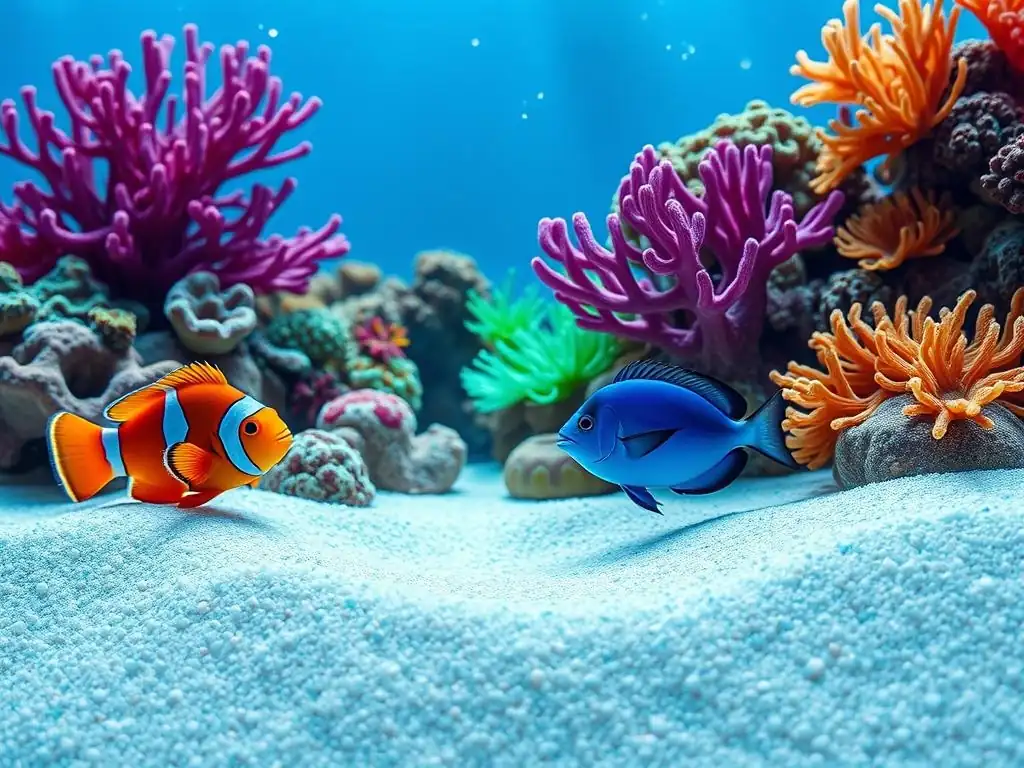
Welcome to PetCareWorld, your ultimate guide to the fascinating world of pet care! Are you ready to dive into the vibrant depths of a thriving saltwater aquarium? Choosing the right substrate is crucial for a healthy and beautiful marine ecosystem, and our expert guide on the best saltwater aquarium substrate will equip you with the knowledge you need to create an underwater paradise. Discover the secrets to selecting the perfect foundation for your aquatic companions and unlock the key to their flourishing environment. Let's explore!
- Understanding Saltwater Aquarium Substrates: A Comprehensive Guide
- Selecting the Optimal Saltwater Aquarium Substrate
- Setting Up Your Saltwater Aquarium with Chosen Substrate
- Troubleshooting Common Saltwater Aquarium Substrate Problems
- Long-Term Care and Maintenance of Your Saltwater Aquarium Substrate
- Frequently Asked Questions About Saltwater Aquarium Substrates
-
Frequently Asked Questions
- What is the best saltwater aquarium substrate?
- How much substrate should I use in my saltwater aquarium?
- What are the benefits of using live sand in a saltwater aquarium?
- Does the substrate type affect the pH of my saltwater aquarium?
- Can I use any type of sand from my local beach in my saltwater aquarium?
- Final Reflection: The Foundation of a Thriving Reef
- Unleash Your Inner Aquascape Artist!
Understanding Saltwater Aquarium Substrates: A Comprehensive Guide
Choosing the right substrate for your saltwater aquarium is a crucial step in creating a thriving and healthy environment for your marine life. The substrate isn't just a pretty base for your tank; it plays a vital role in maintaining water quality, supporting beneficial bacteria, and providing a natural habitat for your fish and invertebrates. This comprehensive guide will explore the importance of substrate selection and delve into the various types available, helping you choose the best saltwater aquarium substrate for your specific needs and the overall health of your aquatic ecosystem. We'll examine the properties, benefits, and drawbacks of popular options, enabling you to make an informed decision that contributes to a flourishing and visually appealing saltwater aquarium.
Setting up a successful saltwater aquarium requires careful planning, and understanding the nuances of substrate selection is paramount to its long-term success. Let's dive in! 🐠
The Importance of Substrate Choice in Saltwater Aquariums
The substrate in your saltwater aquarium serves several critical functions that directly impact the well-being of your aquatic inhabitants. It's more than just a decorative element; it's a foundational component of the entire ecosystem. A poorly chosen substrate can lead to a cascade of problems, including poor water quality, stunted coral growth, and even disease in your fish.
Firstly, the substrate plays a significant role in biological filtration. Beneficial bacteria, crucial for breaking down harmful waste products like ammonia and nitrite, colonize the substrate's surface and pores. Different substrates offer varying surface areas and porosity, directly affecting the capacity for bacterial colonization and, consequently, the efficiency of your biological filtration system.
Secondly, the substrate contributes to water chemistry. Some substrates can buffer pH levels, maintaining a stable and optimal environment for your marine life. Others may leach unwanted chemicals into the water, potentially harming your fish and invertebrates. Understanding the chemical properties of your chosen substrate is therefore essential.
Finally, the substrate influences the overall aesthetics of your aquarium. The color, texture, and particle size of the substrate can significantly impact the visual appeal of your tank, enhancing the natural beauty of your marine environment. Choosing a substrate that complements your aquarium's design and the coloration of your fish and corals is an important aspect of creating a visually stunning and harmonious underwater world.
Types of Saltwater Aquarium Substrates
Several types of substrates are available for saltwater aquariums, each with its own unique properties and suitability for different setups. The best choice depends on factors such as your budget, the type of marine life you plan to keep, and your desired aesthetic. Let's explore some of the most popular options:
Aragonite Sand: Benefits and Drawbacks
Aragonite sand is a popular choice for saltwater aquariums due to its appealing appearance and relatively stable pH buffering capabilities. It's composed of calcium carbonate, which can help maintain the appropriate alkalinity and pH levels necessary for many corals and invertebrates. However, aragonite sand can be relatively expensive compared to other options, and its fine particles can sometimes cloud the water initially. Furthermore, its buffering capacity is not unlimited and may require supplemental alkalinity adjustments over time.
Crushed Coral: Properties and Applications
Crushed coral is another common substrate option, offering a variety of particle sizes and colors. It's generally less expensive than aragonite sand and provides a good surface area for beneficial bacteria colonization. However, crushed coral can sometimes leach phosphates and other unwanted substances into the water, potentially causing algae blooms. Careful rinsing and testing are essential before using crushed coral in your aquarium.
Live Sand: Ecosystem Benefits and Considerations
Live sand is a unique substrate option that contains a thriving community of beneficial bacteria, micro-organisms, and other invertebrates. This established ecosystem significantly contributes to biological filtration and helps create a more stable and natural environment. However, live sand requires careful acclimation and can be more expensive than other substrates. It's also crucial to ensure that the live sand is properly cured before introducing it to your aquarium to avoid introducing unwanted pathogens.
Other Substrate Options: A Comparison
Beyond aragonite sand, crushed coral, and live sand, other substrate options exist, including specialized mixes designed for specific needs, such as those containing aragonite and other beneficial minerals. The selection will depend on your specific requirements and the overall goals for your aquarium. Careful research and comparison of different products are crucial to finding the best option for your unique setup. Consider factors like cost, particle size, buffering capacity, and potential leaching of unwanted substances when making your decision. Remember, a well-chosen substrate is a cornerstone of a healthy and thriving saltwater aquarium.
Selecting the Optimal Saltwater Aquarium Substrate
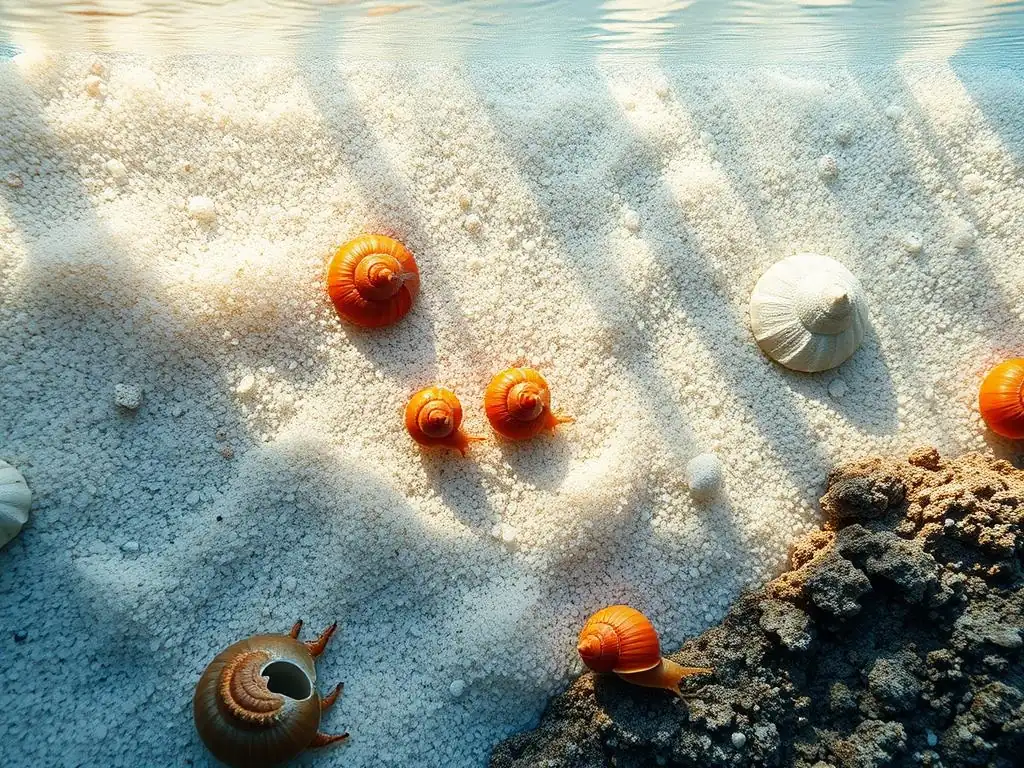
Choosing the right substrate is crucial for a thriving saltwater aquarium. The "best saltwater aquarium substrate" isn't a one-size-fits-all answer; the ideal choice depends on several factors, including your budget, tank size, the types of fish and invertebrates you plan to keep, and your desired aesthetic. This section will guide you through the process of making an informed decision, ensuring your marine ecosystem flourishes. We'll explore key considerations to help you select the perfect foundation for your underwater world. Remember, a well-chosen substrate contributes significantly to water quality, overall tank health, and the well-being of your aquatic inhabitants.
Substrate Selection Based on Inhabitants
The inhabitants of your saltwater aquarium significantly influence substrate selection. Different species have different needs. For example:
- Fish that burrow: Species like certain gobies and certain types of wrasses require a deep sand bed (DSB) for burrowing and foraging. A DSB, typically 4-6 inches deep, provides a habitat for beneficial bacteria and contributes to biological filtration. A finer-grained aragonite sand is generally preferred for burrowers to avoid injury.
- Invertebrates that require specific substrates: Some invertebrates, such as certain types of shrimps and snails, thrive in specific substrates. For example, some species prefer aragonite sand for its chemical properties and porous nature, while others might prefer a more stable, less shifting substrate. Research the specific needs of your chosen invertebrates before making your selection.
- Corals: If you plan to keep corals, you'll need to consider the substrate's impact on light penetration and water flow. A very deep sand bed might impede light penetration to lower levels, affecting coral growth. Conversely, a very fine substrate can become easily suspended in the water column, reducing water clarity. Aragonite substrate is a commonly used choice due to its ability to buffer pH and provide essential minerals.
- Sensitive Species: For sensitive species, such as certain anemones or delicate corals, a stable, less shifting substrate is vital. Consider a smaller grain size or a substrate with a more solid foundation.
Consider creating a table to summarize the substrate recommendations for different types of inhabitants:
| Inhabitant Type | Recommended Substrate | Notes |
|---|---|---|
| Burrowing Fish | Deep Sand Bed (4-6 inches) | Fine-grained aragonite sand preferred |
| Corals | Aragonite sand or crushed coral | Consider light penetration and water flow |
| Sensitive Invertebrates | Stable, less shifting substrate | Smaller grain size or solid foundation |
| General Reef Inhabitants | Aragonite sand | Provides essential minerals and buffers pH |
Substrate Choice Based on Tank Size and Design
Tank size and design play a crucial role in substrate selection. Larger tanks offer more flexibility, allowing for deeper sand beds and more complex substrate layering. Smaller tanks might necessitate shallower substrates or a different approach altogether.
- Tank Size: A larger tank (50 gallons or more) allows for a deeper sand bed (DSB), which provides increased biological filtration and habitat for beneficial bacteria. Smaller tanks might only accommodate a thin layer of substrate to avoid overcrowding and potential issues with oxygen depletion in the substrate.
- Tank Design: The design of your aquarium also influences the choice of substrate. A reef tank, for instance, might benefit from a visually appealing live sand substrate, while a fish-only tank might use a simpler, less expensive option. Consider the overall aesthetic you want to achieve. A carefully chosen substrate can significantly enhance the visual appeal of your aquarium.
- Substrate Depth: The depth of your substrate should be carefully considered. Too deep, and you risk oxygen depletion and anaerobic conditions. Too shallow, and you may not provide adequate habitat for certain species or sufficient biological filtration. The optimal depth varies based on tank size, inhabitants, and filtration system.
Budget and Maintenance Considerations for Various Substrates
Different substrates come with varying price points and maintenance requirements. Live sand, for example, is more expensive initially but requires less frequent cleaning. In contrast, cheaper options might necessitate more frequent water changes and cleaning to maintain water quality.
- Live Sand: Live sand is more expensive upfront but offers significant benefits, including established beneficial bacteria and a more natural environment. It's a great choice for reef tanks and systems with a biological filter. However, it requires a more established cycle before adding inhabitants.
- Aragonite Sand: Aragonite sand is a popular choice due to its buffering capacity and mineral content, beneficial for reef systems. It's relatively easy to maintain and comes in various grain sizes. It's a more cost-effective option than live sand.
- Crushed Coral: Crushed coral is a budget-friendly option, offering good porosity for beneficial bacteria. However, it can be prone to leaching minerals into the water, requiring careful monitoring of water parameters.
- Other Substrates: Various other substrates exist, including colored sands, gravels, and specialized mixes. Each has its own advantages and disadvantages concerning cost, maintenance, and suitability for specific inhabitants.
Remember to consider the long-term implications of your substrate choice. A well-chosen substrate will minimize maintenance and contribute significantly to the overall health and beauty of your saltwater aquarium. Careful planning upfront will save you time, money, and potential headaches down the line.
Setting Up Your Saltwater Aquarium with Chosen Substrate
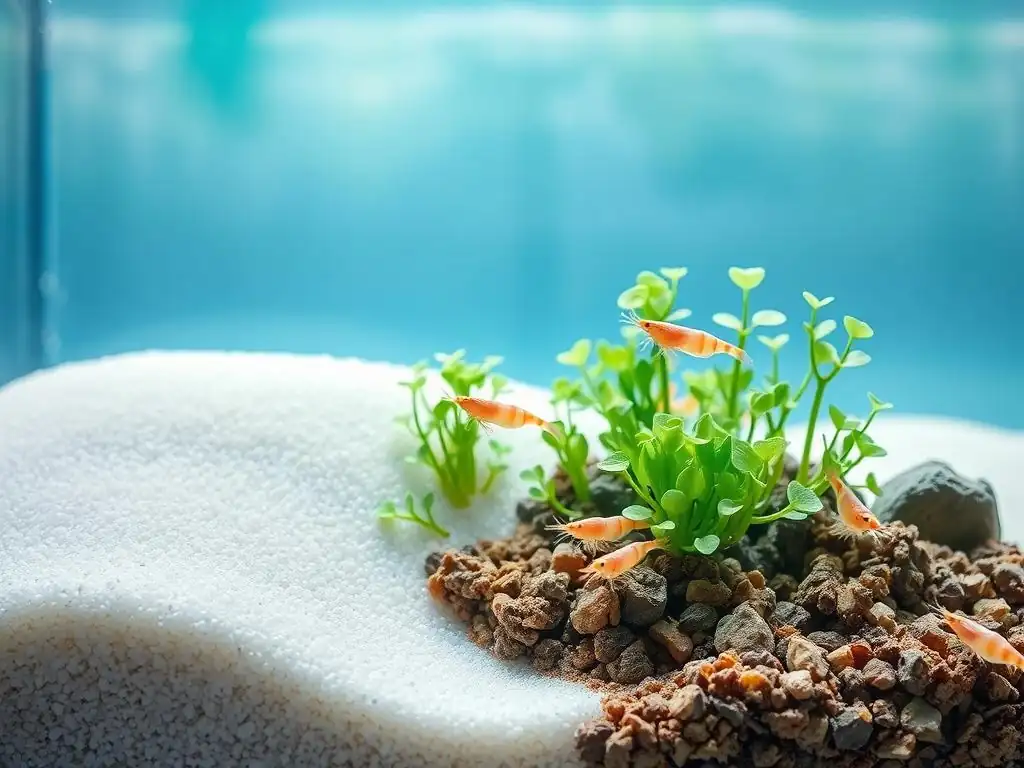
Choosing the best saltwater aquarium substrate is crucial for a thriving marine ecosystem. The substrate doesn't just provide a base for your aquarium; it plays a vital role in maintaining water parameters, supporting beneficial bacteria crucial for biological filtration, and providing a natural-looking environment for your fish and invertebrates. This section focuses on practical steps to ensure your chosen substrate contributes positively to your saltwater aquarium's health and aesthetics. We'll explore preparation, addition, and long-term maintenance to help you create the perfect underwater world.
Substrate Preparation for Use
Before introducing your chosen substrate to your new saltwater aquarium, thorough preparation is essential. This prevents cloudy water and minimizes the introduction of unwanted substances. Different substrates require different levels of preparation. For example:
- Live Sand: Live sand, teeming with beneficial bacteria, often requires rinsing to remove excess fine particles that could cloud the water. Gentle rinsing under cool, freshwater is recommended. Avoid vigorous agitation, as this can damage the beneficial bacteria. The goal is to remove debris, not the microorganisms themselves.
- Aragonite Sand: Aragonite sand, a popular choice for its buffering capacity, usually requires less preparation. A quick rinse to remove dust is sufficient. However, checking for any sharp edges or unusually large pieces is advisable to prevent potential harm to your aquarium inhabitants.
- Crushed Coral: Crushed coral provides a beautiful aesthetic and helps buffer pH levels. Rinse thoroughly to remove dust and any fine particles. Ensure that any sharp pieces are removed or smoothed before introduction.
The preparation process significantly impacts the initial clarity of your water. A poorly prepared substrate can lead to prolonged cloudiness, hindering the early establishment of your aquarium's ecosystem. Remember to always use freshwater for rinsing and avoid using tap water which may contain chlorine or chloramine harmful to marine life.
Adding Substrate to Your Saltwater Aquarium
Adding the substrate correctly ensures even distribution and prevents future problems. Here's a step-by-step guide:
- Gentle Introduction: Carefully pour the prepared substrate into your aquarium tank. Avoid dumping it from a height, which could disturb the bottom glass and create uneven distribution. A slow, controlled pour is key.
- Even Distribution: Use your hand or a clean utensil to gently spread the substrate evenly across the bottom of the tank. Aim for a consistent depth throughout; this is particularly important if you are using multiple types of substrates or layering them.
- Avoid Disturbance: Once the substrate is in place, avoid any unnecessary disturbance. This helps the beneficial bacteria to colonize and establish a healthy biological filtration system. Any significant disturbance after the initial setup can lead to a spike in ammonia and nitrite levels, potentially harming your marine life.
- Careful Placement of Rocks and Decor: Once the substrate settles, carefully place any rocks, coral, or other decorations. Avoid excessive digging or shifting of the substrate.
Proper substrate addition lays the foundation for a visually appealing and ecologically balanced aquarium. Consider the depth of your substrate based on the needs of your chosen inhabitants. Some species may require deeper substrate for burrowing. Always research the specific requirements of your fish and invertebrates before making a decision.
Maintaining Your Saltwater Aquarium Substrate
Maintaining a clean and healthy substrate is crucial for a thriving saltwater aquarium. This involves several key practices:
| Maintenance Task | Frequency | Importance |
|---|---|---|
| Regular Water Changes | Weekly or Bi-weekly | Removes waste products and maintains optimal water parameters. |
| Siphoning Waste | As needed | Removes accumulated debris and uneaten food from the substrate. |
| Avoid Overfeeding | Always | Reduces the amount of waste produced, minimizing substrate contamination. |
| Monitoring Water Parameters | Regularly | Ensures optimal conditions for beneficial bacteria and marine life. |
Regular maintenance prevents the buildup of harmful substances and ensures a healthy environment for your fish and invertebrates. The frequency of each task will depend on the size of your aquarium, the number of inhabitants, and the type of substrate used. Regular monitoring of water parameters (ammonia, nitrite, nitrate, pH) will provide valuable insights into the health of your aquarium's ecosystem and the effectiveness of your substrate maintenance. Remember, a healthy substrate is the cornerstone of a successful saltwater aquarium.
By following these steps, you can create and maintain a thriving underwater world for years to come. The key is consistency and attention to detail. 🐠
Troubleshooting Common Saltwater Aquarium Substrate Problems
This section addresses common issues encountered when setting up and maintaining a saltwater aquarium with a new substrate. Choosing the best saltwater aquarium substrate is crucial, but even with the best selection, problems can arise. Understanding how to troubleshoot these issues is key to maintaining a healthy and thriving aquarium environment for your marine life. We'll examine specific problems and provide practical solutions to help you achieve a pristine and stable aquatic ecosystem.
Addressing Cloudy Water After Substrate Addition
Cloudy water after adding new substrate is a frequently reported issue. This cloudiness, often referred to as a "substrate bloom," is usually caused by the release of particulate matter, such as dust, silt, or decaying organic matter, from the substrate itself. This material suspends in the water column, reducing clarity and potentially harming your fish.
Several steps can effectively address this problem:
- Patience: In many cases, a gentle water circulation will resolve the issue within a few days to a week. Avoid excessive water changes during this period, as this can actually prolong the cloudiness.
- Mechanical Filtration: Ensure your mechanical filtration system (e.g., filter floss, filter pads) is functioning optimally. These filters will trap much of the suspended particulate matter. Consider adding extra filter media if necessary.
- Chemical Filtration: While not always necessary, chemical filtration, using activated carbon, can help remove dissolved organic compounds that contribute to cloudiness. However, use activated carbon sparingly, as it can also remove beneficial trace elements.
- Water Changes (Sparingly): Only perform small, partial water changes (10-15%) if the cloudiness persists for an extended period (more than a week). Larger water changes can stress your fish and disrupt the delicate balance of your aquarium.
Remember, a best saltwater aquarium substrate will minimize this issue, but understanding proactive and reactive steps is critical.
Managing Excess Waste Buildup in Substrate
The substrate in a saltwater aquarium serves as a biological filter, hosting beneficial bacteria that break down waste products. However, excessive waste buildup can lead to ammonia and nitrite spikes, creating a toxic environment for your marine life. This is especially true with substrates that don't allow for sufficient water flow.
Here's how to manage excess waste:
- Regular Water Changes: Scheduled, partial water changes (10-20% weekly or bi-weekly) are essential to remove dissolved waste products. This is a crucial part of maintaining a healthy aquarium environment.
- Substrate Cleaning: Depending on your substrate type, you may need to perform occasional siphoning or vacuuming to remove accumulated debris from the substrate bed. Avoid excessive disturbance to prevent damaging beneficial bacteria.
- Proper Stocking: Overstocking your aquarium increases the amount of waste produced, putting extra strain on the biological filtration. Research appropriate stocking levels for your chosen fish and invertebrates before introducing them to your tank.
- Choose a suitable substrate: Some substrates are better at managing waste than others. Research thoroughly before choosing the best saltwater aquarium substrate for your needs, considering factors like grain size and porosity. A well-chosen substrate can help minimize excess waste buildup.
Resolving Substrate Shifting and Uneven Distribution
Uneven substrate distribution and shifting can disrupt water flow, create dead spots, and negatively impact the overall aesthetics of your aquarium. This is particularly problematic in aquariums with strong currents.
Here's how to address these issues:
| Problem | Solution |
|---|---|
| Shifting Substrate | Use a finer-grained substrate or add a layer of fine sand underneath. |
| Uneven Distribution | Carefully rearrange the substrate during setup or use a leveling tool. |
| Localized Depressions | Gently add more substrate to fill any low spots, ensuring even distribution. |
Remember that careful planning and attention to detail during the initial setup phase are crucial in preventing these problems. Choosing the right substrate and carefully placing it is fundamental to long-term success. Selecting the best saltwater aquarium substrate is only half the battle; understanding how to manage potential problems is equally important. Careful observation and proactive maintenance will ensure a thriving saltwater aquarium for years to come. 🐠
Long-Term Care and Maintenance of Your Saltwater Aquarium Substrate
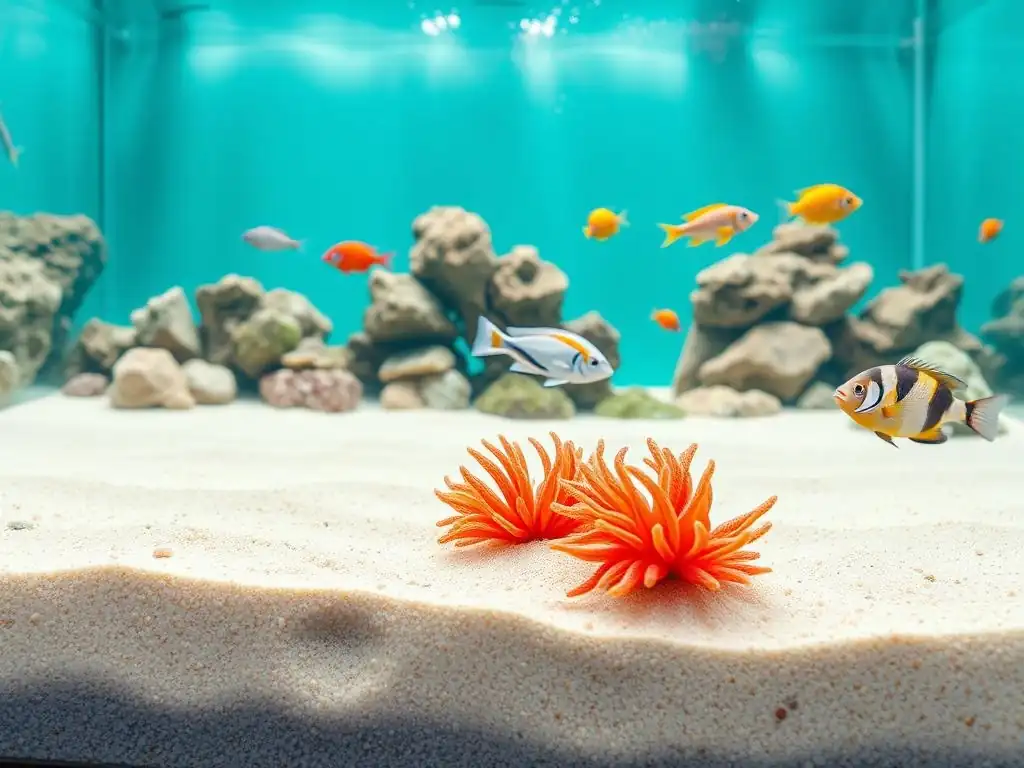
Choosing the best saltwater aquarium substrate is only half the battle. Long-term care and maintenance are crucial for maintaining a thriving and healthy aquarium environment for your fish. Neglecting this aspect can lead to a build-up of harmful substances, impacting water quality and the overall well-being of your aquatic life. This section details the ongoing care needed to keep your substrate performing optimally and your saltwater aquarium flourishing. Regular maintenance prevents costly problems down the line, ensuring your investment in your marine ecosystem pays off in the long run.
Regular Water Testing and Adjustments
Regular water testing is paramount for maintaining a healthy saltwater aquarium. This isn't just about checking the overall salinity; it involves monitoring key parameters like ammonia (NH₃), nitrite (NO₂⁻), and nitrate (NO₃⁻) levels. These are crucial indicators of the nitrogen cycle, a vital process in any saltwater aquarium. High levels of ammonia and nitrite are toxic to fish and invertebrates. Nitrate levels, while less immediately toxic, can still contribute to algae blooms and other problems if allowed to become excessively high.
A good rule of thumb is to test your water at least once a week, using a reliable test kit. Many different kits are available, ranging from simple dip-strips to more advanced liquid reagent tests. Choose a kit that tests for all the essential parameters. Regular monitoring allows you to identify imbalances early, preventing potential disasters. Remember to always follow the manufacturer's instructions carefully when using any water testing kit.
Consistent testing allows you to make necessary adjustments to maintain optimal water chemistry. This might involve partial water changes, the addition of beneficial bacteria, or the use of chemical filtration media. The frequency of water changes will vary depending on several factors, including the size of your tank, the number of fish, and the type of substrate used. A general guideline is to perform a 10-20% water change every 1-2 weeks, but it's essential to adjust based on your individual water test results.
Identifying Substrate Problems and Corrective Actions
Over time, your saltwater aquarium substrate can accumulate detritus, uneaten food, and fish waste. This organic matter can decompose, releasing harmful compounds into the water column. Recognizing the signs of substrate-related problems is crucial for taking timely corrective actions.
Some common signs of problems include:
- Cloudy water: This often indicates a build-up of organic matter in the substrate.
- Unpleasant odor: A foul smell emanating from the tank often signifies anaerobic decomposition within the substrate.
- Algae blooms: Excessive algae growth can be a sign of imbalanced nutrient levels, often linked to substrate issues.
- Fish exhibiting unusual behavior: Lethargy, loss of appetite, or unusual swimming patterns can indicate poor water quality related to substrate problems.
If you notice any of these issues, you should take immediate action. This might involve:
- Siphoning: Carefully siphoning the top layer of substrate can remove accumulated debris. Be gentle to avoid disturbing the beneficial bacteria that reside within the substrate.
- Deep cleaning: For more severe issues, a more thorough cleaning might be necessary. This could involve partially removing the substrate and rinsing it thoroughly in aquarium-safe water before replacing it.
- Substrate replacement: In extreme cases, complete substrate replacement might be the best course of action. This is a more involved process but can be necessary to restore a healthy aquarium environment.
Maintaining a Healthy Aquarium Ecosystem
Maintaining a healthy saltwater aquarium ecosystem requires a holistic approach. The substrate plays a vital role, but it's just one piece of the puzzle. A healthy ecosystem relies on a balance of biological, chemical, and physical factors. This includes:
- Proper filtration: A robust filtration system is essential to remove waste products and maintain water clarity. This might include mechanical, chemical, and biological filtration.
- Appropriate lighting: Providing the correct type and intensity of lighting is crucial for the growth of beneficial algae and the overall health of your corals and other invertebrates.
- Regular maintenance: This includes regular water changes, cleaning of the glass, and monitoring of equipment.
- Appropriate stocking: Avoid overstocking your tank. Overcrowding can quickly lead to a build-up of waste and deterioration of water quality.
By carefully selecting the best saltwater aquarium substrate and diligently following a maintenance plan that addresses both the substrate and the overall aquarium ecosystem, you can create and maintain a thriving underwater world for your fish and other marine life. Remember, patience and attention to detail are key to long-term success in saltwater aquarium keeping. 🐠
Frequently Asked Questions About Saltwater Aquarium Substrates
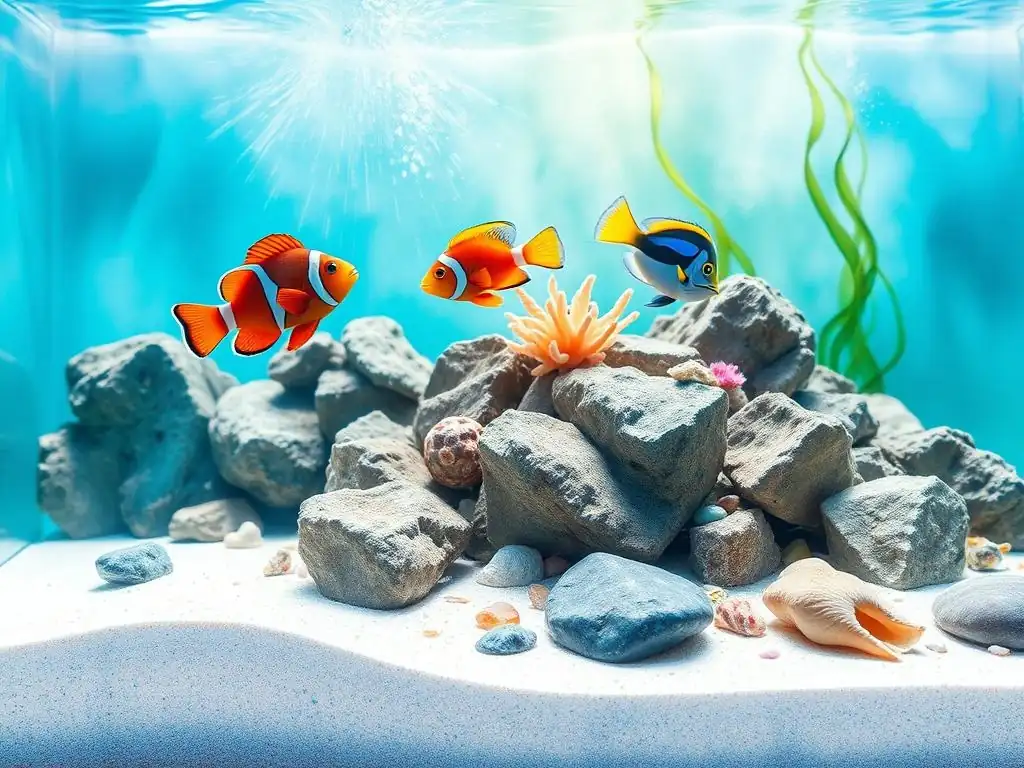
This section addresses common queries regarding substrate selection and maintenance for your saltwater aquarium, helping you create the best saltwater aquarium substrate environment for your fish. Choosing the right substrate is crucial for a thriving marine ecosystem. Let's dive into some frequently asked questions.
Best Substrate for Beginner Saltwater Aquariums?
For beginner saltwater aquarists, simplicity and ease of maintenance are key. Aragonite sand is often recommended as the best saltwater aquarium substrate for beginners. Its naturally occurring calcium carbonate composition helps buffer pH levels, preventing drastic swings that can harm delicate marine life. Furthermore, aragonite sand is relatively inert, meaning it won't leach harmful chemicals into the water. Its fine grain size provides a natural-looking bed and offers suitable burrowing opportunities for some invertebrates.
The ease of cleaning is another significant advantage. Aragonite sand is less prone to trapping detritus compared to coarser substrates, simplifying the cleaning process. Regular vacuuming of the substrate surface is typically sufficient to maintain water quality. Avoid substrates with sharp edges or those that could potentially release toxins into the water column, especially when starting.
Consider the depth of your substrate. A depth of approximately 2-3 inches is generally recommended for most saltwater tanks. This provides sufficient depth for beneficial bacteria colonization, crucial for biological filtration. A deeper bed might be more aesthetically pleasing but increases the amount of detritus that needs to be cleaned. Finding the right balance between aesthetics and practicality is key to long-term success.
How Often to Clean Saltwater Aquarium Substrate?
Cleaning your best saltwater aquarium substrate shouldn't be a daily chore. Over-cleaning can disrupt the beneficial bacteria colonies essential for nitrogen cycle stability. Instead, focus on regular partial water changes (10-20% weekly) to maintain water quality. These changes remove accumulated waste products and replenish essential minerals.
A more thorough substrate cleaning should be performed less frequently, perhaps every 2-3 months or as needed. This involves carefully vacuuming the substrate surface to remove accumulated debris. Use a dedicated aquarium gravel vacuum to avoid stirring up excessive sediment. Remember to always disconnect any powerheads or pumps before starting this process.
The frequency of cleaning will also depend on factors such as stocking density (number of fish and invertebrates), feeding habits, and the type of substrate used. Heavily stocked tanks with frequent feeding may require slightly more frequent cleaning. Always observe your tank closely. Cloudy water or excessive algae growth can be indicators that a more thorough cleaning is needed. Regular monitoring is key to preventing issues before they escalate.
Mixing Different Substrates in a Saltwater Tank?
Mixing different substrates in a saltwater tank can be aesthetically pleasing and potentially beneficial, but it requires careful consideration. Mixing substrates with varying grain sizes, such as a mix of fine aragonite sand and larger crushed coral, can create a more natural-looking seabed with varied textures.
However, ensure that all substrates are chemically inert and safe for marine life. Avoid mixing substrates with different chemical compositions, as this could lead to unpredictable chemical reactions and water parameter fluctuations. For instance, combining aragonite sand with a substrate that releases high levels of phosphates could lead to algae blooms and other water quality issues.
Before mixing substrates, thoroughly rinse them to remove any dust or debris. This step is vital to prevent cloudiness in your aquarium water. Additionally, consider the potential impact on your biological filtration. A mix of substrate types might alter the surface area available for beneficial bacteria colonization, potentially affecting the efficiency of your nitrogen cycle. Therefore, careful planning and monitoring are essential. Mixing different substrates adds complexity; beginners should stick to a single, well-researched substrate to avoid complications.
Signs of Saltwater Aquarium Substrate Problems?
Several signs indicate potential problems with your saltwater aquarium substrate. One of the most obvious is a foul odor. This often points to anaerobic conditions developing within the substrate, where bacteria are breaking down organic matter without sufficient oxygen.
This process releases harmful gases like hydrogen sulfide, which can be toxic to your fish and invertebrates. The water may also appear cloudy or murky, especially if there's an excessive amount of suspended particulate matter. This could be due to the substrate itself breaking down, releasing fine particles into the water column, or it could signal a problem with the biological filtration process within the substrate.
Beyond these visual cues, observe your fish and invertebrates. Are they exhibiting unusual behavior? Lethargy, loss of appetite, or unusual respiratory patterns could all be linked to poor water quality stemming from substrate issues. Regular water testing is crucial. Elevated levels of ammonia, nitrite, or nitrate are clear indicators of a problem.
Even if your water parameters appear normal, a discolored or excessively compacted substrate warrants investigation. Remember, a healthy substrate should contribute to a stable and thriving aquarium ecosystem, not detract from it. For example, if you notice your live rock is becoming coated in a thick layer of detritus that's not being effectively processed, it could be a sign that your substrate is not functioning correctly. Addressing these issues promptly is essential to maintaining a healthy saltwater aquarium.
Choosing the Right Substrate Grain Size?
Selecting the appropriate grain size for your saltwater aquarium substrate is crucial for several reasons. The grain size directly impacts water flow and circulation within the substrate bed. Finer substrates, like fine sand, offer a larger surface area for beneficial bacteria to colonize, enhancing biological filtration. However, they can also be more prone to compaction, reducing water flow and creating anaerobic pockets. This can lead to the build-up of harmful waste products. Conversely, coarser substrates, like crushed coral, allow for better water flow but may offer less surface area for beneficial bacteria.
The ideal grain size often depends on the type of inhabitants in your tank. For example, some invertebrates, like certain gobies that burrow, require a finer substrate, while others thrive in coarser materials. Additionally, the type of filtration system you employ can influence your substrate choice. If you rely heavily on mechanical filtration, you might be able to use a finer substrate.
However, if you are relying more on the biological filtration within the substrate, a coarser grain size might be preferable to avoid compaction. Consider the overall aesthetic you desire as well; a finer substrate can create a more natural-looking seabed, while coarser substrates can provide a more rugged look. Ultimately, research the specific needs of your chosen species and consider the balance between filtration efficiency and water flow before making your selection. Remember, the "best" grain size is relative to your specific aquarium setup and inhabitants.
Frequently Asked Questions
What is the best saltwater aquarium substrate?
There's no single "best" substrate, as the ideal choice depends on your specific needs and tank inhabitants. Consider factors like aragonite sand for natural reef environments, or crushed coral for a different aesthetic and buffering capacity. Research your fish and invertebrates' preferences.
How much substrate should I use in my saltwater aquarium?
The recommended depth is generally between 2-4 inches. A shallower layer can work for some setups, but deeper layers provide better biological filtration and a more stable environment. Too much substrate can lead to anaerobic conditions.
What are the benefits of using live sand in a saltwater aquarium?
Live sand is teeming with beneficial bacteria crucial for establishing a healthy nitrogen cycle. It also contributes to a more natural and stable ecosystem, supporting the growth of beneficial microorganisms and improving water quality. It adds to the aesthetic.
Does the substrate type affect the pH of my saltwater aquarium?
Yes, certain substrates can influence pH. Aragonite sand, for example, is known to buffer pH, helping to maintain a stable environment. Other substrates may have less of an impact or even slightly alter the pH. Regular testing is essential.
Can I use any type of sand from my local beach in my saltwater aquarium?
Absolutely not. Beach sand contains impurities and contaminants that are harmful to marine life. Always use aquarium-grade substrate specifically designed for saltwater aquariums to avoid introducing harmful substances and diseases into your tank.
Final Reflection: The Foundation of a Thriving Reef
Choosing the right substrate isn't just about aesthetics; it's the bedrock of a healthy and vibrant saltwater aquarium. A seemingly small detail, the substrate profoundly impacts water parameters, bacterial colonization, and ultimately, the well-being of your aquatic inhabitants. Getting this crucial element right sets the stage for years of enjoyment observing your thriving underwater world.
The impact of substrate selection extends beyond the immediate environment of the tank. It influences the entire ecosystem, from the delicate balance of nitrification to the overall visual appeal of the aquarium. A successful aquarium is a miniature ecosystem, and each component plays a vital role in maintaining its health and beauty.
This quote highlights the interconnectedness of every aspect of saltwater aquarium keeping, emphasizing the importance of careful consideration at every stage, starting with the foundation – the substrate. My own journey into reef keeping has taught me the profound truth of this statement; the right substrate truly makes all the difference.
Now, it's your turn. Consider the information presented in this article, and reflect on your own aquarium setup, or your plans for a future one. Don't just choose a substrate; choose the foundation for a thriving reef that will bring you years of joy and wonder. Research thoroughly, weigh the pros and cons of different options, and select the substrate that best suits your specific needs and the needs of your aquatic companions. The journey to a successful saltwater aquarium begins with this crucial first step.
Unleash Your Inner Aquascape Artist!
Thanks for exploring the world of saltwater aquarium substrates with us! You now have the knowledge to create a thriving underwater environment. Ready to transform your knowledge into a stunning reality?
- Choose the perfect substrate and begin today! This is the crucial first step. Consider the specific needs of your fish and the overall aesthetic you desire.
- Share your substrate selection with us! Tell us what you chose and why – we'd love to hear about it in the comments.
- Consider adding live rock to further enhance your aquarium's natural beauty and biological filtration. Live rock provides essential surface area for beneficial bacteria to colonize, improving water quality and creating a more natural environment for your fish and invertebrates.
What unique design element will you incorporate to make your saltwater aquarium truly exceptional?