
Reptile Feeding Frequency: When to Adjust Based on Activity Levels

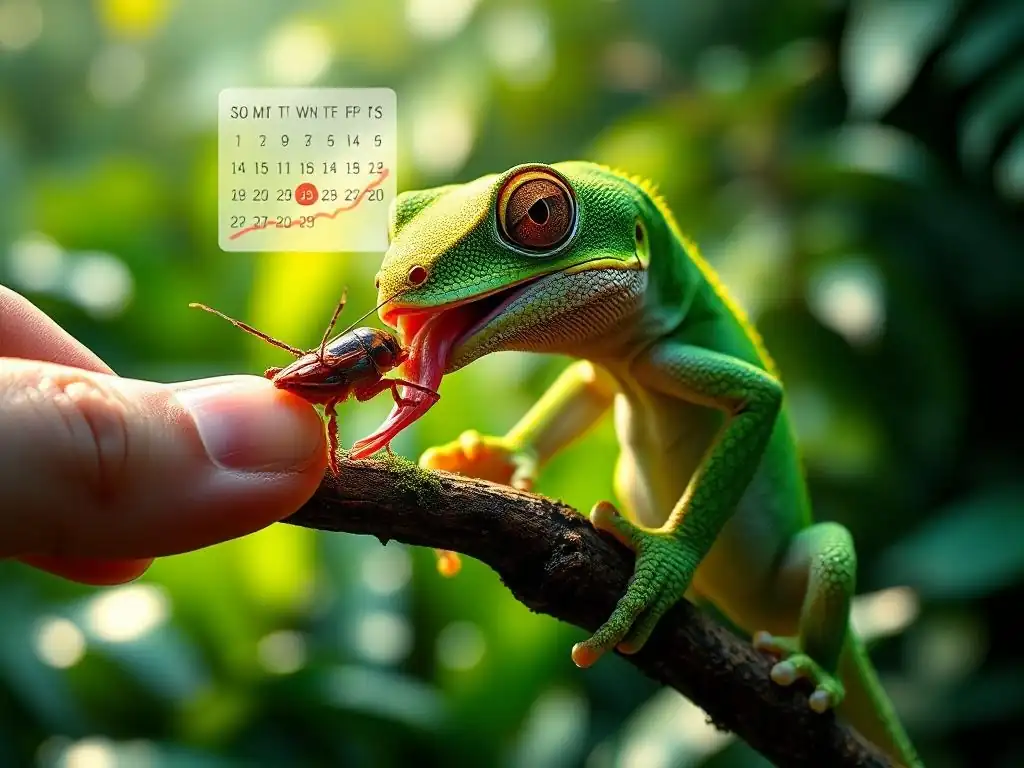
Welcome to PetCareWorld, your ultimate guide to a happier, healthier life for your beloved animal companions! Are you struggling to find the perfect balance when it comes to feeding your scaly friend? Discover the secrets to mastering Reptile feeding schedule adjustment in our comprehensive guide, exploring how activity levels directly impact your reptile's nutritional needs. Uncover the surprising insights that will transform your reptile's well-being – read on to learn more!
- Understanding Your Reptile's Dietary Needs: A Guide to Reptile Feeding Schedule Adjustment
- Reptile Activity Levels and Their Impact on Feeding Frequency
- Reptile Feeding Schedule Adjustment: Practical Tips and Considerations
- Common Mistakes to Avoid When Adjusting Reptile Feeding Schedules
- When to Consult a Veterinarian Regarding Reptile Feeding Schedule Adjustment
- Frequently Asked Questions
- Final Reflection: The Dynamic Dance of Feeding and Thrive
- Unlock Your Reptile's Potential: Mastering Feeding Schedules
Understanding Your Reptile's Dietary Needs: A Guide to Reptile Feeding Schedule Adjustment
Reptile feeding schedule adjustment is a crucial aspect of responsible reptile ownership. Ensuring your reptile receives the correct amount of food at the appropriate frequency is vital for maintaining its health, growth, and overall well-being. This comprehensive guide delves into the intricacies of reptile feeding, exploring how to determine a baseline feeding schedule and how to adjust it based on various factors such as species, age, size, activity levels, and life stage. Understanding these nuances will empower you to provide optimal care for your scaly companion and prevent common health problems often associated with improper feeding.
We will cover various reptile species, providing specific examples and practical advice to help you create a tailored feeding plan. Remember, a properly adjusted reptile feeding schedule is a cornerstone of responsible pet ownership, leading to a happier, healthier reptile. Let's dive into the details!
Determining Baseline Feeding Frequency for Different Reptile Species
Establishing a baseline feeding frequency is the first step in creating a successful reptile feeding schedule. This frequency varies significantly depending on the species, size, and age of your reptile. For example, juvenile bearded dragons, known for their rapid growth, typically require more frequent feeding than their adult counterparts. Similarly, smaller species like leopard geckos may need to be fed less frequently than larger species like tegus.
| Reptile Species | Typical Feeding Frequency (Adults) | Notes |
|---|---|---|
| Bearded Dragon | Every 2-3 days | Adjust based on size and activity level. Juveniles need more frequent feeding. |
| Leopard Gecko | Every 3-5 days | Can be fed less frequently during brumation. |
| Corn Snake | Every 5-7 days | Adult corn snakes are known for their low metabolisms. |
| Crested Gecko | Daily or every other day | Diet consists of commercially available crested gecko food. |
| Green Iguana | Daily (juveniles), every other day (adults) | Requires a large amount of leafy greens. |
It's crucial to research the specific dietary needs of your reptile species. Consult reliable sources such as herpetological websites, books, and experienced reptile keepers to determine the appropriate baseline feeding frequency for your pet. Remember to always prioritize accurate information obtained from reputable sources. Incorrect feeding can lead to severe health issues, including obesity, malnutrition, and metabolic bone disease.
Factors Influencing Reptile Feeding Schedule Adjustment: Age and Size
Age and size are two of the most significant factors influencing a reptile's feeding requirements. Younger, smaller reptiles have higher metabolic rates and require more frequent feeding to support their growth. As they mature and grow larger, their metabolic rates slow down, and their feeding frequency can be adjusted accordingly. This adjustment is crucial to prevent obesity, a common problem in captive reptiles. Overfeeding can lead to liver damage, organ failure, and a reduced lifespan.
Consider this example: A newly hatched corn snake will require feeding every 2-3 days with appropriately sized pinky mice. As it grows, the frequency will decrease and the size of the prey will increase. By the time it reaches adulthood, it may only require feeding once a week or even less frequently.
Careful monitoring of your reptile's weight and body condition is essential to ensure that you are providing the correct amount of food. Regular weigh-ins and visual checks can help you detect any signs of weight gain or loss, allowing for timely adjustments to its feeding schedule. Remember, consistent monitoring is key to maintaining your reptile's optimal health.
Adjusting Reptile Feeding Schedules Based on Life Stage: Juvenile vs. Adult
The feeding schedule for a juvenile reptile differs significantly from that of an adult. Juveniles are in a period of rapid growth and require a higher frequency and volume of food to support their development. Adults, on the other hand, have reached their mature size and require less frequent feeding. Failing to adjust the feeding schedule based on the reptile's life stage can have serious consequences.
For instance, a juvenile bearded dragon might require feeding multiple times a day, while an adult might only need to be fed every other day. The type and amount of food also changes. Juveniles often need a diet higher in protein and calcium to support bone development. Adult reptiles may require a diet with a lower protein content to avoid obesity.
Always consult species-specific dietary guidelines to ensure your reptile receives the proper nutrition throughout its life cycle. Observing your reptile's behavior and body condition is also crucial. If your reptile appears lethargic or overweight, you may need to adjust its feeding schedule accordingly. Regular veterinary check-ups are also recommended to ensure your reptile remains healthy and thriving.
Reptile Activity Levels and Their Impact on Feeding Frequency
Understanding your reptile's activity level is paramount to establishing a proper feeding schedule. Reptiles are ectothermic, meaning their body temperature is regulated by their environment. This significantly impacts their metabolism and, consequently, their feeding requirements. A highly active reptile will burn more calories and require more frequent feeding than a less active one.
Ignoring this fundamental relationship can lead to either malnutrition or obesity, both of which severely compromise your reptile's health and longevity. The key to successful reptile husbandry lies in careful observation and a willingness to adapt the feeding schedule to the individual needs of your pet. Remember, "Reptile feeding schedule adjustment" is a crucial aspect of responsible pet ownership.
Observing Your Reptile's Activity: Key Indicators of Hunger and Metabolism
Observing your reptile's behavior is crucial for determining its nutritional needs. A healthy, active reptile will exhibit a range of behaviors indicating a healthy appetite and metabolism. These indicators can vary depending on the species, but some common signs include:
- Increased exploration: A reptile actively exploring its enclosure, showing curiosity and investigating its surroundings, generally indicates a healthy appetite and energy level.
- Vigorous movement: Active basking, climbing, and movement within its enclosure are positive signs. Lethargy or inactivity, on the other hand, might suggest underlying health issues or a need for adjustments to the feeding schedule.
- Keen interest in food: A reptile enthusiastically approaching and consuming its food is a clear indicator of hunger. Hesitation or refusal to eat, however, could warrant a reduction in feeding frequency or a veterinary checkup.
- Regular defecation: Consistent, healthy bowel movements are a good sign of proper digestion and metabolism. Infrequent or abnormal defecation can indicate problems with digestion or an inappropriate feeding schedule.
Maintaining a detailed feeding log, noting both food intake and observed behaviors, can be invaluable in tracking your reptile's activity levels and adjusting its feeding schedule accordingly. This proactive approach helps ensure your reptile receives the optimal nutrition it needs to thrive. Remember to consider the subtle nuances of your specific reptile's behavior to accurately interpret these indicators.
Adjusting Feeding Frequency Based on Seasonal Changes in Reptile Activity
Many reptiles exhibit seasonal variations in their activity levels, directly impacting their metabolic rate and feeding requirements. During warmer months, when ambient temperatures are higher and daylight hours are longer, reptiles are generally more active and require more frequent feeding. Conversely, during colder months, their activity levels decrease, and their metabolic rate slows down, necessitating a reduction in feeding frequency.
For example, a bearded dragon might require daily feeding during the peak summer months but only every other day or even less frequently during winter. This adjustment prevents overfeeding during periods of reduced activity, which can lead to obesity and related health problems. It is crucial to research the specific needs of your reptile species and adjust its feeding schedule accordingly to accommodate these seasonal changes.
Remember, understanding the natural cycles of your reptile is vital for its well-being. Failing to adjust the feeding schedule based on seasonal changes can negatively impact your reptile's health and overall quality of life.
Impact of Temperature and Lighting on Reptile Appetite and Metabolism
Temperature and lighting are critical factors influencing a reptile's appetite and metabolism. Reptiles are poikilothermic, meaning their body temperature fluctuates with the environment. Inadequate basking temperatures can lead to slow digestion and reduced appetite. Similarly, insufficient UVB lighting can negatively impact calcium absorption, affecting overall health and potentially leading to metabolic bone disease (MBD).
Maintaining the correct temperature gradient within the enclosure is crucial. This provides your reptile with the ability to thermoregulate effectively, optimizing its digestion and overall health. Sufficient UVB lighting is equally important for calcium metabolism, ensuring proper bone growth and preventing MBD.
Adjusting the feeding frequency might be necessary if you observe changes in your reptile's behavior or physical condition related to temperature or lighting. For instance, if your reptile shows decreased appetite despite appropriate environmental conditions, consider consulting a veterinarian to rule out any underlying health issues. Providing the correct thermal and lighting conditions is foundational to a healthy reptile and a successful feeding schedule.
Reptile Feeding Schedule Adjustment: Practical Tips and Considerations
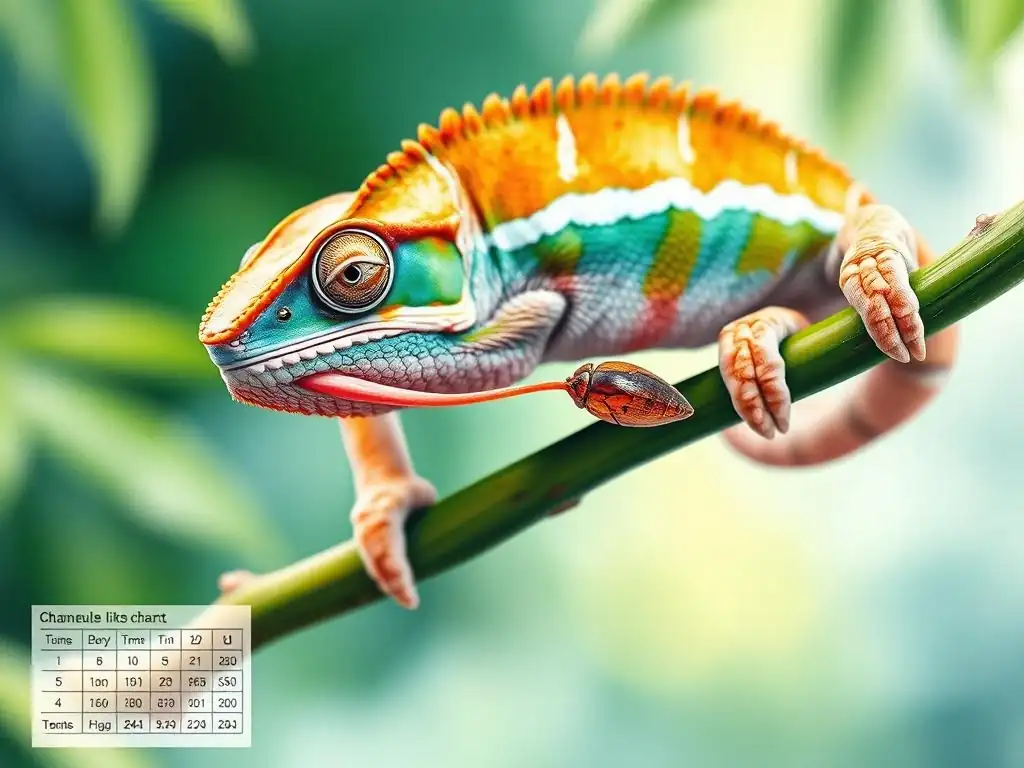
This section delves into the practical aspects of adjusting your reptile's feeding schedule, a crucial element of responsible reptile ownership. Successfully modifying a feeding schedule requires careful observation, gradual changes, and a keen understanding of your reptile's individual needs. Remember, a reptile's feeding frequency is not static; it's a dynamic process influenced by various factors, primarily activity levels and overall health. Improper feeding can lead to obesity, malnutrition, or other health problems, highlighting the importance of proactive monitoring and adjustments. This guide provides a framework for making informed decisions regarding your reptile's nutritional intake.
Signs Your Reptile Needs a Feeding Schedule Adjustment
Recognizing the need for a feeding schedule adjustment is the first step towards ensuring your reptile thrives. Several key indicators signal the necessity for change. These are not always immediately obvious, requiring diligent observation and a thorough understanding of your specific reptile species' typical behavior and nutritional requirements.
Several signs might indicate a need for adjustment. These include:
- Significant weight gain or loss: Regular weigh-ins are crucial. A sudden or gradual change in weight outside the normal range for your reptile's age and species is a major red flag. Keep a detailed weight log to track progress. Use a gram scale for accurate measurements. For example, a bearded dragon showing a 10% increase in weight over a month may need reduced feeding frequency.
- Changes in activity levels: A lethargic reptile might be overfed, while an excessively active reptile might require more frequent feeding to meet its energy demands. Observing your reptile's behavior—basking time, exploration, and overall energy levels—provides valuable insights. A normally active snake that suddenly becomes sluggish could indicate an issue needing attention.
- Changes in shedding patterns: Difficulty shedding, or unusually frequent shedding, can sometimes be linked to nutritional imbalances caused by an inappropriate feeding schedule. This is particularly relevant for species with regular shedding cycles. Consult with a veterinarian if you observe abnormalities.
- Changes in stool consistency and frequency: Regular, well-formed feces are a positive sign. Diarrhea or constipation can suggest problems with digestion, which might be related to the feeding schedule. Note the color, consistency, and frequency of bowel movements.
- Appetite changes: A sudden loss of appetite or, conversely, an insatiable appetite warrants attention. These changes can be symptoms of underlying health issues or simply an indicator that the feeding schedule isn't meeting your reptile's needs.
How to Gradually Adjust Your Reptile's Feeding Schedule
Adjusting a reptile's feeding schedule requires a cautious, gradual approach to avoid stressing the animal. Sudden, drastic changes can disrupt their digestive system and overall health. The key is to make incremental adjustments, carefully monitoring your reptile's response.
A successful adjustment strategy involves:
- Determine the adjustment needed: Based on the observed signs, determine whether you need to increase or decrease the feeding frequency. For instance, if your reptile is overweight, you’ll reduce the frequency; if underweight, you’ll increase it.
- Implement gradual changes: Don't make drastic changes overnight. Start by adjusting the feeding frequency by one feeding per week, or even less frequently, depending on the reptile and the severity of the issue. Observe your reptile closely for any adverse reactions.
- Maintain consistency: Once you've established a new schedule, stick to it consistently. Inconsistent feeding patterns can be more harmful than a slightly imperfect schedule.
- Monitor weight and behavior: Regular weighing and observation of behavior are essential to assess the effectiveness of the adjustment. If you don't see positive changes, you might need to further adjust the feeding schedule or consult a veterinarian.
- Consider environmental factors: Environmental conditions, such as temperature and humidity, can also influence a reptile's appetite and metabolism. Ensure optimal environmental conditions are maintained.
Monitoring Your Reptile's Weight and Body Condition After Adjustments
Following a feeding schedule adjustment, diligent monitoring is critical to ensure the changes are having the desired effect. Regularly assessing your reptile's weight and body condition will provide valuable feedback on the effectiveness of the new feeding schedule. This process involves:
- Regular Weigh-ins: Weigh your reptile at least once a week, using a gram scale for accuracy. Record the weight in a log book or spreadsheet to track progress over time.
- Body Condition Scoring: Learn how to assess your reptile's body condition using a body condition scoring chart specific to your reptile species. This involves visually evaluating the amount of body fat and muscle mass.
- Behavioral Observation: Continue to monitor your reptile's activity levels, appetite, and shedding patterns. These observations can provide additional insights into its overall health and well-being.
- Consult a Veterinarian: If you notice any concerning changes or if the weight and body condition don't improve after a reasonable adjustment period, consult a reptile veterinarian. They can help diagnose any underlying health issues and recommend appropriate treatment.
Remember, each reptile is an individual with unique needs. The information provided here serves as a general guideline. Always prioritize the well-being of your reptile and seek professional veterinary advice when needed. Careful observation and consistent monitoring are key to maintaining a healthy and thriving reptile companion.
Common Mistakes to Avoid When Adjusting Reptile Feeding Schedules

This section focuses on the pitfalls to avoid when modifying your reptile's feeding schedule, ensuring you maintain their health and well-being. Improper adjustments can lead to serious health complications, so careful consideration and understanding are crucial. Remember, a reptile's feeding schedule adjustment should always be made gradually and under the guidance of a veterinarian specializing in reptiles, especially for significant changes.
Overfeeding and the Risks of Obesity in Reptiles
Overfeeding is a common mistake among reptile keepers, often stemming from well-intentioned but misguided enthusiasm. Reptiles, unlike mammals, don't actively regulate their food intake in the same way; they will often eat until they are physically unable to consume more. This can lead to significant weight gain and obesity, which presents several severe health risks.
Obesity in reptiles can manifest in several ways. You might notice a noticeable increase in body fat, particularly around the abdomen and tail base. Lethargy, difficulty moving, and respiratory problems are also common symptoms. Furthermore, obese reptiles are more susceptible to various health issues, including:
- Metabolic Bone Disease (MBD): Excess weight puts extra strain on bones, increasing the risk of MBD, a debilitating condition caused by calcium and vitamin D deficiencies.
- Liver Disease: The liver is overworked trying to process the excess nutrients, leading to potential failure.
- Heart Disease: The heart struggles to pump blood efficiently through the increased body mass.
- Joint Problems: The added weight places stress on joints, causing pain and inflammation.
- Reduced Lifespan: Obesity significantly reduces the lifespan of reptiles.
To avoid overfeeding, carefully monitor your reptile's weight and body condition score regularly. Use a reptile-specific scale for accurate measurements. Consult your veterinarian to determine the appropriate amount and frequency of feeding for your specific reptile species and size. Always offer only the recommended amount of food and remove any uneaten food within a reasonable timeframe (usually 30 minutes to an hour). Remember, a slightly underfed reptile is healthier than an obese one. Regular veterinary check-ups are essential for early detection of weight problems and for creating a tailored feeding plan.
Underfeeding and the Consequences of Nutritional Deficiency
Conversely, underfeeding your reptile can be equally detrimental, leading to severe nutritional deficiencies that compromise their health and well-being. While overfeeding is often caused by enthusiasm, underfeeding may stem from misconceptions about reptile dietary needs or a lack of understanding of their individual requirements.
Nutritional deficiencies in reptiles can manifest in various ways, depending on the specific nutrient lacking. Common symptoms include:
- Lethargy and Weakness: A lack of essential nutrients can lead to a noticeable decrease in energy levels.
- Poor Growth and Development: Young reptiles experiencing underfeeding will exhibit stunted growth and development.
- Metabolic Bone Disease (MBD): A deficiency in calcium and vitamin D is a major cause of MBD, resulting in weakened bones and skeletal deformities.
- Skin and Shell Problems: Nutrient deficiencies can lead to dry, dull skin, or shell deformities in shelled reptiles.
- Immune System Weakness: A lack of essential vitamins and minerals weakens the immune system, making the reptile more susceptible to infections.
- Reproductive Issues: Nutritional deficiencies can impact reproductive health, leading to infertility or difficulties in egg production.
To avoid underfeeding, research your reptile's specific dietary needs. This includes understanding the appropriate food types, quantities, and feeding frequency. Consider consulting a reptile veterinarian or experienced reptile keeper for personalized guidance. Regularly monitor your reptile's weight, body condition, and overall health.
If you notice any signs of nutritional deficiency, consult a veterinarian immediately to receive appropriate treatment and adjust your feeding strategy. Supplementing with appropriate vitamins and minerals under veterinary supervision might be necessary in some cases. Always prioritize a balanced and nutritious diet tailored to your reptile's species and life stage. Regular weighing and monitoring are key to preventing underfeeding and maintaining optimal health.
When to Consult a Veterinarian Regarding Reptile Feeding Schedule Adjustment
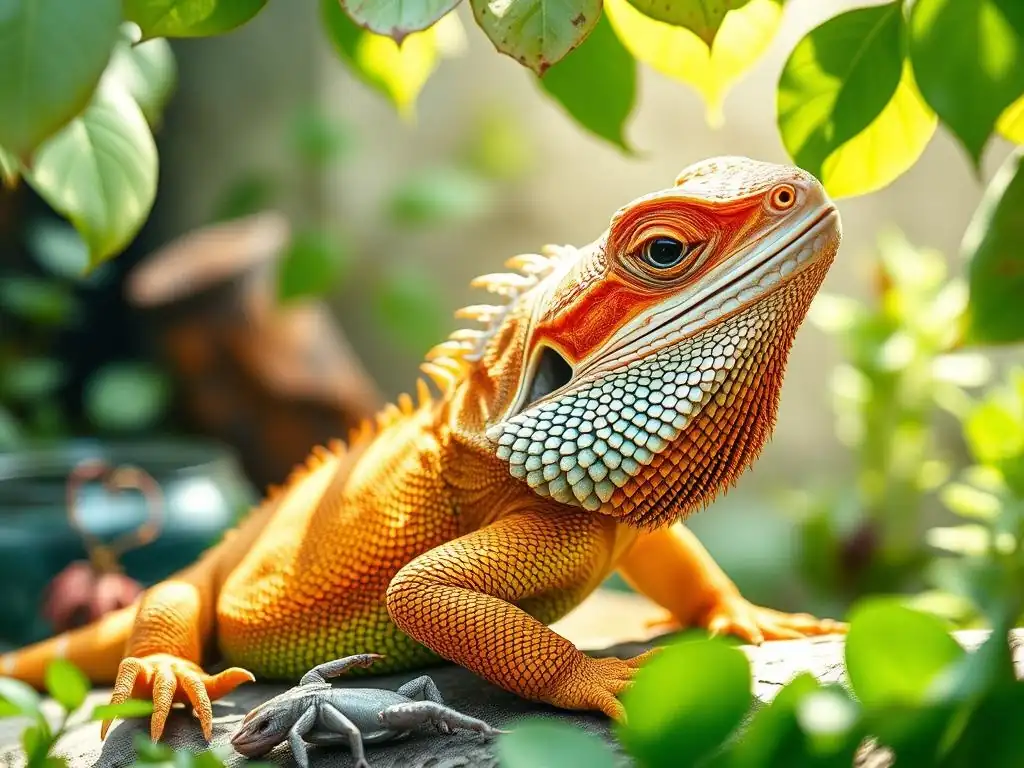
Reptile feeding schedule adjustment isn't always straightforward. While understanding your reptile's species-specific needs is crucial, recognizing when professional veterinary intervention is necessary is equally important. Ignoring subtle signs can lead to serious health complications and even death for your pet. This section will guide you on identifying situations requiring veterinary consultation regarding your reptile's feeding schedule. Remember, a proactive approach is always best when it comes to your pet's health. Early intervention often leads to better outcomes.
Recognizing Signs of Illness or Malnutrition in Reptiles
Malnutrition and illness often manifest in subtle ways in reptiles. A seemingly minor change in eating habits or physical appearance can indicate a significant underlying problem. Careful observation is key to early detection. Here are some critical signs to watch for:
- Weight loss: Significant weight loss, even without a change in feeding frequency, warrants immediate veterinary attention. Use a reptile-specific scale for accurate measurements and track your reptile's weight regularly. A sudden drop in weight is a major red flag.
- Lethargy and inactivity: A reptile that is usually active suddenly becoming lethargic or refusing to move could be experiencing a health issue impacting its appetite and ability to process food.
- Changes in shedding: Difficulty shedding skin, incomplete sheds, or retained scutes (scales) can be indicative of underlying metabolic bone disease (MBD) or other health problems that affect nutrient absorption and overall health, potentially requiring a feeding schedule adjustment under veterinary guidance.
- Changes in defecation: Changes in the frequency, consistency, or color of your reptile's feces can signal digestive problems. This could be related to diet, parasites, or other health issues, all of which might necessitate a change in feeding frequency and veterinary intervention.
- Loss of appetite: A complete loss of appetite, lasting more than a few days, requires immediate veterinary attention. This could be due to various factors, including illness, stress, or improper husbandry. Don't attempt to force-feed; instead, seek professional advice.
- Visible wounds or injuries: Any visible wounds, sores, or injuries should be examined by a veterinarian. These can impact your reptile’s appetite and overall health, potentially necessitating a tailored feeding plan.
Remember, prompt action is crucial. Don't hesitate to contact your veterinarian if you observe any of these signs. Early detection and treatment are vital for a positive outcome.
Seeking Professional Advice for Specific Reptile Species and Health Concerns
Different reptile species have unique dietary requirements and sensitivities. What constitutes a normal feeding schedule for one species may be detrimental to another. Furthermore, certain health conditions necessitate specialized dietary adjustments. Consult your veterinarian for the following:
- Species-specific dietary needs: Your veterinarian can provide species-specific guidance on appropriate feeding frequencies and types of food. This is especially crucial for more exotic or less commonly kept species.
- Pre-existing health conditions: If your reptile has a pre-existing health condition, such as MBD, liver disease, or kidney disease, your veterinarian can help you create a tailored feeding plan to support its health and manage the condition. This may involve adjustments to both the frequency and type of food offered.
- Post-surgery care: After any surgery, your reptile will likely need a modified feeding schedule. Your veterinarian will provide specific instructions based on the procedure and your reptile's recovery.
- Parasite infestations: If your reptile is diagnosed with parasites, your veterinarian may recommend temporary dietary changes to support its recovery. These changes may include increased feeding frequency or adjustments to the food type offered.
- Difficulty digesting food: If your reptile consistently exhibits signs of difficulty digesting food, such as regurgitation or prolonged periods of lethargy after feeding, a veterinarian can investigate the underlying cause and recommend appropriate adjustments to the feeding schedule and diet.
This information serves as a guide. Always prioritize professional veterinary advice over online resources when determining the best feeding schedule adjustments for your reptile. Regular veterinary check-ups are crucial for maintaining the health and well-being of your reptile companion. Remember, a healthy reptile is a happy reptile!
Frequently Asked Questions
How often should I feed my reptile?
The frequency depends on your reptile's species, age, and size. Generally, young, growing reptiles need more frequent feeding than adults. Consult a reptile-specific feeding guide or your veterinarian for precise recommendations.
What are the signs my reptile needs a feeding schedule adjustment?
Observe your reptile for weight loss, lethargy, or changes in shedding patterns. A sudden increase or decrease in appetite can also indicate the need for adjustment. Consult a vet if you're unsure.
My reptile is less active; should I feed it less?
Yes, reduced activity often signifies a need to decrease feeding frequency. Metabolic slowdown means they require fewer calories. However, monitor their weight and overall health closely.
How do I adjust my reptile's feeding schedule gradually?
Don't make drastic changes. Reduce feeding frequency by one feeding per week or adjust portion sizes slightly. Observe your reptile's response and adjust further as needed. Sudden changes can stress them.
What should I do if my reptile is overweight?
An overweight reptile needs a diet and feeding schedule adjustment. Reduce feeding frequency and portion sizes. Increase exercise and consult your veterinarian for a personalized plan to help your reptile reach a healthy weight.
Final Reflection: The Dynamic Dance of Feeding and Thrive
Understanding reptile feeding schedules isn't just about providing sustenance; it's about fostering vibrant, healthy lives. A seemingly simple act, feeding, becomes a crucial element in ensuring the well-being of our scaled companions, directly impacting their growth, behavior, and overall longevity. The subtle shifts in appetite linked to activity levels highlight the importance of observation and adaptation in responsible reptile care.
The ongoing impact of this knowledge extends beyond individual pet ownership, influencing breeding programs, conservation efforts, and even our understanding of reptile biology in the wild. The more we learn about the nuanced relationship between activity and feeding, the better equipped we are to provide optimal care. The best measure of a society is how it treats its most vulnerable members,
and in this context, our reptiles deserve our utmost attention to their individual needs. This understanding extends to a deeper appreciation for the intricate lives of these fascinating creatures, fostering a sense of responsibility and respect.
Consider your own reptile, its unique personality, and its current activity level. Are you truly meeting its needs, or are you adhering to a rigid schedule that may be hindering its potential? Take a moment to observe your reptile closely, to understand its subtle cues, and to adjust its feeding schedule accordingly. By embracing this dynamic approach, you'll not only contribute to the health and happiness of your reptile but also deepen your connection with this remarkable creature, fostering a bond built on understanding and mutual respect.
Unlock Your Reptile's Potential: Mastering Feeding Schedules
Congratulations on taking this important step in your reptile's care! You've already learned about tailoring feeding schedules to your reptile's unique needs and activity levels. Now let's put that knowledge into practice.
- Refine your reptile's feeding schedule: Review your current feeding plan and make any necessary adjustments to better support your pet's activity levels and overall health. This is crucial for their well-being.
- Share your success: Tell us about any changes you've made and how your reptile is responding in the comments below. We're building a supportive community to share experiences and learn from each other!
- Explore more resources: Discover additional helpful tips and advice on our website, PetCareWorld, to ensure your reptile thrives.
Ready to see your reptile flourish? What small change will you implement today to improve their health and happiness?