How to Choose the Best Reptile Thermostat for Your Needs
🤔 Find the perfect reptile habitat climate with our best reptile thermostat buying guide! PetCareWorld's expert advice helps you select the ideal…
Read article
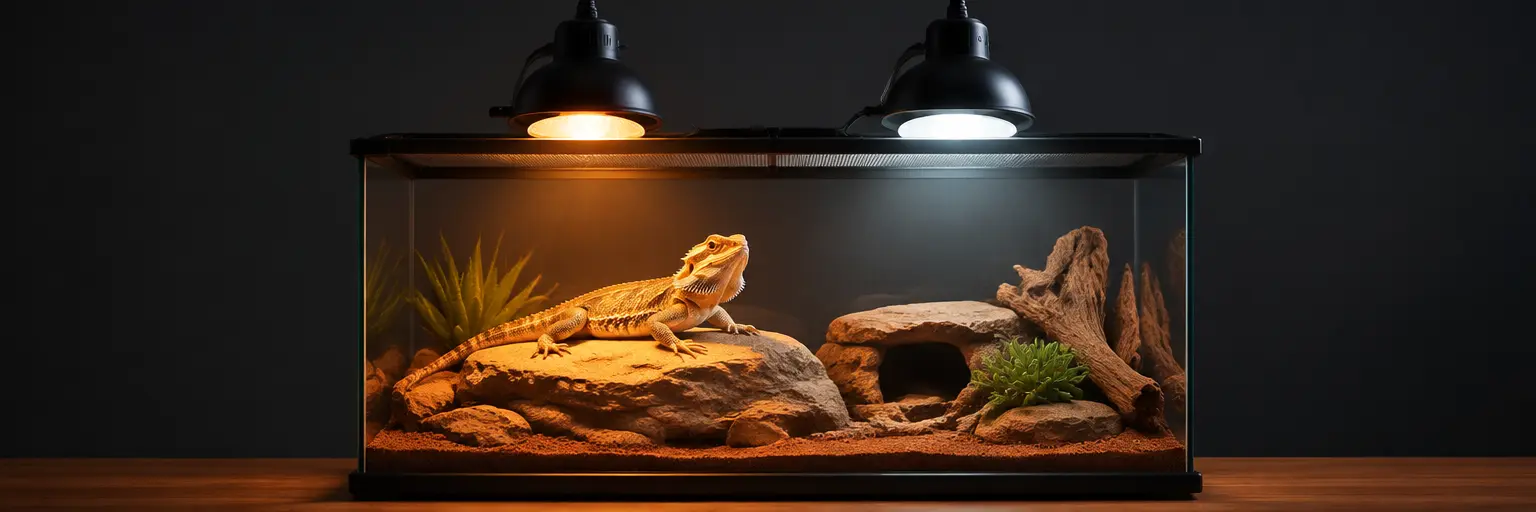
Discover expert tips and trusted guidance for creating the perfect thermal environment for your scaly companions. From choosing the right heat lamps and ceramic emitters to mastering UVB lighting schedules and thermoregulation, our advice helps you mimic natural habitats safely. Learn how to balance day/night cycles, avoid common overheating pitfalls, and select energy-efficient fixtures that support healthy digestion, shedding, and activity. Whether you care for snakes, lizards, or turtles, we simplify wattage, placement, and thermostat controls to keep your pet thriving. Explore practical, research-backed solutions for every enclosure size—all in plain, engaging language designed for devoted reptile owners.
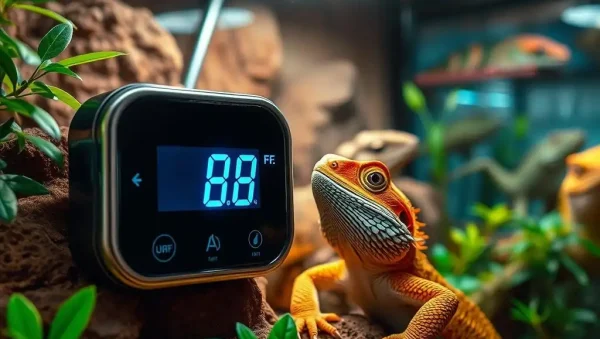
🤔 Find the perfect reptile habitat climate with our best reptile thermostat buying guide! PetCareWorld's expert advice helps you select the ideal…
Read article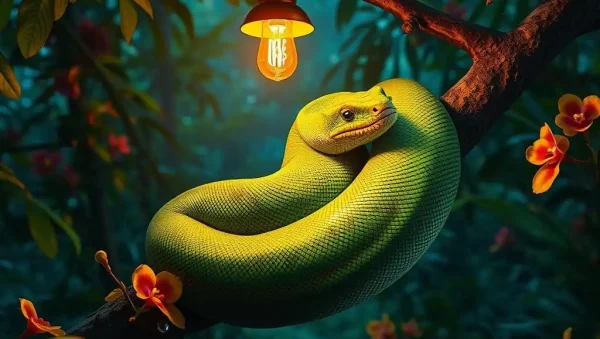
🤔 Maintaining the ideal temperature is crucial for arboreal reptiles. This guide helps you select the best heat lamp for your arboreal…
Read article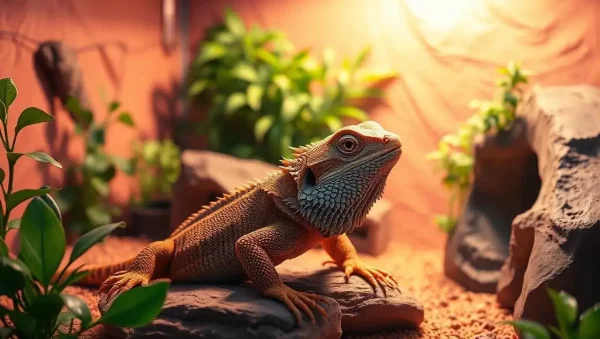
😊 Master the art of reptile care with our comprehensive Reptile UVB gradient setup guide. Learn how to create the perfect basking…
Read article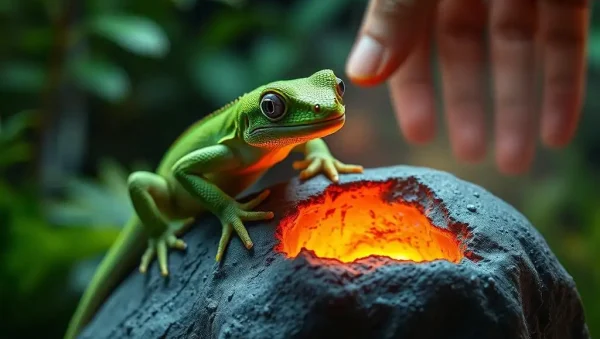
🤔 Reptile heat rocks: are they safe for your scaly friend? PetCareWorld explores the critical reptile heat rocks safety concerns, examining potential…
Read articleCreating a healthy environment for your reptile goes far beyond choosing the right tank or substrate. In fact, the most critical factors for your pet’s survival and well-being are the heating and lighting systems you install. Reptiles are ectothermic, meaning they rely on external heat sources to regulate their body temperature, digestion, and immune function. Additionally, proper UVB lighting is essential for vitamin D3 synthesis and calcium absorption. On this page, we break down the essential components of reptile habitat climate control, helping you build a setup that mimics your pet’s natural desert, tropical, or forest home.
Selecting the correct heat source is the first step to creating a thermal gradient in your enclosure. A thermal gradient means providing a warmer basking spot at one end and a cooler zone at the other, allowing your reptile to self-regulate its body temperature. Common options include heat lamps, ceramic heat emitters, and heat mats. Heat lamps are ideal for basking species that need visible light, while ceramic emitters work well for nighttime heating without disturbing your pet’s sleep cycle.
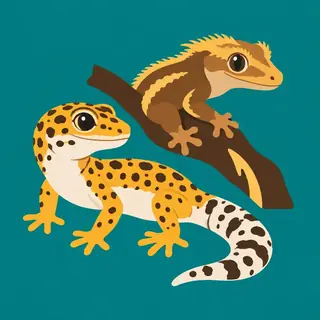
When choosing a heat source, always consider the wattage and distance from the basking surface to prevent burns. Use a thermostat or dimmer to maintain consistent temperatures, and place a digital thermometer at both ends of the enclosure to monitor the gradient. For tropical species like crested geckos, lower basking temperatures (around 75-80°F) are suitable, whereas desert reptiles like bearded dragons require basking spots of 100-110°F. Research your specific species’ requirements and adjust accordingly to avoid overheating or chilling.
UVB lighting is not a luxury—it is a biological necessity for most diurnal reptiles. Without adequate UVB exposure, reptiles cannot synthesize vitamin D3, which leads to metabolic bone disease (MBD), a painful and often fatal condition. UVB fluorescent tubes or compact bulbs must be replaced every six to twelve months, even if they still emit visible light, because UVB output diminishes over time. Position the bulb so that your reptile can bask within the recommended distance, typically 6-12 inches for most species.
For nocturnal reptiles like leopard geckos, UVB is often debated, but many keepers still provide low-level UVB to support overall health. On the other hand, desert species like uromastyx require high-output UVB (10-14% intensity). Always match the UVB percentage to your pet’s natural habitat—too little can cause deficiency, while too much can cause eye damage and skin burns. Additionally, ensure a 12-hour on/off cycle to mimic natural daylight, and never use UVB glass filters that block beneficial rays.
Your basking spot is where your reptile will spend hours digesting food and absorbing heat, so it must replicate natural sun-warmed rocks. Use a flat, stable rock or a commercially available basking platform placed directly under the heat lamp. The surface temperature should be measured with an infrared thermometer, not just the air temperature, because the surface is what your pet actually contacts. For most reptiles, the basking surface should be 10-15°F warmer than the ambient warm-side temperature.
To create an effective basking zone, avoid placing the lamp so close that your reptile can climb directly onto the bulb or glass, which causes severe burns. Use a light fixture with a protective cage if needed, and always provide a shaded retreat on the cool side so your pet can escape the heat when necessary. Monitor your reptile’s behavior—if it constantly avoids the basking spot, the temperature may be too high, and if it never basks, the temperature may be too low. Adjust gradually and observe the changes.
Reptiles often require a slight temperature drop at night to mimic natural cycles, but you must still maintain a safe minimum temperature. For tropical and temperate species, nighttime temperatures can drop to the mid-60s to low-70s°F, while desert species may tolerate as low as 60°F. Ceramic heat emitters (CHEs) are the safest nighttime heat source because they produce no light, allowing your reptile to maintain its circadian rhythm. Alternatively, a low-wattage heat mat under the tank can provide gentle belly heat.
Never rely on colored “nighttime” bulbs (red or blue) for constant heating, as research suggests reptiles can perceive these colors and it may disrupt sleep. Instead, use a CHE connected to a thermostat to keep temperatures stable. For species like ball pythons that require high humidity, combining a CHE with a proper substrate and misting system helps maintain both warmth and moisture. Always measure nighttime temperatures with a min/max thermometer to ensure your reptile never gets too cold, which can suppress immunity and digestive function.
Using a thermostat is non-negotiable for any serious reptile keeper. A reliable thermostat prevents overheating, which is the leading cause of burns and heat stress in captive reptiles. There are two main types: on/off thermostats and proportional (pulse) thermostats. Proportional models adjust power output smoothly, minimizing temperature swings, and are ideal for sensitive species with narrow temperature ranges. For lighting, plug your UVB and heat lamps into a digital timer to automate the day/night cycle accurately.
Safety controls also include using guards over heat bulbs to prevent contact, ensuring cords are chewed-proof for curious reptiles, and installing a smoke detector near the enclosure as a precaution. Check all equipment weekly for wear and tear, and replace any faulty parts immediately. Investing in a quality thermostat and timer may add upfront cost, but it saves you from the heartbreak of losing a pet to preventable temperature accidents. Always follow manufacturer guidelines and consult with a reptile veterinarian if you have doubts about your setup.
Most UVB bulbs, whether fluorescent tubes or compact bulbs, should be replaced every 6 to 12 months depending on the brand and usage. Even if the bulb still produces visible light, UVB output declines significantly over time. Use a UVB meter to test output monthly, and mark the replacement date on your calendar to avoid accidental deficiency.
Yes, but with caution. Standard incandescent bulbs provide heat and visible light, but they do not emit UVB. For species that require UVB, you will still need a separate UVB source. Also, ensure the wattage is appropriate for the distance to prevent burns, and always use a dimmer or thermostat to maintain safe temperatures.
Adult bearded dragons thrive with a basking surface temperature of 100-110°F and a cool side of 75-85°F. Juveniles may need slightly lower basking temperatures (95-105°F) to prevent dehydration. Always measure the surface temperature with an infrared thermometer, not the air, as the actual basking area is what matters most.
Heat mats work well for leopard geckos because they are nocturnal and avoid bright light. Place the mat under one third of the tank, but never cover the entire floor, to create a proper thermal gradient. Pair it with a thermostat and a low-wattage CHE if nighttime temperatures drop below 65°F. UVB is optional but beneficial.
If your reptile consistently avoids the warm side, the basking temperature is likely too high, or the basking spot is too close to the lamp. Alternatively, the gradient might be too extreme, causing stress. Check the temperatures with multiple probes, and provide a hide on the warm side to make it feel more secure.