
Setting Up a UVB Gradient in Your Reptile Enclosure

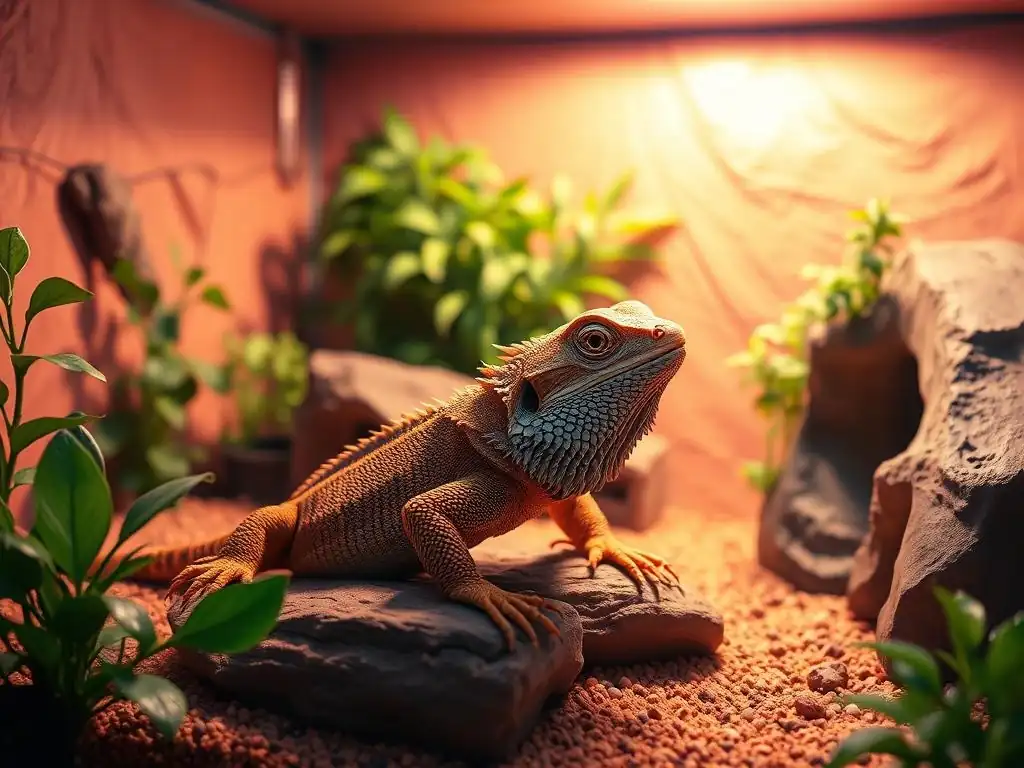
Welcome to PetCareWorld, your ultimate guide to a happier, healthier life for your beloved companions! Are you ready to unlock the secrets to optimal reptile health? Our comprehensive Reptile UVB gradient setup guide will empower you to create the perfect environment for your scaly friend, ensuring they thrive under your care. Discover the crucial role of UVB lighting and how to create the ideal gradient for your reptile's well-being – dive in and learn more!
- Understanding the Importance of a UVB Gradient for Reptiles
- Choosing the Right UVB Bulbs for Your Reptile
- Setting Up Your Reptile Enclosure for Optimal UVB Gradient
- Maintaining Your UVB Gradient Setup
- Reptile Species-Specific UVB Gradient Considerations
- Bearded Dragon Specific UVB Requirements
- Frequently Asked Questions about Reptile UVB Gradient Setup
- Frequently Asked Questions
- Final Reflection: Illuminating the Path to Reptile Health
- Unleash Your Reptile's Natural Instincts: Create the Perfect UVB Gradient Today!
Understanding the Importance of a UVB Gradient for Reptiles
Providing optimal care for your reptile involves understanding and replicating their natural environment as closely as possible. A crucial aspect of this is establishing a proper ultraviolet B (UVB) gradient within their enclosure. This isn't simply about providing UVB light; it's about mimicking the natural variations in UVB intensity that reptiles experience in their wild habitats.
This article serves as a comprehensive guide to setting up a UVB gradient in your reptile enclosure, ensuring your scaly friend receives the vital UVB rays necessary for a healthy and thriving life. We will explore the reasons why a UVB gradient is essential, the benefits it offers over uniform UVB exposure, and how to identify UVB deficiency in your reptile.
This detailed, step-by-step approach will empower you to create the perfect environment for your reptile, promoting its overall well-being and longevity. Let's delve into the fascinating world of reptile UVB lighting and discover how to provide the best possible care.
Why UVB Lighting is Crucial for Reptile Health
UVB radiation is not just beneficial; it's essential for the health and survival of many reptile species. Unlike mammals, reptiles cannot synthesize vitamin D3 internally. Vitamin D3 is crucial for calcium absorption, which is vital for strong bones, healthy muscles, and proper immune function. Reptiles obtain vitamin D3 through a process called photoconversion: their skin converts UVB rays into vitamin D3. Without adequate UVB exposure, reptiles develop metabolic bone disease (MBD), a debilitating condition leading to weakened bones, skeletal deformities, and ultimately, death. The severity of MBD is directly correlated with the duration and intensity of UVB deficiency. Therefore, providing appropriate UVB lighting is not an optional luxury; it's a fundamental requirement for responsible reptile ownership.
Think of it like this: UVB lighting is to your reptile as sunlight is to humans – it's a vital component for maintaining overall health and well-being. Ignoring this crucial element can have severe and irreversible consequences for your pet.
Benefits of a UVB Gradient vs. Uniform UVB Exposure
While providing some UVB is better than none, a uniform exposure across the entire enclosure is less beneficial than a carefully created gradient. A UVB gradient mimics the natural environment where reptiles can choose their preferred level of UVB exposure. In the wild, reptiles bask in areas of high UVB intensity to maximize vitamin D3 production and then move to cooler, less intensely lit areas to regulate their body temperature.
A gradient allows your reptile to thermoregulate and control its UVB exposure, preventing overexposure which can lead to sunburn or other issues. A uniform, high-intensity UVB source, on the other hand, can be stressful and potentially harmful.
Here's a table summarizing the key differences:
| Feature | UVB Gradient | Uniform UVB Exposure |
|---|---|---|
| Natural Mimicry | Excellent | Poor |
| Thermoregulation | Allows for optimal temperature control | Limited control, potential for overheating |
| Vitamin D3 Synthesis | Controlled and efficient | Potential for overexposure and inefficiency |
| Stress Levels | Lower | Higher, potentially leading to behavioral changes |
| Health Risks | Minimized | Increased risk of sunburn and other issues |
Recognizing UVB Deficiency Symptoms in Reptiles
Early detection of UVB deficiency is crucial for effective treatment and preventing irreversible damage. Unfortunately, the symptoms of MBD can be subtle in the early stages, making it essential to be vigilant and observant. Here are some key signs to watch out for:
- Lethargy and weakness: Your reptile might seem less active than usual, exhibiting decreased appetite and overall sluggishness.
- Loss of appetite: A significant reduction or complete loss of appetite is a clear warning sign.
- Soft or rubbery bones: Gently palpating your reptile's bones (with caution!) may reveal softening or deformity.
- Swollen joints: Inflammation and swelling around the joints can indicate bone weakening.
- Tremors or paralysis: Severe MBD can lead to tremors, paralysis, and even death.
- Deformities: Skeletal deformities, such as curved spines or bowed legs, are often visible in advanced cases. 😭
If you notice any of these symptoms, immediately consult a veterinarian specializing in reptiles. Early intervention significantly increases the chances of successful treatment and recovery. Remember, prevention is always better than cure. Providing a proper UVB gradient is the best way to ensure your reptile avoids these serious health problems.
Choosing the Right UVB Bulbs for Your Reptile
Selecting the appropriate UVB bulb is crucial for your reptile's health and well-being. A proper UVB gradient setup is essential for successful reptile keeping, contributing significantly to their calcium metabolism, bone development, and overall immune function. Ignoring this aspect can lead to serious health problems, including Metabolic Bone Disease (MBD). This section will guide you through choosing the right UVB bulb for your specific needs, ensuring your reptile thrives under optimal lighting conditions. Remember, this is a crucial element of your reptile UVB gradient setup guide.
Selecting Appropriate UVB Bulb Strength (UVB %)
The percentage of UVB output is a critical factor in selecting the right bulb. Different reptiles require different UVB percentages depending on their species and their natural habitat. For example, desert-dwelling species like Leopard Geckos generally require lower UVB percentages (around 5-8%), while more active, basking species such as Bearded Dragons often need higher percentages (8-12%). Choosing a bulb with too high a UVB percentage can be just as harmful as choosing one with too low a percentage.
Overexposure can lead to dehydration and burns, while insufficient UVB can result in MBD. Always research the specific needs of your reptile species to determine the appropriate UVB percentage. Consider consulting reputable herpetological resources or your veterinarian for specific recommendations. This is a vital step in your reptile UVB gradient setup guide.
Understanding Bulb Spectrum and Output
UVB bulbs don't all emit the same spectrum of UVB radiation. Some bulbs produce a broader spectrum, while others focus on specific wavelengths. The spectrum is important because different wavelengths are absorbed differently by your reptile's skin. A full-spectrum bulb, while often marketed as the best option, isn't always necessary.
Focus on finding a bulb that provides the correct UVB percentage within the appropriate wavelength for your reptile's species. Pay close attention to the manufacturer's specifications, which should clearly indicate the UVB percentage and the spectral output. Look for bulbs specifically designed for reptiles, as these are formulated to emit the necessary wavelengths for their physiological needs. This information is essential for your reptile UVB gradient setup guide, ensuring you provide the correct spectrum for optimal health.
Factors Influencing UVB Bulb Selection (Enclosure Size, Reptile Species)
Several factors influence the selection of your UVB bulb beyond simply the percentage. The size of your reptile enclosure is paramount. A bulb designed for a small enclosure will be insufficient for a larger one, resulting in an uneven UVB gradient and potential health issues.
The bulb's distance from your reptile is also crucial; bulbs that are too close can cause burns, while those too far away won't provide sufficient UVB radiation. You must consider the specific needs of your reptile species: arboreal species (those that live in trees) will have different UVB requirements than terrestrial species (those that live on the ground). Similarly, nocturnal reptiles have different needs than diurnal reptiles.
Always consult species-specific care guides to ensure you are selecting the correct bulb strength and positioning for your reptile’s specific needs. Careful consideration of these factors is critical for a successful reptile UVB gradient setup guide. Remember, proper lighting is a cornerstone of responsible reptile care.
Top UVB Bulb Recommendations for Different Reptile Species
Selecting the appropriate UVB bulb is crucial for your reptile's health and well-being. The ideal bulb depends heavily on the specific species, its natural habitat, and its individual needs. A general recommendation isn't sufficient; you need to consider the species' basking requirements and the intensity of UVB radiation it needs to synthesize vitamin D3 properly and maintain healthy bone structure. Improper UVB lighting can lead to metabolic bone disease (MBD), a debilitating and often fatal condition.
For example, desert-dwelling reptiles like bearded dragons often require a higher UVB output than rainforest dwellers like certain species of tree frogs. Bearded dragons, basking in the intense desert sun, need bulbs with a higher UVB percentage, perhaps a 10.0 or 12.0 UVB bulb, depending on the enclosure size and distance from the basking spot. Their enclosures should also provide a strong thermal gradient, allowing them to regulate their body temperature effectively.
Conversely, a rainforest species might only require a 5.0 UVB bulb, as their natural environment offers lower UVB intensity. Overexposure to UVB can be just as harmful as insufficient exposure; it can lead to sunburn, eye damage, and other health problems. Therefore, research into your specific reptile's natural habitat is essential before making a purchase.
Choosing the right bulb also involves understanding its spectrum. Full-spectrum bulbs are often recommended, as they provide a broader range of light wavelengths, mimicking natural sunlight more closely. However, even with full-spectrum bulbs, it's crucial to use a UVB bulb specifically designed for reptiles, as many full-spectrum bulbs marketed for plants or other purposes may not provide the necessary UVB output for reptiles. Always check the bulb's specifications to ensure it meets the requirements for your reptile species.
Consider the bulb's lifespan too. UVB bulbs degrade over time, reducing their effectiveness. Replace your UVB bulb according to the manufacturer's recommendations, even if it still seems to be functioning. A degraded bulb won't provide the necessary UVB levels, putting your reptile at risk of MBD and other health issues.
Regular replacement is a vital part of responsible reptile care, ensuring your reptile receives the appropriate level of UVB radiation throughout its life. Many experts recommend replacing bulbs every six to twelve months, depending on usage and type. Keep detailed records of your bulb replacements to stay on schedule. This proactive approach significantly contributes to the overall health and longevity of your reptile companion.
Setting Up Your Reptile Enclosure for Optimal UVB Gradient
This section provides a detailed guide on creating the ideal UVB gradient within your reptile enclosure. A properly established UVB gradient is crucial for the health and well-being of your reptile, mimicking their natural environment and supporting essential physiological processes like calcium absorption and vitamin D3 synthesis. Understanding the nuances of UVB gradient setup is key to responsible reptile ownership. This guide focuses on the practical aspects of achieving the optimal gradient, ensuring your reptile thrives under your care.
Choosing the Correct Fixture for Your UVB Bulb
Selecting the appropriate UVB bulb fixture is the first crucial step in setting up a successful UVB gradient. The fixture's design significantly impacts the distribution and intensity of UVB radiation within the enclosure. Avoid using standard incandescent or fluorescent light fixtures; these are often unsuitable for delivering the necessary UVB wavelengths.
Several fixture types are specifically designed for reptile UVB lighting. These include:
- Dome fixtures: These offer focused UVB output, ideal for smaller enclosures or targeted basking areas. They're easy to install and maintain but might not provide even coverage across a larger enclosure.
- Linear fixtures: These provide more even distribution of UVB across a larger area, making them suitable for larger enclosures or those with multiple basking spots. However, they can be less effective at creating a strong gradient if not positioned correctly.
- Reflector fixtures: These enhance UVB penetration by directing the light downward, improving efficiency and reducing wasted energy. They're particularly useful in taller enclosures.
The choice of fixture should also consider the wattage and type of UVB bulb you're using. Higher wattage bulbs typically require more robust fixtures capable of dissipating heat effectively. Always check the manufacturer's recommendations for compatible bulb types and wattage. Remember, safety is paramount; choose a fixture that securely holds the bulb and prevents accidental breakage. A well-ventilated fixture is also essential to prevent overheating.
Positioning the UVB Bulb for a Gradual Gradient
Once you have selected the appropriate fixture, its placement is critical in establishing a smooth UVB gradient. The goal is to create a clear distinction between a warmer, higher-UVB basking area and a cooler, lower-UVB area within the enclosure. This allows your reptile to thermoregulate effectively, choosing its preferred temperature and UVB exposure.
Here are some key considerations for optimal positioning:
- Distance: The distance between the UVB bulb and the basking spot directly affects UVB intensity. Closer proximity results in higher UVB levels. Consult the bulb's instructions for recommended distances to avoid overexposure.
- Angle: The angle of the bulb can influence the distribution of UVB. Experiment with different angles to find the most effective gradient. A slightly angled bulb can often create a more gradual transition from high to low UVB.
- Enclosure size and shape: The size and shape of your reptile enclosure will influence bulb placement. Larger enclosures might require multiple bulbs or a combination of bulbs and reflectors to ensure even coverage. In contrast, smaller enclosures might only need a single bulb strategically positioned.
- Obstructions: Avoid placing obstacles between the bulb and the basking area, such as large rocks or branches, as these can significantly reduce UVB penetration.
Remember, a gradual gradient is key; avoid abrupt changes in UVB intensity. A smooth transition allows your reptile to move freely between areas of varying UVB exposure. Regularly monitor the gradient using a UVB meter (discussed in the next section) to ensure consistent and appropriate levels.
Measuring UVB Levels with a Meter (Recommended)
While careful placement and fixture selection are crucial, using a UVB meter is highly recommended for accurate measurement and fine-tuning of your reptile's enclosure. A UVB meter provides quantitative data on the UVB intensity at various points within the enclosure, allowing for precise adjustments to achieve the desired gradient. This is especially important for species with specific UVB requirements.
There are various types of UVB meters available, with varying levels of accuracy and features. Consider the following when choosing a meter:
| Feature | Importance |
|---|---|
| Measurement Range | Ensure it covers the UVB range relevant to your reptile species (e.g., 280-320nm). |
| Accuracy | Higher accuracy provides more reliable readings. |
| Ease of Use | Choose a meter with a clear interface and easy-to-understand instructions. |
| Durability | A robust meter will withstand regular use and potential accidental damage. |
Regularly measuring UVB levels at various points within the enclosure helps ensure your reptile receives the optimal amount of UVB radiation. Take readings at the basking spot, in the middle of the enclosure, and in the cooler end to establish the gradient. Adjust the bulb's position or consider using supplemental lighting as needed to achieve the recommended UVB levels for your reptile's species. Remember to consult reputable sources for species-specific UVB requirements. Consistent monitoring and adjustments are key to maintaining a healthy and thriving environment for your reptile. 🦎
Creating Basking Spots and Thermal Gradients Alongside UVB
Creating the ideal basking spot is crucial for your reptile's health and well-being. A basking spot provides a significantly warmer area within the enclosure, allowing your reptile to thermoregulate effectively. This means they can move between warmer and cooler areas to maintain their optimal body temperature. This is especially important for reptiles who are ectothermic, meaning they rely on external sources of heat to regulate their internal body temperature. Without proper basking spots, your reptile may struggle to digest food, leading to health problems and potentially even death.
The placement of the basking spot is key. It should be positioned under the primary heat source, such as a heat lamp or ceramic heat emitter, and ideally, directly beneath the strongest point of your UVB light source. This allows your reptile to simultaneously bask in the warmth and receive the beneficial UVB rays necessary for calcium absorption and overall health. Remember, a successful reptile UVB gradient setup guide emphasizes the importance of both heat and UVB working in tandem. The heat encourages basking, and the UVB ensures the benefits of basking are fully realized.
Consider the type of basking spot you provide. Some reptiles prefer flat, smooth surfaces, while others may prefer rocks or branches that provide a more textured basking area. Observe your reptile's natural behavior to determine their preferences.
You can experiment with different materials, such as flat rocks, pieces of wood, or even specially designed basking platforms, to create the most comfortable and appealing basking spot for your pet. Providing multiple basking spots at varying temperatures can also cater to their individual needs throughout the day. For example, a higher temperature basking spot might be used during peak daylight hours, while a slightly cooler spot may be preferred in the evening.
The thermal gradient should extend beyond just the basking spot. A successful setup includes a gradual temperature decrease from the warmest point (the basking spot) to the coolest point in the enclosure. This allows your reptile to move freely throughout the enclosure, selecting the temperature that best suits its current needs. This might involve strategically placing additional heat sources, using heat mats (under part of the enclosure, never directly underneath), or simply utilizing the natural temperature variation within the enclosure itself.
Careful monitoring with accurate thermometers is essential to ensure the gradient is appropriate and safe for your reptile species. Remember, a reptile UVB gradient setup guide must account for the temperature needs as much as the UVB needs. An insufficient thermal gradient, even with proper UVB, can cause significant health issues.
Remember to regularly monitor the temperature and UVB levels throughout your reptile's enclosure using accurate thermometers and UVB meters. This ensures that the gradient remains within the optimal range for your specific reptile species. Adjusting the placement of heat and UVB sources as needed is crucial for maintaining a consistent and healthy environment. Ignoring these aspects can result in serious health complications for your reptile. A well-maintained thermal gradient, combined with adequate UVB, is a cornerstone of responsible reptile keeping.
Maintaining Your UVB Gradient Setup
Maintaining the correct UVB gradient in your reptile enclosure is crucial for your reptile's health and well-being. A properly maintained setup ensures your reptile receives the necessary UVB radiation for proper calcium absorption, preventing metabolic bone disease (MBD) and other health problems. Neglecting maintenance can lead to serious health complications for your scaly friend.
This section details the essential steps to keep your UVB gradient functioning optimally. Remember, consistency is key when it comes to reptile care, and a diligent maintenance schedule is paramount for a thriving reptile companion. This guide will help you understand the best practices for maintaining your reptile UVB gradient setup, addressing crucial aspects like bulb replacement and fixture cleaning.
Regular UVB Bulb Replacement Schedule
UVB bulbs, unlike standard light bulbs, degrade over time. Their UVB output diminishes significantly, even if they still appear to be functioning. This gradual decrease in UVB intensity means your reptile is not receiving the necessary levels of UV radiation, increasing the risk of MBD. Therefore, a strict replacement schedule is vital.
The lifespan of a UVB bulb varies depending on the brand and type. However, a general guideline is to replace your UVB bulb every 6-12 months, regardless of whether it still seems to be working. Always check the manufacturer's instructions on the packaging for the specific recommended replacement schedule for your particular bulb.
Failing to replace your bulb on time could lead to serious health issues for your reptile, including weakened bones and lethargy. It's better to err on the side of caution and replace the bulb slightly more frequently than to risk your reptile's health. Consider setting a reminder on your phone or calendar to help you stay on track with your replacement schedule.
Monitoring UVB Levels Over Time
While replacing your bulb regularly is crucial, actively monitoring the UVB levels in your enclosure can provide additional peace of mind. You can purchase a UVB meter to measure the intensity of the UVB radiation reaching your reptile. These meters are relatively inexpensive and can be found at most pet supply stores. Regularly measuring the UVB levels, especially after replacing the bulb, helps confirm that the replacement is providing adequate UVB output.
Monitoring UVB levels over time allows you to track the performance of your bulbs and identify potential issues early on. For example, if you notice a significant drop in UVB output before the recommended replacement time, it could indicate a faulty bulb or a problem with your fixture. This early detection allows you to address the problem before it negatively impacts your reptile's health.
Remember to always follow the manufacturer's instructions on how to use and calibrate your UVB meter for accurate readings. Consistent monitoring is a proactive approach to reptile care, promoting the best health outcomes for your pet.
Cleaning and Maintaining Your UVB Fixture
Maintaining a clean UVB fixture is equally important as replacing the bulb. Dust, debris, and other particles can accumulate on the fixture, reducing the amount of UVB radiation that reaches your reptile. Regular cleaning helps ensure optimal UVB penetration.
Cleaning your UVB fixture should be a part of your regular enclosure maintenance routine. The frequency of cleaning depends on your environment, but a monthly cleaning is generally recommended. Use a soft, damp cloth to gently wipe down the fixture, removing any dust or debris. Avoid using harsh chemicals or abrasive cleaners, as these can damage the fixture and potentially affect the bulb's performance.
Always ensure the fixture is completely dry before turning it back on. A clean fixture not only ensures optimal UVB output but also contributes to a healthier overall environment for your reptile, reducing the risk of respiratory issues and other health problems. Careful and regular cleaning is a simple yet significant act of responsible reptile ownership. Remember, a clean environment is a healthy environment for your reptile.
Troubleshooting Common UVB Gradient Issues
Maintaining a consistent and effective UVB gradient in your reptile enclosure requires vigilance. Several common issues can disrupt the carefully crafted gradient, potentially harming your reptile's health. Let's explore some of the most frequent problems and how to address them.
One common problem is uneven UVB distribution. This can stem from several factors. Incorrect bulb placement is a major culprit. If the UVB bulb is too close to one side of the enclosure, that area will receive significantly more UVB radiation than the other, creating a harsh and potentially dangerous gradient.
Similarly, obstructions like branches, rocks, or even the reptile itself can block UVB rays, leading to inconsistent exposure. Regularly check the UVB distribution using a UVB meter to ensure even coverage across the gradient. Adjust the bulb's position and rearrange enclosure furnishings as needed to optimize distribution. Remember that different bulb types have different effective ranges, so consult your bulb's specifications for optimal placement.
Another frequent issue is bulb degradation. UVB bulbs lose their effectiveness over time, gradually reducing their UVB output. This decline is often gradual and can be difficult to detect without regular monitoring. A degraded bulb will fail to create the necessary gradient, leaving your reptile vulnerable to metabolic bone disease (MBD) and other health problems.
Always adhere to the manufacturer's recommended bulb replacement schedule. For example, many reputable UVB bulbs are designed to last for approximately 6-12 months, depending on usage and wattage. Note that even if the bulb still appears to be lighting, it might not be producing sufficient UVB. Regular replacement is crucial for maintaining the integrity of your reptile's UVB gradient.
Finally, incorrect enclosure size and bulb wattage can significantly impact the effectiveness of your UVB gradient. A bulb that's too weak for a large enclosure will struggle to create a proper gradient, while a bulb that's too strong for a small enclosure can create dangerously high UVB levels in certain areas. Always carefully match the wattage of your UVB bulb to the size of your reptile enclosure. Consult online resources and reptile-specific guides for recommendations on appropriate bulb wattage for different enclosure sizes and reptile species.
A properly sized enclosure and adequately powerful bulb are fundamental to a successful UVB gradient setup. Remember that even minor discrepancies can have significant consequences for your reptile's health. Regularly assessing and adjusting your setup is key to preventing problems. Using a UVB meter is highly recommended to ensure the appropriate levels are maintained throughout the gradient.
Reptile Species-Specific UVB Gradient Considerations
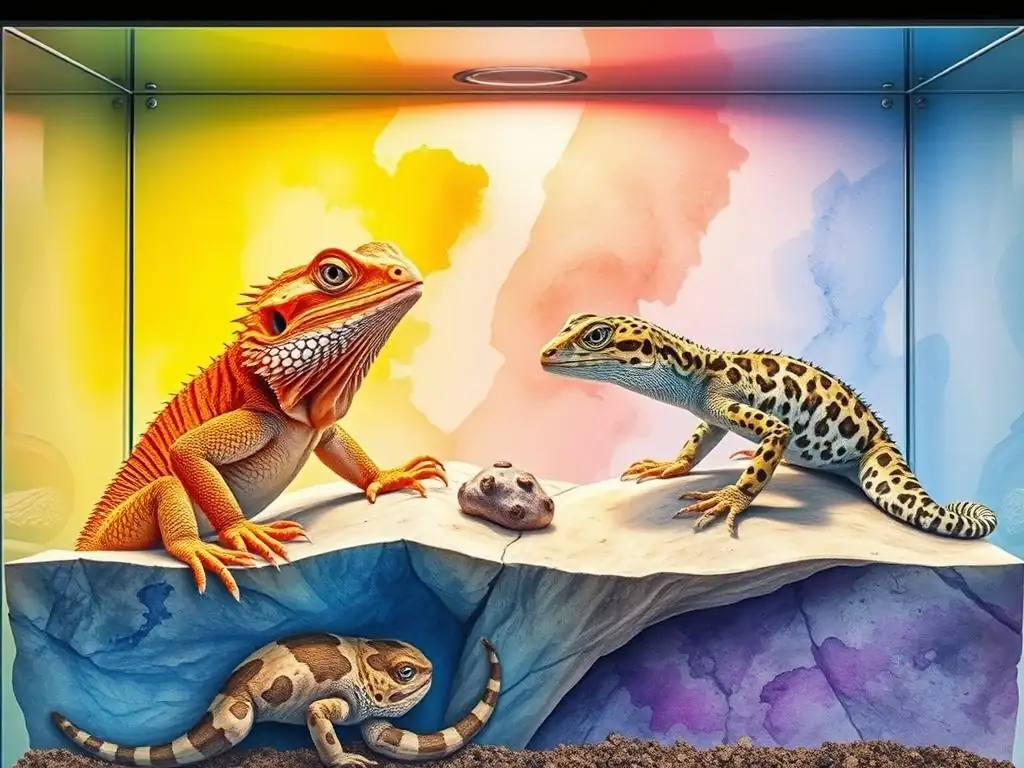
Providing the correct UVB gradient is crucial for the health and well-being of your reptile. However, the specific requirements vary significantly depending on the species. A setup perfectly suitable for a desert-dwelling species like a bearded dragon would be entirely inappropriate for a rainforest inhabitant like a green tree frog. This section will highlight the importance of species-specific research when establishing your reptile's UVB gradient.
Failing to do so can lead to serious health problems, including metabolic bone disease (MBD), which is often fatal. Understanding your reptile's natural habitat and basking behaviors is key to replicating those conditions in captivity. This includes factors like sunlight exposure in their natural environment and their thermoregulatory behaviors.
Remember, a successful reptile UVB gradient setup guide always begins with thorough species-specific research. Consult reputable herpetological resources and veterinary professionals for guidance tailored to your pet's needs. Generic advice can be harmful, and a customized approach is essential for responsible reptile keeping. The intensity and duration of UVB exposure need to be carefully considered, as an insufficient or excessive amount can both have detrimental effects.
Bearded Dragon Specific UVB Requirements
Bearded Dragon Specific UVB Requirements
Bearded dragons ( Pogona vitticeps) are popular pets, but their UVB needs are often misunderstood. They require a significant amount of UVB radiation for proper calcium absorption and overall health. A lack of UVB leads to metabolic bone disease (MBD), characterized by weakened bones, skeletal deformities, and lethargy.
Adult bearded dragons generally need a UVB bulb emitting 10.0 to 12.0 UVB. Juveniles, due to their rapid growth, may benefit from a slightly higher UVB output, but always follow the manufacturer's instructions carefully. The bulb's placement is crucial; it shouldn't be too close, causing overheating, nor too far, resulting in insufficient UVB exposure.
The ideal distance should be determined based on the bulb's strength and the enclosure's size, typically following the manufacturer's recommendations. Regularly checking the bulb's output with a UVB meter is recommended to ensure its efficacy, as UVB output diminishes over time. Remember to replace the bulb according to the manufacturer's guidelines, even if it still appears to be functioning.
The type of UVB bulb is also important. Linear UVB tubes are generally preferred for larger enclosures, offering more even coverage. Compact fluorescent bulbs (CFLs) are more commonly used for smaller enclosures but may offer less even UVB distribution. Always choose reputable brands known for their accuracy and reliability. Don't skimp on the quality of your UVB bulb; your bearded dragon's health directly depends on it.
Bearded Dragon Enclosure Setup for Optimal UVB Gradient
Creating an optimal UVB gradient for your bearded dragon involves careful consideration of several factors. The enclosure should be large enough to allow for a thermal and UVB gradient. A basking spot with the highest temperature and UVB intensity should be available, alongside a cooler area where the dragon can regulate its body temperature. This gradient allows the reptile to thermoregulate effectively, a crucial aspect of their well-being. The basking spot should reach temperatures between 100-110°F (38-43°C), while the cooler side remains around 75-85°F (24-29°C).
A thermometer with a probe is essential to monitor these temperatures accurately. The UVB bulb should be positioned above the basking spot, ensuring that the dragon receives adequate UVB exposure while basking. The use of a digital thermometer with a probe ensures accurate temperature monitoring. Consider using a thermostat to automatically regulate the heating elements to maintain consistent temperatures.
The substrate should also be considered. Avoid substrates that can be ingested, which can lead to impaction. Paper towels, tile, or reptile carpet are safer options. Providing appropriate hiding places and branches for climbing adds enrichment and allows the dragon to regulate its body temperature and feel secure. Regular cleaning and disinfection of the enclosure are critical to maintaining a healthy environment. Remember, maintaining a clean enclosure is vital for preventing bacterial or parasitic infections. A consistent cleaning schedule should be established and maintained.
Bearded Dragon UVB Gradient Troubleshooting
Even with careful planning, issues can arise. If your bearded dragon exhibits signs of MBD, such as lethargy, wobbly gait, or skeletal deformities, consult a veterinarian immediately. Early intervention is key to successful treatment. Insufficient UVB exposure is a common cause, so check the bulb's placement, age, and output using a UVB meter.
A weak or improperly positioned bulb can render the gradient ineffective. The distance between the bulb and the basking spot is also crucial; too close can cause burns, while too far reduces UVB effectiveness. Always follow the manufacturer’s instructions for proper bulb placement and distance. Regularly monitor the bulb's output and replace it according to the manufacturer's recommendations.
Another common problem is inconsistent temperatures. Ensure your heating elements are functioning correctly and that the enclosure's temperature is consistently within the recommended range. Use multiple thermometers to accurately monitor temperatures in various locations within the enclosure. A malfunctioning thermostat can lead to erratic temperature fluctuations, impacting your bearded dragon's health. Proper ventilation is also crucial to prevent overheating and maintain humidity levels.
Insufficient ventilation can lead to respiratory issues and other health problems. Regularly clean and disinfect the enclosure to prevent the buildup of bacteria and parasites. This helps maintain a healthy and hygienic environment for your pet. 🦎
Leopard Gecko Specific UVB Requirements
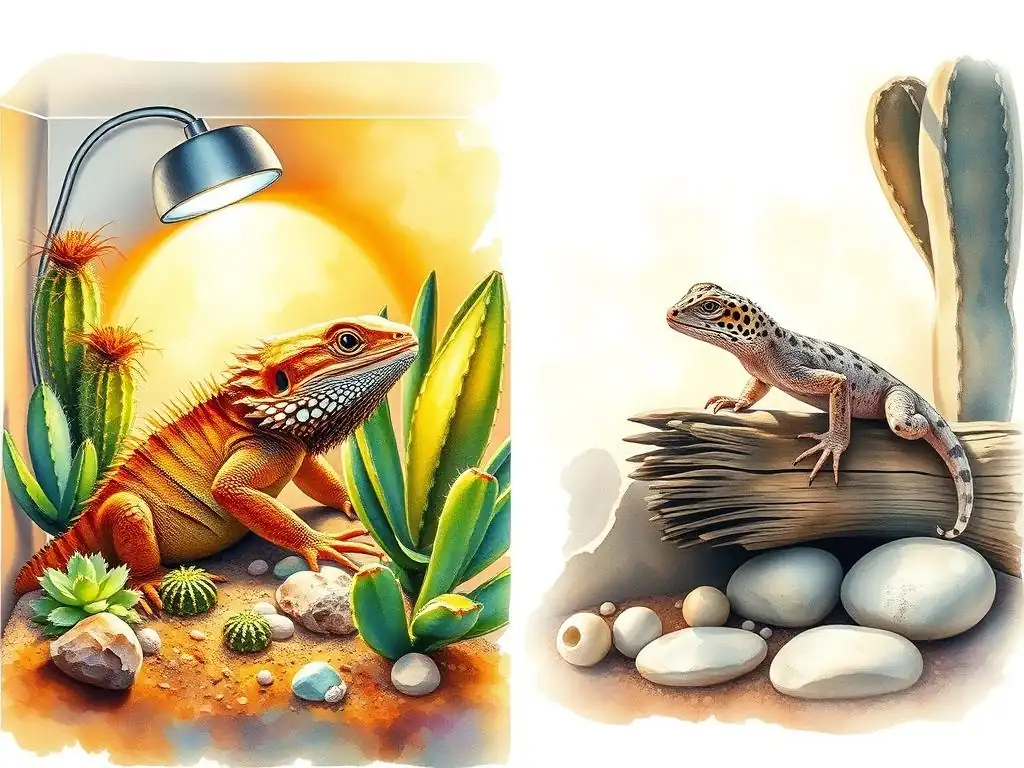
Leopard geckos, unlike many other diurnal reptiles, are nocturnal. This means their activity peaks at night, and they don't rely on UVB light for vitamin D3 synthesis in the same way as their day-active counterparts. While they don't require strong UVB exposure, a low-level UVB bulb can still offer some benefits. A weak UVB bulb, such as a 2.0 or even a 1.0 UVB tube, placed at a distance to create a gentle gradient, can help stimulate natural behaviors and potentially improve calcium absorption.
However, it's crucial to avoid excessive UVB exposure, as this can be harmful to their sensitive eyes and skin. Many keepers successfully maintain healthy leopard geckos without any UVB lighting at all, focusing instead on a proper diet supplemented with vitamin D3. The key is to provide a balanced and nutritious diet, carefully considering the calcium-to-phosphorus ratio.
Over-supplementation with calcium or vitamin D3 can be just as harmful as deficiency, so always consult a reptile veterinarian for specific dietary recommendations tailored to your gecko's age and health. Regular fecal exams are also recommended to monitor calcium metabolism. Remember, a healthy diet is paramount for a thriving leopard gecko, and UVB is only a secondary consideration.
Leopard Gecko Enclosure Setup for Optimal UVB Gradient
Setting up a UVB gradient for a leopard gecko, even if using a low-output bulb, requires careful consideration. The goal is not to create a strong gradient, but rather a very subtle one. Start by selecting a low-wattage UVB bulb, such as a 2.0 or 1.0 UVB tube, specifically designed for reptiles. These bulbs are significantly less intense than those used for diurnal species.
Position the bulb on one side of the enclosure, ensuring it's far enough away to avoid overheating. The distance should be such that the warmest spot under the bulb is still within the gecko's preferred temperature range (around 88-92°F or 31-33°C). The opposite side of the enclosure should remain significantly cooler, providing a thermal gradient the gecko can utilize for thermoregulation. Use a thermometer with a probe to accurately monitor temperatures throughout the enclosure, ensuring there are no dangerously hot or cold spots.
Avoid using heat rocks or other localized heat sources directly under the UVB bulb, as this can create localized hotspots that are detrimental to the gecko. A good substrate choice that retains some moisture, like a mix of topsoil and paper towels, is also important for their humidity requirements. The enclosure itself should be a suitable size for an adult leopard gecko, providing ample space for exploration and basking.
Leopard Gecko UVB Gradient Troubleshooting
Even with a carefully planned setup, issues can arise. One common problem is overheating. If your leopard gecko spends minimal time under the UVB bulb or exhibits signs of stress (like excessive hiding or lethargy), it may be too warm. Increase the distance between the bulb and the basking spot or reduce the bulb's wattage. Conversely, if your gecko consistently seeks out the warmest spot, it may be too cool.
Try decreasing the distance to the bulb or increasing the wattage, but always monitor temperatures to prevent overheating. Another potential issue is insufficient UVB. While leopard geckos don't require strong UVB, a very weak or poorly positioned bulb may not provide any benefits. Ensure the bulb is the correct type and wattage for the enclosure size, and that it's positioned to provide even (though weak) coverage. Always check the bulb's expiration date; old bulbs lose their effectiveness.
Finally, always observe your gecko's behavior and appetite. Any changes could indicate a problem with the enclosure setup, diet, or overall health. If you suspect a problem, consult a reptile veterinarian for professional guidance. Regular monitoring and adjustments are key to maintaining a healthy and thriving leopard gecko.
Frequently Asked Questions about Reptile UVB Gradient Setup
This section addresses common queries regarding the creation and maintenance of a proper UVB gradient for your reptile's enclosure. Understanding these nuances is crucial for ensuring your reptile's health and well-being. Proper UVB lighting is essential for calcium absorption and overall reptile health. Let's delve into some frequently asked questions:
How often should I replace my UVB bulb?
UVB bulbs, unlike standard incandescent or fluorescent bulbs, degrade over time. Their ability to produce UVB radiation diminishes significantly, even before they completely stop working. This gradual decline is critical because your reptile relies on these UV rays for crucial metabolic processes. Failing to replace them frequently can lead to metabolic bone disease (MBD) and other serious health problems.
The recommended replacement schedule varies depending on the type of bulb. Compact fluorescent (CF) UVB bulbs typically need replacing every 6-12 months, while mercury vapor bulbs (MVB) usually last for 12-18 months. Always check the manufacturer's instructions printed on the bulb packaging for the specific recommended lifespan. Don't solely rely on the bulb still lighting up – its UVB output may be significantly reduced long before it burns out.
Consider using a UVB meter to accurately measure the UVB output of your bulb and determine when replacement is needed. This proactive approach ensures your reptile receives the necessary UVB throughout its life. Remember, a proactive approach to UVB bulb replacement is a critical component of responsible reptile care and contributes significantly to your pet’s health and longevity. Ignoring this aspect can have severe consequences.
What happens if my reptile doesn't get enough UVB?
Insufficient UVB exposure leads to a cascade of negative effects, primarily impacting calcium metabolism. Without adequate UVB, your reptile cannot properly synthesize vitamin D3. Vitamin D3 is essential for calcium absorption in the gut. This deficiency directly results in metabolic bone disease (MBD). Symptoms of MBD can include:
- Lethargy and weakness: Your reptile might become less active and appear weaker than usual.
- Skeletal deformities: Bones may become soft, brittle, or deformed, leading to wobbly legs, tremors, or difficulty moving.
- Muscle tremors: Involuntary muscle contractions may become noticeable.
- Loss of appetite: A reduced intake of food is a common symptom.
- Egg-laying difficulties (in females): Problems with egg production and shell formation can occur.
Severe MBD can be fatal. Early detection and correction are vital. Providing the correct UVB gradient and ensuring proper dietary calcium intake are preventative measures. Regular vet check-ups are crucial for early diagnosis and treatment of potential MBD, even before visible symptoms appear. Don't underestimate the importance of proper UVB lighting in preventing this serious condition.
Can I use multiple UVB bulbs to create a gradient?
Yes, using multiple UVB bulbs can be an effective strategy for creating a more nuanced and accurate UVB gradient. This approach allows for finer control over the intensity of UVB radiation across the enclosure. However, it requires careful planning and placement to avoid creating “hot spots” of excessively high UVB intensity which can harm your reptile.
For example, you might use a higher-output UVB bulb at one end of the enclosure and a lower-output bulb at the other end. Alternatively, you could use a single, higher-output bulb and strategically position basking sites within the enclosure to achieve the desired gradient. The placement of these bulbs should be carefully considered based on the specific needs of your reptile species and enclosure size. Remember, the goal is a gradient, not a uniform intensity.
Your reptile should have the option to thermoregulate and choose its preferred level of UVB exposure. Always research the specific requirements of your reptile species before implementing a multi-bulb system. Consult with a herpetologist or experienced reptile keeper for personalized guidance based on your specific setup and reptile species. Accurate UVB gradient setup is species-specific, emphasizing the importance of thorough research tailored to your pet's needs.
How do I know if my UVB gradient is working correctly?
Determining if your reptile's UVB gradient is functioning correctly involves a multi-pronged approach, combining observation of your reptile's behavior and utilizing appropriate measuring tools. Simply installing a UVB bulb doesn't guarantee a proper gradient; you must ensure the intensity and distribution are appropriate for your specific reptile species and enclosure size.
Firstly, observe your reptile's behavior. A well-established gradient will encourage natural basking behavior. Your reptile should be able to freely move between areas of higher and lower UVB intensity, choosing the spot that best suits its thermoregulatory needs. If your reptile consistently remains in one spot, regardless of its proximity to the UVB source, this might indicate an improperly functioning gradient – perhaps the high-intensity zone is too hot or the low-intensity zone is too cold or dark.
Look for signs of lethargy, lack of appetite, or unusual skin shedding patterns, which could all suggest inadequate UVB exposure. Remember that different reptile species have different basking preferences, so research your specific species' needs carefully. For example, a bearded dragon will typically bask for extended periods under a strong UVB source, while a leopard gecko might require a more subtle gradient with less intense UVB.
Secondly, use a UVB meter. This is crucial for objectively measuring the UVB output at various points within the enclosure. A UVB meter provides quantitative data, allowing you to assess whether you've created a suitable gradient. You should measure UVB intensity at several points within the enclosure, starting from the basking spot closest to the UVB source and moving progressively further away. The readings should demonstrate a gradual decrease in UVB intensity as you move away from the light source.
The ideal gradient will depend on your reptile’s needs, with some species requiring a steeper gradient than others. Consult reptile-specific care guides and veterinary professionals for recommendations on appropriate UVB levels for your pet. Remember to calibrate your UVB meter regularly to ensure accuracy. Inaccurate readings can lead to improper UVB exposure, which can negatively impact your reptile’s health.
Finally, consider the enclosure's size and the type of UVB bulb. A larger enclosure will require a more powerful UVB bulb to achieve the desired gradient. Similarly, the type of UVB bulb (e.g., coil, tube, linear) influences the intensity and distribution of UVB rays. Ensure you're using the appropriate bulb for your enclosure size and your reptile's species.
Incorrect bulb selection can lead to inadequate UVB coverage, even with a seemingly correct setup. Regularly inspect and replace your UVB bulb according to the manufacturer's recommendations, as UVB output diminishes over time. A degraded bulb will not produce the appropriate gradient, potentially causing serious health problems for your reptile. By combining careful observation of your reptile's behavior with objective measurements and awareness of equipment specifications, you can confidently ensure your reptile enjoys a safe and healthy UVB gradient.
Frequently Asked Questions
What is a UVB gradient, and why is it important for my reptile?
A UVB gradient provides a range of UVB exposure within your reptile's enclosure. This allows your reptile to thermoregulate and synthesize Vitamin D3, crucial for calcium absorption and overall health. A proper gradient ensures they can choose their optimal exposure level.
How do I create a UVB gradient in my reptile enclosure?
Create a gradient by placing your UVB light source at one end of the enclosure. This creates a high-UVB zone near the light and a lower-UVB zone further away. Use a thermometer to monitor temperatures and adjust accordingly.
What type of UVB bulb is best for my reptile?
The best UVB bulb depends on your reptile's species and enclosure size. Research the specific needs of your reptile to choose a bulb with the appropriate UVB output and spectrum. Consult a veterinarian or reptile specialist for guidance.
How often should I replace my UVB bulb?
UVB bulbs lose effectiveness over time, even if they still appear to be working. Replace your bulb every 6-12 months, regardless of whether it’s still emitting light, to ensure your reptile receives adequate UVB radiation. Check the manufacturer's recommendations for your specific bulb.
What are the signs of UVB deficiency in my reptile?
Signs of UVB deficiency include metabolic bone disease (MBD), characterized by soft bones and skeletal deformities. Other symptoms can be lethargy, loss of appetite, and weakened immune system. Consult a veterinarian immediately if you suspect a deficiency.
Final Reflection: Illuminating the Path to Reptile Health
Creating a proper UVB gradient in your reptile enclosure isn't just a technical detail; it's the cornerstone of your reptile's well-being and longevity. A carefully planned gradient mimics the natural environment, offering your scaly companion the choice of basking intensity crucial for proper calcium absorption, vitamin D3 synthesis, and overall health. Ignoring this fundamental aspect can lead to serious health complications, highlighting the critical importance of understanding and implementing this seemingly simple setup.
The impact of proper UVB lighting on the reptile keeping community is profound and ongoing. We've moved beyond simply providing a single, bright light source; we're now striving for a more holistic and naturalistic approach. The best way to care for a reptile is to understand its natural history and replicate its natural environment as closely as possible.
This quote underscores the shift towards a more ethical and informed approach to reptile husbandry, one that prioritizes the animal's needs above all else. The journey towards understanding and implementing UVB gradients reflects this growing awareness and responsibility within the community.
Now, consider your own reptile enclosure. Are you providing your scaly friend with the optimal conditions for a thriving life? Take a moment to assess your setup. Does it offer a true gradient of UVB intensity? If not, I urge you to revisit this guide and make the necessary adjustments. Remember, providing the right UVB gradient is an act of love and care, a commitment to the health and happiness of your reptile companion. By understanding and implementing these principles, you're not just setting up a habitat; you're building a sanctuary where your reptile can truly flourish.
Unleash Your Reptile's Natural Instincts: Create the Perfect UVB Gradient Today!
Thank you for learning about creating the perfect UVB gradient for your reptile! You now have the knowledge to significantly improve your reptile's health and well-being. Ready to put it into action?
- Design and implement your UVB gradient: Carefully position your UVB light source to create ideal basking and cooler zones in your reptile's enclosure. This is the most crucial step! Consider the specific needs of your reptile species when determining the ideal placement and intensity of the UVB light.
- Share your setup with other reptile enthusiasts: Join our PetCareWorld community forum and share photos of your new setup – let's inspire each other! Sharing your successes and challenges can help other reptile keepers learn and improve their care practices.
- Explore different UVB bulb options: Research the benefits of various UVB bulbs to find the best one for your specific reptile species. Different bulbs offer varying levels of UVB output and lifespan, so choosing the right one is essential for your reptile's health.
What exciting changes will you make to your reptile's habitat? Let us know in the comments!