
How to Choose the Best Reptile Thermostat for Your Needs

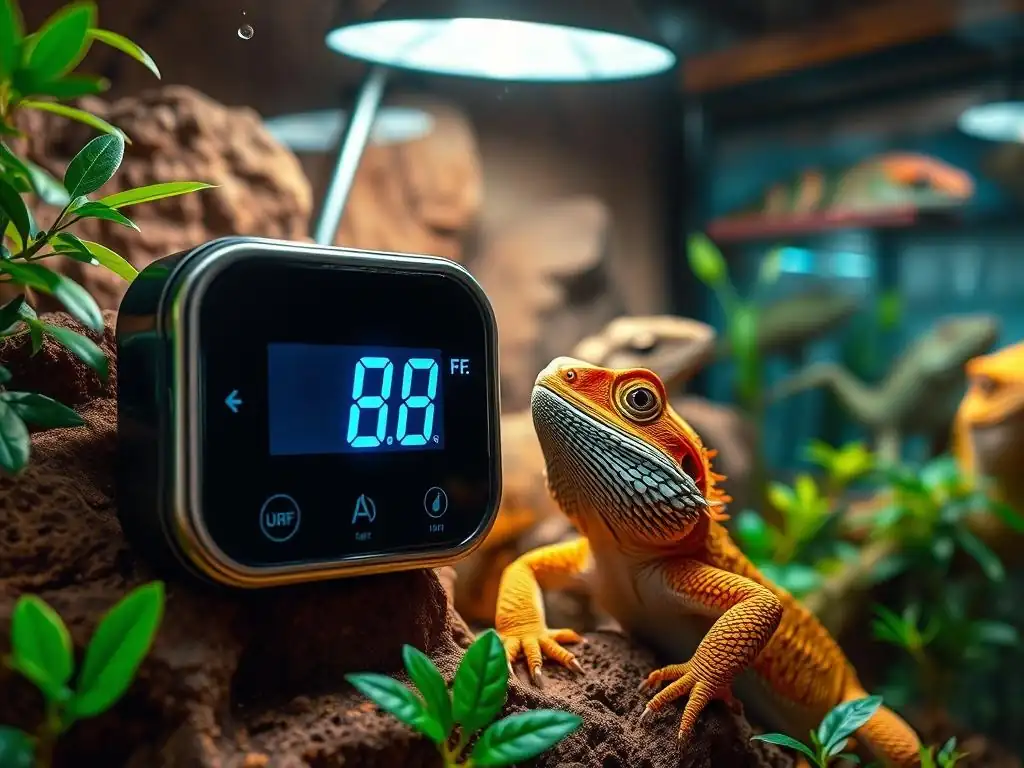
Welcome to PetCareWorld, your ultimate guide to a happier, healthier life for your beloved companion! Are you ready to unlock the secrets to providing optimal care for your scaly friend? Then dive into our comprehensive best reptile thermostat buying guide – discovering the perfect thermostat is crucial for your reptile's well-being, and we'll show you exactly how to choose the right one. Explore the world of reptile care and beyond, with expert advice waiting to be discovered. Let's get started!
- Understanding Reptile Thermostat Essentials
- Choosing the Right Thermostat for Your Reptile
- Best Reptile Thermostat Buying Guide: Top Features
- Installing and Using Your New Reptile Thermostat
- Maintaining Your Reptile Thermostat for Optimal Performance
- Frequently Asked Questions about Reptile Thermostats
- Frequently Asked Questions
- Final Reflection: Heating Up Responsible Reptile Ownership
- Unlock Your Reptile's Potential: Create a Thriving Habitat Today!
Understanding Reptile Thermostat Essentials
Maintaining the proper temperature within a reptile enclosure is paramount to your pet's health and well-being. Temperature fluctuations can lead to a variety of health problems, including metabolic bone disease (MBD), respiratory infections, and even death. This comprehensive buying guide for the best reptile thermostat will equip you with the knowledge to choose the ideal temperature control system for your scaly friend, ensuring their optimal comfort and longevity.
We'll explore the different types of thermostats available, key features to consider during your purchase, and ultimately help you navigate the world of reptile heating and ensure your reptile thrives in a perfectly regulated environment. Choosing the right thermostat is an investment in your pet's health – let's get started!
What is a Reptile Thermostat and Why Do I Need One?
A reptile thermostat is a crucial piece of equipment for any reptile owner. Unlike mammals, reptiles are ectothermic, meaning they rely on external sources of heat to regulate their body temperature. A simple heat lamp or heat pad isn't enough; without a thermostat, you risk dangerous temperature swings that can be detrimental to your reptile's health. A thermostat acts as a safety device, preventing overheating or dangerously low temperatures within the enclosure.
Think of it as a crucial component of responsible reptile ownership, ensuring a safe and healthy environment for your pet. A malfunctioning or absent thermostat is a recipe for disaster, potentially leading to serious illness or even death. Therefore, investing in a reliable thermostat is not an optional extra, but a fundamental necessity. The cost of a quality thermostat is significantly less than the potential veterinary bills associated with temperature-related health issues.
Types of Reptile Thermostats: Digital vs. Analog
The market offers two primary types of reptile thermostats: digital and analog. Each has its own advantages and disadvantages:
| Feature | Digital Thermostat | Analog Thermostat |
|---|---|---|
| Accuracy | Highly accurate, precise temperature control | Less accurate, prone to fluctuations |
| Readability | Easy-to-read digital display | Requires interpretation of a dial or gauge |
| Features | Often includes additional features (timers, alarms) | Typically more basic functionality |
| Price | Generally more expensive | Generally less expensive |
| Durability | Can be more susceptible to damage from moisture | Generally more robust and durable |
| Maintenance | Minimal maintenance required | May require occasional calibration or adjustment |
Digital thermostats offer superior accuracy and often include advanced features like programmable timers and temperature alarms, providing peace of mind and precise control over your reptile's environment. Analog thermostats, while simpler and often cheaper, require more careful monitoring and may not maintain temperature as consistently. The choice depends on your budget, the complexity of your setup, and your comfort level with technology. For critical temperature control, especially with delicate species, a digital thermostat is generally recommended.
Key Features to Consider When Buying a Reptile Thermostat
Choosing the right reptile thermostat involves considering several key factors to ensure optimal performance and safety for your reptile. Beyond the digital vs. analog debate, there are several features to prioritize:
- Temperature Range: Ensure the thermostat's range covers the specific needs of your reptile species. Different reptiles require vastly different temperature gradients. Check your reptile's specific needs before purchasing.
- Probe Type: Consider whether you need a surface probe (for heat mats) or an air probe (for measuring ambient air temperature). Some thermostats offer both.
- Power Handling Capacity: This determines the wattage of the heating device the thermostat can safely control. Make sure it's compatible with your heat lamp or heat mat.
- Safety Features: Look for thermostats with features like automatic shut-off to prevent overheating and overcurrent protection.
- Ease of Use: Choose a thermostat with a clear interface and easy-to-understand instructions. A user-friendly design simplifies monitoring and adjustments.
- Reliability and Warranty: Invest in a reputable brand with a solid warranty to ensure long-term performance and peace of mind.
Selecting the best reptile thermostat is a crucial step in providing proper care for your reptile. By understanding the different types and features available, you can make an informed decision and create a safe and thriving environment for your pet. 🦎
Choosing the Right Thermostat for Your Reptile
This section delves into the crucial aspects of selecting the best reptile thermostat for your specific needs. A properly functioning thermostat is paramount for maintaining the optimal temperature gradient within your reptile's enclosure, directly impacting their health, growth, and overall well-being. Ignoring this critical component can lead to serious health issues, even death, for your pet. This buying guide will help you navigate the choices and ensure you select the perfect thermostat for your scaly friend.
Temperature Requirements for Common Reptiles: Bearded Dragons, Leopard Geckos, Corn Snakes
Understanding your reptile's specific temperature requirements is the first step in choosing the right thermostat. Different species have vastly different needs. Let's examine three popular reptile species:
- Bearded Dragons: These popular lizards require a basking spot of 100-110°F (38-43°C) and a cooler side of 75-85°F (24-29°C). Maintaining this thermal gradient is crucial for their digestion, activity levels, and overall health. A thermostat with accurate temperature control and the ability to regulate both a basking lamp and a secondary heat source (e.g., under-tank heater) is essential.
- Leopard Geckos: Unlike bearded dragons, leopard geckos are nocturnal and require a much lower temperature gradient. A consistent temperature of 75-85°F (24-29°C) throughout the enclosure is ideal. While a basking spot may be slightly warmer (around 90°F or 32°C), it shouldn't be significantly higher. A thermostat with precise temperature control and the ability to regulate an under-tank heater is sufficient for this species.
- Corn Snakes: These docile snakes require a slightly warmer temperature range than leopard geckos, typically between 78-88°F (26-31°C). A consistent temperature is key to their health and digestion. Similar to leopard geckos, an under-tank heater regulated by a precise thermostat is usually sufficient.
The table below summarizes the temperature requirements:
| Reptile Species | Basking Spot (°F) | Ambient Temperature (°F) | Heating Method Recommendation |
|---|---|---|---|
| Bearded Dragon | 100-110 | 75-85 | Dual heat source (basking & under tank) |
| Leopard Gecko | ~90 | 75-85 | Under tank heater |
| Corn Snake | N/A | 78-88 | Under tank heater |
Remember, these are general guidelines. Always consult reputable sources and veterinary advice specific to your reptile's breed and age. Improper temperature regulation can lead to metabolic bone disease (MBD) and other serious health problems. 🥵
Selecting a Thermostat Based on Enclosure Size and Type
The size and type of your reptile's enclosure will also influence your thermostat choice. Larger enclosures require thermostats with a higher wattage capacity to effectively heat the space. Consider the following:
- Enclosure Size: A larger enclosure will require a thermostat capable of controlling a higher wattage heat source. Always check the thermostat's maximum wattage rating to ensure compatibility with your heating elements.
- Enclosure Type: Glass terrariums lose heat more quickly than wooden enclosures. This means you may need a thermostat with more responsive control and potentially a higher wattage capacity to maintain consistent temperatures.
- Heating Element Type: Different thermostats are compatible with different heating elements (ceramic heat emitters, under-tank heaters, heat lamps). Make sure your chosen thermostat is compatible with your chosen heating system.
Choosing the right thermostat is crucial for maintaining the correct temperature gradient. A poorly chosen one can result in temperature fluctuations that are detrimental to your reptile's health. 🌡️
Matching Thermostat Capabilities to Your Reptile's Needs
Beyond basic temperature control, consider these advanced features when selecting a reptile thermostat:
- Accuracy and Precision: Look for thermostats with a high degree of accuracy (±1°F or less) to ensure precise temperature regulation. Inconsistent temperatures can negatively impact your reptile's health.
- Digital Display and Controls: Digital displays offer clear and easy-to-read temperature readings. Intuitive controls simplify adjustments and monitoring.
- Safety Features: Choose a thermostat with safety features such as automatic shut-off in case of overheating or malfunction. This is crucial to prevent accidents and protect your reptile.
- Programmability: Some advanced thermostats offer programmable settings, allowing you to create customized temperature cycles to simulate natural diurnal variations. This can be beneficial for certain species.
- Probe Length and Placement: Ensure the probe is long enough to reach the desired location within the enclosure and that it can be securely positioned to provide an accurate temperature reading.
Investing in a high-quality thermostat is an investment in your reptile's health and well-being. By carefully considering the factors outlined above, you can choose the best reptile thermostat to create a thriving and healthy habitat for your pet. Remember to always prioritize safety and accuracy when making your selection. A little research can go a long way in ensuring a happy and healthy reptile companion. 🦎
Best Reptile Thermostat Buying Guide: Top Features
This section delves into the crucial features to consider when selecting the best reptile thermostat for your scaled companion. Choosing the right thermostat is paramount for maintaining a safe and healthy environment, directly impacting your reptile's well-being and longevity. This buying guide focuses on key features to help you make an informed decision, ensuring you choose a thermostat that perfectly suits your needs and your reptile's specific requirements. Remember, a reliable thermostat is an investment in your pet's health.
Accuracy and Reliability
Temperature accuracy is the cornerstone of a good reptile thermostat. Inconsistent temperatures can lead to serious health problems, including metabolic bone disease (MBD) in many species. Look for thermostats with a high degree of accuracy, ideally within ±1°F (±0.5°C). Consider the type of sensor used; digital thermostats generally offer superior accuracy compared to analog models. Furthermore, reliability is crucial; a malfunctioning thermostat can have devastating consequences.
Read reviews carefully to gauge the reliability of different brands and models. Look for thermostats with a proven track record of consistent performance and minimal reported malfunctions. Consider thermostats with an audible alarm system, alerting you to any power failures or temperature fluctuations outside your set parameters. This proactive approach can prevent potentially fatal situations.
For example, a high-quality thermostat might boast an accuracy of ±0.5°F and include features like self-diagnostics to detect and alert you to potential issues before they impact your reptile's environment. Don't underestimate the importance of this feature; it's a direct investment in your reptile's health and longevity. The long-term cost savings associated with preventing health problems far outweigh the initial investment in a superior thermostat.
Safety Features
Safety should be your top priority when choosing a reptile thermostat. Several critical safety features should be considered. Firstly, look for thermostats with overheat protection. This crucial safety mechanism prevents the heating element from overheating, preventing fires and protecting your reptile from dangerously high temperatures. Secondly, consider thermostats with short-circuit protection.
This prevents electrical damage and potential hazards in the event of a short circuit. Thirdly, ensure the thermostat is designed for the specific wattage of your heating element. Using a thermostat with insufficient wattage capacity can lead to overheating and failure. Conversely, using a thermostat with excessive capacity is wasteful and may not provide the necessary precision.
Here's a table summarizing essential safety features:
| Feature | Importance |
|---|---|
| Overheat Protection | Prevents overheating and potential fires. |
| Short-Circuit Protection | Prevents electrical damage and hazards. |
| Correct Wattage Rating | Ensures compatibility and prevents malfunction. |
| Grounded Plug | Reduces the risk of electrical shock. |
| Audible Alarm System | Alerts you to power failures or temperature fluctuations outside set parameters |
Choosing a thermostat with multiple safety features significantly reduces the risks associated with heating your reptile's enclosure. Remember, investing in safety features is an investment in your pet's safety and your peace of mind. Don't compromise on safety; it's non-negotiable.
Ease of Use and Programming Options
While accuracy and safety are paramount, ease of use and programming options are also important considerations. A user-friendly interface simplifies the process of setting and adjusting temperatures, while programmable options allow for more precise temperature control tailored to your reptile's specific needs. Consider the following when evaluating user-friendliness:
- Clear Display: A clear, easy-to-read digital display is essential for monitoring temperatures.
- Intuitive Controls: Simple, intuitive controls make setting and adjusting temperatures straightforward.
- Programmability: Programmable options allow you to simulate natural temperature fluctuations, beneficial for many reptile species. Consider thermostats that allow for multiple temperature settings throughout the day.
- Calibration Options: The ability to calibrate the thermostat ensures accurate temperature readings.
Some advanced thermostats offer sophisticated programming options, allowing you to create complex temperature profiles to mimic natural diurnal and seasonal variations. This level of control can significantly improve your reptile's health and well-being. However, simpler thermostats with basic controls are perfectly adequate for many reptile species and enclosures. The best choice depends on your reptile's specific needs and your personal preferences.
Consider your level of comfort with technology when making your selection. Don't be afraid to choose a simpler model if advanced features feel overwhelming. The most important factor is that the thermostat is reliable and accurately maintains the correct temperature range.
Durability and Longevity
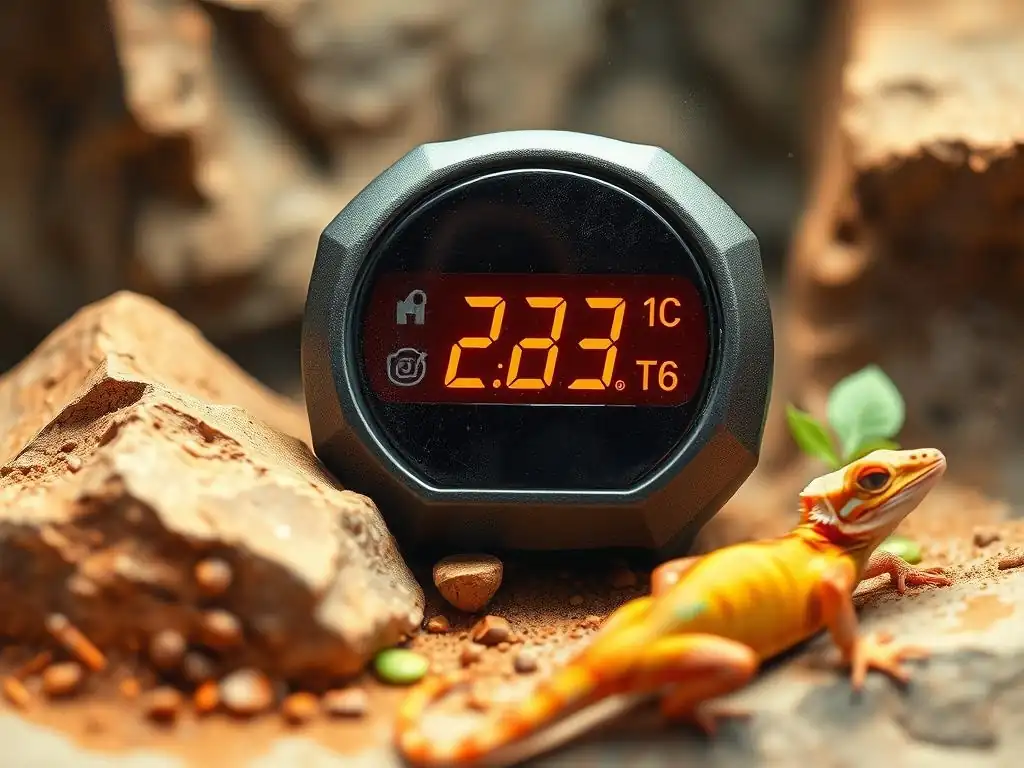
Choosing a durable reptile thermostat is crucial for the long-term health and safety of your reptile. A thermostat that fails mid-winter can have devastating consequences, leading to hypothermia or even death for your cold-blooded companion. Look for thermostats constructed from high-quality materials, resistant to cracking, chipping, or warping under fluctuating temperatures. Stainless steel components are often a good indicator of robustness.
Furthermore, consider the type of connectors and wiring used; robust, well-insulated connections minimize the risk of short circuits or failures due to wear and tear. Read reviews carefully – look for comments on the thermostat's lifespan and any reported issues with durability. A reputable manufacturer will often offer a warranty, providing some assurance of quality and longevity. Investing in a more expensive, durable thermostat might seem costly upfront, but the peace of mind and potential savings on vet bills in the long run often outweigh the initial expense.
Remember, a reliable thermostat is an essential investment in your reptile's well-being. Don't skimp on quality when it comes to something so vital to their survival. Consider the environment your thermostat will be in; high humidity can affect some materials more than others, so look for thermostats specifically designed to withstand such conditions.
Budget Considerations
While investing in a high-quality reptile thermostat is essential, budget is a significant factor for many pet owners. The price range for reptile thermostats varies considerably, from basic models costing under $20 to advanced digital controllers exceeding $100. Before making a purchase, determine your budget and research thermostats within that price range. Don't automatically assume the most expensive option is the best.
Carefully compare features and reviews of thermostats at different price points. A mid-range thermostat often offers excellent value, providing essential features without unnecessary complexities or extravagant costs. Consider the size of your reptile enclosure; larger enclosures might require more powerful thermostats, which tend to be more expensive. Think about the type of heating you are using; some thermostats are designed specifically for under-tank heaters, while others are compatible with ceramic heat emitters or other heating systems.
The compatibility and the power requirements will influence the price. Prioritize essential features such as accuracy, safety, and ease of use, and avoid unnecessary features that might inflate the cost without adding significant value. Remember, a well-researched purchase within your budget can still provide excellent performance and reliability for your reptile's heating needs.
Installing and Using Your New Reptile Thermostat
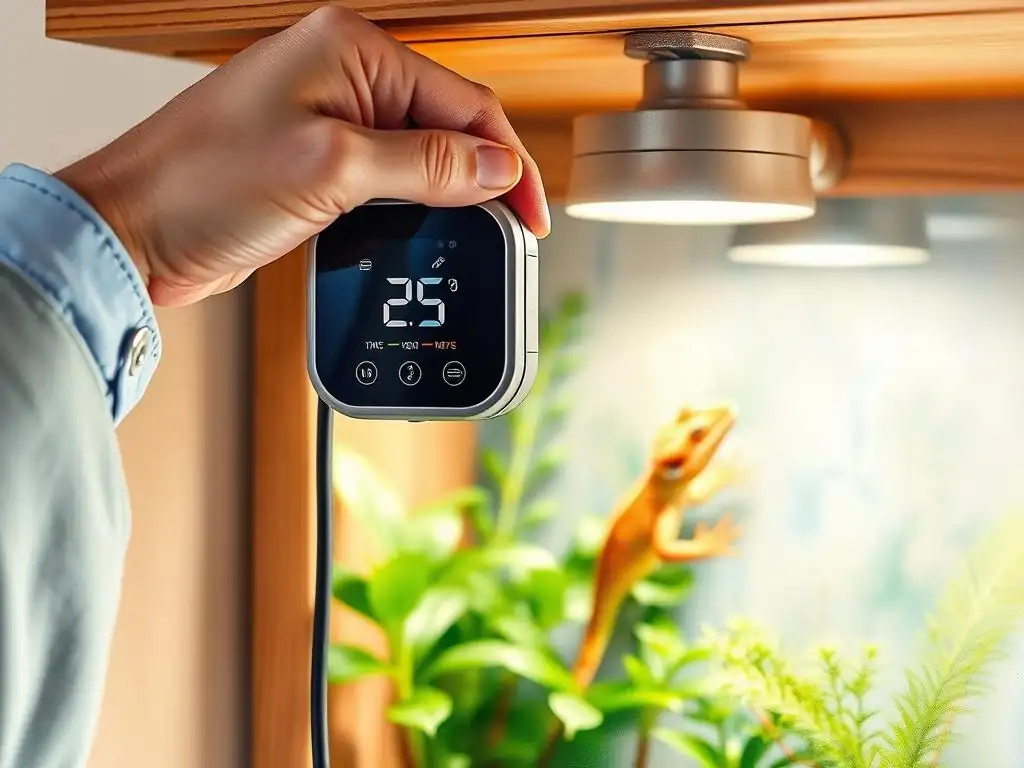
This section focuses on the practical aspects of setting up and operating your newly purchased reptile thermostat. Remember, proper installation and use are crucial for maintaining a safe and healthy environment for your reptile. Improper use can lead to thermal burns or hypothermia, so careful attention to detail is paramount. This guide will help you become confident in using your new reptile thermostat, maximizing its benefits for your pet. This guide assumes you've already selected the best reptile thermostat for your needs based on our comprehensive buying guide.
Step-by-Step Installation Guide
The installation process varies slightly depending on the specific model of thermostat. However, most follow a similar pattern. Always consult your thermostat's manual for detailed, model-specific instructions. Before you begin, ensure the power to your heating device (heat lamp, under-tank heater, etc.) is OFF. Safety first!
- Mounting the Thermostat: Most thermostats are designed for wall mounting, but some offer alternative placement options. Choose a location that's easily accessible and provides an accurate reading of the enclosure's temperature. Avoid areas with direct sunlight or significant air currents. Use the provided mounting hardware to securely attach the thermostat to a suitable surface.
- Connecting the Probe: The temperature probe is the key component that monitors your enclosure's temperature. Carefully route the probe into the enclosure, ensuring it's positioned in a representative location that avoids direct contact with heat sources. Secure the probe using the provided clips or adhesive, ensuring it doesn't interfere with your reptile's movement.
- Wiring the Heating Device: This step requires careful attention. Connect the wires from your heating device to the corresponding terminals on the thermostat. Double-check the wiring diagram in your thermostat's manual to ensure correct polarity. Incorrect wiring can damage the thermostat or your heating device.
- Powering Up and Initial Test: Once the wiring is complete, carefully plug the thermostat into a power outlet. Turn the thermostat ON and observe the display. The display should show the current temperature reading. Allow the system to run for a few hours to ensure stable temperature regulation.
- Calibration (if necessary): Some thermostats require calibration to ensure accurate temperature readings. Your thermostat's manual will provide instructions on how to perform this crucial step. Accurate calibration is vital for maintaining the correct temperature range. Regular calibration, perhaps annually, is recommended for optimal performance.
Programming Your Thermostat for Optimal Temperature Control
Precise temperature control is essential for the health and well-being of your reptile. Different reptile species have different temperature requirements, and even within a species, there might be variations based on age and activity level. Understanding your reptile's specific needs is crucial before programming your thermostat. Consult reliable sources like reputable herpetological websites or veterinary professionals for species-specific temperature guidelines. Remember that maintaining a proper temperature gradient within the enclosure is often more beneficial than a single, uniform temperature.
The programming interface varies depending on the thermostat model. However, most offer settings for:
- Set Temperature: This is the target temperature you want to maintain within the enclosure.
- Temperature Range: Some thermostats allow you to set a minimum and maximum temperature, creating a safe temperature range for your reptile.
- Heating/Cooling Cycles: Understand the thermostat's cycling behavior. Too frequent cycling can lead to temperature fluctuations. Some thermostats offer adjustable hysteresis (the difference between the set temperature and the temperature at which the heating element turns off).
- Alarm Settings: Many thermostats have alarm functions that alert you if the temperature goes outside your pre-set range. This is a critical safety feature.
Remember to always consult your thermostat's manual for specific programming instructions. Record your settings for future reference. 📈
Monitoring and Calibration
Regular monitoring is essential to ensure your reptile thermostat is functioning correctly and maintaining the appropriate temperature. Use a secondary thermometer, preferably a digital thermometer with a probe, to independently verify the temperature readings provided by your thermostat. Discrepancies indicate a potential problem requiring attention.
- Daily Checks: Perform daily checks to ensure the temperature remains within the desired range. Note any unusual fluctuations. Keep a log of daily temperature readings to track trends.
- Weekly Inspections: Conduct weekly inspections to check the wiring, probe placement, and overall condition of the thermostat and heating device. Look for any signs of damage or malfunction.
- Calibration: As mentioned previously, regular calibration is crucial for maintaining accuracy. Consult your thermostat's manual for instructions on how to recalibrate the unit. This might involve adjusting the temperature offset. Consider a professional calibration if you lack confidence in performing this task yourself.
Regular maintenance and monitoring will ensure your reptile thermostat continues to provide optimal temperature control for years to come, contributing to the health and happiness of your scaled companion. 🦎
Troubleshooting Common Issues
Even the best reptile thermostats can occasionally present problems. Understanding how to troubleshoot common issues can save you time, stress, and potentially the health of your reptile. Let's explore some frequent problems and their solutions.
One common issue is the thermostat failing to maintain the set temperature. This could stem from several factors. First, ensure the probe is correctly positioned within the enclosure, making good contact with the substrate or air, depending on the type of thermostat. A poorly placed probe will provide inaccurate readings, leading to inconsistent heating. Second, check the power supply.
Is the thermostat plugged in securely? Is the outlet functioning correctly? A simple power outage or loose connection can disrupt the thermostat's operation. Third, examine the heating element itself. Is it functioning properly?
Is it the correct wattage for the enclosure size? An underpowered heater won't be able to maintain the desired temperature, even with a perfectly functioning thermostat. Finally, consider the ambient temperature of the room. If the room is significantly colder than the set temperature, the heater may struggle to keep up, leading to fluctuations. In such cases, consider supplemental heating or relocating the enclosure to a warmer area.
Another frequent problem is the thermostat displaying an error code. Consult your thermostat's manual to decipher the meaning of the code. Many thermostats provide detailed troubleshooting guides for specific error codes, often indicating a malfunctioning sensor, a short circuit, or a more serious internal issue. If the problem persists after checking the manual's suggestions, contacting the manufacturer's customer service is recommended. They can provide more specific guidance or arrange for repairs or replacement under warranty.
Finally, inconsistent temperature readings can be a source of concern. These inconsistencies can point to several problems. First, ensure the thermostat probe is clean and free from debris or condensation. Accumulated dirt or moisture can interfere with accurate readings. Second, check for any loose wiring or connections within the thermostat itself. A loose connection can lead to erratic readings and temperature fluctuations.
Third, consider whether the enclosure itself is well-insulated. Poor insulation can cause significant temperature drops, making it difficult for the thermostat to maintain a stable temperature, even if functioning correctly. Improving enclosure insulation can significantly improve temperature consistency. Remember, regular maintenance, including cleaning the probe and checking connections, can significantly reduce the chances of encountering these common issues. A well-maintained thermostat will ensure your reptile's environment remains safe and stable.
Maintaining Your Reptile Thermostat for Optimal Performance
Maintaining your reptile thermostat is crucial for ensuring the long-term health and well-being of your reptile. A malfunctioning thermostat can lead to dangerous temperature fluctuations, potentially causing illness or even death. This section of our best reptile thermostat buying guide focuses on proactive maintenance to maximize the lifespan and accuracy of your device. Regular checks and preventative measures are key to avoiding costly repairs or replacements. By following these simple steps, you can significantly improve your reptile's living conditions and ensure a safe and comfortable environment.
Regular Cleaning and Maintenance
Regular cleaning is paramount to preventing dust and debris buildup, which can interfere with the thermostat's sensors and overall functionality. This is especially important for thermostats located within the reptile enclosure itself. Dust accumulation can lead to inaccurate temperature readings, resulting in improper heating or cooling cycles.
Here's a simple cleaning routine you should adopt:
- Frequency: Aim to clean your thermostat at least once a month, more frequently if you notice dust accumulation.
- Process: Gently wipe down the external surfaces of the thermostat with a slightly damp, soft cloth. Avoid using harsh chemicals or abrasive cleaners, as these could damage the device. Pay special attention to the sensor probe, ensuring it's free from any obstructions.
- Probe Cleaning: The sensor probe is particularly susceptible to debris buildup. Use a small, soft brush to carefully remove any dust or debris. For stubborn residue, consider using a slightly damp cotton swab.
- Ventilation: Ensure proper ventilation around the thermostat. Poor ventilation can contribute to dust buildup and overheating.
Remember, a clean thermostat is a healthy thermostat, contributing to accurate temperature regulation and the overall health of your reptile. Consistent cleaning is a small investment that yields significant returns in terms of your reptile's well-being and the longevity of your equipment. This is a crucial element of any comprehensive best reptile thermostat buying guide.
Replacing Components
Over time, certain components within your reptile thermostat might wear out or require replacement. While some repairs might necessitate professional assistance, others can be handled by the pet owner, provided they have the necessary knowledge and caution. Always consult your thermostat's manual for specific instructions and safety guidelines. Ignoring needed component replacements can lead to inaccurate temperature readings and potentially endanger your reptile.
This includes but isn't limited to:
- Sensor Probes: If you notice inconsistent temperature readings despite cleaning, the sensor probe might be faulty and require replacement. A damaged probe can lead to significant temperature fluctuations, posing a serious risk to your reptile.
- Power Supply: A malfunctioning power supply can prevent the thermostat from functioning correctly. Replacing a faulty power supply is often a straightforward process, but always exercise caution when working with electrical components.
- Wiring: Inspect the wiring regularly for any signs of damage or fraying. Damaged wiring can lead to electrical shorts or malfunctions. If you notice any damage, replace the affected wiring immediately. This applies to both internal and external wiring connected to the thermostat.
Always prioritize safety when replacing components. If you are unsure about any aspect of the repair process, consult a qualified technician. A small investment in professional maintenance can save you from potential problems down the line.
Recognizing Signs of Malfunction
Early detection of malfunctions is key to preventing more serious issues. Regularly monitoring your thermostat for any unusual behavior can help you address potential problems before they escalate. Understanding the signs of malfunction is crucial for the health and safety of your reptile. This is an often overlooked aspect of many reptile care guides, yet it’s fundamentally important.
Here are some common signs indicating your reptile thermostat might be malfunctioning:
- Inconsistent Temperature Readings: Fluctuations in temperature readings, especially significant deviations from your setpoint, are a major red flag. This could indicate a problem with the sensor probe, the internal circuitry, or even the power supply.
- Thermostat Not Turning On/Off: If the thermostat fails to turn on the heating or cooling element when needed, or if it remains constantly on, it signifies a serious malfunction that needs immediate attention.
- Erratic Heating/Cooling Cycles: Unusual or erratic heating and cooling cycles can indicate a problem with the thermostat's control mechanisms. This might lead to unsafe temperature swings for your reptile.
- Unusual Noises: Any unusual noises emanating from the thermostat, such as buzzing, clicking, or humming, could indicate a problem with internal components.
If you observe any of these signs, immediately investigate the cause and take appropriate action. This might involve cleaning the thermostat, replacing faulty components, or contacting a professional for assistance. Ignoring these signs can have serious consequences for your reptile's health. Prioritize regular monitoring to ensure your reptile's safety and well-being, a crucial component of any thorough best reptile thermostat buying guide.
Frequently Asked Questions about Reptile Thermostats
This section addresses common concerns regarding reptile thermostats, offering practical advice and solutions for optimal reptile care. Choosing the right thermostat is crucial for maintaining a healthy and thriving environment for your reptile, so understanding potential issues and maintenance is key. This buying guide aims to equip you with the knowledge to make informed decisions and avoid common pitfalls.
What happens if my thermostat malfunctions?
A malfunctioning reptile thermostat can have serious consequences for your reptile's health and even survival. Reptiles are ectothermic, meaning they rely on external sources of heat to regulate their body temperature. A faulty thermostat can lead to:
- Overheating: This can cause severe dehydration, organ damage, and even death. Symptoms of overheating can include lethargy, labored breathing, and unusual behavior. The severity depends on the species and the degree of overheating. For example, a bearded dragon experiencing prolonged high temperatures might exhibit gaping mouth breathing and a sluggish demeanor.
- Underheating: This can lead to poor digestion, weakened immune system, and increased susceptibility to illness. Reptiles need specific temperature gradients within their enclosure to properly digest food and maintain overall health. Insufficient heat can drastically slow down metabolic processes.
- Inconsistent Temperatures: Fluctuations in temperature, even small ones, can stress your reptile and compromise its well-being. This can manifest as erratic behavior, reduced appetite, or skin issues.
Regular checks and maintenance, including calibration (discussed below), are vital to minimize the risk of malfunctions. Consider having a backup thermostat on hand, especially for critical heating needs, to prevent catastrophic temperature drops. Always monitor your reptile's behavior closely for any signs of distress. If you suspect a malfunction, immediately address the issue and consult a veterinarian specializing in reptiles.
How often should I calibrate my thermostat?
Calibrating your reptile thermostat is essential for maintaining accuracy and ensuring your reptile's safety. While the frequency depends on the thermostat's brand and model, a good rule of thumb is to calibrate it at least once every six months, or more frequently if you notice any inconsistencies in temperature readings.
The calibration process usually involves using a separate, accurate thermometer (like a digital thermometer with a probe) to compare the thermostat's reading to the actual temperature inside the enclosure. Small discrepancies are normal, but significant deviations indicate a need for adjustment. Most thermostats have calibration settings that allow you to fine-tune the readings. Consult your thermostat's manual for specific instructions.
Regular calibration ensures that the temperature within the enclosure consistently matches the set temperature on the thermostat. This prevents overheating or underheating, contributing to a healthier and more stable environment for your reptile. Think of it like regular maintenance for your car – preventative measures prevent larger problems down the line. Neglecting calibration could lead to significant temperature errors, putting your reptile at risk.
Can I use a human thermostat for my reptile?
No, you should never use a human thermostat for your reptile. Human thermostats are designed for the specific needs of humans and are not suitable for regulating the precise temperature requirements of reptiles. They lack the necessary features for the sensitive temperature control that reptiles require.
Reptiles need a much narrower range of temperature fluctuation than humans do, and human thermostats often lack the precision to maintain these narrow ranges. Furthermore, human thermostats typically control the entire room's temperature, which isn't ideal for a localized reptile enclosure. The enclosure needs precise, controlled heating.
Using a human thermostat could lead to either dangerous overheating or insufficient warmth for your reptile, resulting in health problems or even death. Investing in a reptile-specific thermostat is crucial for providing the appropriate and safe thermal environment for your reptile. It's a small investment that can make a huge difference in your pet's health and longevity.
What are the signs of a reptile suffering from temperature issues?
Reptiles, being ectothermic animals, rely heavily on their environment to regulate their body temperature. Inconsistent or inappropriate temperatures can lead to a range of health problems and behavioral changes. Recognizing these signs early is crucial for the well-being of your reptile. Some key indicators of temperature-related issues include lethargy and inactivity. A reptile that's too cold might become sluggish, unresponsive, and struggle to move. Conversely, a reptile experiencing excessive heat might exhibit excessive panting (in species that pant), open-mouth breathing, or seek refuge in cooler areas of their enclosure constantly.
Furthermore, observe changes in appetite and digestion. A reptile suffering from temperature stress may lose its appetite, refuse food entirely, or experience digestive problems like constipation or regurgitation. Changes in skin coloration can also be indicative of thermal stress. Pale or unusually dark coloration can signal that the animal is struggling to maintain its optimal temperature.
In severe cases, you might observe tremors, muscle weakness, or even seizures. It's important to note that these symptoms can also be associated with other health problems, so a veterinary checkup is always recommended if you suspect any issues. Early detection and correction of temperature problems can significantly improve the chances of a full recovery for your reptile. Remember, maintaining the correct temperature range is paramount to your reptile’s health and longevity.
What are some reputable brands of reptile thermostats?
Choosing a reliable reptile thermostat is paramount for maintaining a safe and healthy environment for your scaly companion. Several reputable brands consistently deliver high-quality, accurate, and user-friendly thermostats. Researching reviews and comparing features before purchasing is always recommended. Some well-regarded brands in the reptile keeping community include Zoo Med, Herpstat, and Spyder Robotics. Each of these manufacturers offers a range of thermostats suitable for various enclosure sizes and reptile species, from small setups to large vivariums.
Consider factors like the thermostat's accuracy, ease of use, and safety features when making your selection. Look for thermostats with clear digital displays, adjustable temperature settings, and reliable sensors. Safety features such as overheat protection are crucial to prevent accidents and ensure the safety of your reptile.
Reading online reviews from other reptile keepers can provide valuable insights into the performance and reliability of different brands and models. Don't hesitate to invest in a quality thermostat; it's a vital piece of equipment that contributes significantly to the health and well-being of your reptile. Remember, a properly functioning thermostat is a key element in responsible reptile ownership, ensuring your pet thrives in a safe and comfortable environment.
Frequently Asked Questions
What is a reptile thermostat, and why do I need one?
A reptile thermostat is a crucial piece of equipment for maintaining the correct temperature within your reptile's enclosure. Consistent temperatures are vital for your reptile's health, preventing illness and ensuring optimal well-being. It automatically regulates heating elements to prevent overheating or chilling.
What are the different types of reptile thermostats available?
Several types exist, including analog, digital, and proportional thermostats. Analog thermostats are simpler and cheaper, while digital ones offer more precise temperature control and features like alarms. Proportional thermostats provide the most precise temperature regulation.
How do I choose the right size thermostat for my reptile enclosure?
The size of your thermostat should match the wattage of your heating devices. Check the wattage of your heat lamps or under-tank heaters before purchasing a thermostat to ensure compatibility and prevent damage. Always check the manufacturer's specifications.
What features should I look for in a reptile thermostat?
Consider features like accuracy, ease of use, safety features (like overheat protection), and durability. Think about the size of your enclosure and whether you need additional features like multiple probes or programmable settings. Read reviews to assess reliability.
Can I use a human thermostat for my reptile enclosure?
No, human thermostats are not suitable for reptile enclosures. They are designed for different temperature ranges and lack the safety features necessary to prevent overheating or other hazards for reptiles. Always use a thermostat specifically designed for reptiles.
Final Reflection: Heating Up Responsible Reptile Ownership
Maintaining the optimal temperature for your reptile companion isn't just about their comfort; it's about their survival. A properly functioning thermostat is the cornerstone of responsible reptile ownership, directly impacting their health, longevity, and overall well-being. Choosing the right one is a crucial step in ensuring a thriving and happy life for your scaled friend.
The impact of proper temperature regulation extends far beyond the individual reptile. It speaks to a growing awareness of responsible pet ownership, a shift towards more informed and ethical care practices within the reptile-keeping community. This increased awareness is vital for the conservation of many species, some of which are already threatened in the wild. The best way to conserve a species is to understand and respect its needs.
This simple truth underscores the importance of diligent research and responsible choices, like selecting the right thermostat, in ensuring the future of these fascinating creatures.
Now, consider your own reptile's needs. Have you taken the time to understand their specific thermal requirements? Are you confident in the accuracy and reliability of your current setup? This article serves as a starting point; take the knowledge gained here and apply it to your own situation. Invest in the best thermostat you can afford, ensuring your reptile thrives in a safe and appropriately regulated environment. Your commitment to their well-being is a testament to the bond you share and a crucial step towards responsible reptile ownership.
Unlock Your Reptile's Potential: Create a Thriving Habitat Today!
Thank you for exploring the world of reptile thermoregulation with us! You've gained valuable knowledge to improve your pet's well-being. Now let's put that knowledge into practice.
- Prioritize your reptile's comfort: Visit your local pet store or browse online retailers to choose a suitable thermostat. Consider the size of your reptile's enclosure and its specific heating needs when making your selection. This is crucial for creating an ideal living environment.
- Share your thermostat choice: Let us (and other reptile enthusiasts!) know which thermostat you selected and why. Share your experiences in the comments below.
- Learn more: Explore PetCareWorld.org for additional articles on reptile care and discover more ways to create a flourishing habitat for your reptile.
Ready to create the perfect reptile haven? What's the most important feature you're looking for in a new thermostat?