
The Truth About Reptile Heat Rocks: Are They Safe?

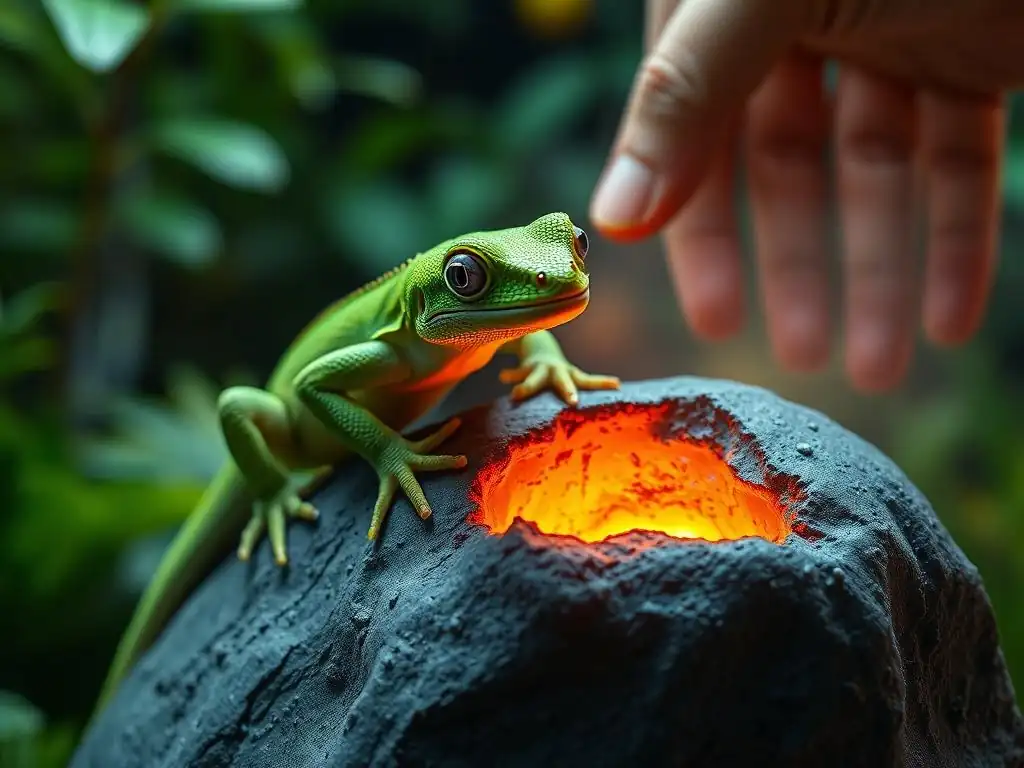
Welcome to PetCareWorld, your ultimate guide to the wonderful world of pet care! We're passionate about helping you provide the best possible life for your furry, feathered, or scaled companions. But are you aware of the potential dangers lurking in seemingly harmless pet supplies? This article delves into the crucial topic of Reptile Heat Rocks safety concerns, revealing the truth behind their use and helping you make informed decisions for your reptile's well-being. Discover the facts and ensure your pet's safety – read on to learn more!
- Understanding Reptile Heat Rock Dangers: A Comprehensive Overview
- Safe Alternatives to Heat Rocks for Reptile Heating
- Choosing the Right Heating Method for Your Reptile
- Debunking Myths About Reptile Heat Rocks
- Conclusion: Prioritizing Reptile Safety and Well-being
- Frequently Asked Questions
- Final Reflection: The Enduring Importance of Reptile Welfare
- Unleash Your Inner Reptile Expert!
Understanding Reptile Heat Rock Dangers: A Comprehensive Overview
Providing a safe and comfortable environment for your reptile is paramount to their health and well-being. Heating is a crucial aspect of this, but choosing the right method is vital. While reptile heat rocks might seem like a convenient and inexpensive heating solution, the reality is far more nuanced.
This article delves into the often-overlooked dangers associated with using heat rocks for reptiles, addressing the prevalent safety concerns surrounding their use and offering a comprehensive understanding of the potential risks. We will explore the various ways heat rocks can harm your reptile, from superficial burns to life-threatening internal organ damage. Understanding these risks is crucial for making informed decisions about your reptile's heating needs and ensuring their long-term health and happiness.
Choosing safer alternatives is often the best approach to guarantee your reptile thrives in a secure and appropriately heated environment. This guide will help you navigate the complexities of reptile heating and make the best choices for your scaly companion.
The Risks of Overheating with Reptile Heat Rocks
Reptile heat rocks pose a significant risk of overheating, a serious threat to your reptile's health. Unlike other heating methods that offer more temperature control and even heat distribution, heat rocks concentrate heat in a small area. Reptiles are ectothermic, meaning they rely on external sources for heat regulation. They cannot effectively regulate their body temperature if exposed to localized, intense heat sources like heat rocks.
This can lead to a rapid increase in their core body temperature, causing significant stress and potential organ damage. The lack of precise temperature control with heat rocks makes it incredibly difficult to maintain a safe and consistent thermal gradient within the enclosure, increasing the likelihood of accidental burns and overheating. Many reptiles, particularly those with smaller sizes, are especially vulnerable to this risk.
The inability to move away from the concentrated heat source makes them particularly susceptible to thermal injury. Even with careful monitoring, the risk of overheating remains significant. This is a key safety concern that should lead pet owners to carefully consider alternative heating solutions.
Burns and Thermal Injuries from Heat Rocks
Direct contact with an overheated heat rock can result in severe burns and thermal injuries to your reptile. These burns can range from minor superficial burns to deep, debilitating wounds that require veterinary intervention. The severity of the burn will depend on the temperature of the rock, the duration of contact, and the reptile's species and size.
Symptoms of burns can include redness, swelling, blistering, and tissue damage. Severe burns can lead to infection, scarring, and even limb loss. Reptiles, due to their slower healing process, are prone to more severe complications from burns than mammals.
The concentrated heat emanating from heat rocks presents a significant risk of direct contact burns, especially if the reptile rests directly on the rock or accidentally comes into contact with it while exploring its enclosure. The lack of visible indicators of overheating on the surface of the rock further compounds the issue, making it difficult to prevent accidents. Remember that even a seemingly "cool" rock may still hold significant residual heat.
Internal Organ Damage from Excessive Heat
Prolonged exposure to excessive heat from heat rocks can cause irreparable damage to a reptile's internal organs. Overheating leads to protein denaturation, affecting the functionality of vital organs like the liver, kidneys, and heart. This damage can manifest in various ways, including lethargy, loss of appetite, respiratory distress, and ultimately, death.
The lack of thermoregulatory mechanisms in reptiles makes them highly susceptible to this type of damage. The concentrated heat from a heat rock can cause localized overheating, even if the overall enclosure temperature seems appropriate. This localized overheating can severely damage organs in close proximity to the heat source.
The cumulative effect of prolonged exposure to even moderately elevated temperatures can significantly impact the reptile's health, leading to chronic organ dysfunction and a reduced lifespan. Internal organ damage is often a silent killer, with symptoms often appearing only after significant damage has already occurred. Therefore, proactive measures to prevent overheating are absolutely essential for the well-being of your reptile.
Stress and Behavioral Changes in Reptiles Due to Heat Rocks
Reptile heat rocks, despite their popularity in the past, are now widely understood to pose significant risks to reptile health and well-being. One of the most concerning consequences of using these heat sources is the induction of stress and subsequent behavioral changes in reptiles. The inconsistent and often excessive heat generated by these rocks can lead to a variety of behavioral problems, often manifesting as unusual lethargy or, conversely, hyperactivity.
A reptile experiencing thermal stress might hide excessively, refuse food, or exhibit repetitive, abnormal behaviors like pacing or self-mutilation. These behaviors are clear indicators of discomfort and distress, signaling a need for immediate intervention and a change in heating methods.
The unpredictable nature of heat rocks contributes significantly to this stress response. Unlike more sophisticated heating systems that provide consistent temperature gradients, heat rocks can generate localized hotspots far exceeding the reptile's safe temperature tolerance. This leads to a constant state of thermal anxiety for the reptile as it struggles to find a comfortable spot within its enclosure. This constant search for a suitable temperature, combined with the potential for burns, creates a chronic stress response that negatively impacts the reptile's overall health.
Chronic stress weakens the immune system, making the reptile more susceptible to illness and infection. Moreover, stressed reptiles are more likely to exhibit aggression towards other tank mates or even towards their handlers. Observing these behavioral changes should serve as a crucial warning sign prompting a swift reassessment of the reptile's heating system and environment.
Ignoring these signs can have devastating long-term consequences for the reptile's health and longevity. The switch to a safer heating system, such as under-tank heaters or ceramic heat emitters, is essential for the reptile's well-being. These methods offer a more controlled and consistent heat distribution, significantly reducing stress and promoting healthy behavior.
Safe Alternatives to Heat Rocks for Reptile Heating

Reptile heat rocks, once a popular choice for reptile keepers, have fallen out of favor due to significant safety concerns. Their propensity for overheating, causing severe burns and even death to reptiles, is well-documented. This section explores safer and more effective alternatives to heat rocks, focusing on methods that provide consistent, controlled warmth for your reptile companion. Understanding the risks associated with heat rocks is crucial for responsible reptile ownership, and choosing a suitable alternative directly impacts your reptile's health and longevity.
This section will address those concerns head-on, providing you with the information you need to make informed decisions about your reptile's heating needs. Remember, providing proper heating is crucial for reptile health and preventing potentially fatal issues. Prioritizing safety is paramount when caring for any reptile.
Ceramic Heat Emitters (CHEs): A Superior Heating Solution
Ceramic Heat Emitters (CHEs) are a vastly superior alternative to heat rocks. Unlike heat rocks, which retain and radiate heat unevenly, CHEs provide consistent and controlled radiant heat. They emit infrared heat, similar to the sun, warming the reptile directly without heating the surrounding air excessively. This is particularly beneficial in maintaining a proper thermal gradient within the enclosure, allowing the reptile to thermoregulate effectively. The even heat distribution significantly reduces the risk of burns.
CHEs are available in various wattages, allowing you to select the appropriate heating capacity based on your reptile's species, size, and enclosure dimensions. It is crucial to select a CHE with appropriate wattage and to use a thermostat to prevent overheating. A thermostat ensures the CHE cycles on and off, maintaining a consistent temperature within the safe range for your specific reptile. This precise temperature control is a key feature that sets CHEs apart from heat rocks and minimizes the risk of accidental burns.
Under-Tank Heaters (UTHs): Consistent and Safe Heat
Under-Tank Heaters (UTHs) are another excellent option for providing bottom heat to reptiles. These heaters are placed underneath the reptile enclosure, warming the substrate from below. This method is particularly effective for species that prefer basking on warmer surfaces. Similar to CHEs, UTHs allow for precise temperature control when used with a thermostat. This eliminates the risk of overheating and the consequent burns associated with heat rocks.
UTHs are best suited for species that require a consistent, gentle bottom heat source. However, it’s important to note that UTHs primarily heat the substrate, not the air. Therefore, a combination of UTHs and other heating methods, such as CHEs or heat lamps, might be necessary to achieve a proper thermal gradient within the enclosure, depending on the specific needs of your reptile. Always research the specific thermal requirements for your reptile species before selecting and installing any heating device.
Heat Lamps and Bulbs: Providing Radiant Heat
Heat lamps and bulbs offer a radiant heat source that mimics natural sunlight. They are particularly beneficial for diurnal (active during the day) reptiles that require basking areas for thermoregulation and digestion. These lamps provide localized warmth, creating a basking spot with a higher temperature than the rest of the enclosure, enabling your reptile to regulate its body temperature effectively.
Various types of heat lamps are available, including incandescent bulbs, halogen lamps, and ceramic heat emitters. Each type offers different heat outputs and energy efficiencies. Choosing the right type depends on the size of the enclosure and the specific needs of your reptile. Remember to always use a lamp guard to prevent accidental breakage and to use a thermostat to control the temperature and prevent overheating. This will ensure that your reptile benefits from the warmth of the lamp without the risks associated with uncontrolled heat. Always prioritize safety and responsible reptile care.
Heat Mats: Localized Heat for Specific Needs
Heat mats offer a significantly safer alternative to heat rocks for reptile heating. Unlike heat rocks, which radiate heat and can cause burns, heat mats provide a gentle, localized source of warmth. They are designed to be placed underneath the enclosure, usually on one side or a corner, creating a thermal gradient. This allows your reptile to thermoregulate effectively by moving between warmer and cooler areas within its habitat. The low-profile design prevents accidental injury, and the consistent temperature output reduces the risk of thermal burns often associated with heat rocks.
Choosing the right heat mat involves considering your reptile's specific needs. Different species require different temperature ranges, and the size of the heat mat should be appropriate for the size of your enclosure. Oversized mats can lead to overheating, while undersized mats might not provide sufficient warmth. It’s crucial to use a thermostat with your heat mat to maintain a consistent temperature, preventing both overheating and insufficient warmth.
Thermostats are essential safety devices that prevent the heat mat from becoming excessively hot and causing harm to your reptile. Regularly checking the temperature with an accurate thermometer is also recommended, ensuring the environment remains within the optimal range for your pet. Remember to always place the heat mat outside the enclosure and never directly underneath the substrate to prevent overheating and fire hazards.
Furthermore, the ease of cleaning and maintenance associated with heat mats is a significant advantage over heat rocks. Heat rocks can be difficult to clean thoroughly, potentially harboring bacteria and other harmful microorganisms. Heat mats, on the other hand, can be easily wiped down with a damp cloth, promoting a hygienic environment for your reptile.
This contributes to the overall health and well-being of your pet, reducing the risk of infection and disease. The longevity of heat mats also surpasses that of heat rocks, which are prone to cracking and malfunctioning over time. Investing in a high-quality heat mat will provide reliable and consistent heating for years to come, making it a cost-effective and safe solution in the long run.
Consider the wattage and size carefully to ensure optimal performance and safety for your reptile companion. Always research the specific needs of your reptile species before purchasing a heat mat to ensure appropriate temperature regulation.
Choosing the Right Heating Method for Your Reptile
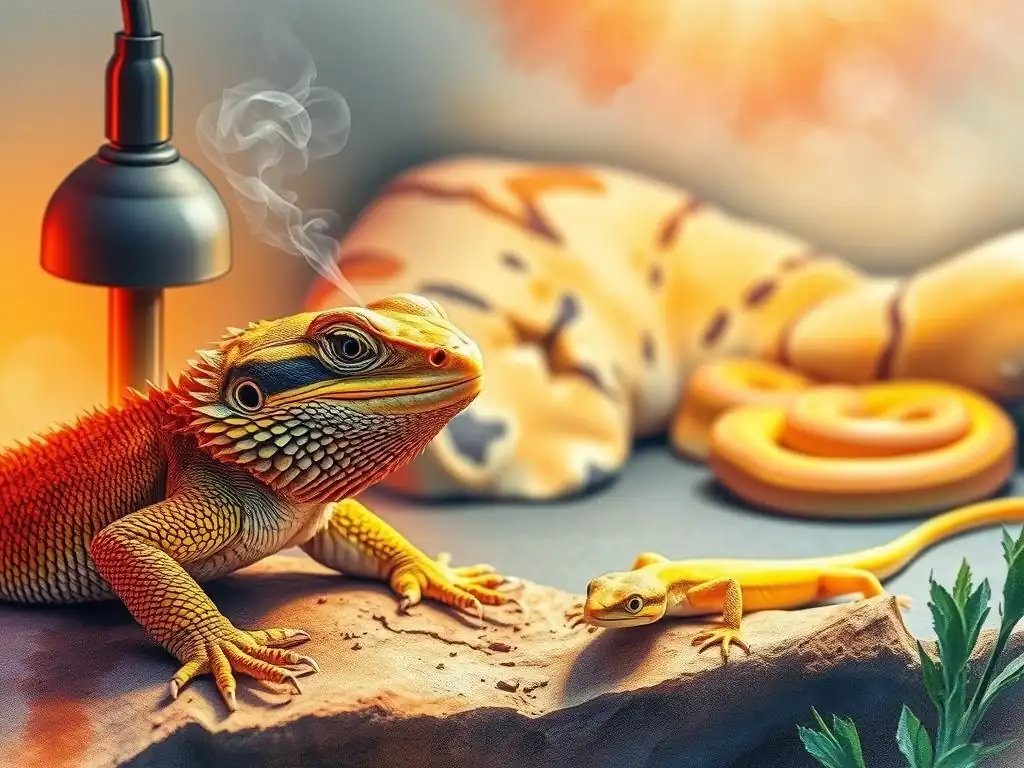
Selecting the appropriate heating method for your reptile is crucial for its health and well-being. Reptiles are ectothermic, meaning they rely on external sources of heat to regulate their body temperature. Improper heating can lead to serious health problems, including metabolic bone disease (MBD), respiratory infections, and even death. Therefore, understanding the various heating options and their respective pros and cons is paramount.
While heat rocks are often marketed as a convenient solution, their inherent dangers significantly outweigh any perceived benefits, as we'll explore further. Safe and effective alternatives are readily available and should be prioritized for responsible reptile keeping. This section will delve into the factors you should consider when choosing a safe and effective heating method for your scaly friend, focusing on alternatives to the potentially hazardous heat rocks.
Factors to Consider When Selecting a Reptile Heater
Several key factors must be carefully considered when choosing a reptile heater. These factors directly impact the safety and effectiveness of the heating system, ultimately affecting your reptile's health. Neglecting these considerations can have severe consequences.
- Temperature Gradient: A crucial aspect of reptile heating is establishing a thermal gradient within the enclosure. This means providing a range of temperatures, allowing your reptile to thermoregulate by moving between warmer and cooler areas. A single, localized heat source, such as a heat rock, prevents this crucial gradient, forcing your reptile into potentially unsafe temperatures. Instead, consider using under-tank heaters (UTHs) or ceramic heat emitters (CHEs) to create a broader temperature range.
- Heat Source Type: Different heating methods offer different advantages and disadvantages. Under-tank heaters (UTHs) provide consistent, gentle bottom heat, while ceramic heat emitters (CHEs) offer radiant heat without emitting light, which is beneficial for nocturnal species. Heat lamps, on the other hand, provide both heat and light, suitable for diurnal species but require careful monitoring to prevent overheating. Heat rocks, as mentioned, are strongly discouraged due to their inherent risks of burns and inconsistent heat distribution.
- Enclosure Size and Material: The size and material of your reptile's enclosure influence the effectiveness of the heating system. Larger enclosures require more powerful heaters to maintain appropriate temperatures, while the material of the enclosure can impact heat retention. Glass enclosures, for example, retain heat less effectively than wood or other insulated materials. Therefore, heater selection should be tailored to the specific enclosure characteristics.
- Reptile Species: Different reptile species have different temperature requirements. Some species thrive in high temperatures, while others prefer cooler environments. Failing to research the specific thermal requirements of your reptile species can lead to health problems and even mortality. Consult reputable reptile care guides and veterinary professionals to determine the ideal temperature range for your specific reptile.
Reptile Species and Their Specific Heating Requirements
The optimal temperature range for your reptile varies significantly depending on its species and life stage. For example, a desert tortoise will require significantly higher temperatures than a corn snake. Providing the incorrect temperature can lead to a range of health issues, including:
- Metabolic Bone Disease (MBD): This debilitating condition results from insufficient calcium absorption, often caused by inadequate basking temperatures and improper UVB lighting. This is particularly crucial for species that require high basking temperatures.
- Respiratory Infections: Fluctuations in temperature and insufficient heat can weaken your reptile's immune system, making it more susceptible to respiratory infections. Maintaining a consistent and appropriate temperature range is crucial for preventing these infections.
- Reduced Appetite and Lethargy: If the temperature is too low or too high, your reptile may experience a reduced appetite, lethargy, and a general decline in health. Monitoring your reptile's behavior and adjusting the heating system accordingly is vital.
| Reptile Species | Ideal Basking Temperature (°F) | Ideal Ambient Temperature (°F) | Notes |
|---|---|---|---|
| Leopard Gecko | 88-92 | 75-80 | Requires a cool side and a warm basking spot |
| Bearded Dragon | 95-105 | 75-85 | Needs strong UVB lighting |
| Corn Snake | 80-85 | 72-78 | Requires a thermal gradient |
| Crested Gecko | 72-78 | 68-72 | Relatively low temperature requirements |
Habitat Size and Heat Distribution
The size of your reptile's enclosure directly influences the choice and placement of your heating system. A larger enclosure requires a more powerful and potentially multiple heat sources to maintain a consistent temperature gradient. Poor heat distribution can lead to temperature gradients that are too extreme, creating "hot spots" and "cold spots" that are detrimental to your reptile's health.
Small enclosures can overheat quickly with insufficient ventilation, particularly if using heat rocks or other localized heat sources. Larger enclosures, while requiring more powerful heating systems, offer better opportunities for creating a smooth thermal gradient, allowing your reptile to thermoregulate effectively.
The placement of the heat source is also critical. For under-tank heaters (UTHs), it's important to ensure even heat distribution across the bottom of the enclosure. For ceramic heat emitters (CHEs) and heat lamps, positioning is crucial to prevent overheating in specific areas and to create the desired thermal gradient. Heat rocks, due to their inherent limitations, are difficult to position effectively to prevent localized overheating, further highlighting their inadequacy as a reptile heating solution.
Always prioritize safety and even heat distribution when setting up your reptile's habitat. Remember that consistent monitoring is key to ensuring your reptile's well-being. 🥵
Monitoring Temperature and Maintaining Optimal Conditions
Maintaining the correct temperature is crucial for your reptile's health and well-being. Reptiles are ectothermic, meaning they rely on external sources of heat to regulate their body temperature. Incorrect temperatures can lead to a variety of health problems, including lethargy, poor appetite, respiratory infections, and even death. Therefore, consistent monitoring is paramount. This involves using accurate thermometers placed both inside and outside the basking spot to get a complete picture of the temperature gradient within the enclosure. Digital thermometers with probes are generally preferred for their accuracy and ease of use. Avoid using mercury thermometers due to safety concerns.
Several factors influence the optimal temperature range for your reptile. Species-specific needs are paramount; a bearded dragon will require significantly different temperatures than a corn snake. The size and age of your reptile also play a role. Younger reptiles, for example, often require slightly higher temperatures than adults. Furthermore, the ambient temperature of your home can affect the overall enclosure temperature. During colder months, you may need to increase heating, while in warmer months, you might need to decrease it. Regularly checking and adjusting your heating equipment is essential to maintaining a stable and appropriate temperature gradient.
Beyond simple temperature readings, observing your reptile's behavior is a crucial aspect of monitoring its thermal comfort. A reptile that is too cold may become lethargic, slow-moving, and reluctant to eat. Conversely, a reptile that is too hot might exhibit signs of stress, such as excessive panting (in some species) or attempting to escape the heat source. These behavioral cues should trigger immediate investigation and adjustment of the heating system to ensure your reptile's comfort and health.
Remember, a comfortable temperature is not just about numbers on a thermometer; it's about providing an environment where your reptile can thermoregulate effectively and exhibit natural behaviors. This holistic approach to temperature management is key to responsible reptile ownership. Regularly reviewing reptile care guides specific to your species will help you understand the subtle signs of thermal discomfort and maintain optimal conditions.
Debunking Myths About Reptile Heat Rocks
This section addresses common misconceptions surrounding reptile heat rocks and their suitability for reptile enclosures. Understanding the inherent risks associated with these heating devices is crucial for responsible reptile ownership. We will explore several persistent myths, providing evidence-based arguments against their use and highlighting safer alternatives.
The overarching concern revolves around the potential for severe burns and other injuries to your reptile, ultimately impacting their well-being and potentially leading to premature death. Addressing the pervasive misinformation surrounding reptile heat rocks is vital for promoting responsible reptile keeping and prioritizing the health and safety of these fascinating creatures. Remember, responsible pet ownership is key to ensuring a long and happy life for your reptile companion.
Myth: Heat Rocks are a Cost-Effective Heating Solution
While the initial purchase price of a heat rock might seem appealing, the long-term costs associated with its use often outweigh any perceived savings. The primary reason is the significant risk of burns and resulting veterinary bills. A reptile suffering a severe burn from a heat rock requires immediate and often extensive veterinary care, incurring substantial expenses. These costs can far exceed the initial savings on the heat rock itself. Furthermore, heat rocks are often less energy-efficient than other heating methods, such as under-tank heaters (UTHs) or ceramic heat emitters (CHEs). These alternatives offer precise temperature control, reducing energy waste and ultimately proving more cost-effective in the long run. Consider the potential financial burden of veterinary care and the ongoing energy consumption when assessing the true cost of using a heat rock. Prioritizing your reptile's health and well-being through safer, more efficient heating methods ultimately saves money and reduces stress.
Myth: Heat Rocks Provide Natural Heat for Reptiles
The claim that heat rocks provide a "natural" heat source is misleading. While reptiles in the wild may encounter warm rocks, the crucial difference lies in the control and consistency of heat provided by these natural sources. Wild reptiles can move freely to regulate their body temperature, choosing to bask on a warm rock or retreat to a cooler area as needed. A heat rock, however, provides a localized, intense, and unregulated heat source.
Reptiles cannot easily move away from the excessive heat, leading to severe burns. Natural heat sources in the wild offer a gradual temperature gradient, allowing reptiles to thermoregulate effectively. Heat rocks lack this crucial aspect of natural heat, creating a dangerous and potentially fatal situation for your reptile. Safe and effective alternatives, such as UTHs and CHEs, allow for precise temperature control and mimic natural thermal gradients more effectively, creating a healthier environment.
Myth: Heat Rocks are Easy to Use and Maintain
The apparent simplicity of heat rocks is deceptive. While they require minimal initial setup, the inherent dangers and lack of control necessitate constant vigilance. Precise temperature monitoring is crucial, and even with careful attention, accidental burns remain a significant risk. Unlike other heating methods that allow for precise temperature regulation, heat rocks often overheat unpredictably, exposing your reptile to dangerously high temperatures.
Furthermore, the risk of malfunction or failure is a significant concern. A faulty heat rock can suddenly overheat, causing catastrophic injury to your reptile. Maintaining a safe and healthy environment for your reptile requires more than just plugging in a heat rock.
Choosing safer alternatives, such as UTHs or CHEs, which offer precise temperature control and monitoring capabilities, ensures a more secure and easier-to-manage reptile enclosure. The long-term effort involved in consistently monitoring and managing the risks associated with heat rocks outweighs any perceived ease of use. Prioritize your reptile's safety by opting for reliable and safer heating solutions.
Conclusion: Prioritizing Reptile Safety and Well-being

Reptile heat rocks, despite their initial appeal of convenience and affordability, present significant safety risks that outweigh any perceived benefits. Understanding the potential for severe burns, habitat fires, and the overall stress inflicted upon reptiles is crucial for responsible pet ownership. The inherent dangers associated with these products necessitate a comprehensive reevaluation of heating methods for reptile enclosures. Prioritizing the well-being of your reptile companion should always supersede cost-effective shortcuts that compromise their health and safety.
Remember, a thriving reptile is a happy reptile, and a safe environment is paramount to achieving that goal. This requires diligent research, careful planning, and a commitment to responsible reptile keeping. Ignoring the established safety concerns surrounding heat rocks is a gamble that could have devastating consequences for your pet.
The Importance of Responsible Reptile Ownership
Responsible reptile ownership extends far beyond simply providing food and water. It encompasses a deep understanding of the specific needs of your chosen species, including their thermal requirements, humidity levels, and overall environmental enrichment. Many reptile owners are unaware of the subtle behavioral changes that indicate stress or discomfort. For instance, a reptile exhibiting lethargy, loss of appetite, or unusual skin coloration might be suffering from thermal stress caused by improper heating methods.
Early detection of these symptoms is vital for preventing serious health issues. Investing time in learning about your reptile's natural habitat and replicating those conditions as closely as possible in captivity is a cornerstone of responsible ownership. This dedication translates to a longer, healthier, and ultimately happier life for your scaled companion.
Consider joining online forums or local reptile clubs to connect with experienced keepers and learn from their expertise. Remember, constant learning and adaptation are key components of responsible reptile care. The commitment to ongoing education is crucial for ensuring the well-being of your reptile.
Choosing Safe Heating Methods for a Healthy Reptile
Numerous safe and effective alternatives to heat rocks exist, offering superior temperature control and minimizing the risk of burns and fires. Under-tank heaters (UTHs) provide consistent bottom heat without the inherent dangers of heat rocks. Ceramic heat emitters (CHEs) are another popular choice, offering radiant heat without emitting visible light, which can be beneficial for nocturnal species. Heat lamps, when used correctly and with appropriate safety measures, can also provide supplemental heat.
However, it's crucial to select bulbs with the correct wattage and to ensure that the lamp is securely mounted to prevent accidental breakage and burns. Regular monitoring of temperatures using accurate thermometers is essential, regardless of the heating method chosen. Maintaining a proper temperature gradient within the enclosure allows your reptile to thermoregulate effectively, which is crucial for their digestion, immune function, and overall health.
This involves establishing different temperature zones within the enclosure, allowing your reptile to move between warmer and cooler areas as needed. Careful consideration of your reptile's specific needs and the available heating methods will ensure their well-being and long-term health. Always prioritize safety and research the best option for your specific reptile species.
Resources for Further Information on Reptile Care
Numerous resources are available to help reptile owners make informed decisions about their pets’ care. Reputable websites, books, and veterinary professionals offer valuable insights into reptile health and husbandry. Seeking advice from experienced reptile keepers can also provide practical guidance and support. Remember, responsible reptile ownership is a continuous learning process. Staying informed about the latest research and best practices ensures that your reptile receives the best possible care.
Always consult a veterinarian specializing in exotic animals for any health concerns or questions regarding your reptile’s care. Investing in quality resources and seeking professional advice is an investment in your reptile’s health and well-being. Consider joining online communities and forums dedicated to reptile care to connect with other enthusiasts and share experiences. Remember, a well-informed owner is a responsible owner.
Frequently Asked Questions
Are reptile heat rocks safe for my reptile?
No, reptile heat rocks are generally considered unsafe. They pose a significant risk of burns and thermal injury to your reptile. Many alternatives offer safer heating methods.
What are the dangers of using heat rocks?
Heat rocks can reach extremely high temperatures, causing severe burns if your reptile comes into contact with them. They also present a risk of fires and inconsistent heating.
What are better alternatives to heat rocks for reptile heating?
Under-tank heaters (UTHs) and ceramic heat emitters (CHEs) are much safer alternatives. These provide consistent heat without the risk of burns.
How can I tell if my reptile has suffered a burn from a heat rock?
Look for redness, swelling, blisters, or open wounds on your reptile's skin. If you suspect a burn, immediately seek veterinary care.
Where can I find more information on safe reptile heating methods?
PetCareWorld offers many articles and guides on safe reptile care. Search our site for "safe reptile heating" or consult with a veterinarian specializing in reptiles.
Final Reflection: The Enduring Importance of Reptile Welfare
The alarming truth about reptile heat rocks remains: they pose a significant and often overlooked threat to the well-being of our scaled companions. Despite readily available safer alternatives, these devices continue to cause preventable burns, injuries, and even death. This underscores a critical need for responsible pet ownership and a deeper understanding of reptile care.
The impact of this issue extends far beyond individual pet owners; it speaks to a broader societal responsibility towards animal welfare. We must actively challenge the outdated practices and misinformation that persist within the reptile-keeping community. The animals that we keep are not ours to command; they are our responsibility to care for.
This sentiment highlights the ethical obligation we have to ensure the health and happiness of our pets, regardless of species. The ongoing discussion surrounding reptile heat rock safety is a testament to the evolving understanding of animal welfare and the importance of continuous learning and adaptation within the pet-keeping community.
Consider, for a moment, the life of a reptile in your care. Their silent suffering, their inability to communicate their discomfort, demands our unwavering attention and proactive approach to their safety. You have the power to make a difference. By choosing safe heating methods, educating yourself and others, and advocating for responsible pet ownership, you can contribute to a future where reptile heat rocks are a relic of the past, replaced by a commitment to the well-being of these fascinating creatures.
Unleash Your Inner Reptile Expert!
Thanks for exploring the world of reptile heating with us! You now have the knowledge to make informed decisions about your reptile's well-being. Ready to put that knowledge into practice?
- Prioritize your reptile's safety: Carefully review your current setup and replace any heat rocks that raise safety concerns. This simple step could significantly improve your reptile's health.
- Explore alternative heating methods: Research safer heating options, such as under-tank heaters or ceramic heat emitters. Weigh the pros and cons to find the best solution for your reptile's specific needs and environment.
- Share your experience: Join the conversation! Share your thoughts and experiences with reptile heating in the comments below – your insights could help other reptile keepers.
What innovative heating solution will you choose to ensure your reptile's comfort and safety?