Recognizing Signs of Illness in Your Freshwater Fish
😊 Spotting sick freshwater fish symptoms early is crucial. Learn to recognize lethargy, loss of appetite, unusual swimming patterns, and fin clamping—signs…
Read article
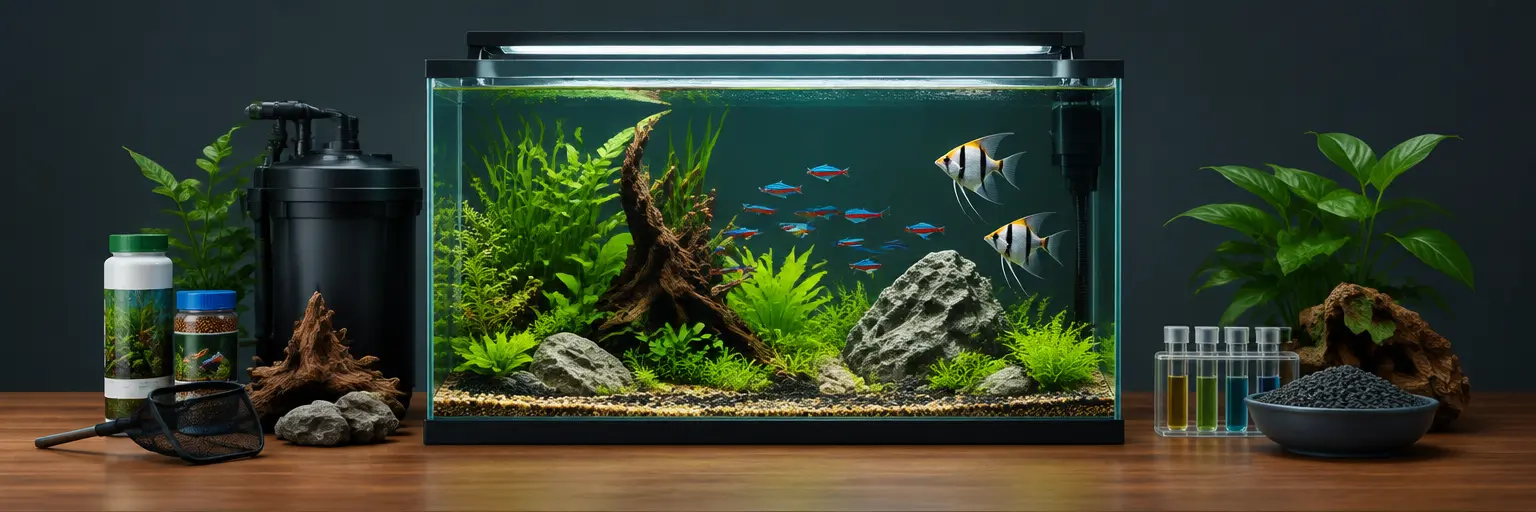
Dive into the mesmerizing world of freshwater aquariums with expert-backed guidance that turns a simple glass tank into a thriving aquatic ecosystem. Whether you’re a beginner or a seasoned hobbyist, mastering fish care starts with the perfect setup, including proper filtration, cycling, water chemistry, and aquascaping. From choosing the right substrate and lighting to selecting compatible fish species and maintaining optimal pH levels, our step-by-step approach ensures your underwater pets flourish. Create a stress-free habitat, prevent common diseases, and enjoy a vibrant, healthy aquarium that becomes the centerpiece of your home. Let’s unlock the secrets to crystal-clear water and happy, active fish today!
😊 Spotting sick freshwater fish symptoms early is crucial. Learn to recognize lethargy, loss of appetite, unusual swimming patterns, and fin clamping—signs…
Read article
😊 Transform your freshwater aquarium with our guide to the best freshwater aquarium plants for beginners! Discover easy-to-care-for species that thrive, enhancing…
Read article
😊 Unleash your creativity with our aquascaping guide for beginners! Transform your aquarium into a breathtaking underwater world. PetCareWorld shows you how…
Read article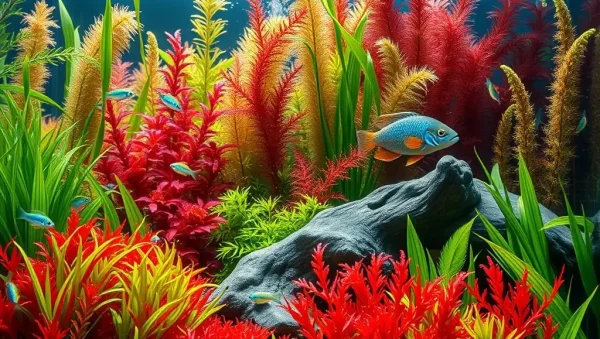
😊 Discover the ideal aquatic companions for your planted freshwater aquarium! PetCareWorld guides you to the best fish species thriving in lush,…
Read articleWelcome to the ultimate resource for freshwater aquarium setup, a cornerstone of exotic pet care at PetCareWorld. Whether you are a complete beginner or a seasoned hobbyist looking to refine your skills, establishing a balanced, healthy freshwater tank is both an art and a science. This guide covers everything from the initial tank selection to advanced water chemistry, ensuring your aquatic pets flourish in a safe, vibrant environment. Discover expert tips, step-by-step instructions, and practical troubleshooting advice to transform your vision of a beautiful aquarium into a living, breathing reality.
The foundation of any successful freshwater aquarium begins with selecting an appropriate tank size and placing it correctly. A larger tank is often easier to maintain than a smaller one because water parameters remain more stable, making a 20-gallon long tank an ideal starting point for beginners. Consider the available floor space and the weight of a filled aquarium—water weighs approximately 8.34 pounds per gallon—so ensure your stand or furniture can support the load. Avoid placing the tank near direct sunlight, heating vents, or high-traffic areas to prevent algae growth and temperature fluctuations.
When positioning your tank, always account for easy access to power outlets for filters, heaters, and lighting. Choose a location where you can enjoy the view without the tank being a tripping hazard or in the way of daily activities. Remember that the aquarium stand must be level and sturdy; a wobbling tank can cause glass stress and leaks. Finally, plan for future expansion—start with a size that allows your fish community to grow comfortably without overcrowding, as this directly impacts fish health and water quality.
Proper filtration is the heart of a freshwater aquarium, removing physical waste, toxic ammonia, and harmful nitrites while supporting beneficial bacteria colonization. You have three main filter types: hang-on-back (HOB) filters, canister filters, and sponge filters, each suited to different tank sizes and bioloads. For most hobbyists, a HOB filter offers an excellent balance of efficiency and ease of maintenance. Regardless of type, aim for a filter rated for at least twice your tank’s volume to ensure adequate water turnover and oxygenation.
Heating is equally critical for tropical freshwater species, as they require a stable temperature range, typically between 74°F and 82°F. Invest in a reliable submersible heater with an adjustable thermostat and wattage appropriate for your tank size (about 3-5 watts per gallon). Place the heater near water flow for even heat distribution and always use a separate thermometer to verify accuracy. Avoid sudden temperature swings, as these stress fish and weaken their immune systems, making them susceptible to diseases like ich.
Your choice of substrate affects both aesthetics and water chemistry. Gravel is the most common option, but sand is better for bottom-dwelling species like corydoras catfish. For planted tanks, nutrient-rich substrates like aquasoil promote root growth and provide essential minerals. Aim for a depth of 2-3 inches to allow plant anchoring and beneficial bacteria colonization. Before adding substrate, rinse it thoroughly to remove dust and debris, preventing cloudy water in the initial setup phase.
Decorations such as driftwood, rocks, and caves offer hiding spots that reduce stress and create territorial boundaries. However, ensure all items are aquarium-safe—avoid painted or treated materials that can leach toxins. Live plants are a game-changer: they absorb nitrates, produce oxygen, and provide natural grazing areas. Hardy species like Anubias, Java Fern, and Cryptocoryne thrive in low to medium light, making them perfect for beginners. Arrange hardscape first, then plant strategically to leave open swimming space while creating a natural, layered look.
Before adding any fish, you must complete the nitrogen cycle, which establishes colonies of beneficial bacteria that convert toxic ammonia to nitrite and then to less harmful nitrate. This process takes 4-8 weeks using a fishless cycle method, where you add a pure ammonia source and monitor parameters daily. Alternatively, you can use a bacterial supplement to speed up cycling. Never skip this critical step, as adding fish to an uncycled tank leads to fatal ammonia spikes. Test water weekly using a reliable liquid test kit for ammonia, nitrite, nitrate, pH, and hardness.
Most freshwater fish prefer a pH between 6.5 and 7.5, but some species have specific requirements—for example, discus need acidic water around 6.0, while African cichlids require alkaline conditions above 7.8. General hardness (GH) and carbonate hardness (KH) stabilize pH and provide essential minerals. Use tap water conditioners to remove chlorine and chloramine, and consider mixing with reverse osmosis (RO) water if your tap water is too extreme. Make gradual changes only, as sudden shifts in chemistry are more dangerous than slightly off-optimal readings.
Choosing compatible fish species is crucial for a peaceful community. Follow the one-inch-per-gallon rule as a baseline, but remember that adult size, activity level, and territorial behavior matter more than juvenile length. Research each species’ temperament, schooling habits, and water parameter preferences before purchase. A balanced community might include a centerpiece fish like a gourami, a school of tetras, bottom dwellers like corydoras, and a cleanup crew of snails or shrimp. Avoid overstocking by aiming for a bioload that your filter and water changes can handle.
When introducing new fish, never dump them directly into your aquarium. Float the sealed bag for 15 minutes to equalize temperature, then gradually add small amounts of tank water to the bag every 10 minutes over a 30-45 minute period. This drip acclimation method minimizes osmotic shock and stress. Quarantine new fish for 2-3 weeks in a separate tank to prevent introducing diseases to your established community. Observe all residents closely for signs of illness or aggression after introduction, and have a plan for rehoming aggressive individuals if necessary.
Consistent maintenance is the key to long-term aquarium success. Perform a 25-30% water change weekly, using a gravel vacuum to remove debris and waste from the substrate. Clean filter media only in used tank water (not tap water) to preserve beneficial bacteria, and replace them only when they are structurally failing. Wipe algae from glass and decorations, and trim dead leaves from plants. Regularly test water parameters and keep a log to spot trends before issues escalate. A well-maintained tank requires about 30 minutes per week, but this investment pays off with vibrant, healthy fish.
Troubleshooting common issues can save your aquarium from disaster. Cloudy water often indicates a bacterial bloom or excess nutrients; reduce feeding and increase water changes. Green water signals excess light or nutrients; block direct sunlight and reduce photoperiod. If you see fish gasping at the surface, check filtration and consider adding an air stone. Algae overgrowth, high nitrates, or sudden fish deaths are all warning signs that your maintenance schedule needs adjustment. When problems arise, test your water immediately and make conservative changes, as panic-driven over-corrections often worsen the situation.
Typically, a fishless cycle takes 4 to 8 weeks, depending on your water temperature, ammonia source, and bacterial culture strength. Warmer water speeds up bacterial metabolism, and using a liquid bacterial supplement can shorten the process to 2-3 weeks. You know your tank is cycled when ammonia and nitrite read zero, and nitrate is present, consistently for several days.
Yes, but you must treat it with a water conditioner to remove chlorine and chloramine, which are toxic to fish. It's also wise to test your tap water’s pH, hardness, and nitrate levels, as these vary by location. If your tap water has extreme parameters, consider blending with RO water to achieve your target values.
As a general rule, aim for one inch of adult fish per gallon, but this varies with species. A 20-gallon tank comfortably houses 10-15 small fish like neon tetras, or a community of 6 small tetras, 3 corydoras, and a dwarf gourami. Always research adult sizes and avoid overstocking, as more fish mean more waste and higher maintenance demands.
Not all, but most tropical species require stable warmth between 74°F and 82°F. Coldwater fish like goldfish and white cloud mountain minnows thrive without a heater at room temperature. Always research the specific temperature range for your chosen fish and provide a heater with a thermostat to prevent dangerous fluctuations.
Green water indicates a bloom of suspended algae, usually caused by excessive light or nutrients. Reduce your photoperiod to 6-8 hours per day, block any direct sunlight, and increase water change frequency. Also, minimize overfeeding and consider adding fast-growing live plants to absorb excess nitrates. In severe cases, a UV sterilizer can clear the bloom quickly.







