Mites, Ticks, and Worms: Identifying Reptile Parasites Early
😊 Early detection is crucial for treating reptile parasites. Learn to identify mites, ticks, and worms in your scaly friend with PetCareWorld's…
Read article
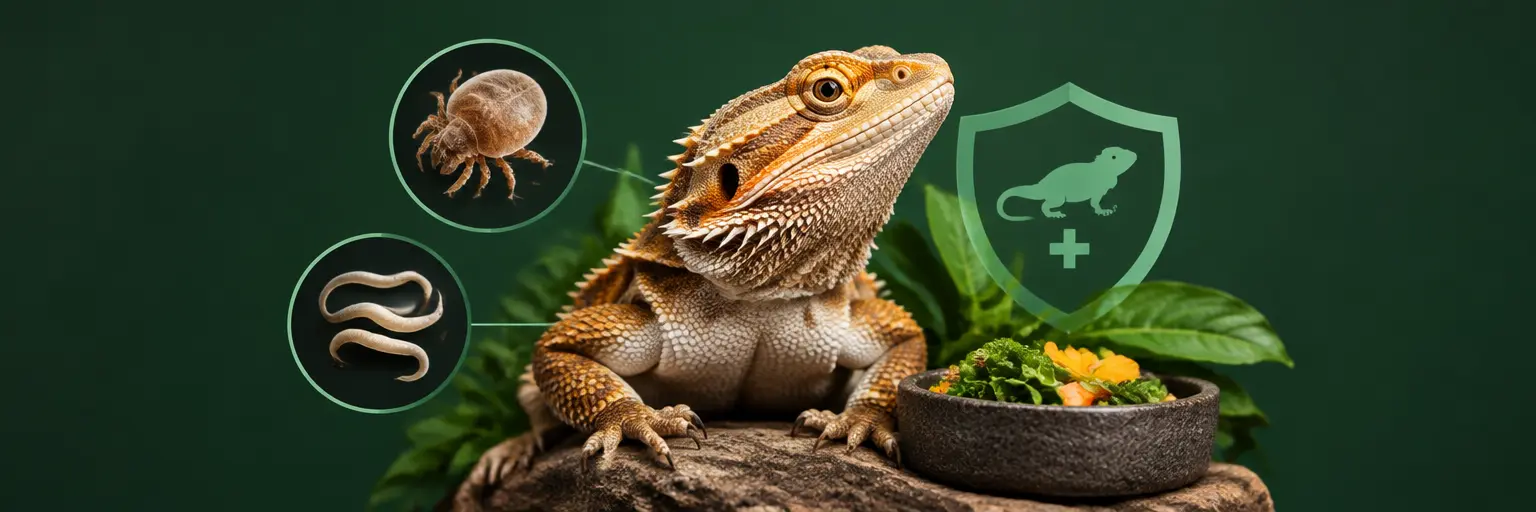
Reptile parasites can be silent threats that compromise your scaly companion’s health, but with proactive prevention, you can keep them thriving. At PetCareWorld, we delve into the hidden world of mites, ticks, protozoa, and internal worms that commonly affect snakes, lizards, and turtles. From recognizing subtle symptoms like lethargy, weight loss, or abnormal shedding to implementing quarantine protocols and habitat hygiene routines, our expert guidance empowers you to safeguard your exotic pet’s well-being. Discover species-specific risks, safe deworming schedules, and natural prevention tips that reduce stress and boost immunity. Whether you’re a new reptile keeper or a seasoned enthusiast, mastering parasite control is essential for a long, healthy life. Explore our actionable insights today and turn prevention into a simple, rewarding part of your pet care routine. 🦎✨
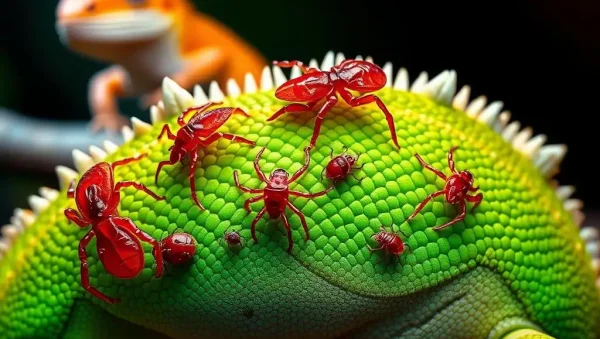
😊 Early detection is crucial for treating reptile parasites. Learn to identify mites, ticks, and worms in your scaly friend with PetCareWorld's…
Read article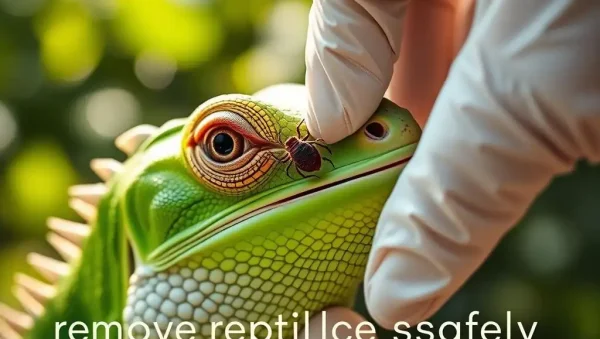
😊 Reptile ticks are a serious threat. Learn how to safely remove reptile ticks and provide proper aftercare to protect your pet's…
Read article
🤔 Regular reptile fecal exams are crucial for early parasite detection, preventing serious health issues and ensuring your reptile thrives. PetCareWorld provides…
Read articleWelcome to PetCareWorld’s dedicated guide on reptile parasites and prevention. Whether you keep a leopard gecko, bearded dragon, ball python, or red-eared slider, internal and external parasites are a hidden threat that can compromise your pet’s health, appetite, and lifespan. This comprehensive subcategory page is built to help you identify, treat, and—most importantly—prevent parasitic infections through proven husbandry, hygiene, and veterinary strategies. You’ll discover practical, actionable advice rooted in expert knowledge, from recognizing warning signs to establishing a biosecurity routine that keeps your terrarium safe. Let’s dive into the world of reptile parasites and turn prevention into a simple daily habit.
Internal parasites are the most frequent culprits behind chronic weight loss, regurgitation, and lethargy in captive reptiles. Common offenders include nematodes (roundworms), cestodes (tapeworms), trematodes (flukes), and single-celled protozoa like coccidia and Giardia. These organisms live in the gastrointestinal tract, stealing nutrients and damaging the gut lining, which can lead to secondary bacterial infections if left untreated.
You may not see worms with the naked eye, but symptoms like foul-smelling diarrhea, undigested food in stool, bloated belly despite a thin tail base, and reduced appetite are classic red flags. A fecal examination by a reptile-savvy veterinarian is the gold standard for diagnosis. Never use over-the-counter dewormers without a vet’s guidance, as dosages vary wildly by species and weight. Early detection, followed by prescribed antiparasitic medications, can fully restore your reptile’s health. Routine fecal checks every six months are a smart preventive measure.
External parasites are easier to spot because they live on your reptile’s skin or scales. Snake mites (Ophionyssus natricis) are the most notorious, appearing as tiny black or red specks crawling between scales, especially around the eyes, cloaca, and under chin scales. Ticks can attach anywhere, and fly larvae (maggots) may infest open wounds, causing severe tissue damage. Symptoms of mite infestation include excessive soaking, rubbing against decor, dull skin, and visible irritation.
Prevention starts with strict quarantine for any new arrival—isolate them for at least 30–60 days using paper towel substrate and separate tools. Treat infestations immediately with reptile-safe acaricides (never dog or cat products) and thoroughly clean the entire enclosure, including every hide and piece of decor. Discard porous substrate and bake wood items if possible. Regular physical inspection during handling will help you catch external parasites early, before they multiply into a colony that stresses your pet and complicates treatment.
The single most effective prevention tactic is ruthless hygiene. Parasite eggs and cysts can survive for months in moist, warm environments—exactly what many reptile enclosures offer. Clean and disinfect the terrarium with a reptile-safe disinfectant (e.g., diluted chlorhexidine or a specifically designed veterinary cleaner) at least once a week. Remove feces daily, and replace substrate regularly, especially if it’s organic like bark or coconut fiber, which holds moisture and can harbor eggs.
Quarantine is equally essential. Any new reptile, even one that looks healthy, should be housed in a separate room with its own tools for a full month. During quarantine, monitor appetite, stool quality, and activity, and perform a baseline fecal test. Wash your hands thoroughly before and after handling any reptile, and never share food bowls, tongs, or soaking tubs between animals. By adopting these habits, you dramatically lower the risk of introducing parasites to an established collection and keep your vivarium as safe as a sterile lab.
Parasites often become problematic only when a reptile’s immune system is compromised. Poor nutrition, incorrect temperature gradients, and chronic stress all suppress immunity, letting small numbers of parasites explode into a clinical outbreak. Feed a species-appropriate diet rich in calcium, vitamins, and gut-loaded insects (for insectivores) or high-quality commercial pellets and fresh greens (for herbivores). Ensure UVB lighting and thermal gradients match your species’ natural habitat needs.
Stress reduction is a powerful preventive tool. Provide ample hides, avoid excessive handling, and maintain a consistent day/night cycle. Never house different species together, as cross-species stress can trigger latent parasitic infections. A healthy, hydrated reptile with a robust gut microbiome will naturally keep parasite populations in check. Regular veterinary wellness checks, including annual blood work and fecal exams, allow you to catch immune dips early and adjust husbandry before parasites gain the upper hand.
Accurate diagnosis is the cornerstone of parasite management. A fecal floatation test is the most common method, concentrating parasite eggs so they become visible under a microscope. Depending on the suspected parasite, your vet may also recommend a direct smear, PCR testing, or blood smears for blood-borne parasites. Never self-diagnose based on internet photos, as many symptoms overlap with metabolic bone disease or bacterial infections.
Treatment typically involves oral or injectable antiparasitic drugs such as fenbendazole, praziquantel, or metronidazole, prescribed at exact doses for your reptile’s weight. Follow the full course, even if symptoms improve quickly, and re-test feces two weeks after completion to confirm eradication. Supportive care may include fluid therapy, probiotics to restore gut flora, and syringe-feeding if appetite is poor. With a competent reptile vet’s guidance, even severe parasitic infections have an excellent prognosis, returning your scaly companion to vibrant health.
At minimum, perform a fecal exam every six months for healthy adults and every three months for juveniles, new arrivals, or animals that have been ill. Annual checkups are also ideal, but regular fecal testing is the single best way to catch silent infections before they spread.
No, avoid OTC dewormers labeled for cats, dogs, or generic “reptile” fixes. They often contain incorrect active ingredients or doses that can poison your reptile. Always consult a reptile veterinarian for a proper diagnosis and a prescription tailored to your pet’s species, weight, and specific parasite load.
Subtle signs include a slight decrease in appetite, softer or more frequent stools, and mild lethargy. You might also notice increased basking, reduced activity, or poor skin tone. If you see visible worms in feces or a distended belly, infections are already advanced—act quickly.
Yes, a few reptile parasites, such as Salmonella (a bacterium, not a worm) and certain protozoa like Cryptosporidium, are zoonotic and can transfer to humans. Practice strict handwashing after handling reptiles or cleaning enclosures, and never allow reptiles in food preparation areas. Regular vet checks reduce zoonotic risks.
Empty the enclosure entirely, discard any porous substrate, wood, or cork bark that cannot be baked. Wash all surfaces with hot, soapy water, then apply a reptile-safe disinfectant like F10SC or diluted chlorhexidine, leaving it on for the recommended contact time. Rinse thoroughly, dry completely, and bake decor at 200°F for 30 minutes if suitable. Quarantine the treated reptile separately until mite or parasite detection is negative.







