Frozen Food Drawbacks: Potential Risks and How to Avoid Them
🤔 Frozen pet food offers convenience, but potential risks exist. Learn about frozen pet food safety hazards, including bacterial contamination and nutritional…
Read article
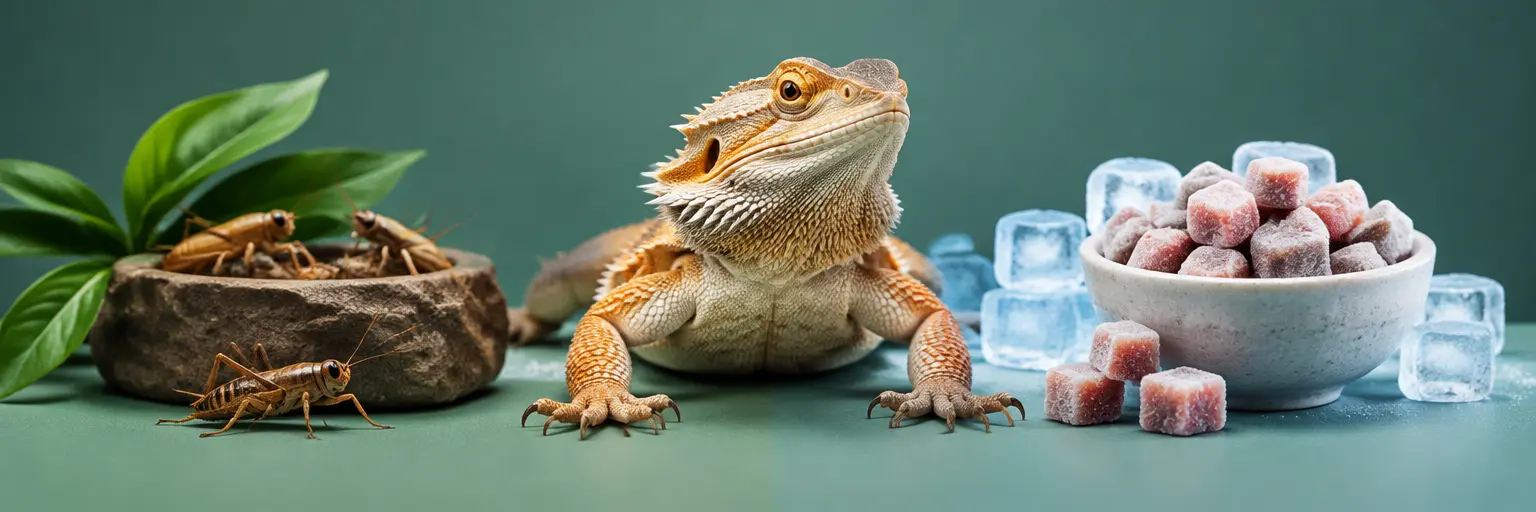
Choosing between live and frozen food for your reptile is a critical decision that impacts their health, natural instincts, and your convenience as an owner. Live prey offers essential mental stimulation and satisfies hunting behaviors, but it carries risks like biting, parasites, and higher costs. Frozen-thawed alternatives provide unmatched safety, easier storage, and consistent nutritional value—often with less mess and no ethical concerns. This guide breaks down the pros, cons, and practical steps for both options, helping you balance your pet’s dietary needs with your lifestyle. Whether you’re raising a picky ball python, a thriving bearded dragon, or a curious leopard gecko, understanding the nutritional differences and feeding techniques ensures your exotic pet thrives. From thawing tips to switching strategies, we cover everything you need to make a confident, informed choice that supports long-term well-being.

🤔 Frozen pet food offers convenience, but potential risks exist. Learn about frozen pet food safety hazards, including bacterial contamination and nutritional…
Read article
😊 Unleash your reptile's natural hunting instincts and reap the rewards! Discover the crucial live prey reptile feeding benefits: enhanced enrichment, improved…
Read article
😊 Unleash your reptile's natural instincts and improve their health with live reptile food! Discover the nutritional and behavioral advantages of feeding…
Read articleChoosing between live and frozen food for your reptile is one of the most crucial decisions you’ll make as an owner. This subcategory at PetCareWorld breaks down the nutritional, behavioral, and safety aspects of both feeding methods. Whether you own a ball python, bearded dragon, or a monitor lizard, understanding the trade-offs between prey variety, convenience, and hunting enrichment is essential for long-term health. Our expert guides help you navigate these choices with confidence, ensuring your scaly companion thrives.
Live prey such as crickets, roaches, and mice often carry the highest moisture and enzyme content, which can benefit reptiles with specific digestive needs. However, frozen-thawed rodents retain nearly the same protein, fat, and calcium profile if properly sourced and handled. The key difference lies in gut-loading—live insects can be fed nutritious foods before offering them, boosting their vitamin content. Frozen prey lacks this option but reduces the risk of introducing parasites or diseases from wild-caught carriers.
For most captive reptiles, high-quality frozen-thawed food is nutritionally complete when supplemented with calcium and vitamin powders. The critical factor is consistency: thawed prey must be warmed to about 98–100°F to mimic body heat, which encourages feeding responses. Always check that the prey is free from freezer burn, as it degrades fats and fat-soluble vitamins. A balanced diet still requires periodic variety, which live insects can provide for insectivorous species like geckos and skinks.
Live prey offers natural hunting simulation, satisfying the instinctual stalking and striking behaviors essential for mental stimulation in reptiles like chameleons and young snakes. This enrichment reduces stress-related problems such as repetitive pacing or refusal to eat. However, supervised feeding is non-negotiable because live rodents can bite, causing severe injuries to your pet’s eyes or skin. For arboreal species, live insects encourage climbing and active foraging, which is beneficial for muscle tone.
Frozen-thawed food, while lower in stimulation, eliminates the risk of injury and allows for safer handling of shy or nervous reptiles. You can still create mild enrichment by using tongs to wiggle the prey, simulating movement before offering it. Many owners find that transitioning properly trained snakes to frozen food actually reduces feeding anxiety, as there’s no chase or struggle. For nocturnal species, feed at dusk with dim lighting to mimic natural ambush conditions, even with frozen items.
Live prey, especially wild-caught insects and rodents, can harbor internal parasites, mites, or bacterial pathogens like Salmonella. These transfer directly to your reptile, causing chronic illness or shedding issues. Additionally, live mice and rats can inflict painful bites, which may lead to abscesses or life-threatening infections. Even feeder insects like superworms have strong jaws that can damage a reptile’s mouth if left unattended in the enclosure.
Frozen-thawed food dramatically lowers these risks when sourced from reputable suppliers that follow disease-free breeding protocols. However, improper thawing—such as leaving prey at room temperature for hours—encourages bacterial growth like E. coli. Always thaw in a sealed bag in warm water, never in a microwave, and discard any uneaten frozen-thawed prey after 30 minutes. Inspect your reptile’s feces regularly for signs of parasitic infection, regardless of the feeding method, to catch problems early.
Live insects require ongoing purchases and often a separate habitat for breeding, which adds up in both time and money. Crickets have a short lifespan, requiring weekly restocking, while rodents like mice must be ordered in bulk and stored carefully if you raise your own. Frozen food, by contrast, can be bought in bulk and stored for months, reducing shopping frequency and waste. Bulk frozen mice cost significantly less per feeding than buying single live ones from a pet store.
For owners with multiple reptiles, frozen food saves serious money and simplifies feeding schedules. You can prep a week’s worth of thawed meals in advance using portioned bags, cutting down daily chores. Yet, some reptiles, especially picky eaters like certain king snakes, may refuse frozen food, forcing you to invest time in scenting tricks with lizard tails or chicken broth. Calculate your monthly cost per gram of protein to decide what fits your lifestyle without compromising nutrition.
Transitioning a reptile from live to frozen-thawed prey requires patience and strategic methods. Start by offering slightly warm, freshly killed prey using tongs, mimicking the motion of live prey to trigger feeding. For stubborn snakes, brain the rodent (pierce the skull) to release strong scents. Another technique is to place the frozen-thawed prey in the same container where the reptile previously ate live food, associating the smell with feeding time.
Never starve your reptile for more than two weeks to force a switch, as this causes metabolic stress. Instead, alternate live and frozen meals, gradually increasing the frozen proportion over six to eight weeks. For insectivores, mix live insects with frozen-thawed insects like silkworms and hornworms to build familiarity. Some species, like hognose snakes, are known for prolonged refusal, so consulting a reptile veterinarian before giving up is wise. Persistence, paired with consistent temperature and humidity, usually pays off.
Yes, many reptile species thrive on a strictly frozen-thawed diet, provided it’s nutritionally complete and varied for insectivores. However, some snakes and lizards may require occasional live enrichment to stimulate breeding or feeding responses. Always supplement with calcium and vitamins as directed. Monitor your pet’s weight, digestion, and fecal output to confirm the diet meets its needs. Consult a herp vet if weight loss occurs.
Frozen rodents and insects maintain optimal quality for up to six months if stored at 0°F or below. After that, fats can oxidize, reducing nutritional value and taste. Always label packages with purchase dates and rotate stock using a first-in, first-out system. Avoid refreezing thawed prey, as this promotes bacterial growth. For best results, buy smaller quantities more frequently rather than storing for a year.
First, ensure the prey is warmed to the correct temperature (around 100°F) and offer it at night when your reptile is most active. Try scenting the frozen item with a live prey’s shed or lizard tail. You can also dip the prey in a little tuna water. If refusal continues, offer a live feeder under supervision for one meal, then try frozen again next time. Never force-feed without veterinary guidance.
Live insects are generally better for bearded dragons because they need the movement and moisture content for proper hydration and jaw exercise. However, frozen-thawed insects like silkworms or dubia roaches can be used as supplemental meals, especially during travel or supply shortages. Always gut-load live insects for 24 hours before feeding. Offer a mix of both to balance convenience and natural foraging behavior.
Impaction is more common with low-temperature thawed prey that’s too cold, slowing digestion. Always warm prey to body temperature and feed in a heated enclosure. Additionally, ensure prey size is no larger than 1.5 times the width of your reptile’s head. Frozen-thawed food does not inherently cause impaction; inadequate hydration or oversized prey does. Provide a shallow water dish and proper basking temperatures to prevent blockages.







