Safe Handling Techniques for Owners with Limited Mobility
😊 PetCareWorld offers expert guidance on safe pet handling for owners with limited mobility, ensuring both pet and owner safety through practical,…
Read article

When it comes to welcoming a scaly companion into your home, mastering the art of handling reptiles safely is the cornerstone of responsible exotic pet ownership. Whether you’re new to the world of reptiles or a seasoned keeper, understanding the unique needs of your cold-blooded friend—from proper support and temperature regulation to recognizing stress signals—can make all the difference in building a trusting bond while keeping both you and your pet out of harm’s way. By learning the correct techniques, you not only minimize the risk of bites, scratches, or defensive behaviors, but you also ensure your reptile feels secure and calm during every interaction. From gentle, patient approaches to knowing when to avoid handling altogether (like during shedding or after feeding), this essential guidance elevates your care routine and prevents common mistakes that could lead to injury or illness. Explore practical, expert-backed tips that transform handling into a positive experience—protecting your reptile’s well-being and your peace of mind. 🦎✨

😊 PetCareWorld offers expert guidance on safe pet handling for owners with limited mobility, ensuring both pet and owner safety through practical,…
Read article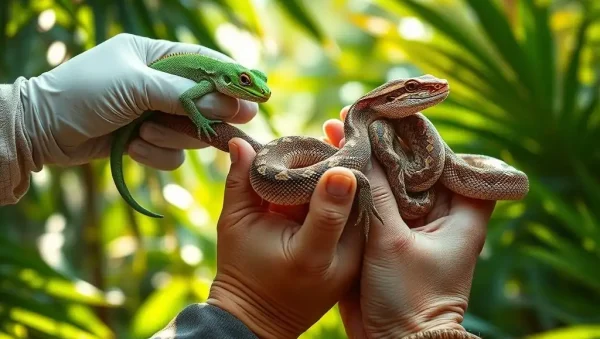
😊 Learn safe reptile handling techniques for various species at PetCareWorld! Our expert guide covers proper holds, ensuring both your safety and…
Read article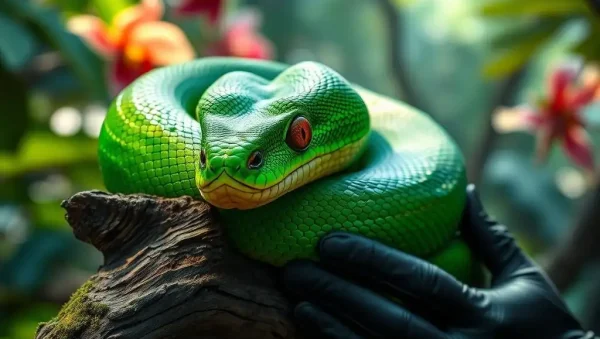
😊 Discover the long-term rewards of safe reptile handling! Proper techniques ensure your reptile thrives, preventing injury and promoting a healthy, fulfilling…
Read article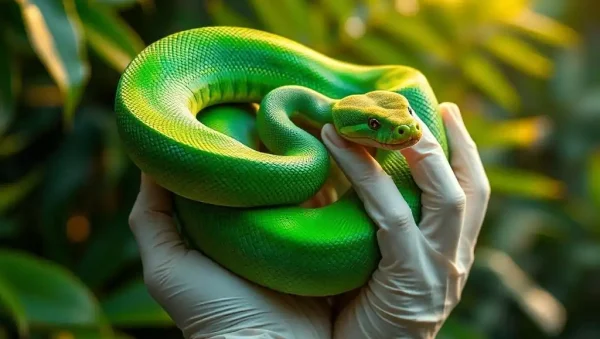
😊 Learn safe and effective handling techniques for reptile health checks in our step-by-step guide. Mastering this crucial skill ensures accurate assessments…
Read articleWelcome to our specialized guide on handling reptiles safely, part of the Reptiles & Exotic Pets category at PetCareWorld. Proper handling is not just about preventing bites—it’s about building trust, reducing stress, and ensuring the health of both you and your scaly companion. Whether you’re a first-time bearded dragon owner or a seasoned snake keeper, this subcategory delivers actionable, science-backed techniques, species-specific tips, and essential safety rules. Explore below to master secure gripping, reading body language, and creating calm, positive interactions every time.
Before picking up any reptile, you must decode its signals. Unlike mammals, reptiles show stress through specific postures, colors, and movements. Hissing, tail rattling, puffing up, or rapid tongue flicking in snakes indicate discomfort. Learning these cues prevents defensive bites and panic escapes. Pair this with knowledge of each species’ natural temperament—for example, leopard geckos tolerate gentle handling, while chameleons often find it highly stressful.
Always approach your pet from the side, not from above, as overhead movements mimic predatory birds. Observe your reptile’s breathing rate and muscle tension; a relaxed animal has slow, rhythmic breaths and a loose body. Start with short sessions (5–10 minutes) and gradually increase duration as your pet acclimates. Never handle a reptile immediately after feeding, during shedding, or while it is in brumation—these are high-risk periods for defensive behavior. Consistent, calm interactions build neurological trust, reducing chronic stress hormones that weaken immunity.
Correct restraint is the cornerstone of safe handling. For snakes, support at least one-third of their body length, especially the midsection, using both hands in a relaxed “S” curve. Never grip behind the head unless medically necessary, as this causes severe distress. For lizards, slide one hand under the chest and the other over the back legs, allowing toes to grip your fingers. Avoid tail holding—many geckos and skinks drop their tails as a defense mechanism.
For tortoises and turtles, always support the shell’s plastron (bottom) and bridge with both palms. Keep your hands away from the beak area of turtles and the sharp claws of iguanas. Use a towel or soft cloth for initial capture of nervous species, but remove it once the animal is securely held. Practice the “two-hand rule”: one hand stabilizes, the other controls movement direction. If your reptile struggles, gently lower it back to its enclosure rather than squeezing tighter—increased pressure panic-starts flight responses. Always handle over a soft surface or low table to prevent fall injuries.
Each reptile family demands unique handling protocols. Corn snakes and king snakes are generally docile and tolerate gentle exploration, but ball pythons often curl into a tight ball when nervous—never uncoil them forcefully. Bearded dragons enjoy sitting on shoulders but need extra head support, while blue-tongue skinks have strong jaws and may bite if startled. Crested geckos are fragile; always let them walk onto your hand rather than grabbing them.
Do not house or handle venomous species without professional training—this guide strictly excludes them. For large monitors (e.g., Savannah monitors), wear thick gloves during initial socialization and use two handlers. Veiled chameleons should be handled minimally, only for health checks, as they are highly territorial. Always research your exotic pet’s wild behavior patterns; arboreal species like green tree pythons require vertical support, while fossorial species like sand boas prefer crossing hands to mimic burrows. Adapting your grip to anatomy reduces stress fractures and dislocations.
Reptiles carry Salmonella and other zoonotic bacteria naturally, so hygiene is non-negotiable. Wash your hands with soap and warm water immediately before and after every handling session. Use a dedicated handling hook for snakes or a snake hook to redirect strikes, and keep a pair of soft gloves only for defensive individuals. Thoroughly disinfect any bite wounds with antiseptic, even if they appear minor, and seek medical attention if redness spreads.
Your handling environment must be free of drafts, extreme temperatures, and loud noises. Close all doors and windows, and ensure dogs or cats are in another room. Place a thick towel or foam mat on the floor as a crash pad. For venomous lookalikes (e.g., milk snakes vs. coral snakes), never rely on color memory—always verify species ID before any interaction. Keep a secure escape-proof enclosure within arm’s reach so you can instantly return your pet if you feel stressed or fatigued. Also, avoid handling after handling other reptiles without washing, as scent transfer can trigger aggression.
Even experienced keepers encounter emergencies. Watch for signs of acute stress: gaping mouth, squeaking, regurgitation, defecating during handling, or frantic lunges. These indicate you must stop immediately. For a bite, do not pull away—gently apply pressure to the jaw or use a blunt object to pry open the mouth if needed. Never swing or drop a biting snake; this causes severe muscle damage. For lizard scratches, clean with chlorhexidine and cover with a bandage to prevent infection.
If your reptile accidentally falls, place it in a quiet, warm hiding spot and observe for 24–48 hours for signs of internal injury: lethargy, limb dragging, or breathing difficulty. For venomous bites (only if you illegally kept one), call emergency services immediately. Have your exotic vet’s number saved on your phone and posted near the enclosure. Also, learn the “head tilt” check—if your snake’s head tilts to one side during handling, it may have a respiratory issue. Prepare a first-aid kit with sterile saline, surgical gloves, and a reptile-safe antibiotic ointment, but always let a vet perform deep treatment.
Start with 3–4 sessions per week, each lasting 5–10 minutes, then adjust based on your pet’s reaction. Docile species like bearded dragons can handle daily interaction, while shy species like chameleons prefer once a week or less. Consistency matters more than length—short, positive sessions build trust faster than infrequent long ones.
Do not pick up a hissing snake immediately—hissing means it feels threatened. Wait 10–15 minutes until it calms, then use a snake hook to gently lift its midsection. If it continues to hiss, let it be for that day. Always read body language; forcing the animal only reinforces fear.
It’s best to avoid handling during active shedding, especially around the eyes and tail, as their skin is sensitive and vision is impaired. This increases stress and bite risk. Wait until the shed is fully complete, then check for stuck patches during your next gentle handling session.
Remain calm and place the reptile in a warm, clean enclosure immediately. The tail will regrow over months, but it may look different. Avoid handling the animal for at least two weeks to reduce stress. Keep the enclosure substrate dry and clean to prevent infection at the injury site, and monitor eating.
No—gloves reduce tactile feedback and can crush delicate toes. Use them only for aggressive or defensive species like large monitors or wild-caught individuals. For most pet reptiles, bare clean hands are better because they allow you to feel body tension and adjust grip properly. Always wash hands before and after.