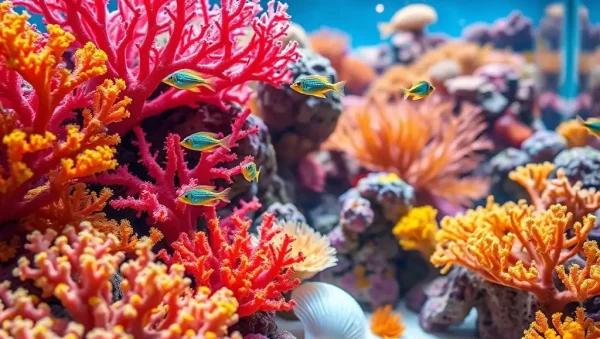
Saltwater Aquarium Setup: A Complete Guide for Beginners and Hobbyists
Welcome to the vibrant world of saltwater aquariums—a stunning underwater ecosystem that can bring the ocean’s beauty into your home. At PetCareWorld, our "Saltwater Aquarium Setup" subcategory is designed to guide you through every step of establishing and maintaining a thriving marine environment. From choosing the right tank size and filtration system to understanding water chemistry and selecting compatible fish, this resource is your go-to for expert, actionable advice. Whether you’re a first-time marine keeper or looking to refine your skills, our content focuses on practical solutions, cost-effective strategies, and sustainable practices to ensure your aquatic pets flourish.
🔍 Choosing the Right Tank and Equipment for Your Saltwater Setup
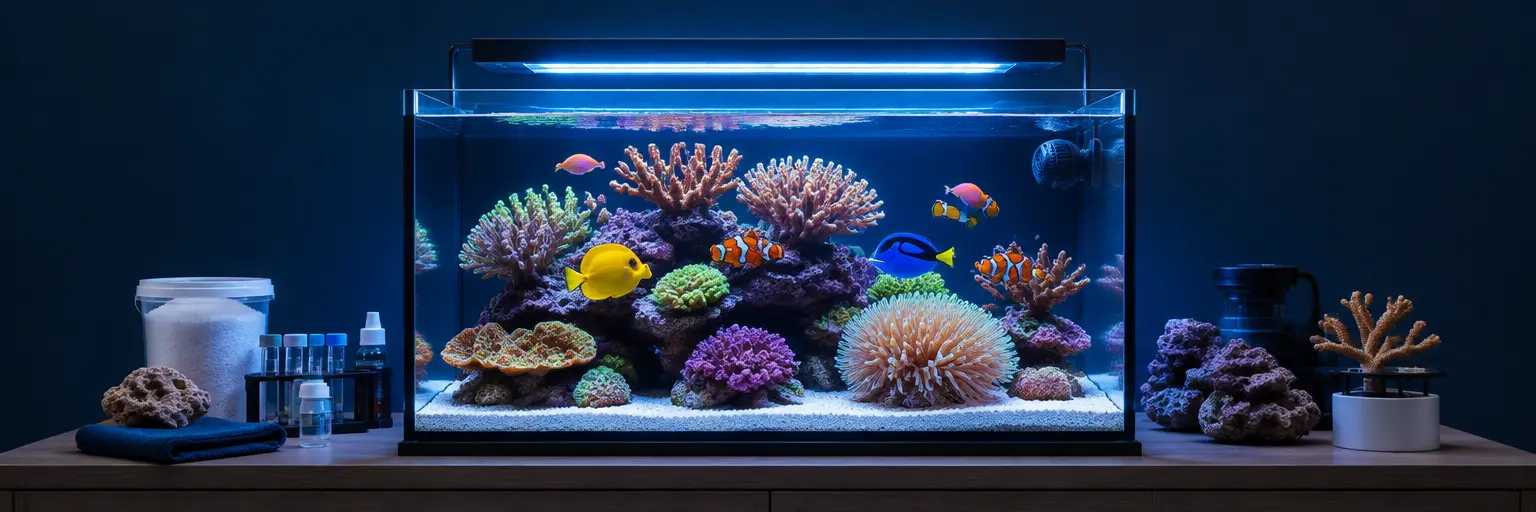
Selecting the correct tank and equipment is the foundation of any successful saltwater aquarium. The size of your tank directly impacts water stability, with larger tanks (50 gallons or more) being easier to maintain due to slower parameter fluctuations. You’ll also need a quality protein skimmer, a reliable heater, and a powerful circulation pump to mimic ocean currents. Our guides break down the pros and cons of acrylic versus glass tanks, and we explain the essential role of live rock and sand in biological filtration. We emphasize that investing in high-quality equipment upfront saves money and stress long-term.
Beyond the basics, we cover optional upgrades like refugiums, UV sterilizers, and automated top-off systems that enhance water quality. You’ll learn how to calculate your tank’s actual water volume and why this matters for dosing supplements. We also discuss lighting options—from LED to T5—and how they influence coral growth and fish behavior. Always match your equipment to your intended livestock, as a fish-only tank has different needs than a reef tank. Our step-by-step setup checklists help you avoid common pitfalls, ensuring your equipment runs efficiently from day one.
🌊 Mastering Saltwater Chemistry: Salinity, pH, and Cycling
Water chemistry is the lifeline of your marine aquarium, and getting it right is non-negotiable. Salinity should be maintained at 1.024-1.026 specific gravity, using a refractometer for accuracy. pH levels need to stay between 8.1 and 8.4, while ammonia and nitrite must remain at zero. The nitrogen cycle—establishing beneficial bacteria—is critical, and we guide you through both fishless and fish-in cycling methods. Patience is key; rushing the cycle crashes your tank and harms livestock. Our detailed charts explain how to test water parameters weekly and interpret results correctly.
We also introduce advanced topics like alkalinity, calcium, and magnesium levels, especially if you plan to keep corals. Regular water changes (10-20% biweekly) help replenish trace elements and remove pollutants. You’ll find troubleshooting tips for common issues like algae blooms, high nitrate, or cloudy water. Always acclimate new fish slowly using the drip method to prevent shock from sudden chemistry changes. For beginners, we recommend starting with hardy species like clownfish or damsels, which tolerate minor parameter fluctuations while your system matures.
🐠 Selecting and Introducing Fish and Invertebrates
Choosing compatible livestock is an art and science. Saltwater fish have diverse temperaments, dietary needs, and territorial behaviors, so research is essential. Our species profiles cover reef-safe versus fish-only options, including popular choices like tangs, gobies, and angelfish. We stress quarantining every new arrival for 2-4 weeks to prevent introducing diseases like ich or velvet. When stocking, follow the “one inch per five gallons” rule as a starting point, but always consider adult sizes and swimming needs. Introduce fish in order of least aggressive first to reduce territorial conflicts.
Invertebrates—such as cleaner shrimp, snails, and hermit crabs—make excellent tank cleaners and add diversity. Corals, from soft to stony varieties, require specific lighting and water flow, which we detail in separate guides. We also cover feeding schedules, including flake, frozen, and live foods, ensuring your fish receive balanced nutrition. Watch for signs of stress, like hiding or rapid breathing, and act immediately. Our compatibility charts help you create a peaceful community, while our acclimation protocols guarantee a smooth transition from the store to your tank.
🧪 Maintaining a Healthy Ecosystem: Filtration, Water Changes, and Disease Prevention
Routine maintenance is what separates a thriving tank from a constant battle. Biological filtration (via live rock and a skimmer) removes organic waste, while mechanical filtration captures debris. You’ll learn how to clean filter media without destroying beneficial bacteria—rinse them in tank water, not tap water. Weekly tasks include checking temperature, salinity, and removing uneaten food. Monthly, you should clean pumps, replace filter pads, and test for heavier metals. Water changes remain the best prevention against toxin buildup, and we show you how to mix synthetic sea salt to match your tank’s exact parameters.
Disease outbreaks, though stressful, are manageable with early detection. We list common ailments, their symptoms, and treatment options, including copper-based medications and freshwater dips. Always isolate sick fish in a hospital tank to avoid medicating the main display, which can harm invertebrates. We also discuss biosecurity measures, such as sterilizing nets and decorations. By following our maintenance calendar, you’ll reduce the risk of “new tank syndrome” and ensure a stable, long-lasting environment. Prevention is always cheaper and safer than treatment.
💡 Advanced Tips for Reef Tanks and Specialty Setups
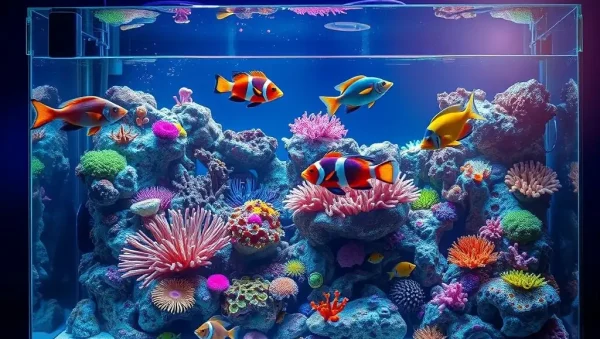
For hobbyists ready to level up, reef tanks open a world of color and complexity. You’ll need intense lighting (PAR levels of 200-400 for corals), precise water flow (10-20 times turnover per hour), and a dosing regimen for calcium, alkalinity, and magnesium. We dive into nutrient export methods like refugiums with macroalgae and carbon dosing. Our guides compare natural vs. artificial seawater mixes, and we explain how to maintain a deep sand bed for denitrification. For a nano reef (10-20 gallons), we offer space-saving tips that still support hardy corals like zoanthids or mushroom anemones.
Theed specialty setups include fish-only with live rock (FOWLR), which is budget-friendly and hardy, or a biotope aquarium replicating a specific ocean region like the Caribbean or Indo-Pacific. We also touch on closed-loop systems and wave makers for dynamic water movement. Automation—like auto-top-off units and smart controllers—can simplify daily care significantly. However, we caution that more complex systems require greater diligence. Our troubleshooting section addresses issues like unexplained coral bleaching or nuisance algae, providing evidence-based solutions. Join our community forums to share experiences and learn from seasoned reef keepers.
Frequently Asked Questions
How long does it take to cycle a new saltwater aquarium?
Typically, a full nitrogen cycle takes 4-8 weeks. Using live rock or bottled bacteria can speed things up to 3-4 weeks. You’ll know it’s complete when ammonia and nitrite read zero and nitrates are present. Test every 2-3 days and add fish gradually after cycling finishes.
What is the easiest saltwater fish to keep for beginners?
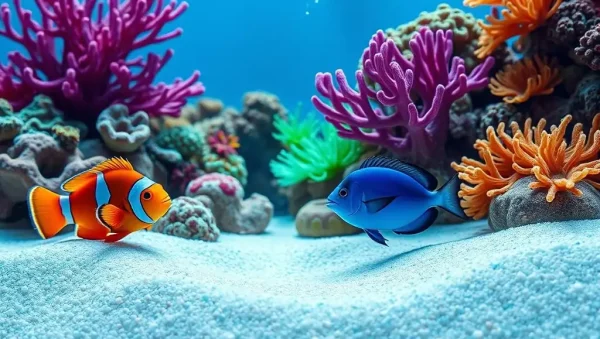
The ocellaris clownfish (Amphiprion ocellaris) is the most recommended. It’s hardy, adaptable, and tolerates slightly fluctuating conditions. Other good options include green chromis, royal gramma, and firefish gobies. Avoid aggressive or delicate species until your tank stabilizes.
Can I use tap water in a saltwater aquarium?
No, tap water contains chlorine, chloramines, and heavy metals that harm marine life. Always use reverse osmosis (RO) or deionized (DI) water, then mix with high-quality synthetic sea salt. Test the water’s TDS (total dissolved solids) to ensure it’s below 10 ppm for best results.
How often should I clean my protein skimmer?
Clean the collection cup every 2-3 days to prevent overflow and maintain efficiency. Deep-clean the skimmer body once a month using vinegar and warm water. Check the pump and air intake regularly to ensure optimal foam production, which removes organic waste.
What causes white spots on saltwater fish, and how do I treat it?
White spots usually indicate marine ich (Cryptocaryon irritans), a parasitic infection. Quarantine the affected fish and treat with copper-based medication or hyposalinity. Never dose copper in your main tank if you have invertebrates. Increase aeration and reduce stress to boost recovery.