Gut Loading Insects: How to Supercharge Your Reptile's Nutrition
😊 Maximize your reptile's health with PetCareWorld's guide to gut loading insects. Learn the best techniques to ensure your reptiles receive optimal…
Read article
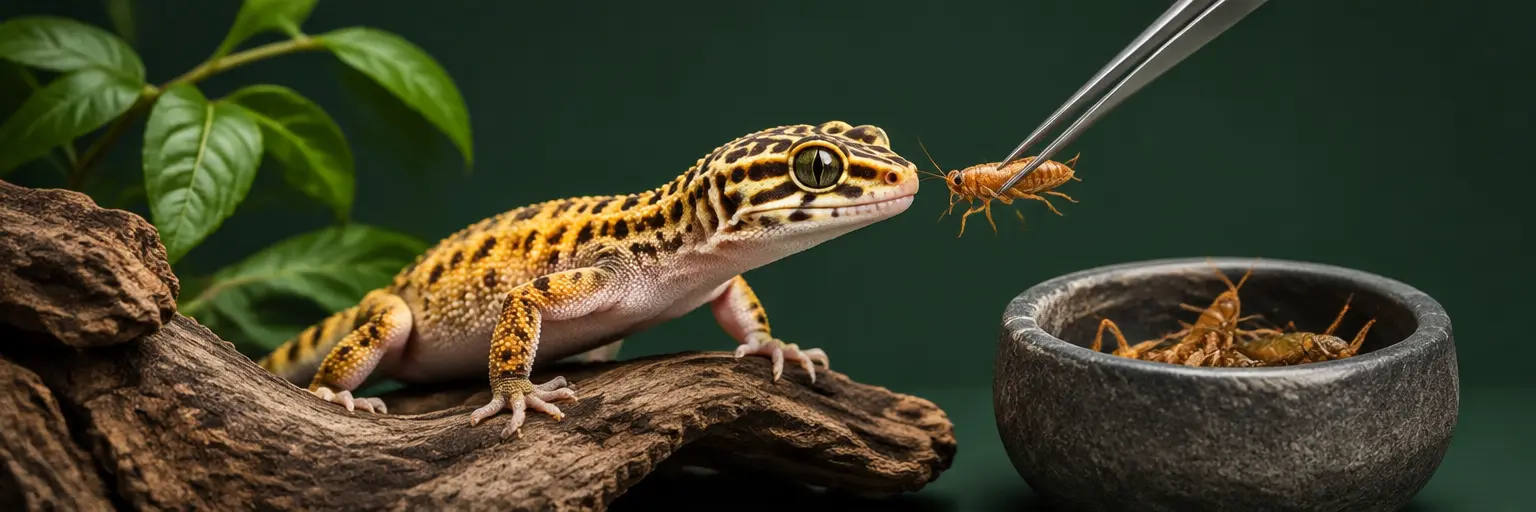
Discover the essential secrets to keeping your scaly companions thriving with expert guidance on feeding insectivorous reptiles. From crickets and mealworms to roaches and calcium dusting, our comprehensive tips ensure your bearded dragon, gecko, or chameleon receives the perfect balance of protein, vitamins, and minerals for optimal health. Learn how to gut-load prey, establish proper feeding schedules, and avoid common nutritional pitfalls that can lead to metabolic bone disease or obesity. Whether you’re a novice or seasoned reptile keeper, these actionable insights simplify complex dietary needs, promoting vibrant energy, healthy shedding, and a longer lifespan. Empower your pet care routine with science-backed feeding techniques tailored to your reptile’s unique species and age—because a well-fed insectivore is a happy, active companion. Dive into expert-approved methods that transform mealtime into a cornerstone of wellness, ensuring your exotic pet flourishes under your care.
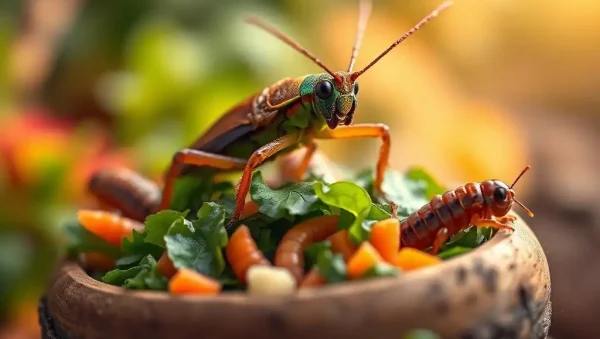
😊 Maximize your reptile's health with PetCareWorld's guide to gut loading insects. Learn the best techniques to ensure your reptiles receive optimal…
Read article
😊Unlock the secrets of your reptile's predatory nature! PetCareWorld's guide, "Understanding Your Reptile's Natural Hunting Instincts," explains reptile hunting behaviors, enriching your…
Read article
🤔 Discover how temperature critically affects your reptile's ability to digest insects. PetCareWorld reveals the vital link between optimal thermal conditions and…
Read articleWelcome to PetCareWorld’s dedicated resource on feeding insectivorous reptiles—a vital topic for owners of bearded dragons, leopard geckos, chameleons, and many other lizard and amphibian species. Proper insectivore nutrition goes far beyond tossing in a few crickets; it involves gut-loading, calcium dusting, prey variety, and understanding feeding schedules that mimic natural behaviors. This section is your go-to hub for turning mealtime into a cornerstone of your reptile’s long-term health, preventing metabolic bone disease, obesity, and nutritional deficiencies. Let’s dive into the science and practical tactics that ensure your scaly companion thrives.
An insectivorous reptile’s diet must replicate the nutrient profile of wild insects, which are naturally rich in protein, moderate in fat, and low in phosphorus. However, captive-bred feeder insects like mealworms or crickets often lack essential vitamins, especially calcium and vitamin D3. This imbalance is the leading cause of metabolic bone disease. To combat this, you must gut-load your feeders 24–48 hours before feeding, offering them nutrient-dense foods like carrots, leafy greens, and commercial gut-load formulas. This effectively turns each cricket into a miniature vitamin pill for your reptile.
Beyond gut-loading, prey variety is non-negotiable. Relying solely on one insect type leads to nutrient gaps and boredom in hunting response. Rotate crickets, dubia roaches, black soldier fly larvae, and occasional silkworms or hornworms. Each insect carries a unique amino acid and fat profile, so mixing them mimics the diverse buffet your reptile would encounter in the wild. Remember, the goal is balance, not volume—overfeeding high-fat insects like waxworms can quickly lead to hepatic lipidosis, a fatal liver condition.
Dusting prey with calcium powder is the single most impactful thing you can do for a captive insectivore. A common schedule is to dust insects with a calcium-without-D3 powder at every feeding, and a calcium-with-D3 powder two to three times weekly. Additionally, a multivitamin supplement should be offered once a week to cover trace minerals like zinc, manganese, and vitamin A. However, more is not better—hypervitaminosis A is a real risk, especially with fat-soluble vitamins. Always use a dusting shaker to apply a light, even coat; insects should look “frosted,” not caked.
Timing matters too. Dust insects immediately before offering them, as powders can oxidize and lose potency within 15–30 minutes. Also, consider the form of calcium: calcium citrate is better absorbed than calcium carbonate in reptiles with low stomach acid, which is common in insectivores. For breeding females or juveniles, increase the D3 frequency, but always consult your exotic vet for species-specific protocols. Inadequate dusting leads to tremors, soft jaws, and lethargy—signs that demand immediate veterinary intervention.
Juvenile insectivores need daily feeding because they grow rapidly and have high calcium demands; typically, offer as many appropriately sized insects as they’ll consume in 10–15 minutes. Sub-adults can transition to every other day, while most adult insectivores thrive on 3–4 feedings per week. However, species differ drastically: a leopard gecko may eat every other day, while a chameleon prefers small amounts daily. A growth chart is essential—weigh your reptile weekly and adjust portion sizes accordingly. Underfeeding stunts growth, but overfeeding accelerates obesity, which is particularly deadly in arboreal species.
Time of day also affects digestion. Most insectivores are crepuscular or diurnal, so feed them in the early morning or late afternoon to match their natural activity peaks. This ensures optimal metabolic processing and allows for proper basking after meals to aid digestion. Never feed insects larger than the space between your reptile’s eyes, as this risks impaction or regurgitation. For hatchlings, use pinhead crickets or fruit flies—size-appropriate prey is critical for successful swallowing and nutrient absorption.
Live insects are the gold standard because they provide mental stimulation, natural hunting instincts, and optimal hydration. However, they require maintenance: housing, feeding, and occasional escapees. Prepared diets, such as commercial insectivore pellets or powdered mixes, offer convenience and guaranteed nutrient ratios, but they lack the moisture and behavioral enrichment of live prey. Many owners mistakenly believe pellets alone are sufficient—this is rarely true, as most reptiles recognize only moving prey. A hybrid approach works best: use quality pellets as a base supplement, but always include live insects for the primary protein source.
When choosing live insects, prioritize dubia roaches over crickets—they’re quieter, carry fewer parasites, and have a better calcium-to-phosphorus ratio. Black soldier fly larvae (BSFL) are another excellent option, naturally high in calcium and low in fat, making them ideal for breeding females. Avoid wild-caught insects entirely, as they may carry pesticides or parasites. For convenience, consider freeze-dried insects as a backup, but rehydrate them and know they offer less nutritional value. Always quarantine new feeder insects for 48 hours to observe for illness or death before offering them to your reptile.
Even experienced keepers make mistakes. The most common is over-reliance on mealworms, which are high in fat and have a hard exoskeleton that can cause impaction in small species. Another frequent error is feeding insects left in the enclosure overnight—unattended crickets will bite your reptile, causing stress and wounds. Always remove uneaten prey within 15–20 minutes after feeding. Additionally, ignoring hydration is a subtle but serious issue; many insectivores drink from water droplets on leaves, so mist regularly or provide a shallow dish. Dehydration manifests as sunken eyes and wrinkled skin.
Troubleshooting starts with observation. If your reptile refuses food, check temperatures first—insectivores need a basking spot of 90–100°F to digest properly. Then assess prey size and type; a sudden switch to a new insect can cause temporary refusal. Persistent anorexia may signal parasites, so submit a fecal sample to your vet. Also, monitor for regurgitation, which often indicates overfeeding or insufficient heat. Finally, never breed your own insects unless you’re confident in their nutrition; poorly fed breeders produce nutrient-poor offspring. Keep a feeding log—it’s your best early-warning system for health issues.
For juveniles under 12 months, dust every feeding with calcium without D3, and use calcium with D3 twice a week. Their rapid bone growth demands high calcium intake, but excess D3 is toxic. Always pair dusting with proper UVB lighting to aid synthesis. Consult your vet for specific adjustments.
While dubia roaches are highly nutritious, exclusive feeding creates nutritional monotony and potential amino acid imbalances. Rotate at least three prey types—like crickets, BSFL, and silkworms—to ensure a diverse nutrient profile. Variety also prevents feeding boredom and stimulates natural foraging instincts.
Gut-loading is feeding nutritious foods to feeder insects 24–48 hours before offering them to your reptile. This transforms the insects into nutrient-rich carriers, boosting their calcium, vitamin A, and fatty acid content. Without gut-loading, even live prey provides inadequate nutrition, leading to deficiencies over time.
Sudden refusal often indicates stress, temperature issues, or impaction. Check basking temps (88–92°F) and ensure the enclosure isn’t too bright. Try offering a different prey type like mealworms or BSFL temporarily. If refusal lasts beyond 5 days, consult a vet to rule out parasites or gastrointestinal blockages.
Hornworms are low in fat and high in moisture, making them a healthy treat, but they are also low in calcium. Daily feeding is not recommended because they lack balanced nutrients and can cause loose stools due to high water content. Feed them 1–2 times weekly as a supplement to staple insects.







