The Impact of Wrong Terrarium Size on Reptile Behavior
🤔 Discover how inadequate terrarium space dramatically alters reptile behavior, impacting their health, stress levels, and overall well-being. Learn crucial size recommendations…
Read article
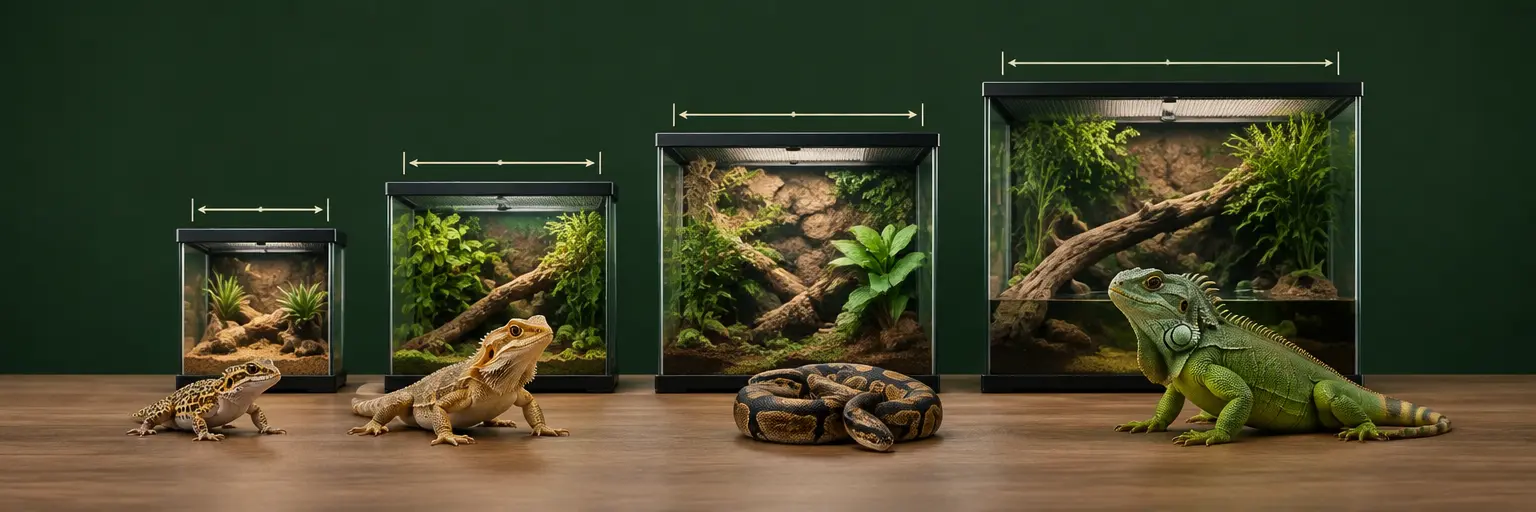
Choosing the right terrarium size is one of the most critical decisions you’ll make for your reptile’s health, happiness, and longevity. Whether you’re raising a tiny gecko or a growing bearded dragon, providing adequate horizontal space for ground-dwellers and vertical height for climbers directly impacts their activity levels, thermoregulation, and stress reduction. In this guide, we break down species-specific enclosure dimensions, from hatchling to adult, covering essential factors like floor space, ventilation, and future growth. Learn why a larger habitat often simplifies temperature gradients and humidity control while preventing common issues like obesity and lethargy. With our expert-backed sizing charts and practical setup tips, you’ll create a safe, enriching environment that mimics your pet’s natural habitat—ensuring a thriving, active companion. Explore tailored recommendations for popular reptiles, arboreal species, and semi-aquatic needs, all designed to help you avoid costly upgrades and keep your exotic pet comfortable for years to come.
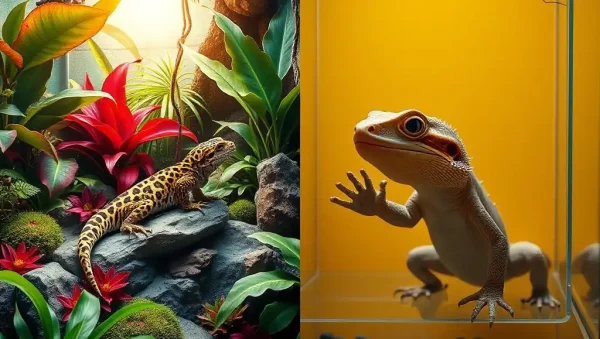
🤔 Discover how inadequate terrarium space dramatically alters reptile behavior, impacting their health, stress levels, and overall well-being. Learn crucial size recommendations…
Read article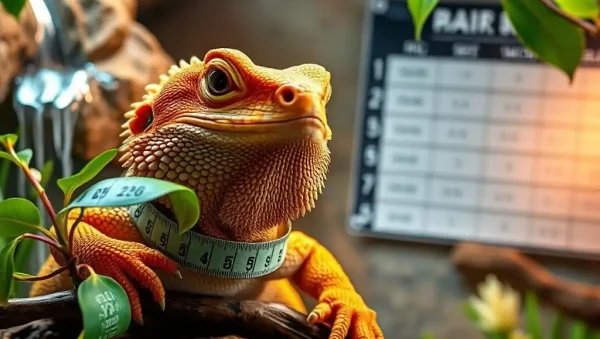
😊 Finding the perfect reptile terrarium? Our reptile terrarium size guide simplifies the process. Learn how accurate measurements ensure your reptile thrives…
Read article
🤔 Discover the perfect Ball python terrarium size guide for every life stage, from hatchling to adult, ensuring your pet thrives in…
Read articleSelecting the right terrarium size is one of the most critical decisions you’ll make as a reptile keeper. An undersized enclosure stunts growth, increases stress, and leads to health issues, while an oversized one can make your pet feel insecure. This guide breaks down the essential dimensions for popular reptiles, covering arboreal, terrestrial, and semi-aquatic species, along with the key factors like ventilation, substrate depth, and climbing space. Whether you’re housing a leopard gecko, a bearded dragon, or a ball python, you’ll gain the confidence to create a habitat that mirrors their natural environment and promotes thriving wellness.
For ground-dwelling species like leopard geckos, blue-tongued skinks, and many tortoises, horizontal floor area is the primary concern. A good rule of thumb is to provide at least 1.5 times the reptile’s total length in floor space on the longest side. For an adult leopard gecko (8-10 inches), a 20-gallon long tank (30"x12"x12") is the bare minimum, but a 40-gallon breeder (36"x18"x16") is far better for enrichment. Tortoises like the Russian tortoise need even more—start with a 40-gallon and upgrade to a custom 4x2 foot enclosure as they mature.
Terrestrial reptiles require deep substrate for burrowing and thermoregulation. This means your chosen tank must allow at least 3-4 inches of substrate for species like bearded dragon juveniles, while adult blue-tongues need 4-6 inches. Ensure the lid is secure, as many terrestrial species are adept escape artists. Monitor temperature gradients carefully—a larger floor space allows a more natural thermal gradient from a basking spot of 95°F down to a cool zone of 75°F, which is essential for proper digestion and immune function.
Chameleons, crested geckos, and green tree pythons are arboreal and spend most of their lives above the ground. For a crested gecko, a terrarium of at least 18"x18"x24" tall is suitable for one adult, while chameleons (like the veiled) require a screen enclosure—not glass—of 24"x24"x48" or larger to ensure airflow and reduce respiratory infections. Height allows for multiple perching zones, climbing branches, and foliage that mimics their canopy habitats. Without adequate vertical space, these lizards suffer from stress-induced illnesses and metabolic bone disease as they cannot properly use UVB lighting from below.
When planning an arboreal setup, prioritize height over square footage. Provide a network of branches, vines, and live or artificial plants that fill the upper two-thirds of the enclosure. Humidity and airflow also depend on this vertical structure—a taller tank with a front-ventilated design helps maintain specific humidity levels (60-80% for chameleons) while preventing stagnant air. For baby or juvenile arboreal reptiles, you can temporarily house them in smaller enclosures, but plan for their full adult size within 12 months to avoid stress-related feeding and shedding problems.
Species like the red-eared slider turtle, African clawed frog, and crocodile skinks need both a substantial water area and a dry basking platform. A juvenile red-eared slider requires at least a 40-gallon tank, but as adults, they need 75-125 gallons—the rule is 10 gallons per inch of shell length. The water depth should be at least 1.5 times the turtle’s shell length to allow for easy flipping, and the basking dock must be easily accessible, non-slip, and large enough to completely dry the shell. Filtration is critical, as these animals produce high waste levels; an oversized external filter is a must.
The terrestrial portion for semi-aquatics should be at least 30% of the total floor area, with a gradual slope from deep water to a shallow wading zone. For frogs like the African clawed frog, a 20-gallon long tank (30"x12"x12") works, but you must avoid sharp rocks that can damage their sensitive skin. A tight-fitting lid is essential, as these species are proficient jumpers. Remember that water quality directly impacts health—ammonia burns and shell rot are common in undersized, poorly filtered tanks. Always research the specific adult dimensions of your chosen species, as many grow much larger than pet store labels suggest.
One of the biggest mistakes keepers make is buying a tiny enclosure for a hatchling and never upgrading. Many reptiles grow exponentially in their first two years—a baby bearded dragon (4 inches) will reach 18-24 inches, so starting with a 40-gallon breeder saves money and reduces relocation stress. For ball pythons, a hatchling can live in a 20-gallon long; but an adult female reaching 5 feet will need a 4x2x2 foot PVC enclosure. As a rule, the enclosure width should always be at least the snake’s mid-body length to allow full extension for thermoregulation and muscle tone.
Measure your reptile regularly—monthly for the first year—and compare it to adult size charts for your species. Use the “one and a half times” rule for most terrestrial species and the “two times” rule for arboreal species (length plus height). Larger enclosures also ease cleaning, lighting placement, and handling. If you’re on a budget, consider second-hand tanks, but always test for leaks and cracks. Alternatively, building a custom PVC enclosure offers superior insulation and humidity control for species like boas and monitors, though it requires planning for adequate ventilation and access points.
Your terrarium dimensions directly dictate what heating, lighting, and decor you can install. A tall arboreal tank (24" high) requires a UVB bulb with a higher T5 output to penetrate distance, while a long terrestrial tank (36" wide) needs a heat mat that covers one-third of the floor. Never place a heat mat under a thick substrate, as it can cause thermal barrier burns. Basking lamps must be positioned to create a focal spot without being too close to the reptile—a distance of 8-12 inches is typical, but this depends on bulb wattage and tank height.
Also consider ventilation and water features. Glass tanks with screen tops work well for arid species, but for high-humidity species (like crested geckos), a front-opening terrarium with solid glass sides is better. If you plan to include a waterfall or misting system, the tank must be water-tight and large enough to house these accessories without crowding the reptile. Always leave a clear, unobstructed pathway from the cool hide to the warm basking area. Overcrowding with decor stresses reptiles, so reserve at least 25% of the floor space as open, easy-to-navigate territory.
For an adult bearded dragon (18-24 inches), the absolute minimum is a 40-gallon breeder tank (36"x18"x16"), but a 75-gallon or larger (48"x24"x18") is strongly recommended. Hatchlings can start in a 20-gallon long but must be upgraded within 6 months. The extra space allows for a proper thermal gradient and reduces stress-related behaviors like glass surfing.
A general rule for snakes is that the enclosure length should equal at least two-thirds to the full length of the snake, and the width should be at least one-third of its length. If your snake cannot fully stretch out along one side, or if it constantly presses its nose against the glass, the tank is too small. Upgrade to a larger enclosure that allows for separate hides at both cool and warm ends.
Only if the species are proven communal (like green anoles) and you double the minimum size. For most reptiles, including geckos and snakes, cohabitation causes severe stress, competition for basking spots, and even cannibalism. Never house different species together, as their temperature, humidity, and dietary needs will conflict, leading to illness or death.
No—height is only beneficial if you fill it with climbing structures. A tall but empty tank offers no advantage and can make a chameleon feel exposed. Provide branches, vines, and foliage that occupy the upper two-thirds of the enclosure. For chameleons, height plus side ventilation is essential; otherwise, stagnant air leads to respiratory infections.
Offer plenty of hides, dense foliage, and a smaller “starter” hide box near the basking spot to help them feel secure. You can also partition a large tank temporarily using a cardboard divider to reduce open space. Over a few weeks, gradually increase the available space as your reptile grows more confident. Always ensure the basking area is not too exposed.







