
Ball Python Terrarium Size: From Hatchling to Adult

Welcome to PetCareWorld, your ultimate guide to the fascinating world of pet care! Are you ready to delve into the intricacies of creating the perfect habitat for your scaled companion? Our comprehensive Ball Python Terrarium Size Guide offers expert advice, ensuring your reptile thrives from hatchling to adulthood. Discover the ideal dimensions, crucial environmental factors, and setup tips to guarantee a healthy and happy life for your ball python. Unlock the secrets to successful reptile keeping – explore now!
- Understanding Ball Python Housing Needs: A Comprehensive Size Guide
- Ball Python Terrarium Size: Hatchling to Juvenile Stages
- Ball Python Terrarium Size: Sub-Adult and Adult Stages
- Choosing the Right Type of Enclosure for Your Ball Python
- Ventilation and Safety Considerations for Ball Python Enclosures
- Ball Python Terrarium Setup: Creating a Thriving Environment
- Frequently Made Mistakes in Ball Python Enclosure Sizing
- Long-Term Considerations for Your Ball Python's Habitat
- Frequently Asked Questions
- Final Reflection: The Ever-Evolving Home of Your Ball Python
- Unleash Your Inner Herpetologist: Creating the Perfect Ball Python Habitat
Understanding Ball Python Housing Needs: A Comprehensive Size Guide
Choosing the right terrarium size for your ball python is crucial for its health, well-being, and overall quality of life. A properly sized enclosure provides ample space for natural behaviors like exploring, thermoregulation (maintaining their ideal body temperature), and digestion. This comprehensive guide will walk you through determining the appropriate terrarium dimensions for your ball python, from its delicate hatchling stage all the way to its adult size. Understanding these requirements is paramount for responsible ball python ownership and ensuring your reptile thrives.
This guide will serve as your ultimate "ball python terrarium size guide," helping you create a safe and enriching environment for your scaly companion. We'll delve into the specific factors affecting enclosure size and provide detailed recommendations based on your snake's age and size. Remember, a happy snake is a healthy snake, and proper housing is a cornerstone of responsible reptile keeping.
Factors Influencing Ball Python Enclosure Size
Several key factors influence the ideal terrarium size for your ball python. These aren't arbitrary numbers; they're based on the snake's needs for movement, thermoregulation, and stress reduction. Ignoring these factors can lead to health problems and a diminished quality of life for your pet.
- Age and Size: This is arguably the most important factor. Hatchlings require a much smaller space than adults. Overly large enclosures for young snakes can lead to difficulty finding food and hiding places, increasing stress levels. Conversely, adult ball pythons confined to small spaces will suffer from stress, impacting their health and potentially leading to behavioral issues.
- Type of Enclosure: The shape and design of the enclosure also play a role. A long, narrow enclosure might not provide the same level of space and environmental diversity as a wider, taller one. Consider the available floor space as well as the vertical space.
- Substrate Type and Depth: The type and depth of substrate (the bedding material) will slightly affect the usable space. Deeper substrates naturally occupy some volume within the enclosure.
- Environmental Enrichment: The inclusion of branches, hides, and other enrichment items will naturally reduce the usable floor space, so consider this when choosing your enclosure size. However, enrichment is vital for a ball python's well-being and shouldn't be compromised.
- Ventilation: Adequate ventilation is non-negotiable. Poor ventilation can lead to respiratory problems and other health issues. The ventilation system itself may slightly reduce the usable interior volume of the terrarium.
Space Requirements for a Healthy Ball Python
The following table provides recommended minimum terrarium sizes for ball pythons at different life stages. Remember, these are minimums; providing larger enclosures is always preferable. Always prioritize providing ample space for your snake to comfortably move, explore, and thermoregulate. Larger is better when it comes to ball python enclosures!
| Life Stage | Recommended Minimum Dimensions (L x W x H) | Notes |
|---|---|---|
| Hatchling (0-6 months) | 24" x 18" x 12" | Can be smaller initially, but upgrade as they grow. |
| Juvenile (6-18 months) | 36" x 24" x 18" | Ensure adequate space for climbing and exploration. |
| Adult (18+ months) | 48" x 24" x 24" or larger | Larger enclosures are better for adult ball pythons. Consider a 72" enclosure if possible. |
Remember, these are just guidelines. Regularly monitor your ball python's behavior and adjust the enclosure size if needed. If your snake seems stressed or cramped, it's time to upgrade to a larger terrarium. Providing a spacious and enriching environment is key to ensuring your ball python's health and happiness. 🐍
Ball Python Terrarium Size: Hatchling to Juvenile Stages
This section of our ball python terrarium size guide focuses on the housing needs of young ball pythons, from hatchlings to juveniles. Proper enclosure size is crucial for their healthy growth and development. Ignoring these needs can lead to stress, stunted growth, and even health problems. Choosing the right habitat is a significant step in responsible ball python ownership.
Ideal Enclosure Dimensions for Baby Ball Pythons
Newly hatched ball pythons are surprisingly small, measuring only about 10-12 inches in length. For these tiny snakes, an enclosure that's too large can be overwhelming and even stressful. They need a secure space where they feel safe and can easily find food and water.
A suitable terrarium for a hatchling ball python is generally a 10-gallon tank. This provides ample space for a small snake, along with room for essential accessories. However, it's important to monitor your snake's growth. As your ball python grows, you'll need to upgrade to a larger enclosure to prevent overcrowding. Overcrowding can lead to stress and difficulties in maintaining proper temperature and humidity gradients.
Remember: A 10-gallon tank is a minimum size. If you can provide a slightly larger enclosure (e.g., a 20-gallon long), your hatchling will have even more room to explore and grow comfortably. A larger enclosure is always better than too small of one, provided you can maintain proper temperature and humidity levels.
Substrate and Hiding Places for Young Ball Pythons
Choosing the appropriate substrate is crucial for maintaining a healthy environment for your young ball python. Avoid cedar and pine shavings, as these can release harmful aromatic compounds. Instead, opt for substrates like paper towels, reptile carpet, or aspen shavings. These options are easy to clean and maintain, minimizing the risk of bacterial or fungal infections.
Providing ample hiding places is equally important. Young ball pythons are naturally shy and require secure spots to feel safe and reduce stress. You can achieve this by including several hiding places within the enclosure. These can include:
- Small, commercially available reptile hides
- Half-logs or cork bark pieces
- Up-turned flower pots
Remember to provide a variety of hiding spots, both at the warm and cool ends of the enclosure, allowing your snake to regulate its body temperature effectively. Providing a sense of security is a key element in the well-being of a young ball python. A stressed snake is more prone to illness and may exhibit behavioral problems. A secure environment is paramount for healthy growth.
Maintaining Temperature and Humidity for Hatchlings
Maintaining the correct temperature and humidity is vital for the health and survival of your hatchling ball python. These delicate creatures are highly sensitive to temperature fluctuations. The ideal temperature gradient should range from 80-88°F (27-31°C) at the warmer end and 75-80°F (24-27°C) at the cooler end. You can achieve this using a heat mat placed on one side of the enclosure (underneath, never on top), avoiding direct contact with the snake. Always use a thermometer to monitor the temperature accurately.
Humidity levels are equally critical. Ball pythons require a humidity level of approximately 60-70%. You can monitor this with a hygrometer. To increase humidity, you can mist the enclosure regularly, place a water dish inside, or use a humidifying system. Regular monitoring and adjustment are key to maintaining an optimal environment. Low humidity can lead to dehydration and shedding problems. High humidity can promote the growth of harmful bacteria and fungi.
Remember, consistent monitoring of both temperature and humidity is essential. Regularly checking and adjusting these factors will ensure your young ball python thrives in its environment. A healthy, comfortable environment is the foundation for a happy and long-lived pet. 🐍
Ball Python Terrarium Size: Sub-Adult and Adult Stages
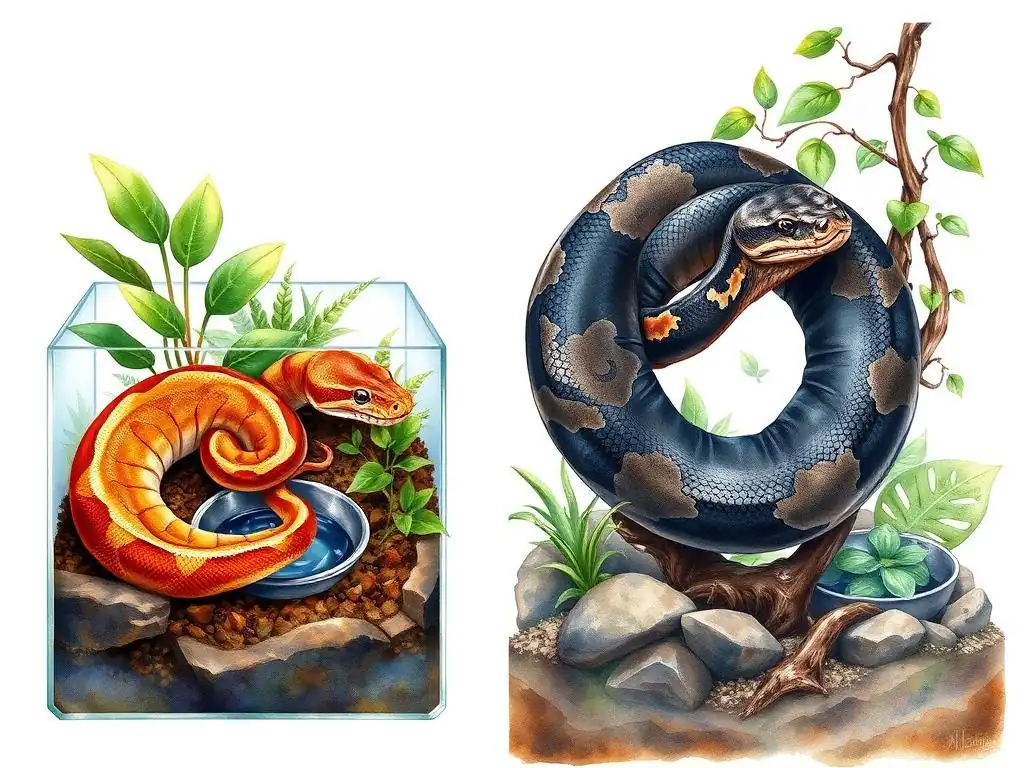
This section focuses on determining the appropriate terrarium size for your ball python as it grows from a sub-adult to a fully mature adult. Understanding these size requirements is crucial for the well-being and healthy development of your reptile. Failing to provide adequate space can lead to stress, impacting their growth, appetite, and overall health. Remember, a happy snake is a healthy snake! This guide will help you navigate the process of choosing and upgrading your ball python's habitat.
Appropriate Enclosure Sizes for Growing Ball Pythons
Ball pythons, while relatively docile, require sufficient space to thrive. The size of the enclosure directly correlates to the snake's size and age. A sub-adult ball python (generally between 2 and 3 feet in length) will need a significantly larger enclosure than a hatchling. While there's no single universally agreed-upon measurement, a good rule of thumb is to provide an enclosure that is at least twice the snake's length.
Here's a suggested size guideline for sub-adult and adult ball pythons:
| Life Stage | Approximate Length | Minimum Enclosure Size (L x W x H) | Recommended Enclosure Size (L x W x H) |
|---|---|---|---|
| Hatchling | 10-12 inches | 18 x 18 x 12 inches | 24 x 18 x 12 inches |
| Sub-adult | 2-3 feet | 36 x 18 x 18 inches | 48 x 24 x 24 inches |
| Adult | 4-5 feet | 48 x 24 x 24 inches | 60 x 30 x 30 inches or larger |
Remember that these are minimum sizes. Larger enclosures are always preferable, allowing your ball python more space to explore, thermoregulate, and exhibit natural behaviors. Providing ample space contributes to a less stressful environment, reducing the likelihood of health problems. Always prioritize the well-being of your pet over cost considerations.
Upgrading Your Ball Python's Habitat: A Smooth Transition
Upgrading your ball python's terrarium as it grows isn't just about providing more space; it's about doing so without causing unnecessary stress. Sudden changes in environment can negatively impact your snake's health. Therefore, a gradual transition is recommended.
Here are some tips for a smooth transition to a larger enclosure:
- Introduce gradually: Instead of immediately moving your ball python to a completely new enclosure, consider placing the smaller enclosure inside the larger one for a few days. This allows your snake to acclimate to the new smells and overall space gradually.
- Maintain consistency: Keep the substrate, hides, water bowl, and other familiar elements in the same positions as much as possible. Familiarity reduces stress and helps your snake feel secure in its new, larger home.
- Monitor behavior: Closely monitor your ball python's behavior after the upgrade. Look for signs of stress, such as lethargy, loss of appetite, or unusual shedding. If you observe any concerning changes, consult a veterinarian specializing in reptiles. A proactive approach is key to maintaining your ball python's health.
- Consider the type of enclosure: When upgrading, consider the type of enclosure. While plastic terrariums are convenient, glass enclosures often provide better ventilation and visibility.
Essential Equipment for Adult Ball Python Enclosures
Once your ball python reaches adulthood, ensuring its enclosure is properly equipped is paramount. An adult ball python's enclosure requires specific features to support its needs:
- Secure locking lid: This is critical to prevent escapes, a common problem with adult ball pythons.
- Multiple hides: Adult ball pythons appreciate having multiple hiding places, both for security and thermoregulation. Provide a humid hide and a dry hide, allowing your snake to choose its preferred environment. These hides should be large enough for the snake to comfortably fit inside.
- Appropriate substrate: Consider using aspen shavings, cypress mulch, or reptile carpet. Avoid cedar or pine, as these woods contain oils that can be harmful to reptiles.
- Water bowl: A large, shallow water bowl is essential for hydration and humidity regulation. Ensure it's large enough for your snake to soak in if it chooses.
- Thermometer and hygrometer: These are crucial for monitoring temperature and humidity levels. Maintain appropriate temperature gradients within the enclosure to allow your snake to thermoregulate effectively. Remember, maintaining optimal temperature and humidity levels is crucial for a healthy ball python. 🌡️ A poorly regulated environment can lead to health problems, including respiratory infections and shedding difficulties. Always strive to mimic their natural habitat as closely as possible.
This detailed guide aims to provide you with the necessary information to create a thriving habitat for your ball python, ensuring its health and happiness for years to come. Remember, responsible pet ownership includes providing the appropriate environment for your pet to flourish.
Choosing the Right Type of Enclosure for Your Ball Python
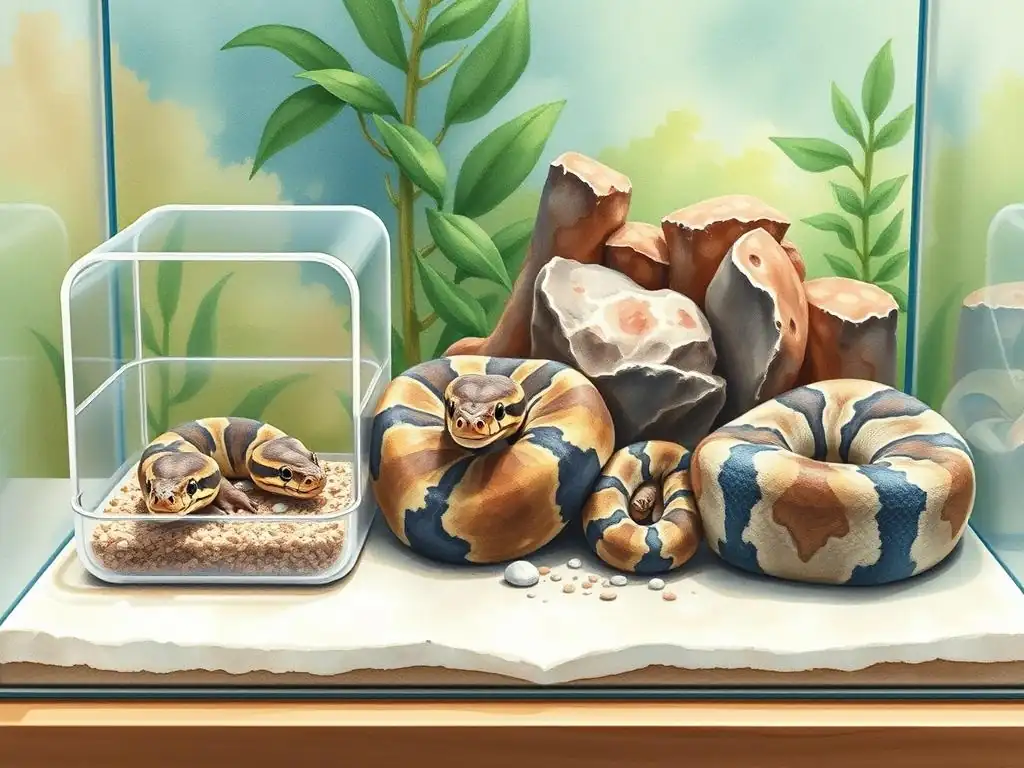
Choosing the appropriate enclosure is crucial for your ball python's health and well-being. The right terrarium provides adequate space for growth, proper temperature gradients, and a safe, secure environment. Ball pythons, while relatively docile, require a specific setup to thrive. Neglecting this can lead to stress, health problems, and even escape attempts. A poorly chosen terrarium can significantly impact your snake's quality of life. The size, of course, is paramount, but the material also plays a critical role.
Pros and Cons of Different Ball Python Terrarium Types (Glass, Plastic, Wooden)
Selecting the right material for your ball python's terrarium involves weighing several factors. Each material offers unique advantages and disadvantages:
Glass Terrariums:
- Pros: Excellent visibility, easy to clean, readily available, maintain temperature well. They are aesthetically pleasing and allow for easy observation of your snake.
- Cons: Can be heavy and fragile, potentially expensive, especially for larger sizes. They may not offer the best insulation against temperature fluctuations, requiring more sophisticated heating equipment.
Plastic Terrariums:
- Pros: Lightweight, durable, less expensive than glass, often come with built-in ventilation. They are less prone to breakage and easier to transport.
- Cons: May not be as aesthetically pleasing as glass, can scratch easily, may not retain heat as well as glass. The plastic can also degrade over time with exposure to certain cleaning solutions.
Wooden Terrariums:
- Pros: Aesthetically pleasing, good insulation, can be customized to various sizes and designs. They often offer better humidity retention than glass or plastic.
- Cons: More expensive than glass or plastic, require more maintenance to prevent rot and mold. They can be more difficult to clean thoroughly and may harbor bacteria or parasites if not properly maintained. Ventilation needs to be carefully considered.
Choosing between these options often comes down to budget, aesthetic preferences, and the specific needs of your ball python based on its age and size. For example, a smaller hatchling might thrive in a plastic enclosure, while a larger adult would benefit from a larger, well-ventilated glass or wooden terrarium. Remember to prioritize safety and ease of cleaning. 🐍
Ventilation and Safety Considerations for Ball Python Enclosures
Proper ventilation is critical for maintaining a healthy environment for your ball python. Inadequate ventilation can lead to the buildup of harmful ammonia, leading to respiratory problems and other health issues. Similarly, ensuring the enclosure is escape-proof is paramount. Ball pythons are known for their escape artistry!
Ventilation and Safety Considerations for Ball Python Enclosures: A Detailed Look
Ball pythons require good airflow, but not a draft. The goal is to allow for adequate gas exchange while maintaining appropriate humidity levels. Here's a breakdown of how to achieve this:
- Ventilation Placement: Ventilation should be strategically placed to avoid direct airflow on your snake. Top and side ventilation is typically recommended. Avoid placing ventilation directly above the heat source.
- Ventilation Methods: Various methods exist, including mesh screens, perforated lids, or even drilled holes in the sides or top of the enclosure. The size and number of vents will depend on the size of the terrarium. Larger enclosures require more ventilation.
- Escape-Proofing: Ensure all gaps and openings are sealed securely. Use secure lids and locks. Check regularly for any potential escape routes. Remember, even small gaps can be exploited by a determined snake.
- Substrate Selection: The substrate you choose also impacts ventilation. Loose substrates like aspen shavings allow for better airflow compared to tightly packed substrates. However, consider your snake's age and the possibility of ingestion. For hatchlings, paper towels are a safer option.
- Temperature and Humidity Monitoring: Regular monitoring of temperature and humidity levels is essential to ensure a safe and healthy environment. Invest in a reliable thermometer and hygrometer.
The table below summarizes key considerations for different sizes of ball pythons:
| Ball Python Stage | Recommended Terrarium Size (L x W x H) | Substrate Suggestions | Ventilation Requirements |
|---|---|---|---|
| Hatchling (0-6 months) | 18" x 18" x 12" | Paper towels, reptile carpet | Moderate, several small vents |
| Juvenile (6 months - 2 years) | 24" x 18" x 18" | Aspen shavings, cypress mulch | Moderate to high, larger vents |
| Adult (2+ years) | 48" x 24" x 24" (or larger) | Aspen shavings, cypress mulch, coconut fiber | High, multiple large vents |
Remember, these are guidelines. Individual needs may vary. Always prioritize your ball python's safety and well-being. A well-ventilated, secure enclosure is fundamental to providing optimal care for your ball python. Regular observation and maintenance are key to preventing problems and ensuring a thriving environment for your scaly companion. 🦎
Ball Python Terrarium Setup: Creating a Thriving Environment
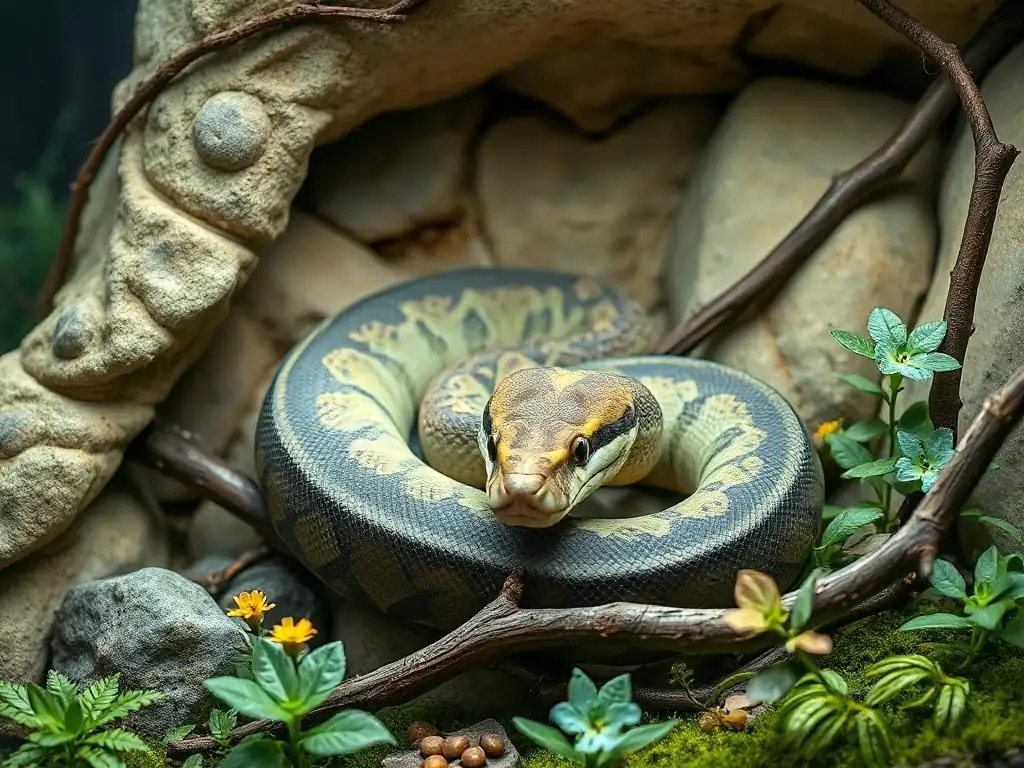
This section focuses on creating a suitable environment for your ball python, regardless of its age. While the size of the terrarium changes with the snake's growth, the principles of a healthy setup remain consistent. A properly set up terrarium is crucial for your ball python's health, reducing stress and promoting natural behaviors. This section will delve into specific aspects crucial for adult ball pythons, offering a comprehensive guide to ensure your snake thrives.
Remember, a well-maintained habitat is key to a happy and healthy ball python, directly impacting its longevity and overall well-being. Consider this a crucial step in your journey as a responsible ball python owner. This guide will help you navigate the nuances of creating the perfect ball python terrarium, addressing key aspects such as substrate, enrichment, and environmental control.
Substrate Options for Adult Ball Pythons
Choosing the right substrate is a critical aspect of ball python care. The substrate should retain some moisture, be easy to clean, and not pose a risk to your snake if ingested. Avoid substrates like cedar or pine shavings, as these contain aromatic oils that can be harmful. Several excellent options exist for adult ball pythons:
- Aspen shavings: A popular and readily available choice. Aspen is generally safe, readily absorbs moisture, and is easy to clean. However, ensure it's not dusty, as dust can irritate your snake's respiratory system.
- Paper towels: A simple and hygienic option, especially for quarantine or during cleaning. While not as aesthetically pleasing, they are easily disposable and prevent the build-up of bacteria and parasites.
- Coconut fiber (Eco Earth): This retains moisture well, providing a more natural-looking environment. It's a good choice for maintaining humidity levels, beneficial for shedding. Ensure it's properly cleaned and disinfected to prevent mold growth.
- Reptile carpet: A good choice for ease of cleaning, but it may not provide the same level of humidity retention as other options.
The ideal substrate will depend on your personal preferences and the specific humidity requirements of your setup. Always prioritize safety and hygiene when selecting and maintaining your substrate. Regular cleaning is essential to prevent the buildup of waste and bacteria, directly affecting your ball python's health. Failure to maintain cleanliness can lead to infections and other health problems.
Providing Enrichment and Hiding Spots for Adult Ball Pythons
Enrichment is vital for preventing boredom and promoting natural behaviors in captive ball pythons. Adult ball pythons, while less active than younger snakes, still benefit from a stimulating environment. This includes providing ample hiding places and opportunities for exploration.
- Hiding Spots: Ball pythons are naturally secretive creatures, requiring multiple secure hiding spots. These should be large enough for your snake to completely conceal itself. Offer a variety of hiding places, including caves, cork bark pieces, and half-logs. These provide security and reduce stress. The placement of these hides should consider both temperature gradients and humidity levels within the terrarium.
- Climbing Structures: While not essential, branches or other climbing structures can add enrichment and allow your snake to explore vertically. Choose branches that are secure and won't easily collapse. Avoid anything that could be easily ingested or pose a risk to your snake.
- Substrate Depth: A slightly deeper substrate layer (around 4-6 inches) allows for burrowing and exploration. This adds to the environmental complexity and allows your snake to express natural behaviors.
Remember, the goal is to create a stimulating and secure environment that mimics the natural habitat of a ball python as closely as possible. This leads to a healthier, less stressed snake. Consider rotating enrichment items to keep your snake engaged and prevent habituation.
Maintaining Ideal Temperature and Humidity Levels for Adult Ball Pythons
Maintaining the correct temperature and humidity gradients is crucial for the health and well-being of your ball python. These values are essential for digestion, shedding, and overall health. Adult ball pythons require specific temperature ranges to thrive.
| Zone | Temperature (°F) | Temperature (°C) | Importance |
|---|---|---|---|
| Warm Side | 88-92 | 31-33 | Digestion, activity |
| Cool Side | 78-82 | 26-28 | Rest, thermoregulation |
| Ambient Temp | 75-80 | 24-27 | Overall terrarium temperature |
Humidity should be maintained at 50-70%. This is particularly important during shedding. You can monitor humidity using a hygrometer and adjust it by misting the enclosure or using a humidifier. Insufficient humidity can lead to difficulty shedding and other health issues.
Conversely, excessively high humidity can encourage the growth of harmful bacteria and mold. Regular monitoring and adjustments are crucial to ensure your ball python’s terrarium maintains optimal environmental conditions. The use of a thermostatically controlled heating device is highly recommended to ensure consistent temperatures within the appropriate ranges. Inconsistent temperatures can greatly impact the health and well-being of your pet.
Frequently Made Mistakes in Ball Python Enclosure Sizing
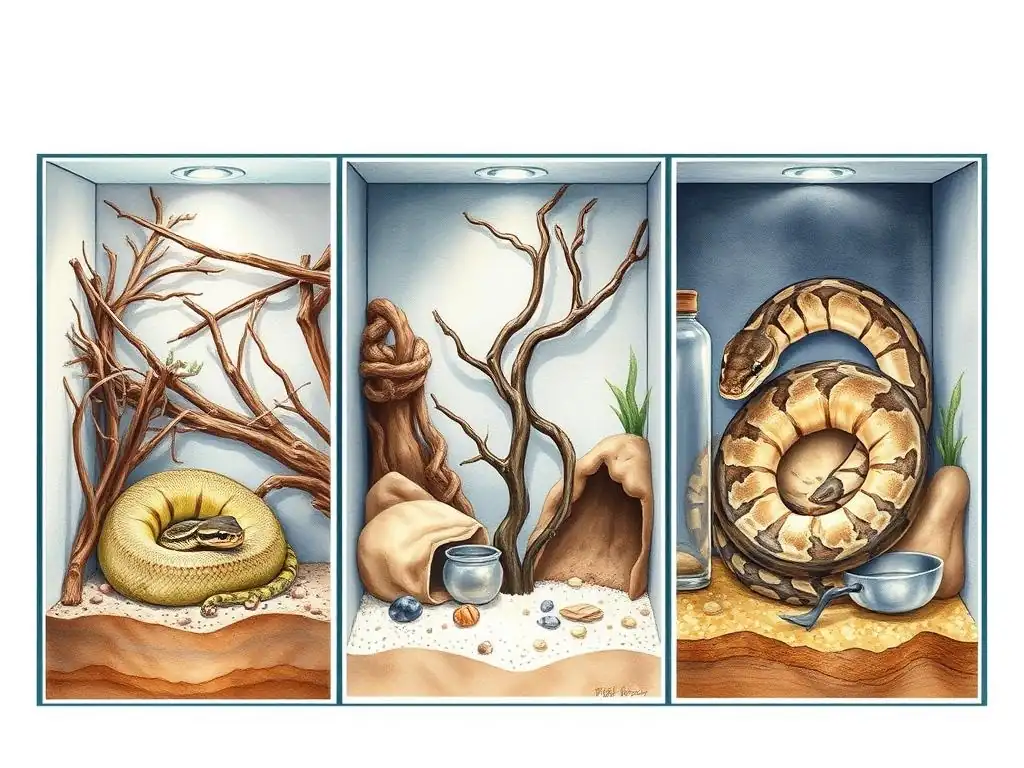
This section addresses common pitfalls in choosing the right ball python terrarium size, helping you avoid potential problems for your snake's health and well-being. Proper enclosure sizing is crucial for a thriving ball python, impacting everything from thermoregulation to stress levels. Understanding these mistakes will help you create the ideal habitat.
Common Errors and How to Avoid Them
Many new ball python owners make the mistake of underestimating the ultimate size their snake will reach. A hatchling's diminutive size can be deceiving! Starting with an enclosure that's too small forces you to upgrade later, causing unnecessary stress to your snake during the transition. Avoid this by researching the adult size of your ball python and selecting an appropriately sized enclosure from the outset. Remember, a ball python can reach lengths of 3-5 feet, and choosing a terrarium accordingly from day one is crucial.
Neglecting Vertical Space: More Than Just Floor Area
While floor space is important, many overlook the vertical dimension. Ball pythons are semi-arboreal, meaning they like to climb and explore different levels. An enclosure that's too low and wide may not provide adequate enrichment and opportunities for climbing, leading to boredom and potentially impacting their overall health. Consider the height of the enclosure as much as its length and width. A taller terrarium allows for branches and hides to be placed at various levels, providing a more naturalistic and stimulating environment. Aim for a terrarium that provides sufficient vertical space for your ball python to climb and explore.
Inadequate Hiding Spots: The Importance of Security
A ball python's natural instinct is to hide. Insufficient hiding places create stress and anxiety. Many owners make the mistake of providing only one or two small hides, leaving the snake feeling vulnerable. A well-equipped enclosure should offer multiple hiding spots of varying sizes and types, including both humid and dry hides.
This allows the snake to regulate its humidity and temperature, and to feel secure. Consider a variety of hide options, such as caves, cork bark, or half-logs, placed in different areas of the terrarium. Remember, the more hiding places, the better. A lack of adequate hiding spaces can lead to stress, impacting growth and overall well-being.
Ignoring Temperature and Humidity Gradients
Maintaining appropriate temperature and humidity gradients is vital for a ball python's health. A common mistake is providing only one heat source, resulting in uneven temperature distribution. A proper setup requires both a warm side and a cool side, allowing the snake to thermoregulate effectively. Similarly, humidity should be maintained within an appropriate range, but with some variation to accommodate the snake's preferences. Inadequate temperature and humidity control can lead to serious health problems, including respiratory infections and shedding difficulties. Use accurate thermometers and hygrometers to monitor conditions and adjust heating and humidity as needed.
Overcrowding the Terrarium: Less is More
While the temptation to add lots of decorations is understandable, overcrowding the terrarium can be detrimental. Too many decorations restrict movement, make cleaning difficult, and can even create hazards for the snake. A cluttered enclosure can also inhibit proper airflow and temperature regulation. Focus on providing a clean, spacious environment with strategically placed hides, water bowls, and climbing structures. Overstocking can increase stress and reduce the quality of life for your ball python. Aim for a balanced and uncluttered environment that allows for ease of observation and cleaning.
Lack of Proper Ventilation: Preventing Respiratory Issues
Inadequate ventilation can lead to a buildup of harmful ammonia and other gases, increasing the risk of respiratory infections. Proper ventilation is essential for maintaining a healthy environment. Ensure your terrarium has adequate ventilation openings to allow for proper airflow. Poor ventilation can lead to respiratory problems and other health complications. It is crucial to balance the need for humidity with the need for good airflow to prevent a buildup of potentially harmful gases. Consider the size and placement of ventilation holes carefully.
This detailed guide should help you avoid common mistakes and create a thriving habitat for your ball python. Remember, careful planning and attention to detail are key to ensuring your snake's health and happiness. A well-designed enclosure is an investment in your pet's long-term well-being.
Long-Term Considerations for Your Ball Python's Habitat
Choosing the right ball python terrarium size isn't just about the present; it's a crucial investment in your snake's long-term health and well-being. A poorly sized enclosure can lead to stress, stunted growth, and even health complications. Understanding your snake's growth trajectory and future needs is paramount in selecting an appropriate habitat. This section focuses on the long-term implications of enclosure size selection for your ball python, ensuring you provide a thriving environment for years to come. We'll delve into the specifics of future-proofing your ball python's home.
Future-Proofing Your Ball Python Enclosure
Planning ahead significantly reduces the stress and expense of upgrading your ball python's enclosure later. A hatchling's needs are vastly different from an adult's. While a small enclosure suffices for a young ball python, upgrading to a larger habitat as it grows is essential. Failing to do so can lead to several problems. Consider these factors when choosing a terrarium:
- Adult Size: Adult ball pythons can reach lengths of 3-5 feet. Therefore, even if you have a hatchling, you should anticipate the eventual adult size and purchase an enclosure large enough to accommodate it eventually. This avoids the stress and expense of multiple upgrades.
- Space for Enrichment: A larger enclosure allows for more substantial environmental enrichment. This is vital for a ball python's psychological well-being. Enrichment includes hiding places, climbing branches (though ball pythons are primarily terrestrial), and varied substrate textures. A cramped space restricts enrichment possibilities, negatively impacting your snake's quality of life.
- Temperature Gradient: Maintaining a proper temperature gradient is crucial for ball pythons. A larger enclosure allows for easier establishment and maintenance of this gradient, ensuring your snake can thermoregulate effectively. Small enclosures make it challenging to achieve the necessary temperature variation.
- Cleaning and Maintenance: A larger enclosure might seem more difficult to clean, but this isn't necessarily true. Larger enclosures often allow for better organization of hides and substrate, simplifying cleaning procedures. Moreover, a larger space offers more room for error – a minor mess in a large enclosure is less significant than the same mess in a smaller one.
- Cost-Effectiveness: While a larger terrarium represents a higher initial investment, it often proves more cost-effective in the long run by eliminating the need for multiple upgrades. Consider it a one-time purchase rather than a series of incremental expenses.
Example Scenario:
Let's say you purchase a 20-gallon long tank for your hatchling ball python. This might seem adequate initially. However, as your ball python grows, you'll soon need to upgrade. This requires purchasing a new enclosure, transferring substrate, decor, and your snake. This process is stressful for both you and the snake. Starting with a 40-gallon breeder tank or even a larger enclosure would eliminate the need for this later upgrade, improving your snake's well-being and saving you time and money in the long run.
| Enclosure Size | Suitable for | Pros | Cons |
|---|---|---|---|
| 20-Gallon Long Tank | Hatchlings (short-term only) | Inexpensive, readily available | Requires frequent upgrades, limited enrichment |
| 40-Gallon Breeder Tank | Juvenile and smaller adult ball pythons | Good balance of size and cost, adequate enrichment | Might still need an upgrade for very large adults |
| 75-Gallon Tank | Adult ball pythons | Ample space for enrichment, long-term solution | More expensive, requires more space |
Choosing the right size from the start significantly reduces stress for both you and your ball python, promoting its health and longevity. Remember, a happy, healthy ball python thrives in a spacious and appropriately furnished environment. Investing in a larger enclosure initially is an investment in your pet's well-being.
Frequently Asked Questions
What size terrarium does a hatchling ball python need?
A hatchling ball python needs a terrarium of approximately 20 gallons. This provides enough space for comfortable exploration and hiding without being overwhelming. Upgrade as it grows.
How big of a terrarium does an adult ball python need?
Adult ball pythons thrive in a terrarium of at least 40 gallons, but a larger enclosure (e.g., 75-120 gallons) is even better. Size depends on the snake's size and your specific setup.
What kind of substrate is best for a ball python terrarium?
Aspen shavings, cypress mulch, or paper towels are good substrate choices for ball pythons. Avoid cedar or pine, which are toxic. Choose a substrate that's easy to clean and maintain.
How important is humidity in a ball python terrarium?
Maintaining the correct humidity is crucial for a ball python's health. Aim for 60-70% humidity. Use a hygrometer to monitor and adjust as needed.
Do I need any specific equipment for a ball python terrarium?
Essential equipment includes a reliable heat source (heat mat or ceramic heat emitter), a thermometer, a hygrometer, and hiding places. Consider adding water and climbing branches for enrichment.
Final Reflection: The Ever-Evolving Home of Your Ball Python
Providing the right environment for your ball python is not just about meeting minimum size requirements; it's about fostering a thriving, healthy life for your scaly companion. The appropriate terrarium size, as we've explored, is a dynamic need that changes dramatically throughout your snake's life, directly impacting its well-being and longevity. Ignoring this crucial aspect can lead to stress, stunted growth, and even health complications.
The journey of responsible ball python ownership is a continuous learning process, mirroring the snake's own growth and development. Understanding the specific needs at each stage, from the tiny hatchling to the impressive adult, is paramount. This understanding transcends mere physical space; it encompasses the creation of a stimulating and enriching environment that mimics their natural habitat. The best reward for doing good work is to have done it.
– This quote, while not directly about ball pythons, speaks to the profound satisfaction of providing excellent care for a living creature. The effort invested in creating the perfect habitat is repaid tenfold in the vibrant health and engaging personality of your snake.
Consider the information presented in this guide not just as a checklist, but as a foundation for a deeper understanding of your ball python's needs. Take the time to observe your snake's behavior, adjust its environment as necessary, and remember that responsible ownership is an ongoing dialogue. By actively participating in your snake's well-being, you'll not only ensure its health but also cultivate a rewarding and enriching bond built on mutual respect and understanding. Embrace the journey, and watch your ball python thrive.
Unleash Your Inner Herpetologist: Creating the Perfect Ball Python Habitat
Thanks for exploring the world of ball python care! We hope you feel confident in understanding the space needs of your snake, from hatchling to adult. Ready to put your knowledge into practice?
- Design your dream terrarium: Now's the time to build your ball python's enclosure. Choose an enclosure appropriately sized for your snake's age and size, remembering that individual snakes may have slightly different needs.
- Source high-quality materials: Gather the substrate, hides, branches, and water dishes needed to create a comfortable and stimulating environment. A well-designed habitat is crucial for a healthy and happy ball python.
- Share your progress! Tell us about your terrarium build in the comments. Show off your creative solutions and how you overcame any challenges. Let's build a thriving community of reptile enthusiasts!
What special feature will you add to your ball python's habitat to make it truly exceptional?