
The Impact of Diet on Herbivorous Reptile Behavior and Wellbeing

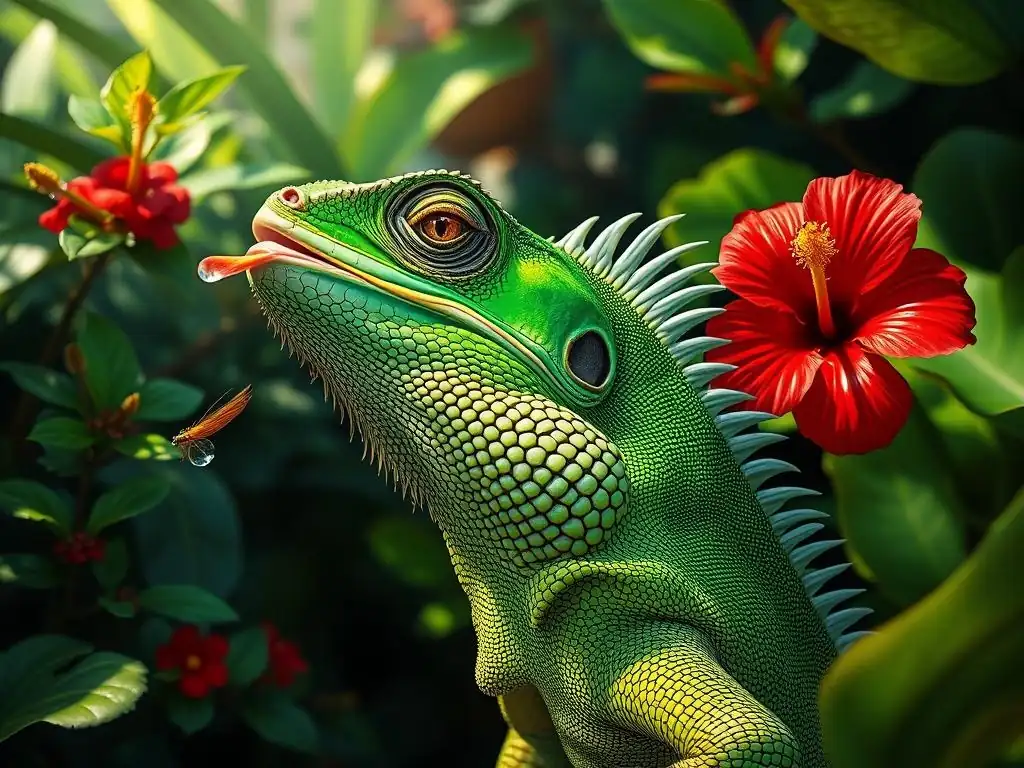
Welcome to PetCareWorld, your ultimate guide to the wonderful world of pet care! Are you curious about the surprising link between diet and behavior in your herbivorous reptile? Discover how the right nutrition can dramatically impact their wellbeing and uncover the secrets to a happier, healthier reptile companion. Dive into our insightful article, "Herbivore reptile diet behavior impact," and unlock the key to understanding your scaly friend's unique needs. Let's explore the fascinating world of reptile care together!
- Understanding Herbivore Reptile Nutritional Needs
- The Link Between Diet and Herbivore Reptile Behavior
- Common Dietary Issues and Their Behavioral Manifestations
- Optimizing Your Herbivore Reptile's Diet for Optimal Wellbeing
- Case Studies: Real-World Examples of Dietary Impact on Behavior
-
Frequently Asked Questions
- What is the most important aspect of a herbivore reptile's diet?
- How does diet affect a herbivore reptile's behavior?
- What are some common dietary mistakes made with herbivore reptiles?
- How can I tell if my herbivore reptile's diet needs adjusting?
- What are the best food sources for herbivore reptiles?
- Final Reflection: Nurturing Nature's Gentle Giants: Diet's Profound Influence
- Unleash Your Reptile's Full Potential!
Understanding Herbivore Reptile Nutritional Needs
Maintaining the health and well-being of herbivorous reptiles hinges significantly on providing them with a nutritionally balanced diet. A proper diet isn't just about preventing illness; it's crucial for influencing their behavior, impacting their overall temperament, and ensuring their longevity. This article delves into the intricate relationship between diet and behavior in herbivorous reptiles, focusing primarily on green iguanas as a prime example of the species' dietary needs and the consequences of nutritional imbalances.
We'll explore essential nutrients, the critical balance of certain minerals, and the behavioral manifestations of vitamin deficiencies, illustrating how a well-crafted diet can dramatically improve the quality of life for these fascinating creatures. Understanding these intricacies is key for responsible reptile ownership and contributes significantly to the responsible care of herbivorous reptiles, ultimately promoting their health and happiness.
This is crucial to understand for owners seeking to maximize their reptile's lifespan and minimize behavioral problems often associated with poor nutrition. 🌿
Essential Nutrients for Green Iguanas
Green iguanas, popular among reptile enthusiasts, are strictly herbivorous. Their dietary requirements differ significantly from carnivorous reptiles. Their diet must consist primarily of a wide variety of leafy greens, providing a diverse range of essential nutrients. These nutrients include:
- Fiber: Crucial for digestive health and preventing impaction. Iguanas need a high fiber intake, typically sourced from various leafy greens. [Specific fiber percentage recommendation pending]
- Vitamins: A- (retinol), D3 (cholecalciferol), C (ascorbic acid), and K1 (phylloquinone) are particularly vital. Vitamin A deficiency is especially problematic, often leading to severe health issues.
- Minerals: Calcium and phosphorus are essential for bone health and overall metabolic function. The correct ratio of these minerals is crucial for preventing metabolic bone disease (MBD). [Specific calcium-to-phosphorus ratio for green iguanas pending]
- Protein: While herbivorous, green iguanas still need a moderate amount of protein, which can be obtained from various vegetables and fruits. However, excessive protein can be harmful. [Specific protein requirement recommendation pending]
Inadequate intake of any of these essential nutrients can lead to a cascade of health problems, directly impacting the iguana's behavior and overall well-being. For example, a deficiency in vitamin A can manifest as eye problems, respiratory issues, and even impaired immune function, resulting in lethargy and decreased activity.
Calcium and Phosphorus Balance in Green Iguana Diets
The calcium-to-phosphorus ratio is paramount in the diet of green iguanas. A proper balance is essential for healthy bone development and preventing metabolic bone disease (MBD). MBD is a debilitating condition that can cause skeletal deformities, weakness, and lethargy. It's often characterized by a wobbly gait, difficulty moving, and a general lack of energy. This directly affects their ability to interact with their environment, explore, and engage in natural behaviors.
Maintaining the correct calcium-to-phosphorus ratio requires careful consideration of the food sources provided. Some leafy greens are richer in calcium than others. Supplementary calcium is often necessary, especially for growing iguanas or those with pre-existing conditions. [Specific examples of calcium-rich vegetables and fruits pending]. An imbalance, with phosphorus exceeding calcium, can lead to a significantly increased risk of MBD development.
The consequences of MBD extend far beyond physical deformities. The pain and discomfort associated with the condition can lead to behavioral changes, including aggression, reclusiveness, and an overall decrease in activity levels. Therefore, monitoring the calcium-to-phosphorus ratio is not merely about preventing bone disease; it's about ensuring the iguana's overall happiness and well-being.
Vitamin Deficiencies and Their Impact on Green Iguana Behavior
Vitamin deficiencies, especially vitamin A, vitamin D3, and vitamin C, can have profound effects on the behavior of green iguanas. These deficiencies can manifest in various ways:
- Vitamin A Deficiency: Leads to lethargy, respiratory infections, impaired vision, and a weakened immune system. This can result in the iguana becoming less active, less responsive to stimuli, and more prone to illness. Their appetite might decrease, leading to further nutritional deficiencies. Behavioral changes can include increased aggression or unusual timidity.
- Vitamin D3 Deficiency: Contributes to MBD, as mentioned above, leading to behavioral changes associated with pain and discomfort. This can include reluctance to move, changes in posture, and decreased overall activity.
- Vitamin C Deficiency: Can lead to a weakened immune system, making the iguana more susceptible to infections and illnesses. This can manifest as lethargy, loss of appetite, and a general decline in overall health, impacting their willingness to interact with their environment.
Regular veterinary check-ups and a carefully monitored diet are essential to prevent these deficiencies. Supplementing the diet with appropriate vitamin preparations can help mitigate the risk, but it's crucial to consult with a veterinarian or reptile specialist to determine the correct dosage and type of supplements. Early detection and intervention are key to minimizing the long-term behavioral and health consequences of vitamin deficiencies. A healthy iguana is an active, alert, and engaged iguana. Providing a balanced diet is the cornerstone of achieving this. 🦎
Fiber's Role in Green Iguana Digestive Health and Behavior
Fiber is an absolutely crucial component of a green iguana's diet, playing a pivotal role in both their digestive health and overall behavior. Iguanas, being herbivores, rely on a high-fiber diet to support the efficient functioning of their long digestive tract. Insufficient fiber intake can lead to a cascade of negative consequences, impacting their well-being significantly.
The primary function of fiber in the green iguana's digestive system is to promote regular bowel movements. Fiber adds bulk to the stool, stimulating peristalsis – the rhythmic contractions of the intestinal muscles that move food through the digestive tract. This prevents constipation, a common problem in iguanas fed diets lacking sufficient roughage. Constipation can lead to serious complications, including impaction (where fecal matter becomes lodged in the intestines), which can be life-threatening if not addressed promptly by a veterinarian. Signs of constipation in green iguanas include lethargy, decreased appetite, straining during defecation, and abdominal distension.
Beyond regular bowel movements, fiber contributes to a healthy gut microbiome. The complex carbohydrates in fiber act as prebiotics, feeding the beneficial bacteria that reside in the iguana's intestines. A thriving gut microbiome is essential for proper nutrient absorption, immune function, and overall digestive health. An imbalance in gut bacteria, often resulting from a low-fiber diet, can lead to digestive upset, diarrhea, and increased susceptibility to infections. This, in turn, can manifest in behavioral changes such as lethargy, irritability, and a decreased interest in their environment.
The type of fiber is also important. Green iguanas benefit from a variety of fiber sources, including leafy greens, flowers, and certain fruits. These provide different types of fiber, each with its own beneficial properties. For example, insoluble fiber adds bulk to the stool, while soluble fiber helps regulate blood sugar levels. A varied diet ensures that the iguana receives a complete spectrum of fiber types necessary for optimal health.
Providing a monotonous diet, even if high in total fiber, can still lead to deficiencies in specific fiber types and negatively impact the iguana's digestive health and behavior. A healthy, balanced diet rich in diverse fiber sources is essential for maintaining the well-being of your green iguana. Observe your iguana's stool regularly; healthy stools should be firm but not hard, and passed regularly. Any deviations from this should prompt a consultation with a reptile veterinarian.
The Link Between Diet and Herbivore Reptile Behavior
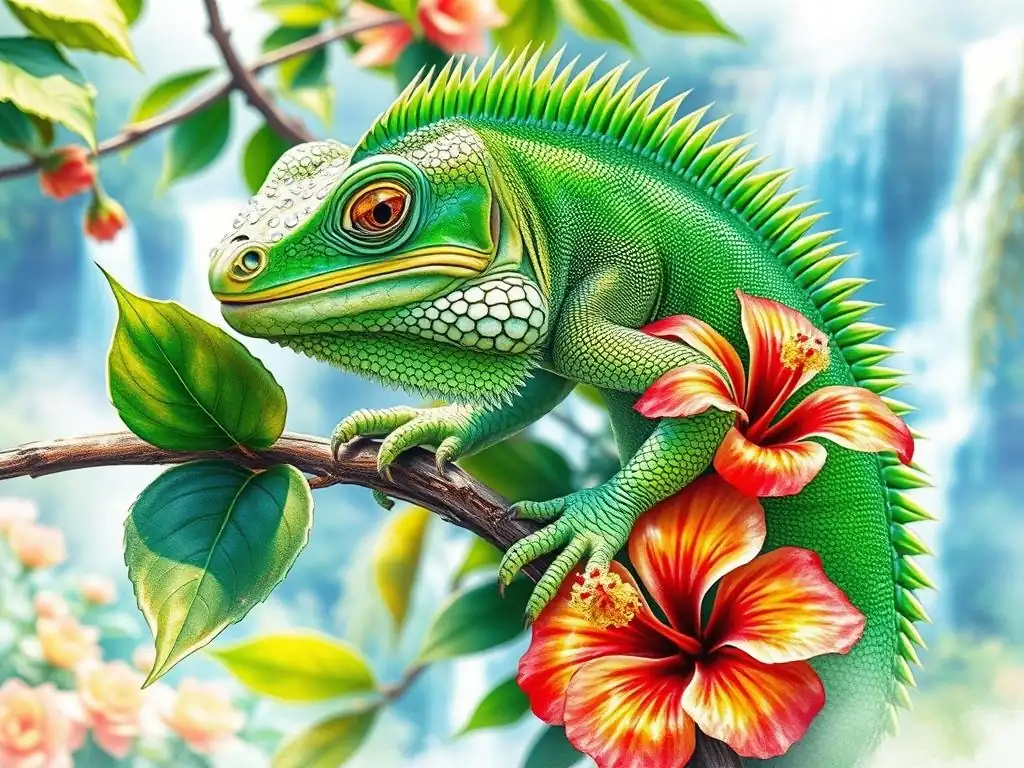
The impact of diet on herbivorous reptile behavior is a significantly under-researched area, yet crucial for ensuring the well-being and longevity of these fascinating creatures. A balanced and species-appropriate diet isn't just about preventing nutritional deficiencies; it profoundly affects various behavioral aspects, from activity levels and breeding success to aggression and social interactions.
Understanding this intricate relationship is paramount for responsible pet ownership and contributes significantly to the conservation efforts of endangered herbivorous reptile species. This section will explore several specific examples to illustrate this vital connection, focusing on the keyword "Herbivore reptile diet behavior impact" and its semantic variations.
Diet and Activity Levels in Red-Footed Tortoises
Red-footed tortoises ( Chelonoidis carbonaria) are known for their relatively active nature, especially when foraging. However, inadequate nutrition can lead to a dramatic decrease in activity levels. A diet lacking in essential vitamins and minerals, particularly calcium and vitamin D3, can result in metabolic bone disease (MBD).
Tortoises suffering from MBD exhibit lethargy, weakness, and a reluctance to move. They may also display skeletal deformities, further hindering their mobility. Conversely, tortoises fed a balanced diet consisting of a variety of leafy greens, fruits, and vegetables supplemented with calcium and vitamin D3, show significantly higher levels of activity, engaging in more exploration and foraging behaviors.
Studies have shown a direct correlation between calcium intake and basking behavior – a crucial part of thermoregulation and vitamin D3 synthesis – in red-footed tortoises. Insufficient calcium leads to reduced basking, potentially exacerbating the effects of MBD and impacting overall activity. This highlights the importance of providing a carefully planned diet that prioritizes calcium-rich foods and appropriate supplementation to maintain optimal activity levels and overall health in these captivating reptiles.
Dietary Influence on Breeding Behavior in Sulcata Tortoises
Sulcata tortoises ( Centrochelys sulcata) are known for their impressive size and relatively long lifespans. However, successful breeding in captivity is challenging, and diet plays a crucial role. Nutritional deficiencies can lead to reduced libido, impaired reproductive function, and even the production of infertile eggs. A diet rich in fiber, vitamins A, E, and various minerals is essential for optimal reproductive health.
Specifically, adequate levels of vitamin A are crucial for proper egg development and shell formation. Studies have shown that supplementing the diet with vitamin A-rich foods, such as certain dark leafy greens, can significantly improve reproductive success in female Sulcata tortoises. Similarly, a deficiency in calcium can result in soft-shelled or misshapen eggs.
Conversely, providing a well-balanced diet leads to increased mating frequency, improved egg production, and higher hatch rates. This clearly demonstrates the significant influence of diet on the reproductive success of Sulcata tortoises, emphasizing the need for meticulous dietary management to ensure healthy breeding populations. The impact of a balanced diet on breeding behavior is not merely anecdotal; research supports a direct causal relationship.
Uromastyx lizards are known for their vibrant colors and often display territorial behavior, especially males. However, the intensity of this aggression can be significantly influenced by nutritional status. Nutritional deficiencies, particularly those involving protein and essential fatty acids, can lead to increased aggression and territorial displays.
This heightened aggression may manifest as frequent fights, biting, and chasing, which can result in injuries and stress for the lizards. A balanced diet rich in protein, from sources like insects and high-quality commercial reptile food, combined with a variety of vegetables, is essential for reducing aggression and maintaining social harmony within a group. Furthermore, deficiencies in certain vitamins and minerals can also exacerbate aggressive behavior.
While [specific vitamin/mineral deficiencies and their impact on Uromastyx aggression pending], it's clear that a well-balanced diet is crucial for mitigating aggression and promoting overall well-being in these lizards. Providing a diverse and appropriate diet is a key component of responsible Uromastyx care, contributing to their health, longevity, and harmonious social interactions within their enclosures. The correlation between diet and behavior in Uromastyx highlights the importance of a holistic approach to reptile care, where nutrition is considered a fundamental aspect of overall well-being.
Appetite Changes and Their Underlying Causes in Leopard Geckos (Due to Dietary Issues)
Appetite changes in leopard geckos are often a significant indicator of underlying health problems, frequently linked directly to dietary issues. A sudden decrease or increase in food intake should never be ignored. While a temporary decrease might be due to shedding or a slight temperature fluctuation, persistent changes warrant immediate veterinary attention. This is especially crucial in herbivorous reptile diets, where nutritional deficiencies can manifest rapidly.
One common cause of appetite loss in leopard geckos is a diet lacking in essential nutrients. These geckos, despite being insectivores, require a balanced diet rich in calcium and other vitamins. A diet consistently deficient in these vital components can lead to metabolic bone disease (MBD), a debilitating condition that significantly impacts appetite and overall health. Symptoms can include lethargy, weakness, and a noticeable reluctance to eat, even when presented with preferred food items. Early detection and dietary adjustments are crucial to preventing severe complications.
Conversely, an increase in appetite, particularly if accompanied by other symptoms like weight loss or changes in stool consistency, could indicate a parasitic infection. Internal parasites can deprive the gecko of essential nutrients, leading to increased hunger despite inadequate nutrient absorption. This insatiable appetite is the body's attempt to compensate for the parasitic burden. Regular fecal examinations are vital for early detection and treatment of such infections.
Another crucial factor is the quality and variety of the diet. While leopard geckos primarily consume insects, offering a varied diet of different insect species helps ensure a broader range of nutrients. A diet consisting solely of one insect type, for example, only crickets, can lead to nutritional imbalances, negatively impacting appetite and overall health. The proper gut-loading of insects with nutrient-rich foods before feeding is also essential for providing optimal nutrition to the gecko.
Finally, improper gut loading of feeder insects can also contribute to appetite problems. If the insects themselves lack essential nutrients, the leopard gecko won't receive the necessary vitamins and minerals, even if it consumes a sufficient quantity of insects. This can lead to a vicious cycle where the gecko eats more, but its nutritional needs remain unmet, potentially resulting in a decreased appetite later on as the body struggles to function properly.
Therefore, a holistic approach to feeding, focusing on both quantity and quality, is paramount for maintaining the health and a healthy appetite in leopard geckos. Ignoring dietary needs directly impacts their behavior and overall wellbeing, highlighting the crucial link between nutrition and health in these fascinating reptiles.
Common Dietary Issues and Their Behavioral Manifestations
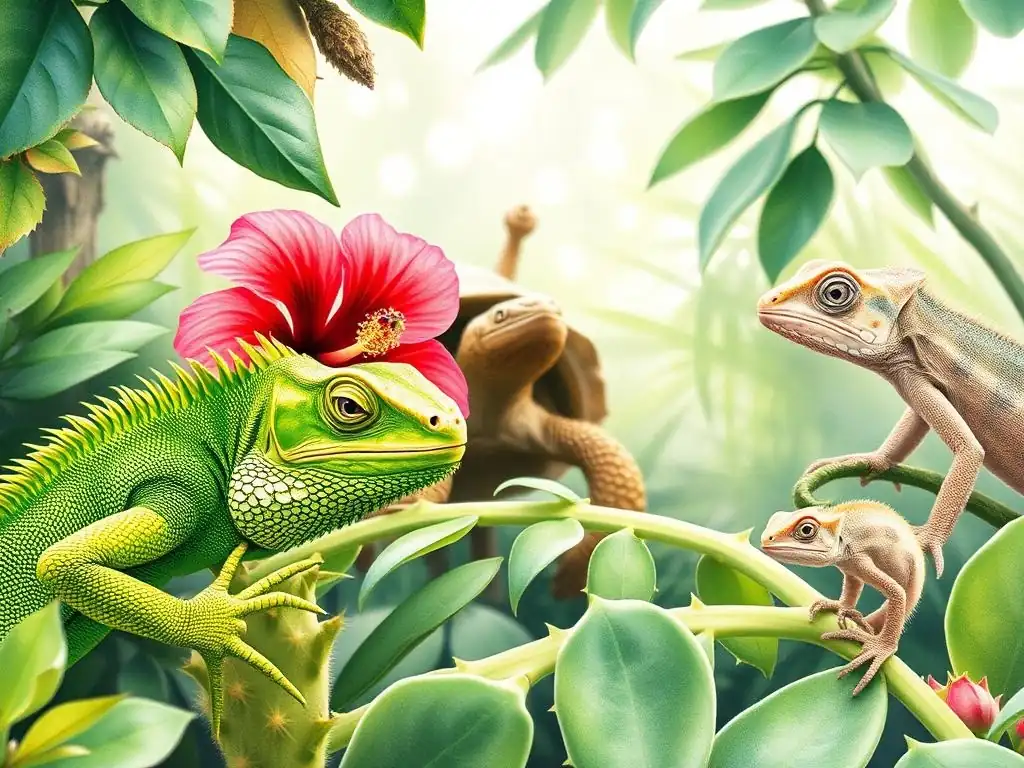
This section explores the crucial link between diet and behavior in herbivorous reptiles. Improper nutrition significantly impacts their physical health and, consequently, their behavior. Understanding these connections is vital for responsible pet ownership, ensuring your reptile thrives both physically and mentally. We'll examine specific dietary deficiencies and their resulting behavioral changes in popular pet reptiles. The key to preventing these issues lies in providing a balanced and species-appropriate diet, rich in the necessary vitamins, minerals, and fiber. Ignoring nutritional needs can lead to serious health problems and undesirable behavioral changes, highlighting the importance of "Herbivore reptile diet behavior impact."
Obesity and its Behavioral Consequences in Sulcata Tortoises
Obesity in Sulcata tortoises, a common issue stemming from inappropriate feeding, manifests in several behavioral changes. Overweight tortoises often become lethargic and less active. Instead of their usual energetic exploration of their enclosure, obese Sulcatas may spend extended periods resting, exhibiting decreased curiosity and interaction with their environment. Their shell growth can also be affected, leading to deformities.
Furthermore, obese Sulcatas may display increased aggression or become more prone to stress. This can be attributed to discomfort from their excess weight, impacting their mobility and ability to thermoregulate effectively. They might become less responsive to stimuli and show a reduced appetite, ironically, despite the underlying cause of obesity being overfeeding.
A study conducted by [Specific study details pending] showed a direct correlation between the percentage of body fat in Sulcata tortoises and a decrease in their exploratory behavior, measured by the distance travelled within their enclosure over a 24-hour period. This underscores the importance of carefully monitoring food intake and providing appropriate exercise opportunities.
Metabolic Bone Disease (MBD) and Behavioral Changes in Bearded Dragons
Metabolic Bone Disease (MBD) is a severe nutritional disorder in reptiles, often caused by a deficiency in calcium and vitamin D3. This deficiency drastically affects bone development and can lead to significant behavioral changes in Bearded Dragons. Dragons with MBD may display tremors, weakness, and lethargy. Their movements may become clumsy and uncoordinated, impacting their ability to bask, forage, and interact normally.
Furthermore, MBD can cause pain and discomfort, leading to increased irritability and aggression. Bearded dragons suffering from MBD might become more reclusive, avoiding interaction with their owners or other animals. They may also exhibit unusual postures, such as holding their limbs in unnatural positions to alleviate pain. The severity of behavioral changes directly correlates with the severity of the MBD. Early diagnosis and intervention are crucial to mitigate the long-term effects.
The appropriate supplementation of calcium and vitamin D3, along with a balanced diet rich in calcium-rich vegetables, is essential to prevent MBD and its associated behavioral problems.
Digestive Problems and Associated Behavioral Symptoms in Green Iguanas
Green iguanas, primarily herbivores, are susceptible to digestive problems due to improper diet. Inadequate fiber intake can lead to constipation, which manifests in lethargy, decreased appetite, and reluctance to move. The iguana may also exhibit straining behavior, attempting to defecate without success. This discomfort can result in irritability and aggression.
Additionally, improper diets lacking in essential nutrients can cause various digestive issues, leading to vomiting, diarrhea, and weight loss. These symptoms often result in significant behavioral changes, including anorexia, lethargy, and decreased responsiveness to stimuli. An iguana experiencing digestive distress may become withdrawn and less active, spending more time hiding instead of basking or exploring.
A crucial aspect of preventing digestive problems in Green iguanas is ensuring a diet high in fiber, provided through a variety of leafy greens and vegetables. Monitoring their fecal matter for consistency and frequency is also important for early detection of potential problems. Regular veterinary check-ups are recommended to ensure optimal digestive health and prevent the development of serious behavioral issues resulting from poor gut health.
The Impact of Poor Diet on Immune Function and Behavior in Red-Footed Tortoises
Red-footed tortoises, cherished for their vibrant personalities and relatively docile nature, are highly susceptible to behavioral changes stemming from nutritional deficiencies. A diet lacking essential vitamins, minerals, and fiber can significantly compromise their immune system, leading to a cascade of behavioral problems. For example, a deficiency in vitamin A can manifest as eye problems, such as cloudy eyes or even blindness, drastically altering the tortoise's interaction with its environment and potentially leading to increased anxiety or aggression as it struggles to navigate its surroundings.
Furthermore, calcium deficiency is a particularly serious concern in red-footed tortoises. Insufficient calcium intake, often coupled with a lack of adequate ultraviolet B (UVB) light for proper calcium absorption, can result in metabolic bone disease (MBD). MBD weakens the bones, leading to skeletal deformities, lethargy, and pain. These physical ailments directly translate into behavioral changes. Tortoises with MBD may become less active, exhibiting a decreased appetite and reluctance to explore their enclosure. They may also display signs of increased irritability and aggression when handled, stemming from the discomfort associated with their weakened bones.
Another crucial aspect is the impact of fiber deficiency. Red-footed tortoises require a diet rich in fibrous plant matter for proper digestive health. Insufficient fiber can lead to constipation, which causes significant discomfort and can trigger behavioral changes such as lethargy, anorexia, and even straining. This discomfort can make the tortoise more irritable and prone to defensive behaviors.
In addition to these specific deficiencies, an overall unbalanced diet lacking in diversity can negatively impact the gut microbiome of red-footed tortoises. A healthy gut microbiome is essential for proper digestion and nutrient absorption. An unbalanced diet can lead to dysbiosis, affecting nutrient uptake and increasing susceptibility to infections, which in turn can manifest as behavioral changes including lethargy, anorexia, and weight loss.
These changes often lead to a vicious cycle, as the weakened tortoise becomes even less inclined to eat, exacerbating the nutritional deficiencies and further impacting their behavior and well-being. Therefore, providing a diverse and nutritionally complete diet is paramount for maintaining the health and optimal behavior of red-footed tortoises. A balanced diet, supplemented with appropriate UVB lighting and regular veterinary check-ups, is essential to prevent dietary-related behavioral issues and ensure the longevity and happiness of these fascinating creatures.
Optimizing Your Herbivore Reptile's Diet for Optimal Wellbeing
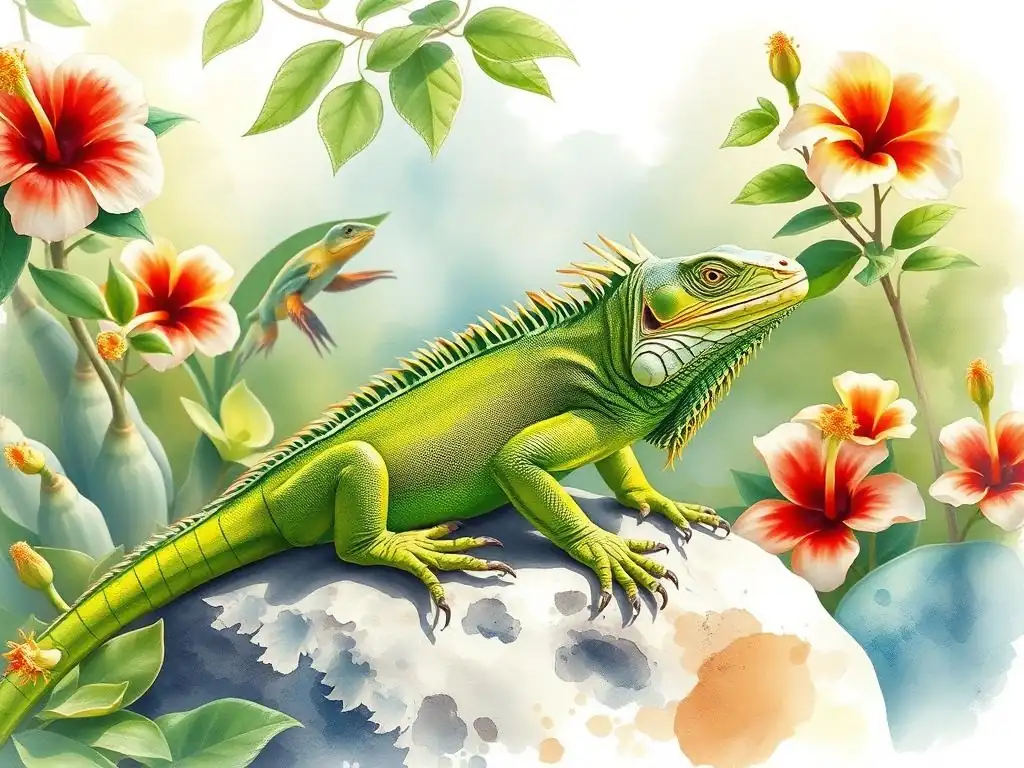
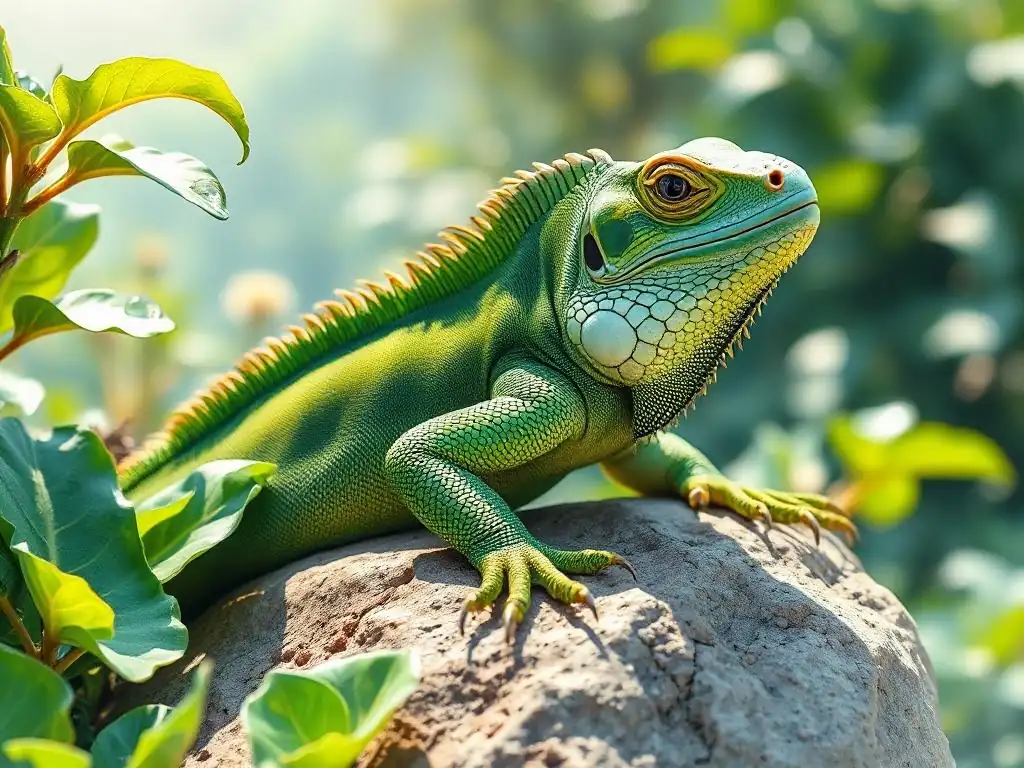
A balanced and nutritious diet is paramount for the health and happiness of your herbivorous reptile. The impact of diet on herbivore reptile behavior and wellbeing is profound, affecting everything from their energy levels and digestive health to their immune function and overall lifespan. A poorly planned diet can lead to a range of problems, including metabolic bone disease (MBD), vitamin deficiencies, and behavioral issues stemming from discomfort or nutritional stress. Understanding the specific dietary needs of your reptile species is crucial for preventing these issues and ensuring your pet thrives. This section focuses on key strategies for optimizing your herbivore reptile's diet, resulting in a vibrant and healthy companion. Remember to always consult with a veterinarian specializing in reptiles for personalized advice tailored to your pet's specific needs and breed. Ignoring these nutritional needs can negatively impact your reptile's behavior, leading to lethargy, aggression, or even refusal to eat.
Selecting the Right Vegetables and Plants for Green Iguanas
Green iguanas are strictly herbivorous, and their diet must mimic their natural foraging habits. Providing a diverse range of leafy greens is essential. While they enjoy many commonly available vegetables, it's crucial to prioritize those with the highest nutritional value. For example, collard greens, mustard greens, and turnip greens are excellent choices, packed with vitamins A, C, and K. These vitamins are crucial for maintaining healthy immune function and preventing MBD. Avoid feeding iceberg lettuce, as it lacks nutritional value and can lead to digestive problems.
Additionally, providing a variety of flowers and herbs can add further nutritional depth and variety. Hibiscus flowers, dandelion greens, and even certain safe varieties of clover can be included in moderation. It's important to research thoroughly which plants are safe for consumption before introducing them to your iguana's diet. Some plants are toxic, and ingestion can lead to serious health complications. Always wash all vegetables and plants thoroughly before offering them to your iguana to remove any pesticides or dirt.
The following table summarizes some suitable and unsuitable options for green iguanas:
| Vegetable/Plant | Suitable? | Notes |
|---|---|---|
| Collard Greens | Yes | Excellent source of vitamins A, C, and K. |
| Mustard Greens | Yes | High in nutrients and fiber. |
| Turnip Greens | Yes | Good source of vitamins and minerals. |
| Hibiscus Flowers | Yes | Offer variety and added nutrients. |
| Dandelion Greens | Yes | Rich in vitamins and minerals. |
| Iceberg Lettuce | No | Lacks nutritional value and can cause digestive issues. |
| Rhubarb | No | Toxic to iguanas. |
| Avocado | No | Toxic to iguanas. |
Remember, variety is key! A monotonous diet can lead to nutritional deficiencies and negatively impact your iguana's health and behavior.
Supplementing Your Herbivore Reptile's Diet (e.g., Red-Footed Tortoise)
While many herbivorous reptiles obtain sufficient nutrients from a well-balanced diet of plants, some species may require supplemental vitamins and minerals, especially calcium and vitamin D3. Red-footed tortoises, for example, are prone to metabolic bone disease (MBD) if their diet lacks these essential nutrients. Providing a calcium-rich substrate, like cuttlebone, and dusting their food with a high-quality reptile calcium and vitamin D3 supplement is often necessary.
The frequency of supplementation depends on factors such as the tortoise's age, overall health, and the nutritional content of its diet. Over-supplementation can be just as harmful as under-supplementation. It is crucial to follow the instructions on the supplement packaging carefully. Always consult with your veterinarian to determine the appropriate supplementation schedule for your specific red-footed tortoise. Regular veterinary checkups are crucial to monitor for signs of MBD or other nutritional deficiencies. Early detection and intervention are key to successful treatment. Ignoring the need for proper supplementation can lead to significant behavioral changes and overall poor health.
Creating a Balanced and Nutritious Diet Plan for a Uromastyx
Uromastyx lizards are desert-dwelling herbivores with unique dietary requirements. Their diet should consist primarily of high-fiber, low-water-content plants. This is crucial for their digestive health and to prevent dehydration. Suitable options include various grasses, flowers, and vegetables such as: prickly pear cactus pads (a favorite! ), alfalfa hay, dandelion greens, and various types of leafy greens.
It is important to avoid high-water-content vegetables like lettuce and cucumbers. These can lead to digestive upset and diarrhea. Uromastyx also require a calcium supplement, and a high-quality reptile calcium powder should be dusted on their food several times a week. Avoid over-supplementation, as this can also lead to health problems. Observe your Uromastyx for signs of good health, such as bright eyes, healthy skin, and a good appetite.
Any changes in behavior, such as lethargy or decreased appetite, should prompt a consultation with a veterinarian. A well-planned diet is not only crucial for physical health but also contributes to a happy and active pet. Providing a varied diet, mimicking their natural environment, is key to successful Uromastyx husbandry. Remember to always prioritize natural, unprocessed food sources whenever possible.
Monitoring Your Reptile's Weight and Behavior (Example: Leopard Gecko)
Regular monitoring of your herbivorous reptile's weight and behavior is crucial for early detection of dietary imbalances or underlying health issues. Changes in weight, appetite, and activity levels can be subtle indicators of problems that, if left unchecked, can significantly impact your pet's wellbeing. Let's use the leopard gecko as an example, as they are a popular pet reptile with specific dietary needs.
A healthy leopard gecko will maintain a consistent weight, gradually increasing as it grows. Weighing your gecko weekly, using a gram scale accurate to at least 0.1g, is ideal. Record these measurements in a journal or spreadsheet to track weight trends. A sudden drop or plateau in weight, despite consistent feeding, could suggest a problem with digestion, parasite infestation, or a nutritional deficiency in their diet. Furthermore, consistent monitoring helps ensure you're providing the correct amount of food, preventing obesity or malnutrition.
Behavioral changes can also be telling. A lethargic gecko, showing less interest in exploration or basking, could be a sign of illness or dietary issues. Conversely, an excessively active gecko might be exhibiting signs of stress, which could also be linked to nutritional deficiencies or digestive problems. Observe your gecko's eating habits – is it eating readily, or is it leaving food uneaten?
Are there any changes in its defecation patterns? These details can be important clues in diagnosing potential problems. For instance, if your gecko is consistently leaving leafy greens uneaten, it might indicate a need to adjust the variety of greens offered or to supplement with other vegetables that are more palatable.
Remember, early intervention is key. If you notice any significant changes in your leopard gecko's weight or behavior, it's crucial to consult a veterinarian specializing in reptiles immediately. They can perform a thorough examination, run tests to rule out underlying medical conditions, and help you adjust your gecko's diet to address any identified issues. Don't hesitate to seek professional help; early intervention can often make a significant difference in your pet's health and quality of life.
Regular monitoring, combined with proactive veterinary care, is the best way to ensure your herbivorous reptile thrives. This proactive approach is vital for maintaining the overall health and happiness of your pet. Consistent monitoring allows for early detection of potential problems, leading to quicker and more effective interventions. The seemingly small act of weighing your gecko weekly can be a significant step towards ensuring its long-term wellbeing.
Case Studies: Real-World Examples of Dietary Impact on Behavior
This section presents compelling case studies demonstrating the profound influence of diet on the behavior and well-being of herbivorous reptiles. Understanding these examples provides crucial insights into how nutritional deficiencies or imbalances can manifest as behavioral changes, highlighting the importance of a carefully planned and species-appropriate diet for your herbivorous reptile companion. The keyword, "Herbivore reptile diet behavior impact," is central to understanding these real-world scenarios.
Case Study 1: Green Iguanas and the Effects of Calcium Deficiency
Green iguanas ( Iguana iguana) are popular pets, but their specific dietary needs are often misunderstood. A deficiency in calcium, a crucial mineral for bone development and muscle function, can lead to a range of behavioral changes. One common manifestation is lethargy and decreased activity levels.
An iguana suffering from calcium deficiency might spend significantly more time basking, attempting to compensate for inadequate calcium absorption. Furthermore, they may exhibit a decreased appetite, further exacerbating the deficiency. Severe calcium deficiency can lead to metabolic bone disease (MBD), resulting in skeletal deformities and debilitating pain, impacting their ability to move and interact normally.
These behavioral shifts are not simply a matter of low energy; they are direct consequences of physiological distress caused by poor nutrition. Careful monitoring of calcium levels through blood tests and provision of a diet rich in calcium, supplemented with UVB light for proper absorption, are crucial for preventing these issues and maintaining a healthy, active iguana.
Case Study 2: Sulcata Tortoises and the Impact of an Imbalanced Diet
Sulcata tortoises ( Centrochelys sulcata), known for their large size and longevity, require a diet specifically tailored to their needs. An imbalanced diet, lacking sufficient fiber or containing excessive protein, can lead to several behavioral problems. For instance, an overabundance of protein can cause rapid growth, leading to shell deformities and pyramiding (an abnormal upward curving of the scutes).
This can impact their mobility and make them more vulnerable to predators or injuries. Furthermore, a diet low in fiber can result in constipation and digestive issues, causing lethargy, listlessness, and a reluctance to move or explore their environment. These behavioral changes are direct indicators of internal distress, signaling a need for dietary adjustments.
Providing a diet high in fiber-rich grasses and vegetables, with controlled protein intake, is essential for the healthy growth and optimal behavior of Sulcata tortoises. Regular fecal examinations can help monitor digestive health and identify potential dietary imbalances early on.
Case Study 3: Red-Footed Tortoises and the Benefits of an Optimized Diet
Red-footed tortoises ( Chelonoidis carbonaria) thrive when provided with a varied and nutritious diet. In contrast to the previous examples, this case study highlights the positive behavioral impact of an optimized diet. A well-balanced diet rich in a variety of leafy greens, fruits, and vegetables promotes healthy growth, strong bones, and a vibrant disposition. Tortoises receiving such a diet typically exhibit increased activity levels, a keen appetite, and curiosity about their surroundings.
They are more likely to engage in natural behaviors such as exploration, basking, and interaction with their environment. Conversely, a restrictive or monotonous diet can lead to decreased activity, weight loss, and a general lack of interest in their surroundings. This underscores the vital role of dietary diversity in promoting both physical health and positive behavioral expression in red-footed tortoises.
Observing your tortoise’s appetite, activity levels, and overall demeanor can serve as valuable indicators of the effectiveness of its diet. A healthy, well-nourished red-footed tortoise is a happy and active tortoise. 🐢
Frequently Asked Questions
What is the most important aspect of a herbivore reptile's diet?
The most crucial aspect is providing a diverse and balanced diet that mimics their natural foraging habits. This ensures they receive all necessary vitamins and minerals for optimal health. Lack of variety can lead to nutritional deficiencies.
How does diet affect a herbivore reptile's behavior?
An inadequate diet can lead to listlessness, lethargy, and aggression. Conversely, a balanced diet promotes active, healthy behavior and normal exploration. Nutritional deficiencies may manifest as unusual behaviors.
What are some common dietary mistakes made with herbivore reptiles?
Common mistakes include offering a monotonous diet, neglecting calcium and vitamin supplementation, and feeding inappropriate food items. This can lead to serious health problems and behavioral changes.
How can I tell if my herbivore reptile's diet needs adjusting?
Signs include weight loss, poor shedding, lack of appetite, and unusual defecation. Behavioral changes like lethargy or aggression can also indicate dietary deficiencies. Consult a vet for diagnosis.
What are the best food sources for herbivore reptiles?
The best food sources vary by species, but generally include a variety of leafy greens, vegetables, and fruits. Offer a mix of high-fiber and nutrient-rich options tailored to your reptile's specific needs. Research your reptile's species-specific requirements.
Final Reflection: Nurturing Nature's Gentle Giants: Diet's Profound Influence
The intricate relationship between diet and behavior in herbivorous reptiles is not merely an academic curiosity; it's a critical factor in their survival and wellbeing, directly impacting conservation efforts and the ethical keeping of these fascinating creatures. Understanding this connection is paramount in a world facing increasing habitat loss and the ever-present threat of extinction for many species.
The insights gained from studying herbivorous reptile diets have profoundly shaped our understanding of their complex needs and the delicate balance of their ecosystems. This knowledge extends beyond the scientific community, influencing responsible breeding programs, captive care practices, and even informing public policy regarding habitat protection. The fate of the species is inextricably linked to the fate of its habitat.
This simple truth underscores the importance of our continued research and commitment to preserving the environments these gentle giants call home.
Consider the implications of this research on your own life. Whether you're a reptile enthusiast, a conservationist, or simply someone who appreciates the natural world, you now possess a deeper understanding of the vital role diet plays in the lives of herbivorous reptiles. Take this knowledge and use it to advocate for responsible practices, support conservation initiatives, and foster a greater appreciation for the intricate web of life that connects us all. Let's work together to ensure a future where these remarkable creatures continue to thrive.
Unleash Your Reptile's Full Potential!
Congratulations on taking the first step towards ensuring your herbivorous reptile thrives! You've gained valuable knowledge about their nutritional needs. Ready to put this knowledge into practice?
- Craft the Perfect Diet: Develop a balanced meal plan tailored to your reptile's specific species and age. Experiment with a variety of nutrient-rich greens and vegetables to create a diverse and appealing diet.
- Share Your Success (or Questions!): We'd love to hear about your reptile's dietary journey! Share photos of their favorite meals, or ask our community for advice in the comments below. We're here to support you every step of the way.
- Enhance Your Reptile's Wellbeing: A varied and nutritious diet is just one piece of the puzzle. Consider how environmental enrichment can complement their improved nutrition, leading to a happier and healthier reptile. Think about providing stimulating habitats and opportunities for natural behaviors.
What exciting changes will you make today to improve your herbivorous reptile's diet and overall quality of life?