
Understanding Metabolic Bone Disease: Feeding Strategies for Prevention

Welcome to PetCareWorld, your ultimate guide to a happier, healthier life for your beloved companion! Are you ready to unlock the secrets to ensuring your reptile thrives? Then delve into our expert advice on preventing Metabolic Bone Disease, a critical concern for many exotic pets. Discover crucial feeding strategies and learn how to safeguard your reptile's well-being. Let's embark on this journey together to ensure a long and vibrant life for your scaly friend – explore more now!
- What is Metabolic Bone Disease (MBD) in Herbivorous Reptiles?
-
Nutritional Requirements for Preventing Metabolic Bone Disease
- Essential Calcium Sources for Herbivorous Reptiles
- Importance of Vitamin D3 Supplementation for Bone Health
- Selecting the Right UVB Lighting for Optimal Vitamin D3 Synthesis
- Maintaining the Correct Calcium to Phosphorus Ratio in the Diet
- Dietary Considerations for Green Iguanas and Red-Footed Tortoises
- Developing a Preventative Feeding Plan
- Common Mistakes to Avoid When Preventing MBD
- Long-Term Strategies for Maintaining Bone Health
- Frequently Asked Questions
- Final Reflection: Nourishing Bones, Nourishing Futures
- Unlock Your Pet's Bone Health Potential
What is Metabolic Bone Disease (MBD) in Herbivorous Reptiles?
Metabolic Bone Disease (MBD) is a serious and often debilitating condition affecting many herbivorous reptiles, particularly those kept in captivity. This devastating disease stems from an imbalance in essential minerals, primarily calcium and phosphorus, leading to weakened bones, skeletal deformities, and significant health complications. Understanding the intricacies of MBD, its causes, and crucially, its prevention, is paramount for responsible reptile ownership.
This comprehensive guide will delve into the specifics of MBD in herbivorous reptiles, exploring its underlying mechanisms, symptoms, and most importantly, the feeding strategies that can effectively prevent this devastating condition and ensure the long-term health and well-being of your scaled companion. We'll explore the vital role of proper nutrition in preventing MBD, providing practical advice and actionable steps you can take to safeguard your reptile from this preventable disease.
Successfully preventing MBD hinges on a deep understanding of your reptile's dietary needs and a commitment to providing a nutritionally balanced diet. Let's begin by defining MBD and its root causes.
Defining Metabolic Bone Disease and its Causes in Reptiles
Metabolic Bone Disease (MBD) arises from an insufficient intake or improper utilization of calcium (Ca) and phosphorus (P) in a reptile's diet. This crucial mineral imbalance disrupts the normal bone formation process, leading to weakened bones that are prone to fractures and deformities. Several factors contribute to the development of MBD:
- Insufficient dietary calcium: A diet lacking sufficient calcium is the primary cause. Many commercially available reptile foods may not provide the necessary calcium levels, especially for rapidly growing young reptiles.
- Inadequate UVB lighting: UVB light is essential for reptiles to synthesize vitamin D3, which is crucial for calcium absorption. Insufficient UVB exposure prevents the proper absorption of dietary calcium, even if sufficient calcium is present in the food.
- Incorrect calcium-phosphorus ratio: An imbalanced ratio of calcium to phosphorus in the diet can also contribute to MBD. An excess of phosphorus relative to calcium can impair calcium absorption.
- Lack of dietary variety: Feeding a monotonous diet, even if it contains calcium, can lead to nutritional deficiencies and increase the risk of MBD.
- Genetic predisposition: While less common, some reptile species may have a genetic predisposition to MBD.
The consequences of MBD are severe, ranging from subtle weakness and lethargy to significant skeletal deformities, paralysis, and even death. Early detection and intervention are crucial for successful treatment and preventing further complications.
Recognizing the Symptoms of MBD in Your Reptile
Recognizing the early signs of MBD is critical for timely intervention. Symptoms can vary in severity and may initially be subtle. However, some common indicators include:
- Lethargy and weakness: The reptile may appear less active than usual, exhibiting a decreased appetite and overall sluggishness.
- Skeletal deformities: This may include bowed legs, a curved spine, or a weakened jaw. These deformities are often more pronounced in growing reptiles.
- Fractures: Bones become brittle and easily fractured, even from minor trauma.
- Muscle tremors or paralysis: Severe cases can lead to muscle weakness, tremors, or even paralysis.
- Soft or rubbery bones: Palpating the bones may reveal a softer consistency than normal.
- Egg-binding in females: In female reptiles, MBD can interfere with egg laying, leading to egg-binding, a life-threatening condition.
If you observe any of these symptoms in your reptile, it is crucial to seek veterinary attention immediately. Early diagnosis and treatment significantly improve the chances of recovery.
The Role of Calcium and Phosphorus in Preventing MBD
The prevention of MBD relies heavily on providing your herbivorous reptile with a diet that maintains the correct calcium-to-phosphorus ratio and ensures adequate calcium absorption. This involves:
- Providing a calcium-rich diet: Dusting food items with a high-quality calcium supplement, specifically one formulated for reptiles, is crucial. The frequency of dusting should be adjusted based on the reptile's species and age. [Specific dusting frequency recommendations pending]
- Ensuring adequate UVB lighting: Providing appropriate UVB lighting is essential for vitamin D3 synthesis, which is vital for calcium absorption. The type and placement of the UVB bulb are crucial and should be species-specific. [Specific UVB bulb recommendations pending]
- Maintaining the correct calcium-to-phosphorus ratio: Aim for a calcium-to-phosphorus ratio of at least 2:1. [Specific dietary recommendations for calcium and phosphorus intake pending]
- Offering a varied diet: A varied diet ensures a broader range of nutrients and minimizes the risk of deficiencies. [Specific dietary variety recommendations pending]
- Regular veterinary check-ups: Regular health checks allow for early detection of any potential issues, including subclinical MBD, before they become severe.
By diligently following these guidelines, you can significantly reduce the risk of MBD in your herbivorous reptile and ensure its long-term health and well-being. Remember, prevention is always better than cure when it comes to this debilitating disease.
Nutritional Requirements for Preventing Metabolic Bone Disease
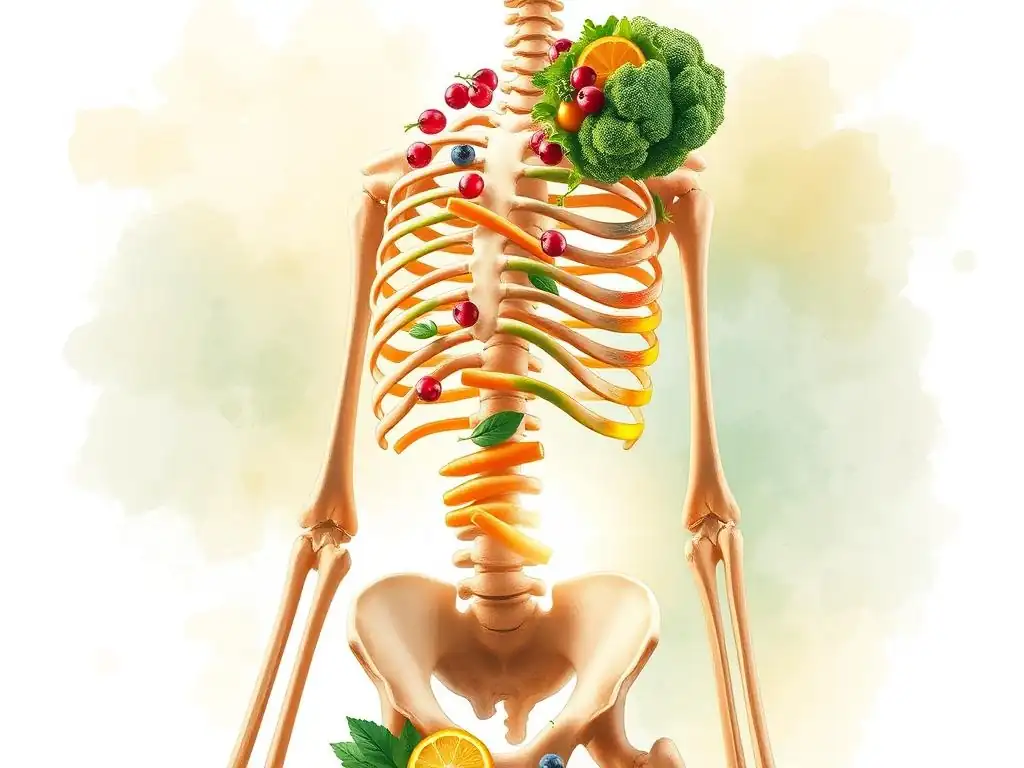
Metabolic Bone Disease (MBD) is a serious condition in herbivorous reptiles, often stemming from dietary deficiencies. Preventing MBD requires a meticulous understanding of your reptile's specific nutritional needs and consistent provision of a balanced diet. This isn't simply about feeding greens; it's about providing the right ratio of essential nutrients, especially calcium and phosphorus, and ensuring adequate Vitamin D3 absorption.
Failure to meet these needs can lead to weakened bones, skeletal deformities, and ultimately, death. Understanding these requirements is crucial for responsible reptile ownership and preventing this debilitating disease. The key to success lies in a proactive approach to nutrition, carefully monitoring your reptile's health and adjusting their diet as needed.
Essential Calcium Sources for Herbivorous Reptiles
Calcium is the cornerstone of strong bones in reptiles. Herbivorous reptiles, unlike their carnivorous counterparts, don't get sufficient calcium from their prey. Therefore, supplemental calcium is absolutely essential. The best sources are usually calcium-based supplements, specifically those formulated for reptiles. These supplements often come in powder form, allowing for easy dusting of food items. Avoid using human calcium supplements, as these may contain ingredients harmful to reptiles.
The following table illustrates some common calcium sources and their relative strengths:
| Calcium Source | Calcium Content (approx.) | Notes |
|---|---|---|
| Cuttlebone | High | Excellent source, readily available |
| Calcium Carbonate Powder | High | Easily dusted onto food |
| Calcium Gluconate Powder | Moderate | More readily absorbed than carbonate |
| Repti-calcium Supplements | Varies (Check Label Carefully) | Formulated specifically for reptiles; choose a good brand |
Remember, providing only calcium isn't enough. The ratio of calcium to phosphorus is also critical. An imbalance can lead to MBD even with adequate calcium intake. Aim for a calcium:phosphorus ratio of at least 2:1, ideally closer to 3:1 for optimal bone health. Always check the nutritional information on commercial reptile food mixes and supplements to ensure you're providing the correct balance. Regular veterinary check-ups are also vital for monitoring your reptile's bone health and adjusting their diet accordingly.
Importance of Vitamin D3 Supplementation for Bone Health
Vitamin D3 plays a crucial role in calcium absorption. Reptiles cannot synthesize Vitamin D3 without exposure to UVB light. However, even with proper UVB lighting, supplemental Vitamin D3 is often necessary, particularly for growing reptiles or those with compromised health. Vitamin D3 helps the body absorb calcium from the gut, making it available for bone development and maintenance. A deficiency in Vitamin D3 can lead to poor calcium absorption, regardless of the amount of calcium ingested, ultimately resulting in MBD. Therefore, Vitamin D3 supplementation should be considered a vital component of a preventative MBD strategy.
It's important to note that over-supplementation of Vitamin D3 can be just as harmful as a deficiency. Always follow the dosage instructions on the product label carefully. Too much Vitamin D3 can lead to hypercalcemia, a condition where there's too much calcium in the bloodstream, also posing serious health risks.
Selecting the Right UVB Lighting for Optimal Vitamin D3 Synthesis
UVB lighting is not just a luxury; it's a necessity for most reptiles. UVB rays trigger the synthesis of Vitamin D3 in the reptile's skin. Without adequate UVB exposure, even with a diet rich in calcium and supplemental Vitamin D3, your reptile is at significant risk of developing MBD. Choosing the correct UVB bulb is therefore critical. Different bulbs have varying strengths and emission spectrums. The bulb's strength should be appropriate for the size of the enclosure and the distance between the bulb and the reptile.
Several factors influence the effectiveness of UVB lighting:
- Type of Bulb: Choose a UVB bulb specifically designed for reptiles. Different types exist (e.g., coil, tube, compact), each with its own pros and cons. Read reviews and consult with a veterinarian or experienced reptile keeper to determine the best type for your specific reptile species and enclosure setup.
- Bulb Wattage and Output: Higher wattage doesn't automatically mean better UVB output. Look for bulbs with a specified UVB percentage (e.g., 5%, 10%, 12%) and choose one appropriate for your reptile's needs and the size of its enclosure.
- Distance from the Reptile: The distance between the bulb and your reptile is crucial. UVB intensity decreases significantly with distance. Position the bulb according to the manufacturer's instructions to ensure optimal UVB exposure without causing overheating.
- Bulb Age: UVB bulbs lose their effectiveness over time. Replace your bulb every 6-12 months, even if it still appears to be working, to guarantee consistent UVB output and prevent MBD. Regularly check the bulb's output with a UVB meter for more accurate monitoring.
By meticulously attending to these nutritional and environmental factors, you can significantly reduce the risk of MBD in your herbivorous reptile, ensuring its long-term health and well-being.
Maintaining the Correct Calcium to Phosphorus Ratio in the Diet
Maintaining the proper calcium-to-phosphorus (Ca:P) ratio is paramount in preventing metabolic bone disease (MBD) in herbivorous reptiles. The ideal ratio is generally considered to be 2:1 or higher, meaning there should be at least twice as much calcium as phosphorus in their diet. A diet deficient in calcium, or one with an excessively high phosphorus content, leads to impaired calcium absorption and bone mineralization. This imbalance can manifest as weakened bones, skeletal deformities, and ultimately, MBD.
Several factors contribute to achieving this crucial ratio. The primary source of calcium in a reptile's diet should be calcium supplements, such as cuttlebone or powdered calcium carbonate. These supplements should be offered regularly, and the frequency will depend on the species and individual needs. It's crucial to note that not all commercially available reptile foods maintain the correct Ca:P ratio.
Many commercially produced foods are formulated with an inadequate amount of calcium and an excessive amount of phosphorus, which puts reptiles at increased risk of MBD. Therefore, carefully reviewing the nutritional label of any commercial food is essential. Furthermore, the type of vegetables and greens offered also plays a significant role. While leafy greens are generally a good source of calcium, the calcium content can vary considerably based on the growing conditions and type of vegetable.
For instance, collard greens generally have a higher calcium content compared to lettuce. Regular testing of the Ca:P ratio in the diet, perhaps through a veterinary nutritionist, could provide valuable insights into the diet's effectiveness. This proactive approach ensures the reptile receives the necessary nutrients to prevent MBD. Remember, consistency is key; maintaining the correct Ca:P ratio consistently over time is more effective than occasional supplementation.
Dietary Considerations for Green Iguanas and Red-Footed Tortoises
Green iguanas and red-footed tortoises, two popular herbivorous reptile species, have specific dietary requirements crucial for preventing MBD. Their nutritional needs differ slightly, necessitating a tailored approach to feeding.
Green iguanas are primarily folivores, meaning their diet should consist predominantly of leafy greens. However, simply providing leafy greens isn't sufficient; the selection is crucial. Dark, leafy greens like collard greens, mustard greens, and turnip greens are superior sources of calcium and other essential vitamins and minerals compared to lighter-colored greens like lettuce. Providing a diverse range of these leafy greens helps ensure a balanced intake of nutrients.
Additionally, supplementing with calcium powder, dusted on their food, is essential. The frequency and amount of supplementation should be guided by veterinary advice, considering factors such as the iguana's age, size, and overall health. Over-supplementation can be just as detrimental as under-supplementation.
Red-footed tortoises, on the other hand, have a slightly broader dietary range, incorporating a wider variety of vegetables and fruits in addition to leafy greens. While they also benefit from dark, leafy greens, they can tolerate a higher proportion of other vegetables like squash, carrots, and bell peppers. However, it's crucial to remember that even with a more diverse diet, calcium supplementation remains essential to prevent MBD.
Fruits should be offered sparingly, as they often contain high levels of sugars and low levels of calcium. The Ca:P ratio should still be carefully monitored, and a veterinarian specializing in reptiles should be consulted to determine the optimal supplementation strategy. Regular monitoring of the tortoise's weight and shell health is also important to quickly detect any potential signs of MBD.
Early intervention is key in managing and preventing this debilitating disease. Providing a varied and balanced diet, along with appropriate supplementation, is the cornerstone of preventing MBD in both green iguanas and red-footed tortoises.
Developing a Preventative Feeding Plan
Metabolic bone disease (MBD) is a serious, often debilitating, condition in reptiles, primarily affecting herbivores. Preventing MBD requires a proactive and informed approach to feeding. This section details crucial strategies to minimize the risk of MBD in your reptile companion. Failing to address nutritional needs is a primary cause of MBD, and understanding the complexities of reptile diets is vital for responsible pet ownership.
A well-structured feeding plan, encompassing diet composition, supplementation, and monitoring, is the cornerstone of MBD prevention. This plan should be tailored to your specific reptile species, age, and individual needs. Regular veterinary check-ups are also crucial for early detection and management of any potential issues.
Creating a Balanced Diet Rich in Calcium and Vitamin D3
A balanced diet forms the foundation of MBD prevention. Herbivorous reptiles require a diet rich in calcium and vitamin D3 to support healthy bone growth and development. The calcium-to-phosphorus ratio is particularly critical. An imbalance, with phosphorus exceeding calcium, can significantly increase the risk of MBD. A suitable calcium-to-phosphorus ratio typically ranges from 1.5:1 to 2:1, although specific requirements vary depending on the species. For example, a green iguana needs a higher calcium intake than a smaller herbivorous lizard.
To ensure an optimal calcium-to-phosphorus ratio, carefully select the vegetables and greens you offer. Avoid feeding foods high in phosphorus, such as spinach and kale, in excess. These foods contain high levels of oxalates, which can bind with calcium, making it unavailable for absorption. Instead, focus on providing calcium-rich options such as collard greens, mustard greens, dandelion greens, and turnip greens. Remember, variety is key to a complete and balanced nutritional profile. A monotonous diet can lead to nutritional deficiencies and increase the susceptibility to MBD.
The role of vitamin D3 is equally important. Vitamin D3 aids in calcium absorption, ensuring proper bone mineralization. Reptiles cannot synthesize vitamin D3 on their own; it must be provided through diet or supplementation. Natural sources of vitamin D3 are limited in plant-based diets; thus, supplementation is usually necessary.
Choosing Appropriate Vegetables and Greens for Your Reptile
The selection of appropriate vegetables and greens is paramount in preventing MBD. Not all leafy greens are created equal when it comes to nutritional value for reptiles. Some may be high in oxalates, which interfere with calcium absorption, while others provide a better balance of nutrients.
Here's a table summarizing the nutritional value of some common choices:
| Vegetable/Green | Calcium Content (mg/100g) | Phosphorus Content (mg/100g) | Oxalate Content (mg/100g) | Suitable for Reptiles? | Notes |
|---|---|---|---|---|---|
| Collard Greens | High | Moderate | Low | Yes | Excellent calcium source |
| Mustard Greens | High | Moderate | Low | Yes | Good source of calcium and other nutrients |
| Dandelion Greens | Moderate | Low | Moderate | Yes | Good source of vitamins and minerals |
| Spinach | Moderate | High | High | Use sparingly | High oxalate content; limits calcium absorption |
| Kale | Moderate | High | High | Use sparingly | High oxalate content; limits calcium absorption |
| Parsley | Moderate | Low | Low | Yes | Good source of vitamins |
Remember to always wash vegetables thoroughly before feeding them to your reptile to remove any pesticides or dirt. Variety is crucial; offer a diverse mix of vegetables and greens to ensure your reptile receives a broad spectrum of essential nutrients.
Supplementing Your Reptile's Diet with Calcium and Vitamin D3 Powders
While a balanced diet is essential, supplementation is often necessary to ensure your reptile receives adequate calcium and vitamin D3. Commercial calcium and vitamin D3 powders are readily available and should be dusted onto your reptile's food regularly. The frequency and amount of supplementation will depend on your reptile's species, age, and individual needs. Always follow the manufacturer's instructions carefully. Over-supplementation can be just as harmful as under-supplementation.
It’s crucial to use a high-quality supplement that provides a balanced ratio of calcium and vitamin D3 specifically formulated for reptiles. Avoid using human or animal supplements, as these may not contain the correct balance of nutrients. Regular monitoring of your reptile's health, including weight, activity level, and bone density (through veterinary examination), is vital to ensure the effectiveness of your preventative feeding plan.
Early detection of any MBD signs allows for timely intervention and potentially prevents long-term health issues. Always consult a veterinarian specializing in reptiles for personalized advice on supplementation strategies. They can provide tailored recommendations based on your reptile's specific needs and health status.
Monitoring Your Reptile's Weight and Overall Health
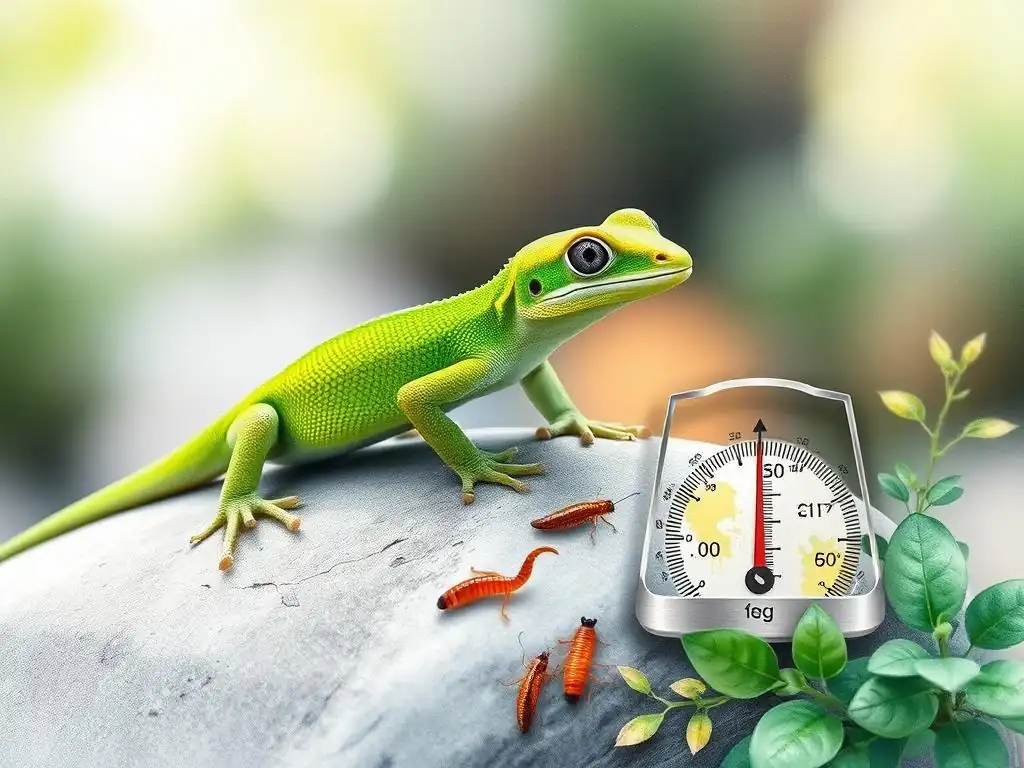
Regularly monitoring your reptile's weight and overall health is crucial for preventing Metabolic Bone Disease (MBD). Weight loss, even subtle changes, can be an early indicator of nutritional deficiencies that can contribute to MBD. Don't just rely on visual estimations; invest in a gram scale designed for small animals to accurately track your reptile's weight. Keep a detailed record of these measurements, noting any significant fluctuations. Ideally, weigh your reptile weekly, particularly during periods of growth or suspected illness.
Beyond weight, observe your reptile's overall demeanor and activity levels. Lethargy, weakness, and a reluctance to move around are all potential signs of developing MBD or underlying health problems that increase the risk. Examine your reptile's skin and bones; look for any signs of softening or bowing in the legs or jaw, which are classic indicators of MBD. A thorough physical examination, including gently palpating the bones, can help detect early signs of bone abnormalities.
Remember, early intervention is key in managing MBD, so consistent monitoring is vital. Even seemingly minor changes can be significant warning signs. Take photos to document your reptile's appearance over time; this visual record can be invaluable in detecting subtle changes you might otherwise miss. A healthy, active reptile is less likely to develop MBD.
Regular Veterinary Checkups for Early Detection of MBD
Regular veterinary checkups are paramount in preventing and detecting MBD. Preventative care is far more effective and less costly than treating established MBD. Schedule routine visits with a veterinarian experienced in reptile care. These checkups should include a thorough physical examination, focusing on the reptile's skeletal structure and muscle mass.
Your veterinarian will assess your reptile's posture, looking for any signs of weakness or deformities. They will also palpate the bones, checking for softness or deformities that might indicate MBD. Blood tests can measure calcium and phosphorus levels, providing crucial insights into your reptile's mineral balance. These tests are essential for early diagnosis, allowing for prompt intervention to prevent further bone damage.
Don't hesitate to discuss your feeding plan with your veterinarian; they can offer personalized advice based on your reptile's species, age, and overall health. Remember, proactive veterinary care is an investment in your reptile's long-term well-being and a vital part of preventing MBD. Early detection through regular checkups significantly improves the prognosis and reduces the severity of the disease. A healthy relationship with your veterinarian is crucial for the optimal care of your reptile.
Common Mistakes to Avoid When Preventing MBD
Metabolic Bone Disease (MBD) is a serious and often preventable condition in herbivorous reptiles. Successfully preventing MBD hinges on understanding and avoiding common pitfalls in dietary management and environmental setup. Many well-meaning pet owners unintentionally contribute to the development of MBD through seemingly minor oversights. This section highlights crucial areas where preventative measures often fall short. Let's examine some of the most frequent errors and how to rectify them to ensure your reptile thrives.
Incorrect Calcium to Phosphorus Ratio in the Diet
Maintaining the correct calcium-to-phosphorus (Ca:P) ratio is paramount in preventing MBD. An imbalance, with phosphorus exceeding calcium, severely hinders calcium absorption, leading to weakened bones and skeletal deformities. The ideal Ca:P ratio for most herbivorous reptiles is generally considered to be 2:1 or higher. This means there should be at least twice as much calcium as phosphorus in their diet.
Many commercially available reptile diets, while convenient, may not always achieve this crucial balance. For example, some leafy greens, while nutritious in other aspects, can be relatively high in phosphorus compared to calcium. Similarly, certain fruits and vegetables commonly offered as treats might also skew the ratio. Therefore, careful monitoring and supplementation are crucial.
To ensure the correct Ca:P ratio, you should:
- Analyze the nutritional content: Carefully read the labels of commercial reptile foods to understand their Ca:P ratio. Look for products specifically formulated for herbivorous reptiles and emphasizing a high Ca:P ratio.
- Supplement strategically: Even with a well-balanced commercial diet, calcium supplementation is often necessary. Dusting greens and vegetables with a high-quality calcium powder, ensuring it is free of phosphorus, is a common practice.
- Diversify your reptile's diet: Offer a variety of calcium-rich vegetables and greens to create a more balanced nutrient profile. Examples include kale, collard greens, mustard greens, and dandelion greens. Remember to always research the specific nutritional needs of your reptile species.
- Regular veterinary check-ups: Regular blood tests can help monitor calcium and phosphorus levels, allowing for timely adjustments to the diet and supplementation strategy. Early detection is key to preventing MBD.
Insufficient UVB Lighting or Incorrect Placement
UVB lighting is not just about providing heat; it's essential for the proper synthesis of vitamin D3 in your reptile's body. Vitamin D3 is crucial for calcium absorption. Insufficient UVB radiation, or improper placement of the UVB bulb, directly impacts your reptile's ability to utilize calcium effectively, leading to MBD.
Many owners make the mistake of using inadequate UVB bulbs, using bulbs that are too weak or too old, or positioning them incorrectly. The bulb's effectiveness diminishes over time, and a bulb that is too far away or obstructed by the enclosure's materials won't deliver sufficient UVB rays.
To ensure adequate UVB exposure:
- Use the correct type and wattage of UVB bulb: Select a UVB bulb specifically designed for reptiles and appropriate for your reptile's species and enclosure size. The packaging will provide guidance on wattage and placement.
- Replace bulbs regularly: UVB bulbs lose their effectiveness over time, usually within 6-12 months. Replace them according to the manufacturer's recommendations to maintain optimal UVB output.
- Proper bulb placement: Ensure the UVB bulb is positioned correctly to provide adequate UVB exposure to your reptile's basking area. Consult your reptile's specific care sheet for appropriate distances and angles. Avoid placing the bulb too far away or behind glass or mesh, as this will significantly reduce UVB penetration.
- Monitor your reptile's behavior: Observe your reptile's basking behavior. If it avoids the basking area or seems lethargic, it may indicate insufficient UVB radiation.
Over-reliance on Commercial Diets Without Proper Supplementation
While commercial diets offer convenience, they shouldn't be the sole food source for your herbivorous reptile. Over-reliance on commercial diets, without careful supplementation of calcium and other essential nutrients, can easily lead to nutritional deficiencies, increasing the risk of MBD. Commercial diets are often formulated to meet minimum requirements, not necessarily optimal levels for preventing MBD.
Many commercially available reptile foods are formulated for a wide range of species and may not perfectly cater to the precise nutritional needs of your specific reptile. This can result in an imbalance of essential nutrients, particularly calcium and phosphorus.
To prevent MBD through balanced nutrition:
- Supplement with fresh greens and vegetables: Always supplement commercial diets with a variety of fresh, calcium-rich greens and vegetables. This adds essential vitamins and minerals not always present in sufficient quantities in commercial food.
- Monitor your reptile's weight and condition: Regular weight checks and assessment of your reptile's overall physical condition can help detect early signs of nutritional deficiencies.
- Consult with a reptile veterinarian: Discuss your feeding strategy with a reptile veterinarian experienced in herbivorous reptiles. They can provide personalized recommendations tailored to your reptile's species and individual needs, helping you prevent MBD and ensure optimal health. They can also help you understand the specific nutritional requirements of your reptile and identify any potential deficiencies.
- Keep detailed feeding records: Maintaining a record of what you feed your reptile, including quantities and frequency, will help you track nutritional intake and identify any potential imbalances. This is invaluable for detecting any problems early on.
By diligently following these guidelines and avoiding these common mistakes, you can significantly reduce the risk of your herbivorous reptile developing MBD and ensure its long-term health and well-being. Remember, prevention is always better than cure when it comes to MBD.
Neglecting Regular Veterinary Examinations
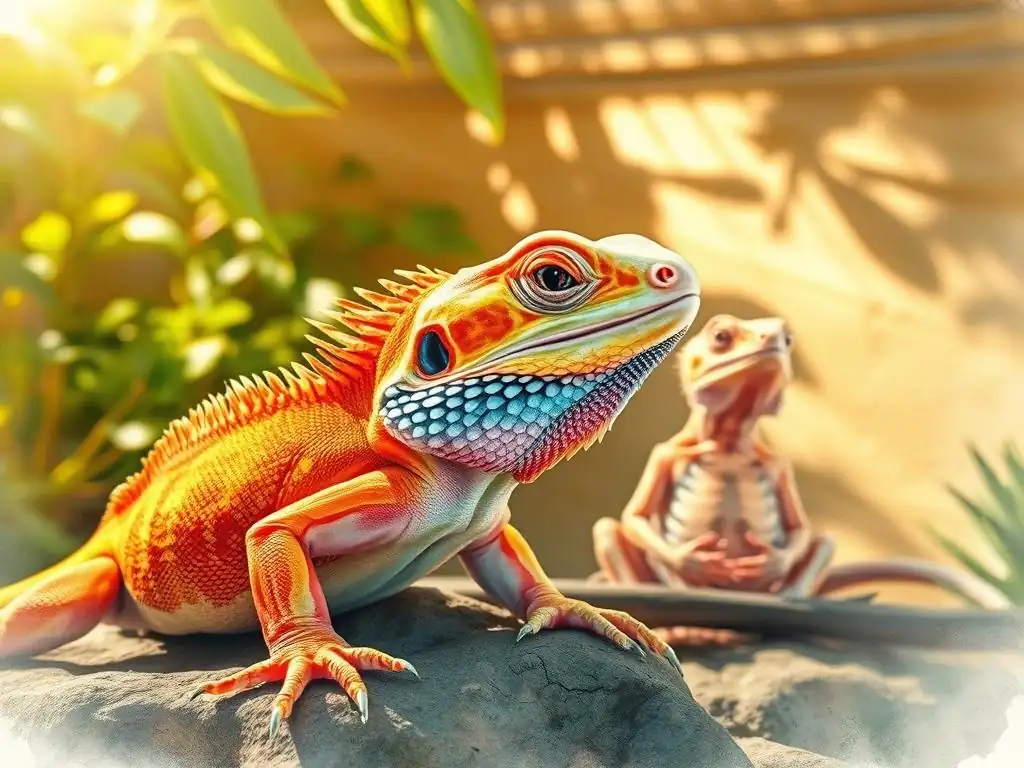
Regular veterinary check-ups are paramount in preventing Metabolic Bone Disease (MBD) and ensuring the overall health of your herbivorous reptile. Many pet owners mistakenly believe that as long as their reptile appears healthy, veterinary care isn't necessary. This couldn't be further from the truth. Early detection of MBD is crucial for effective treatment, and regular check-ups allow veterinarians to monitor your reptile's calcium and phosphorus levels, bone density, and overall health. A proactive approach significantly improves the chances of preventing MBD or catching it in its early stages before significant damage occurs.
Ignoring these essential check-ups can lead to delayed diagnosis, resulting in more severe MBD cases requiring more extensive and potentially less successful treatment. Veterinarians can also provide guidance on appropriate dietary supplements and UV-B lighting, crucial components of MBD prevention. Think of these visits as preventative maintenance – just like regular oil changes for a car, they help avoid costly and time-consuming repairs (or in this case, extensive veterinary interventions) down the line. During these examinations, the vet can also assess your reptile's overall condition, identifying other potential health issues that could indirectly contribute to MBD development.
Don't wait for symptoms to appear; schedule regular check-ups to actively prevent MBD and ensure your reptile thrives. The peace of mind alone is worth the investment in your pet's health. Remember, prevention is always better, and far less expensive, than cure when it comes to MBD.
Providing an Inappropriate UVB Light Source
Another critical mistake in preventing MBD is using the wrong type or insufficient UVB lighting. While UVB lighting is essential for vitamin D3 synthesis, crucial for calcium absorption, many pet owners make costly errors in this area. Using the incorrect bulb type, wattage, or placement can severely compromise its effectiveness. For instance, using a UVB bulb designed for larger enclosures in a smaller terrarium will result in insufficient UVB radiation reaching your reptile, hindering vitamin D3 production.
Conversely, placing the bulb too far from your reptile or using a bulb that is too weak will also render it ineffective. Furthermore, many inexpensive UVB bulbs may not emit the correct spectrum of UVB rays, even if they are marketed for reptiles. It's crucial to research the specific UVB requirements of your reptile species and invest in a high-quality bulb from a reputable manufacturer. Regularly checking and replacing your UVB bulb according to the manufacturer's recommendations is also vital, as their effectiveness diminishes over time.
A faded or old bulb, even if it still lights up, will not provide the necessary UVB radiation to prevent MBD. Ignoring these details can have serious long-term consequences for your reptile's health, leading to a higher risk of MBD and other related health issues. Choose quality over quantity – a properly functioning UVB bulb is a cornerstone of MBD prevention.
Inconsistent or Improper Calcium Supplementation
Consistent and accurate calcium supplementation is crucial in preventing MBD. Many pet owners make mistakes by either neglecting calcium supplementation altogether or administering it inconsistently or improperly. Simply dusting your reptile's food with calcium powder isn't enough; the frequency, amount, and type of calcium supplement should be tailored to the specific needs of your reptile species and its life stage. For example, young, growing reptiles require significantly more calcium than adult reptiles.
Furthermore, the type of calcium supplement matters. While calcium carbonate is widely available and affordable, it's less bioavailable than calcium gluconate or dicalcium phosphate. Using the wrong type of calcium supplement might not provide your reptile with the necessary amount of calcium, despite seemingly adequate supplementation. Inconsistent supplementation is just as detrimental.
Missing even a few days of supplementation can disrupt calcium levels and increase the risk of MBD. Therefore, establishing a consistent and appropriate supplementation schedule is vital and requires careful planning and adherence. Consult with a veterinarian or a reptile specialist to determine the appropriate supplementation protocol for your specific reptile. Remember, consistent and correct calcium supplementation is a fundamental pillar in preventing MBD.
Long-Term Strategies for Maintaining Bone Health
Preventing Metabolic Bone Disease (MBD) in herbivorous reptiles requires a proactive, long-term commitment to their dietary and healthcare needs. Simply providing a seemingly "correct" diet isn't sufficient; consistent monitoring, veterinary care, and adjustments based on individual needs are crucial for success. Ignoring these aspects significantly increases the risk of MBD, a debilitating and often fatal condition. Let's explore the key strategies for maintaining optimal bone health in your reptile companion.
Consistent Monitoring of Dietary Intake and Supplementation
Careful observation of your reptile's eating habits is paramount in preventing MBD. While providing a diverse range of appropriate greens, vegetables, and occasional fruits is essential, simply offering the food isn't enough. You must actively monitor consumption to ensure adequate intake of calcium and other vital nutrients. This involves:
- Weighing food portions: Accurately measuring the amount of food offered allows for consistent calcium and vitamin D3 supplementation. Inconsistent feeding can lead to nutritional deficiencies, increasing MBD risk.
- Observing eating patterns: Note any changes in appetite, food preferences, or the speed at which your reptile consumes its meals. Sudden changes could indicate underlying health issues, including early signs of MBD.
- Regular fecal examination: Analyzing your reptile's droppings can provide valuable insights into the absorption of nutrients. If calcium absorption is poor, it might suggest a need for dietary adjustments or supplementation changes. Consult your veterinarian for guidance on interpreting fecal analysis results.
- Maintaining a food log: Keeping a detailed record of the foods offered, quantities consumed, and any supplementation provided helps track nutritional intake over time. This data is invaluable in identifying potential issues and making informed adjustments. This meticulous approach is key to proactively preventing MBD.
Consider this example: A young green iguana might require a higher calcium-to-phosphorus ratio than an adult. Failing to adjust the diet and supplementation accordingly based on age and growth stage directly contributes to increased risk of MBD. Consistent monitoring and record-keeping allow for timely intervention before the disease manifests. 🍎🥕🥬
Regular Veterinary Checkups and Bloodwork
Preventative veterinary care is a cornerstone of MBD prevention. Regular checkups allow for early detection of any potential problems. This includes:
- Annual physical examinations: A thorough physical examination can reveal subtle signs of MBD, such as bone deformities or weakness, before they become severe.
- Bloodwork: Blood tests can assess calcium, phosphorus, and vitamin D3 levels, providing a direct measure of your reptile's nutritional status. Regular bloodwork is crucial for early detection of imbalances, allowing for timely intervention. This proactive approach minimizes the risk of MBD developing into a critical health issue.
- Radiographic imaging (X-rays): In some cases, X-rays can be used to assess bone density and identify early signs of bone abnormalities. This diagnostic tool provides a visual confirmation of the reptile's bone health, supplementing bloodwork data for a comprehensive evaluation.
Regular veterinary visits, combined with diligent monitoring of dietary intake, significantly improve your reptile's chances of avoiding MBD. ⚕️
Adjusting the Diet Based on Your Reptile's Age and Species
Dietary needs vary significantly depending on the species and life stage of your herbivorous reptile. A diet suitable for an adult green iguana is not necessarily appropriate for a juvenile, and the nutritional requirements of a bearded dragon differ from those of a red-footed tortoise. Therefore, understanding the specific needs of your reptile is crucial for successful MBD prevention.
- Species-specific dietary requirements: Research the specific dietary needs of your reptile species. Different species have vastly different calcium and phosphorus requirements, and providing an inappropriate diet can directly contribute to MBD development.
- Age-related dietary adjustments: Young, growing reptiles require a higher calcium-to-phosphorus ratio than adults. As your reptile matures, these requirements may change. Failing to adjust the diet accordingly can result in inadequate bone mineralization and increase MBD susceptibility.
- Using high-quality commercial reptile food: While a varied diet of fresh greens and vegetables is essential, high-quality commercial reptile foods can provide a consistent source of essential nutrients, including calcium and vitamins. However, it is crucial to always supplement with fresh produce.
Remember, consistent monitoring and adapting the diet to the specific needs of your reptile are key to preventing MBD. Ignoring these aspects significantly increases your reptile's risk of developing this potentially fatal condition. 🐢🌿
Creating an Environment that Promotes Healthy Bone Development
Providing a stimulating and appropriate environment is crucial in preventing Metabolic Bone Disease (MBD) and ensuring strong bone development in herbivorous reptiles. This goes beyond simply offering the right diet; it's about creating a holistic setup that encourages natural behaviors and minimizes stress. A stressed reptile is more likely to suffer from poor bone health, as stress hormones can interfere with calcium absorption and overall metabolic processes.
One critical aspect is proper UVB and UVA lighting. These lights are not interchangeable; they serve distinct purposes. UVB light is essential for vitamin D3 synthesis, a vital step in calcium absorption. Without adequate UVB exposure, even the best diet will be ineffective in preventing MBD. The intensity and duration of UVB exposure should be carefully tailored to the specific species of reptile, as requirements vary significantly.
For example, a bearded dragon requires a much higher intensity UVB bulb than a leopard gecko. Inadequate UVB lighting is a common cause of MBD, often overlooked by inexperienced keepers. Always use high-quality UVB bulbs and replace them regularly, as their effectiveness diminishes over time. Furthermore, ensure the bulb is positioned correctly to provide appropriate levels of UVB radiation to the basking spot.
Beyond lighting, maintaining the correct temperature gradient within the enclosure is equally vital. Herbivorous reptiles require a thermal gradient, allowing them to regulate their body temperature by moving between warmer and cooler areas. This thermal regulation is essential for optimal digestion and calcium metabolism. An insufficient temperature gradient can lead to digestive issues, hindering calcium absorption and increasing the risk of MBD. Providing appropriate basking spots with accurate temperature measurements using reliable thermometers is crucial. Remember that the temperature should be measured at the basking spot, not just in the air.
Finally, substrate selection plays a role. While the substrate itself won't directly prevent MBD, it can influence the overall hygiene and cleanliness of the enclosure. A clean environment minimizes the risk of bacterial or parasitic infections that can weaken the immune system and indirectly contribute to poor bone health. Choose a substrate appropriate for your reptile's species, ensuring it is easily cleaned and disinfected.
Avoid substrates that can be ingested and cause impaction, a problem that can further complicate already compromised bone health. Regular cleaning and disinfection of the enclosure are crucial to maintain a healthy environment and minimize the risk of secondary health problems that can exacerbate MBD. The goal is to create a thriving habitat that supports the reptile's natural behaviors and optimal physiological function, thereby reducing the risk of MBD and promoting robust bone development.
Frequently Asked Questions
What is Metabolic Bone Disease (MBD)?
Metabolic Bone Disease (MBD) is a severe nutritional disorder affecting reptiles and other animals, primarily caused by inadequate calcium and vitamin D3 intake, leading to weakened bones and skeletal deformities. Early detection and treatment are crucial.
How can I prevent MBD in my reptile?
Prevention focuses on providing a balanced diet rich in calcium and vitamin D3. This includes offering appropriate calcium supplements and ensuring proper UVB lighting to aid in vitamin D3 synthesis. Consult a veterinarian for species-specific guidance.
What are the signs of MBD in reptiles?
Symptoms can include bone deformities, such as bowed legs or a curved spine, muscle weakness, lethargy, and difficulty moving. If you notice any of these signs, seek veterinary attention immediately.
What role does UVB lighting play in preventing MBD?
UVB lighting is essential for reptiles to synthesize vitamin D3, which is crucial for calcium absorption. Without proper UVB exposure, even with sufficient dietary calcium, MBD can develop. Choose a UVB bulb appropriate for your reptile's species.
Are all reptiles equally susceptible to MBD?
While many reptiles are prone to MBD, certain species are more vulnerable than others due to their specific dietary needs and metabolic rates. Always research the specific requirements of your reptile to tailor a preventative care plan.
Final Reflection: Nourishing Bones, Nourishing Futures
Understanding and preventing metabolic bone disease is not merely a medical imperative; it's a crucial step towards ensuring healthy, active lives for generations to come. The rising prevalence of osteoporosis and related conditions underscores the urgent need for proactive strategies, particularly focusing on nutritional interventions discussed throughout this article. Ignoring this growing health crisis will have far-reaching consequences on healthcare systems and individual well-being.
The impact of diet on bone health is profound and often underestimated. We've explored the intricate relationship between nutrition and bone density, highlighting the critical role of calcium, vitamin D, and other essential nutrients. The body is your temple. Keep it pure and clean for the soul to reside in.
This ancient wisdom rings particularly true when considering the long-term health of our skeletal system. Our choices today directly influence the strength and resilience of our bones in the years to come, shaping our mobility, independence, and overall quality of life.
Now, consider your own dietary habits. Are you providing your body with the building blocks it needs to maintain strong, healthy bones? This article has provided a framework for understanding the nutritional requirements for optimal bone health. Take this knowledge and empower yourself to make informed choices. Consult with your healthcare provider to assess your individual needs and develop a personalized plan. Remember, investing in your bone health today is an investment in a healthier, more vibrant future.
Unlock Your Pet's Bone Health Potential
Thank you for learning about metabolic bone disease and the crucial role of nutrition in your pet's health. You've gained valuable insights into prevention and ensuring a happy, healthy life for your furry friend. Now, let's put this knowledge into practice!
- Create a personalized nutrition plan: Carefully assess your pet's current diet and make adjustments based on the information in this article. A consultation with your veterinarian is highly recommended for tailored guidance, as this is crucial for your pet's bone health.
- Share your knowledge: Spread the word! Discuss this information with other pet owners, particularly those with similar breeds or concerns. Together, we can build a healthier community for our beloved animals.
- Continue your research: Explore the specific nutritional needs of your pet's breed by researching breed-specific dietary guidelines online or consulting your veterinarian.
Ready to take the next step towards a stronger, healthier future for your pet? What dietary changes will you make first?