
Toxic Foods for Herbivorous Reptiles: What to Avoid at All Costs

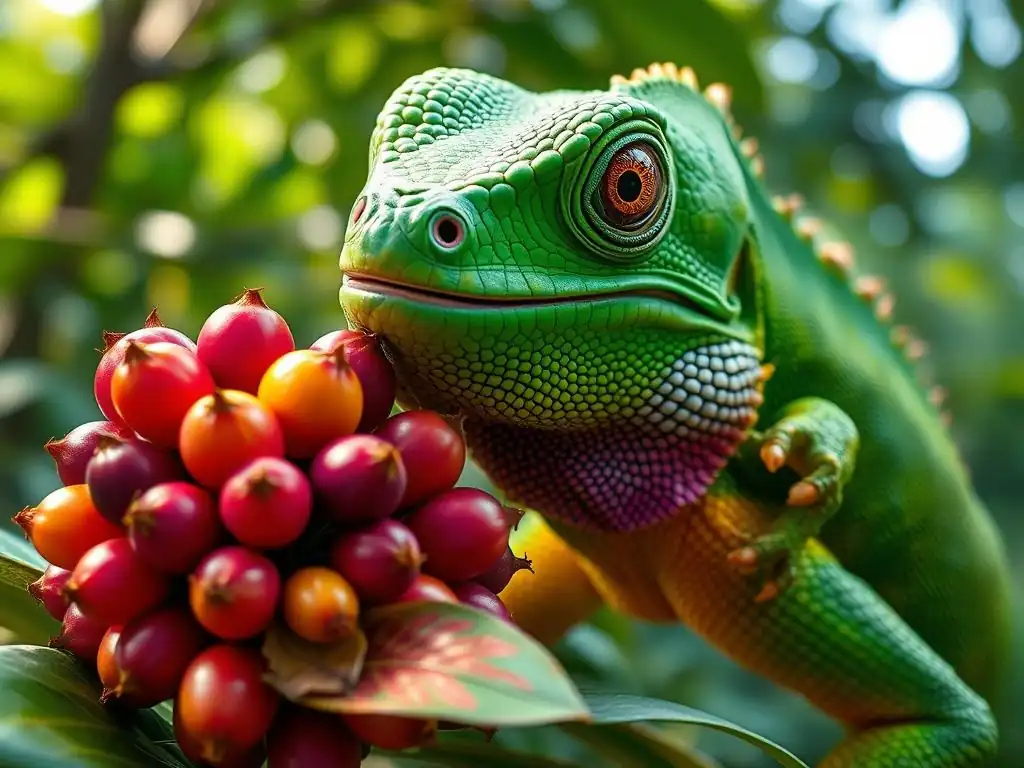
Welcome to PetCareWorld, your ultimate guide to the wonderful world of pet care! Are you ready to delve into the fascinating—and sometimes crucial—details of keeping your scaly companions healthy and happy? Then you've come to the right place. We're diving deep into the critical subject of toxic foods for herbivorous reptiles, exploring which common ingredients can pose serious threats to your beloved reptile. Discover what to avoid at all costs and ensure your pet thrives under your care. Let's unlock the secrets to their well-being, together!
- Understanding Dietary Needs of Herbivorous Reptiles
- Toxic Foods to Avoid: A Comprehensive List
- Recognizing Symptoms of Toxic Food Ingestion in Herbivorous Reptiles
- Creating a Safe and Nutritious Diet for Your Herbivorous Reptile
- Long-Term Care and Prevention of Toxic Food Intake
-
Frequently Asked Questions
- What are some common toxic foods for herbivorous reptiles?
- Are all leafy greens safe for my herbivorous reptile?
- My herbivore ate something toxic, what should I do?
- How can I ensure my herbivorous reptile gets a balanced diet?
- Where can I find a reliable list of safe foods for my herbivorous reptile?
- Final Reflection: A Legacy of Healthy Greens: Protecting Our Herbivorous Companions
- Unleash Your Reptile's Radiant Health: Take Action Now!
Understanding Dietary Needs of Herbivorous Reptiles
Herbivorous reptiles, unlike their carnivorous or omnivorous counterparts, rely entirely on plant matter for their nutritional needs. Providing a balanced and varied diet is crucial for their health, growth, and overall well-being. A lack of understanding regarding the specific nutritional requirements and potential toxicities within plant-based diets can lead to serious health issues, including metabolic bone disease (MBD), vitamin deficiencies, and even death.
This comprehensive guide will delve into the essential nutrients required by herbivorous reptiles, common dietary mistakes to avoid, and a detailed look at identifying safe and unsafe plant materials for your scaly companions. Understanding these aspects is paramount to ensuring a long and healthy life for your herbivorous reptile. Successfully navigating the complexities of their dietary needs means providing them with the best possible care and enriching their lives.
This guide is designed to empower pet owners to make informed decisions, ultimately contributing to the thriving health of their beloved reptiles. Let's explore the intricacies of proper nutrition for these fascinating creatures.
Essential Nutrients for Healthy Herbivore Reptiles
Herbivorous reptiles require a diverse range of nutrients to thrive. Their diet must include a balanced mix of vitamins, minerals, and fiber to support optimal bone health, digestive function, and overall vitality. These crucial nutrients are not equally distributed across all plant species, highlighting the importance of dietary variety.
A diet lacking in essential nutrients can manifest in various health problems. For example, a deficiency in calcium and vitamin D3 can lead to metabolic bone disease (MBD), a debilitating condition characterized by weakened bones and skeletal deformities. Similarly, insufficient fiber can result in digestive issues, such as constipation and impaction.
Specific nutrient requirements vary depending on the species of herbivorous reptile. For instance, green iguanas have different needs than bearded dragons, even though both are herbivores. It's crucial to research the specific dietary needs of your reptile species to ensure you are providing a complete and balanced diet. This often involves consulting reputable reptile care guides, veterinary specialists, and experienced reptile keepers. Providing a diet tailored to your reptile's specific needs will significantly contribute to its overall health and longevity. Remember, a healthy diet is the cornerstone of responsible reptile ownership.
A well-balanced diet should ideally include a variety of leafy greens, vegetables, and fruits, providing a broad spectrum of vitamins and minerals. Supplementation may also be necessary, depending on the specific dietary components, to ensure the reptile receives all the nutrients it needs. Always consult with a veterinarian experienced in reptile care before introducing any supplements to your reptile's diet. They can advise on the appropriate type and dosage based on your reptile's species, age, and overall health.
Common Mistakes in Herbivore Reptile Diets
Many well-intentioned pet owners inadvertently make mistakes that can negatively impact the health of their herbivorous reptiles. One of the most common errors is providing a monotonous diet, consisting primarily of a single type of plant. This practice significantly increases the risk of nutritional deficiencies and imbalances. Another frequent mistake is overfeeding fruits, which are high in sugar and can contribute to digestive upset and obesity. Fruits should be offered sparingly, as a treat rather than a staple food source.
Another common pitfall is feeding inappropriate plant matter. Many common household plants are toxic to reptiles, and even some seemingly safe plants can cause digestive problems if consumed in large quantities. Always carefully research the safety of any plant before introducing it to your reptile's diet. Avoid offering plants that have been treated with pesticides or herbicides, as these chemicals can be harmful to your reptile. Furthermore, ensure the plants are thoroughly cleaned to remove any dirt or debris that could contaminate the food.
Finally, neglecting to provide access to clean drinking water is a critical error. Dehydration can quickly lead to severe health problems in reptiles. Always ensure your reptile has access to fresh, clean water at all times. Regularly clean and replace the water to prevent bacterial growth. Paying close attention to these details and avoiding these common mistakes will significantly contribute to the well-being of your herbivorous reptile.
Identifying Safe and Unsafe Plant Matter
Identifying safe and unsafe plant matter for your herbivorous reptile is crucial for their health and survival. While many plants offer beneficial nutrients, others contain toxins that can cause illness or death. Thorough research and a cautious approach are essential. A good starting point is to consult reputable resources on reptile nutrition, which often provide comprehensive lists of safe and unsafe plants for various reptile species. However, always exercise caution and double-check information from multiple sources before introducing a new plant to your reptile's diet.
It's important to note that the toxicity of plants can vary depending on the species of reptile. A plant that is safe for one species might be toxic to another. Therefore, it's crucial to research the specific needs of your reptile. Additionally, the preparation of the plants also matters. Always wash the plants thoroughly to remove any pesticides, herbicides, or dirt that could be harmful to your reptile. Avoid offering plants that have been treated with chemicals.
Here's a simple guide to help you differentiate:
| Plant Category | Safe Examples | Unsafe Examples | Notes |
|---|---|---|---|
| Leafy Greens | Kale, collard greens, dandelion greens | Rhubarb, spinach (in large quantities) | Variety is key; avoid oxalates in excess |
| Vegetables | Bell peppers, zucchini, carrots | Avocados, onions, garlic | Introduce new vegetables gradually. |
| Fruits (in moderation) | Mango (small amounts), berries (small amounts) | Grapes, avocados, citrus fruits | High sugar content; offer sparingly as a treat. |
Remember, this table is not exhaustive, and further research is essential based on your specific reptile's needs. When in doubt, err on the side of caution and consult with a veterinarian experienced in reptile care. The health and well-being of your herbivorous reptile depend on your careful attention to their dietary needs. Providing a safe and nutritious diet is a crucial aspect of responsible reptile ownership.
Toxic Foods to Avoid: A Comprehensive List
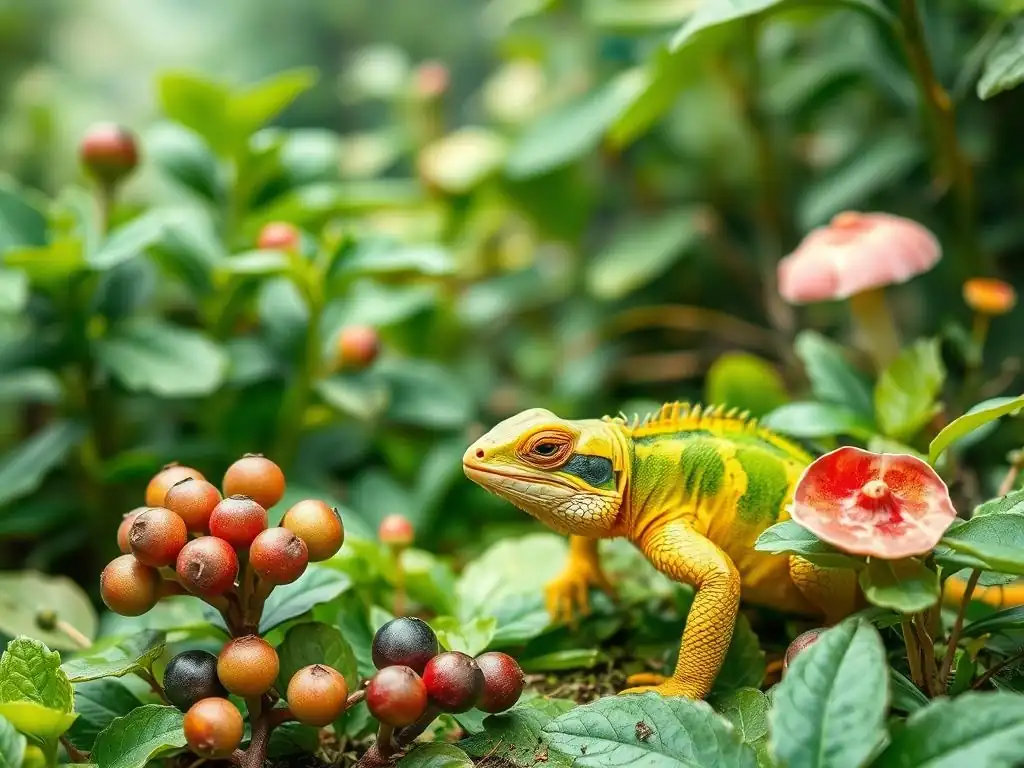
This section details common foods toxic to herbivorous reptiles. Ingestion of these substances can lead to anything from mild digestive upset to severe illness and even death. Always prioritize providing a diet consisting of safe, pesticide-free, and species-appropriate plants. Remember, even seemingly harmless foods can be dangerous for reptiles if improperly prepared or contaminated. Understanding which foods to avoid is crucial for responsible reptile ownership and ensuring the longevity and well-being of your scaled companions. This list is not exhaustive, and consulting with a veterinarian specializing in reptiles is always recommended.
Toxic Plants for Herbivorous Reptiles
Many common garden plants and houseplants are highly toxic to herbivorous reptiles. Even a small amount ingested can cause significant problems. Avoid these plants completely:
- Rhubarb (Rheum rhabarbarum): Contains oxalic acid, which is highly toxic and can cause kidney failure. All parts of the plant are dangerous.
- Azaleas and Rhododendrons (Rhododendron spp.): Contain grayanotoxins, which affect the nervous system and heart. These can lead to paralysis and death.
- Oleander (Nerium oleander): Extremely toxic, even in small amounts. All parts of the plant contain cardiac glycosides, leading to cardiac arrest.
- Ivy (Hedera helix): Contains saponins, which can cause vomiting, diarrhea, and dehydration.
- Daffodils (Narcissus spp.): Contain lycorine, which can cause vomiting, diarrhea, and tremors.
It's crucial to thoroughly research any plant before offering it to your reptile. Even seemingly harmless plants can contain toxins in varying concentrations depending on the species, growth stage, and environmental factors. When in doubt, leave it out! A safe bet is to stick to commercially available reptile-safe plants and vegetables. Consider creating a designated reptile-safe garden area to minimize the risk of accidental ingestion of toxic plants.
Foods to Avoid Due to Pesticide Contamination
Pesticide residues on fruits, vegetables, and other plant matter pose a significant threat to herbivorous reptiles. Their delicate digestive systems are particularly susceptible to the harmful effects of these chemicals. Always wash produce thoroughly before offering it to your reptile, but even this may not eliminate all traces of pesticides.
Choosing organically grown produce significantly reduces the risk of pesticide exposure. Look for certifications that guarantee pesticide-free cultivation. Consider growing your own reptile-safe plants to ensure complete control over their growing conditions and eliminate the risk of pesticide contamination altogether. Furthermore, always thoroughly inspect produce for any signs of pest damage or unusual discoloration before offering it to your reptile.
| Food Type | Pesticide Risk | Safe Alternatives |
|---|---|---|
| Leafy Greens | High | Organically grown kale, collard greens, mustard greens |
| Berries | Moderate | Organically grown blueberries, raspberries (in moderation) |
| Squash and Zucchini | Moderate | Organically grown varieties |
Remember, even a small amount of pesticide exposure can accumulate over time and negatively impact your reptile's health. Prioritize safety and opt for organically grown produce whenever possible.
Dangerous Fruits and Vegetables for Herbivorous Reptiles
While many fruits and vegetables are suitable for herbivorous reptiles, some should be avoided or offered only in moderation due to their high sugar content, oxalic acid content, or other potential negative effects.
- Avocado (Persea americana): Contains persin, which is toxic to many animals, including reptiles.
- Onions and Garlic (Allium spp.): Contain thiosulphates, which can damage red blood cells.
- Rhubarb (Rheum rhabarbarum): (Repeated from above for emphasis) Contains oxalic acid, which can cause kidney failure.
- High-sugar fruits (grapes, bananas, mangoes): Should be offered sparingly, if at all, due to their potential to cause digestive upset and contribute to obesity.
Always introduce new foods gradually and monitor your reptile closely for any adverse reactions. A balanced diet consisting of a variety of safe, appropriate plants is crucial for maintaining your reptile's health and preventing nutritional deficiencies. Remember, a diverse diet is key to a thriving reptile. 🍎🥕🥬🐍
The Dangers of Processed Foods and Supplements for Herbivores
Processed foods and supplements designed for humans or even other animals are often laden with ingredients highly toxic to herbivorous reptiles. These ingredients can manifest in several dangerous ways. For example, many processed foods contain high levels of sodium, which can lead to severe dehydration and electrolyte imbalances in reptiles.
This is particularly dangerous because reptiles rely on maintaining a precise balance of electrolytes for proper organ function. Symptoms of sodium toxicity can range from lethargy and loss of appetite to seizures and even death. The delicate digestive systems of herbivorous reptiles are simply not equipped to handle the artificial additives, preservatives, and high sugar content often found in human-grade processed foods.
Furthermore, the nutritional content of processed foods is often unpredictable and unbalanced. Herbivorous reptiles require a specific ratio of vitamins, minerals, and fiber to thrive. Processed foods rarely meet these exacting requirements, leading to nutritional deficiencies that weaken their immune systems and increase their susceptibility to diseases. These deficiencies can manifest as slow growth, skeletal deformities, and a compromised ability to fight off infections. Even seemingly benign ingredients like onions and garlic, which are common in many human foods, are highly toxic to reptiles and can cause anemia and damage to their red blood cells.
Similarly, supplements intended for other animals or humans should be strictly avoided unless specifically prescribed by a reptile veterinarian. The dosage and formulation are rarely appropriate for reptiles, and an overdose of certain vitamins or minerals can be incredibly harmful. For instance, excessive vitamin A can lead to liver damage and bone deformities, while an excess of calcium can cause kidney stones. Always prioritize providing a balanced diet of fresh, appropriate vegetables and fruits, ensuring your reptile receives the necessary nutrients naturally rather than relying on potentially harmful supplements.
Consulting with a reptile veterinarian experienced in nutrition is crucial to ensure your herbivorous reptile is receiving a diet tailored to its specific needs and avoids any potentially toxic ingredients. Remember, a healthy and balanced diet is the cornerstone of a happy and thriving reptile. The risks associated with processed foods and improperly administered supplements far outweigh any perceived convenience.
Recognizing Symptoms of Toxic Food Ingestion in Herbivorous Reptiles

Recognizing the signs of toxic food ingestion in your herbivorous reptile is crucial for timely intervention. Early detection significantly improves the chances of successful treatment. While symptoms can vary depending on the specific toxin and the reptile's species, some common indicators warrant immediate attention. The severity of symptoms also depends on factors like the amount of toxic food ingested and the reptile's overall health. Remember, even seemingly minor changes in behavior can be a warning sign. Always err on the side of caution. Prompt action can save your pet's life.
Common Signs of Poisoning in Herbivorous Reptiles
Poisoning in herbivorous reptiles can manifest in a variety of ways. Some common signs include:
- Lethargy and Weakness: A significant decrease in activity levels, reluctance to move, and overall weakness are common indicators. Your usually active reptile might spend most of its time hiding or lying still. This is often one of the earliest signs.
- Changes in Appetite: Loss of appetite or a sudden refusal to eat their usual diet is a major red flag. This could be accompanied by vomiting or regurgitation, though this is less common in herbivores than carnivores.
- Gastrointestinal Distress: This can include diarrhea, constipation, or unusual bloating. Observe your reptile's droppings carefully for changes in color, consistency, or frequency. Bloody stools are particularly alarming.
- Respiratory Problems: Difficulty breathing, labored breathing, or unusual wheezing are serious signs requiring immediate veterinary attention. This may indicate damage to the respiratory system due to the toxin.
- Neurological Symptoms: These can range from tremors and seizures to paralysis and disorientation. These are often later stage symptoms and indicate severe poisoning.
- Changes in Skin Color and Texture: A change in the reptile's skin color, such as unusual paleness or darkening, can also be indicative of poisoning. Similarly, changes in skin texture, such as excessive dryness or scaling, should be noted.
- Dehydration: This is a common consequence of poisoning, often manifesting as sunken eyes and loss of skin elasticity. Dehydration can quickly become life-threatening.
Immediate Actions to Take if Poisoning is Suspected
If you suspect your herbivorous reptile has ingested a toxic food, immediate action is vital. Follow these steps:
- Remove the suspected toxic food: Immediately remove any remaining toxic food from the enclosure. This prevents further ingestion and potential worsening of the situation.
- Isolate the reptile: Move your reptile to a separate, clean enclosure to prevent contamination and stress. A quiet, dark environment can help reduce anxiety.
- Contact your veterinarian: Do not delay contacting a reptile veterinarian specializing in herbivores. Provide them with as much information as possible, including the suspected toxic food, the amount ingested (if known), and the observed symptoms.
- Document symptoms: Keep a detailed record of all symptoms observed, including the time of onset and any changes over time. This information will be invaluable to your veterinarian.
- Avoid home remedies: Do not attempt to treat your reptile at home. Improper treatment can worsen the situation and complicate veterinary care.
- Transport carefully: When transporting your reptile to the veterinary clinic, ensure it is kept warm and secure to minimize stress.
Veterinary Care for Herbivore Reptile Poisoning
Veterinary care for herbivore reptile poisoning is crucial and often involves supportive treatment to manage symptoms and aid recovery. The veterinarian will likely conduct a thorough physical examination, possibly including blood work and other diagnostic tests to assess the severity of the poisoning and identify the specific toxin involved.
Treatment may include:
- Fluid therapy: Intravenous fluids are often administered to combat dehydration and support vital organ function.
- Activated charcoal: This can help absorb toxins in the digestive tract.
- Gastric lavage: In some cases, the veterinarian may induce vomiting to remove the toxic substance from the stomach.
- Medication: Depending on the specific toxin and the reptile's condition, medication might be prescribed to manage symptoms such as pain, inflammation, or seizures.
- Supportive care: This can include providing a warm, humid environment, assisting with feeding, and monitoring vital signs until the reptile recovers.
The prognosis will depend on several factors, including the type and amount of toxin ingested, the reptile's overall health, and the timeliness of veterinary intervention. Early and decisive action significantly improves the chances of a successful outcome. Remember, prevention is key. By carefully researching and providing a safe, appropriate diet, you can minimize the risk of toxic food ingestion in your herbivorous reptile.
Creating a Safe and Nutritious Diet for Your Herbivorous Reptile

Providing a safe and nutritious diet is paramount to the health and longevity of your herbivorous reptile. Many seemingly harmless plants can be toxic, leading to serious health problems or even death. Understanding which foods to avoid and how to properly prepare safe options is crucial for responsible reptile ownership.
This section delves into the specifics of creating a balanced and safe diet, focusing on plant selection, preparation, and essential supplementation. Remember, always consult with a veterinarian specializing in reptiles before making significant changes to your reptile's diet, especially if you notice any signs of illness or digestive upset. Early detection and intervention are key to successful treatment.
Selecting Safe Plant Sources for Your Reptile's Diet
The foundation of a healthy herbivorous reptile diet lies in selecting safe and nutritious plant sources. Avoid plants from the wild unless you are absolutely certain of their identification, as many common wild plants contain toxins dangerous to reptiles. Instead, opt for commercially available reptile-safe plants or cultivate your own from reputable seed sources. This ensures you are providing food free from pesticides and herbicides, which can be harmful to your pet.
Here's a list of generally safe plant options for herbivorous reptiles, categorized for ease of understanding:
- Leafy Greens: Many dark, leafy greens are excellent choices, providing essential vitamins and minerals. Examples include:
- Kale
- Collard greens
- Mustard greens
- Dandelion greens (ensure pesticide-free)
- Turnip greens
- Flowers: Certain flowers offer nutritional value and variety. Always ensure they are pesticide-free and organically grown:
- Hibiscus flowers
- Nasturtium flowers and leaves
- Calendula flowers
- Other Vegetables: Include a variety of vegetables for a well-rounded diet:
- Zucchini
- Yellow squash
- Bell peppers (avoid green peppers, which are lower in nutrients)
- Carrots (in moderation, as they are high in sugar)
It's crucial to rotate the types of plants you offer to ensure a diverse range of nutrients. Avoid feeding only one type of plant consistently, as this can lead to nutritional deficiencies. Remember, variety is key to a healthy diet.
Proper Food Preparation and Handling Techniques
Proper preparation and handling of your reptile's food are just as important as selecting the right plants. Thoroughly wash all plants under cool running water to remove any dirt, pesticides, or other contaminants. Avoid using soap or detergents, as the residue can harm your reptile.
Consider using a food-grade, reptile-safe disinfectant to further sanitize the plants, especially if you're unsure of their origin. Always carefully inspect the plants for any signs of pests or disease before offering them to your reptile. Discard any damaged or wilted leaves.
The size of the food pieces is also important. Larger reptiles can handle larger pieces of food, but smaller reptiles may need their food chopped or shredded to prevent choking hazards. Always supervise your reptile during feeding time to ensure they are eating safely and efficiently. Remove any uneaten food after a few hours to prevent bacterial growth.
Supplementing Your Herbivore Reptile's Diet with Essential Nutrients
Even with a diverse diet of safe plants, supplementation may be necessary to ensure your herbivorous reptile receives all the essential nutrients it needs. Calcium and Vitamin D3 are particularly crucial for bone health and overall well-being. A lack of these nutrients can lead to metabolic bone disease (MBD), a serious and often fatal condition.
You can supplement your reptile's diet using commercially available reptile supplements, following the instructions carefully. It’s important to understand the specific needs of your reptile species, as supplementation requirements vary. Over-supplementation can be just as harmful as under-supplementation, so precise measurement is crucial.
Consider the following factors when choosing supplements:
| Nutrient | Importance | Potential Deficiency Symptoms |
|---|---|---|
| Calcium (Ca) | Bone health, muscle function, egg production | Lethargy, muscle weakness, bone deformities, soft shell disease |
| Vitamin D3 | Calcium absorption, bone health | Similar symptoms to calcium deficiency |
| Vitamin A | Immune function, vision, growth | Respiratory infections, poor growth, skin problems |
| Vitamin K | Blood clotting | Bleeding problems |
Regular veterinary checkups are essential to monitor your reptile's health and ensure its nutritional needs are being met. Your veterinarian can perform blood tests to assess nutrient levels and recommend appropriate supplementation strategies. Remember, proactive care is always better than reactive treatment when it comes to your pet's health.
Monitoring Your Reptile's Health and Adjusting the Diet Accordingly
Regularly monitoring your herbivorous reptile's health is crucial for ensuring they receive the proper nutrition. A healthy reptile will exhibit vibrant colors, clear eyes, and a good appetite. Their skin should be smooth and free from sores or lesions. Weight monitoring is also essential; a consistent weight indicates a balanced diet, while significant weight loss or gain warrants veterinary attention. Keep detailed records of your reptile's weight, diet, and any observed behavioral changes. This meticulous record-keeping will prove invaluable in identifying potential dietary deficiencies or imbalances quickly.
Regular fecal examinations can help detect parasites or digestive issues that may indicate dietary problems. For example, the presence of undigested plant matter in the feces might suggest a need to adjust the types or proportions of vegetables and fruits in their diet. Similarly, changes in stool consistency (too watery or too firm) can also point to dietary imbalances requiring immediate attention. Your veterinarian can advise on the frequency and methods for collecting and analyzing fecal samples.
Beyond fecal analysis, regular visual inspections are vital. Observe your reptile's behavior carefully. Lethargy, decreased appetite, or changes in shedding patterns can all be indicators of underlying health issues, potentially linked to nutritional deficiencies. For instance, a sudden drop in appetite coupled with lethargy might suggest a problem with the gut flora, possibly caused by an unsuitable dietary component. Early detection and intervention are key to preventing serious complications.
Don't hesitate to consult a veterinarian specializing in reptiles if you notice any concerning changes in your reptile's health, no matter how seemingly insignificant they might appear. Early intervention can often make a significant difference in the outcome. Remember, proactive monitoring is the cornerstone of responsible reptile ownership and ensures the longevity and well-being of your scaly companion. Prevention is always better than cure when it comes to maintaining the health of your herbivorous reptile.
Long-Term Care and Prevention of Toxic Food Intake

Maintaining the health of your herbivorous reptile requires a proactive approach to diet management. Simply avoiding toxic foods isn't enough; a comprehensive strategy encompassing consistent feeding, thorough knowledge of safe options, and regular veterinary care is crucial for long-term well-being. Ignoring these preventative measures can lead to serious health complications, including organ damage, metabolic bone disease (MBD), and even death. This section will detail the key components of a preventative care plan to minimize the risk of toxic food ingestion. Remember, prevention is always better—and cheaper—than cure when it comes to your reptile's health.
Establishing a Consistent Feeding Schedule
A regular feeding schedule is paramount in preventing accidental ingestion of toxic foods. A consistent routine helps establish healthy eating habits and minimizes opportunities for your reptile to explore and potentially consume unsafe materials. The frequency of feeding depends on the species and age of your reptile, but generally, younger reptiles require more frequent feedings than adults. For example, juvenile iguanas may need to eat daily, while adults can be fed every other day or even less frequently.
- Consistency is Key: Aim for the same feeding time each day. This predictability helps regulate your reptile's digestive system and reduces stress.
- Portion Control: Overfeeding can lead to obesity and related health issues. Research the appropriate portion size for your specific reptile species and age. A slightly underfed reptile is generally healthier than an overfed one.
- Observe Eating Habits: Pay close attention to your reptile's eating habits. Changes in appetite or feeding patterns can indicate underlying health problems, warranting a veterinary visit.
- Fresh Food Only: Always provide fresh, high-quality food. Avoid leaving uneaten food in the enclosure for extended periods, as it can spoil and become toxic.
Educating Yourself on Safe Plants and Foods
Thorough knowledge of safe and toxic plants and foods is fundamental to responsible herbivorous reptile care. Many common plants, even seemingly harmless ones, can be highly toxic to reptiles. This requires diligent research specific to your reptile species. A single mistake can have devastating consequences.
- Species-Specific Diets: The dietary needs of herbivorous reptiles vary greatly depending on the species. An iguana's diet differs significantly from that of a tortoise or a bearded dragon. Never assume that a food safe for one species is safe for another.
- Reliable Resources: Consult reputable sources for information on safe foods for your specific reptile. Veterinary professionals and specialized reptile books and websites are invaluable resources.
- Plant Identification: If you are foraging plants for your reptile, be absolutely certain of their identification. Misidentification can lead to accidental poisoning. When in doubt, leave it out.
- Preparation is Crucial: Thoroughly wash all plants before feeding them to your reptile to remove pesticides, herbicides, and other potentially harmful substances.
Regular Veterinary Checkups for Your Herbivorous Reptile
Regular veterinary checkups are essential for preventative care and early detection of any health problems. A veterinarian specializing in reptiles can provide personalized advice on diet, conduct thorough physical examinations, and perform necessary diagnostic tests. Early detection of issues is crucial for successful treatment and improved long-term health outcomes.
- Annual Checkups: Schedule annual checkups to monitor your reptile's overall health and address any concerns.
- Early Detection: Regular checkups can help detect subtle signs of illness before they become serious.
- Specialized Care: Find a veterinarian with experience in reptile care. Not all veterinarians are equally equipped to handle reptile health issues.
- Symptom Awareness: Learn to recognize common symptoms of illness in your reptile, such as lethargy, loss of appetite, and changes in bowel movements. These are important indicators that warrant immediate veterinary attention. Early intervention can significantly improve the chances of a full recovery.
Remember, responsible ownership of a herbivorous reptile involves a commitment to ongoing learning and preventative care. By diligently following these guidelines, you can significantly reduce the risk of your reptile ingesting toxic foods and ensure a long, healthy life for your scaled companion. 🦎
Frequently Asked Questions
What are some common toxic foods for herbivorous reptiles?
Many common human foods are toxic to herbivorous reptiles. Avoid avocado, onions, garlic, and chocolate. Always research specific dietary needs for your reptile species.
Are all leafy greens safe for my herbivorous reptile?
No, while many leafy greens are beneficial, some can be harmful. Rhubarb, spinach, and lettuce (in large quantities) contain oxalates that can be detrimental. Offer a varied diet of safe greens.
My herbivore ate something toxic, what should I do?
Immediately contact your veterinarian or a reptile specialist. The sooner treatment begins, the better the chances of recovery. Describe what your reptile ate and observe its behavior closely.
How can I ensure my herbivorous reptile gets a balanced diet?
Research your reptile's specific dietary needs. Offer a diverse mix of safe vegetables, fruits, and flowers. Supplement with calcium and other essential vitamins as recommended by your vet.
Where can I find a reliable list of safe foods for my herbivorous reptile?
Consult reputable sources like your veterinarian, experienced reptile breeders, or reliable online resources dedicated to reptile care (like PetCareWorld!). Avoid relying solely on anecdotal evidence.
Final Reflection: A Legacy of Healthy Greens: Protecting Our Herbivorous Companions
The health and well-being of our herbivorous reptiles are inextricably linked to the quality of their diet, a fact that resonates with increasing urgency in today's world. A single mistake in feeding can have devastating consequences, highlighting the critical need for informed and responsible reptile ownership. Understanding what constitutes toxic food is not just a matter of responsible pet care; it's a commitment to the ethical treatment of these fascinating creatures.
The impact of improper feeding on herbivorous reptiles extends far beyond the individual animal; it affects the entire ecosystem of captive breeding and conservation efforts. The knowledge shared in this article is vital for ensuring the survival and thriving of these species, both in captivity and, potentially, in the wild. The fate of a species is often tied to the fate of its habitat, and the health of its individuals is the cornerstone of that habitat's resilience.
This quote underscores the interconnectedness of responsible pet ownership and broader ecological concerns.
Now, consider your own role in this delicate balance. Are you ready to make informed choices about the food you provide your herbivorous reptile? Take the time to review the information presented, consult with experienced herpetologists, and commit to providing a diet that supports the health and longevity of your scaly companion. The future of these magnificent creatures depends, in part, on the choices we make today. Let's ensure that future is bright and healthy.
Unleash Your Reptile's Radiant Health: Take Action Now!
Thank you for exploring the world of herbivorous reptile care with us! You've gained valuable knowledge about avoiding toxic foods. Let's put this knowledge into practice to ensure your scaly companion thrives.
- Prioritize a safe diet: Carefully examine your reptile's current diet, removing any potentially harmful foods. This is the most crucial step you can take. For example, ensure you're not feeding plants treated with pesticides or herbicides.
- Share your experience: Tell us about your transition to a safer diet. What changes have you implemented, and what are the results? Sharing your journey helps other reptile owners.
- Deepen your knowledge: Explore reputable sources for more information on reptile nutrition. What additional insights or feeding strategies have you discovered? Consider consulting veterinary specialists or experienced reptile keepers for expert advice.
Ready to give your herbivore the healthiest life possible? What's the first dietary change you'll make today?