
Exotic Pet Supplements: When and Why to Use Them

Welcome to PetCareWorld, your ultimate guide to a happier, healthier life for your beloved companion! Are you looking for the secret to keeping your exotic pet thriving? Then dive into our expert advice on best exotic pet supplements, exploring when and why these vital additions can make all the difference. Discover the crucial role supplementation plays in ensuring optimal health and well-being for your unique pet – read on to unlock the knowledge you need!
- Understanding Your Exotic Pet's Nutritional Needs
- Best Exotic Pet Supplements: A Comprehensive Guide
- When to Consider Exotic Pet Supplements
- Choosing the Right Exotic Pet Supplements
- Integrating Supplements into Your Exotic Pet's Diet
- Potential Risks and Side Effects of Exotic Pet Supplements
- Frequently Asked Questions
- Final Reflection: Nurturing the Extraordinary: A Holistic Approach to Exotic Pet Care
- Unlock Your Exotic Pet's Full Potential
Understanding Your Exotic Pet's Nutritional Needs
Providing optimal care for exotic pets goes far beyond simply offering food and water. A deep understanding of their unique nutritional requirements is paramount to their health and longevity. This article delves into the world of exotic pet supplements, exploring when and why they are necessary, focusing on identifying nutritional deficiencies and understanding the crucial role of a balanced diet in minimizing the need for supplementation. We'll examine the best exotic pet supplements for various species, helping you make informed decisions about your pet's well-being.
Choosing the right supplements can be complex, so let's navigate this together to ensure your exotic companion thrives. Remember, always consult with an exotic animal veterinarian before introducing any new supplements into your pet's diet. Their expertise is invaluable in tailoring a nutritional plan specifically for your pet's individual needs and health status.
Identifying Nutritional Deficiencies in Exotic Pets
Recognizing nutritional deficiencies in exotic pets can be challenging, as symptoms often manifest subtly and may mimic other health issues. Early detection is crucial for successful intervention. Some common signs of nutritional deficiencies include:
- Lethargy and weakness: A noticeable decrease in energy levels and overall activity.
- Poor appetite or changes in eating habits: This can range from complete loss of appetite to selective eating.
- Weight loss or gain: Unexplained weight fluctuations can be indicative of underlying nutritional imbalances.
- Skin and coat problems: Dry, dull skin, shedding issues, or changes in skin pigmentation.
- Bone deformities: In some cases, deficiencies can lead to skeletal abnormalities.
- Reproductive issues: Nutritional deficiencies can impact fertility and reproductive success.
- Slow growth or delayed development: Especially noticeable in young animals.
It's important to note that these symptoms are not exclusive to nutritional deficiencies and could indicate various other health problems. Therefore, a thorough veterinary examination, including blood work and fecal analysis, is essential for accurate diagnosis. A veterinarian specializing in exotic animals will be best equipped to assess your pet's condition and determine the underlying cause of any observed symptoms. Don't hesitate to seek professional help if you suspect your pet may have a nutritional deficiency. Early intervention significantly improves the chances of a positive outcome.
Common Nutritional Gaps in Different Exotic Pet Species
Different exotic pet species have varying nutritional needs. What constitutes a balanced diet for a bearded dragon is drastically different from that of a sugar glider. Understanding these species-specific requirements is key to preventing nutritional gaps. For example:
| Exotic Pet Species | Common Nutritional Gaps |
|---|---|
| Bearded Dragons | Calcium and Vitamin D3 deficiencies are common. |
| Leopard Geckos | Calcium and Vitamin D3, as well as potential vitamin A deficiencies. |
| Sugar Gliders | Protein and calcium deficiencies are often observed. |
| Ball Pythons | Vitamin A and calcium deficiencies can be problematic. |
| Crested Geckos | Calcium and vitamin deficiencies can occur, depending on the diet. |
These are just a few examples, and the specific nutritional needs will vary depending on the age, sex, and overall health of the animal. Consulting reliable resources like veterinary guides and reputable breeder information is crucial for understanding these species-specific needs. Remember that a varied and appropriately balanced diet is the first line of defense against nutritional deficiencies. Supplements should be seen as a complementary tool, not a replacement for a healthy diet.
The Role of a Balanced Diet in Preventing Supplement Needs
The most effective way to prevent nutritional deficiencies in exotic pets is by providing a balanced and varied diet tailored to their specific needs. This often involves offering a combination of commercially available foods, along with fresh fruits, vegetables, and insects (where appropriate). A well-balanced diet minimizes the need for supplementation, reducing the risk of over-supplementation, which can be just as harmful as deficiencies.
Think of supplements as a safety net, not the primary source of nutrition. A balanced diet should provide the majority of essential nutrients, with supplements filling in any identified gaps after consultation with a veterinarian. This proactive approach reduces the likelihood of health problems associated with nutritional imbalances and promotes the overall well-being of your exotic pet. Remember, prevention is always better than cure, especially when dealing with the delicate nutritional requirements of exotic animals.
Best Exotic Pet Supplements: A Comprehensive Guide
This section delves into the specifics of choosing and utilizing the best exotic pet supplements, focusing on crucial nutrients often deficient in captive diets. Remember, always consult your veterinarian before starting any new supplement regimen for your exotic pet. Improper supplementation can be harmful. Finding the best exotic pet supplements involves understanding your pet's specific needs.
Calcium and Vitamin D3 Supplements for Reptiles
Calcium and Vitamin D3 are paramount for reptile health, particularly for bone development and overall well-being. Many reptiles, especially those kept indoors, lack sufficient exposure to UVB light necessary for Vitamin D3 synthesis. This deficiency can lead to metabolic bone disease (MBD), a debilitating condition.
Choosing the right calcium supplement is crucial. Different reptiles have varying calcium to phosphorus ratios in their ideal diet. For example, herbivorous iguanas require a higher calcium-to-phosphorus ratio than insectivorous geckos. Look for supplements specifically formulated for your reptile's species and dietary needs. Avoid supplements containing excessive phosphorus, as this can interfere with calcium absorption.
Supplementing with Vitamin D3 is equally important. This vitamin aids in calcium absorption, preventing MBD. Reptiles can receive Vitamin D3 through UVB exposure or oral supplementation. UVB lighting should be the primary source, but oral supplementation might be necessary, especially during winter months or if UVB lighting is inadequate. The dosage of Vitamin D3 should be carefully monitored and adjusted based on your veterinarian's recommendations and your reptile's species.
| Reptile Type | Calcium:Phosphorus Ratio (Ideal) | Vitamin D3 Supplementation Considerations |
|---|---|---|
| Bearded Dragon | 2:1 or higher | Crucial, especially with insufficient UVB exposure. Regular blood tests recommended. |
| Leopard Gecko | 1.5:1 to 2:1 | Less crucial than for Bearded Dragons, but still beneficial, especially for breeding females. |
| Green Iguana | 2:1 or higher | Essential, due to high calcium requirements for growth and bone health. |
| Corn Snake | 1:1 to 1.5:1 | Generally less critical, but still beneficial, particularly for young snakes. |
Remember to dust your reptile's food with a calcium and Vitamin D3 supplement according to the manufacturer's instructions and your vet’s advice. Over-supplementation can be just as harmful as under-supplementation. Regular veterinary checkups are essential to monitor your reptile's calcium and Vitamin D3 levels. Always prioritize UVB lighting as the primary source of Vitamin D3.
Vitamin A Supplements for Specific Exotic Pets
Vitamin A deficiency is a common problem in some exotic pets, particularly amphibians and certain reptiles. Symptoms can range from poor skin condition and eye problems to impaired immune function. However, it is crucial to note that over-supplementation of Vitamin A can be highly toxic.
Certain species, such as some frogs and salamanders, are particularly susceptible to Vitamin A deficiency. Their diets in captivity often lack sufficient amounts of this essential vitamin. Supplementation should be carefully considered, and only undertaken under veterinary guidance. The dosage and frequency will vary greatly depending on the species and the individual animal's needs. Incorrect dosages can lead to severe health complications.
Determining the need for Vitamin A supplementation requires a thorough understanding of your pet's diet and species-specific requirements. A vet can perform blood tests to assess Vitamin A levels and guide you on appropriate supplementation strategies. Never self-diagnose or self-treat. Always seek professional veterinary advice before administering any supplements.
Essential Fatty Acid Supplements for Healthy Skin and Coat
Essential fatty acids (EFAs), such as omega-3 and omega-6 fatty acids, are crucial for maintaining healthy skin and coat in many exotic pets. These fatty acids are vital for various bodily functions, including immune system support and reducing inflammation. A deficiency can manifest as dry, dull skin, hair loss, or increased susceptibility to skin infections.
Many commercially available exotic pet foods are deficient in EFAs. Supplementation can be beneficial, particularly for animals with skin or coat problems. However, the type and amount of EFA supplementation should be carefully chosen based on your pet's species and individual needs. Some species may benefit from omega-3 supplementation, while others may require a balance of omega-3 and omega-6 fatty acids.
Look for high-quality EFA supplements specifically formulated for exotic pets. These supplements often come in liquid or powder form and can be added to your pet's food. Always follow the manufacturer's instructions regarding dosage and administration. As with all supplements, regular veterinary check-ups are important to monitor your pet's overall health and assess the effectiveness of the supplementation. Remember, a balanced diet remains the cornerstone of good health. Supplements should be considered a complementary addition, not a replacement for a nutritious diet.
Probiotic Supplements for Digestive Health in Exotic Animals

Maintaining a healthy digestive system is crucial for the overall well-being of any animal, and exotic pets are no exception. Probiotic supplements can be incredibly beneficial in supporting gut health in these often-delicate creatures. Many exotic pets, due to their specialized diets and sometimes stressful environments, can experience digestive upset, leading to reduced appetite, lethargy, and even more serious health issues. Probiotics work by introducing beneficial bacteria into the gut, helping to restore the balance of the gut microbiome. This balance is essential for proper nutrient absorption, immune function, and overall digestive health.
The selection of a probiotic supplement for your exotic pet should be carefully considered. Not all probiotics are created equal, and some strains are more effective for certain species than others. For example, a probiotic blend formulated for reptiles might contain different strains than one designed for birds. It's crucial to consult with an exotic animal veterinarian to determine the most appropriate probiotic for your specific pet's species, age, and existing health conditions. They can advise on the appropriate dosage and administration method, ensuring you are providing your pet with the safest and most effective support.
Furthermore, introducing a new probiotic should be done gradually to minimize any potential digestive upset. Always monitor your pet closely for any adverse reactions after starting a new supplement. Remember, preventative care is key. Maintaining a clean and stress-free environment, along with a species-appropriate diet, can significantly reduce the need for probiotic intervention.
Other Key Vitamins and Minerals for Exotic Pet Health
Beyond probiotics, a balanced diet remains the cornerstone of good health for exotic pets. However, nutritional deficiencies can occur, even with meticulous feeding. Supplementing with essential vitamins and minerals can bridge these gaps and contribute significantly to your pet's overall well-being. The specific needs vary greatly depending on the species. For instance, reptiles often require calcium and vitamin D3 supplementation to support healthy bone development and prevent metabolic bone disease (MBD), a common and serious condition. Birds, on the other hand, may require additional vitamin A, which is crucial for maintaining healthy vision, skin, and immune function.
Choosing the right vitamin and mineral supplement requires careful consideration. Over-supplementation can be just as harmful as deficiency, potentially leading to toxicity. It’s paramount to consult with your exotic animal veterinarian to determine which vitamins and minerals are necessary for your specific pet and to establish the correct dosage.
The veterinarian will consider your pet's species, age, diet, and any pre-existing health conditions to create a personalized supplementation plan. Furthermore, always purchase supplements from reputable manufacturers that provide detailed information on the ingredients and their concentrations. Look for supplements specifically formulated for exotic pets, as these are more likely to contain the appropriate balance of nutrients.
Remember to carefully read and follow all instructions on the product label, and always store supplements according to the manufacturer's recommendations to maintain their potency and effectiveness. Regular veterinary check-ups, including blood tests, can help monitor your pet's nutritional status and ensure that the supplementation plan remains effective and safe. This proactive approach is vital for maintaining the long-term health and happiness of your exotic companion.
When to Consider Exotic Pet Supplements
Exotic pet owners often face unique challenges in ensuring their companions receive optimal nutrition. While a balanced diet forms the cornerstone of a healthy exotic pet, understanding when and why to incorporate supplements is crucial for their well-being. This section delves into specific situations where supplementation becomes a valuable tool in maintaining or restoring your pet's health. Choosing the best exotic pet supplements requires careful consideration of your pet's species, age, and individual needs.
Recognizing Signs of Nutritional Deficiencies
Identifying nutritional deficiencies in exotic pets can be tricky, as symptoms often mimic other health issues. Early detection is key to preventing serious complications. Some common signs indicating a potential need for supplementation include:
- Lethargy and decreased activity levels: A significant drop in energy levels can signal a lack of essential vitamins and minerals.
- Poor appetite and weight loss: Consistent refusal to eat or gradual weight loss, even with seemingly adequate food provided, warrants veterinary attention and potential supplementation.
- Shedding problems: Abnormal shedding, such as excessive shedding or difficulty shedding, might indicate deficiencies in vitamins A, D, or E.
- Bone deformities or weakness: This is a strong indicator of calcium, phosphorus, or vitamin D deficiency. These deficiencies are particularly common in reptiles.
- Skin and eye problems: Dry, scaly skin, eye infections, or other dermatological issues can be related to nutritional imbalances.
- Slow growth or delayed development: Young animals, especially, require specific nutrients for optimal growth. Slow growth or delayed developmental milestones can indicate nutritional deficiencies.
It's crucial to remember that these signs are not definitive proof of a deficiency. A thorough veterinary examination, including blood work and other diagnostic tests, is necessary to confirm the diagnosis and determine the appropriate course of action, which may include specific best exotic pet supplements. Self-treating your pet can be harmful and should be avoided.
Supplementing During Breeding and Pregnancy
Breeding and pregnancy place immense nutritional demands on exotic pets. The mother's body requires increased amounts of vitamins, minerals, and other nutrients to support both her own health and the development of her offspring. Supplementation during these periods can significantly improve reproductive success and offspring health.
The specific needs vary greatly depending on the species. For example, female reptiles often require higher levels of calcium and vitamin D3 during egg-laying to prevent metabolic bone disease (MBD) and ensure proper eggshell formation. Similarly, pregnant mammals may need increased protein and certain vitamins. Consult with an experienced exotic animal veterinarian to determine the appropriate supplements and dosages for your specific pet's species and circumstances. They can help you identify the best exotic pet supplements for the situation.
| Nutrient | Importance During Breeding/Pregnancy | Potential Deficiency Consequences |
|---|---|---|
| Calcium (Ca) | Essential for eggshell formation in reptiles, bone development in all species. | Metabolic bone disease (MBD), weak eggshells, reproductive failure |
| Vitamin D3 | Crucial for calcium absorption. | MBD, weak bones, reproductive issues |
| Vitamin A | Supports reproductive function and fetal development. | Reproductive failure, birth defects |
| Protein | Essential for tissue growth and development. | Reduced fertility, weak offspring, poor milk production |
Ignoring the heightened nutritional needs during breeding and pregnancy can lead to serious complications, including reproductive failure, stillbirths, or offspring with health problems.
Post-Illness Nutritional Support for Exotic Pets
Illness can significantly deplete an exotic pet's nutrient reserves. Following a bout of illness, recovery often requires additional nutritional support to help rebuild strength and restore optimal health.
Post-illness supplementation can help:
- Repair damaged tissues: Providing essential amino acids and other nutrients aids in tissue repair and healing.
- Boost the immune system: Vitamins and minerals play a crucial role in immune function, helping the pet fight off infections and recover more quickly.
- Stimulate appetite: Some supplements can help stimulate appetite, ensuring the pet consumes enough food to recover.
- Improve gut health: Probiotics can help restore healthy gut bacteria, which are essential for proper digestion and nutrient absorption.
The specific supplements needed will depend on the nature and severity of the illness, as well as the species of exotic pet. A veterinarian will be able to recommend the most appropriate best exotic pet supplements and dosage based on your pet’s individual needs and medical history. Always consult your veterinarian before starting any new supplements, even after your pet has recovered from an illness. A tailored approach guarantees the best chance of a complete recovery. 🍹
Addressing Specific Dietary Needs Based on Species and Age
Choosing the best exotic pet supplements requires a deep understanding of your pet's unique dietary needs. These needs vary significantly depending on the species and age of your animal. For instance, a young, growing bearded dragon will have vastly different nutritional requirements than an older, adult one.
Young reptiles, particularly, need calcium and vitamin D3 supplementation to support proper bone development and prevent metabolic bone disease (MBD), a debilitating condition. This is because their diets, even when carefully planned, might not always provide sufficient levels of these crucial nutrients. The same principle applies to other species; juvenile snakes might need higher protein levels than adults, while certain amphibians might require specific vitamin and mineral blends tailored to their specific metabolic processes.
Understanding these species-specific needs is paramount. A diet lacking essential nutrients can lead to a range of health problems, from weakened immune systems and poor growth to skeletal deformities and organ dysfunction. Therefore, selecting supplements should never be a generic process. Researching the specific dietary requirements of your exotic pet, consulting reputable sources like veterinary textbooks and scientific journals, and carefully studying the nutritional content of commercial foods are crucial steps.
Don't rely solely on anecdotal evidence or online forums—always prioritize verified information. The best exotic pet supplements are those that precisely address the nutritional gaps in your pet's diet, based on its species and life stage. For example, a crested gecko's diet differs considerably from that of a leopard gecko, necessitating different supplemental approaches. Failure to acknowledge these differences can have serious consequences for your pet's health and well-being.
Consulting with an Exotic Animal Veterinarian for Personalized Advice
While researching your pet's species-specific dietary requirements is crucial, nothing replaces the expert advice of a qualified exotic animal veterinarian. They can conduct a thorough physical examination, assess your pet's overall health, and analyze its current diet to identify any potential nutritional deficiencies. They can also consider any underlying health conditions that might influence your pet's nutritional needs.
For example, a reptile suffering from kidney disease might require a diet and supplement plan significantly different from a healthy counterpart. Furthermore, a veterinarian can guide you in selecting the appropriate supplements, ensuring that you choose products of high quality and safety.
Your veterinarian can help you avoid over-supplementation, a common mistake that can be just as harmful as under-supplementation. Too much of certain vitamins and minerals can be toxic, potentially leading to serious health problems. A veterinarian can also help you understand the correct dosage and administration methods for your chosen supplements, ensuring your pet receives the optimal amount of each nutrient.
Beyond simply recommending supplements, your vet can provide comprehensive guidance on maintaining a balanced and nutritious diet for your exotic pet, further minimizing the need for excessive supplementation. Remember, prevention is always better than cure, and a well-balanced diet, informed by professional veterinary advice, is the cornerstone of excellent exotic pet care. Regular check-ups with your exotic animal vet are vital for early detection of potential problems and proactive management of your pet's nutritional health.
Choosing the Right Exotic Pet Supplements
Selecting the best exotic pet supplements requires careful consideration of your pet's specific needs and health status. Unlike commercially available pet foods formulated for common pets like dogs and cats, exotic pet diets often require supplementation to ensure nutritional completeness. This is because the dietary requirements of many exotic pets are complex and may not be fully met by readily available foods.
For example, a bearded dragon's diet needs careful balancing of calcium and phosphorus, often requiring supplementation to prevent metabolic bone disease. Similarly, certain reptiles and amphibians may require specific vitamin D3 supplements to aid in calcium absorption, especially if they are not exposed to sufficient ultraviolet (UVB) light. Before introducing any supplement, a thorough understanding of your pet's species-specific dietary needs is crucial.
Consult with a veterinarian specializing in exotic animals; they can perform a physical examination, review your pet's current diet, and recommend appropriate supplements, if necessary. They can also help identify any underlying health issues that may influence your pet's supplement needs. Remember, improper supplementation can be just as harmful as a nutritional deficiency.
Understanding Supplement Labels and Ingredients
Reading supplement labels carefully is paramount. Pay close attention to the guaranteed analysis, which lists the minimum and maximum percentages of key nutrients. Look for supplements that clearly state the source of ingredients. For example, a calcium supplement derived from oyster shell will differ in composition from one derived from bone meal.
The listed ingredients should be easily identifiable, and you should be able to understand what each one contributes to your pet's overall health. Avoid supplements with vague or obscure ingredients, as their quality and efficacy cannot be guaranteed. Understanding the difference between synthetic and natural sources is also important. While synthetic vitamins are often more cost-effective, some owners prefer natural sources believing they are better absorbed.
This is a complex area, and your veterinarian can offer guidance on the best source for your pet's specific needs. Additionally, be wary of supplements making unsubstantiated claims; look for evidence-based formulations. A reputable manufacturer will provide detailed information about their product's composition and testing procedures.
Quality and Safety Considerations for Exotic Pet Supplements
The quality and safety of exotic pet supplements are critical. Reputable manufacturers undergo rigorous testing to ensure purity and potency. Look for supplements that have been third-party tested by organizations like [Specific testing organization name pending]. These organizations verify that the product's label accurately reflects its contents and that it's free from contaminants.
Always store supplements according to the manufacturer's instructions, typically in a cool, dry place away from direct sunlight. Expired supplements should be discarded, as their potency and safety may be compromised. Be aware of potential interactions between supplements and medications your pet may be taking. Always inform your veterinarian about all supplements you are giving your pet, to avoid any adverse reactions or complications.
Signs of a negative reaction can range from mild digestive upset to more serious health issues. Careful monitoring is essential, especially when introducing new supplements. Remember, prevention is always better than cure – investing in high-quality supplements from a reputable source is a crucial aspect of responsible exotic pet ownership.
Dosage and Administration Guidelines for Exotic Pet Supplements
Administering supplements correctly is crucial for their effectiveness and safety. Always follow the manufacturer's dosage instructions carefully. These instructions will often be based on your pet's weight or size. Never exceed the recommended dosage, as this could lead to toxicity or other adverse health effects.
Some supplements are added directly to food, while others are administered orally with a syringe. The method of administration will depend on the specific supplement and your pet's temperament and willingness to cooperate. If you're unsure about how to administer a particular supplement, consult with your veterinarian or a knowledgeable reptile specialist. Regularly monitor your pet's health and adjust the supplement regimen as needed, based on your veterinarian's recommendations and your pet's response to the supplement.
Accurate record-keeping can be immensely helpful in tracking your pet’s progress and identifying any potential issues. This includes noting the type of supplement, the dosage given, and the date of administration. This meticulous approach will allow you to provide the best possible care for your exotic companion, ensuring they receive the optimal nutrition they need to thrive.
Avoiding Potential Supplement Interactions

Supplement interactions can be a significant concern when caring for exotic pets, as their delicate systems are more susceptible to adverse reactions than those of common household pets like cats and dogs. Understanding potential interactions is crucial to ensuring your pet's well-being. Many exotic pet supplements contain multiple ingredients, some of which may interact negatively with each other or with medications your pet might be taking. For example, certain vitamins, such as vitamin D3, can be toxic in high doses for some reptile species, and giving a supplement containing this vitamin alongside a medication that also includes vitamin D3 could lead to an overdose. Similarly, some herbal supplements can interact with prescription drugs, potentially reducing their effectiveness or causing unexpected side effects.
Always consult with an experienced exotic animal veterinarian before introducing any new supplements to your pet's diet. They can review your pet's current health status, medication regimen, and existing dietary supplements to identify any potential conflicts. A thorough understanding of your pet's specific needs and sensitivities is paramount. Don't hesitate to ask your vet for clarification on any potential interactions; their expertise is invaluable in preventing potentially harmful consequences.
Remember, prevention is always better than cure when it comes to your pet's health. Proactive consultation can significantly reduce the risks associated with supplement use. Taking a cautious and informed approach will help you choose and administer supplements safely and effectively, maximizing their benefits while minimizing potential harm. This careful consideration is key to providing the best possible care for your exotic companion.
Storing Exotic Pet Supplements Properly
Improper storage of exotic pet supplements can lead to a decrease in their effectiveness and, in some cases, even create hazardous conditions. Just as with human medications, maintaining the integrity and potency of these supplements is essential. Many supplements are sensitive to light, heat, and moisture, which can degrade their active ingredients over time. Always follow the manufacturer's storage instructions carefully. This usually involves storing supplements in a cool, dry, and dark place, away from direct sunlight and high temperatures.
The ideal storage temperature is often room temperature, but some supplements may require refrigeration. Pay close attention to expiration dates and discard any supplements that have passed their expiration date, as their effectiveness may be compromised, and they may even become harmful to your pet. Keep supplements out of reach of children and other pets, as accidental ingestion can be dangerous. Consider using airtight containers to further protect the supplements from moisture and air exposure. For powdered supplements, tightly sealed containers are especially crucial to prevent clumping and moisture absorption, which can affect their efficacy and palatability for your pet.
Regularly inspect your supplements for any signs of spoilage, such as discoloration, unusual odor, or changes in texture. Discard any supplements that exhibit these signs. Proper storage is not merely a matter of convenience; it’s a critical component of responsible pet ownership, ensuring your exotic pet receives the intended benefits and avoiding potential health risks associated with deteriorated supplements. By following these guidelines, you can help ensure that your pet receives the highest quality supplements and maintain their optimal health and well-being.
Integrating Supplements into Your Exotic Pet's Diet
This section focuses on the practical application of exotic pet supplements, ensuring safe and effective integration into your pet's existing diet. Successfully supplementing your exotic pet's diet requires careful planning and observation. Rushing the process can lead to digestive upset and other health problems. Remember, the goal is to enhance, not replace, a balanced and species-appropriate diet. Choosing the best exotic pet supplements means understanding how to introduce them properly.
Gradual Introduction of New Supplements
Introducing new supplements abruptly can shock your pet's system. A gradual introduction minimizes the risk of adverse reactions. Start by adding a small fraction (e.g., 1/4 to 1/2) of the recommended dosage for the first few days. Observe your pet closely for any signs of digestive distress, such as vomiting, diarrhea, or lethargy. If you notice any negative reactions, immediately discontinue the supplement and consult your veterinarian.
Gradually increase the dosage over a week or two, always monitoring your pet's response. This cautious approach is crucial, especially for sensitive species like bearded dragons or geckos. Remember, patience is key when introducing new elements to your exotic pet's dietary regimen. This careful approach will help you determine the optimal dosage and ensure your pet's well-being.
Here's a sample schedule for introducing a new supplement:
| Day | Dosage Percentage | Observation Notes |
|---|---|---|
| Day 1-3 | 25% | Monitor for changes in stool consistency, appetite |
| Day 4-7 | 50% | Observe for any signs of lethargy or unusual behavior |
| Day 8-14 | 75% | Continue monitoring; adjust dosage as needed |
| Day 15+ | 100% | Maintain regular monitoring |
Monitoring Your Pet's Response to Supplements
Consistent monitoring is vital after introducing any exotic pet supplement. Regularly check your pet's weight, appetite, energy levels, and stool quality. Changes in these areas could indicate a positive or negative response to the supplement. Keep a detailed log of your observations, including the type and dosage of the supplement, the date, and any notable changes in your pet's behavior or health.
This meticulous record-keeping will prove invaluable in assessing the supplement's effectiveness and identifying potential problems early on. Documenting your pet's reaction allows for informed adjustments and ensures you're providing the best possible care. This proactive approach is essential for responsible pet ownership and contributes to your pet's long-term health and well-being. Moreover, careful observation helps you identify potential interactions between supplements and other aspects of your pet's diet.
Maintaining a Balanced Diet Alongside Supplementation
Supplements should enhance, not replace, a balanced diet. Even the best exotic pet supplements are not a substitute for a complete and nutritious diet tailored to your pet's species and life stage. Ensure your pet receives a variety of appropriate foods, including fruits, vegetables, insects (if applicable), and commercial diets formulated for their specific needs. Supplements should be considered additional support, not the primary source of nutrients. Over-reliance on supplements can lead to nutrient imbalances and potentially harm your pet. Striking the right balance between a healthy diet and targeted supplementation is key to your exotic pet's overall health. Consider consulting a reptile veterinarian or a herpetologist experienced with exotic pet nutrition to develop a personalized plan for your pet. This collaborative approach will ensure your exotic pet receives the optimal combination of nutrients and support. Remember, a holistic approach to nutrition is the cornerstone of responsible exotic pet care.
Regular Veterinary Check-ups and Bloodwork
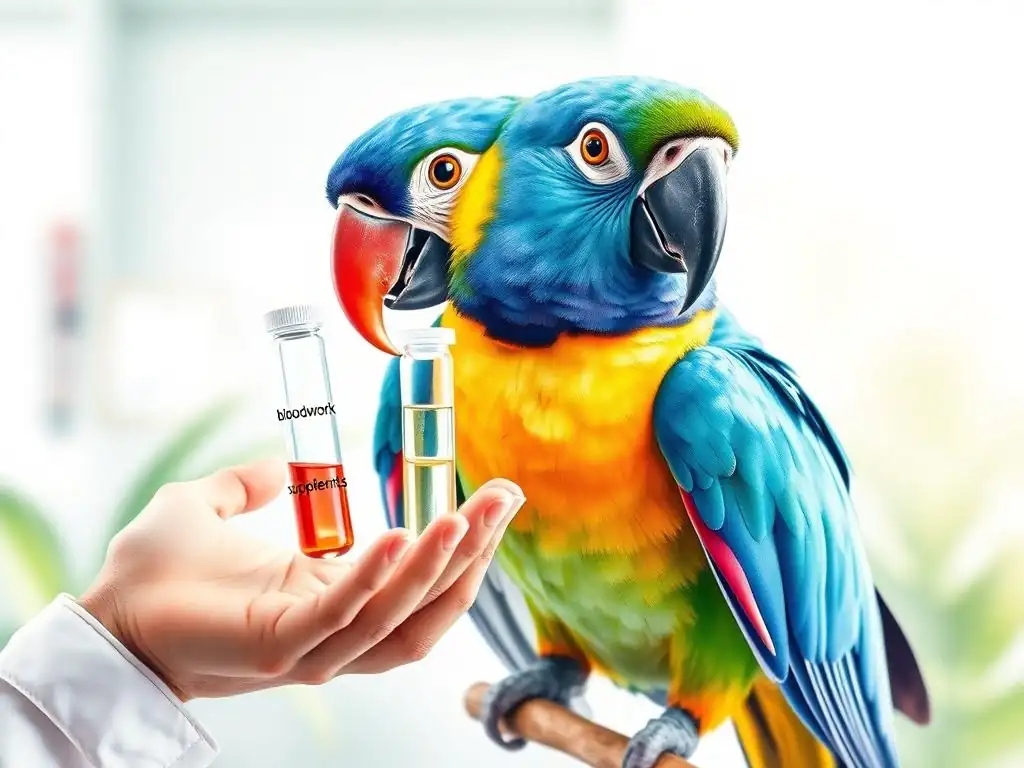
Regular veterinary check-ups are crucial for monitoring your exotic pet's overall health and identifying any potential deficiencies that might necessitate supplementation. These visits should include comprehensive bloodwork. Blood tests provide a detailed picture of your pet's internal state, revealing vital information about organ function, electrolyte balance, and nutrient levels. For example, a blood panel might reveal low calcium levels in a reptile, indicating a need for calcium supplementation.
Similarly, a deficiency in vitamin D3 could be identified, highlighting the need for a dietary adjustment or supplementation. The frequency of these check-ups will vary depending on your pet's species and age; some species require more frequent monitoring than others. A veterinarian specializing in exotic animals can provide personalized recommendations based on your pet's specific needs and risk factors. Ignoring regular check-ups and bloodwork can lead to delayed diagnosis and treatment of nutritional deficiencies, potentially causing irreversible health problems.
The cost of regular veterinary care, including bloodwork, is a worthwhile investment in your pet's long-term health and well-being. Remember, early detection and intervention are key to preventing serious health issues. Don't hesitate to ask your veterinarian about the specific blood tests recommended for your exotic pet's species.
Long-Term Supplement Strategies for Exotic Pets
Developing a long-term supplement strategy for your exotic pet requires careful consideration and a collaborative approach with your veterinarian. It’s not a one-size-fits-all solution; the best approach is highly dependent on your pet's species, age, health status, and diet. A haphazard approach to supplementation can be detrimental, potentially leading to imbalances and toxicity. For instance, over-supplementation of vitamin A can be toxic to many reptiles.
A well-designed plan involves a thorough assessment of your pet's current diet and lifestyle to identify any nutritional gaps. This might involve analyzing the nutritional composition of their current food and considering their activity levels and environmental factors. Your veterinarian can then recommend specific supplements, dosages, and administration methods. It's important to choose high-quality supplements from reputable manufacturers, as the quality and purity of ingredients can significantly impact their effectiveness and safety.
Regular monitoring through bloodwork and veterinary check-ups are essential to assess the effectiveness of the supplement regimen and make adjustments as needed. Remember that the goal is to provide a balanced and complete diet, with supplements used to address specific deficiencies or support overall health, not to replace a balanced diet. A long-term strategy should be viewed as an ongoing process of assessment, adjustment, and refinement, ensuring that your pet receives the optimal nutritional support throughout their life. This proactive approach is crucial for maintaining your exotic pet's health and well-being.
Potential Risks and Side Effects of Exotic Pet Supplements
While exotic pet supplements can offer significant health benefits when used correctly, it's crucial to understand the potential risks and side effects. Improper use can lead to serious health complications, highlighting the importance of consulting a veterinarian specializing in exotic animals before starting any supplementation regimen. Choosing the best exotic pet supplements involves careful consideration of these potential downsides.
Over-Supplementation and its Consequences
Over-supplementation, providing your exotic pet with more vitamins, minerals, or other nutrients than they need, is a common and potentially dangerous mistake. Many exotic pets have unique dietary requirements and metabolic processes, making them particularly vulnerable to the effects of excess nutrients. For instance, excessive calcium in reptiles can lead to metabolic bone disease (MBD), a debilitating condition affecting bone growth and development. Similarly, excessive vitamin A can cause liver damage and other serious health issues in certain species.
The consequences of over-supplementation can vary depending on the specific supplement and the species of exotic pet. However, some common signs of over-supplementation include:
- Lethargy and decreased activity levels
- Loss of appetite
- Gastrointestinal upset (vomiting, diarrhea)
- Weight loss or gain
- Changes in skin or shell condition (in reptiles)
- Behavioral changes (irritability, aggression)
It's crucial to carefully follow the dosage instructions provided on the supplement label and to regularly monitor your pet's health for any signs of over-supplementation. Remember, "more" isn't always "better" when it comes to supplements. A balanced diet, tailored to your pet's specific needs, is often the best approach.
Potential Interactions with Medications
Another significant concern is the potential for interactions between exotic pet supplements and medications. Some supplements can interact negatively with certain drugs, reducing their effectiveness or increasing the risk of side effects. For example, some supplements may interfere with blood clotting medications or medications used to treat kidney disease.
Before introducing any supplements to your exotic pet's diet, it's essential to discuss it with your veterinarian. They can assess your pet's health status, medication regimen, and dietary needs to determine if any potential interactions exist. Providing a complete list of all medications and supplements your pet is taking is crucial for accurate assessment. This proactive approach helps ensure the safety and well-being of your exotic companion and prevents unforeseen complications.
Identifying and Addressing Adverse Reactions
Even with careful planning and veterinary guidance, adverse reactions to exotic pet supplements can still occur. It's important to be aware of the signs and symptoms of an adverse reaction and to know how to respond appropriately.
These reactions can manifest in various ways, including:
| Symptom | Description | Severity |
|---|---|---|
| Gastrointestinal upset | Vomiting, diarrhea, loss of appetite | Mild to severe |
| Skin irritation | Rashes, itching, redness | Mild to moderate |
| Allergic reactions | Swelling, hives, difficulty breathing | Severe, requiring immediate veterinary attention |
| Behavioral changes | Lethargy, aggression, unusual sleep patterns | Mild to severe |
| Organ system dysfunction | Liver or kidney problems, neurological symptoms | Severe, requiring immediate veterinary attention |
If you suspect your exotic pet is experiencing an adverse reaction to a supplement, immediately discontinue use and contact your veterinarian. Accurate description of the symptoms, the specific supplement used, and the dosage administered will be crucial for your veterinarian's diagnosis and treatment plan. Early intervention is key to minimizing the severity of any adverse reaction and ensuring your pet's recovery. Remember, proactive monitoring and open communication with your veterinarian are essential for responsible supplement use.
Importance of Veterinary Guidance on Supplement Use
Before introducing any supplement into your exotic pet's diet, a consultation with an experienced veterinarian specializing in exotic animals is paramount. This isn't simply a precautionary measure; it's a crucial step to ensure your pet's safety and well-being. Many exotic pets have unique dietary needs and metabolic processes, and what might be beneficial for one species could be harmful to another. A veterinarian can assess your pet's individual health status, considering factors like age, species, breed (where applicable), current diet, and any pre-existing health conditions. This comprehensive evaluation helps determine if supplementation is even necessary and, if so, which supplement is most appropriate and at what dosage.
Ignoring this crucial step can lead to unintended consequences, ranging from mild digestive upset to severe health complications. For example, administering a calcium supplement to a reptile already suffering from hypercalcemia could exacerbate the condition, potentially leading to serious health issues. The veterinarian's expertise is invaluable in preventing such scenarios. They can also help you identify reputable supplement brands and avoid those containing harmful additives or contaminants.
Remember, a proactive approach to your pet's health, guided by professional veterinary advice, is always the best policy when considering exotic pet supplements. Don't hesitate to ask your vet detailed questions about potential risks and side effects associated with specific supplements. Their guidance will ensure that your pet receives the optimal care and avoids unnecessary risks. The cost of a veterinary consultation is a small price to pay for the peace of mind and assurance of your pet's health.
Frequently Asked Questions
What are exotic pet supplements?
Exotic pet supplements are nutritional additions to your pet's diet, designed to address specific nutritional deficiencies or support overall health. They come in various forms, including powders, liquids, and tablets.
When should I consider giving my exotic pet supplements?
You should consider supplements if your vet diagnoses a nutritional deficiency, if your pet has specific health concerns, or if you want to support their immune system or overall well-being. Always consult your veterinarian first.
Are all exotic pet supplements created equal?
No, the quality and effectiveness of exotic pet supplements vary greatly. Look for supplements from reputable brands that use high-quality ingredients and undergo rigorous testing. Check for third-party certifications.
How do I choose the best exotic pet supplement for my pet?
The best supplement depends on your pet's species, age, health status, and specific needs. Consult your veterinarian to determine which supplement, if any, is appropriate for your pet. They can assess your pet's diet and health.
Where can I find reliable information about exotic pet supplements?
Consult your veterinarian for personalized advice. You can also find reliable information on websites like PetCareWorld, which provides in-depth guides and expert advice on various aspects of pet care, including exotic pet nutrition.
Final Reflection: Nurturing the Extraordinary: A Holistic Approach to Exotic Pet Care
The health and well-being of our exotic companions are intrinsically linked to the quality of their nutrition, and understanding their specific dietary needs is paramount. Ignoring this crucial aspect can have devastating consequences, impacting not only their physical health but also their overall quality of life. Providing the best possible care for these unique animals requires a commitment to ongoing learning and a willingness to adapt our approach.
The journey into the world of exotic pet ownership is a rewarding but demanding one. It requires a deep understanding of each species' unique nutritional requirements, often far beyond the simple provision of commercially available foods. The greatest reward in life is to love and be loved in return.
While this quote doesn't directly address exotic pet supplements, it speaks to the profound bond we share with our animals, a bond strengthened by our commitment to their well-being. This commitment extends to providing the necessary nutritional support through carefully chosen supplements, ensuring they thrive under our care. The responsibility we bear is immense, and it demands a holistic approach that prioritizes their health above all else.
You, as a dedicated exotic pet owner, now possess a deeper understanding of the role supplements play in maintaining the vibrant health of your beloved companions. Consider the information presented here as a foundation upon which to build your knowledge. Continue researching, consult with experienced veterinarians specializing in exotic animals, and always prioritize the individual needs of your pet. Remember, the journey of responsible exotic pet ownership is a continuous learning process, and your dedication to their well-being is the most valuable gift you can offer.
Unlock Your Exotic Pet's Full Potential
Thank you for learning about the vital role supplements play in your exotic pet's health and happiness! We hope you've gained valuable insights into choosing the right supplements for their unique needs. Now let's put that knowledge into action.
- Prioritize your pet's dietary needs: Carefully assess your exotic pet's current diet to identify any nutritional deficiencies. This is crucial for their well-being.
- Consult an exotic animal veterinarian: Schedule a checkup to discuss specific supplement recommendations tailored to your pet's breed, age, and health. This ensures safe and effective supplementation.
- Share your knowledge: Help other exotic pet owners by sharing this article – spread the word about responsible pet care!
Ready to give your exotic pet the best possible care? What's the first step you'll take to improve their diet and overall health?