
The Dangers of Stagnant Air: Ventilation Tips for Reptile Enclosures

Welcome to PetCareWorld, your ultimate guide to a happier, healthier life for your beloved companions! Are you ready to unlock the secrets to creating the perfect environment for your scaly friends? We delve into the critical importance of proper reptile enclosure ventilation, exploring the dangers of stagnant air and providing practical tips to ensure your reptile thrives. Discover how proper ventilation can prevent illness and promote a long, fulfilling life for your pet. Dive in and learn more about creating the ideal habitat – your reptile will thank you!
- Understanding Reptile Enclosure Ventilation: Why Proper Airflow is Crucial
- Essential Reptile Enclosure Ventilation Techniques
- Building a Well-Ventilated Reptile Enclosure: A Step-by-Step Guide
- Ventilation Solutions for Different Reptile Types
- Troubleshooting Common Reptile Enclosure Ventilation Problems
- Maintaining Optimal Air Quality in Your Reptile Enclosure
-
Frequently Asked Questions
- What are the dangers of poor ventilation in a reptile enclosure?
- How often should I clean the ventilation system in my reptile enclosure?
- What are some signs that my reptile enclosure has inadequate ventilation?
- What are the best types of ventilation systems for reptile enclosures?
- Can I use a regular household fan for ventilation in my reptile enclosure?
- Final Reflection: Breathing Easy: The Future of Reptile Enclosure Health
- Breathe Easy: Improve Your Reptile's Habitat Today!
Understanding Reptile Enclosure Ventilation: Why Proper Airflow is Crucial
Maintaining a healthy and thriving environment for your reptile companion requires careful attention to various factors, and among these, proper ventilation stands out as absolutely crucial. A reptile's well-being is intrinsically linked to the quality of the air within its enclosure.
This article dives deep into the dangers of stagnant air in reptile habitats, exploring the significant risks associated with inadequate ventilation and providing practical, actionable tips to ensure your reptile breathes easy and lives a long, healthy life. We'll examine the delicate balance between maintaining optimal humidity levels and ensuring sufficient airflow, addressing common concerns and offering solutions to create the perfect microclimate for your scaly friend.
Understanding and implementing these reptile enclosure ventilation tips is essential for responsible reptile ownership, contributing significantly to their overall health and longevity. This guide will equip you with the knowledge to prevent common health problems stemming from poor air circulation and promote a thriving environment for your reptile.
The Risks of Poor Ventilation in Reptile Habitats
Poor ventilation in a reptile enclosure poses a multitude of threats to your pet's health and well-being. Stagnant air can lead to a buildup of harmful substances, including ammonia, carbon dioxide, and other metabolic byproducts. These gases can irritate your reptile's respiratory system, causing a range of problems from mild discomfort to severe respiratory infections. Furthermore, the lack of fresh air can contribute to the growth of harmful bacteria and fungi, increasing the risk of infections and skin problems.
The consequences of inadequate ventilation can range from mild respiratory distress to life-threatening conditions, highlighting the critical importance of proper airflow in maintaining a healthy habitat. Consider this: a reptile's respiratory system is less efficient than a mammal's, making them even more vulnerable to the effects of poor air quality. Failing to provide adequate ventilation can significantly shorten your reptile's lifespan and diminish its quality of life.
The severity of the consequences depends on several factors, including the size of the enclosure, the number of reptiles housed within it, the type of substrate used, and the frequency of cleaning. Larger enclosures generally require more robust ventilation systems, while smaller enclosures might only necessitate strategically placed vents. The type of substrate can also influence humidity and airflow – some substrates retain more moisture than others, potentially exacerbating the problem of stagnant air.
Regular cleaning is paramount to remove waste products and prevent the buildup of harmful gases. Neglecting these crucial aspects can create a breeding ground for disease and compromise your reptile's health.
Impact of Stagnant Air on Reptile Health: Respiratory Issues and More
The most immediate and noticeable effect of poor ventilation is respiratory distress. Reptiles experiencing inadequate airflow may exhibit symptoms such as labored breathing, open-mouth breathing, and lethargy. These respiratory problems can quickly escalate into serious infections, such as pneumonia, which can be fatal if left untreated. Beyond respiratory issues, stagnant air can also contribute to a weakened immune system, making your reptile more susceptible to various infections and diseases.
Additionally, the buildup of ammonia and other harmful gases can irritate the skin and eyes, leading to skin lesions, eye infections, and other dermatological problems. In severe cases, poor ventilation can even cause metabolic acidosis, a potentially fatal condition. Monitoring your reptile's behavior and health closely is crucial in identifying early signs of respiratory distress or other health problems that might stem from poor ventilation. Early intervention is key to preventing severe complications.
The symptoms associated with poor ventilation can vary depending on the species of reptile and the severity of the problem. Some reptiles might show subtle changes in behavior, such as decreased appetite or inactivity, while others might display more obvious signs of respiratory distress. It's important to consult a veterinarian specializing in reptiles if you suspect your reptile is suffering from the effects of poor ventilation. Early diagnosis and treatment can significantly improve your reptile's chances of recovery.
Maintaining Optimal Humidity Levels While Ensuring Adequate Ventilation
Maintaining the right balance between humidity and ventilation is a delicate act. Reptiles require specific humidity levels to thrive, depending on their species and origin. However, maintaining high humidity in a poorly ventilated enclosure can lead to a buildup of harmful bacteria and fungi, further exacerbating the problems associated with stagnant air. The key is to create a well-ventilated enclosure that allows for adequate airflow while maintaining the appropriate humidity levels for your reptile.
This can be achieved through a combination of techniques, including using appropriate ventilation systems, employing humidity-regulating substrates, and regularly monitoring humidity levels with a reliable hygrometer. Remember, the goal is to create a healthy, balanced environment that mimics your reptile's natural habitat as closely as possible. Using a combination of passive and active ventilation methods often proves most effective.
Achieving this balance often requires experimentation and observation. You may need to adjust your ventilation system or substrate based on the humidity readings and your reptile's behavior. Regular cleaning is also crucial in maintaining optimal humidity and preventing the buildup of harmful bacteria and fungi. By carefully monitoring humidity levels and adjusting ventilation accordingly, you can create a safe and healthy environment for your reptile to thrive in, minimizing the risks associated with both excessively dry and excessively humid conditions. Remember, a healthy reptile is a happy reptile!
Essential Reptile Enclosure Ventilation Techniques
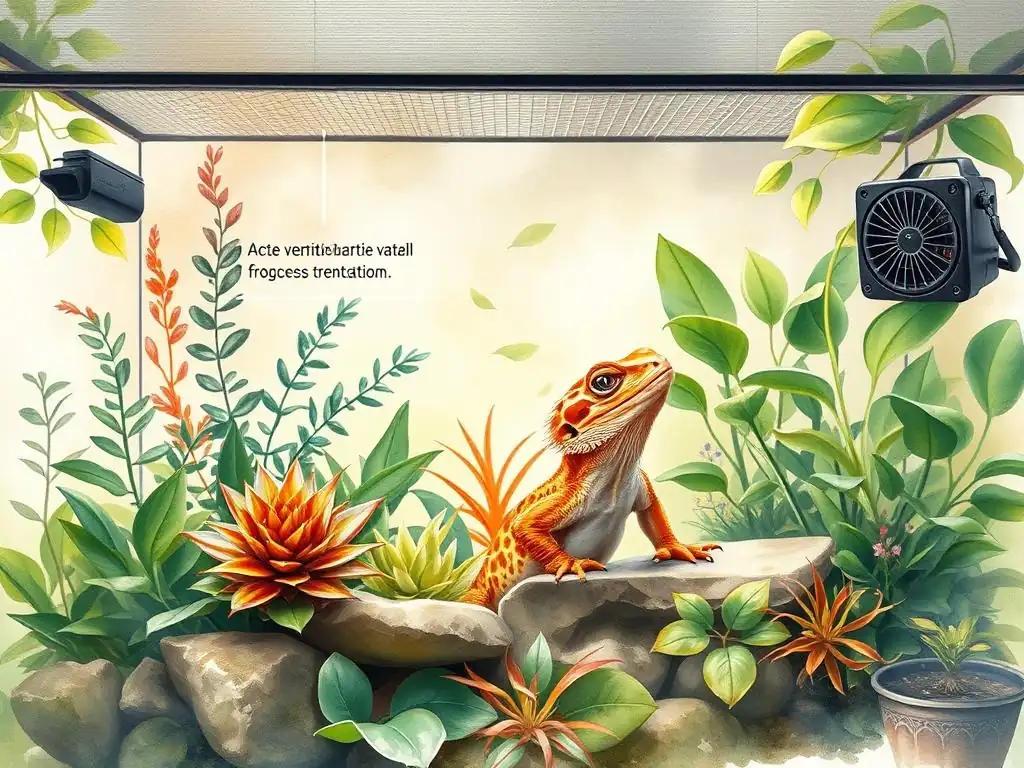
Maintaining proper ventilation in a reptile enclosure is crucial for the health and well-being of your scaled companion. Insufficient airflow can lead to a buildup of harmful gases like ammonia and carbon dioxide, resulting in respiratory infections, stress, and even death. Conversely, excessive ventilation can cause drastic temperature and humidity fluctuations, equally detrimental to your reptile's health.
Finding the right balance is key, and understanding both passive and active ventilation strategies is essential for successful reptile keeping. This section will delve into practical, effective techniques for achieving optimal airflow within your reptile enclosure, enhancing your reptile's quality of life and minimizing health risks. Remember, the specific ventilation needs vary greatly depending on the species of reptile, its size, and the overall environment.
Passive Ventilation Strategies for Reptile Enclosures
Passive ventilation relies on natural air movement and the design of the enclosure to promote airflow. It's often a crucial component of a well-ventilated enclosure, even when supplemented by active ventilation systems. Properly implemented, passive ventilation can significantly reduce the need for powerful, potentially disruptive fans. Let's explore effective passive ventilation methods.
Natural Ventilation Methods: Utilizing Ambient Airflow
Utilizing ambient airflow is a cornerstone of passive ventilation. This involves strategically positioning the enclosure to take advantage of natural air currents within the room. Avoid placing the enclosure in areas with stagnant air, such as corners or behind furniture. Instead, locate it in a well-ventilated area with consistent, gentle airflow.
Consider the direction of prevailing breezes within your home – placing the enclosure to benefit from these natural air currents can significantly improve ventilation. Remember to monitor the temperature and humidity levels regularly, as these can fluctuate with changes in ambient airflow. A simple thermometer and hygrometer are indispensable tools for maintaining a healthy environment. The optimal temperature and humidity range varies significantly depending on the reptile species; research the specific needs of your reptile to ensure its health and well-being.
Designing Enclosures for Optimal Passive Air Circulation
The physical design of the reptile enclosure plays a significant role in passive ventilation. Several design elements can enhance natural airflow:
- Ventilation holes: Strategically placed holes of appropriate size are essential. These should be positioned to create a natural convection current, with intake holes lower down and exhaust holes higher up. The size and number of holes should be carefully considered, balancing adequate airflow with the need to maintain humidity levels. Too many holes might lead to excessive dryness, while too few can cause stagnant air.
- Mesh tops: Enclosures with mesh tops provide excellent passive ventilation, allowing for a consistent exchange of air. However, ensure the mesh is fine enough to prevent escapes and that it doesn't impede the maintenance of appropriate humidity.
- Internal structures: Internal structures, such as branches or rocks, can aid in air circulation by disrupting stagnant pockets of air and creating turbulence. However, avoid overcrowding the enclosure, which can hinder airflow.
Remember, the ideal design will depend on the specific needs of your reptile and the size of its enclosure. Consider using a combination of these strategies for optimal results. For example, using a mesh top in conjunction with strategically placed ventilation holes can create a highly effective passive ventilation system.
Active Ventilation Systems for Reptile Habitats
While passive ventilation forms a solid foundation, active ventilation often becomes necessary, especially for larger enclosures or species with higher metabolic rates. Active ventilation uses fans to force air circulation, providing a more controlled and consistent airflow.
Choosing the Right Ventilation Fans for Your Reptile Enclosure
Selecting the right fan is crucial for effective active ventilation. Several factors need consideration:
- Size and airflow: The fan's size and airflow capacity should be appropriate for the size of the enclosure. A fan that's too small will be ineffective, while one that's too large can create excessive drafts and temperature fluctuations.
- Noise level: Reptiles can be sensitive to noise, so choose a quieter fan to minimize stress. Many low-noise fans are now available on the market.
- Type of fan: Consider axial fans (which create a direct airflow) or centrifugal fans (which provide a more diffused airflow). The best choice depends on the enclosure's design and the reptile's specific needs. Research the specific requirements of your reptile species to make an informed decision.
Remember to always prioritize safety; ensure the fan is securely mounted and protected to prevent your reptile from accessing or damaging it.
Proper Placement and Usage of Fans for Effective Airflow
Correct fan placement is paramount for effective air circulation. Generally, fans should be positioned to create a gentle airflow, avoiding direct blasts of air onto the reptile. Experiment with different placements to find the most effective configuration. You might find that placing the fan on one side of the enclosure, directing airflow towards the opposite side, creates a more even distribution of air.
Additionally, consider using a thermostat to regulate the fan's operation, ensuring that the temperature remains within the optimal range for your reptile. This prevents both overheating and chilling, crucial for maintaining a healthy environment. Regularly monitor temperature and humidity levels to ensure the system is working correctly and adjust as needed. Careful observation and adjustment are essential for creating a safe and comfortable environment for your reptile.
Building a Well-Ventilated Reptile Enclosure: A Step-by-Step Guide
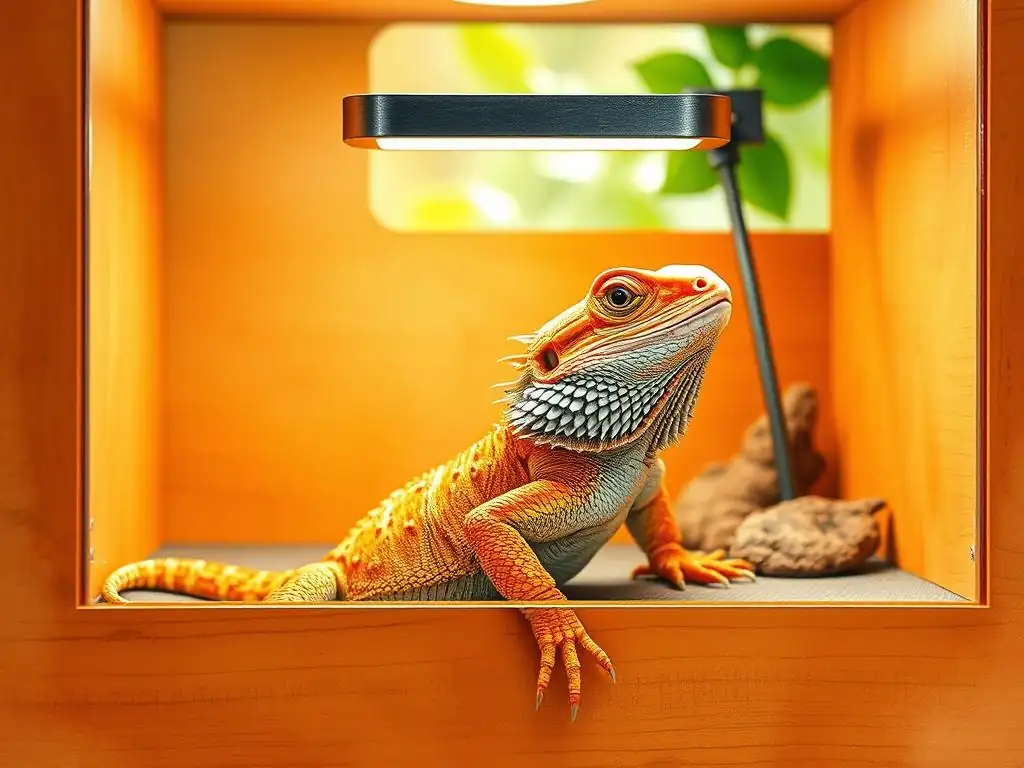
This section delves into the practical aspects of constructing a reptile enclosure with optimal ventilation, crucial for maintaining a healthy and thriving environment for your reptile. Poor ventilation can lead to a buildup of harmful gases, excessive humidity, and temperature fluctuations – all detrimental to your pet's well-being. Let's explore the key steps to building a safe and properly ventilated habitat.
Selecting the Right Enclosure Material for Ventilation
The material you choose for your reptile enclosure significantly impacts its ventilation capabilities. Glass terrariums, while aesthetically pleasing, can present challenges. Their airtight nature necessitates careful consideration of ventilation strategies. Conversely, mesh enclosures offer excellent airflow but may not retain humidity as effectively, potentially requiring supplemental humidification for species needing higher humidity levels.
Consider these factors when selecting your enclosure material:
- Porosity: Materials with some porosity (like certain types of wood) allow for a degree of natural air exchange, but this needs careful management to prevent drafts.
- Transparency: While visual access is important, balance it with the ventilation needs. Too many ventilation holes in a glass enclosure might compromise the thermal gradient.
- Ease of Cleaning: Ventilation design should also consider easy cleaning. Materials that allow for easy access to all areas for cleaning are preferable.
Here's a comparison table summarizing the pros and cons of common enclosure materials in relation to ventilation:
| Material | Pros | Cons | Ventilation Considerations |
|---|---|---|---|
| Glass | Excellent visibility, easy to clean | Poor natural ventilation, requires active measures | Requires strategically placed vents and potentially fans |
| Mesh | Excellent ventilation, lightweight | Poor insulation, may not retain humidity well | May need supplemental humidification, protection from drafts |
| Wood (treated) | Aesthetically pleasing, good insulation | Can harbor bacteria if not properly treated | Requires careful planning of ventilation holes and placement |
| Plastic (acrylic) | Durable, relatively lightweight, transparent | Can scratch, may not be as breathable as glass | Similar to glass; requires deliberate ventilation design |
Remember, the best material depends on the specific needs of your reptile species. Research the environmental requirements of your reptile before making a decision.
Creating Effective Ventilation Holes and Vents: Size and Placement
The size and placement of ventilation holes are critical for effective air circulation. Too few or too small holes will lead to stagnant air. Too many or large holes might create unwanted drafts, negatively impacting temperature gradients and potentially stressing your reptile.
The general rule is to provide both top and bottom ventilation. Top vents allow warm, moist air to escape, while bottom vents draw in cooler, drier air. This creates a convection current that helps regulate temperature and humidity.
- Size: The total area of ventilation openings should be approximately 10-20% of the total surface area of the enclosure. However, this is a guideline; exact requirements depend on the species and enclosure size. For larger enclosures, multiple smaller vents are preferable to fewer larger ones.
- Placement: Avoid placing vents directly above or below heat sources or basking spots. This can create excessive temperature gradients. Strategic placement helps maintain a consistent thermal gradient within the enclosure.
- Types of Vents: Consider using mesh or screen vents for better airflow and easy cleaning. Avoid sharp edges that could injure your reptile.
Remember to always monitor temperature and humidity levels within the enclosure regularly, adjusting ventilation as needed to maintain optimal conditions. A hygrometer and thermometer are essential tools for monitoring these parameters.
Implementing Passive and Active Ventilation Systems in Your Setup
Passive ventilation relies on natural air currents, while active ventilation uses fans to improve airflow. Both methods can be used in conjunction for optimal results, particularly in larger enclosures or for species with specific humidity and temperature requirements.
- Passive Ventilation: This involves strategically placing ventilation openings to utilize natural convection currents. Proper placement of vents, as discussed previously, is key to effective passive ventilation. This is often sufficient for smaller enclosures housing reptiles with less demanding environmental needs.
- Active Ventilation: This involves using fans to enhance air circulation. Small computer fans can effectively increase airflow, particularly in glass enclosures. Make sure to secure the fan to prevent your reptile from accessing it. Consider using a thermostat-controlled fan to automatically adjust airflow based on temperature.
Choosing the right ventilation system depends on factors like the size of the enclosure, the species of reptile, and the ambient temperature and humidity of the room. Always prioritize the well-being of your reptile and carefully monitor their environment. Regularly inspect your ventilation system for any blockages or malfunctions. A well-ventilated enclosure is key to the long-term health and happiness of your reptile companion.
Monitoring and Adjusting Ventilation Based on Reptile Species and Climate
Maintaining optimal ventilation in a reptile enclosure is crucial, but the ideal level varies significantly depending on the reptile species and the ambient climate. Desert species, for example, like bearded dragons, require significantly more ventilation than tropical species like green tree frogs. Desert reptiles thrive in drier, well-ventilated environments to prevent respiratory infections and skin issues caused by excessive humidity. Conversely, tropical species need higher humidity levels, and excessive ventilation can lead to dehydration and stress.
The ambient temperature also plays a crucial role. In warmer climates, or during warmer months, increased ventilation is often necessary to prevent overheating within the enclosure. Conversely, in colder climates, or during colder months, you may need to reduce ventilation slightly to maintain a suitable temperature range. This delicate balance requires careful monitoring and adjustment.
Consider the specific needs of your reptile. Research your reptile's natural habitat. A green iguana, for instance, requires a significantly different ventilation setup compared to a leopard gecko. Understanding their natural environment will inform your ventilation strategy. Look for information on ideal temperature and humidity ranges, as well as the natural air circulation within their habitat. This information will directly translate to designing the ideal ventilation for your enclosure.
Regular monitoring is essential. Invest in accurate thermometers and hygrometers to constantly track the temperature and humidity levels within the enclosure. These devices should be placed at various points within the enclosure to ensure accurate readings, as temperature and humidity can fluctuate. Consistent monitoring allows you to promptly identify and correct any issues before they negatively impact your reptile’s health. For example, if you notice a sudden spike in humidity, you may need to increase ventilation immediately.
Conversely, if the humidity drops too low, you’ll need to adjust accordingly, perhaps by adding a humidifier or reducing ventilation. Regular monitoring is the key to proactive reptile care and maintaining a healthy environment. Remember to record your observations to track trends and refine your ventilation strategy over time. This data-driven approach is crucial for long-term success in reptile keeping.
Ventilation Solutions for Different Reptile Types
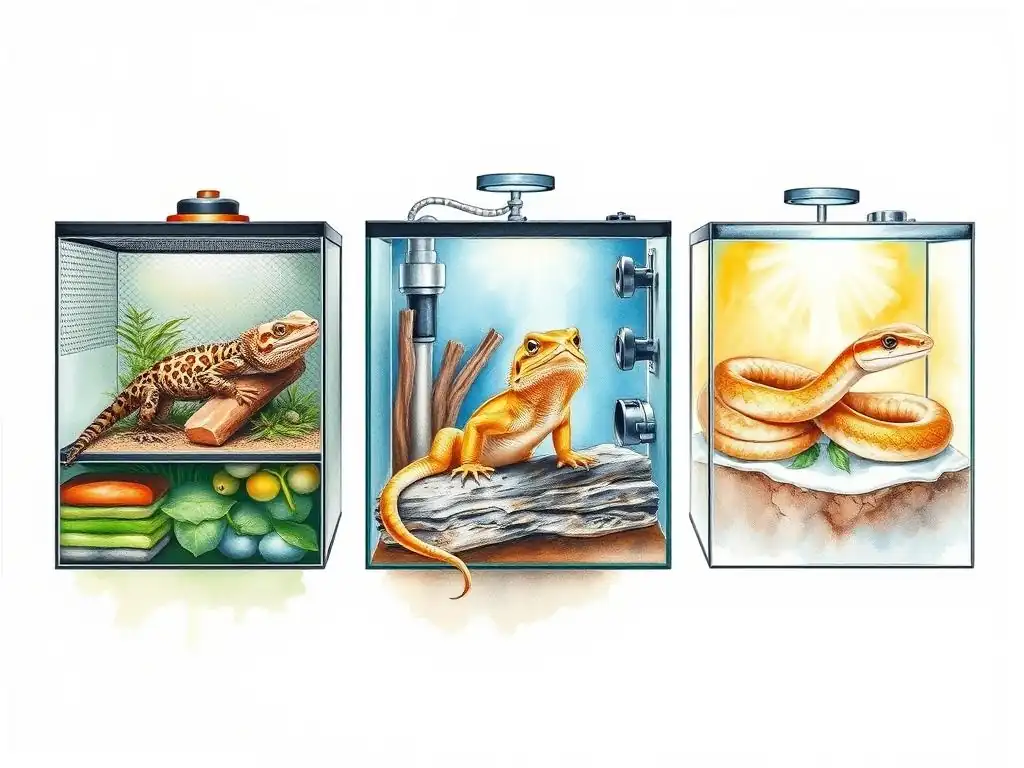
Proper ventilation in a reptile enclosure is crucial for maintaining a healthy environment and preventing respiratory illnesses. The specific ventilation needs, however, vary significantly depending on the species. Failing to address these species-specific requirements can lead to serious health problems, even death. This section details best practices for several common reptile types, focusing on how to achieve optimal airflow while maintaining appropriate humidity levels. Remember, "Reptile enclosure ventilation tips" are essential for responsible pet ownership.
Ventilation Needs of Lizards: Specific Considerations
Lizards, with their diverse range of habitats and metabolic rates, present a unique challenge for reptile enclosure ventilation. Desert-dwelling lizards, such as bearded dragons, require excellent ventilation to prevent the buildup of moisture, which can lead to fungal or bacterial infections. Conversely, tropical lizards, like chameleons, need higher humidity levels, but still require adequate airflow to prevent mold and mildew growth. The key is balancing ventilation with humidity.
Over-ventilation can lead to dehydration in lizards, especially those requiring higher humidity. Conversely, insufficient ventilation can create a breeding ground for harmful bacteria and fungi, leading to respiratory infections and skin problems.
Consider these factors when designing your lizard's enclosure ventilation:
- Species-specific humidity requirements: Research the specific humidity needs of your lizard species. A hygrometer is essential for monitoring humidity levels accurately.
- Enclosure size and materials: Larger enclosures generally require more ventilation than smaller ones. The materials used (glass, wood, mesh) also affect airflow. Mesh enclosures generally provide better ventilation but may require additional measures to maintain humidity.
- Ventilation placement: Avoid placing vents directly above basking areas, as this can create drafts and cool down the basking spot. Strategic placement is key to creating even airflow throughout the enclosure.
- Active vs. passive ventilation: Passive ventilation (natural airflow through openings) is often sufficient for smaller enclosures, while larger enclosures may benefit from active ventilation (fans). Active ventilation allows for more precise control over airflow.
Snake Enclosure Ventilation: Best Practices and Tips
Snake enclosures require a different approach to ventilation than those for lizards. Snakes are generally more tolerant of higher humidity levels than many lizards, but still need proper airflow to prevent the buildup of ammonia and other harmful gases from their waste. Poor ventilation can lead to respiratory infections and skin problems in snakes.
Here are some key considerations for snake enclosure ventilation:
- Substrate choice: The substrate you choose can impact humidity and ventilation. For example, aspen shavings provide better airflow than cypress mulch.
- Ventilation placement: Top and bottom ventilation is often recommended for snake enclosures to create a convection current, promoting airflow without directly blowing on the snake.
- Enclosure type: Glass enclosures are common, but ensure sufficient ventilation openings. Wooden enclosures may require additional ventilation modifications.
- Size and species: Larger snakes and species with higher metabolic rates require better ventilation than smaller ones.
- Monitoring: Regularly monitor temperature and humidity levels using accurate gauges to ensure the enclosure remains within the optimal range for your snake.
Tortoise and Turtle Housing: Ventilation Requirements and Challenges
Tortoises and turtles, especially aquatic species, present unique challenges when it comes to enclosure ventilation. Aquatic turtles, for example, require high humidity, but also need adequate airflow to prevent the buildup of ammonia and other harmful gases in their water. Poor ventilation can lead to respiratory infections, shell rot, and other serious health problems.
Key aspects to consider for tortoise and turtle enclosure ventilation:
- Water quality: Maintaining clean water is crucial. Regular water changes and filtration are essential for minimizing ammonia buildup.
- Ventilation type: For aquatic turtles, proper ventilation often involves a combination of screened lids and a filtration system that helps to aerate the water.
- Basking area: A properly ventilated basking area is vital for thermoregulation. Ensure adequate airflow around the basking lamp.
- Enclosure material: Choose materials that are easy to clean and maintain to minimize the risk of bacterial and fungal growth.
- Species-specific needs: Remember that different species have different requirements. Research the specific needs of your tortoise or turtle species before setting up their enclosure. Some semi-aquatic species may need more ventilation than others.
Remember, consistent monitoring and adjustment are key to maintaining optimal ventilation in any reptile enclosure. Regularly check temperature and humidity levels, and make adjustments as needed to ensure the health and well-being of your reptile companion. Always prioritize the specific needs of your reptile species to create a thriving and healthy environment.
Amphibian Enclosure Ventilation: Unique Considerations for Humidity Control
Amphibians, unlike many reptiles, require significantly higher humidity levels to thrive. This presents a unique challenge when designing and maintaining proper ventilation in their enclosures. Insufficient ventilation can lead to the growth of harmful bacteria and fungi, while excessive ventilation can rapidly dry out the environment, causing dehydration and skin problems in your amphibian companion. Finding the delicate balance is crucial for their health and well-being.
The key to successful amphibian enclosure ventilation lies in understanding the specific humidity needs of your species. Different frogs, toads, salamanders, and newts have varying tolerance levels. For example, a dart frog species from a rainforest environment will require consistently high humidity, perhaps upwards of 80-90%, while a desert-dwelling toad might tolerate a much drier environment. Researching the specific requirements of your amphibian is paramount before implementing any ventilation strategies.
Proper substrate selection plays a vital role in humidity regulation. Using a substrate that retains moisture, such as sphagnum moss or coconut fiber, helps to maintain the necessary humidity levels. However, it's essential to avoid overly saturated substrates, which can lead to anaerobic conditions and the growth of harmful bacteria. Regular monitoring of substrate moisture levels is necessary to prevent both dryness and excessive dampness. A hygrometer is an invaluable tool for accurately measuring humidity levels within the enclosure.
Ventilation systems for amphibian enclosures should prioritize humidity retention while preventing stagnant air. Instead of relying on large openings or powerful fans, consider using passive ventilation methods, such as small, strategically placed vents or mesh panels. These allow for a slow, gradual exchange of air without drastically reducing humidity. Active ventilation systems, such as small fans, can be used with caution, ensuring that they don't create excessive airflow that dries out the enclosure. The placement of the ventilation system is also crucial; directing airflow away from the basking spot, if applicable, can prevent rapid drying in key areas.
Regular cleaning and maintenance are essential to prevent the buildup of harmful bacteria and fungi in amphibian enclosures. This includes regularly misting the enclosure to maintain humidity, replacing or replenishing the substrate as needed, and cleaning any accumulated debris. A clean enclosure not only maintains a healthy environment for your amphibian but also helps to prevent the spread of diseases. Remember, a healthy environment is the cornerstone of a happy and thriving amphibian. Careful attention to humidity and ventilation is a crucial aspect of providing optimal care for these fascinating creatures.
Troubleshooting Common Reptile Enclosure Ventilation Problems
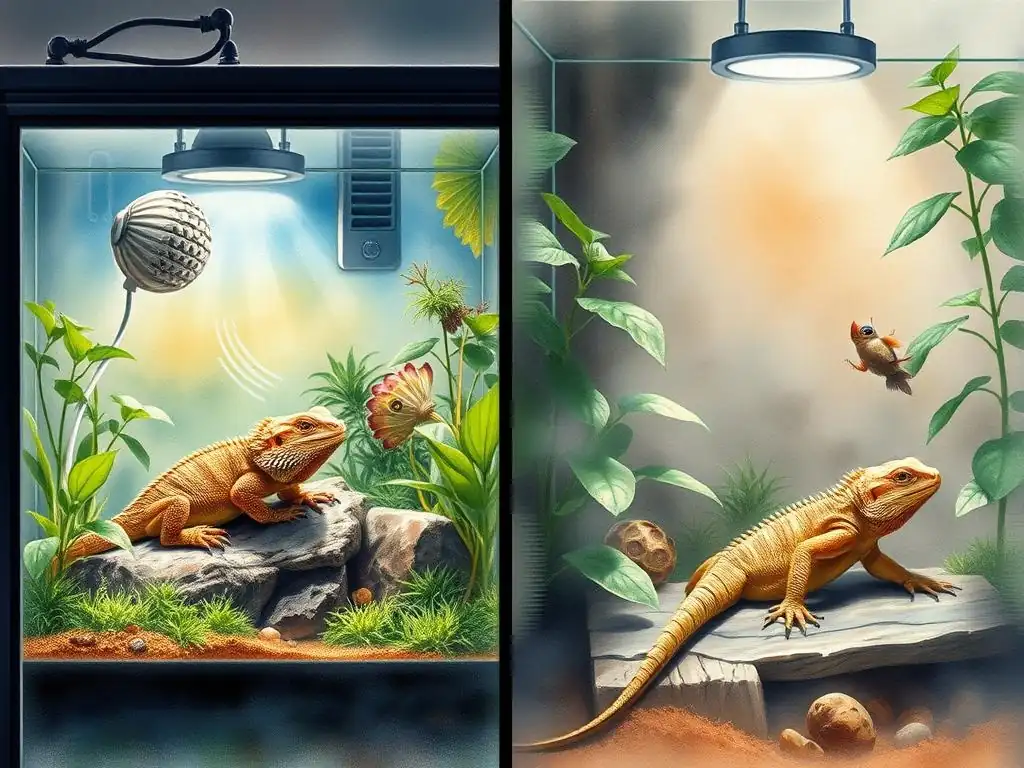
This section delves into practical solutions for common ventilation challenges in reptile enclosures. Maintaining optimal airflow is crucial for your reptile's health, preventing respiratory infections and other health issues. Ignoring ventilation can lead to a build-up of harmful gases and a breeding ground for bacteria and mold. Proper reptile enclosure ventilation tips are essential for responsible reptile ownership. Let's explore some frequent problems and their effective solutions.
Dealing with Excessive Humidity in Reptile Enclosures
High humidity levels, while necessary for some species, can quickly become detrimental if not carefully managed. Excessive moisture promotes the growth of harmful bacteria and fungi, leading to respiratory problems and skin infections in your reptile. Several factors contribute to this, including inadequate ventilation, over-misting, and improper substrate selection.
Here's a breakdown of how to address excessive humidity:
- Improve Ventilation: This is often the primary solution. Ensure adequate airflow by checking and potentially increasing the size or number of ventilation openings. Consider adding a small fan to gently circulate air without creating strong drafts. Remember, even a slight improvement in airflow can make a significant difference.
- Reduce Misting Frequency: If you mist your enclosure, reduce the frequency and duration. Observe your reptile's behavior and substrate moisture levels to determine the optimal misting schedule. Over-misting is a common cause of excessive humidity.
- Choose Appropriate Substrate: Some substrates retain more moisture than others. Switch to a more absorbent substrate, such as paper towels, newspaper, or reptile carpet, particularly if you're dealing with a species that doesn't require high humidity. Avoid substrates that hold excessive moisture, like cypress mulch or peat moss, if high humidity is a problem.
- Increase Air Circulation: Consider strategically placing a small fan outside the enclosure to gently pull air through the ventilation holes. This improves air exchange without directly blowing on your reptile.
- Monitor Humidity Regularly: Use a reliable hygrometer to monitor humidity levels consistently. This allows you to make informed adjustments to your enclosure's setup and prevent future problems. Aim for the humidity range recommended for your specific reptile species.
Addressing Insufficient Airflow in Reptile Habitats
Insufficient airflow is another significant concern, often leading to a buildup of ammonia, carbon dioxide, and other harmful gases. This can severely compromise your reptile's respiratory health and overall well-being. Signs of poor ventilation include lethargy, respiratory distress, and a noticeable musty odor within the enclosure.
Here's how to tackle insufficient airflow:
- Check Ventilation Openings: Ensure that all ventilation openings are unobstructed. Clean any debris or accumulated substrate that might be blocking airflow. Sometimes, even a small obstruction can significantly reduce ventilation.
- Increase Ventilation Size: If the existing ventilation openings are too small, consider enlarging them or adding additional openings. The size of the ventilation openings should be proportional to the size of the enclosure and the metabolic rate of your reptile.
- Add a Fan: A small fan, positioned strategically outside the enclosure, can help to pull air through the ventilation holes. Avoid placing the fan directly inside the enclosure, as this can create strong, potentially harmful drafts.
- Improve Enclosure Design: If you're building a new enclosure, consider incorporating optimal ventilation design from the outset. This might involve using mesh panels or strategically placed ventilation holes for maximum airflow.
- Regular Cleaning: Regular cleaning of the enclosure is crucial to remove waste and prevent the buildup of harmful gases. Thoroughly clean and disinfect the enclosure at least once a month, or more frequently if necessary.
Diagnosing and Fixing Ventilation Issues in Existing Setups
Troubleshooting ventilation problems in an existing setup requires a systematic approach. Start by carefully observing your reptile's behavior and the condition of its enclosure. Note any unusual odors, excessive moisture, or signs of respiratory distress.
Here's a step-by-step approach to diagnosing and fixing ventilation issues:
- Visual Inspection: Carefully examine the enclosure for any blockages in the ventilation openings. Check for accumulated substrate, debris, or any other obstructions.
- Humidity Measurement: Use a hygrometer to measure the humidity levels within the enclosure. Compare the readings to the recommended humidity range for your reptile species.
- Airflow Assessment: Observe the airflow within the enclosure. If the air seems stagnant, consider adding a small fan to improve circulation.
- Substrate Evaluation: Assess the type of substrate you're using. If it's highly absorbent and contributing to excessive humidity, consider switching to a less moisture-retentive substrate.
- Temperature Monitoring: Monitor the temperature gradient within the enclosure. Inadequate ventilation can lead to uneven temperature distribution.
- Reptile Observation: Pay close attention to your reptile's behavior. Signs of respiratory distress, lethargy, or skin problems could indicate ventilation issues.
By carefully addressing these common problems and utilizing the provided reptile enclosure ventilation tips, you can create a healthy and thriving environment for your reptile companion. Remember, proactive monitoring and maintenance are key to preventing serious health complications. Regularly check your setup and make adjustments as needed to ensure optimal ventilation.
Preventing Condensation and Mold Growth in Reptile Enclosures
Condensation and mold growth are significant concerns in reptile enclosures, especially those lacking proper ventilation. Excessive moisture creates an ideal breeding ground for harmful molds and fungi, which can severely impact your reptile's respiratory health and overall well-being. Preventing these issues requires a multi-pronged approach focusing on airflow, temperature regulation, and substrate choices.
One crucial step is ensuring adequate airflow within the enclosure. Insufficient ventilation leads to a buildup of humid air, increasing the likelihood of condensation forming on surfaces. This condensation then provides the perfect environment for mold spores to germinate and flourish.
Proper ventilation, achieved through strategically placed vents and fans, allows for the circulation of fresh, dry air, reducing humidity levels and minimizing condensation. Remember, even seemingly small amounts of condensation can be a sign of a larger ventilation problem. Regularly inspect your enclosure for any signs of moisture buildup, paying close attention to corners and areas where air circulation might be restricted.
Temperature regulation plays a vital role in preventing condensation. Maintaining a consistent temperature gradient within the enclosure is key. A temperature gradient allows your reptile to thermoregulate effectively, preventing stress which can compromise their immune system and make them more susceptible to respiratory infections.
A significant temperature difference between the warm and cool sides of the enclosure can also help to reduce overall humidity levels. Utilizing appropriate heating and cooling equipment, combined with proper ventilation, can effectively manage temperature and humidity, minimizing the risk of condensation and mold growth. Consider using a thermometer and hygrometer to accurately monitor both temperature and humidity levels, ensuring they remain within the optimal range for your specific reptile species.
The choice of substrate also significantly impacts humidity levels. Some substrates, such as cypress mulch or coconut fiber, retain moisture more readily than others, increasing the chance of condensation and mold growth. Opting for substrates with better drainage and aeration properties can help to reduce humidity.
For example, paper towels, reptile carpet, or even a combination of paper towels and a thin layer of bioactive substrate, can greatly improve air circulation and minimize moisture retention. Regularly cleaning and replacing the substrate is essential to prevent the accumulation of waste and excess moisture, which further contributes to mold growth. Remember to always research the specific needs of your reptile species before selecting a substrate.
Finally, regular cleaning and maintenance are paramount. Thoroughly cleaning the enclosure, including removing waste, uneaten food, and any accumulated moisture, will significantly reduce the risk of mold growth. Regularly disinfecting the enclosure with a reptile-safe disinfectant will further help to prevent the spread of bacteria and fungi.
A clean and well-ventilated enclosure, combined with appropriate temperature and humidity control, provides a healthy environment for your reptile and greatly minimizes the risk of condensation and mold growth, ensuring your reptile thrives in a safe and comfortable habitat. Remember, proactive measures are significantly more effective than reactive ones when it comes to maintaining a healthy environment for your reptile.
Maintaining Optimal Air Quality in Your Reptile Enclosure
This section delves into the crucial aspects of maintaining pristine air quality within your reptile enclosure. Poor ventilation can lead to a buildup of harmful gases, impacting your reptile's respiratory health and overall well-being. Remember, proper ventilation is paramount for a thriving reptile. This is vital for preventing the accumulation of ammonia, carbon dioxide, and other potentially toxic gases produced by your reptile's waste and metabolic processes. Neglecting ventilation can lead to serious health problems, including respiratory infections, lethargy, and even death. Let's explore key strategies to ensure your reptile breathes easy.
Regular Cleaning and Maintenance of Ventilation Systems
Regular cleaning and maintenance of your reptile enclosure's ventilation system are essential for preventing the buildup of harmful bacteria and fungi, which thrive in stagnant air. Cleaning should be performed at least once a month, or more frequently depending on the size of the enclosure and the number of reptiles housed within. The frequency will also depend on the type of substrate used, as some substrates retain more moisture and debris than others.
Here's a step-by-step guide to effective cleaning:
- Turn off any heating or cooling devices: Safety first! Ensure all power is disconnected before cleaning to avoid electrical shock.
- Remove all decorations and accessories: This allows for thorough cleaning of all surfaces.
- Carefully remove the substrate: Dispose of the old substrate responsibly. Consider using a substrate that's easily cleaned and replaced, such as paper towels or reptile carpet.
- Thoroughly clean the enclosure: Use a reptile-safe disinfectant and scrub all surfaces, including the walls, floor, and any ventilation components. Rinse thoroughly with clean water and allow to air dry completely.
- Inspect and clean ventilation components: Remove any dust, debris, or blockages from vents, fans, or other ventilation systems. Replace any damaged components immediately.
- Replace the substrate: Add fresh, clean substrate, ensuring it's appropriate for your reptile's species and needs.
Remember to always use reptile-safe cleaning products. Harsh chemicals can be toxic to your reptile and damage the enclosure materials. Regular cleaning and maintenance are key aspects of responsible reptile keeping and contribute significantly to maintaining optimal air quality and reducing the risk of respiratory issues. A clean enclosure is a healthy enclosure!
Monitoring Temperature and Humidity Levels: Using Accurate Gauges
Maintaining the correct temperature and humidity levels is crucial for your reptile's health and directly impacts air quality. Inaccurate readings can lead to improper ventilation adjustments, potentially creating stagnant air pockets. Therefore, investing in accurate and reliable temperature and humidity gauges is a non-negotiable aspect of responsible reptile care. These gauges should be placed strategically within the enclosure to obtain representative readings.
Consider the following:
- Digital Thermometers and Hygrometers: These offer precise digital readings and are readily available. Look for models with multiple probes for more comprehensive data collection.
- Analog Gauges: While less precise, analog gauges provide a quick visual check. However, regular calibration is essential to ensure accuracy.
- Placement: Place gauges in various locations within the enclosure to account for temperature and humidity gradients. Avoid placing them directly under heat lamps or near water sources.
- Calibration: Regularly calibrate your gauges against known accurate standards to ensure reliable readings. Inaccurate readings can lead to incorrect adjustments of ventilation and heating/cooling systems.
Monitoring these parameters allows you to fine-tune ventilation to achieve optimal air circulation without compromising the necessary temperature and humidity gradients required by your specific reptile species. Regularly checking and adjusting the ventilation ensures a healthy and balanced environment for your reptile. This meticulous monitoring directly contributes to preventing stagnant air and its associated risks.
Choosing Appropriate Substrate to Prevent Stagnant Air
The substrate you choose for your reptile enclosure plays a significant role in maintaining air quality. Some substrates retain more moisture than others, which can contribute to stagnant air and the growth of harmful bacteria and fungi. Selecting the right substrate is crucial for preventing these issues and maintaining a healthy environment for your reptile.
Here's a comparison of different substrates and their impact on air quality:
| Substrate Type | Moisture Retention | Air Circulation | Ease of Cleaning | Recommended for |
|---|---|---|---|---|
| Paper Towels | Low | High | Very Easy | All reptiles, especially juveniles |
| Reptile Carpet | Low | High | Easy | Most reptiles |
| Aspen Shavings | Moderate | Moderate | Moderate | Some reptiles |
| Cypress Mulch | Moderate | Moderate | Moderate | Some reptiles |
| Coconut Fiber (Eco Earth) | High | Low | Moderate | High humidity species (with proper ventilation) |
Choosing a substrate with low moisture retention and good air circulation is key to preventing stagnant air. Regularly spot-cleaning and completely changing the substrate will further improve air quality. Remember that the ideal substrate choice depends on your reptile’s specific needs and preferences. Always research the best substrate for your specific reptile species to ensure optimal health and well-being. Careful substrate selection is an often-overlooked but vital aspect of maintaining a healthy and well-ventilated reptile enclosure.
Recognizing Signs of Poor Ventilation in Your Reptile Enclosure
Poor ventilation in a reptile enclosure can have serious consequences for your pet's health. Recognizing the signs early is crucial for preventing more significant problems. One of the most obvious indicators is a musty odor emanating from the enclosure. This smell often suggests a buildup of ammonia, a byproduct of reptile waste that is highly toxic. Prolonged exposure to ammonia can lead to respiratory infections and other health issues. The severity of the odor can be a good indicator of the ventilation problem's extent; a strong, pungent smell indicates a more critical situation requiring immediate attention.
Beyond the smell, observe your reptile's behavior. Lethargy, reduced appetite, and respiratory distress (like labored breathing or gaping mouth) are all potential signs of poor air quality. These symptoms are not exclusive to poor ventilation, of course; they could indicate other health problems. However, if you notice these symptoms in conjunction with a musty odor, poor ventilation should be high on your list of potential causes. A lethargic reptile may also be exhibiting signs of heat stress or dehydration, both issues exacerbated by poor air circulation.
Furthermore, pay close attention to the visual appearance of your reptile's enclosure. Excessive condensation on the walls or a consistently damp substrate can signal insufficient airflow. Mold and mildew growth are also strong indicators of poor ventilation and high humidity, fostering a breeding ground for harmful bacteria and parasites. These conditions create an unhealthy environment for your reptile, increasing its susceptibility to infections and diseases.
Regularly inspecting the enclosure for these visual cues is a proactive way to prevent problems before they escalate. Remember, prevention is always better than cure when it comes to your reptile's health. Addressing issues promptly can save your reptile from significant discomfort and even life-threatening situations.
Frequently Asked Questions
What are the dangers of poor ventilation in a reptile enclosure?
Poor ventilation can lead to a buildup of harmful ammonia, carbon dioxide, and other gases, creating an unhealthy and potentially lethal environment for your reptile. This can cause respiratory infections, stress, and even death.
How often should I clean the ventilation system in my reptile enclosure?
You should clean the ventilation system at least once a month, removing any dust, debris, or fecal matter that may accumulate. More frequent cleaning may be necessary depending on the size and type of reptile and enclosure.
What are some signs that my reptile enclosure has inadequate ventilation?
Signs include lethargy, loss of appetite, respiratory distress (wheezing, gasping), and a musty odor coming from the enclosure. If you notice any of these, check your ventilation immediately.
What are the best types of ventilation systems for reptile enclosures?
Several options exist, including passive ventilation (using screen tops and vents) and active ventilation (using fans). The best choice depends on the size and type of reptile, as well as the ambient temperature and humidity of your home.
Can I use a regular household fan for ventilation in my reptile enclosure?
While you can use a small fan, ensure it's appropriately sized and positioned to avoid directly blowing on your reptile and creating drafts. Consider using a fan designed for reptile enclosures for optimal safety and control.
Final Reflection: Breathing Easy: The Future of Reptile Enclosure Health
The health and well-being of our reptile companions hinge directly on the quality of air within their enclosures. A seemingly small detail, proper ventilation, is the cornerstone of preventing respiratory illnesses and ensuring a thriving environment for these fascinating creatures. Ignoring this crucial aspect can have devastating consequences, impacting not only the reptile's physical health but also its overall quality of life.
The impact of proper ventilation extends beyond the individual reptile; it speaks to our responsibility as keepers to provide the best possible care. We are entrusted with the well-being of these animals, and understanding the nuances of their environmental needs is paramount. As we learn more about reptile physiology and environmental enrichment, our understanding of optimal ventilation practices evolves. The greatest danger to our planet is the belief that someone else will save it.
– Robert Swan. This quote, while addressing a broader environmental concern, perfectly encapsulates our responsibility in ensuring the health of our reptile companions. We cannot rely on others to address this crucial aspect of reptile care; we must take action ourselves.
Consider the information presented in this article. Reflect on your current setup. Are you providing your reptile with the optimal airflow it needs to thrive? Take a moment to assess your enclosure's ventilation, and if necessary, make the necessary adjustments to ensure a healthier, happier life for your scaly friend. The small effort you invest today will yield immeasurable rewards in the well-being of your reptile, fostering a stronger bond and a deeper appreciation for the delicate balance of their environment.
Breathe Easy: Improve Your Reptile's Habitat Today!
Thank you for learning about proper reptile enclosure ventilation! You now have the knowledge to create a healthier, happier environment for your reptile. Ready to put this knowledge into action?
- Prioritize airflow: Immediately assess your reptile's enclosure to ensure adequate ventilation. Are there sufficient vents? Is the airflow unobstructed? Make necessary adjustments—even small changes can significantly improve your reptile's well-being.
- Share your success: Show off your improved ventilation system! Share photos of your reptile's upgraded enclosure on PetCareWorld's social media—we'd love to see them!
- Learn more: Explore PetCareWorld's extensive reptile care guides for expert tips on creating the perfect habitat.
What small improvement will you make today to enhance your reptile's air quality?