
Humidity and Temperature: The Interplay in Reptile Enclosures

Welcome to PetCareWorld, your ultimate guide to a happier, healthier life for your beloved companions! Are you ready to unlock the secrets to thriving reptile ownership? Maintaining the perfect balance in your reptile enclosure is crucial, and we're diving deep into the fascinating interplay between humidity and temperature in our latest article on Reptile enclosure humidity control. Discover the essential techniques and expert advice you need to create a flourishing habitat for your scaly friend – explore now and ensure your reptile thrives!
- Understanding Reptile Enclosure Humidity Control
- Measuring and Monitoring Humidity in Your Reptile Enclosure
- Achieving and Maintaining Ideal Humidity Levels
- The Relationship Between Temperature and Humidity
- Troubleshooting Humidity Issues in Reptile Enclosures
- Reptile Enclosure Humidity Control: Species-Specific Considerations
- Advanced Techniques for Reptile Enclosure Humidity Control
- Frequently Asked Questions
- Final Reflection: The Vital Balance: Humidity and Reptile Health
- Unlock Your Reptile's Thrive Zone!
Understanding Reptile Enclosure Humidity Control
Maintaining the correct humidity and temperature within a reptile enclosure is paramount to the health and well-being of your scaly companion. This isn't simply about providing a comfortable environment; it's about ensuring your reptile can thrive, shedding its skin properly, digesting food efficiently, and avoiding a range of potentially life-threatening health issues.
This article delves into the crucial interplay between humidity and temperature in reptile enclosures, offering practical advice and insights into achieving optimal conditions for various species. Mastering reptile enclosure humidity control is key to responsible reptile ownership, and this guide will equip you with the knowledge to create a flourishing habitat for your pet.
We'll explore the importance of precise humidity levels, the impact on shedding and skin health, and species-specific requirements to help you become a confident and informed reptile keeper. This comprehensive guide focuses on practical solutions for “Reptile enclosure humidity control,” enabling you to create a healthy and thriving environment for your reptile.
The Importance of Accurate Humidity Levels for Reptile Health
Accurate humidity levels are fundamental to a reptile's overall health. Reptiles, unlike mammals, rely on their environment to regulate their body temperature and hydration. Insufficient humidity can lead to a number of problems, including:
- Dehydration: A dry environment makes it difficult for reptiles to absorb water through their skin, leading to dehydration and potentially fatal consequences. This is particularly critical for species with delicate skin.
- Respiratory Issues: Low humidity can dry out the mucous membranes in a reptile's respiratory system, increasing susceptibility to infections and respiratory diseases.
- Shedding Difficulties: Proper hydration is crucial for successful shedding. Low humidity can cause the old skin to stick, resulting in painful impaction and potential injuries.
- Metabolic Bone Disease (MBD): In some cases, insufficient humidity can contribute to the development of MBD, a debilitating condition affecting bone health. This is often linked to calcium absorption issues exacerbated by dehydration.
- Stress and Lethargy: A reptile kept in an environment outside its ideal humidity range will often exhibit signs of stress, including lethargy, reduced appetite, and changes in behavior.
The ideal humidity range varies significantly depending on the species. For example, a desert tortoise requires significantly lower humidity than a green tree frog. Monitoring humidity with a reliable hygrometer is crucial for maintaining the appropriate levels. Regular checks and adjustments are necessary to compensate for factors like ventilation and evaporation. Consistent monitoring allows for proactive intervention, preventing problems before they become serious. Remember, consistent monitoring and prompt adjustments are vital for maintaining a healthy environment.
Humidity's Impact on Shedding and Skin Health in Reptiles
Shedding is a crucial process for reptiles, allowing them to remove old, worn-out skin and grow. However, this process is heavily reliant on appropriate humidity levels. Insufficient humidity can lead to several issues:
- Dysecdysis (Difficult Shedding): Low humidity causes the old skin to adhere tightly to the underlying skin, resulting in painful and incomplete shedding. This can cause stress, infections, and even limb loss in severe cases.
- Skin Infections: Stuck shed can trap bacteria and fungi against the skin, leading to infections and secondary complications. This can manifest as sores, discoloration, and swelling.
- Dehydration of the Skin: Dry skin is more susceptible to injury and infection. Reptiles with dry, cracked skin are more vulnerable to pathogens and environmental stressors.
- Compromised Immune System: The stress associated with difficult shedding can weaken the immune system, making the reptile more prone to illness.
Maintaining optimal humidity during and before the shedding cycle is critical. You can increase humidity by using misting bottles, humidifiers, or substrate that retains moisture. Observation is key; if you notice difficulty shedding, consult a veterinarian specializing in reptiles immediately. Early intervention is crucial in preventing long-term complications. Remember, proper humidity is not just about comfort; it is a fundamental requirement for healthy skin and successful shedding.
Maintaining Optimal Humidity for Different Reptile Species
The optimal humidity levels vary drastically among different reptile species. There's no one-size-fits-all solution. Understanding the specific needs of your reptile is crucial for creating a healthy and thriving environment. Here’s a simplified illustration (note that precise ranges can vary based on factors like age and individual needs):
| Reptile Species | Approximate Humidity Range (%) | Notes |
|---|---|---|
| Leopard Gecko | 20-40 | Desert species, requires low humidity |
| Bearded Dragon | 30-40 | Relatively low humidity, but still needs moisture for shedding |
| Green Tree Frog | 60-80 | High humidity is crucial for their skin and respiratory health |
| Corn Snake | 40-60 | Moderate humidity, requires a humid hide for optimal shedding |
| Crested Gecko | 50-70 | High humidity species, requires regular misting |
This table provides a general guideline. Always conduct thorough research specific to your reptile's species and consult reliable sources for the most accurate information. Consider using a digital hygrometer and thermometer to monitor both temperature and humidity levels precisely. Remember, consistent monitoring and adjustments are crucial for ensuring your reptile's well-being. Providing the correct humidity is a significant part of responsible reptile ownership.
Measuring and Monitoring Humidity in Your Reptile Enclosure
Maintaining the correct humidity levels within your reptile enclosure is crucial for your pet's health and well-being. Improper humidity can lead to a variety of health problems, including respiratory infections, dehydration, and shedding difficulties. Accurate measurement and consistent monitoring are therefore essential aspects of responsible reptile keeping. This section focuses on the tools and techniques necessary for effective humidity management in your reptile enclosure, ensuring optimal conditions for your scaled companion. Effective reptile enclosure humidity control is achieved through careful monitoring and adjustment.
Using Hygrometers for Accurate Humidity Readings
The most reliable method for determining humidity levels within a reptile enclosure is using a hygrometer. Hygrometers measure the amount of water vapor present in the air, expressed as a percentage of relative humidity (RH). Different types of hygrometers exist, each with its own level of accuracy and price point. Accurate readings are vital for maintaining the ideal humidity range specific to your reptile species.
For example, a Leopard Gecko might thrive at 30-40% RH, while a Green Tree Frog needs a much higher humidity of 60-80%. Failure to maintain the correct humidity can significantly impact your reptile's health. Regular monitoring, ideally several times a day, especially after misting or changes in ventilation, is strongly recommended. Don't rely solely on visual cues; these can be deceptive.
A consistently low reading might indicate insufficient humidity, potentially leading to dehydration and difficulty shedding. Conversely, consistently high readings might suggest excessive moisture, increasing the risk of bacterial or fungal infections. Always consult reputable sources, such as veterinary herpetologists or species-specific care guides, to determine the optimal humidity range for your specific reptile. The type of substrate you use also influences humidity levels; some substrates retain moisture better than others.
Choosing the Right Hygrometer for Your Reptile Enclosure
Several types of hygrometers are available, each with its strengths and weaknesses. Analog hygrometers are often less expensive but may be less accurate than digital options. Digital hygrometers, on the other hand, generally provide more precise readings and often include additional features such as temperature measurement and minimum/maximum readings. The choice depends on your budget and the level of accuracy required. Consider these factors when selecting a hygrometer:
- Accuracy: Look for a hygrometer with a stated accuracy of ±2-3% RH. Greater accuracy is preferable, especially for delicate species with specific humidity requirements.
- Range: Ensure the hygrometer's range covers the humidity levels needed for your reptile.
- Features: Temperature readings are beneficial, as temperature and humidity are closely linked. Data logging capabilities can be useful for long-term monitoring.
- Placement: Choose a hygrometer that's easily placed within the enclosure without obstructing your reptile's access to basking spots or other essential areas.
Calibrating Your Hygrometer for Accurate Measurements
Even the most precise hygrometers can drift over time, requiring periodic calibration. An inaccurate hygrometer will provide misleading data, hindering your ability to maintain the correct humidity levels. Calibration involves comparing your hygrometer's readings to a known accurate standard. While precise calibration requires specialized equipment, a simple check can ensure reasonable accuracy.
There are several methods for checking the accuracy of your hygrometer. One common method involves using a saturated salt solution. The relative humidity of a saturated salt solution is known and can be used as a reference point for comparison. [Specific instructions for creating and using a saturated salt solution for hygrometer calibration pending]
Regularly checking your hygrometer against a known standard, or comparing readings with other reliable hygrometers, will help ensure that your readings are accurate and that you're providing your reptile with the optimal environment. Remember, consistent monitoring and accurate measurements are key to successful reptile enclosure humidity control. Neglecting this important aspect can have serious consequences for your pet's health and longevity.
Achieving and Maintaining Ideal Humidity Levels
Maintaining the correct humidity level within a reptile enclosure is crucial for the health and well-being of your scaly companion. Different reptile species have vastly different humidity requirements, ranging from the arid desert conditions preferred by some lizards to the consistently high humidity needed by many tropical frogs and snakes. Failure to provide the appropriate humidity can lead to a range of health problems, including respiratory infections, shedding difficulties, and dehydration. Accurate monitoring and diligent adjustment are key to successful reptile keeping.
Understanding the interplay between temperature and humidity is paramount; they are intrinsically linked and impact each other significantly. For example, higher temperatures often lead to increased evaporation and thus lower humidity, requiring more frequent misting or other humidity-increasing measures. Conversely, lower temperatures can slow evaporation, potentially leading to excessively high humidity levels.
Therefore, a holistic approach encompassing both temperature and humidity control is essential for optimal reptile care. Regular monitoring with a reliable hygrometer is vital to ensure your reptile's environment remains within its species-specific requirements. Remember to always research the specific needs of your reptile species before setting up its enclosure.
Methods for Increasing Humidity in Reptile Enclosures
There are several effective methods for increasing humidity within a reptile enclosure. The best approach will depend on the size of the enclosure, the desired humidity level, and the specific needs of your reptile. Simple methods include:
- Misting: Regularly misting the enclosure with a spray bottle can provide a temporary boost in humidity. However, this method requires frequent application and may not be sufficient for maintaining consistently high humidity levels. The frequency of misting should be determined by monitoring the humidity with a hygrometer. For larger enclosures, a plant mister can be more efficient.
- Water Dishes: Providing a large, shallow water dish allows for evaporative humidity. The size of the dish should be proportional to the size of the enclosure and the reptile. Larger dishes will increase humidity more effectively. Regular cleaning of the water dish is crucial to prevent bacterial growth.
- Live Plants: Live plants not only enhance the aesthetic appeal of the enclosure but also contribute to humidity regulation through transpiration. Species like bromeliads and orchids are particularly effective at increasing humidity. However, it is important to choose plants that are non-toxic to your reptile.
- Humidity Hides: Commercial humidity hides, often made of ceramic or other porous materials, can retain moisture and provide a humid microclimate within the enclosure. These are particularly useful for reptiles that require specific humidity levels for shedding.
- Under-Tank Heaters (UTHs): While primarily used for heating, UTHs can indirectly increase humidity by warming the substrate, increasing evaporation. However, it's crucial to monitor humidity levels closely to avoid excessive dryness or dampness.
More advanced methods include the use of foggers or automated misting systems for maintaining precise and consistent humidity levels, especially beneficial for larger enclosures or reptiles with very specific humidity requirements.
Methods for Decreasing Humidity in Reptile Enclosures
Maintaining appropriate humidity is a two-way street; sometimes, you need to decrease humidity rather than increase it. High humidity can lead to bacterial and fungal growth, skin problems, and respiratory issues in your reptile. Methods for lowering humidity include:
- Ventilation: Ensuring adequate ventilation is crucial for regulating humidity. Proper ventilation allows for air circulation, preventing moisture from accumulating. This can be achieved through mesh tops, screened sides, or strategically placed vents. The amount of ventilation needed will depend on the species and enclosure size.
- Dehumidifier: For larger enclosures or environments with consistently high humidity, a small dehumidifier can be effective. However, it's essential to ensure the dehumidifier is appropriate for the enclosure size and that it doesn't create drastic fluctuations in humidity.
- Substrate Choice: Certain substrates retain more moisture than others. Switching to a less moisture-retentive substrate, such as paper towels or reptile carpet, can help lower humidity. (See the section below on Substrate Choice for further details).
- Reduced Misting/Watering: Simply reducing the frequency of misting or the amount of water in the water dish can help to lower humidity. Regular monitoring with a hygrometer is crucial to avoid overly dry conditions.
- Air Circulation: Using fans (carefully positioned to avoid directly blowing on the reptile) can increase air circulation and help to reduce humidity. However, be mindful of temperature drops caused by increased air circulation.
The Role of Substrate in Humidity Regulation
The substrate you choose significantly impacts the humidity within your reptile enclosure. Different substrates have varying levels of moisture retention. Some substrates, like coconut fiber or cypress mulch, retain moisture well, increasing humidity. Others, like paper towels or reptile carpet, are less absorbent and allow for better air circulation, leading to lower humidity. Choosing the right substrate is crucial for maintaining the appropriate humidity levels for your reptile.
| Substrate Type | Moisture Retention | Suitability for High Humidity | Suitability for Low Humidity |
|---|---|---|---|
| Coconut Fiber | High | Excellent | Poor |
| Cypress Mulch | High | Excellent | Poor |
| Paper Towels | Low | Poor | Excellent |
| Reptile Carpet | Low | Poor | Excellent |
| Aspen Shavings | Moderate | Moderate | Moderate |
| Soil/Earth Mix | High | Excellent | Poor |
Choosing the appropriate substrate is vital for "Reptile enclosure humidity control." Always consider the species-specific humidity requirements and select a substrate that complements those needs. Regular monitoring of humidity levels and substrate condition is crucial to prevent excessive moisture or dryness, ensuring a healthy and comfortable environment for your reptile.
Utilizing Misting Systems for Humidity Control
Misting systems offer a convenient and effective method for increasing humidity within a reptile enclosure. These systems, ranging from simple manual spray bottles to automated, timer-controlled units, introduce water vapor directly into the air, raising the overall humidity level. The effectiveness of a misting system depends heavily on several factors. The size of the enclosure plays a crucial role; a larger enclosure will require a more powerful or frequent misting system to achieve the desired humidity. The type of misting system is also critical.
Fine mist systems are generally preferred, as they produce smaller water droplets that evaporate more quickly, leading to a more gradual and consistent increase in humidity. Conversely, coarse misting can lead to excessive water accumulation on surfaces, potentially creating unsanitary conditions and increasing the risk of bacterial or fungal growth. Furthermore, the frequency of misting is vital for maintaining consistent humidity. Regular monitoring using a reliable hygrometer is essential to determine the optimal misting schedule. Over-misting can lead to excessively high humidity, which can be detrimental to the reptile's health, while under-misting will fail to achieve the necessary humidity levels.
For example, a juvenile leopard gecko requiring 40-50% humidity might need misting twice daily, whereas an adult in a well-ventilated enclosure might only require misting once every other day. Regular cleaning and maintenance of the misting system are also paramount to prevent the buildup of mineral deposits and ensure optimal functionality. Failing to maintain the system can lead to malfunction and inconsistent humidity levels, negating the benefits of using a misting system in the first place. Remember, proper observation of your reptile and consistent monitoring of humidity levels are key to successful humidity control using a misting system.
The Importance of Proper Ventilation in Humidity Control
Proper ventilation is not merely an add-on to humidity control in a reptile enclosure; it's an absolutely crucial component. While humidity is essential for many reptiles' health, maintaining it without adequate ventilation creates a breeding ground for harmful bacteria, molds, and fungi. Poor ventilation traps moisture, leading to stagnant air and potentially dangerous levels of humidity. This can cause respiratory problems, skin infections, and metabolic bone disease in reptiles. The ideal balance involves creating a system that introduces sufficient moisture while simultaneously allowing for the circulation of fresh air. This prevents the build-up of harmful microorganisms and helps maintain a healthy environment for your reptile.
Ventilation should be carefully considered during the setup of the enclosure. Adequate ventilation can be achieved through various methods, including screened tops, adjustable vents, or the use of specialized fans. However, it's crucial to avoid creating drafts, as these can significantly stress the reptile and negatively impact its overall health. The type and size of ventilation openings will depend on the specific species of reptile and the size of the enclosure. Larger enclosures will generally require more substantial ventilation to maintain air circulation. For instance, a large enclosure housing a bearded dragon might benefit from multiple strategically placed vents, whereas a smaller enclosure for a gecko might only require a few smaller openings.
Monitoring the humidity levels regularly, using a hygrometer, allows you to adjust the ventilation accordingly. If the humidity is consistently too high despite proper misting, increasing ventilation might be necessary. Conversely, if the humidity is dropping too quickly, you may need to reduce ventilation or increase the frequency of misting. The key is finding the optimal balance between maintaining the appropriate humidity and ensuring sufficient airflow to prevent the growth of harmful microorganisms. This delicate balance is vital for the long-term health and well-being of your reptile, ensuring its enclosure remains a safe and thriving habitat.
The Relationship Between Temperature and Humidity
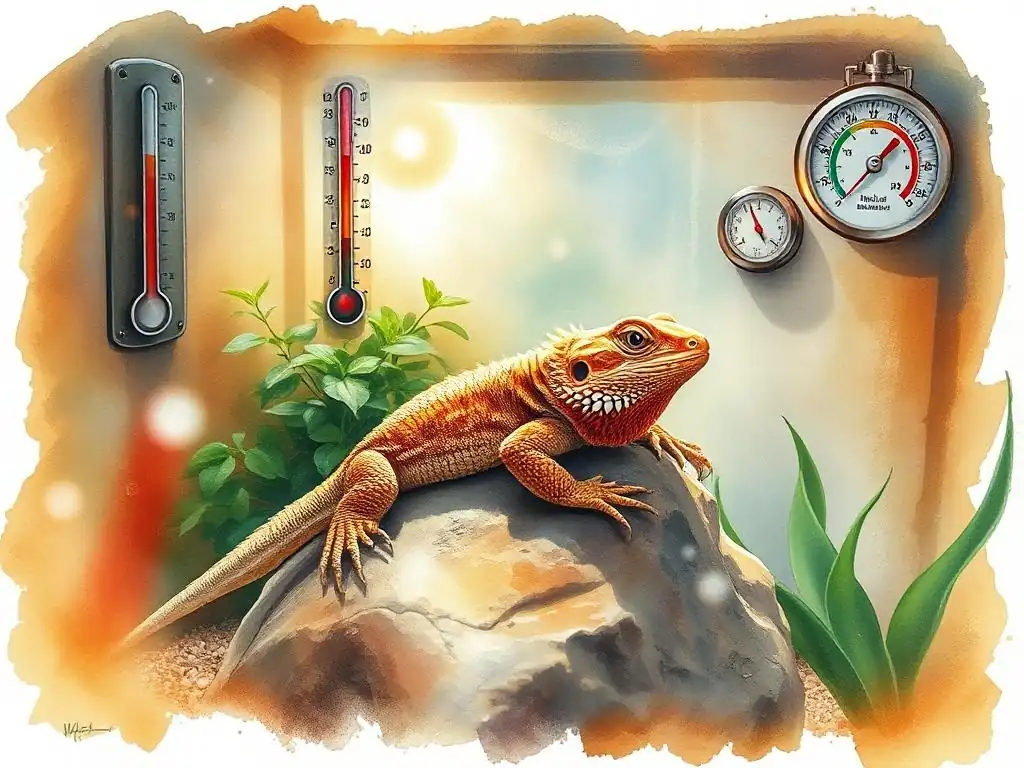
Temperature and humidity are inextricably linked within a reptile enclosure, creating a microclimate crucial for a reptile's health and well-being. Understanding this relationship is paramount for successful reptile keeping. These two environmental factors don't simply exist independently; they interact in complex ways to influence a reptile's physiology, behavior, and overall health. For instance, higher temperatures often lead to increased evaporation, thus lowering humidity.
Conversely, lower temperatures can lead to higher humidity levels, potentially creating conditions conducive to bacterial or fungal growth. This dynamic interplay necessitates careful monitoring and adjustment to maintain optimal conditions for your reptile companion. Ignoring this delicate balance can result in serious health problems, including respiratory infections, dehydration, and metabolic bone disease (MBD). Effective reptile enclosure humidity control involves understanding this fundamental connection and actively managing both temperature and humidity to create a stable and suitable environment.
Temperature and Humidity's Combined Impact on Reptile Health
The combined effect of temperature and humidity significantly impacts a reptile's ability to thermoregulate, digest food, shed its skin, and fight off disease. Reptiles are ectothermic, meaning they rely on external sources of heat to regulate their body temperature. Humidity plays a crucial role in this process, influencing the rate of evaporative water loss. In excessively dry environments, reptiles can experience dehydration, leading to lethargy, poor appetite, and weakened immune systems.
This is especially critical during shedding, as low humidity can cause difficulty in shedding, resulting in stuck sheds that can lead to infections and other complications. Conversely, excessively high humidity combined with high temperatures can create a breeding ground for bacteria and fungi, increasing the risk of respiratory infections and skin diseases. Optimal temperature and humidity levels vary greatly depending on the specific species of reptile. For example, a desert tortoise requires much drier conditions than a green tree frog.
Therefore, careful research into the specific needs of your reptile is essential for maintaining its health and longevity. Accurate monitoring using reliable thermometers and hygrometers is crucial for maintaining the appropriate balance. Failure to do so can lead to significant health issues and ultimately, the death of your pet. It's essential to remember that even small fluctuations can have significant consequences.
Adjusting Temperature and Humidity Based on Reptile Species
Different reptile species have vastly different requirements for temperature and humidity. A chart illustrating these differences would be beneficial [specific information pending]. For example, a leopard gecko thrives in a relatively dry environment (30-40% humidity) with a basking spot temperature of around 90-95°F (32-35°C) and a cool side temperature of 75-80°F (24-27°C). In contrast, a green iguana requires much higher humidity (60-80%) and a higher temperature gradient, with a basking spot temperature reaching 95-100°F (35-38°C) and a cool side temperature of 80-85°F (27-29°C).
These differences highlight the importance of conducting thorough research before acquiring any reptile. Failing to provide the appropriate environmental conditions can lead to stress, illness, and even death. Furthermore, the age and health status of the reptile can also influence its specific needs.
Juvenile reptiles often require slightly different humidity and temperature ranges compared to adults. Regular monitoring and adjustments are therefore vital to ensure your reptile's well-being throughout its life. The key is to understand the specific needs of your chosen reptile species and to maintain a consistent environment that closely mimics its natural habitat.
The Importance of Thermal Gradients in Reptile Enclosures
Maintaining a thermal gradient within a reptile enclosure is essential for allowing the reptile to thermoregulate effectively. A thermal gradient refers to a range of temperatures within the enclosure, typically created by a basking spot and a cooler area. This allows the reptile to move between these areas to maintain its optimal body temperature. This is particularly important for digestion, as reptiles require specific temperatures for optimal enzymatic activity.
A lack of a thermal gradient can restrict the reptile's ability to regulate its body temperature, potentially leading to stress, reduced appetite, and difficulty shedding. The ideal thermal gradient varies depending on the species; some reptiles require a more significant difference between the basking and cool sides, while others prefer a more subtle gradient. Providing appropriate substrate, such as reptile carpet or paper towels, also plays a role in maintaining thermal gradients. The substrate's ability to retain or dissipate heat can significantly impact the overall temperature distribution within the enclosure.
Furthermore, the size and placement of heat sources significantly influence the effectiveness of the thermal gradient. A properly designed thermal gradient, therefore, is a crucial component of responsible reptile care, ensuring the reptile's ability to maintain its health and well-being. The gradient's creation and maintenance are critical aspects of effective reptile enclosure humidity control, as the temperature directly influences humidity levels.
Troubleshooting Humidity Issues in Reptile Enclosures
Maintaining the correct humidity levels within a reptile enclosure is crucial for the health and well-being of your scaly companion. Incorrect humidity can lead to a variety of health problems, including respiratory infections, shedding difficulties, and even death. This section will guide you through troubleshooting common humidity issues and implementing effective solutions for Reptile enclosure humidity control.
Diagnosing Low Humidity Problems and Solutions
Low humidity is a frequent problem in reptile enclosures, particularly in dry climates or during winter months when indoor air is drier. Symptoms of low humidity can include difficulty shedding, lethargy, dry skin, and respiratory problems. Accurate measurement is key. Use a reliable digital hygrometer to monitor humidity levels regularly. Aim for the species-specific humidity range recommended by reputable herpetological sources. Remember, different reptile species have very different humidity requirements. A bearded dragon needs much lower humidity than a green tree frog.
Several solutions exist to combat low humidity. The simplest involves increasing the frequency of misting. However, misting alone is often insufficient for long-term humidity regulation. Consider adding a humidifier designed for reptile enclosures. These come in various types, including ultrasonic humidifiers and foggers. They offer more consistent humidity control than manual misting.
Substrates play a crucial role. Some substrates, like cypress mulch, retain moisture better than others, like paper towels. Selecting an appropriate substrate can significantly improve humidity levels. Finally, ensure proper enclosure sealing. Leaks and gaps in the enclosure can lead to rapid moisture loss, negating the efforts of humidifiers and misting.
Diagnosing High Humidity Problems and Solutions
While low humidity is common, high humidity can be equally detrimental. Excessive moisture creates an environment prone to bacterial and fungal growth, increasing the risk of respiratory infections and skin diseases. Symptoms of high humidity include lethargy, respiratory issues, and skin infections. Again, using a reliable digital hygrometer is essential for accurate monitoring. Consistent monitoring allows you to identify trends and make necessary adjustments before problems worsen.
Addressing high humidity requires a different approach. Improve ventilation by ensuring adequate airflow within the enclosure. This can involve adjusting vents or using fans designed for reptile enclosures. Avoid over-misting or excessive water in the substrate. Allow the substrate to dry out partially between mistings, particularly if you're using a substrate that retains moisture well.
Consider switching to a substrate that allows for better drainage and airflow, such as paper towels or reptile carpet, if the current substrate is contributing to excessive moisture. Regular cleaning is paramount. Remove any excess water, fecal matter, and uneaten food promptly to prevent bacterial and fungal growth. This is a crucial aspect of Reptile enclosure humidity control.
Preventing Mold and Mildew in High-Humidity Enclosures
Mold and mildew thrive in damp environments, posing a significant health risk to reptiles. These fungi can cause respiratory problems, skin infections, and other health issues. Preventing mold and mildew requires proactive measures and diligent maintenance. Regular cleaning is vital. Remove and replace soiled substrate frequently. Thoroughly clean the enclosure walls and any decorations with a reptile-safe disinfectant.
Adequate ventilation is crucial. Good airflow prevents moisture buildup that encourages mold and mildew growth. Proper substrate selection plays a role here too. Some substrates are more prone to mold growth than others. Choosing a substrate less susceptible to mold, such as paper towels, can help reduce the risk.
Monitor humidity levels closely. Maintaining humidity within the recommended range, using a hygrometer, minimizes the conditions conducive to mold and mildew. Finally, remember that proper cleaning and maintenance are essential components of responsible reptile care and effective Reptile enclosure humidity control. A clean environment means a healthy reptile. 🦎
Reptile Enclosure Humidity Control: Species-Specific Considerations
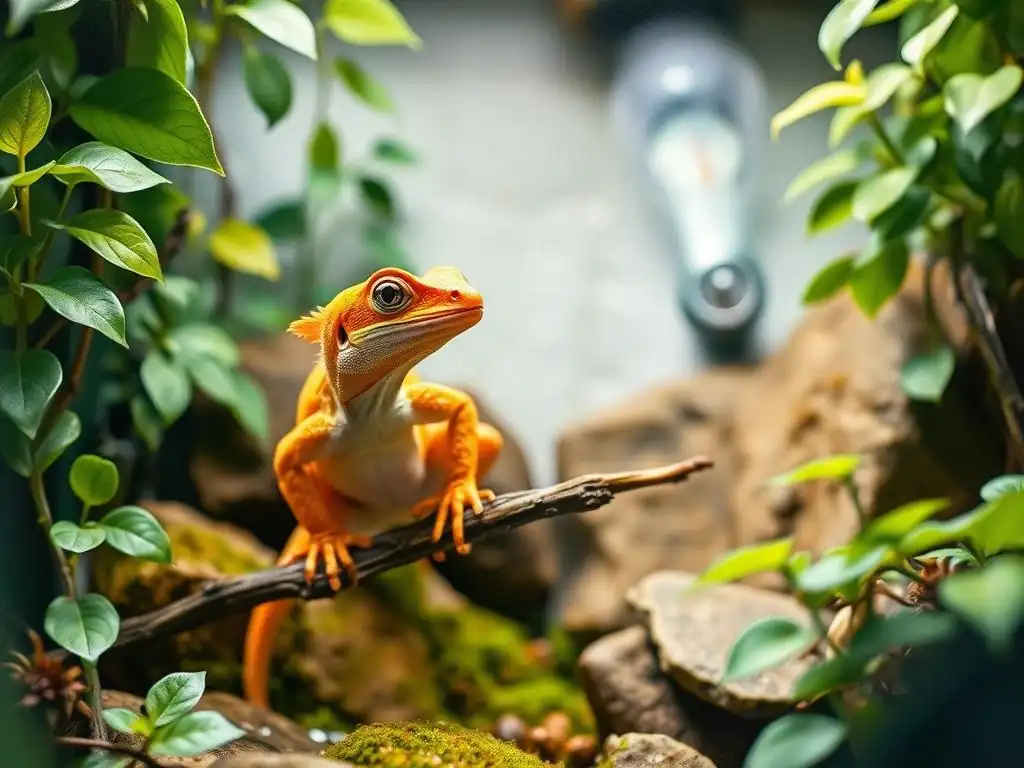
Maintaining the correct humidity levels within a reptile enclosure is crucial for the health and well-being of your scaly friend. Reptile enclosure humidity control isn't a one-size-fits-all solution; the ideal humidity range varies significantly depending on the species. Failure to provide appropriate humidity can lead to serious health problems, including dehydration, respiratory infections, and shedding difficulties.
This section delves into the specific humidity needs of popular pet reptiles and how to achieve optimal conditions. Understanding these species-specific requirements is paramount for responsible reptile keeping. This knowledge helps you effectively manage reptile enclosure humidity control and ensure the thriving of your pet.
Humidity Requirements for Common Pet Reptiles (e.g., Bearded Dragons, Leopard Geckos, Crested Geckos)
Different reptiles thrive in vastly different humidity levels. Let's examine the needs of some popular pet reptile species:
| Reptile Species | Ideal Humidity Range (%) | Notes |
|---|---|---|
| Bearded Dragon | 30-40 | Lower humidity is generally preferred; higher humidity can lead to respiratory issues. |
| Leopard Gecko | 20-30 | Dry environments are crucial; excessive moisture can cause skin problems and bacterial infections. |
| Crested Gecko | 60-80 | Requires consistently high humidity; misting is often necessary. |
| Ball Python | 50-60 | Moderate humidity is essential for healthy shedding and overall well-being. |
| Corn Snake | 40-50 | Similar to Ball Pythons, maintaining this range is key. |
Maintaining these humidity levels requires careful monitoring and adjustment. Using a reliable hygrometer is essential for accurate measurements. Remember that even minor fluctuations outside the ideal range can negatively impact your reptile's health over time. Regular monitoring is key to proactive reptile enclosure humidity control. Consistent monitoring and adjustments are key to ensuring your reptile thrives.
Creating the Ideal Humidity Environment for Specific Reptile Species
Achieving the correct humidity for each species requires a tailored approach. For example, crested geckos, requiring high humidity (60-80%), benefit from regular misting and the use of bioactive substrates that retain moisture. Conversely, leopard geckos, needing much drier conditions (20-30%), thrive in setups with minimal substrate moisture and good ventilation. The substrate itself plays a significant role in humidity regulation. Paper towels offer minimal humidity retention while bioactive substrates such as coconut fiber or soil mixtures can retain significantly more moisture. This choice should align with your reptile's specific needs.
For reptiles needing higher humidity, consider using a humidifier specifically designed for reptile enclosures. These humidifiers allow for precise control and prevent over-humidification. Regularly inspect the enclosure for signs of mold or mildew, which can indicate excessively high humidity. Proper ventilation is crucial, even in high-humidity environments, to prevent the buildup of harmful bacteria and fungi. The balance between humidity and ventilation is key to a healthy reptile enclosure.
Adapting Humidity Control Methods for Different Enclosure Types
The type of enclosure also influences your humidity control strategy. A glass terrarium, for instance, retains moisture more effectively than a screen enclosure. This means that achieving and maintaining the desired humidity in a glass terrarium might require less frequent misting or the use of a less powerful humidifier compared to a screen enclosure. The material and size of the enclosure are important factors in determining the appropriate humidity control method.
For larger enclosures, you might need more powerful humidifiers or multiple misting sessions. Small enclosures may require less intervention, but careful monitoring is still essential. Always remember that the size of the enclosure directly impacts the effectiveness of your humidity control strategies. Regularly monitor the humidity levels using a reliable hygrometer, and adjust your methods as needed to maintain the optimal range for your reptile's species. Proper reptile enclosure humidity control is an ongoing process requiring vigilance and adaptation. The ultimate goal is to create a stable and healthy environment for your pet.
Advanced Techniques for Reptile Enclosure Humidity Control
This section delves into sophisticated methods beyond the basics of reptile enclosure humidity control, focusing on automated systems and personalized solutions for maintaining optimal environmental conditions. Proper humidity levels are crucial for the health and well-being of your reptile, preventing respiratory issues, shedding problems, and other health complications. Achieving and maintaining the ideal humidity range requires dedication and, often, advanced techniques. Let's explore some of them.
Utilizing Automated Humidity Control Systems
Automated humidity control systems offer a significant advantage over manual methods, providing consistent and precise humidity levels within your reptile enclosure. These systems typically consist of a humidity sensor, a controller unit, and a humidification or dehumidification device. The sensor constantly monitors the humidity, sending data to the controller. The controller then activates the humidifier or dehumidifier as needed to maintain the pre-set humidity range.
Several benefits arise from using automated systems. Firstly, they eliminate the guesswork and manual adjustments, leading to a more stable environment. This consistency is especially crucial for delicate reptiles with specific humidity requirements. Secondly, automated systems offer greater precision, allowing you to set and maintain a very narrow humidity range. This is particularly useful for species that are sensitive to even slight fluctuations. Finally, automated systems free up your time, eliminating the need for constant monitoring and adjustment.
Choosing the right automated system depends on the size of your enclosure and the specific humidity needs of your reptile. Smaller enclosures may require less powerful systems, while larger enclosures might necessitate more robust solutions. Consider factors like the type of humidification/dehumidification method (ultrasonic, evaporative, etc. ), the accuracy of the sensor, and the ease of use of the controller. Researching different brands and models will help you find the perfect fit for your reptile's specific needs and your budget. Remember to always carefully read instructions and follow safety guidelines when installing and operating any automated system.
Building a Custom Humidity Control System for Your Reptile Enclosure
For those with a penchant for DIY projects and a desire for highly customized solutions, building a custom humidity control system can be a rewarding experience. This approach allows for complete control over every aspect of the system, ensuring it perfectly suits your specific reptile and enclosure. However, it requires a higher level of technical expertise and a thorough understanding of electronics and humidity control principles.
A custom system could involve using a microcontroller (like an Arduino), a humidity sensor, a relay, and a humidifier or dehumidification component. The microcontroller would read the humidity sensor data, and based on pre-programmed parameters, activate the humidifier or dehumidifier accordingly. This level of control offers unparalleled precision and flexibility. You can program specific humidity thresholds, set timers, and even integrate the system with other smart home devices.
However, building a custom system also presents challenges. It requires significant time and effort, along with a good understanding of electronics and programming. Improperly designed or implemented systems could pose safety risks, potentially damaging your equipment or even causing harm to your reptile. Thorough research, careful planning, and meticulous execution are essential for a successful outcome. Consider consulting online resources and forums dedicated to DIY reptile enclosure projects for guidance and support. Safety should always be your top priority.
Monitoring and Adjusting Humidity Levels Based on Reptile Behavior
While automated systems offer significant advantages, observing your reptile's behavior remains a crucial aspect of reptile enclosure humidity control. Even with the most advanced technology, subtle changes in your reptile's behavior can indicate issues with the humidity levels, even if the automated system reports values within the target range.
Observe your reptile closely for signs of dehydration, such as lethargy, sunken eyes, or dry skin. Conversely, excessive humidity can manifest as respiratory problems, such as wheezing or labored breathing. Changes in shedding patterns can also be an indicator of humidity issues; difficulty shedding often signals low humidity, while excessively sticky shedding might suggest excessive humidity. Keep a detailed log of your observations, noting any behavioral changes alongside the humidity readings from your automated system.
This will help you identify patterns and make informed adjustments to your humidity control strategy. Remember, a healthy reptile is an active and alert reptile. Any deviation from its normal behavior warrants careful investigation and potential adjustments to its environment. Regular observation is a key component of responsible reptile ownership and contributes significantly to successful reptile enclosure humidity control.
Frequently Asked Questions
What is the ideal humidity level for my reptile?
The ideal humidity level varies greatly depending on your reptile species. Research your specific reptile's needs; incorrect humidity can cause serious health problems. Consult a veterinarian or reputable reptile care guide.
How can I measure the humidity in my reptile enclosure?
Use a reliable digital hygrometer to accurately monitor humidity levels. These are inexpensive and readily available at most pet stores. Regular monitoring is crucial for maintaining the correct environment.
What are some ways to increase humidity in a reptile enclosure?
You can increase humidity by adding a water dish, using a humidifier, or misting the enclosure regularly. Substrate choice also plays a role; some substrates retain moisture better than others.
How can I decrease humidity in a reptile enclosure?
To lower humidity, improve ventilation by adding more screen tops or vents. Use a dehumidifier for more precise control, and choose a substrate that doesn't retain excessive moisture.
What happens if the humidity is too high or too low for my reptile?
Improper humidity can lead to respiratory infections, skin problems, shedding difficulties, and even death. Maintaining the correct humidity is essential for your reptile's health and well-being.
Final Reflection: The Vital Balance: Humidity and Reptile Health
Maintaining optimal humidity levels in reptile enclosures isn't just a hobbyist's concern; it's a critical factor in the health and well-being of these fascinating creatures. Failure to understand and manage humidity can lead to serious health problems, impacting everything from shedding to respiratory function, ultimately determining the lifespan of your scaled companion. The delicate interplay between temperature and humidity underscores the responsibility we bear as keepers.
The impact of proper humidity control extends beyond the individual reptile; it speaks to our evolving understanding of animal welfare and responsible pet ownership. Our understanding of these intricate environmental needs is constantly growing, pushing us to refine our husbandry practices and create more enriching habitats. The best measure of intelligence is the ability to change,
attributed to Albert Einstein, perfectly encapsulates our ongoing journey to improve reptile care. As we learn more, we must adapt our methods, ensuring our enclosures truly reflect the natural environments these animals evolved in.
Consider the information presented in this article – the different methods of humidity control, the importance of monitoring, and the specific needs of various reptile species. You now possess the knowledge to create a thriving environment for your reptile. Take the time to assess your current setup, make necessary adjustments, and commit to ongoing monitoring. Your reptile's health and happiness depend on it, and the satisfaction of providing optimal care is a reward in itself.
Unlock Your Reptile's Thrive Zone!
Thanks for exploring the fascinating world of reptile humidity and temperature! You've gained valuable insights into creating the perfect environment for your scaled companion. Ready to put this knowledge into practice?
- Optimize your reptile's enclosure: Adjusting humidity and temperature levels is crucial for creating an ideal living space where your reptile thrives. Use the information in this article as a guide to ensure your pet's comfort and well-being.
- Share your success: Show off your improved enclosure! Share photos and tips on our PetCareWorld forum – connect with other reptile enthusiasts and help others create amazing habitats for their pets.
- Explore natural solutions: Consider adding humidity-regulating plants or experimenting with different substrates to naturally fine-tune your reptile's environment.
What small adjustment will you make today to improve your reptile’s well-being?