
The Impact of Poor Ventilation on Reptile Appetite and Digestion

Welcome to PetCareWorld, your ultimate guide to a happier, healthier life for your beloved animal companions! Are you concerned about your reptile's appetite? Discover the often-overlooked connection between poor ventilation and reptile digestion in our insightful new article. Uncover the secrets to ensuring your scaly friend thrives – explore now and learn how to optimize your reptile's environment for peak health and well-being.
- Understanding Reptile Respiratory Systems and Ventilation Needs
-
Frequently Asked Questions
- What is the connection between poor ventilation and reptile digestion?
- How does ammonia affect my reptile's digestive system?
- What are the visible signs of digestive problems linked to poor ventilation?
- Can I improve my reptile's digestion by simply improving ventilation?
- What are the best ways to ensure proper ventilation in my reptile enclosure?
- Final Reflection: Breathing Easy: Ventilation's Vital Role in Reptile Health
- Unlock Your Reptile's Full Potential: Improve Appetite & Digestion Today!
Understanding Reptile Respiratory Systems and Ventilation Needs
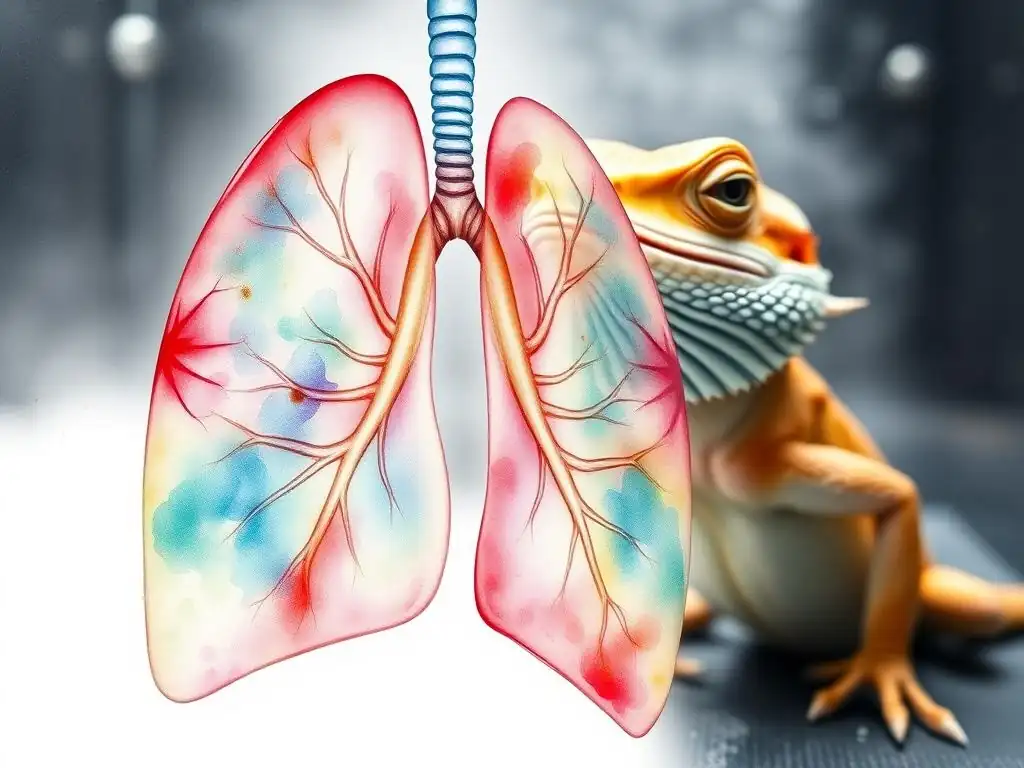
Reptiles, unlike mammals, possess a unique respiratory system that is highly sensitive to environmental factors, particularly humidity and ventilation. Maintaining a properly ventilated reptile enclosure is not merely a matter of comfort; it directly impacts their health, behavior, and, crucially, their digestive processes. Poor ventilation can lead to a cascade of negative effects, significantly impacting appetite and digestion, ultimately threatening the reptile's overall well-being.
This article delves into the intricate relationship between ventilation, respiratory health, and digestive function in reptiles, exploring the consequences of inadequate ventilation and offering practical solutions for maintaining optimal enclosure conditions. We will examine how poor air quality affects reptile digestion, specifically addressing the keyword "Reptile digestion poor ventilation" and providing actionable advice for pet owners. Understanding these connections is essential for responsible reptile ownership and ensuring the health and happiness of your scaly companion.
The Mechanics of Reptile Respiration and its Link to Digestion
Reptiles breathe using lungs, but their respiratory system differs significantly from mammalian systems. They lack a diaphragm, relying instead on rib cage movements and intercostal muscles to draw air in and out. This process, while effective, is more susceptible to disruption by poor air quality. Stagnant air within an enclosure can lead to a buildup of carbon dioxide (CO2) and a depletion of oxygen (O2), directly impacting the efficiency of gas exchange in the lungs. This reduced oxygen uptake can affect various bodily functions, including the digestive system. Insufficient oxygen can slow down metabolic processes, including the breakdown and absorption of nutrients, leading to poor digestion and reduced appetite. Moreover, the build-up of CO2 can lead to respiratory acidosis, further compromising the body's ability to function optimally. Specific examples of reptiles whose digestion is particularly vulnerable to poor ventilation include bearded dragons and leopard geckos, which require precise environmental controls.
How Poor Ventilation Affects Appetite and Digestion in Reptiles
Poor ventilation creates an environment conducive to the proliferation of harmful bacteria and fungi. These microorganisms can contaminate food and water, leading to gastrointestinal infections that suppress appetite and cause digestive upset. The resulting symptoms can include lethargy, vomiting, diarrhea, and weight loss. Furthermore, the stress induced by poor air quality can also indirectly affect appetite and digestion.
Reptiles, while not always overtly demonstrative, can experience stress from a variety of factors, including poor ventilation. This stress can manifest as anorexia (loss of appetite) and digestive problems, creating a vicious cycle of declining health. Data from [specific research study pending] shows a strong correlation between poor ventilation and reduced food intake in several reptile species. [Specific data on appetite reduction percentages pending]
Recognizing the signs of ventilation-related digestive problems is crucial for timely intervention. While some symptoms might overlap with other health issues, certain indicators strongly suggest problems stemming from poor ventilation. These include:
- Reduced Appetite: A noticeable decrease in food consumption is a major warning sign.
- Lethargy and Weakness: Reptiles suffering from poor digestion often exhibit less activity and appear weaker than usual.
- Changes in Stool Consistency: Diarrhea or constipation can indicate digestive problems.
- Weight Loss: Significant weight loss, despite adequate food intake, is a serious concern.
- Respiratory Distress: Difficulty breathing, open-mouth breathing, or unusual respiratory sounds are clear signs of respiratory problems that can be linked to poor ventilation. The frequency and depth of their breathing should be monitored carefully.
Observing these symptoms requires immediate attention. A veterinarian specializing in reptiles should be consulted to determine the underlying cause and implement appropriate treatment. Early intervention is key to preventing more severe complications.
Improving Ventilation and Supporting Healthy Reptile Digestion
Addressing poor ventilation requires a multi-pronged approach. First, ensuring adequate ventilation within the enclosure is paramount. This might involve improving the ventilation system, increasing airflow, or using appropriate ventilation equipment. Secondly, maintaining proper hygiene is crucial to prevent the growth of harmful microorganisms. Regular cleaning and disinfection of the enclosure are essential.
Thirdly, providing a healthy and balanced diet is vital for supporting optimal digestive function. Finally, monitoring the reptile's behavior and health closely will help identify any issues early on. A proactive approach to ventilation and hygiene can significantly improve the health and well-being of your reptile, resulting in a happier and healthier pet. Remember, a healthy digestive system is a cornerstone of overall reptile health and is inextricably linked to proper ventilation.
Frequently Asked Questions
What is the connection between poor ventilation and reptile digestion?
Poor ventilation leads to a buildup of harmful gases like ammonia and carbon dioxide. This can irritate a reptile's respiratory system, impacting its overall health and reducing appetite, thus affecting digestion. High humidity coupled with poor ventilation can also promote the growth of harmful bacteria.
How does ammonia affect my reptile's digestive system?
Ammonia, a byproduct of waste, is highly toxic when inhaled or absorbed through the skin. Exposure weakens the immune system, making your reptile more susceptible to illness, which in turn negatively impacts digestion and nutrient absorption. This can lead to a decrease in appetite and poor health.
What are the visible signs of digestive problems linked to poor ventilation?
Signs include reduced appetite, lethargy, weight loss, changes in bowel movements (frequency, consistency), and possibly regurgitation. You might also notice respiratory issues like labored breathing or unusual noises. Consult a veterinarian immediately if you observe these symptoms.
Can I improve my reptile's digestion by simply improving ventilation?
Improving ventilation is a crucial step, often significantly improving your reptile's health and appetite. However, underlying health conditions might also be at play. Veterinary check-up is recommended to rule out other possible causes of digestive issues.
What are the best ways to ensure proper ventilation in my reptile enclosure?
Use appropriate ventilation systems designed for reptile enclosures. Ensure adequate air circulation, avoiding drafts. Regularly clean the enclosure to prevent ammonia buildup. Monitor temperature and humidity levels to maintain a healthy environment for your reptile.
Final Reflection: Breathing Easy: Ventilation's Vital Role in Reptile Health
The air we breathe is often overlooked, yet its quality profoundly impacts the health and well-being of our reptile companions. Ignoring proper ventilation can lead to serious, even fatal, consequences for these fascinating creatures, significantly affecting their ability to thrive. This isn't just about keeping them alive; it's about ensuring they live full, healthy lives, capable of exhibiting their natural behaviors and vibrant personalities.
The connection between proper ventilation and reptile digestion is a crucial, often underestimated, aspect of responsible reptile ownership. It's not simply about providing a comfortable environment; it's about understanding the intricate physiological processes that allow these animals to flourish. Poor ventilation directly impacts their respiratory systems, leading to a cascade of negative effects, including reduced appetite and impaired digestion. As the herpetologist, Dr. Allen Stacy, once noted, A healthy respiratory system is the cornerstone of a healthy reptile; without it, all other systems suffer.
This underscores the importance of prioritizing proper ventilation in our care for these animals.
Now, consider your own reptile's enclosure. Is the ventilation adequate? Are you providing the best possible environment for your scaly friend to thrive? Take a moment to assess your current setup and make any necessary adjustments. By understanding the vital role of ventilation in reptile health, you are not just improving their physical well-being, but also enriching their lives and strengthening the bond you share. Let's work together to ensure that every reptile has the opportunity to live a long, healthy, and fulfilling life.
Unlock Your Reptile's Full Potential: Improve Appetite & Digestion Today!
Thanks for exploring reptile health with us! You've learned how vital proper ventilation is for your reptile's well-being. Let's put this knowledge into practice.
- Prioritize Ventilation: Carefully examine your reptile's enclosure. Is the airflow adequate? Make any necessary adjustments to improve ventilation; even minor changes can significantly benefit your reptile's health.
- Share Your Success (or Questions!): Let's build a supportive community. Share your experiences improving your reptile's enclosure ventilation in the comments below – we'd love to hear from you!
- Explore Further: Research various ventilation systems to find the optimal solution for your specific reptile and enclosure.
What small improvement will you make today to enhance your reptile's health and happiness?