
How to Measure Your Reptile for the Right Terrarium Size

Welcome to PetCareWorld, your ultimate guide to a happier, healthier life for your beloved companion! Are you ready to create the perfect habitat for your scaly friend? Our comprehensive Reptile Terrarium Size Guide will help you determine the ideal enclosure size, ensuring your reptile thrives. Discover the secrets to choosing the right terrarium – learn how to accurately measure your reptile and unlock the key to their well-being. Dive in and explore the world of reptile care!
- Understanding Reptile Terrarium Size Requirements
-
Frequently Asked Questions
- How important is the correct terrarium size for my reptile?
- What factors should I consider beyond my reptile's size when choosing a terrarium?
- My reptile is still young. Can I start with a smaller terrarium and upgrade later?
- Are there any online resources to help me determine the appropriate terrarium size?
- What should I do if I'm unsure about the correct terrarium size for my specific reptile?
- Final Reflection: The Perfect Habitat: More Than Just Numbers
- Unlock Your Reptile's Happy Habitat!
Understanding Reptile Terrarium Size Requirements
Choosing the right terrarium for your reptile is crucial for its health, well-being, and overall quality of life. A terrarium that's too small can lead to stress, stunted growth, and even disease, while one that's too large can make it difficult to maintain proper temperature and humidity gradients. This comprehensive guide, focused on providing a practical Reptile terrarium size guide, will help you determine the appropriate size terrarium for your specific reptile, ensuring your scaly friend thrives in its environment.
We'll delve into the key factors influencing terrarium size selection, offering practical advice and examples to help you make an informed decision. Understanding your reptile's specific needs is paramount, and this guide will equip you with the knowledge to provide the best possible home for your pet. Remember, a properly sized terrarium is a cornerstone of responsible reptile ownership.
Measuring Your Reptile: Beyond Just Length
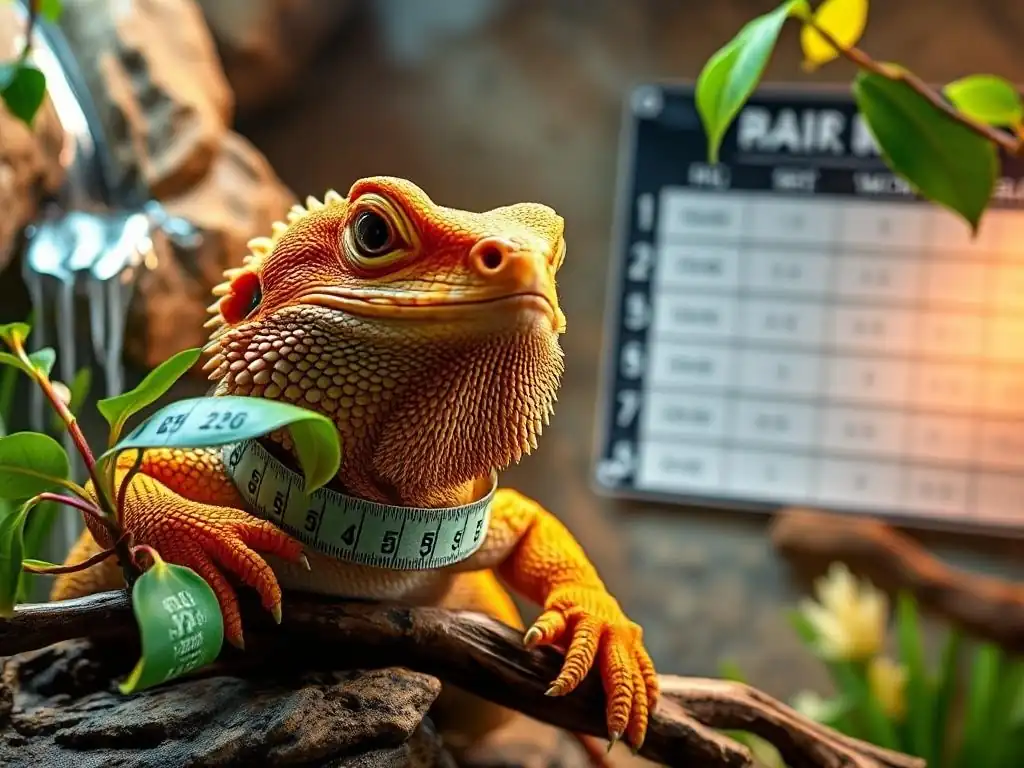
Accurately measuring your reptile is the first step in determining the right terrarium size. Simply measuring its length isn't sufficient; you need to consider its overall size, including its height and width, especially when it's fully grown. Many reptiles will grow significantly over their lifetime. For example, a juvenile bearded dragon might only measure 6 inches long, but a fully mature adult can reach 24 inches. Therefore, it's vital to research the adult size of your specific reptile species.
Use a flexible measuring tape and gently measure your reptile from the tip of its snout to the end of its tail. Record this measurement, along with its height and width at its widest points. Remember to be gentle and avoid stressing your reptile during the measuring process. Consider using two people – one to gently hold the reptile and another to take the measurements.
Considering Adult Size and Future Growth
This is arguably the most crucial aspect of choosing a terrarium. Purchasing a terrarium that only accommodates your reptile's current size is a recipe for disaster. You must account for future growth. Failing to do so will necessitate an upgrade later, potentially causing unnecessary stress to your reptile during the transition. Research your reptile's species thoroughly.
Reliable online resources and herpetological books provide detailed information on the average adult size of different reptile species. For instance, a corn snake, while starting small, can reach lengths of 4-6 feet. Therefore, even if your corn snake is currently only a few inches long, you’ll need a considerably larger terrarium to accommodate its adult size. Consider the growth rate of your species; some grow faster than others.
Habitat Requirements: Space for Enrichment
The terrarium shouldn't just house your reptile; it should provide a stimulating and enriching environment. The size of the terrarium directly impacts the amount of environmental enrichment you can provide. A larger terrarium allows for a more complex setup, with varied climbing structures, hiding places, basking spots, and water features.
These elements are vital for your reptile's physical and psychological well-being. For instance, a larger enclosure for a leopard gecko might include multiple hides, different substrate types, and climbing structures, mimicking their natural environment far more effectively than a smaller enclosure. Consider the specific behavioral needs of your reptile species; arboreal species require significant vertical space, while terrestrial species need ample floor space.
Calculating Terrarium Volume: A Practical Approach
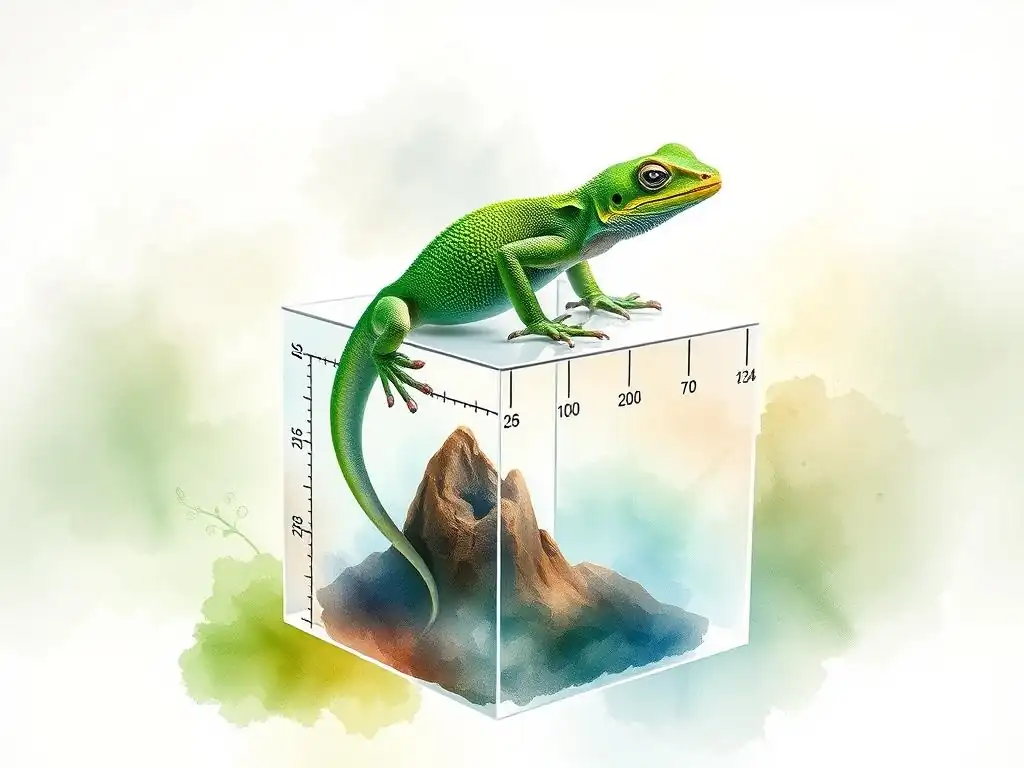
While linear measurements are important, the volume of the terrarium is the ultimate determinant of its suitability. Volume is calculated by multiplying length x width x height. This will give you the cubic measurement (e.g., cubic feet or cubic inches) of the terrarium. Many online resources and reptile care guides provide recommended minimum volume requirements for various reptile species.
Always aim for the higher end of the recommended range, especially for larger or more active species. Remember, more space is generally better than less. A larger terrarium provides more room for error in maintaining optimal temperature and humidity gradients and provides a more enriching environment for your reptile.
Example Calculations and Species-Specific Considerations [1]
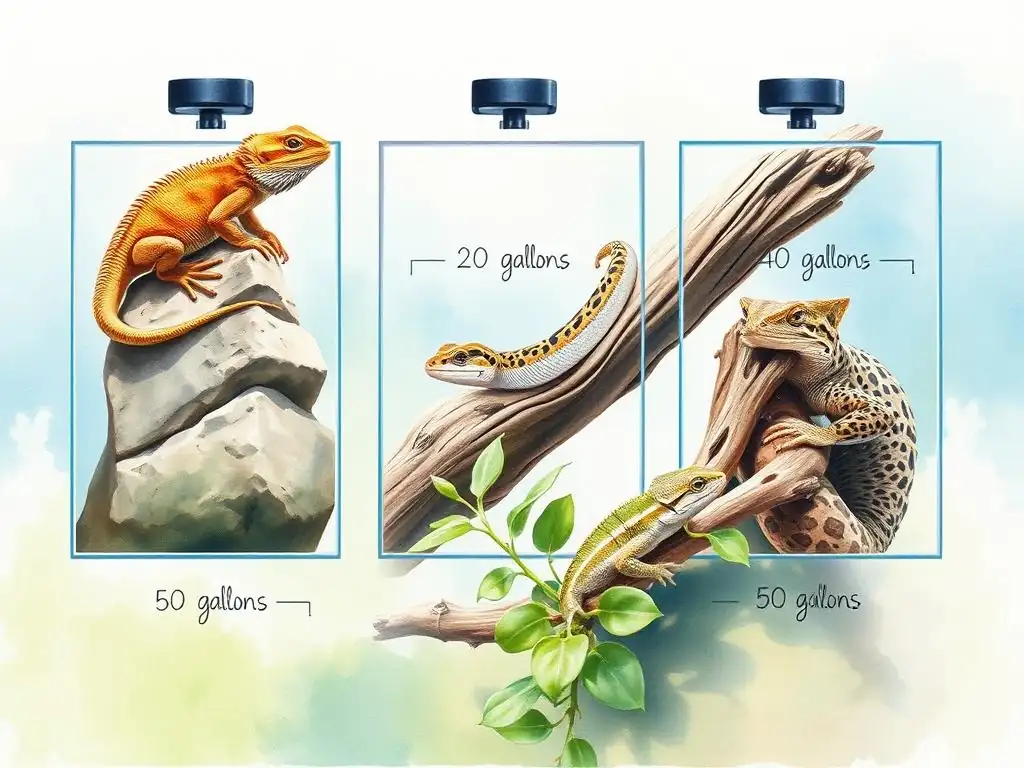
Let's illustrate this with an example: A mature adult Leopard Gecko typically requires a terrarium with a minimum volume of around 20 gallons. This translates to a specific length, width, and height – the exact dimensions will vary depending on the terrarium's shape. However, a terrarium with dimensions smaller than this minimum would be inadequate for a healthy adult Leopard Gecko.
However, this is a general guideline; the specific needs may vary depending on the individual reptile's size and activity level. Always consult species-specific care sheets for more precise recommendations. Different species have vastly different space requirements; a small gecko will need a much smaller terrarium than a large monitor lizard.
1 Note that these are general guidelines, and the exact dimensions may vary depending on the terrarium's shape and the individual reptile's needs. Always consult species-specific care sheets for more precise recommendations.
Frequently Asked Questions
How important is the correct terrarium size for my reptile?
Choosing the right terrarium size is crucial for your reptile's well-being. A space too small can lead to stress and health problems, while one too large can make it difficult to maintain proper temperature and humidity.
What factors should I consider beyond my reptile's size when choosing a terrarium?
Consider your reptile's species-specific needs, including climbing space, basking area, and humidity requirements. The terrarium's shape and type of substrate will also influence your choice.
My reptile is still young. Can I start with a smaller terrarium and upgrade later?
While tempting, it's generally best to get a terrarium of a suitable size from the start. Frequent moves can stress your reptile and disrupt their environment. Consider your reptile's adult size when making your purchase.
Are there any online resources to help me determine the appropriate terrarium size?
Yes! PetCareWorld offers a comprehensive reptile terrarium size guide to help you determine the correct size based on your reptile's species and adult size. Use our measuring guide for accurate measurements.
What should I do if I'm unsure about the correct terrarium size for my specific reptile?
Consult with a veterinarian or experienced reptile keeper. They can provide species-specific advice and help you choose a terrarium that meets your reptile's needs and ensures a healthy and happy life.
Final Reflection: The Perfect Habitat: More Than Just Numbers
Choosing the right terrarium size for your reptile isn't just about measurements; it's about ensuring their well-being and enriching their lives. A seemingly simple task, selecting the appropriate enclosure, directly impacts your reptile's health, happiness, and longevity. Getting it wrong can lead to stress, illness, and ultimately, a diminished quality of life for your scaly companion.
The impact of providing a suitable habitat extends beyond the individual reptile; it speaks to our responsibility as keepers. We are entrusted with the care of these fascinating creatures, and understanding their needs – from basking space to climbing opportunities – is paramount. The greatness of a nation and its moral progress can be judged by the way its animals are treated.
- Mahatma Gandhi. This quote, while broad in scope, highlights the ethical considerations inherent in responsible pet ownership, and the importance of providing a suitable environment for our animal companions, regardless of species.
So, as you embark on your journey of reptile ownership, remember the lessons learned here. Consider not just the length, width, and height of the enclosure, but also the enrichment it provides. Don't just measure; observe, adapt, and create a thriving habitat that reflects your commitment to your reptile's well-being. Your reptile will thank you for it, in their own unique, scaled way.
Unlock Your Reptile's Happy Habitat!
Thank you for learning how to properly size your reptile's terrarium! You now have the knowledge to create a thriving home for your scaled friend. Ready to put your new skills to the test?
- Design the perfect reptile enclosure: Use your measurements to find the ideal terrarium size and start planning your reptile's new paradise. Consider the substrate, hiding places, and enrichment items to enhance their quality of life.
- Share your terrarium creation journey: Tell us about your reptile and the exciting process of building their new home! We'd love to see photos and hear about your design choices on our PetCareWorld forum.
- Explore additional resources: Learn more about reptile care by visiting our extensive library of resources on reptile-specific needs and enrichment.
Ready to build the ultimate reptile haven? What unique feature will make your reptile's terrarium truly special?