Reptile Vet Visits: Ensuring Safe and Effective Care
😊 Navigating reptile vet visits can be daunting. PetCareWorld's expert guide ensures a safe and effective experience for your scaled companion, offering…
Read article

Reptile safety is as much about protecting your family as it is about caring for your scaly companion. From preventing salmonella transmission to ensuring secure habitats that prevent escapes, responsible ownership involves clear rules, proper hygiene, and mindful handling. Whether you have a curious toddler, a playful dog, or simply want peace of mind, learning how to safely interact with your reptile while respecting its natural behaviors is essential for a harmonious home. Get expert, practical tips to keep everyone—human and reptile—healthy, happy, and safe.
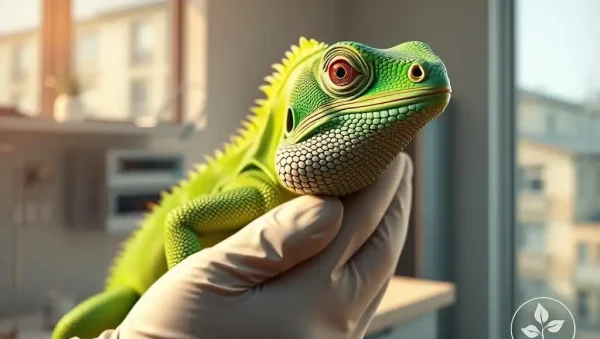
😊 Navigating reptile vet visits can be daunting. PetCareWorld's expert guide ensures a safe and effective experience for your scaled companion, offering…
Read article
😊 Safeguarding your family in a reptile-owning household requires proactive measures. PetCareWorld details crucial reptile safety measures for family homes, emphasizing secure…
Read article
😊 Ensure your child's safety and your reptile's well-being with our expert guide on childproofing reptile enclosures. Learn crucial safety tips to…
Read articleBringing a reptile into your home is an exciting journey, but it comes with unique responsibilities. Our Reptile Safety for Owners and Family subcategory is your go-to resource for creating a secure environment for both your scaly companion and everyone in your household. From preventing bites and reducing Salmonella risks to safe handling techniques and child-proofing terrariums, this guide covers the critical steps to ensure a harmonious, hazard-free coexistence. Explore expert-backed advice tailored for beginners and seasoned keepers alike, all aimed at minimizing injury and illness while fostering a positive bond.
Reptile bites can range from minor nips to serious wounds, especially with larger species like iguanas or tegus. This section delves into species-specific bite triggers, such as feeding time confusion or defensive posturing, and teaches you how to read warning signals before strikes occur. You’ll learn proper handling grips that reduce stress, plus immediate first-aid steps—cleaning, disinfection, and when to seek medical care—for both minor and severe bites. We also emphasize the importance of never grabbing a reptile from above, a common mistake that provokes defensive behavior, ensuring you and your family stay safe during daily interactions.
Beyond immediate response, our guidance covers long-term behavioral modification to reduce biting incidents. You’ll discover environmental adjustments, like providing hiding spots and predictable routines, that lower aggression. For households with children or elderly members, we outline extra precautions, such as using gloves for specific species and designating a "no touch" feeding zone. By integrating these practical strategies, you’ll transform potential hazards into manageable, predictable interactions, making reptile ownership safer and more enjoyable for everyone involved.
Reptiles naturally carry Salmonella, a bacteria that can cause severe gastrointestinal illness, particularly in young kids, pregnant women, and immunocompromised individuals. This critical section explains how contamination spreads—not just through direct contact, but via surfaces, water bowls, and even substrate dust. We provide a step-by-step hygiene routine including dedicated cleaning supplies, proper handwashing techniques (20 seconds with soap), and safe disposal of reptile waste. You’ll also learn which disinfectants are effective yet reptile-safe, preventing cross-contamination in shared living spaces like kitchens or bathrooms.
We address common but risky practices, such as washing reptile accessories in kitchen sinks or allowing pets to roam freely on counters. Instead, we offer viable alternatives like designated cleaning bins and portable playpens with washable liners. For families with vulnerable members, we outline stricter protocols, including weekly habitat deep-cleans and regular veterinary screenings. By adopting these habits, you create a protective barrier that keeps your loved ones healthy without compromising your reptile’s welfare, ensuring peace of mind for every household member.
Children and other pets (cats, dogs, small mammals) are naturally curious about reptiles, which can lead to stressful or dangerous encounters. This segment focuses on supervised interaction frameworks, teaching you to use barriers like mesh enclosures or leashed introductions for dogs, and teaching kids the "look, don’t touch" rule until they are developmentally ready. You’ll find age-appropriate handling guidelines—such as allowing children only to pet a reptile’s back under adult guidance—and how to recognize signs of stress in your reptile, like hissing or tail whipping, to intervene early. We also cover safe housing placement to prevent curious paws or fingers from reaching into terrariums.
Beyond physical safety, we discuss the psychological benefits of responsible reptile viewing for children, including lessons in empathy and biology. You’ll learn how to create a dedicated "reptile viewing station" with low, secure furniture that allows safe observation without direct access. For multi-pet households, we provide integration timelines and scent-swapping techniques to reduce predatory instincts. These proactive measures help foster a respectful curiosity, turning your reptile into a family learning tool rather than a source of stress, while safeguarding all parties from unintended injuries.
A secure enclosure is your reptile’s first line of defense and your family’s safeguard against escapes and accidents. This section details escape-proofing methods, from checking lid locks and mesh integrity to weighing down light fixtures that could be knocked over. You’ll learn about proper ventilation to prevent respiratory issues from humidity buildup, and how to secure heat lamps and UVB bulbs to avoid burns or fires—a leading cause of home reptile-related accidents. We also cover safe substrate choices that minimize ingestion risks (like sand vs. paper), especially for younger reptiles or those prone to digging.
Beyond the enclosure itself, we address environmental hazards within your home, such as toxic plants placed near the habitat, exposed electrical cords, or drafts from air conditioning vents. Our checklists help you conduct monthly safety audits, ensuring that placement of tanks on stable stands, and that all heating elements have thermostats and guards. For multi-reptile households, we explain quarantine protocols to prevent disease spread, plus secure storage for feeding insects to avoid infestations. These proactive steps not only protect your reptile but also create a safer home environment free from preventable emergencies.
Early detection of health issues is vital to prevent suffering and avoid zoonotic risks. This part teaches you how to identify common symptoms like lethargy, abnormal shedding, oral discharge, or sudden weight loss, and how these can signal contagious conditions that affect both reptiles and humans. You’ll learn baseline norms for your species—proper temperature, appetite, and activity levels—to spot deviations swiftly. We also provide a guide to assembling a reptile-specific first-aid kit, including sterile saline, betadine, and a reliable thermometer, plus emergency contacts such as an exotic vet and pet poison control hotline.
Emergency preparedness extends beyond medical crises to natural disasters or power outages that can disrupt heating and lighting. Our actionable plans include portable battery-operated heat packs, insulated transport carriers, and a grab-and-go medical file with your vet’s details. We also discuss when to isolate a sick reptile to prevent family exposure, and how to disinfect the entire habitat safely. By being equipped and informed, you reduce panic during critical situations, ensuring your reptile receives timely care while protecting your family’s health and well-being.
Approach slowly from the side, never from above, and support the entire body with open palms. Avoid handling during shedding or after feeding, when reptiles are more defensive. Wear gloves and start with short sessions to build trust. If your reptile shows stress signals (hissing, tail twitching), gently return it to the enclosure.
Always wash your hands thoroughly with soap and warm water for at least 20 seconds immediately after handling, cleaning the tank, or touching any substrate. Use separate sponges and cleaning cloths exclusively for the reptile’s equipment, and sanitize surfaces with a diluted bleach solution (1 part bleach to 10 parts water) to eliminate Salmonella.
No, it is not safe. Reptiles carry bacteria and can transmit infections through mouth-to-skin contact. Even healthy-looking reptiles can shed Salmonella. Teach children to enjoy observing and gently touching the back of a calm reptile under supervision, but never allow facial contact or bringing the reptile near their mouths.
Place the terrarium in a room that’s closed off to pets, or use a secure mesh screen with a lockable lid. Elevate the enclosure on a sturdy stand out of reach. Train pets to ignore the tank with positive reinforcement, and never leave unsupervised interactions. For cats, use deterrents like aluminum foil around the base.
Shut all doors and block gaps under furniture. Turn off heating sources that could burn the reptile. Search warm, dark places first—behind appliances, under couches, or in closets. Place a shallow water dish and a hiding box to lure it out. Remain calm and check every hour, using a flashlight for dark corners.