Snake Shedding Issues: Recognizing Problems and Potential Health Concerns
🤔 Is your snake struggling to shed its skin? PetCareWorld's expert guide on snake shedding problems and solutions helps you identify issues,…
Read article
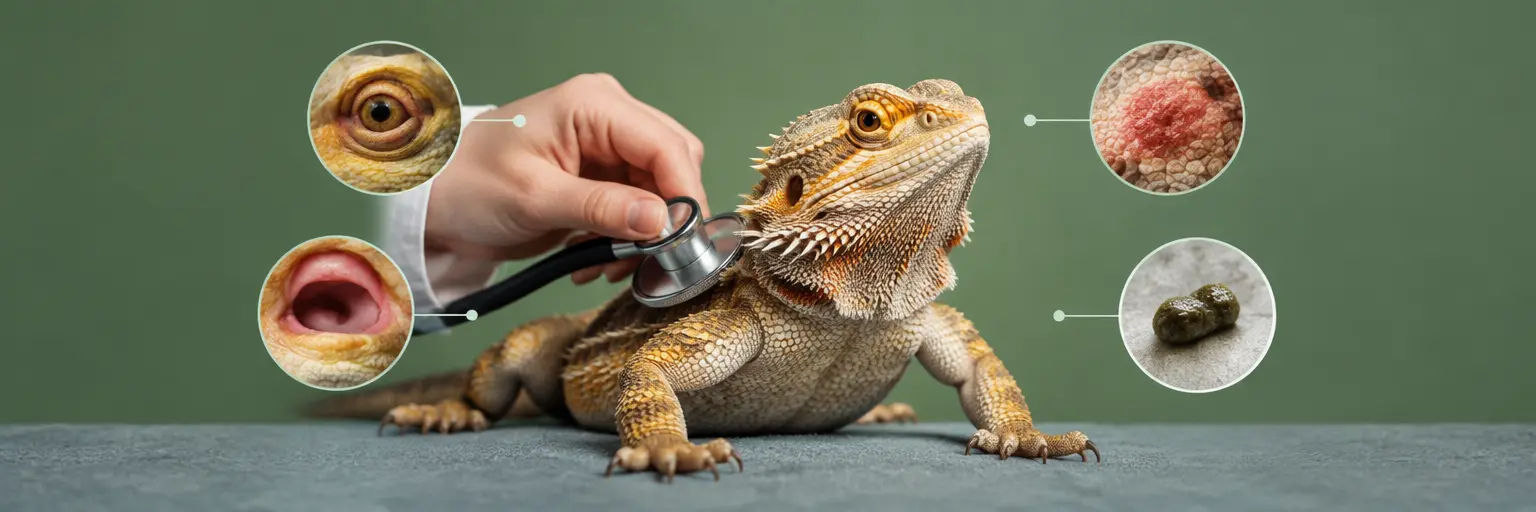
Spotting the subtle signs that your reptile isn’t feeling well can be the difference between a quick recovery and a serious health crisis. Unlike dogs or cats, reptiles are masters at hiding illness, so recognizing early symptoms like changes in appetite, lethargy, abnormal shedding, or unusual breathing is crucial for any exotic pet owner. At PetCareWorld, we guide you through the key indicators of reptile disease, from skin issues and respiratory infections to metabolic bone disease, helping you act fast and seek the right veterinary care. Learn how to read your cold-blooded companion’s behavior, environment needs, and physical cues to keep them thriving in your care.
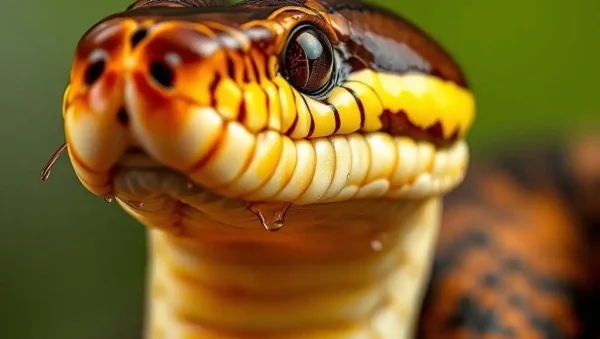
🤔 Is your snake struggling to shed its skin? PetCareWorld's expert guide on snake shedding problems and solutions helps you identify issues,…
Read article
🤔 Spotting reptile abnormal behavior concerns is crucial for their well-being. Learn to identify concerning changes in your reptile's eating, activity, or…
Read article
😊 Maintaining the correct temperature is crucial for reptile health. Our Reptile health temperature control guide provides essential information on how environmental…
Read articleWhen you share your home with a reptile, their health and well-being depend entirely on your vigilance. Unlike dogs or cats, reptiles are masters of disguise when it comes to sickness, often hiding symptoms until a condition becomes critical. This subcategory is designed to empower you with the knowledge to spot early warning signs, understand common ailments, and take swift, appropriate action. From subtle changes in appetite to concerning skin lesions, we cover the essential indicators that your scaly companion may need urgent veterinary care. Here, we decode the cryptic signs of reptile illness so you can provide the best possible life for your exotic pet.
Reptiles have distinct basking, feeding, and activity patterns that vary by species. Recognizing illness begins with knowing your pet’s individual baseline. A healthy snake, lizard, or turtle will exhibit consistent daily rhythms, such as predictable basking times, alert posture, and regular shedding cycles. When these patterns shift—like a nocturnal gecko becoming lethargic during its active hours or a skittish chameleon suddenly being unresponsive—it is a red flag. Pay close attention to changes in appetite, water intake, and social interaction, as these are often the first subtle indicators of underlying health issues. Documenting normal behavior helps you quickly identify deviations that require professional evaluation.
Beyond activity, observe their posture and movement. A reptile that holds its head at an odd angle, drags its limbs, or struggles to climb may be experiencing neurological distress, metabolic bone disease, or a spinal injury. Additionally, abnormal breathing—such as open-mouth breathing, wheezing, or excessive mucus around the nostrils—is never normal. These signs, combined with a lack of interest in food, warrant immediate consultation with a reptile-savvy veterinarian. Never dismiss these behavioral changes as "just a lazy day," as early intervention is key to successful treatment. Keep a daily log of your pet’s habits, especially when you notice any deviation from the norm.
Physical appearance provides a wealth of diagnostic clues for reptile owners. Examine your reptile’s skin for persistent wounds, discoloration, blisters, or retained shed, as these can indicate bacterial infections, fungal issues, or parasite infestations. Swelling around the eyes, jaw, or joints often points to abscesses, gout, or trauma. Additionally, check the vent (cloaca) for any redness, discharge, or prolapse, which are serious emergencies. In turtles and tortoises, a soft or deformed shell is a classic sign of metabolic bone disease, often caused by inadequate UVB lighting or calcium deficiency. Regular, gentle handling and visual inspections are essential—these checks can catch a problem when it’s still manageable.
Changes in waste products are equally telling. Healthy reptiles produce formed, species-appropriate urates and feces. Runny, foul-smelling, or discolored stools may signal gastrointestinal parasites, bacterial gastroenteritis, or dietary imbalances. Moreover, weight loss—especially a prominent backbone or sunken fat pads—is a critical indicator. For snakes, check for abnormal lumps under the skin that could be tumors or retained eggs. Always weigh your reptile on a reliable scale weekly, and note any changes. Consistency is your best ally; early detection of physical abnormalities multiplies the chances of a full recovery, so never postpone a vet visit if you spot something unusual.
Reptiles suffer from a predictable set of diseases, and understanding these can help you recognize symptoms faster. Respiratory infections are common, especially in turtles and lizards kept in cold or damp conditions; watch for wheezing, nasal discharge, and bubbling from the mouth. Metabolic bone disease (MBD) is another leading issue, characterized by tremors, soft jawbones, and limb deformities due to calcium imbalance. Nutritional secondary hyperparathyroidism, the underlying cause, develops from poor diet and UVB exposure. Parasitic burdens, such as pinworms or coccidia, often manifest as chronic weight loss, vomiting, or regurgitation, especially in young reptiles. Moreover, skin infections from burns, cuts, or poor humidity often present as blisters, crusts, or scale pits.
Stomatitis, commonly known as "mouth rot," is a bacterial infection that causes swollen, red, or cheesy-looking lesions inside the mouth. It is frequently triggered by stress or injury, and you may notice excessive salivation or difficulty accepting food. Also, be aware of egg binding in female reptiles, which shows as abdominal swelling, lethargy, and straining without producing eggs. Similarly, ophthalmic issues like conjunctivitis or retained spectacles (eye caps) can cause eye swelling, blinking, or rubbing against surfaces. Familiarizing yourself with these conditions not only helps you detect them early but also prepares you to discuss treatment options intelligently with your vet. Prevention through proper husbandry is always the first line of defense.
Certain symptoms demand immediate emergency intervention, as delays can be fatal. If your reptile is unresponsive, has collapsed, or is showing severe lethargy, this is critical. Seizures, tremors, or an inability to right itself when flipped over also signal neurological or metabolic crises. Severe bleeding, from the mouth, vent, or any visible wound, requires urgent attention to prevent shock. Additionally, any prolapse of tissue from the vent—whether intestinal, uterine, or hemipenic—cannot wait. In turtles, a cracked shell with exposed bone or blood is an emergency. Similarly, open-mouth breathing in a snake, which normally breathes silently through nostrils, indicates a blocked airway or advanced respiratory disease.
Dehydration is another silent killer; if you pinch the skin and it tents rather than snapping back, your reptile needs fluids promptly. Also, if your reptile has not eaten for an extended period (species-dependent, but often 1-2 weeks for adults), especially with weight loss, medical intervention is necessary. Never attempt home remedies or force-feeding without professional guidance, as this can harm your pet. Keep a list of emergency exotic vets in your area, and don’t hesitate to call for advice before a crisis worsens. Remember, reptiles are stoic creatures—by the time severe symptoms are visible, the condition may have been progress for some time. Swift action is the single most powerful tool you have to save your pet’s life.
When you bring your reptile to a veterinarian, a thorough diagnostic process begins with a detailed history of your husbandry—temperature gradients, humidity, diet, supplementation, and lighting. The vet will perform a comprehensive physical exam, including listening to the lungs with a stethoscope and examining the eyes, mouth, skin, and vent. Advanced diagnostic tools often include blood tests (complete blood count and biochemistry panels) to assess organ function, hydration, and infection. Fecal examinations are routine to detect parasitic ova, and culture swabs help identify bacterial or fungal pathogens. X-rays or ultrasound may be recommended to evaluate the skeletal system, internal organs, or to confirm egg presence in females.
These diagnostics are not optional extras; they provide the data needed for a precise diagnosis and targeted treatment. Your vet may also perform cytology—taking a fine-needle aspirate of a swelling or skin lesion—to differentiate between infection, inflammation, or cancer. In some cases, specialized tests like infectious disease panels for viruses (such as nidovirus in pythons) or serology for chronic diseases are ordered. Understand that reptile medicine is nuanced, and your vet may consult with specialists or reference laboratories. Be prepared to provide a detailed dietary and habitat overview, as many illnesses stem from husbandry errors. Your engagement and transparency are crucial for an accurate diagnosis and a successful recovery plan.
Most reptile illnesses are preventable through meticulous husbandry. The cornerstone of prevention is replicating your reptile’s natural habitat as closely as possible: correct temperature gradients, appropriate UVB lighting (with proper intensity and distance), controlled humidity, and clean water. A varied, species-appropriate diet rich in calcium and vitamins is non-negotiable. Supplement with phosphorus-free calcium and vitamin D3 as recommended by your vet. Quarantine new arrivals for at least 30-60 days to prevent introducing pathogens to your existing collection. Clean and disinfect enclosures regularly, but avoid harsh chemicals that may irritate your pet’s skin; use reptile-safe products and thoroughly rinse surfaces.
Routine wellness exams are just as vital for reptiles as for cats and dogs. Schedule annual visits (or semi-annual for older or high-risk species) to catch problems early. Keep logs of your pet’s weight, feeding response, shedding, and any behavioral quirks. Provide enrichment, such as climbing structures, hiding spots, and appropriate substrates, to reduce stress, as stress suppresses the immune system. Also, monitor environmental parameters daily using digital thermometers and hygrometers rather than trusting built-in dial gauges. If a problem does arise, adjust lighting or heating gradually, and document all changes. A committed owner armed with knowledge is the best shield against disease—your proactive care ensures your reptile lives a long, healthy, and vibrant life.
A loss of appetite is the most frequent early warning sign, but it’s often subtle. Look for a decrease in feeding response, refusal of favorite foods, or weight loss. Because reptiles have slow metabolisms, skipping one meal isn’t alarming, but a complete loss of appetite lasting more than a week for most species merits a vet visit.
Absolutely. Stress suppresses the immune system, leading to secondary infections and behavioral changes. Symptoms like hiding constantly, refusing food, excessive shedding, or aggression can be stress-induced. This often stems from improper temperature, overcrowding, or handling. However, always rule out medical causes first with a vet examination.
Skin tenting, where the skin stays elevated after a gentle pinch, is a strong indicator of dehydration. Also, observe sunken eyes, thick, sticky saliva, or wrinkled skin. Offer fresh water, mist the enclosure, and consider soaking your reptile in shallow, lukewarm water if appropriate for its species. Seek vet guidance if severe.
Yes, sepsis often shows as reddish or purplish discoloration on the belly or under the scales, along with lethargy, poor muscle tone, and rapid breathing. This occurs when bacteria enter the bloodstream, often from untreated wounds or infections. Sepsis is an emergency requiring immediate veterinary care and hospitalization with fluid therapy and antibiotics.
Many reptiles eat less or stop eating during the shedding period, especially just before the skin begins to peel. However, if your reptile is also showing other signs like lethargy or stuck shed, check humidity levels. A prolonged refusal to eat beyond a few days after shedding starts warrants a veterinary check.