Tarantula vs Scorpion: A Detailed Comparison
🤔 Discover key differences between tarantulas and scorpions as pets! This detailed comparison from PetCareWorld explores their care needs, temperaments, and suitability…
Read article
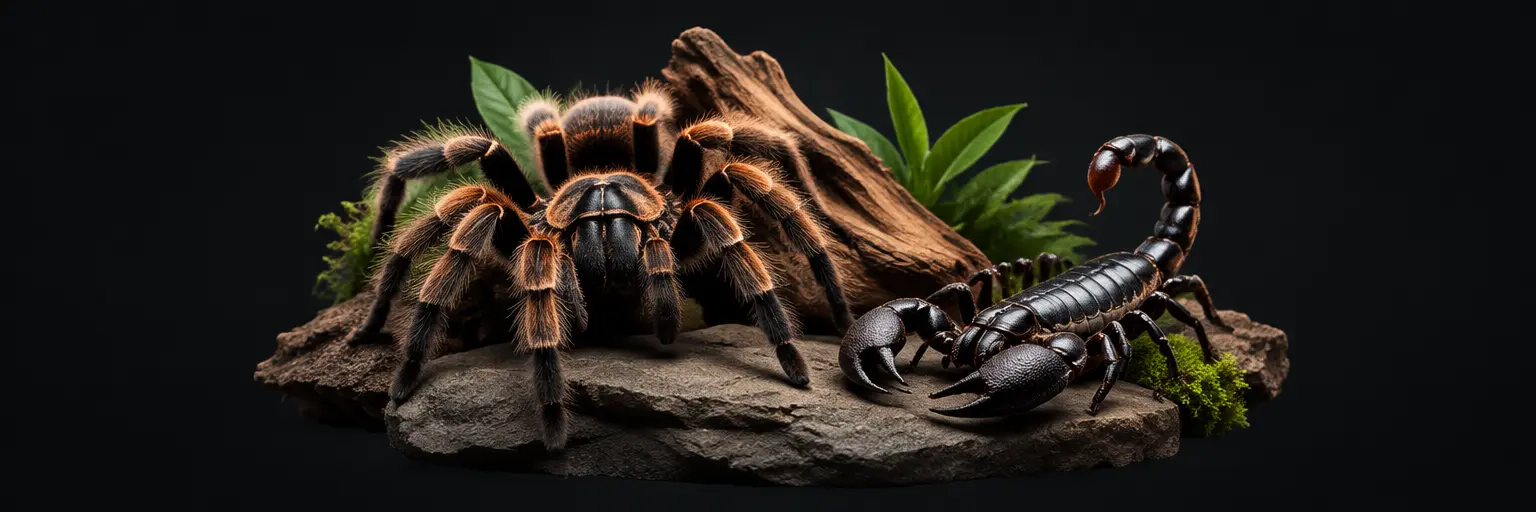
Tarantulas and scorpions are among the most fascinating invertebrate pets, offering a unique blend of intrigue and low-maintenance care that captivates exotic pet enthusiasts. These eight-legged arthropods are surprisingly docile when properly housed, making them ideal for hobbyists seeking a quiet, space-efficient companion that doesn’t demand daily walks or social interaction. From the striking colors of the Chilean rose tarantula to the hardy nature of the emperor scorpion, these invertebrates thrive in carefully controlled terrariums with specific humidity and temperature levels. Owning a tarantula or scorpion is not just about observation—it’s about mastering the art of habitat creation, from selecting the right substrate for burrowing to ensuring proper ventilation and hiding spots. While they may not bond like a dog or cat, their unique behaviors—like molting, webbing, or tail curling—offer endless educational value and a window into a world far removed from typical pets. For those ready to embrace the exotic, tarantulas and scorpions promise a rewarding, low-stress experience that challenges misconceptions and deepens appreciation for biodiversity.
🤔 Discover key differences between tarantulas and scorpions as pets! This detailed comparison from PetCareWorld explores their care needs, temperaments, and suitability…
Read article
😊 Uncover the fascinating world of tarantula temperament! This PetCareWorld guide explores tarantula personality, offering insights to understand your arachnid companion better.…
Read article
😊 Choosing the perfect scorpion? PetCareWorld's best scorpion pet selection guide helps you identify healthy specimens, ensuring a thriving arachnid companion. Learn…
Read articleWelcome to PetCareWorld’s dedicated guide on invertebrate pets, specifically tarantulas and scorpions. These arachnids are increasingly popular among exotic pet enthusiasts for their unique behaviors, striking appearances, and relatively low maintenance compared to mammals. This subcategory provides expert-backed insights into their housing, feeding, handling, and health, ensuring you can confidently care for these remarkable creatures while dispelling common myths. Whether you are a beginner or an advanced keeper, our content is designed to empower you with practical, science-based knowledge.
Selecting your first arachnid involves understanding key differences between species. For tarantulas, beginners often start with terrestrial species like the Chilean Rose Hair (Grammostola rosea) or the Mexican Red Knee (Brachypelma smithi) due to their docile temperaments and hardiness. Scorpions, such as the Emperor Scorpion (Pandinus imperator), are also recommended for novices because they are less venomous and more tolerant of handling. This section helps you match your experience level, available space, and interest in observation versus interaction with the right species.
We delve into the behavioral traits, lifespan, and size of each species, so you can plan for long-term commitment. For instance, female tarantulas can live up to 20 years, while males often live only 3-5 years. Scorpions, on the other hand, typically live 5-8 years. Our guides also highlight which species are more defensive or prone to flicking urticating hairs, ensuring you avoid surprises. By prioritizing species-specific needs, you reduce stress for both you and your pet, creating a more rewarding ownership experience.
Proper housing is the cornerstone of arachnid health. For tarantulas, enclosures vary by type: terrestrial species need floor space with deep substrate (coconut fiber or peat moss) for burrowing, while arboreal species require vertical tanks with cork bark and climbing branches. Scorpions generally prefer a drier setup with a hide, such as a half-log or rock crevice, and a shallow water dish. Temperature and humidity must be monitored—most tarantulas thrive at 75–85°F with moderate humidity, while scorpions like the desert hairy scorpion need lower humidity and a warm basking spot.
Our detailed setup guides include step-by-step instructions on substrate depth, ventilation, and lighting (most species need no special UVB). We emphasize the importance of escape-proof lids and proper ventilation to prevent mold growth. Additionally, we cover enrichment like fake plants and climbing décor to mimic natural habitats, which reduces stress and encourages natural behaviors. By following our recommendations, you create a safe, stimulating environment that minimizes health issues and promotes longevity.
Feeding arachnids is straightforward but requires precision. Tarantulas are carnivorous, primarily eating live insects like crickets, roaches, and mealworms. Juveniles should be fed every 2-3 days, while adults may eat only once a week or less, often fasting for months before molting. Scorpions similarly feed on live prey, but their feeding frequency depends on age and species; young scorpions eat smaller insects every few days, whereas adults can go weeks without eating. We provide a clear feeding chart and caution against overfeeding, which can lead to obesity and complications during molting.
We also discuss gut-loading prey with nutritious foods, dusting with calcium or vitamin supplements (though not always necessary), and the importance of providing fresh water. For aquatic scorpions, water quality is crucial. Our nutrition guides explain how to recognize hunger cues and fasting periods linked to molting or breeding. By following these feeding protocols, you ensure your pet receives balanced nutrition, reducing risks of metabolic bone disease or impaction from indigestible prey.
Handling tarantulas and scorpions requires respect and caution. Tarantulas should be handled rarely and only with confidence; their fangs can cause painful bites, though venom is rarely life-threatening to humans. Scorpions are more unpredictable—many species have medically significant venom, especially in the Leiurus genus. We teach safe handling techniques using cupped hands or tools, advising against pinching or dropping. Always wash hands before and after, and never handle during molting or when the animal is stressed.
Our safety section covers what to do in case of a bite or sting, including first aid steps and when to seek medical attention. We also emphasize the importance of supervising children and keeping enclosures locked. By understanding their body language—such as defensiveness in tarantulas or raised stingers in scorpions—you can avoid unnecessary risks. This knowledge helps you build a positive relationship based on observation rather than frequent handling, which is often better for your pet’s well-being.
Arachnids are hardy, but they are prone to issues like dehydration, mites, and molting problems. Common signs of ill health include lethargy, refusal to eat, abnormal posture, or discolored exoskeleton. Dehydration can be addressed by adjusting humidity and providing a shallow water dish. Fungal infections often result from excessive moisture—ensure good ventilation and clean substrate. We provide a symptom checker and recovery protocols, including quarantine steps for new arrivals to prevent disease spread.
Molting is a critical period; tarantulas molt by lying on their backs, and scorpions shed their exoskeleton as well. Do not disturb them during this time, as they are extremely vulnerable. Our guides explain how to perfect humidity for molting and what to do if a molt is incomplete. Additionally, we cover parasite prevention, especially for wild-caught specimens, and when to consult a veterinarian specializing in exotic pets. Armed with this knowledge, you can catch early warning signs and extend your pet’s lifespan.
Most species have mild venom, but handling always carries risk. Tarantulas can bite and release urticating hairs causing irritation, while scorpions can sting with variable potency. We recommend observation over handling, especially for beginners. Use tools for transfers and never handle during molting. In case of a bite or sting, clean the area and seek medical help if symptoms are severe.
Tarantulas need enclosures roughly 3-5 times their leg span in width, with height depending on species. Scorpions need a tank at least 10 gallons for a single adult, but floor space is more important than height. Provide adequate substrate and hides. Always ensure the lid is secure to prevent escapes.
Young juveniles should eat every 2-3 days, while adults can be fed once a week or less. Scorpions may eat every 5-7 days as adults. Monitor body condition; overfeeding can be fatal. Reduce feeding during winter or before molting. Always remove uneaten prey after 24 hours.
They do not require UVB lighting, but they do need a temperature gradient. Use under-tank heaters or heat mats on one side, maintaining 75-85°F for most species. Avoid direct heat sources that can overheat. A regular light cycle is fine; use a low-wattage bulb for visibility if desired.
No, they are largely solitary and territorial. Keeping multiple in one enclosure leads to stress, cannibalism, or fights. Each individual should have its own tank, especially during molting. If breeding, only pair adults for a short time and separate immediately after.